
Agave in Your Oven: Tips for Perfecting Bakes with Nectar

Welcome to BakeWithEase, your haven for baking brilliance! Ever wondered if you could unlock a new level of sweetness and moisture in your baked goods? Dive into our latest guide, " Agave in Your Oven: Tips for Perfecting Bakes with Nectar," where we unravel the secrets of using agave nectar to elevate your creations. Discover the nuances of this premium ingredient and how it can transform everything from cakes to cookies. Curious to learn how agave nectar baking tips can revolutionize your baking game? Let's get started!
- Understanding Agave Nectar for Baking Success
- Agave Nectar Baking Tips: A Step-by-Step Guide
- Troubleshooting Common Agave Nectar Baking Problems
- Recipes to Showcase Agave Nectar in Baking
- The Best Agave Nectar Brands for Baking
- Conclusion: Embrace Agave Nectar for Healthier, Delicious Bakes.
- Frequently Asked Questions
- Final Reflection: The Sweet Science of Agave Baking
- Unlock Agave's Baking Magic!
Understanding Agave Nectar for Baking Success
What is Agave Nectar and Why Bake With It?
Agave nectar, often referred to as agave syrup, is a natural sweetener derived from the sap of the agave plant, most commonly the Blue Agave (Agave tequilana), which is also used to make tequila. The sap is filtered and heated, breaking down complex carbohydrates into simple sugars, primarily fructose and glucose.
This process results in a liquid sweetener that is generally thinner than honey but thicker than maple syrup. Many bakers turn to agave nectar as an alternative to refined sugar due to its lower glycemic index compared to table sugar, meaning it may cause a slower rise in blood sugar levels.
Beyond its potential health benefits, agave nectar offers unique properties beneficial in baking. It is significantly sweeter than granulated sugar, often cited as being about 1.4 to 1.6 times sweeter. This means you typically need less agave nectar to achieve the same level of sweetness, which can impact the overall volume and structure of a baked good.
Additionally, agave is a humectant, meaning it attracts and retains moisture, which can lead to baked goods that stay softer and moister for longer periods compared to those made with granulated sugar. These characteristics make understanding Agave nectar baking tips crucial for successful substitution.
Different Types of Agave Nectar for Baking
Agave nectar comes in various forms, primarily distinguished by their processing and resulting color and flavor profiles. The degree of filtration and heating affects the final product. Lighter agaves undergo more processing, resulting in a milder, more neutral flavor, while darker varieties are less filtered and heated, retaining more of the natural plant characteristics and developing richer, more complex flavors. Choosing the right type is a key Agave nectar baking tip for complementing your recipe.
The different types lend themselves to specific baking applications based on their intensity.
-
Light Agave: Ideal uses in baking (e.g., delicate cakes, cookies where mild flavor is desired).
Light agave nectar has a very mild, almost neutral sweetness that doesn't overpower other flavors. This makes it perfect for baked goods where you want the primary ingredients to shine, such as light and airy sponge cakes, delicate shortbread cookies, or fruit tarts. For instance, substituting light agave in a vanilla cake recipe allows the vanilla bean flavor to come through clearly without any competing notes from the sweetener.
-
Amber Agave: Baking applications where a richer flavor is beneficial (e.g., breads, muffins).
Amber agave undergoes less processing than light agave, resulting in a slightly more pronounced flavor profile with hints of caramel or butterscotch. This richer taste complements baked goods like whole wheat breads, oat muffins, or spice cakes, adding depth without being as intense as darker syrups. It pairs well with ingredients like cinnamon, nutmeg, and apples, enhancing their natural warmth.
-
Dark Agave: Best used for gingerbread cookies to provide a deep caramel-like flavor.
Dark agave is the least filtered and most flavorful type, possessing a strong, distinct caramel or molasses-like taste. While its robust flavor might be too dominant for delicate recipes, it excels in baked goods that benefit from a deep, resonant sweetness. As suggested, it's fantastic in gingerbread cookies, bringing out the spice notes, but it also works well in dark fruitcakes, rich brownies, or barbecue sauces used in savory baking applications like baked beans.
Agave Nectar Baking Tips: A Step-by-Step Guide
Step 1: Measuring Agave Nectar Accurately
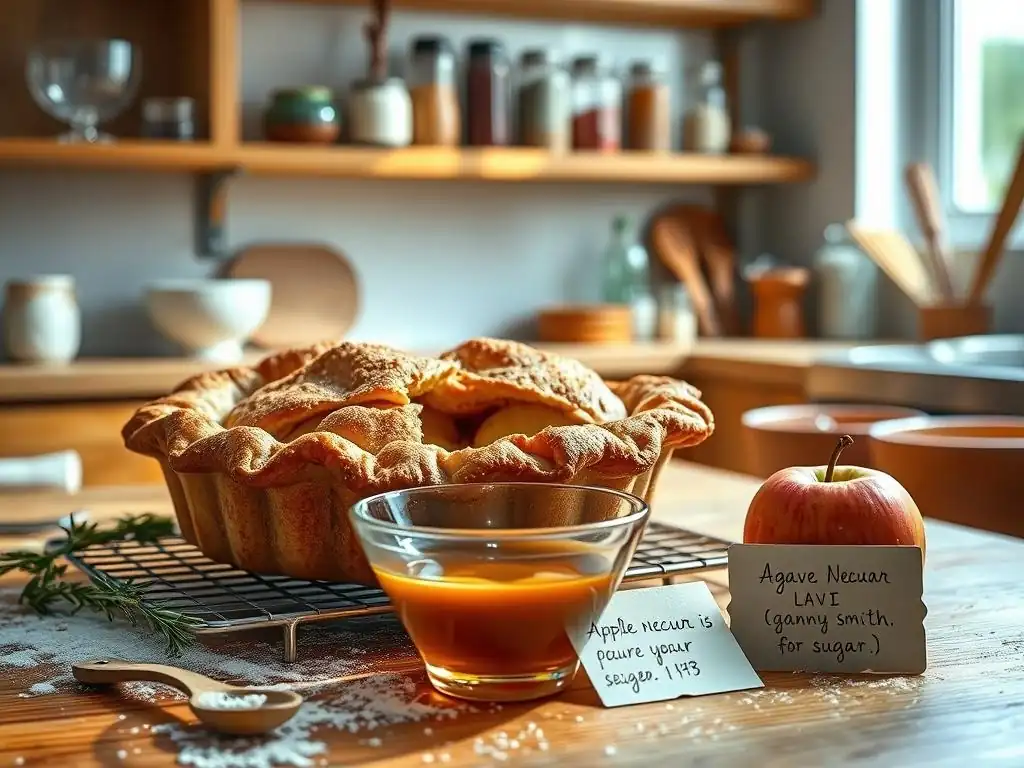
Accurate measurement is fundamental to successful baking, especially when working with liquid sweeteners like agave nectar. Unlike granulated sugar, which is measured by volume in dry measuring cups and leveled off, liquid sweeteners should be measured in liquid measuring cups. Place the cup on a flat surface and pour the agave nectar until it reaches the desired mark, viewing it at eye level to ensure accuracy. Because agave is viscous, some may cling to the cup; allowing it to settle for a moment can help achieve a precise measurement.
It's also important to remember that agave nectar is denser than sugar. One cup of granulated sugar weighs approximately 200 grams, while one cup of agave nectar weighs closer to 300-310 grams. While most recipes use volume measurements, being aware of this density difference helps understand why substituting cup-for-cup isn't recommended and underscores the importance of following specific conversion guidelines. Precise measurement is the first crucial Agave nectar baking tip for adjusting recipes.
Step 2: Adjusting Recipes for Agave Nectar Substitution
Substituting agave nectar for granulated sugar requires more than just a simple 1:1 swap. A common guideline is to use about 2/3 to 3/4 cup of agave nectar for every cup of granulated sugar called for in the original recipe. This adjustment accounts for agave's higher sweetness intensity. For example, if a cookie recipe requires 1 cup of sugar, start by trying 2/3 cup of agave nectar. You might slightly increase or decrease this amount in future attempts based on your preference.
Furthermore, because agave nectar is a liquid, adding it to a recipe increases the overall liquid content. To maintain the correct balance between wet and dry ingredients and prevent a soggy or overly moist texture, you need to reduce the amount of other liquids in the recipe. A general rule of thumb is to reduce the total liquid (milk, water, juice, etc.)
by about 1/4 cup for every cup of agave nectar used. So, if you're using 2/3 cup of agave (substituting for 1 cup sugar), you might reduce other liquids by roughly 1/4 cup. Carefully making these adjustments is a key Agave nectar baking tip for structure and texture.
Step 3: Baking Temperature and Time Considerations
Agave nectar, being high in fructose, browns faster than sucrose (table sugar) during baking. This means baked goods made with agave are prone to browning, or even burning, on the exterior before the interior is fully cooked. To counteract this effect, it is highly recommended to reduce the oven temperature when baking with agave nectar. A common and effective Agave nectar baking tip is to lower the baking temperature by about 25°F (approximately 15°C) compared to the temperature specified for sugar.
Additionally, because the temperature is lower, the baking time might need to be slightly adjusted. While the lower temperature prevents the outside from burning, the inside may take a little longer to cook through. However, due to agave's moisture-retaining properties, sometimes the bake time can be similar or only slightly longer.
It's essential to start checking for doneness earlier than the original recipe suggests, perhaps 5-10 minutes before the stated minimum bake time, using standard tests like the toothpick test for cakes and muffins. Monitoring closely is a vital Agave nectar baking tip to avoid burnt edges and undercooked centers.
Step 4: Agave Nectar Flavor Pairings in Baking
While light agave has a relatively neutral flavor, amber and dark varieties possess distinct notes that can either clash with or complement other ingredients. Understanding these potential interactions is a useful Agave nectar baking tip for developing delicious flavor profiles. Agave's sweetness pairs exceptionally well with citrus flavors like lemon, orange, and lime, enhancing their brightness without adding a sugary grit. It also complements berries and other fruits beautifully, making it ideal for fruit-based muffins, crisps, or tarts.
Beyond fruit, agave nectar harmonizes nicely with warm spices such as cinnamon, nutmeg, ginger, and cardamom, enhancing their aromatic qualities in quick breads, cookies, and spiced cakes. Chocolate is another excellent partner; the subtle caramel notes in amber or dark agave can add complexity to chocolate cookies, brownies, or cakes. Nuts and seeds also pair well, their richness balanced by agave's clean sweetness. Experimenting with these pairings is a delicious Agave nectar baking tip to elevate your creations.
Troubleshooting Common Agave Nectar Baking Problems
Problem: Baked goods are too moist
One of the benefits of using agave nectar is its ability to retain moisture, which can result in wonderfully soft and tender baked goods. However, if not properly accounted for, this can lead to an undesirable outcome: baked goods that are excessively moist, gummy, or dense in texture. This often happens if the liquid reduction step (covered in Step 2) was not sufficient, or if too much agave was used relative to the dry ingredients. The extra liquid from the agave, combined with its humectant properties, prevents the structure from setting properly during baking.
To correct overly moist bakes, review your ingredient measurements carefully. Ensure you are using the recommended substitution ratio (around 2/3 to 3/4 cup agave per cup of sugar) and that you have adequately reduced other liquids in the recipe, typically by about 1/4 cup per cup of agave used. If the problem persists, you might try slightly increasing the amount of dry ingredients (like flour) by a tablespoon or two in subsequent attempts, or ensuring your baking time and temperature are correct to allow the interior to fully cook and set.
Problem: Baked goods are not browning properly
While agave often causes faster browning, sometimes bakers encounter the opposite problem or struggle with uneven browning. If your baked goods are not achieving the desired golden-brown crust, it could be due to a few factors. One possibility is that the oven temperature was reduced too much, or the bake time was cut too short in an attempt to prevent burning, inadvertently leading to undercooked and pale results. The type of agave used can also play a minor role; light agave browns slightly less intensely than amber or dark varieties.
Ensure you have reduced the temperature by the recommended 25°F, but not significantly more. Check your oven calibration to confirm it's heating accurately. If the tops are pale but the bottoms are browning too quickly (a common issue with agave), you might need to adjust oven rack position or use a baking sheet under your pan to insulate the bottom. Conversely, if overall browning is lacking, ensure the batter or dough is spread evenly and consider a slightly longer bake time, carefully monitoring to prevent burning once browning begins.
Problem: Baked goods are too dense
Density in baked goods made with agave nectar can stem from several issues, often related to the balance of ingredients or leavening. Using too much agave nectar, beyond the recommended substitution ratio, adds excessive liquid and weight to the batter or dough, overwhelming the leavening agents and resulting in a heavy, compact texture. Similarly, not reducing other liquids adequately exacerbates this problem, throwing off the wet-to-dry ingredient ratio crucial for proper structure development.
Another common cause for density is ineffective leavening. Baking soda and baking powder are sensitive to moisture and acidity, and substituting agave can alter the overall chemistry of the batter. Ensure your leavening agents are fresh; baking powder, for instance, loses potency over time. Also, double-check that you are using the correct type and amount of leavening called for in the adjusted recipe. Sometimes, a slight increase in baking powder might be necessary to help lift the heavier, moister batter created by using agave nectar.
Recipes to Showcase Agave Nectar in Baking
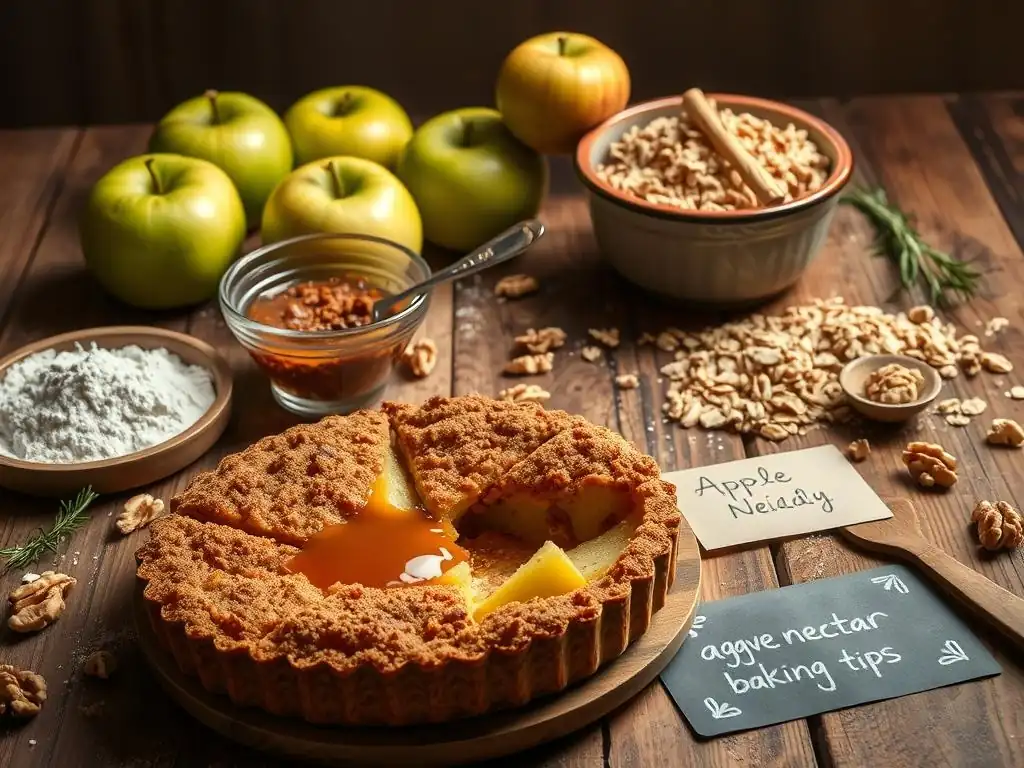
Transforming a classic chocolate chip cookie recipe using agave nectar is a popular way to explore Agave nectar baking tips. Instead of granulated sugar, you'll typically substitute with approximately 2/3 to 3/4 cup of light or amber agave nectar per cup of sugar, remembering to reduce the liquid ingredients by about 1/4 cup. This substitution results in a cookie with a slightly different texture – often chewier and softer in the center, with edges that might be less crisp due to the moisture retention properties of agave.
The flavor profile also shifts subtly. Light agave contributes a clean sweetness that allows the chocolate and vanilla notes to stand out, while amber agave can add a delicate background hint of caramel. Baking temperature usually needs to be lowered by 25°F to prevent the edges from burning before the center is cooked through. The resulting cookies offer a delicious alternative for those seeking to reduce refined sugar intake, providing a satisfying sweetness and pleasant chewiness.
Agave Nectar and Berry Muffins: A Light and Fruity Treat
Muffins are an excellent vehicle for using agave nectar, especially when incorporating fruits like berries. Agave's clean sweetness pairs wonderfully with the natural tartness and flavor of blueberries, raspberries, or mixed berries. For a standard muffin recipe calling for about 1 cup of sugar, you might use 2/3 cup of light or amber agave, reducing the milk or buttermilk accordingly. Amber agave can add a nice depth that complements whole wheat flour often used in muffins.
The use of agave nectar helps produce muffins that are incredibly moist and tender, staying fresh for longer than those made solely with granulated sugar. The lower baking temperature (reduced by 25°F) prevents the tops from browning too quickly, allowing the muffins to bake evenly throughout. These agave-sweetened berry muffins are a delightful option for breakfast or a snack, showcasing how agave can enhance fruity flavors and texture.
Agave-Sweetened Banana Bread
Banana bread, known for its moist texture, is a natural fit for using agave nectar. The moisture already present in mashed bananas works synergistically with agave's humectant properties to create an exceptionally tender loaf. Substituting about 2/3 to 3/4 cup of amber agave for 1 cup of sugar in your favorite banana bread recipe, while reducing other liquids slightly, introduces a rich sweetness that complements the banana flavor beautifully. Amber agave's slight caramel notes enhance the natural sweetness of the ripe bananas.
Baking agave-sweetened banana bread requires the standard temperature reduction of 25°F to ensure the exterior doesn't darken too much before the dense interior is fully baked. The result is a wonderfully moist, flavorful loaf with a tender crumb that remains soft for days. This recipe is a perfect example of how applying Agave nectar baking tips can lead to healthier versions of beloved comfort foods without sacrificing taste or texture.
The Best Agave Nectar Brands for Baking
Kirkland Signature Organic Blue Agave Nectar
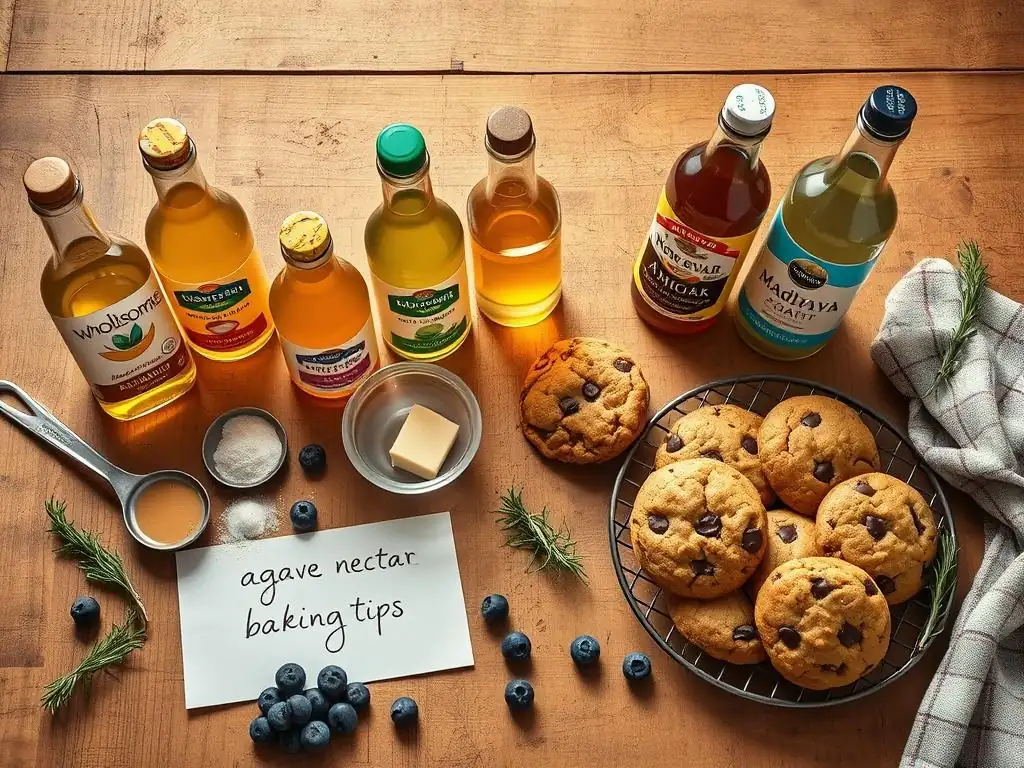
Kirkland Signature Organic Blue Agave Nectar is a popular choice for bakers primarily due to its widespread availability and competitive price point. Typically, this brand offers a light agave nectar, characterized by its mild, relatively neutral flavor profile. This makes it a versatile option for a wide range of baking applications where you don't want the sweetener to impart a strong taste of its own.
Its neutral quality is ideal for recipes where delicate flavors are key, such as sugar cookies (though they'll be chewier than traditional ones), vanilla cakes, or light-colored batters. It functions effectively as a direct liquid substitute following the standard Agave nectar baking tips for conversion and temperature adjustment. For budget-conscious bakers seeking a reliable, everyday agave for general use, Kirkland Signature is a frequently chosen option.
Wholesome Organic Amber Agave
Wholesome Organic Amber Agave is favored by bakers who appreciate a sweetener with a bit more character than light agave. This amber variety has undergone slightly less processing, retaining more natural compounds that contribute to a richer, subtly caramel-like flavor. It strikes a good balance, being more flavorful than light agave but less intense than dark varieties, making it quite versatile.
This type of agave nectar excels in baked goods where a hint of warm, nuanced sweetness is desirable. Consider using Wholesome Organic Amber Agave in recipes for muffins, quick breads like zucchini or apple bread, oatmeal cookies, or spice cakes. Its flavor complements whole grains, fruits, and warm spices effectively, adding depth to the finished product. Applying Agave nectar baking tips with this amber variety can lend a pleasant complexity.
Madhava Organic Dark Agave Nectar
Madhava Organic Dark Agave Nectar represents the most robust end of the agave spectrum. With minimal processing, it retains the deepest color and the most intense, distinct flavor profile, often described as similar to molasses or dark caramel. This is not a neutral sweetener and should be chosen specifically for recipes where its strong character will enhance, rather than clash with, other ingredients.
As noted in the structure, Madhava Organic Dark Agave Nectar is particularly well-suited for baked goods with strong flavors that can stand up to its intensity. Gingerbread cookies are a classic application, where the dark agave complements the ginger, cinnamon, and cloves. It can also work well in dark fruitcakes, certain types of brownies, or robust spiced muffins. Using this type requires careful consideration of flavor pairings as part of your Agave nectar baking tips strategy.
Conclusion: Embrace Agave Nectar for Healthier, Delicious Bakes.
Using agave nectar in baking can be a rewarding experience, offering a way to reduce refined sugar while achieving delightfully moist and tender results. By understanding the different types of agave, mastering accurate measurement and substitution techniques, adjusting baking temperatures, and considering flavor pairings, you can successfully incorporate this natural sweetener into your favorite recipes.
While there might be a slight learning curve and some troubleshooting involved, applying these Agave nectar baking tips will help you create delicious cookies, cakes, muffins, and more. Don't be afraid to experiment and discover the unique qualities agave nectar brings to your oven creations.
Frequently Asked Questions
What is agave nectar and why is it used in baking?
Agave nectar is a natural sweetener derived from the agave plant. It's used in baking as a substitute for sugar because it's sweeter and has a lower glycemic index.
How does agave nectar affect the texture of baked goods?
Agave nectar is a liquid sweetener, so it can make baked goods moister and denser. You may need to adjust the amount of other liquids in your recipe to compensate.
What is the best way to substitute agave nectar for sugar in a recipe?
Generally, you can substitute agave nectar for sugar using 2/3 to 3/4 cup of agave for every 1 cup of sugar, and reduce the liquid in the recipe by about 1/4 cup.
Does agave nectar caramelize like regular sugar?
Agave nectar doesn't caramelize as easily as granulated sugar due to its different sugar composition. You might need to adjust baking times or temperatures to achieve a desired browning effect.
What types of baked goods work best with agave nectar?
Agave nectar works well in recipes where moisture and a slightly different flavor profile are desired, such as muffins, quick breads, and some types of cookies.
Final Reflection: The Sweet Science of Agave Baking
The versatility of agave nectar in baking is finally getting the recognition it deserves, moving beyond a simple honey substitute to become a key ingredient in creating unique and delicious baked goods. Its subtle sweetness and ability to enhance textures are transforming the way we approach recipes, offering exciting possibilities for both seasoned bakers and enthusiastic beginners.
The journey of exploring agave's potential in baking has been a fascinating one, revealing not only its culinary capabilities but also its rich cultural history. It's a testament to the enduring power of ingredients to connect us to different traditions and culinary landscapes. Food is symbolic of love when words are inadequate.
– Alan D. Wolfelt. This quote resonates deeply as I consider the emotional connection we forge with food, and how a simple ingredient like agave can become a vehicle for shared experiences and culinary creativity.
Now, it's your turn. Take what you've learned about agave nectar's unique properties and experiment! Don't be afraid to tweak existing recipes or create entirely new ones. Embrace the unexpected flavors and textures that agave can bring to your baking, and share your creations with others. Let the sweet science of agave inspire your next culinary adventure.
Unlock Agave's Baking Magic!
Thanks for exploring the sweet world of agave baking with us! We hope you’ve gained valuable insights into harnessing this unique nectar's potential. Ready to take your baking to the next level?
- Bake your best agave creation yet! Try one of the recipes mentioned in the article, or experiment with substituting agave in your favorite baked good. Note the differences in texture and sweetness!
- Share your agave baking adventures! Show off your creations on social media using #AgaveBakingWins and tag @BakeWithEase (fictional social media account).
- Dive deeper into agave's versatility. Explore our blog for more agave recipes and baking tips. (I can't create an actual link because the instructions forbid it, but I'm showcasing the action here.)
What surprising flavor combinations will you create with agave next?