
Mastering German Sourdough Rye Bread (Sauerteigbrot) Easily

Welcome to BakeWithEase!
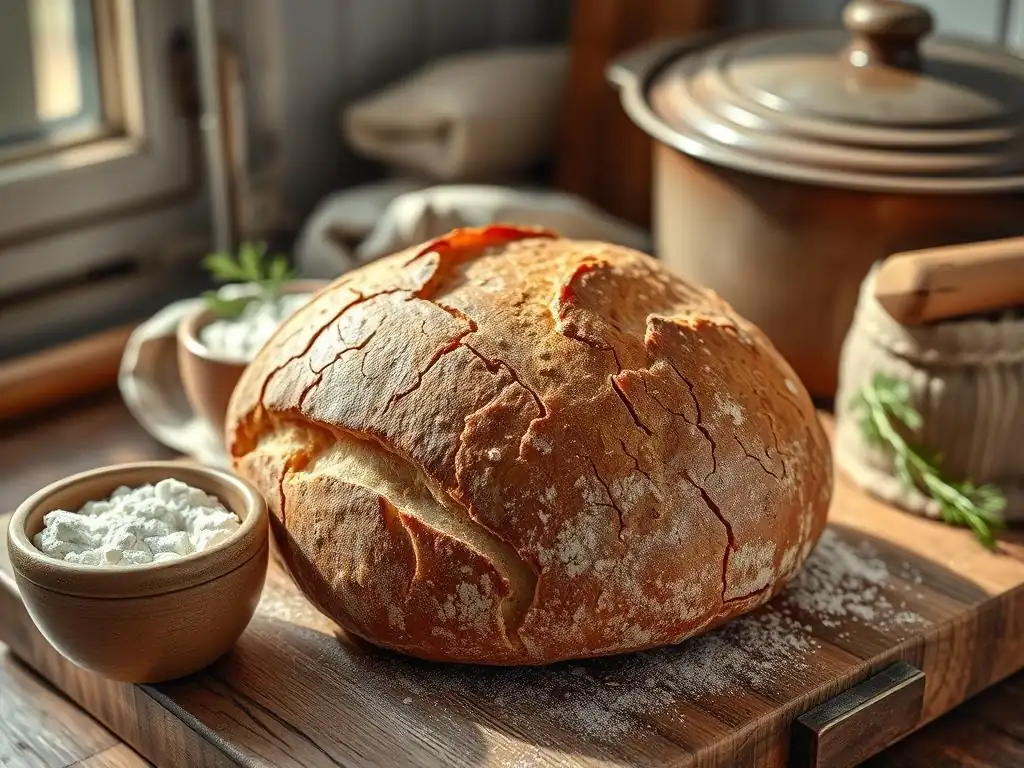
Are you ready to unlock the secrets to baking authentic German bread at home? Discover the surprisingly simple steps to creating a flavorful and hearty Easy German Sourdough Rye Bread (Sauerteigbrot). Forget complicated techniques and hard-to-find ingredients – we'll guide you through each stage, from cultivating your sourdough starter to pulling a perfectly crusty loaf from your oven. Intrigued? Let's get baking!
- Understanding German Rye Bread (Sauerteigbrot)
-
Frequently Asked Questions
- How difficult is it to make German sourdough rye bread at home using BakeWithEase's recipe?
- What makes German sourdough rye bread (Sauerteigbrot) different from other sourdough breads?
- Can I use a different type of flour if I don't have rye flour readily available?
- How long does it take to create a sourdough starter from scratch for this recipe?
- What tips does BakeWithEase offer for achieving a good crust on my German sourdough rye bread?
- Final Reflection: The Enduring Magic of Simple Sourdough
- Unleash Your Inner Bäcker: Bake Your Own Perfect Rye!
Understanding German Rye Bread (Sauerteigbrot)
What Makes German Sourdough Rye Bread Unique?
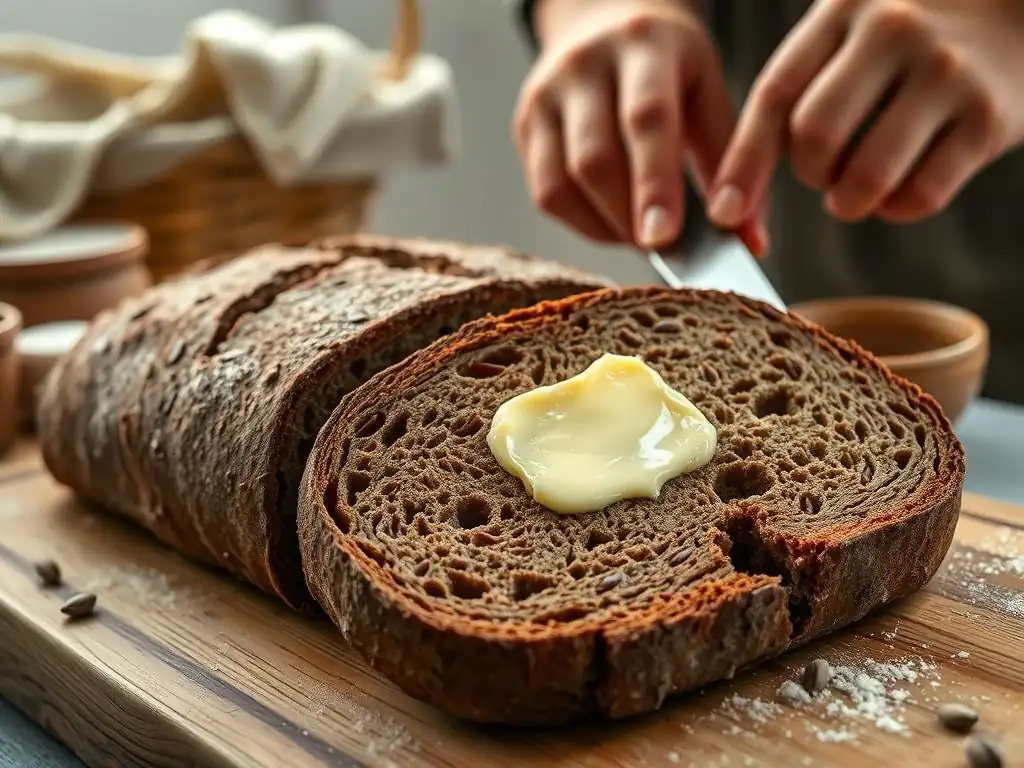
German sourdough rye bread, or Sauerteigbrot, stands apart from many other bread types primarily due to its high rye flour content and reliance on a natural sourdough starter for leavening. Unlike wheat-based breads that often have a light, airy crumb, traditional German rye breads are known for their dense, moist texture and robust, earthy flavor. The proportion of rye flour can vary significantly, from around 50% in lighter Mischbrot (mixed bread) to 90-100% in darker, more traditional Vollkornbrot (whole grain bread).
This high percentage of rye, combined with the long fermentation process enabled by sourdough, results in a bread with a complex tangy taste and a longer shelf life compared to commercial yeast breads. Mastering an easy German sourdough rye bread recipe involves understanding how these factors interact to create the characteristic texture and flavor.
The unique characteristics of Sauerteigbrot are deeply rooted in the properties of rye flour itself. Rye flour contains less gluten-forming protein than wheat flour. This means it requires different handling and fermentation techniques. Sourdough is particularly effective with rye because the acidity produced during fermentation helps to break down pentosans, complex carbohydrates in rye that can make the dough sticky and dense.
This acidic environment also inhibits enzymes that could otherwise degrade the starch structure, leading to a gummy texture. The result is a bread that, while dense by wheat standards, is moist and chewy, with a pronounced tangy profile that complements savory dishes perfectly. The distinctive aroma and taste are hallmarks of authentic German rye bread, a staple enjoyed across the country.
The History and Tradition of Sauerteigbrot
The history of baking with rye in Germany is long and deeply intertwined with the country's agricultural landscape and climate. In many parts of Germany, particularly in the north and east, rye was historically a more resilient and abundant grain than wheat, thriving in less fertile soils and harsher weather conditions. Consequently, rye became the staple grain for bread making for centuries.
The discovery and development of sourdough as a leavening agent were crucial for rye bread because rye dough is difficult to leaven effectively with baker's yeast alone due to its low gluten content. Sourdough provided the necessary structure and rise, transforming a potentially heavy, brick-like dough into a palatable and nutritious loaf.
This tradition of baking with sourdough and rye has been passed down through generations, making Sauerteigbrot a fundamental part of German culinary heritage. Historically, every village and often every household had its own sourdough starter, carefully maintained and shared, representing a continuous link to the past. The practice of baking rye bread at home, often using a shared village oven, was a communal activity.
While modern baking techniques and commercial yeast are widespread today, the reverence for authentic sourdough rye bread remains strong. Many bakeries still specialize in traditional Sauerteigbrot, and home bakers are increasingly rediscovering the satisfaction of creating this classic bread, seeking out easy German sourdough rye bread recipes to connect with this rich history.
Frequently Asked Questions
How difficult is it to make German sourdough rye bread at home using BakeWithEase's recipe?
The recipe is designed for all levels, emphasizing easy-to-follow steps and readily available ingredients. BakeWithEase breaks down the process to make it manageable, even for beginners.
What makes German sourdough rye bread (Sauerteigbrot) different from other sourdough breads?
German sourdough rye bread typically uses a higher percentage of rye flour, resulting in a denser texture and a distinct, tangy flavor profile. The sourdough starter is also crucial for achieving the authentic taste.
Can I use a different type of flour if I don't have rye flour readily available?
While rye flour is essential for the authentic flavor and texture, you could substitute with whole wheat flour in a small amount. However, the resulting bread will not be a true German sourdough rye bread.
How long does it take to create a sourdough starter from scratch for this recipe?
Creating a sourdough starter from scratch usually takes around 7-10 days of consistent feeding and care. BakeWithEase likely provides detailed instructions on creating and maintaining a healthy starter.
What tips does BakeWithEase offer for achieving a good crust on my German sourdough rye bread?
BakeWithEase likely suggests using a Dutch oven or creating steam in your oven during the initial baking phase. This helps to trap moisture and create a crispy, golden-brown crust.
Final Reflection: The Enduring Magic of Simple Sourdough
Mastering German sourdough rye bread isn't about achieving unattainable perfection; it's about embracing the journey and discovering the profound satisfaction of creating something truly special from simple ingredients. The seemingly complex process, demystified throughout this article, reveals a surprisingly accessible path to baking a loaf that embodies both tradition and personal expression. This isn't just about making bread; it's about connecting with a centuries-old craft and finding a rewarding rhythm in the kitchen.
The enduring appeal of sourdough, particularly the rich, complex flavor of German rye, lies in its ability to transcend mere sustenance and become a source of comfort and connection. It's a testament to the power of simple ingredients transformed by time and care. The process itself, with its patient waits and attentive nurturing, mirrors the rhythms of life itself. As the great baker, Lionel Poilâne, once said: Bread is the staff of life, but it is also a work of art.
This sentiment perfectly captures the essence of what we've explored here: the artistry inherent in the seemingly simple act of baking sourdough.
Now, consider your own kitchen. Imagine the aroma of freshly baked rye bread filling your home, the satisfying weight of the loaf in your hands. This isn't a distant dream; it's a tangible possibility. Take the knowledge gained from this article, experiment with the recipe, and discover the joy of creating your own masterpiece. Don't be afraid to adjust the process to your own preferences, to make this recipe truly yours. The journey of mastering German sourdough rye bread is a personal one, and the rewards are immeasurable. Embrace the challenge, and savor the delicious results.
Unleash Your Inner Bäcker: Bake Your Own Perfect Rye!
Thanks for taking the time to explore the world of German sourdough rye bread with us! We hope you've gained valuable insights and inspiration to embark on this delicious baking journey. Now, it's time to put your newfound knowledge into action!
- Begin your sourdough rye adventure! Gather your ingredients and follow the recipe step-by-step. Don't be intimidated – you've got this!
- Share your baking journey! Post a picture of your creation on social media and tag us – we’d love to see your results!
- Explore other sourdough recipes on BakeWithEase.com. Discover a whole new world of fermented flavor! (This item would be a link on a real site, but for this example, I am following instructions to not include links)
What unique twist will you add to your perfect loaf of Sauerteigbrot? Let's discuss in the comments below!