
The Baker's Cheat Sheet: GlutenFree Substitutions Explained

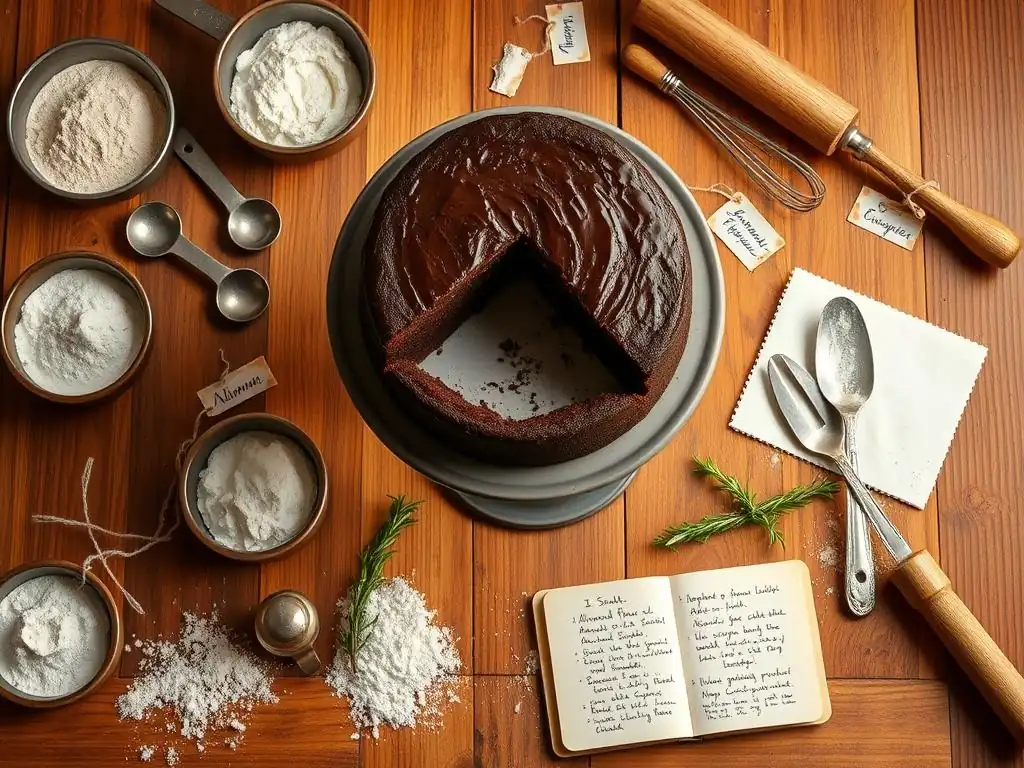
Welcome to BakeWithEase, where delicious baking becomes effortlessly achievable! Are you ready to unlock the secrets of gluten-free baking? This Baker's Cheat Sheet dives deep into the world of gluten-free baking substitutions, offering a comprehensive guide to help you create incredible treats without the gluten. Intrigued by the possibilities? Discover how simple ingredient swaps can transform your favorite recipes and open a world of flavorful, allergy-friendly delights. Let's get baking!
- Mastering Gluten-Free Baking: A Comprehensive Substitution Guide
- Bake Gluten-Free with Confidence: A Detailed Guide
- Understanding Gluten's Role in Baking
- The Ultimate Gluten-Free Baking Substitutions Guide
- Replacing Gluten: Binders and Texturizers
- Liquid Substitutions for Gluten-Free Baking
- Sugar Substitutions in Gluten-Free Baking
- Fat Substitutions for Gluten-Free Baking
- Troubleshooting Common Gluten-Free Baking Problems
- Gluten-Free Baking Recipe Adaptations: Tips and Tricks
- Mastering Gluten-Free Baking: A Summary of Key Substitutions
-
Frequently Asked Questions
- What are the most common gluten-free flour substitutes used in baking?
- How does gluten typically function in traditional baking, and how does that affect gluten-free baking?
- What binding agents are typically used in GlutenFree baking?
- Can I use a 1:1 substitution for all-purpose flour in a recipe with gluten-free flour?
- Where can I find reliable recipes and resources specifically for gluten-free baking?
- Final Reflection: Unlocking the Gluten-Free Bakery
- Unleash Your Gluten-Free Baking Potential!
Mastering Gluten-Free Baking: A Comprehensive Substitution Guide
Bake Gluten-Free with Confidence: A Detailed Guide
Welcome to Gluten-Free Baking Substitutions at BakeWithEase.com
Welcome to BakeWithEase.com, your friendly guide to navigating the exciting world of gluten-free baking. Whether you're new to baking without gluten or looking to refine your techniques, understanding the right substitutions is key to achieving delicious results. This comprehensive guide will walk you through the most common and effective gluten-free baking substitutions, helping you transform traditional recipes into gluten-free triumphs. We'll explore various flours, binders, and other ingredients that play crucial roles in creating baked goods that are light, fluffy, and full of flavor, all without gluten.
Embarking on the journey of gluten-free baking can feel daunting at first, especially when faced with unfamiliar ingredients like xanthan gum or psyllium husk. However, with the right knowledge and a reliable glutenfree baking substitutions guide, you'll find that baking without gluten can be incredibly rewarding. Our aim is to demystify the process, providing you with the tools and understanding needed to confidently experiment and adapt recipes. Get ready to unlock the secrets to successful gluten-free cakes, breads, cookies, and more, right here at BakeWithEase.com.
Understanding Gluten's Role in Baking
The Importance of Gluten in Traditional Baked Goods
Gluten, a protein composite found in wheat, barley, and rye, plays a critical role in traditional baking. When flour is mixed with liquid and kneaded, these proteins (glutenin and gliadin) form an elastic network. This network is responsible for trapping the gases produced by leavening agents like yeast or baking powder, allowing dough or batter to rise. Think of it as a flexible scaffold that gives baked goods their structure, volume, and characteristic chewiness. For instance, the airy texture of a classic baguette or the elasticity of pizza dough are direct results of gluten development.
Beyond structure and rise, gluten also contributes significantly to the texture and mouthfeel of baked goods. It helps prevent crumbling and gives breads and cakes a cohesive quality. Without gluten, baked goods tend to be dense, flat, and crumbly. Understanding this fundamental function of gluten is the first step in mastering gluten-free baking, as it highlights the specific challenges we need to address when substituting ingredients. The goal of a good glutenfree baking substitutions guide is to replicate these crucial functions using non-gluten ingredients.
Why Gluten-Free Baking Requires Substitutions
Since gluten is so vital to the structure and texture of traditional baked goods, simply removing wheat flour and replacing it with a single gluten-free flour rarely yields satisfactory results. Gluten-free flours like rice, almond, or coconut flour behave very differently. They lack the protein network necessary to trap gases and provide elasticity. As a result, recipes made with a 1:1 swap often turn out heavy, dry, or fall apart easily. This is precisely why gluten-free baking requires careful substitutions, not just of the flour itself, but often of other ingredients that can help mimic gluten's properties.
Successful gluten-free baking hinges on combining different flours and adding binders or texturizers to compensate for the absence of gluten. For example, a blend of rice flour, tapioca starch, and potato starch, combined with a binder like xanthan gum, works together to provide structure, tenderness, and moisture retention. Each gluten-free flour brings unique properties to the mix, and understanding how to combine them effectively is key. This comprehensive glutenfree baking substitutions guide aims to equip you with the knowledge to make informed choices and achieve delicious, gluten-free results.
The Ultimate Gluten-Free Baking Substitutions Guide
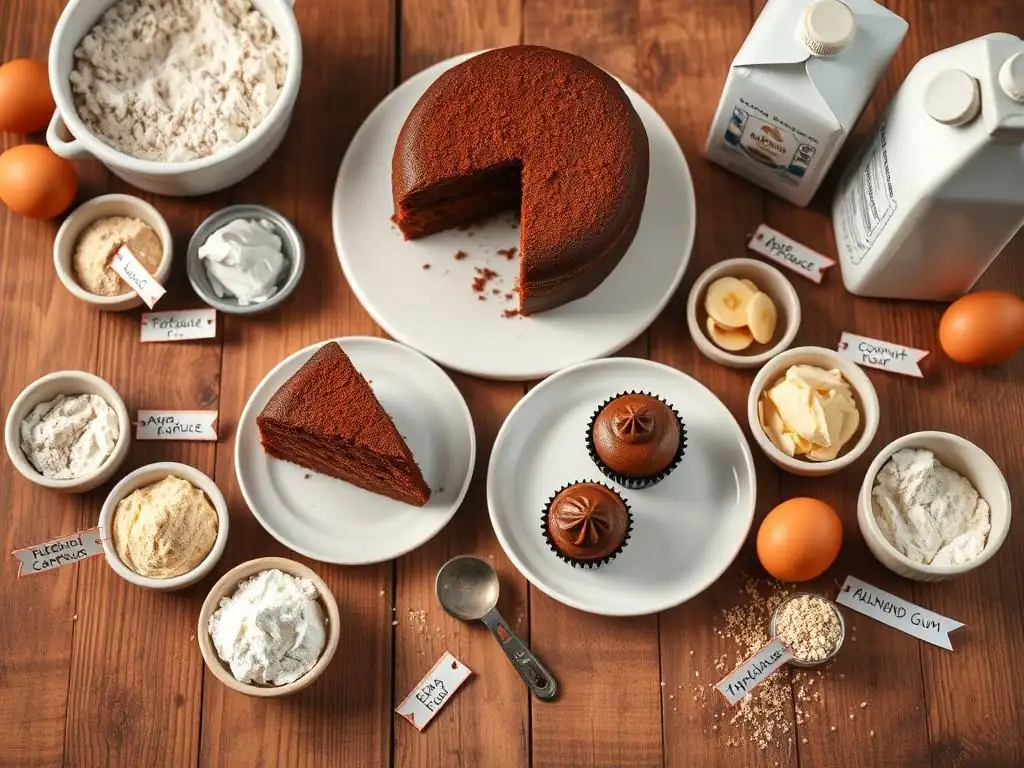
Guide to Gluten-Free Flour Substitutions
Choosing the right gluten-free flour or blend is perhaps the most critical aspect of gluten-free baking. Different flours absorb liquids differently, have varying protein and starch content, and impart distinct flavors and textures. A common mistake is using a single gluten-free flour as a direct substitute for wheat flour in a traditional recipe. For instance, replacing one cup of all-purpose wheat flour with one cup of almond flour will drastically change the outcome due to differences in density, fat content, and absorbency.
This section of our glutenfree baking substitutions guide breaks down popular gluten-free flours, explaining their characteristics and best uses. Often, a blend of two or more flours is required to create a balanced texture that mimics traditional baked goods. We'll cover individual flours like almond, coconut, and rice, as well as starches like tapioca and potato, and discuss the benefits of using pre-made or homemade gluten-free flour blends. Understanding these individual components is essential for successful gluten-free baking.
Almond Flour: Uses, Benefits, and Considerations for Gluten-Free Baking
Almond flour, made from ground blanched almonds, is a popular choice in gluten-free baking, prized for its moist texture and slightly sweet, nutty flavor. It's relatively high in fat and protein compared to grain-based flours, which can result in baked goods that are tender and rich. It's excellent for cookies, muffins, cakes, and even pie crusts. For example, a simple almond flour shortbread cookie recipe might use just almond flour, butter, and sugar, achieving a delicate, crumbly texture.
However, due to its high fat content and lack of gluten, almond flour doesn't provide the same structure as wheat flour. Recipes often require more eggs or a binder like xanthan gum to hold everything together. It also absorbs less liquid than many other flours, so recipes designed for almond flour will have different liquid ratios. When using almond flour as part of a blend, it typically works well combined with lighter flours or starches. Using almond flour effectively is a key part of mastering gluten-free baking substitutions.
Coconut Flour: Unique Properties and Tips for Successful Substitution
Coconut flour is derived from dried, ground coconut meat and is known for its incredibly high absorbency and fibrous texture. It's a very dense flour that requires significantly more liquid than other flours. Substituting coconut flour for wheat flour at a 1:1 ratio is impossible; you typically need only about 1/4 to 1/3 cup of coconut flour for every cup of wheat flour called for in a recipe, plus a significant increase in liquid and often eggs to provide structure and moisture.
Because of its high absorbency, coconut flour can easily lead to dry, dense baked goods if not used correctly. It works best in recipes specifically developed for it or when used in small quantities as part of a gluten-free flour blend. It imparts a subtle coconut flavor, which is lovely in certain recipes like muffins or quick breads, but might not be desirable in others. Successfully incorporating coconut flour into your gluten-free baking substitutions requires careful measurement and recipe adaptation.
Rice Flour (White and Brown): When to Use Each Type
Rice flour, made from ground rice, is a staple in many gluten-free flour blends. White rice flour is made from polished rice and has a fine, light texture and neutral flavor, making it versatile for cakes, cookies, and light pastries. Brown rice flour, made from whole grain rice, is more nutritious, has a slightly nuttier flavor, and is denser than white rice flour. It works well in heartier baked goods like breads, muffins, and scones, contributing fiber and a pleasant chewiness.
Both white and brown rice flour lack elasticity, so they are almost always used in combination with other flours and starches in gluten-free baking. White rice flour tends to create a slightly gritty texture if not finely ground or combined properly. Brown rice flour's higher fiber content can sometimes make baked goods drier. A common gluten-free flour blend might use a combination of brown and white rice flour alongside starches like tapioca or potato starch to achieve a balanced texture. Understanding the nuances of rice flours is vital for effective glutenfree baking substitutions.
Tapioca Starch/Flour: Adding Structure and Chew to Gluten-Free Recipes
Tapioca starch (often labeled as tapioca flour) is a fine, white powder extracted from the cassava root. It's primarily a starch, not a flour, and is used as a thickener and binder in gluten-free baking. When heated, tapioca starch becomes gummy and translucent, helping to give baked goods a pleasant chewiness and elasticity that is often missing in gluten-free items. It also contributes to browning and creates a slightly crispy crust.
Tapioca starch is rarely used on its own in baking; it's almost always combined with other gluten-free flours. It's particularly useful in recipes where a slightly chewy texture is desired, such as cookies, pizza crusts, and breads. Adding a small amount of tapioca starch to a gluten-free flour blend can significantly improve the texture, preventing crumbling and adding structure. For instance, a blend might be 60% rice flour, 20% tapioca starch, and 20% potato starch. Including tapioca starch is a smart move in your glutenfree baking substitutions strategy.
Potato Starch: A Versatile Gluten-Free Baking Ingredient
Potato starch is another gluten-free starch extracted from potatoes. Similar to tapioca starch, it's used as a thickener and binder in gluten-free baking. It has a very fine, powdery texture and a neutral flavor. Potato starch excels at absorbing moisture and helping to create a tender, light crumb in baked goods. It's often used in cakes, muffins, and pastries to improve texture and prevent dryness.
Like tapioca starch, potato starch is typically used in combination with other gluten-free flours rather than on its own. It contributes to the overall structure and helps achieve a desirable texture in gluten-free blends. It's important not to confuse potato starch with potato flour, which is made from whole dehydrated potatoes and is much denser and heavier. Potato starch is a valuable component in many effective gluten-free baking substitutions.
Gluten-Free Flour Blends: Pre-Made Options and DIY Recipes
Using a pre-made gluten-free flour blend can be a convenient starting point, especially for beginners. These blends are designed to mimic the properties of wheat flour and often contain a mix of rice flours, starches (like tapioca, potato, or corn), and sometimes binders like xanthan gum. Popular blends often work as a 1:1 substitute for wheat flour in many recipes, though results can vary depending on the brand and the specific recipe. Look for blends labeled as "all-purpose gluten-free flour blend."
Alternatively, you can create your own gluten-free flour blend, which gives you more control over the flavor and texture. A common DIY blend might consist of 40% brown rice flour, 30% white rice flour, 20% potato starch, and 10% tapioca starch. You can scale this up and store it in an airtight container. Experimenting with different ratios allows you to tailor the blend to specific types of baked goods. Whether using a pre-made or homemade blend, understanding its composition is key to successful glutenfree baking substitutions.
Replacing Gluten: Binders and Texturizers
Xanthan Gum: The Key to Gluten-Free Structure
Xanthan gum is a polysaccharide produced by the fermentation of sugar by a bacterium called Xanthomonas campestris. In gluten-free baking, it acts as a crucial binder and emulsifier, mimicking the sticky, elastic properties of gluten. When added to gluten-free doughs or batters, it helps trap air, provides structure, prevents crumbling, and improves the overall texture and elasticity. It's often the secret ingredient that transforms a crumbly gluten-free cookie into a cohesive one or a dense loaf into a well-risen bread.
The amount of xanthan gum needed varies depending on the type of baked good. For example, cookies might require about 1/4 teaspoon per cup of gluten-free flour blend, while breads might need 1 teaspoon or more per cup. Too much xanthan gum can result in a gummy or slimy texture, so precise measurement is important. It's a powerful tool in your glutenfree baking substitutions arsenal, but use it judiciously.
Guar Gum: An Alternative to Xanthan Gum?
Guar gum is another polysaccharide, derived from the guar bean. It also functions as a thickener and stabilizer in gluten-free baking, similar to xanthan gum. It helps bind ingredients together and improves the texture of baked goods. Some bakers prefer guar gum as an alternative to xanthan gum, either due to sensitivity or preference. It generally requires slightly more than xanthan gum to achieve a similar binding effect.
While guar gum can be used in many recipes where xanthan gum is called for, they are not always interchangeable on a 1:1 basis, and results can vary. Xanthan gum is often considered more effective at providing elasticity, particularly in yeasted breads. Guar gum tends to work well in recipes that don't require significant rise, like cookies, cakes, and muffins. Experimenting with both can help you determine which binder works best for your specific gluten-free baking substitutions.
Psyllium Husk: Adding Fiber and Binding Power
Psyllium husk, derived from the seeds of the Plantago ovata plant, is a soluble fiber that is an excellent binder and structure enhancer in gluten-free baking, especially for breads. When mixed with liquid, psyllium husk forms a gel-like substance that provides elasticity and helps create an open crumb structure, similar to what gluten provides. It also adds dietary fiber to your baked goods.
Psyllium husk is particularly effective in gluten-free bread recipes, where it helps give the dough enough structure to rise without collapsing. It's often used in addition to or instead of xanthan or guar gum. A typical amount might be 1-2 tablespoons of whole psyllium husks (or slightly less of psyllium husk powder) per cup of gluten-free flour blend in bread recipes. Using psyllium husk is a valuable technique in advanced glutenfree baking substitutions, particularly for achieving good bread texture.
Flaxseed Meal: A Nutritious and Binding Option
Flaxseed meal, made from ground flaxseeds, is another natural binder often used in vegan and gluten-free baking. When mixed with water, it forms a gelatinous mixture commonly referred to as a "flax egg." To make one flax egg, whisk together 1 tablespoon of flaxseed meal with 3 tablespoons of water and let it sit for 5-10 minutes until thickened. This mixture can often replace one chicken egg in recipes, providing binding and moisture.
Beyond its binding properties, flaxseed meal also adds nutrients like omega-3 fatty acids and fiber, and imparts a slightly nutty flavor. It works well in muffins, cookies, quick breads, and as an egg substitute in some cakes. While effective as a binder, it doesn't provide the same leavening or richness as eggs, so it's best used in recipes where the egg's primary function is binding. Incorporating flaxseed meal is a great way to add both function and nutrition to your glutenfree baking substitutions.
Liquid Substitutions for Gluten-Free Baking
Adjusting Liquid Ratios in Gluten-Free Recipes
One of the most frequent challenges in gluten-free baking is managing moisture. Gluten-free flours absorb liquid differently than wheat flour, and the amount of liquid needed can vary significantly depending on the specific flour blend and other ingredients used. Generally, gluten-free doughs and batters tend to be wetter than their wheat-based counterparts. This is because the binders used (like xanthan gum or psyllium husk) need sufficient liquid to hydrate and form their gel-like structure, which is essential for holding the baked goods together.
It's often recommended to add liquids gradually in gluten-free recipes, especially when adapting traditional ones. The batter or dough should look wetter than you might expect for a wheat-based recipe. For instance, gluten-free cookie dough might seem too soft to roll, but chilling it can help. Gluten-free bread dough is often more like a thick batter than a kneadable dough. Pay attention to visual cues and texture rather than relying solely on traditional expectations when working with glutenfree baking substitutions.
Using Applesauce as a Binding Agent and Moisturizer
Unsweetened applesauce is a popular substitution in baking, both for reducing fat and adding moisture. In gluten-free baking, it can also function as a partial binder due to its pectin content and can help keep baked goods from becoming dry and crumbly. It works particularly well in muffins, quick breads, and cakes, contributing a slight sweetness and fruit flavor.
Applesauce can often replace some of the oil, butter, or eggs in a recipe. For example, you might substitute half the amount of fat with applesauce (e.g., if a recipe calls for 1/2 cup oil, use 1/4 cup oil and 1/4 cup applesauce). When substituting for eggs, about 1/4 cup of applesauce can often replace one egg, though this works best in recipes using multiple eggs. Using applesauce is a simple and effective approach in your glutenfree baking substitutions for adding moisture and a touch of binding.
Aquafaba: Using Chickpea Brine for Vegan Gluten-Free Baking
Aquafaba, the liquid drained from canned chickpeas (or other legumes), is a remarkable ingredient for vegan and gluten-free baking. It mimics some of the properties of egg whites, particularly its ability to be whipped into stiff peaks, making it an excellent substitute for meringues, mousses, and macaroons. It also works as a binder and leavening agent in other baked goods.
Three tablespoons of aquafaba are generally considered equivalent to one chicken egg, while two tablespoons can replace one egg white. It can be used in recipes for gluten-free vegan cakes, muffins, and even some breads. Whipped aquafaba can provide lift and aeration, which is especially valuable in gluten-free recipes that often lack structure. Exploring aquafaba is a fantastic option for expanding your glutenfree baking substitutions, especially for vegan adaptations.
Sugar Substitutions in Gluten-Free Baking
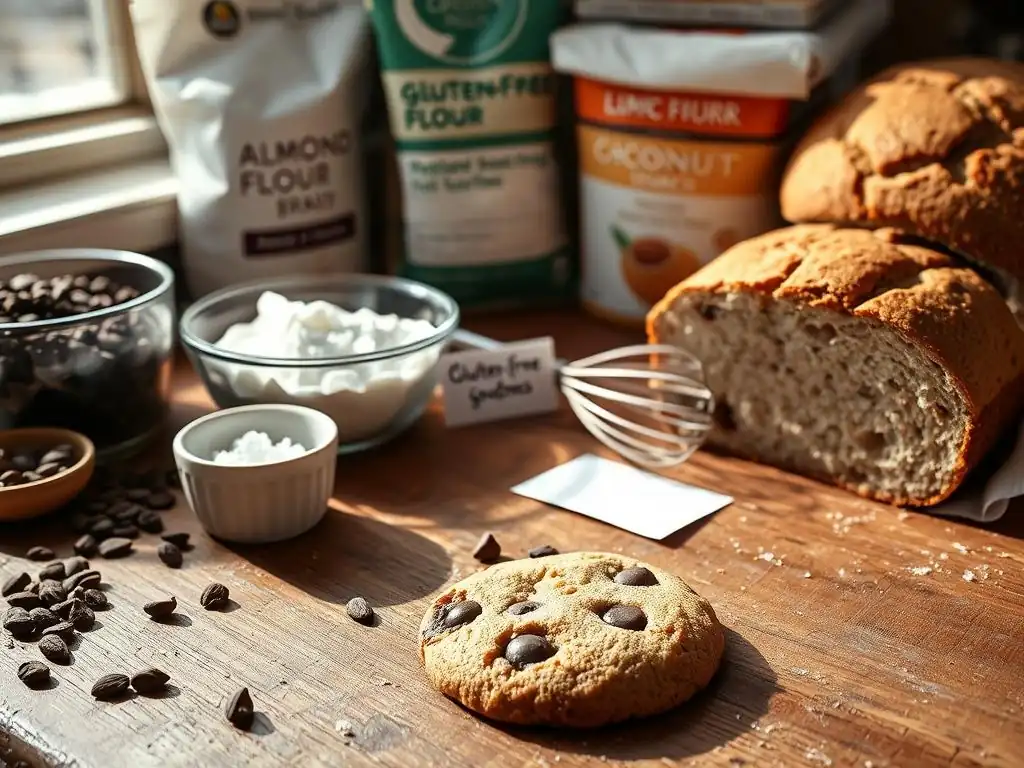
Natural Sweeteners for Gluten-Free Recipes
While sugar itself is gluten-free, many bakers choose to explore alternative sweeteners in gluten-free recipes for various reasons, including dietary preferences or glycemic index concerns. Natural sweeteners like honey, maple syrup, agave nectar, coconut sugar, and date sugar can add sweetness and unique flavors to baked goods. These sweeteners often behave differently than granulated white sugar in terms of moisture, browning, and texture.
For example, liquid sweeteners like honey and maple syrup add moisture but can also cause baked goods to brown more quickly. They are often used in muffins, quick breads, and certain cookies. Granulated natural sweeteners like coconut sugar or date sugar can often be substituted for white sugar on a 1:1 basis by volume, but they may result in a slightly denser texture and will impart their own distinct flavor. Experimentation is key when using natural sweeteners as part of your glutenfree baking substitutions.
Honey vs. Maple Syrup: Impact on Texture and Flavor in Gluten-Free Baking
Honey and maple syrup are popular liquid sweeteners used in gluten-free baking, each bringing unique characteristics. Honey is typically sweeter than maple syrup and has a distinct floral flavor that varies depending on the source (e.g., clover, wildflower). It also tends to be thicker and more viscous. Maple syrup has a characteristic earthy flavor and is slightly less sweet.
In baking, both add moisture and contribute to browning. However, their thickness can affect the final texture. Honey's viscosity can sometimes lead to a slightly chewier texture, while maple syrup might result in a slightly lighter crumb. When substituting either for granulated sugar, you generally need to reduce the total liquid in the recipe and may need to add a touch more flour or binder to compensate for the added moisture. Understanding the differences between honey and maple syrup is useful when making glutenfree baking substitutions involving sweeteners.
Fat Substitutions for Gluten-Free Baking
Using Different Fats for Texture and Flavor
Fat plays a crucial role in baking, contributing moisture, tenderness, flavor, and aiding in leavening by creating layers (as in pie crusts). In gluten-free baking, fat is particularly important for preventing dryness and improving texture, which can often be issues due to the nature of gluten-free flours. Common fats include butter, oil (vegetable, canola, olive, coconut), shortening, and margarine. Each fat behaves differently at various temperatures and imparts a distinct flavor and texture to the final product.
Butter, for instance, provides rich flavor and tenderness and is excellent for creating flaky textures in pastries. Oils contribute moisture and tenderness but don't cream with sugar like solid fats, affecting aeration. Shortening is known for creating tender, crumbly textures and high-rising baked goods. The choice of fat can significantly impact the success of your gluten-free baked goods. Consider the desired outcome when selecting fats as part of your glutenfree baking substitutions.
Coconut Oil vs. Avocado Oil: Effects on Gluten-Free Baked Goods
Coconut oil and avocado oil are two popular plant-based fats often used in gluten-free and vegan baking. Refined coconut oil has a neutral flavor and is solid at room temperature, similar to butter or shortening, making it suitable for recipes where solid fat is needed for texture, like cookies or pie crusts. Virgin coconut oil retains a distinct coconut flavor, which should be considered. Coconut oil contributes to a tender crumb and can create a slightly crisp texture.
Avocado oil is a liquid oil at room temperature with a very mild flavor and a high smoke point, making it versatile. It contributes moisture and tenderness to baked goods like cakes and muffins. Because it's liquid, it won't create the same flaky or crumbly textures as solid fats. When using oils in gluten-free baking substitutions, remember that they don't contribute to leavening through creaming like solid fats do. Both coconut oil and avocado oil offer excellent options for different applications in gluten-free baking.
Troubleshooting Common Gluten-Free Baking Problems
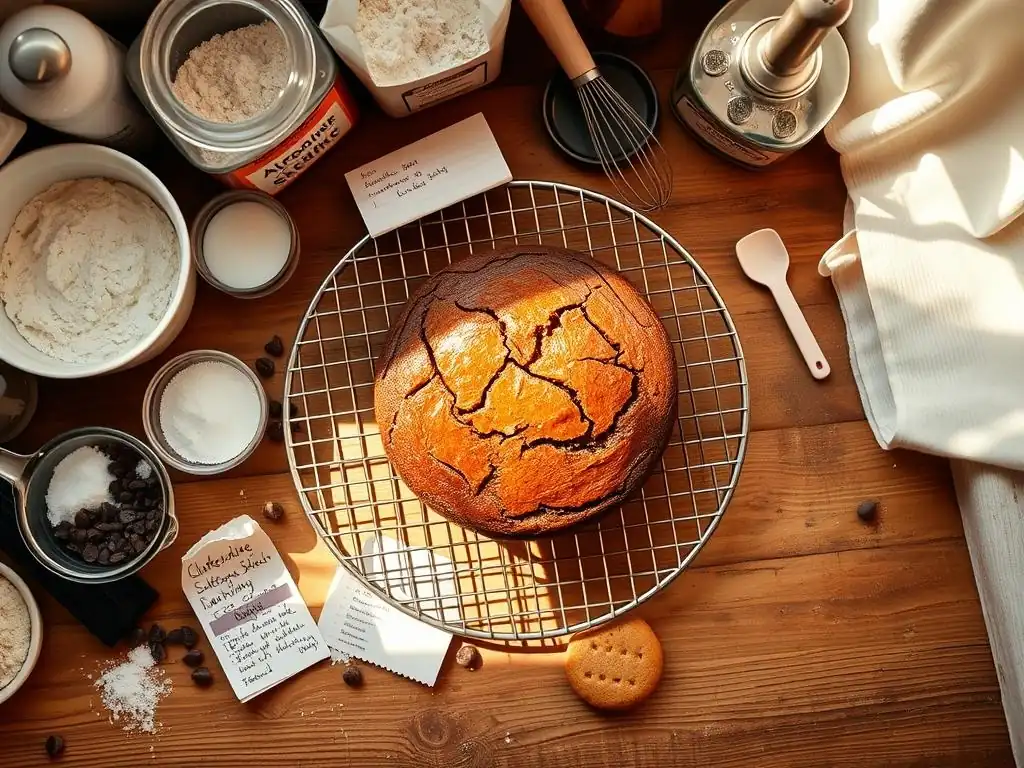
Dry and Crumbly Gluten-Free Baked Goods: Causes and Solutions
One of the most common complaints about gluten-free baked goods is that they are dry and crumbly. This often happens because gluten-free flours absorb more liquid than wheat flour, or because there isn't enough binder to hold everything together. Using too much flour or not enough liquid are primary culprits. For example, if a recipe calls for a specific gluten-free blend but you use a different one with higher absorbency without adjusting the liquid, dryness is likely.
To combat dryness, ensure you are using accurate measurements, preferably by weight for flours. Increase the liquid slightly if the batter or dough seems too dry compared to the recipe description. Adding extra moisture-rich ingredients like applesauce, yogurt, or mashed banana can help. Ensure you are using an appropriate amount of binder (xanthan gum, psyllium husk, etc.) for the recipe type. Proper glutenfree baking substitutions should address moisture balance from the start.
Gummy or Dense Gluten-Free Treats: How to Avoid Them
On the flip side of dryness, gluten-free baked goods can sometimes turn out gummy or excessively dense. This can be caused by using too much binder (especially xanthan gum), overmixing the batter, using too much liquid, or using a flour blend that is too high in starch without enough protein or fiber. For instance, using excessive tapioca starch can lead to a gummy texture.
To avoid gummy or dense results, measure binders like xanthan gum precisely – a little goes a long way. Avoid overmixing; mix just until the ingredients are combined. Ensure your flour blend is balanced and not overly reliant on starches. Sometimes, increasing the protein content with ingredients like almond flour or adding fiber with psyllium husk can help. Correct glutenfree baking substitutions involve finding the right balance of flours, starches, and binders.
Sinking Cakes: Causes and Solutions in Gluten-Free Baking
Sinking cakes are frustrating, and in gluten-free baking, they can occur for several reasons. Common causes include insufficient structure to support the rise, opening the oven door too early, incorrect oven temperature, or using too much leavening. Gluten-free batters, lacking the strong gluten network, rely heavily on binders and the right balance of ingredients to hold their structure as they rise and set.
To prevent sinking, ensure your recipe includes an adequate binder like xanthan gum or psyllium husk to provide necessary structure. Avoid opening the oven door during the critical rising and setting phase (usually the first two-thirds of the baking time). Verify your oven temperature with an oven thermometer. Ensure leavening agents are fresh and measured correctly; too much can cause rapid rising followed by a collapse. Using reliable recipes or carefully adapting them with appropriate glutenfree baking substitutions will minimize sinking issues.
Gluten-Free Baking Recipe Adaptations: Tips and Tricks
Converting Traditional Recipes to Gluten-Free Versions
Converting a traditional recipe that calls for wheat flour into a gluten-free version requires more than just a simple 1:1 flour swap. You need to consider the role of gluten and how to replicate its functions using gluten-free ingredients and techniques. A good starting point is often to use a reliable all-purpose gluten-free flour blend that is designed for 1:1 substitution in many recipes. However, you may still need to adjust other ingredients, particularly liquids and binders.
When adapting, start by substituting the wheat flour with an equal weight of a gluten-free blend (measuring by weight is more accurate than volume for flours). Add a binder like xanthan gum or guar gum if the blend doesn't contain it, or if the recipe relies heavily on gluten for structure (like yeast breads). You will likely need to increase the liquid slightly, as gluten-free flours absorb more slowly and require more hydration for binders to work.
Monitor the batter or dough consistency – it will often be wetter than you're used to. Patience and a willingness to experiment are key when converting recipes using a glutenfree baking substitutions guide.
Let's consider adapting a classic chocolate chip cookie recipe. A traditional recipe might call for all-purpose wheat flour, butter, sugar, eggs, vanilla, leavening, and chocolate chips. To make it gluten-free, you would substitute the wheat flour with a gluten-free all-purpose blend, preferably one designed for cookies or general baking. You would then likely need to add a binder if the blend doesn't contain one, or add a bit extra if it does, perhaps 1/4 to 1/2 teaspoon per cup of flour blend.
You might also find that the gluten-free dough is more crumbly before baking. This can sometimes be remedied by letting the dough rest for 15-30 minutes to allow the flours to hydrate, or by adding a tiny bit more liquid (like a tablespoon of milk or water). Baking time and temperature might need slight adjustments. The resulting cookies might spread a bit more or less depending on the blend and binder used. Adapting a chocolate chip cookie recipe is a great way to practice your glutenfree baking substitutions.
The Importance of Precise Measurements in Gluten-Free Success
Precision is paramount in gluten-free baking. Unlike wheat flour, which is more forgiving due to the flexibility of the gluten network, gluten-free flours and binders require accurate measurements to achieve the desired texture and structure. Using too much or too little of a specific flour, starch, or binder can significantly impact the outcome, leading to dryness, gumminess, or structural failure.
Measuring ingredients by weight using a kitchen scale is highly recommended, especially for flours. A cup of all-purpose gluten-free flour blend can vary in weight depending on how it's scooped and leveled, but a gram measurement is always consistent. Binders like xanthan gum are particularly potent, and even a slight over-measurement can ruin a recipe. Treat your glutenfree baking substitutions with the precision they deserve for consistent, delicious results.
Mastering Gluten-Free Baking: A Summary of Key Substitutions
Quick Reference Chart for Gluten-Free Substitutions
| Ingredient (Traditional) | Common Gluten-Free Substitutions | Notes |
|---|---|---|
| Wheat Flour | Gluten-Free Flour Blend | Use a reliable blend, preferably by weight. May need added binder. |
| Almond Flour | Adds moisture, fat, and protein. Use in specific recipes or blends. | |
| Coconut Flour | Highly absorbent. Use sparingly or in specific recipes. | |
| Rice Flour (White/Brown) | Base for many blends. Use in combination with starches/other flours. | |
| Gluten | Xanthan Gum | Key binder, adds structure and elasticity. Use sparingly. |
| Guar Gum | Alternative binder. | |
| Psyllium Husk | Excellent binder for breads, adds fiber. Forms a gel with liquid. | |
| Eggs (Binding) | Flax Egg (Flaxseed Meal + Water) | Good for binding, adds nutrients. |
| Applesauce | Adds moisture and some binding. | |
| Aquafaba | Excellent for vegan meringues, binding. | |
| Liquid (Moisture) | Increase Liquid Slightly | Gluten-free flours absorb differently. |
| Applesauce, Yogurt, Mashed Banana | Add moisture and some binding. | |
| Solid Fat (Butter, Oil) | Coconut Oil (Refined) | Behaves like solid fat when cool. |
| Avocado Oil, Vegetable Oil | Liquid fat, adds moisture/tenderness. | |
| Granulated Sugar | Coconut Sugar, Date Sugar | 1:1 volume substitute possible, may affect texture/flavor. |
| Honey, Maple Syrup | Liquid sweeteners, add moisture, affect browning. Reduce other liquids. |
This quick reference chart summarizes key glutenfree baking substitutions. Remember that the best approach often involves combining several substitutions to achieve the desired texture and flavor. This guide provides a starting point, but don't be afraid to experiment.
Further Resources for Gluten-Free Baking Success
Mastering gluten-free baking is an ongoing journey of learning and experimentation. While this glutenfree baking substitutions guide provides a comprehensive overview, there are many resources available to help you continue developing your skills. Look for reputable gluten-free cookbooks that offer recipes specifically developed with gluten-free flours and techniques. Follow experienced gluten-free bakers online who share their tips and successful recipes.
Consider joining online communities or forums dedicated to gluten-free baking, where you can ask questions, share experiences, and learn from others facing similar challenges. Practice is crucial – the more you bake, the better you will become at understanding how different gluten-free ingredients behave and how to adjust recipes. Don't be discouraged by initial failures; view them as learning opportunities. With patience and practice, you'll confidently navigate the world of gluten-free baking and create delicious treats for everyone to enjoy.
Frequently Asked Questions
What are the most common gluten-free flour substitutes used in baking?
Common substitutes include rice flour, almond flour, and tapioca starch. These offer different textures and flavors, so experimentation is key!
How does gluten typically function in traditional baking, and how does that affect gluten-free baking?
Gluten provides structure and elasticity to baked goods. Without it, gluten-free recipes often require binders and stabilizers to mimic this effect.
What binding agents are typically used in GlutenFree baking?
Common binding agents include xanthan gum, guar gum, and psyllium husk. These help to hold the ingredients together and create a better texture.
Can I use a 1:1 substitution for all-purpose flour in a recipe with gluten-free flour?
Generally, no. Gluten-free flours have different properties than all-purpose flour, so adjustments to liquid and other ingredients are usually needed. A gluten-free flour blend is often a better option.
Where can I find reliable recipes and resources specifically for gluten-free baking?
Websites like BakeWithEase.com and cookbooks dedicated to gluten-free baking are great starting points. Look for recipes with detailed instructions and reviews from other bakers.
Final Reflection: Unlocking the Gluten-Free Bakery
The demand for gluten-free baking continues to rise, fueled by dietary needs and a growing awareness of food sensitivities. This necessitates a deeper understanding of effective substitutions, ensuring delicious and successful gluten-free creations. The sheer volume of available options can be overwhelming, but with the right knowledge, the seemingly impossible becomes achievable. This guide aims to demystify the process, empowering both novice and experienced bakers to confidently navigate the world of gluten-free flour blends and additives.
The journey into gluten-free baking has been a fascinating exploration for me, highlighting not only the challenges but also the incredible creativity and innovation within this niche. It's a testament to the power of adaptation and the unwavering pursuit of deliciousness. The best things in life are worth fighting for, and a good gluten-free cake is definitely one of them.
This playful sentiment underscores the dedication and passion many bakers bring to this specialized area, constantly refining techniques and expanding the possibilities.
Now, it's your turn. Take what you've learned from this guide, experiment with different combinations, and don't be afraid to fail. Each attempt, successful or not, brings you closer to mastering the art of gluten-free baking. Embrace the challenge, celebrate your successes, and most importantly, enjoy the delicious results. The world of gluten-free baking awaits your creative touch!
Unleash Your Gluten-Free Baking Potential!
Thanks for taking the time to explore the world of gluten-free baking with us! We hope you now feel empowered to create delicious, allergy-friendly treats. Ready to put your newfound knowledge into action?
- Try out your favorite recipe with our suggested substitutions: This is the most exciting step! See how easy it is to adapt your go-to recipes.
- Share your gluten-free baking journey with us: Let's build a supportive community. Tell us about your successes (and even your flour-y mishaps!). We'd love to hear from you!
- Challenge yourself to bake something completely new: Use this newfound knowledge to venture into uncharted baking territory! What delicious gluten-free creation will you master next?
What's the first gluten-free recipe you're going to tackle? Let us know in the comments!