
HighQuality Chocolate for Glazes and Frostings: Making Them Shine

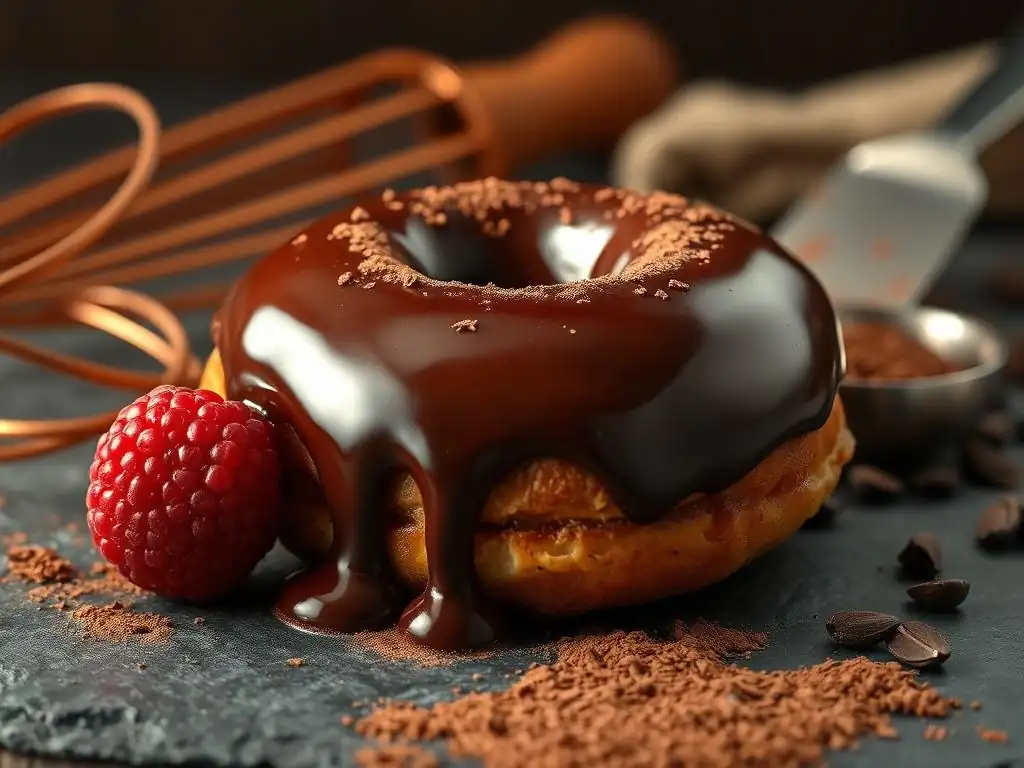
Welcome to BakeWithEase, your secret ingredient to baking brilliance! Ever wondered how to achieve that perfect, glossy sheen on your desserts? This week, we're diving deep into the world of premium baking ingredients with a focus on mastering one technique that will elevate your creations: exploring the best chocolate glaze recipes. Discover the secrets to creating glazes so good, they'll make your pastries shine. Ready to transform ordinary into extraordinary? Let's get started!
- Mastering the Art of Chocolate Glazes: A Guide to Premium Chocolate
- Understanding Chocolate for Glazes: Key Factors for Selection
- Best Chocolate Brands for Glazes and Frostings: Our Top Picks
- Achieving the Perfect Shine: Chocolate Glaze Recipes and Techniques
- Troubleshooting Common Chocolate Glaze Problems
- Elevate Your Baking: Beyond Basic Chocolate Glazes
- Conclusion: Unleash Your Creativity with High-Quality Chocolate
- Frequently Asked Questions
- Final Reflection: The Enduring Allure of a Perfect Chocolate Glaze
- Unlock Your Chocolate Glaze Genius!
Creating a truly stunning dessert often comes down to the details, and a glossy, flavorful chocolate glaze or frosting is a game-changer. While store-bought options exist, using high-quality chocolate transforms your creations from ordinary to extraordinary. The depth of flavor, the smooth texture, and the brilliant shine achievable with premium chocolate simply can't be replicated with lower-grade alternatives. This guide will walk you through selecting the right chocolate and mastering the techniques to achieve the best chocolate glaze recipes for your baking projects.
Selecting the right chocolate is the first step towards mastering luxurious glazes and frostings. The type of chocolate you choose significantly impacts not only the taste but also the texture and appearance of your final product. Factors like cacao percentage, the presence of cocoa butter versus other fats, and the overall quality of the ingredients play crucial roles. Understanding these nuances is key to unlocking the secrets behind achieving a perfect, mirror-like glaze or a rich, stable frosting that elevates cakes, pastries, and cookies alike. Let's dive into the specifics of what makes chocolate ideal for these applications.
Understanding Chocolate for Glazes: Key Factors for Selection
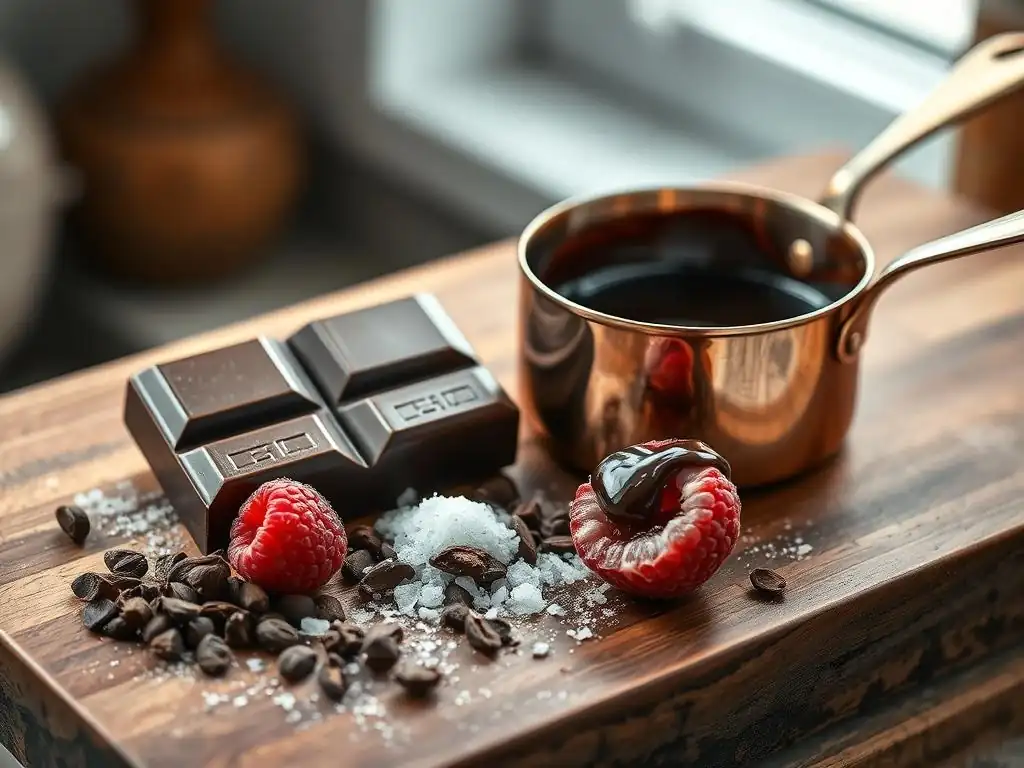
Choosing the right chocolate for your glazes and frostings is paramount for achieving optimal results. It's not just about flavor; the composition of the chocolate affects its melting properties, shine, and stability. Several key factors should influence your decision when selecting chocolate for your best chocolate glaze recipes. Considering these elements will help ensure your glaze sets beautifully, has a desirable texture, and provides the rich, intense chocolate flavor you're looking for.
The primary considerations include the cacao percentage, the type of chocolate (dark, milk, or white), and whether you are using couverture or compound chocolate. Each of these factors contributes uniquely to the finished glaze. For instance, a higher cacao percentage in dark chocolate will yield a more intense flavor and a firmer set, while the presence of cocoa butter in couverture chocolate is essential for achieving that sought-after mirror-like shine. Let's break down these factors to better understand their impact.
The Importance of Cacao Percentage in Chocolate Glazes
The cacao percentage listed on a chocolate bar or bag indicates the proportion of the product that comes from the cacao bean, including cocoa solids and cocoa butter. This percentage is a critical factor when choosing chocolate for glazes because it directly impacts the flavor intensity, sweetness, and texture.
A higher cacao percentage, typically found in dark chocolate, means less sugar and a more pronounced chocolate flavor, ranging from fruity and acidic to earthy and bitter notes depending on the origin of the beans. For instance, a 70% cacao dark chocolate will create a significantly less sweet and more robust glaze than a 50% cacao variety.
Beyond flavor, cacao percentage also influences the structure and setting of the glaze. Cocoa butter, a key component of the cacao bean, is responsible for chocolate's ability to set and provides gloss. Dark chocolates with higher cacao percentages generally contain a higher proportion of cocoa butter relative to sugar and milk solids (in milk chocolate). This can lead to a firmer set and a potentially shinier glaze, assuming proper tempering techniques are used. For many best chocolate glaze recipes, especially those requiring a firm, sliceable finish, a dark chocolate with 60-70% cacao is often recommended.
Choosing Between Dark, Milk, and White Chocolate for Frosting: Flavor Profiles and Applications
The choice between dark, milk, and white chocolate for frostings and glazes depends heavily on the desired flavor profile and the baked good it will adorn. Dark chocolate, with its intense, complex flavors and varying degrees of bitterness, is excellent for pairing with rich cakes like red velvet or chocolate fudge. A dark chocolate glaze made with 60-72% cacao offers a sophisticated depth that complements robust flavors without being overly sweet. For a less intense, slightly sweeter dark chocolate option, a percentage in the 50-60% range works well.
Milk chocolate, containing cocoa solids, cocoa butter, milk solids, and sugar, offers a creamier texture and a sweeter, milder chocolate flavor. It's a popular choice for glazes on vanilla cakes, cupcakes, or pastries where a less assertive chocolate taste is desired. A milk chocolate glaze provides comfortingly familiar notes and a smooth finish.
White chocolate, made from cocoa butter, sugar, and milk solids (but no cocoa solids), has a sweet, creamy, and vanilla-like flavor. It's versatile for glazes and frostings, adding richness and a distinct sweetness that pairs beautifully with fruit tarts, lemon cakes, or as a base for colored glazes. Its high cocoa butter content can contribute to a very glossy finish if handled correctly.
Couverture Chocolate vs. Compound Chocolate: What's the Difference for Professional Results?
Understanding the distinction between couverture and compound chocolate is crucial for achieving professional-quality glazes and frostings. Couverture chocolate is defined by its high percentage of cocoa butter (typically 32-39% or more) and the fine grinding of its ingredients. This high cocoa butter content is what gives couverture chocolate its superior flowability when melted, its smooth texture, and its characteristic glossy finish after tempering. It melts beautifully and sets firmly, making it the ideal choice for achieving the mirror-like shine desired in many best chocolate glaze recipes. Brands like Valrhona, Callebaut, and Guittard are well-known producers of high-quality couverture.
Compound chocolate, on the other hand, replaces most or all of the expensive cocoa butter with less expensive vegetable oils, such as palm kernel oil or soybean oil. While easier to work with as it doesn't require tempering to set and is more stable at room temperature, compound chocolate lacks the complex flavor and smooth mouthfeel of couverture.
It also tends to have a duller appearance and can feel waxy or greasy. For glazes and frostings where shine, snap, and rich flavor are priorities, couverture chocolate is the unequivocal choice, providing results far superior to those achievable with compound chocolate.
Best Chocolate Brands for Glazes and Frostings: Our Top Picks
Choosing a reputable brand of high-quality chocolate is just as important as understanding the different types. The quality of the ingredients and the manufacturing process significantly impact the flavor and performance of the chocolate in glazes and frostings. Investing in premium chocolate from trusted brands will elevate your best chocolate glaze recipes, ensuring rich flavor, smooth texture, and a beautiful shine. Here are some top picks favored by professional bakers and serious home enthusiasts alike.
These brands are known for their consistent quality, excellent flavor profiles, and reliable performance when melted and set. They offer a range of cacao percentages and types, allowing you to find the perfect chocolate for any application, from a deep, dark mirror glaze to a creamy white chocolate frosting. While they may be a bit more expensive than supermarket brands, the results are well worth the investment for truly exceptional baked goods.
Valrhona Chocolate: The Gold Standard for Chocolate Glazes
Valrhona, a French chocolate manufacturer, is widely regarded as one of the finest chocolate producers in the world and is often considered the gold standard, especially for professional patisserie and achieving the best chocolate glaze recipes. Their couverture chocolates are known for their exceptional quality, complex flavor profiles, and incredibly smooth texture. Valrhona controls its entire production process, from bean sourcing to the final product, ensuring consistency and excellence. Their range includes single-origin chocolates, offering unique flavor notes based on their geographic source, as well as blends perfected for specific applications.
For glazes, Valrhona offers various options depending on the desired outcome. Their Guanaja 70% is a popular dark chocolate choice, known for its intense bitter notes and long finish, perfect for a sophisticated dark chocolate glaze. The Caraïbe 66% offers a slightly milder, fruitier profile.
For milk chocolate glazes, Jivara Lactée 40% provides a creamy, caramel-like flavor. Valrhona's high cocoa butter content ensures excellent flowability and a brilliant shine when tempered correctly, making it a top choice for mirror glazes and other applications where visual appeal is paramount. While premium, a 1 kg bag of Valrhona feves (callets) can range from $30-$50, reflecting its high quality.
Guittard Chocolate: A Reliable and Versatile Option
Guittard Chocolate Company, based in the United States, is another excellent choice for high-quality baking chocolate, offering both couverture and non-couverture options that perform well in glazes and frostings. As one of the few bean-to-bar chocolate makers in the U.S., Guittard is committed to quality and sustainability. Their chocolates are known for their balanced flavors and consistent melting properties, making them reliable for a wide range of baking applications, including some of the best chocolate glaze recipes.
Guittard offers a diverse product line suitable for various glaze needs. Their Akoma Semisweet 66% baking wafers are a solid choice for a rich, dark chocolate glaze, providing a balanced flavor that isn't overly bitter. For a smoother, sweeter option, their Milk Chocolate 38% chips or wafers work beautifully for milk chocolate glazes. Guittard's chocolate is widely available and often more accessible than some European brands, offering excellent quality at a slightly more approachable price point. A 10-12 oz bag of their baking chips might cost around $6-10, offering good value for quality.
Callebaut Chocolate: Perfect for Consistent Results
Callebaut, a Belgian chocolate brand under the Barry Callebaut group, is one of the world's largest producers of chocolate and is a staple for many professional bakers and chocolatiers. Their couverture chocolate is renowned for its consistent quality, ease of use, and reliable performance, making it an excellent choice for glazes and frostings, especially for achieving consistent results in best chocolate glaze recipes. Callebaut's chocolate is available in convenient callet (small disc) form, which melts easily and evenly.
Their 811 Callets (54.5% cacao) are a popular go-to dark couverture for glazes due to their balanced, all-around chocolate flavor and excellent flowability. For milk chocolate glazes, the 823 Callets (33.6% cacao) offer a creamy, caramel note. Callebaut also produces white chocolate callets, like the W2 (28% cacao), known for their balanced milky and vanilla flavors.
Callebaut's focus on consistent quality ensures that each batch of glaze will perform predictably, which is invaluable for busy kitchens or when reproducing best chocolate glaze recipes. A 2.5 kg bag of Callebaut callets typically costs around $30-50, making it a cost-effective option for those who bake frequently.
Ghirardelli Chocolate: An Accessible Option for Home Bakers
Ghirardelli, an American chocolate company with a long history, offers a range of baking chocolates that are widely available in supermarkets and accessible for home bakers looking to use higher quality ingredients in their glazes and frostings. While not strictly couverture across their entire baking range, their products designed for baking, particularly their bars and wafers, often contain a higher percentage of cocoa butter than standard chocolate chips, making them suitable for many glaze applications.
Ghirardelli's 60% Cacao Bittersweet Baking Chips or Wafers are a good option for a dark chocolate glaze, providing a richer flavor than standard semi-sweet chips. Their Melting Wafers are specifically designed for easy melting and provide a smooth, albeit less complex, finish suitable for simple glazes and drizzles.
While not offering the same depth or performance as premium couverture brands like Valrhona or Callebaut for achieving a truly professional mirror glaze, Ghirardelli provides a significant step up from basic chocolate chips and is a great starting point for home bakers experimenting with best chocolate glaze recipes using better chocolate. A 10 oz bag of Ghirardelli baking chips might cost around $4-6.
Achieving the Perfect Shine: Chocolate Glaze Recipes and Techniques
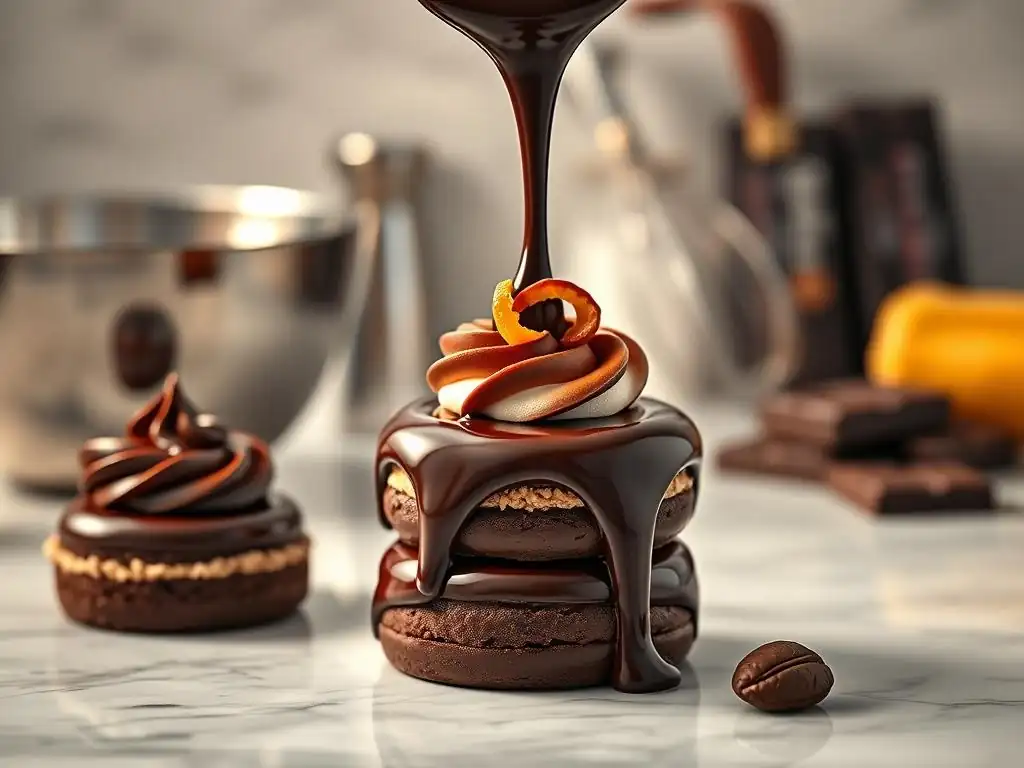
Once you've selected your high-quality chocolate, the next step is mastering the techniques to create a glossy, smooth glaze. The method you use will depend on the type of glaze desired, but achieving a beautiful shine often involves careful melting and sometimes tempering. These best chocolate glaze recipes provide a starting point, but the principles behind them can be applied to many variations.
Whether you're making a simple pourable glaze or a more complex mirror glaze, attention to detail in melting, mixing, and application is key. Temperature control is paramount, especially when working with high-quality chocolate. Let's explore some foundational recipes and the crucial technique of tempering.
Simple Dark Chocolate Glaze Recipe with Valrhona Chocolate
This simple dark chocolate glaze is perfect for coating cakes, cupcakes, or eclairs, yielding a rich flavor and a lovely shine when made with high-quality chocolate like Valrhona. It’s one of the easiest best chocolate glaze recipes to start with.
Ingredients:
- 200g Valrhona Caraïbe 66% or Guanaja 70% chocolate, finely chopped or in callets
- 100ml heavy cream
- 20g unsalted butter, cut into small cubes (optional, for extra shine and richness)
Instructions:
- Place the finely chopped chocolate or callets in a heatproof bowl.
- Heat the heavy cream in a small saucepan over medium heat until it just begins to simmer around the edges – do not boil vigorously.
- Pour the hot cream over the chocolate. Let it sit undisturbed for 1-2 minutes to allow the chocolate to soften.
- Starting from the center of the bowl, gently whisk in small circles, gradually expanding the circle until all the chocolate is melted and the mixture is smooth and glossy. Avoid incorporating too much air.
- If using, add the butter cubes one at a time, whisking until each cube is fully incorporated and the glaze is emulsified and shiny.
- Let the glaze cool slightly until it reaches the desired consistency for pouring (around 90-95°F or 32-35°C for a pourable glaze). Pour or spread onto your cooled baked goods.
Milk Chocolate Glaze Recipe with Guittard Chocolate
This milk chocolate glaze offers a sweeter, creamier alternative, ideal for vanilla or lighter-flavored cakes and pastries. Using Guittard's quality milk chocolate ensures a smooth texture and balanced flavor in your best chocolate glaze recipes.
Ingredients:
- 200g Guittard Milk Chocolate 38% wafers or chips
- 80ml heavy cream
- 15g unsalted butter, cut into small cubes (optional)
Instructions:
- Place the milk chocolate in a heatproof bowl.
- Heat the heavy cream in a small saucepan until it just simmers.
- Pour the hot cream over the chocolate. Let stand for 1 minute.
- Gently whisk from the center outwards until the chocolate is fully melted and the glaze is smooth.
- Whisk in the butter, if using, until fully incorporated and shiny.
- Allow the glaze to cool to a pourable consistency (milk chocolate melts at a lower temperature, so aim for slightly cooler, perhaps 85-90°F or 29-32°C). Apply to your cooled baked goods.
White Chocolate Glaze Recipe with Callebaut Chocolate
White chocolate glaze can be tricky, prone to seizing if overheated. Using Callebaut's quality white chocolate and gentle heat is key to achieving a smooth, creamy glaze with a beautiful shine. It's a delicate addition to the best chocolate glaze recipes collection.
Ingredients:
- 200g Callebaut W2 White Chocolate callets, or finely chopped
- 60ml heavy cream
- 10g unsalted butter (optional)
Instructions:
- Place the white chocolate in a heatproof bowl.
- Heat the heavy cream until it just simmers. White chocolate is more sensitive to heat, so ensure the cream isn't boiling vigorously.
- Pour the hot cream over the white chocolate. Let stand for 1-2 minutes.
- Gently whisk from the center outwards until the chocolate is completely melted and the glaze is smooth and emulsified. Be patient, as white chocolate can take slightly longer to melt smoothly.
- Whisk in the butter, if using, until fully incorporated.
- Let the glaze cool slightly until it reaches a good pouring consistency (around 80-85°F or 27-29°C). Apply to cooled baked goods.
Tempering Chocolate for a Lasting Shine: A Step-by-Step Guide
Tempering chocolate is the process of heating and cooling chocolate to specific temperatures to align the cocoa butter crystals. This process is essential when using couverture chocolate for glazes if you want a hard, shiny finish that doesn't melt easily at room temperature and has a satisfying snap. While the simple ganache-based glazes above don't strictly require tempering for a soft glaze, achieving a true mirror glaze or a hard coating does. Mastering tempering is key to unlocking the full potential of best chocolate glaze recipes.
There are several methods for tempering, including the seeding method and the tabling method. A common and relatively simple approach for home bakers is the seeding method:
- Melt: Gently melt about two-thirds of your finely chopped couverture chocolate or callets over a double boiler or in a microwave on low power, stirring frequently, until it reaches its initial melting temperature. For dark chocolate, this is typically 115-122°F (46-50°C); milk chocolate 105-113°F (40-45°C); white chocolate 100-110°F (38-43°C). Ensure no water comes into contact with the chocolate.
- Cool and Seed: Remove the melted chocolate from the heat. Add the remaining one-third of the unmelted chocolate (the "seed" chocolate) to the bowl. Stir continuously until the chocolate cools and the seed chocolate melts completely. The goal is to rapidly cool the chocolate while encouraging stable crystal formation. The target cooling temperature is critical: Dark chocolate 88-90°F (31-32°C); Milk chocolate 84-86°F (29-30°C); White chocolate 80-82°F (27-28°C).
- Reheat (Slightly): If needed, gently warm the chocolate again very briefly over the double boiler or with a heat gun, stirring constantly, until it reaches its working temperature. This is typically just a degree or two above the cooling temperature: Dark chocolate 89-91°F (31.5-32.5°C); Milk chocolate 86-88°F (30-31°C); White chocolate 82-84°F (28-29°C). Do not exceed these temperatures, or you'll have to start over. Test by dipping a knife or parchment paper in the chocolate; it should set quickly (within 2-5 minutes) with a smooth, shiny finish.
Troubleshooting Common Chocolate Glaze Problems
Even with high-quality chocolate and careful technique, you might encounter issues when making glazes. Understanding how to troubleshoot common problems like dullness, graininess, or incorrect consistency is key to perfecting your best chocolate glaze recipes. Don't get discouraged; many issues can be fixed with a little know-how.
Glaze problems often stem from issues with temperature, moisture, or the quality of the chocolate itself. By identifying the root cause, you can quickly remedy the situation and salvage your beautiful glaze. Let's look at some frequent frustrations and how to overcome them.
Avoiding a Dull or Grainy Glaze: Tips and Tricks
A dull or grainy glaze is a common disappointment. Dullness often occurs when the cocoa butter crystals in the chocolate haven't set properly, typically due to improper cooling or lack of tempering when using couverture. If your glaze is dull but otherwise smooth, it might simply need to cool completely in a cool environment to allow the crystals to form correctly. For a truly shiny, hard glaze from couverture, tempering is non-negotiable; follow the steps above to ensure proper crystal structure. Overheating or introducing water can also cause dullness and seizing.
Graininess usually results from the chocolate seizing – where the cocoa solids clump together, often due to contact with even a tiny amount of water or being subjected to excessive heat. If your melted chocolate becomes grainy, it might be possible to rescue it by whisking in a tablespoon or two of hot heavy cream or melted butter, one at a time, until it smooths out. However, this doesn't always work and can affect the final consistency. Prevention is easier: ensure all equipment is completely dry, melt chocolate gently, and avoid adding cold liquids directly to melted chocolate.
Fixing a Thick or Thin Glaze: Adjusting Consistency
Sometimes a glaze turns out too thick to pour smoothly or too thin to coat adequately. The consistency of a chocolate glaze is primarily determined by the ratio of chocolate to liquid (like cream or butter) and its temperature. If your glaze is too thick after melting and mixing, you can carefully whisk in a tablespoon or two of warm heavy cream or milk until the desired consistency is reached. Do this gradually to avoid making it too thin.
Conversely, if your glaze is too thin, the easiest fix is often to allow it to cool down further. As chocolate glazes cool, they thicken. Placing the bowl in an ice bath for a few minutes (stirring constantly) can speed up this process. If it's still too thin even when cool, you can gently melt a small amount of additional chocolate separately and whisk it into the glaze to increase the chocolate-to-liquid ratio. Remember to do this slowly and ensure the temperatures are relatively close to prevent seizing.
Preventing Chocolate Bloom: Storage and Handling
Chocolate bloom refers to the grayish streaks or patches that can appear on the surface of chocolate. There are two types: sugar bloom (caused by moisture drawing sugar to the surface) and fat bloom (caused by cocoa butter crystals melting and recrystallizing improperly). While bloom doesn't affect the flavor of chocolate, it significantly detracts from the appearance of a glaze and can indicate improper handling or storage. Preventing bloom ensures your best chocolate glaze recipes look as good as they taste.
Fat bloom is particularly relevant for glazes made with couverture. It happens when chocolate is stored or melts at fluctuating temperatures, causing the stable cocoa butter crystals to break down and unstable ones to form on the surface. The best way to prevent fat bloom is to store chocolate properly in a cool, dry place (ideally 60-68°F or 15-20°C) away from direct sunlight and strong odors.
When working with chocolate for glazes, ensure you melt it gently and, if using couverture for a firm, shiny finish, temper it correctly. Sugar bloom can be avoided by protecting chocolate from moisture and storing it in airtight containers.
Elevate Your Baking: Beyond Basic Chocolate Glazes
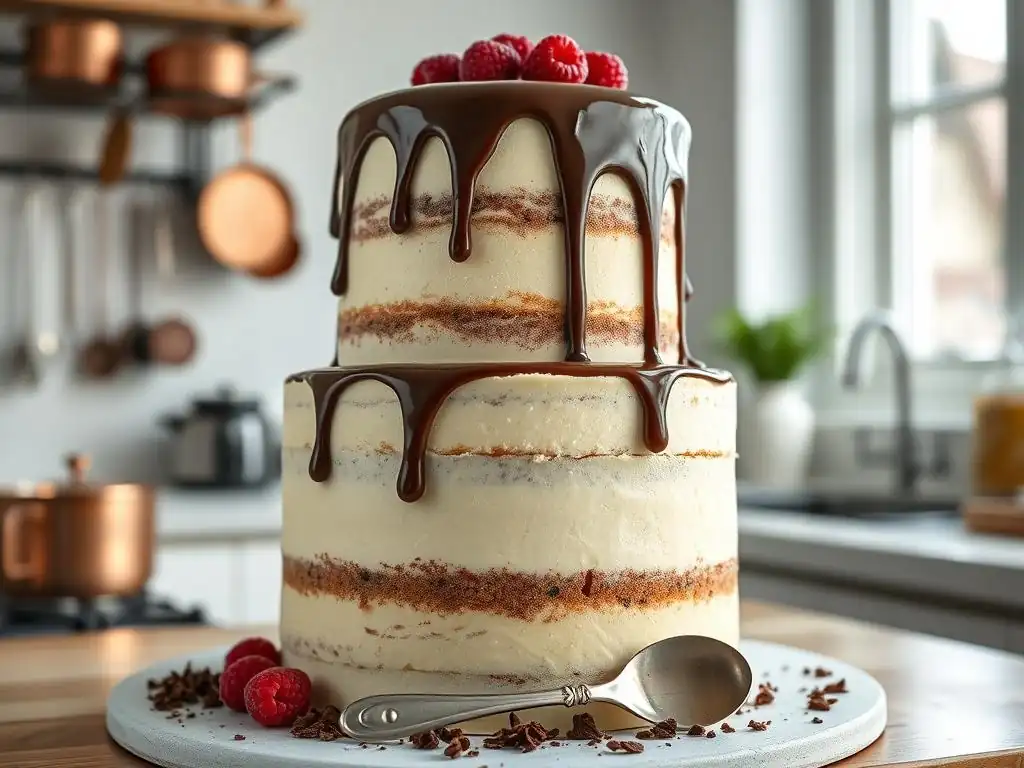
Once you've mastered the fundamentals of making beautiful, shiny chocolate glazes with high-quality chocolate, you can begin to explore more creative applications. Glazes aren't limited to simple pours; they can be flavored, colored, and used in various decorative ways to enhance your baked goods. Expanding your repertoire of best chocolate glaze recipes adds exciting dimensions to your baking.
Think beyond just coating a cake. Chocolate glazes can be infused with complementary flavors, used to create intricate patterns, or adapted for different textures and applications, from delicate drizzles on cookies to sturdy coatings on pastries. Let's look at ways to take your chocolate glazing skills to the next level.
Incorporating Flavors: Adding Extracts, Spices, and Zests to Your Glazes
Adding extra flavors to your chocolate glazes is a fantastic way to customize your desserts and create unique taste experiences. These additions should complement the chocolate and the baked good they are adorning. For instance, a dark chocolate glaze can be enhanced with a splash of espresso extract, a pinch of cayenne pepper for a hint of heat, or a few drops of high-quality peppermint extract for a classic pairing. Citrus zests, like orange or tangerine, also marry beautifully with dark chocolate.
When adding flavorings, timing is important. Liquid extracts (like vanilla, almond, or coffee) should generally be stirred into the finished glaze after it has been removed from the heat, as some flavors can dissipate with heat. Spices like cinnamon, cardamom, or chili powder can be gently warmed with the cream before pouring over the chocolate to infuse their flavors more deeply. Fresh zests should also be added towards the end to preserve their volatile oils. Start with small amounts and taste as you go, as intense flavors can easily overpower the chocolate.
Creating Decorative Glazes: Marbling, Drizzling, and More
Chocolate glazes are not just about coating; they are also a medium for artistic expression. Simple pourable glazes can be used for elegant drizzles on cakes or cookies. For a controlled drizzle, transfer slightly cooled glaze to a piping bag with a small round tip or a ziplock bag with a corner snipped off. Practice your technique on parchment paper first.
Marbling is another popular decorative technique. This involves pouring two different colored or flavored glazes (often a base chocolate glaze and a contrasting white chocolate glaze, perhaps colored) onto a cake simultaneously or pouring one color and then swirling the other through it gently with a skewer or offset spatula. The key is to work quickly before the glazes set.
You can also create abstract patterns by pouring glaze and then using a comb or other tool to drag through it. With the right consistency and a bit of practice, you can turn simple best chocolate glaze recipes into edible art.
The versatility of chocolate glazes extends to a wide variety of baked goods. A slightly thicker ganache-style glaze is perfect for coating layer cakes, providing a rich, fudgy finish. A thinner pourable glaze works well for bundt cakes or loaf cakes, creating an elegant drip effect down the sides. The temperature of the glaze is crucial here; too hot, and it will run off; too cool, and it won't spread smoothly.
For cookies, a chocolate glaze can be used for dipping, spreading, or drizzling. Dipping cookies into a glossy glaze provides a full coating, while drizzling adds a decorative touch. Pastries like eclairs or cream puffs are traditionally finished with a smooth chocolate glaze. The temperature and consistency need to be just right to get a clean, even coating without weighing down the delicate pastry. Experimenting with different glaze recipes and techniques on various baked items will help you discover the best application for each.
Conclusion: Unleash Your Creativity with High-Quality Chocolate
Mastering the art of chocolate glazes and frostings begins with choosing high-quality chocolate. Understanding the role of cacao percentage, the difference between dark, milk, and white chocolate, and the superiority of couverture chocolate over compound chocolate are fundamental steps. Brands like Valrhona, Guittard, Callebaut, and even accessible options like Ghirardelli offer excellent starting points for elevating your baking.
By following careful melting techniques, understanding when and how to temper, and learning to troubleshoot common issues, you can consistently achieve beautiful, delicious, and shiny results. Don't hesitate to experiment with different types of chocolate and explore variations of best chocolate glaze recipes, incorporating flavors and decorative techniques. With practice and premium ingredients, you'll be creating stunning desserts with glazes that truly shine. Happy baking!
Frequently Asked Questions
What types of chocolate are best for creating a high-quality glaze?
The best chocolate for glazes is usually high-quality dark or semi-sweet chocolate with a high cocoa butter content. This contributes to a smooth, shiny finish and rich flavor.
How does the cocoa butter content affect the glaze's shine?
Higher cocoa butter content directly impacts the glaze's shine. It ensures the glaze flows smoothly and sets with a glossy, reflective surface. This is a crucial factor for visual appeal.
Can I use milk chocolate for a chocolate glaze?
Yes, you can use milk chocolate, but the glaze will be sweeter and may not have the same intense chocolate flavor or shine as a glaze made with dark or semi-sweet chocolate. Be aware of the added sugar content and adjust the recipe accordingly.
What are some common mistakes to avoid when making chocolate glaze?
Overheating the chocolate is a common mistake, leading to a grainy or separated glaze. Always melt chocolate gently and slowly to preserve its smooth texture. Avoid introducing water during the melting process.
How can I store leftover chocolate glaze?
Leftover chocolate glaze should be stored in an airtight container in the refrigerator. Before using, gently reheat it in short intervals in the microwave or over a double boiler, stirring frequently until smooth. This prevents burning or seizing.
Final Reflection: The Enduring Allure of a Perfect Chocolate Glaze
The pursuit of the perfect chocolate glaze transcends mere culinary technique; it's a quest for sensory perfection that resonates deeply with both bakers and consumers alike. In today's world, saturated with readily available, often mediocre, sweets, the ability to craft a truly exceptional chocolate glaze—one that shines, tastes divine, and elevates even the simplest cake—remains a highly sought-after skill. This article has explored the nuances of achieving this, from selecting the highest quality chocolate to mastering the art of tempering.
The impact of a beautifully crafted chocolate glaze extends far beyond the immediate gratification of taste. It speaks to a deeper appreciation for craftsmanship, for the dedication to detail that transforms a simple dessert into a work of art. It's a testament to the power of simple ingredients, elevated by skill and passion. The simplest things are often the most beautiful,
a sentiment that perfectly encapsulates the magic of a flawlessly executed chocolate glaze. This pursuit of excellence, I believe, reflects a broader cultural shift towards valuing quality and authenticity in all aspects of our lives.
Now, I invite you to consider your own approach to baking. What does a truly exceptional chocolate glaze mean to you? Will you experiment with different types of chocolate, refine your tempering technique, or perhaps even develop your own signature glaze? The journey towards creating the perfect chocolate glaze is a continuous one, filled with experimentation, learning, and ultimately, the immense satisfaction of achieving culinary excellence. Embrace the process, savor the results, and let the shine of your creation reflect your own unique passion and skill.
Unlock Your Chocolate Glaze Genius!
Thanks for joining us on this delicious journey into the world of high-quality chocolate glazes and frostings! We hope you've gained some invaluable insights into creating truly stunning and mouthwatering finishes for your baked goods. Ready to take your skills to the next level?
- Master the perfect chocolate glaze: Try experimenting with the ratios and techniques we discussed to create your signature glaze. Don't be afraid to get creative with flavor additions!
- Share your creations: Post pictures of your chocolate-glazed masterpieces on social media and tag us – we'd love to see your results!
- Explore our other articles on advanced baking techniques. You'll find more inspiration to enhance your baking skills.
What's your favorite unique ingredient to add to chocolate glazes or frostings? Let's discuss!