
10 MustHave DairyFree Milk Alternatives for Perfectly Moist Baked Goods

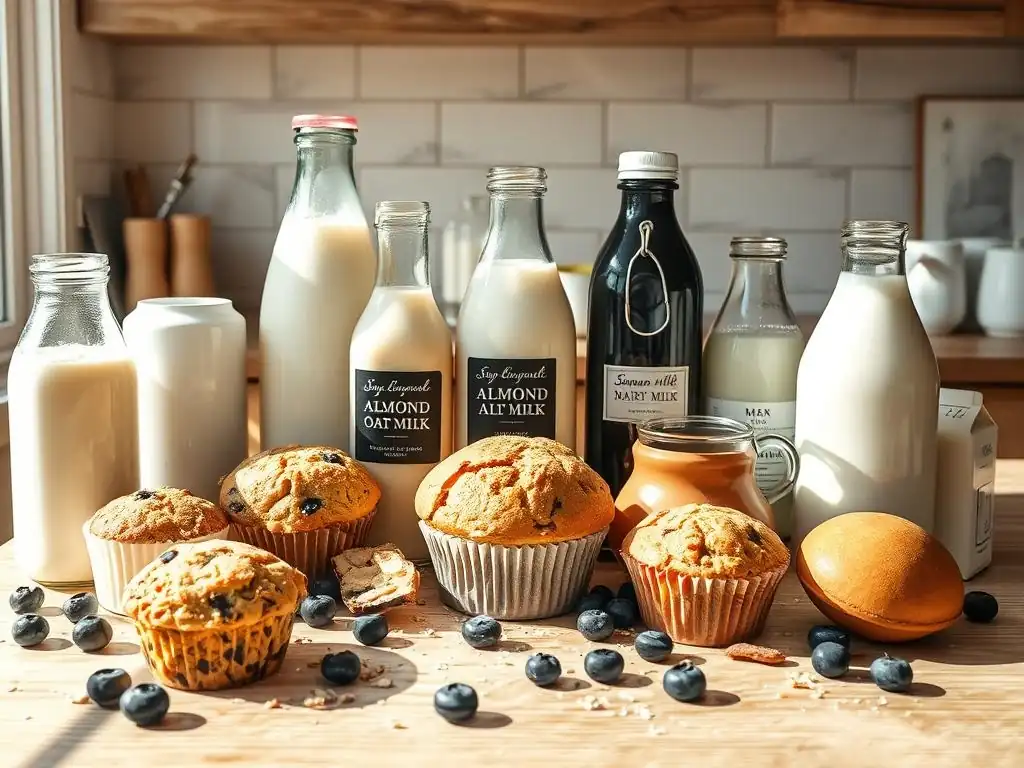
Welcome to BakeWithEase, where baking becomes a joy, not a chore! Ever wondered if you could achieve that perfectly moist texture in your baked goods without dairy? Dive in to discover the secrets! Our article explores 10 Must-Have Dairy-Free Milk Alternatives that will revolutionize your baking, opening up a world of delicious possibilities, even for those with dietary restrictions. Ready to unlock the secrets to allergen-friendly baking? Let's get started!
- Baking Dairy-Free: Finding the Right Milk Substitute
-
Top 10 Dairy-Free Milk Alternatives for Baking Success
- 1. Almond Milk: A Popular Dairy-Free Baking Choice
- 2. Oat Milk: Creamy Dairy-Free Milk for Baking
- 3. Soy Milk: A Versatile Dairy-Free Milk Option
- 4. Coconut Milk (Carton): Light and Subtly Sweet
- 5. Cashew Milk: Naturally Sweet and Creamy for Baking
- 6. Rice Milk: A Mild Dairy-Free Milk Alternative
- 7. Hemp Milk: A Nutritious Dairy-Free Baking Option
- 8. Flax Milk: A Less Common but Effective Dairy-Free Choice
- 9. Pea Milk: A Protein-Rich Dairy-Free Milk Substitute
- 10. Macadamia Milk: A Luxurious Dairy-Free Milk for Baking
- Choosing the Best Dairy-Free Milk for Your Baking Project
- Dairy-Free Milk Conversion Chart for Baking
- Pro Tips for Baking with Dairy-Free Milk Alternatives
- Mastering Dairy-Free Baking with Milk Substitutes.
-
Frequently Asked Questions
- What are the best dairy-free milk alternatives for baking?
- How do dairy-free milk alternatives affect the texture of baked goods?
- Can I substitute dairy-free milk alternatives 1:1 for dairy milk in recipes?
- Do dairy-free milk alternatives impact the browning of baked goods?
- Are there any dairy-free milk alternatives that don't work well in baking?
- Final Reflection: The Sweet Revolution of Dairy-Free Baking
- Unlock Your Dairy-Free Baking Potential!
Baking Dairy-Free: Finding the Right Milk Substitute
Navigating the world of dairy-free baking doesn't have to be complicated. Whether you're baking for allergies, dietary choices, or just experimenting, finding the right dairy-free milk alternative is crucial for achieving delicious results. The liquid component in baking recipes plays a significant role, contributing to moisture, structure, and even flavor.
Swapping out traditional dairy milk requires understanding how different alternatives behave when heated and mixed with other ingredients. This guide explores the top 10 dairy-free milk options available and how to best use them in your baking projects to ensure your cakes are moist, your cookies are tender, and your breads are soft.
Choosing among the many dairy-free baking milk alternatives can seem daunting at first glance. From popular options like almond and oat milk to less common varieties like hemp and pea milk, each brings unique properties to the mixing bowl. Success in dairy-free baking often hinges on selecting a milk substitute whose fat content, protein level, and flavor profile complement the recipe.
For instance, a richer alternative might be perfect for a dense cake, while a lighter one could be better for delicate pastries. We'll break down what makes each of these 10 options a must-have in your dairy-free baking arsenal and how to use them effectively.
Why Dairy-Free Milk Matters in Baking
Dairy-free milk alternatives are essential for bakers catering to individuals with lactose intolerance, dairy allergies, or those following vegan or plant-based diets. Lactose intolerance affects a significant portion of the global population, estimated to be around 68% according to some studies. Dairy allergies, while less common than intolerance, can cause severe reactions. For these individuals, traditional dairy milk is simply not an option, making dairy-free baking milk alternatives indispensable for enjoying baked goods safely. Providing delicious, dairy-free options opens up the joy of baking and eating treats to a wider audience.
Beyond necessity, many bakers choose dairy-free milk for its unique characteristics. Some alternatives offer subtle flavor nuances, like the sweetness of oat milk or the nuttiness of almond milk, which can enhance a recipe. Others provide different fat or protein levels that can alter the texture and structure of baked goods, sometimes in desirable ways. For example, certain higher-fat dairy-free milks can contribute to a richer crumb in cakes or added tenderness in cookies. Exploring these dairy-free baking milk alternatives allows for creativity and innovation in the kitchen, pushing the boundaries of traditional recipes.
Understanding Milk's Role in Baking Recipes
Milk in baking isn't just about adding liquid; it serves multiple critical functions that impact the final product. Firstly, it provides moisture, which is essential for preventing dryness and creating a tender texture in items like cakes and muffins. The water content in milk activates leavening agents like baking powder and baking soda, allowing them to produce carbon dioxide gas, which causes baked goods to rise. Without sufficient liquid from milk or a substitute, these leaveners wouldn't work effectively, resulting in dense, flat results.
Furthermore, milk contributes to the structure and browning of baked goods. The proteins in milk, particularly casein and whey in dairy milk (or plant proteins in alternatives), interact with flour proteins (gluten) to build structure. Sugars present in milk (lactose in dairy, or added sugars/natural sweetness in alternatives) participate in the Maillard reaction during baking, contributing to the desirable golden-brown crust and complex flavors. Fat in milk also tenderizes the crumb by coating flour particles and inhibiting gluten development. Understanding these roles helps bakers select the best dairy-free baking milk alternatives to mimic or enhance these effects.
Top 10 Dairy-Free Milk Alternatives for Baking Success
1. Almond Milk: A Popular Dairy-Free Baking Choice
Almond milk is arguably one of the most widely available and frequently used dairy-free baking milk alternatives. Its popularity stems from its light consistency and relatively neutral flavor profile, making it a versatile substitute in many recipes. Unsweetened varieties are particularly favored in baking as they don't add unwanted sugar, allowing the baker to control the sweetness of the final product. It's made by blending almonds with water and straining the solids, resulting in a liquid that is typically lower in calories and fat than dairy milk.
While convenient, it's important to note that almond milk is generally lower in fat and protein compared to whole dairy milk or even some other dairy-free options like soy or oat milk. This can sometimes affect the richness and structure of baked goods, potentially leading to a slightly less moist or tender result if not compensated for. Many bakers find it works best in recipes where a strong structure isn't paramount, such as quick breads, muffins, or as the liquid in batters for pancakes and waffles. Look for unsweetened versions to maintain control over your sugar levels.
Almond Milk Flavor Profile and Best Uses in Baking
Almond milk offers a subtle, slightly nutty flavor, especially in unsweetened versions. This mild profile makes it an excellent choice when you don't want the milk substitute to overpower other flavors in your baked goods. It blends seamlessly into recipes for vanilla cakes, chocolate chip cookies, and fruit muffins without imparting a distinct "almondy" taste unless it's the star flavor (like in an almond cake). Its lightness works well in recipes that require a tender crumb rather than a dense, rich one.
It performs particularly well in recipes that don't rely heavily on the milk's fat content for richness, such as sponge cakes, simple loaf cakes, and most cookie recipes. For instance, swapping dairy milk for unsweetened almond milk in a standard muffin recipe usually results in a perfectly acceptable texture. It's also a great liquid base for frostings and glazes where a thin, smooth consistency is desired. However, in richer applications like custards or cheesecakes, its lower fat content might require adjustments or yield a less creamy result.
Tips for Baking with Almond Milk
When using almond milk as a dairy-free baking milk alternative, consider its consistency. It's typically thinner than dairy milk, which might necessitate slight adjustments to other liquid ingredients in your recipe, though often a direct 1:1 substitution works fine for most standard recipes like cakes or cookies. If a recipe calls for whole milk and richness is key, you might consider adding a small amount of vegan butter or oil to compensate for the lower fat content of almond milk.
Always opt for unsweetened plain almond milk unless your recipe specifically calls for a sweetened liquid. Sweetened versions can add unexpected sugar levels and sometimes artificial flavors. Shaking the carton well before use is also important, as solids can settle at the bottom. Pay attention to fortified versions, which often contain added calcium and vitamins, usually without impacting baking performance. For best results, use it at room temperature, just like you would dairy milk, to ensure it incorporates smoothly into batters.
2. Oat Milk: Creamy Dairy-Free Milk for Baking
Oat milk has surged in popularity and is a fantastic dairy-free baking milk alternative thanks to its naturally creamy texture and subtle sweetness. Made from blending oats and water, it emulsifies nicely, providing a richness that is often closer to dairy milk than some other plant-based options. Its creaminess comes from the soluble fibers (beta-glucans) in oats, which thicken the liquid. This makes it particularly appealing for recipes where a rich, moist crumb is desired.
Unlike some nut milks, oat milk is often a good choice for those with nut allergies, making it a versatile option for allergen-aware baking. Its natural sweetness means you might slightly reduce added sugar in some recipes, though unsweetened versions are also available and recommended for more control. Oat milk typically contains more carbohydrates than almond or soy milk, which can contribute to better browning in baked goods due to the presence of sugars.
Oat Milk's Texture and How it Affects Baked Goods
The defining characteristic of oat milk for baking is its creamy, smooth texture. This richness translates into baked goods that feel moist and tender. When used in cakes, it contributes to a soft crumb. In cookies, it can help create a slightly chewy texture. Its viscosity is often comparable to 2% or whole dairy milk, making it a relatively easy 1:1 substitute in many recipes without significant adjustments needed.
The natural sugars in oat milk also aid in caramelization and browning during baking. This can result in a more golden crust on breads and muffins, or a richer color on cookies. The soluble fibers also help bind ingredients together, contributing to structure. For instance, using oat milk in a brownie recipe can enhance its fudginess and moisture. Its emulsifying properties also make it excellent for creating smooth batters and sauces used in baking, like glazes or fillings.
Recipes Where Oat Milk Shines
Oat milk is incredibly versatile, but it truly shines in recipes that benefit from its creamy texture and subtle sweetness. It's an excellent choice for muffins, quick breads, and cakes, where it ensures a moist, tender crumb. Recipes like banana bread, chocolate cake, and blueberry muffins are perfect candidates for an oat milk swap. Its richness also makes it suitable for creamier applications like puddings or fillings for tarts.
It also works well in yeast breads, contributing to a soft interior crumb, though some bakers prefer a milk with higher protein like soy for stronger gluten development. For cookies, it adds moisture without spreading too much, resulting in cookies that are soft in the center with slightly crisp edges. Try it in your next batch of chocolate chip cookies or oatmeal raisin cookies for a noticeable difference in texture and richness.
3. Soy Milk: A Versatile Dairy-Free Milk Option
Soy milk has been a staple dairy-free baking milk alternative for decades and remains a reliable choice due to its nutritional profile and performance in baking. Made from soybeans and water, it is one of the few plant-based milks that offers a protein content comparable to dairy milk, often around 7-8 grams per cup. This higher protein level is beneficial in baking as protein contributes to structure and stability in baked goods.
Available in various forms – unsweetened, sweetened, vanilla flavored, and full-fat (often labeled as "original" or "plain") – unsweetened plain soy milk is generally the preferred option for baking to control flavor and sugar levels. Its consistency is usually thicker than almond or rice milk, often similar to 2% dairy milk, making it a straightforward 1:1 substitution in most recipes.
Soy Milk's Protein Content and its Impact on Baking
The relatively high protein content of soy milk is its key advantage in baking. Protein helps build structure, which is particularly important in recipes like yeast breads, cakes, and muffins. It interacts with flour proteins to create a stable network, preventing baked goods from collapsing and contributing to a good rise. For example, in a loaf of bread, the protein in soy milk helps develop gluten, resulting in a more elastic dough and a well-structured loaf.
This protein also contributes to better browning through the Maillard reaction and can help create a more tender crumb by interfering with excessive gluten development in cakes and pastries. The fat content in enriched or "original" soy milk (often around 4 grams per cup) also adds richness and moisture. This combination of protein and fat makes soy milk a robust dairy-free baking milk alternative capable of handling a wide range of recipes, from sturdy breads to delicate cakes.
Considerations When Using Soy Milk in Baking
While versatile, there are a few considerations when using soy milk. Some people detect a slight "beany" flavor, which is more pronounced in unsweetened versions. This flavor is usually masked by other ingredients in baked goods, especially those with strong flavors like chocolate, spices, or fruit. However, in very mild-flavored recipes, it might be noticeable. Using high-quality, plain unsweetened soy milk is recommended.
Be mindful of the type of soy milk you choose. Sweetened or flavored varieties will impact the overall sweetness and flavor of your baked goods. Also, ensure the soy milk is at room temperature before adding it to batters, especially those containing fat like vegan butter or oil, to prevent chilling the fat and affecting emulsification. For recipes requiring a lot of liquid, like some bread doughs, soy milk is a reliable choice due to its consistent performance.
4. Coconut Milk (Carton): Light and Subtly Sweet
When we talk about coconut milk for baking, it's important to distinguish between the thick, creamy canned coconut milk (often used in curries and desserts like panna cotta) and the thinner, carton coconut milk intended as a beverage or milk substitute. Carton coconut milk is made by blending coconut cream with water, resulting in a much lighter consistency, often similar to skim or 1% dairy milk. This is the type generally used as a dairy-free baking milk alternative in standard recipes.
Carton coconut milk offers a subtle coconut flavor, which can be desirable in certain recipes like tropical-themed cakes or muffins. It typically has a moderate fat content, often around 4-5 grams per cup in original versions, contributing some moisture and richness. It's a good option for those avoiding nuts or soy, expanding the possibilities for allergen-friendly dairy-free baking.
Coconut Milk's Consistency and Baking Applications
Carton coconut milk is relatively thin compared to dairy milk or even oat/soy milk. This means it works well in recipes where a lighter texture is preferred, such as some quick breads, pancakes, and waffles. Its lower viscosity allows it to hydrate dry ingredients effectively without adding excessive richness or weight. It's also a good liquid base for thin batters or glazes.
While it provides moisture, its lower protein content compared to soy or dairy milk means it contributes less to structural development. It's best used in recipes that don't rely heavily on protein for structure, such as simple loaf cakes, muffins, and certain cookie recipes. For instance, swapping dairy milk for carton coconut milk in a standard vanilla cake recipe will provide moisture and a hint of flavor without significantly altering the structure.
Avoiding Coconut Flavor Overpower in Baking
One potential drawback of carton coconut milk is its distinct flavor. While subtle, the coconut taste can be noticeable, especially in plain or mildly flavored baked goods. To avoid this, use unsweetened versions, as they tend to have a less pronounced flavor. Pair it with ingredients that complement or mask the coconut taste, such as chocolate, citrus, spices (like cinnamon or cardamom), or other tropical flavors like pineapple or banana.
If you're making a recipe where you absolutely don't want any coconut flavor, another dairy-free baking milk alternative might be a better choice. However, for recipes like coconut cake, tropical muffins, or even chocolate brownies (where the strong chocolate masks the coconut), carton coconut milk is an excellent and appropriate substitute. Always shake the carton well before use to ensure the fat is evenly distributed.
5. Cashew Milk: Naturally Sweet and Creamy for Baking
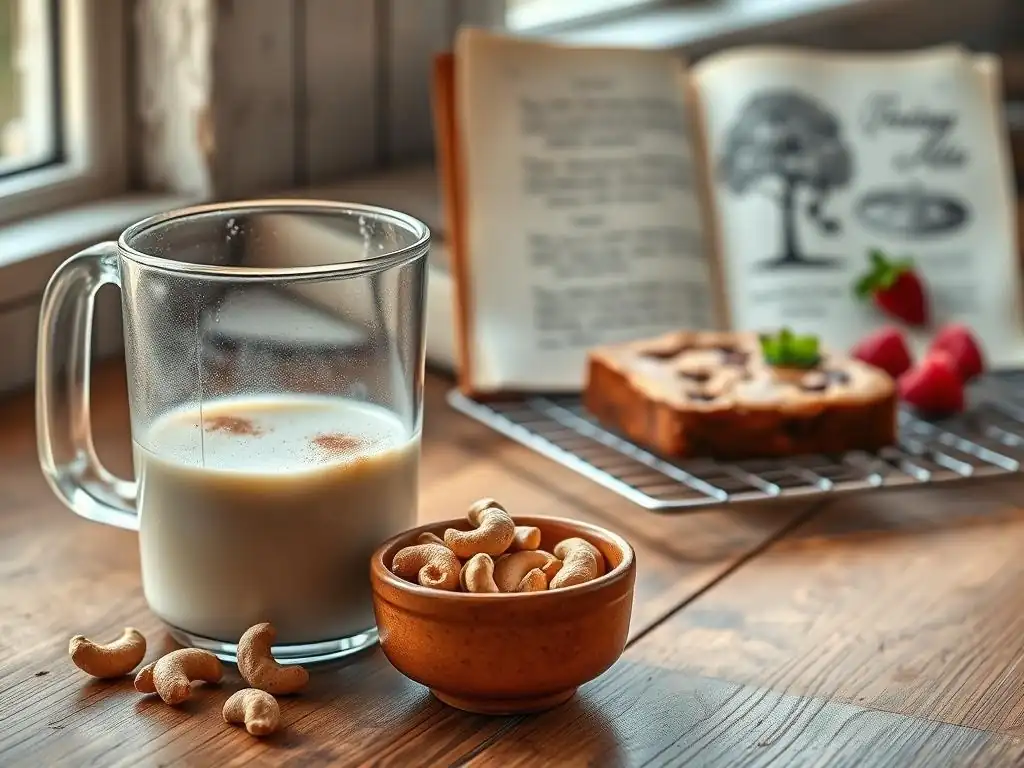
Cashew milk is gaining popularity as a dairy-free baking milk alternative due to its naturally creamy texture and slightly sweet, rich flavor. Made by blending cashews with water, it often has a smoother consistency than almond milk because cashews soften more completely when blended. This creaminess makes it a good contender for recipes where richness and moisture are key.
Unsweetened cashew milk is the best choice for baking, offering a pleasant mild nuttiness without added sugars. Its fat content varies but is often slightly higher than almond milk, contributing to a more tender crumb in baked goods. For those with allergies to other nuts, cashew milk provides another option, though it's still a tree nut and not suitable for all nut allergies.
Cashew Milk's Richness and Best Baking Uses
The natural richness and creaminess of cashew milk make it an excellent dairy-free baking milk alternative for recipes like cakes, cupcakes, and muffins. It contributes to a moist, tender crumb and a pleasant mouthfeel. Its slightly sweet flavor profile complements a wide range of baked goods, from simple vanilla cakes to spiced muffins.
Cashew milk performs well in recipes where you might traditionally use whole dairy milk, as its texture is often closer than that of thinner alternatives like almond or rice milk. It's particularly effective in recipes that require a smooth, emulsified batter, such as pound cake or quick bread batters. For example, substituting dairy milk with unsweetened cashew milk in a carrot cake recipe can enhance its moisture and richness.
Cashew Milk vs. Other Nut Milks
Compared to almond milk, cashew milk is generally creamier and has a slightly richer flavor profile. This makes it a preferred choice for bakers seeking a more decadent texture in their dairy-free baked goods. While both are nut-based dairy-free baking milk alternatives, the difference in texture comes from the cashew nut itself, which blends into a smoother consistency than almonds.
However, like almond milk, cashew milk is typically lower in protein than soy or dairy milk. This means it might not provide as much structural support in recipes heavily reliant on protein, such as yeast breads. For most standard baking applications like cakes, cookies, and muffins, unsweetened cashew milk is a fantastic, creamy option that often performs similarly to light dairy milk.
6. Rice Milk: A Mild Dairy-Free Milk Alternative
Rice milk is made from brown rice and water and is known for its very mild flavor and thin consistency. It's often chosen by individuals with multiple food allergies, as it's free from nuts, soy, and dairy, making it a hypoallergenic dairy-free baking milk alternative for many. Its neutral taste means it won't interfere with the primary flavors of your baked goods, which can be a significant advantage in delicate recipes.
However, rice milk is typically the thinnest of the common dairy-free milk alternatives and is also lower in fat and protein than most others. This can impact the texture and richness of baked goods, potentially leading to a drier or less tender result if not accounted for. It's crucial to understand its limitations when using it as a substitute.
Rice Milk's Thin Texture and Baking Considerations
The thin, watery texture of rice milk is its most defining characteristic in baking. While it provides essential liquid for hydration and activating leaveners, it doesn't contribute much in terms of richness, fat, or protein-based structure. When substituting dairy milk with rice milk, you might notice a slightly less moist crumb or less browning due to its lower sugar and fat content.
In recipes where precise moisture levels are critical or where richness is desired, using rice milk might require slight adjustments, such as adding a bit more fat (like vegan butter or oil) or using a recipe specifically developed for a thinner liquid. For example, using rice milk in a rich butter cake might result in a less tender texture compared to using a creamier alternative.
Recipes Best Suited for Rice Milk
Rice milk is best suited for recipes where a very neutral flavor and light texture are acceptable or even desired. It works well in simple quick breads, muffins, and pancakes, especially when paired with moist ingredients like mashed bananas or applesauce. It's also a good liquid for thin batters or washes.
Given its hypoallergenic nature, rice milk is often the go-to dairy-free baking milk alternative for recipes specifically designed for multiple allergies. It can be used in basic cookie recipes, although the resulting cookies might be slightly crispier than those made with richer milks. It's less ideal for recipes requiring significant richness or structure, such as custards, puddings, or yeast breads where the higher protein content of other milks is beneficial.
7. Hemp Milk: A Nutritious Dairy-Free Baking Option
Hemp milk is made from the seeds of the hemp plant (Cannabis sativa, but without the psychoactive compounds) and water. It's notable for its nutritional profile, containing omega-3 and omega-6 fatty acids and a moderate amount of protein (often around 2-3 grams per cup). While not as creamy as oat or cashew milk, it offers a decent consistency, usually comparable to 1-2% dairy milk.
Hemp milk has a distinct, slightly earthy or nutty flavor, which can be a pro or con depending on the recipe. Like other dairy-free baking milk alternatives, unsweetened plain is the best choice for baking to control flavor and sugar. It's a good option for those avoiding nuts, soy, and dairy, providing another allergen-friendly choice.
Hemp Milk's Earthy Flavor and Baking Performance
The earthy, sometimes slightly grassy flavor of hemp milk is its most unique characteristic. In baking, this flavor can either complement robust ingredients like chocolate, whole wheat flour, or spices, or it can be noticeable in more delicate recipes. It performs reasonably well in terms of moisture and provides some structure due to its protein content.
Hemp milk works effectively in recipes where its flavor won't clash, such as whole wheat muffins, spiced cakes, or chocolate brownies. It provides adequate moisture for quick breads and cookies. Its fat content helps tenderize, and its protein contributes some structure, making it a capable dairy-free baking milk alternative for many standard recipes. For example, using hemp milk in a ginger spice cake can enhance the warmth of the spices.
Using Hemp Milk for Healthier Baked Goods
Due to its omega fatty acid content, hemp milk is often perceived as a healthier dairy-free baking milk alternative. While the amounts of these fats might not be significant enough in a typical serving of baked goods to have a major health impact, some bakers prefer it for this reason. It can be used in recipes aiming for a more nutritious profile, such as whole grain muffins or energy bars.
When using hemp milk, be mindful of its flavor and pair it with ingredients that complement it. It's less ideal for recipes where a completely neutral taste is required, like a delicate vanilla bean cake. Always shake the carton well before pouring, as separation is common. Start by substituting it 1:1 in recipes where other liquids have worked, and adjust if needed based on the final texture.
8. Flax Milk: A Less Common but Effective Dairy-Free Choice
Flax milk is made from cold-pressed flaxseed oil and filtered water, sometimes with added protein or thickeners. It's one of the less common dairy-free baking milk alternatives but offers a neutral flavor profile and is rich in omega-3 fatty acids. Its consistency varies by brand but is often quite thin, similar to rice or skim dairy milk.
Flax milk is free from dairy, nuts, and soy, making it another excellent option for those with multiple allergies. While low in protein compared to soy or dairy milk, some versions are fortified with protein. Its neutral taste is a significant advantage in baking, as it won't introduce unwanted flavors into your creations.
Flax Milk's Binding Properties in Baking
While thin, flax milk contains small amounts of soluble fiber from the flaxseed oil, which can contribute some binding properties in baked goods. This can slightly help with structure and moisture retention, although not to the same extent as milks with higher protein or fat. It primarily serves as the liquid component, hydrating dry ingredients and activating leaveners.
Because of its thinness and lower protein/fat content, flax milk might result in baked goods that are slightly less tender or moist than those made with creamier or richer milks. It's crucial to ensure the recipe has sufficient fat from other sources (like oil or vegan butter) and that you don't overmix the batter, which could lead to a tougher texture when using a low-protein liquid.
Where to Use Flax Milk for Optimal Results
Flax milk is best used in recipes where a neutral flavor is paramount and where the recipe doesn't heavily rely on the milk's richness or protein for structure. It works well in simple quick breads, muffins, pancakes, and waffles. It's also suitable for thin batters or as the liquid in glazes or icings where consistency is key.
Given its hypoallergenic nature, flax milk is a valuable dairy-free baking milk alternative for those with severe allergies. It can be used successfully in many standard cookie recipes, though the spread and final texture might differ slightly from recipes using richer milks. It's less recommended for rich cakes, custards, or yeast breads where the properties of dairy, soy, or oat milk are more beneficial.
9. Pea Milk: A Protein-Rich Dairy-Free Milk Substitute
Pea milk, made from yellow peas, is one of the newer dairy-free baking milk alternatives on the market and stands out for its high protein content, often comparable to or even exceeding dairy milk (around 8-10 grams per cup). This makes it a valuable substitute for recipes where protein contributes significantly to structure, like yeast breads.
Pea milk typically has a relatively neutral flavor profile, although some brands might have a slight earthy or "beany" note that is usually undetectable in baked goods. It often has a creamy consistency, sometimes enhanced by added thickeners, making it a good option for adding richness and moisture to baked goods. It's free from nuts, soy, and dairy, adding another option for allergen-friendly baking.
Pea Milk's Neutral Flavor and Baking Advantages
The main advantages of pea milk in baking are its high protein content and relatively neutral flavor. The protein contributes excellent structural support, similar to soy or dairy milk, which is crucial for recipes requiring a good rise and stable structure, such as yeast-leavened breads and structured cakes. Its neutral flavor ensures it won't interfere with other ingredients, making it versatile.
The creaminess of pea milk also adds moisture and tenderness to baked goods. This combination of high protein and creamy texture makes it a robust dairy-free baking milk alternative capable of performing well in a wide variety of recipes. For example, using pea milk in a sandwich bread recipe can contribute to a good rise and a soft, stable crumb.
Pea Milk in Cakes, Cookies, and Breads
Pea milk performs exceptionally well in recipes for cakes, cookies, and breads. Its high protein content is a major asset in yeast breads, contributing to gluten development and a strong rise, resulting in a well-structured loaf. In cakes and muffins, it provides moisture and helps create a tender yet stable crumb.
For cookies, pea milk adds moisture and can contribute to a slightly chewier texture, similar to what soy or dairy milk might provide. It's a reliable 1:1 substitute in most standard recipes. Its neutral flavor ensures it won't compete with the intended taste of your baked goods, making it suitable for everything from classic vanilla cakes to rich chocolate cookies.
10. Macadamia Milk: A Luxurious Dairy-Free Milk for Baking
Macadamia milk is a less common but increasingly available dairy-free baking milk alternative, made from macadamia nuts and water. It is known for its smooth, creamy texture and naturally rich, slightly buttery flavor profile. This makes it a premium option for baked goods where richness and a subtle nutty flavor are desired.
Macadamia milk often has a higher fat content than almond or rice milk, contributing to a more tender and moist result in baking. While it is a nut milk and not suitable for those with tree nut allergies, it offers a distinct profile compared to almond or cashew milk. Unsweetened versions are best for baking to control sweetness and avoid artificial flavors.
Macadamia Milk's Buttery Flavor and Premium Baking Uses
The luxurious, buttery flavor and creamy texture of macadamia milk make it an excellent dairy-free baking milk alternative for premium or indulgent baked goods. It adds a subtle richness and nutty note that can enhance the flavor of cakes, muffins, and cookies, particularly those with complementary flavors like vanilla, chocolate, or caramel.
It performs well in recipes where richness and moisture are key, such as pound cakes, butter cookies (vegan versions), and rich muffins. Its higher fat content contributes to a very tender crumb and a pleasant mouthfeel. For example, using unsweetened macadamia milk in a vegan vanilla pound cake can add a layer of richness and a hint of sophisticated flavor.
When to Splurge on Macadamia Milk
Macadamia milk is typically more expensive than other dairy-free baking milk alternatives like almond, soy, or oat milk. Therefore, it might be considered a "splurge" milk for special baking projects or recipes where its unique flavor and texture can truly shine. It's best used in recipes where its subtle buttery and nutty notes will be appreciated and not masked by overpowering flavors.
Consider using macadamia milk in recipes like a delicate white cake, shortbread cookies, or a rich chocolate tart where its creaminess and flavor can elevate the final product. For everyday baking or recipes with strong flavors, a more cost-effective option might be sufficient. However, for a truly decadent dairy-free baked good, macadamia milk is a fantastic choice.
Choosing the Best Dairy-Free Milk for Your Baking Project
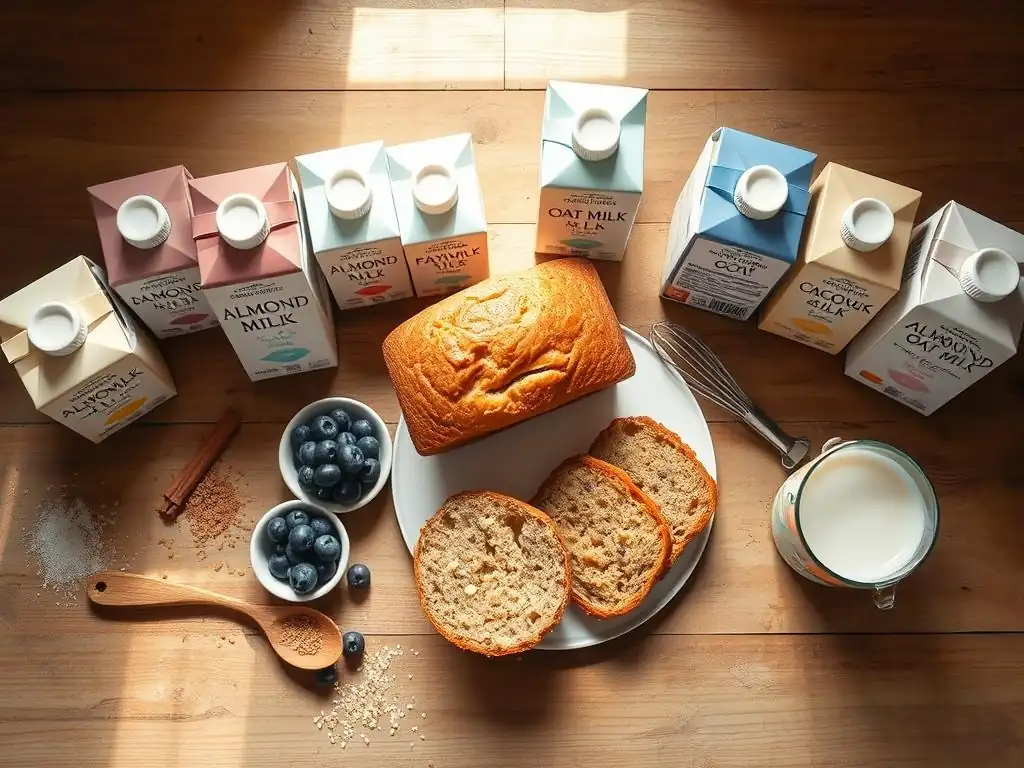
Selecting the ideal dairy-free baking milk alternative depends largely on the specific recipe and the desired outcome. There isn't a single "best" milk for all baking; each type brings different characteristics to the table. Consider the role milk plays in your recipe – is it primarily for moisture, structure, richness, or flavor? Matching the properties of the milk substitute to the recipe's needs is key to success.
For instance, if you're making a delicate cake, a creamy milk like oat or cashew milk might be preferable for moisture and tenderness. For a sturdy yeast bread, a high-protein option like soy or pea milk could provide better structure. For recipes where a neutral flavor is critical, rice or unsweetened flax milk might be the best dairy-free baking milk alternatives. Always check the ingredient list and choose unsweetened, plain versions unless the recipe specifically calls for otherwise.
Considering Flavor Profiles of Dairy-Free Milk
The flavor of your dairy-free baking milk alternative will subtly (or not so subtly) influence the final taste of your baked goods. Some milks, like rice or flax, are very neutral. Others, like almond, oat, or cashew, have a mild nutty or sweet flavor. Coconut milk has a distinct tropical note, while hemp milk can be earthy, and some soy milks have a slight beany undertone.
When choosing a milk, think about how its flavor will interact with the other ingredients. For a pure vanilla cake, a neutral or mildly flavored milk like unsweetened almond, oat, or rice milk might be best. For a chocolate cake, most dairy-free baking milk alternatives work well, as the chocolate is usually the dominant flavor. For a spice cake or banana bread, the earthy or nutty notes of hemp or cashew milk could be complementary. Taste different milks on their own to get a sense of their flavor before baking with them.
Texture and Consistency: Key Factors in Dairy-Free Baking
The texture and consistency of your dairy-free baking milk alternative directly impact the moisture, tenderness, and sometimes the structure of your baked goods. Thinner milks like rice or some almond milks contribute less richness and can result in a slightly lighter or drier crumb compared to thicker, creamier options.
Milks with higher fat content (like some oat, cashew, or macadamia milks, or full-fat canned coconut milk in specific applications) will contribute more richness and tenderness, leading to a moister, more decadent result. Milks with higher protein (soy, pea) provide better structural support, which is important for recipes that need to hold their shape or rise significantly. Assess the desired texture of your baked good and choose a dairy-free baking milk alternative with a consistency that aligns with that goal.
Nutritional Considerations When Selecting Dairy-Free Milk
While taste and texture are primary concerns for baking performance, some bakers also consider the nutritional profile of their dairy-free baking milk alternative. Options like pea milk and soy milk offer higher protein levels, which might be appealing for adding a nutritional boost. Hemp milk is noted for its omega fatty acids.
However, it's important to remember that the amount of milk used in most baking recipes is relatively small per serving of the finished product. Therefore, the nutritional differences between various dairy-free baking milk alternatives might not significantly impact the overall nutritional profile of a single cookie or slice of cake. Focus primarily on how the milk performs in the recipe and choose unsweetened versions to avoid unnecessary added sugars.
Dairy-Free Milk Conversion Chart for Baking
Converting recipes from dairy milk to dairy-free baking milk alternatives is usually quite straightforward. In most standard baking recipes (cakes, muffins, cookies, quick breads), you can use a simple 1:1 substitution ratio. If a recipe calls for 1 cup of dairy milk, you can typically use 1 cup of your chosen dairy-free alternative.
However, there are nuances. If a recipe specifically calls for whole dairy milk for its richness and you are using a very thin alternative like rice milk, you might consider slightly reducing other liquids or adding a bit more fat to compensate for the lack of richness. Conversely, if using a very thick, creamy milk like some barista-style oat milks or canned coconut milk (diluted appropriately if using as a milk substitute), you might need slightly less liquid overall.
Start with 1:1 and be prepared to make minor adjustments based on the batter consistency, which should ideally match the consistency if made with dairy milk. This conversion chart serves as a general guideline:
- 1 cup Dairy Milk = 1 cup Unsweetened Almond Milk
- 1 cup Dairy Milk = 1 cup Unsweetened Oat Milk
- 1 cup Dairy Milk = 1 cup Unsweetened Soy Milk
- 1 cup Dairy Milk = 1 cup Unsweetened Carton Coconut Milk
- 1 cup Dairy Milk = 1 cup Unsweetened Cashew Milk
- 1 cup Dairy Milk = 1 cup Unsweetened Rice Milk
- 1 cup Dairy Milk = 1 cup Unsweetened Hemp Milk
- 1 cup Dairy Milk = 1 cup Unsweetened Flax Milk
- 1 cup Dairy Milk = 1 cup Unsweetened Pea Milk
- 1 cup Dairy Milk = 1 cup Unsweetened Macadamia Milk
Remember that this is a starting point. Baking is a science, and results can vary slightly depending on the brand of dairy-free milk used and the specific recipe's balance of ingredients.
Pro Tips for Baking with Dairy-Free Milk Alternatives
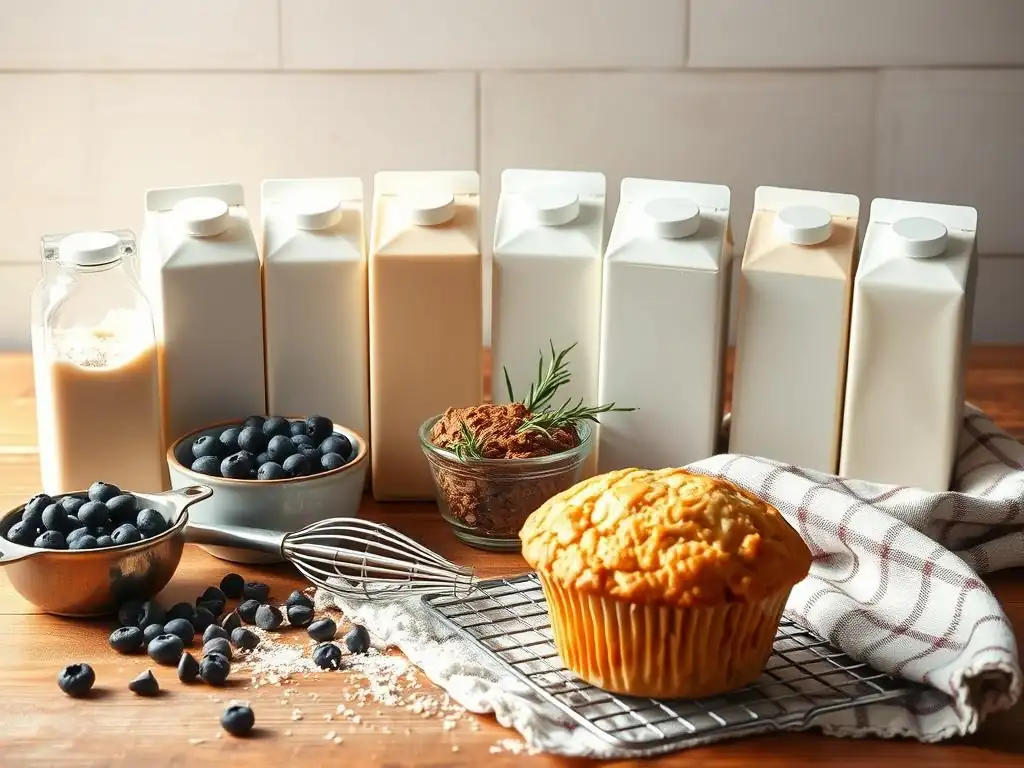
Mastering dairy-free baking with various milk substitutes involves more than just a simple swap. Paying attention to a few key details can significantly improve your results. One important tip is to use room temperature milk unless the recipe specifically states otherwise. Cold milk can solidify fats in your batter (like vegan butter or oil), leading to a less smooth mixture and potentially affecting the rise and texture of your baked goods. Take your dairy-free baking milk alternative out of the fridge about 30 minutes before you plan to start mixing.
Another pro tip is to always shake the carton of your dairy-free milk alternative thoroughly before pouring. Plant-based milks, especially those with higher fat content, can separate in the carton, with solids or fats settling at the bottom. Shaking ensures that the fat, protein, and other components are evenly distributed, leading to more consistent results in your baking. This simple step can make a difference in the richness and texture your dairy-free baking milk alternative contributes.
Adjusting Liquid Ratios in Recipes
While the 1:1 substitution is a good starting point, sometimes slight adjustments to the liquid ratio are necessary when using dairy-free baking milk alternatives. If you're using a particularly thin milk like rice milk in a recipe designed for whole dairy milk, the batter might feel too thin. In such cases, you might need to reduce the amount of milk by a tablespoon or two, or slightly increase the amount of flour, to achieve the correct batter consistency.
Conversely, if using a very thick or creamy dairy-free milk alternative, your batter might be too thick. You might need to add an extra tablespoon or two of milk to reach the desired consistency. Pay attention to the visual cues of the batter or dough described in the original recipe. Does it say "thick batter" or "pourable consistency"? Aim for that same look and feel when using your dairy-free milk substitute. Keep notes on your adjustments for future reference.
Dealing with Different Sweetness Levels
Unsweetened dairy-free baking milk alternatives are generally recommended for baking to give you control over the sugar content. However, even unsweetened versions can have varying levels of natural sweetness or added sugars. Always check the nutrition label to understand the sugar content. Some milks, like oat or cashew, are naturally sweeter than almond or rice milk.
If you are using a sweetened dairy-free milk alternative by accident or necessity, you might need to slightly reduce the amount of sugar called for in the recipe. If the recipe calls for a specific type of sweetened milk (e.g., vanilla soy milk in a pudding), using an unsweetened plain version might require adding a touch more sugar and vanilla extract to compensate. Tasting your batter (if safe to do so) can give you an indication of the sweetness level before baking.
Storing Dairy-Free Baked Goods
Proper storage is key to keeping your dairy-free baked goods fresh and moist. The shelf life and storage requirements can vary slightly depending on the specific dairy-free baking milk alternative used. Baked goods made with milks higher in fat might stay moist slightly longer than those made with very low-fat options.
Store cakes, muffins, and quick breads at room temperature in an airtight container for 2-4 days, or in the refrigerator for up to a week. Cookies can usually be stored at room temperature in an airtight container for 3-5 days. For longer storage, most dairy-free baked goods freeze well. Cool completely, wrap tightly in plastic wrap and then foil or place in a freezer-safe bag, and freeze for up to 2-3 months. Thaw at room temperature or gently reheat as needed.
Mastering Dairy-Free Baking with Milk Substitutes.
Successfully incorporating dairy-free baking milk alternatives into your recipes opens up a world of possibilities for creating delicious treats that everyone can enjoy. By understanding the unique properties of each milk substitute – its flavor, texture, and how it interacts with other ingredients – you can confidently adapt your favorite recipes or explore new ones specifically designed for dairy-free baking.
Remember to choose unsweetened varieties for better control, consider the consistency and richness needed for your specific recipe, and don't be afraid to experiment. With the wide array of dairy-free baking milk alternatives available today, achieving perfectly moist cakes, tender cookies, and soft breads without dairy is not only possible but often results in exciting new textures and flavors to discover. Happy baking!
Frequently Asked Questions
What are the best dairy-free milk alternatives for baking?
Several options work well, including almond milk, soy milk, and oat milk. The best choice depends on the specific recipe and desired flavor profile.
How do dairy-free milk alternatives affect the texture of baked goods?
Different alternatives affect texture differently. Some, like coconut milk, can add richness, while others, like rice milk, might result in a lighter texture.
Can I substitute dairy-free milk alternatives 1:1 for dairy milk in recipes?
Generally, yes, you can substitute them 1:1. However, you might need to adjust other ingredients slightly to achieve the desired consistency and flavor.
Do dairy-free milk alternatives impact the browning of baked goods?
Yes, some alternatives may affect browning. Milk alternatives higher in natural sugars, like oat milk, tend to brown more quickly.
Are there any dairy-free milk alternatives that don't work well in baking?
Rice milk can sometimes be too thin and watery, leading to a less desirable texture. It's best to experiment with other alternatives first.
Final Reflection: The Sweet Revolution of Dairy-Free Baking
The demand for dairy-free baking alternatives is no longer a niche trend; it's a mainstream movement. This shift reflects a growing awareness of dietary needs, ethical concerns, and a desire for culinary innovation. The ten alternatives explored in this article represent a vibrant landscape of options, each offering unique properties and contributing to the ever-expanding world of delicious, inclusive baking.
This journey into the heart of dairy-free baking has underscored the incredible creativity and resourcefulness of food science and home cooks alike. The sheer variety of options available—from the familiar nut milks to the more surprising oat and soy varieties—is a testament to the power of adaptation and the pursuit of flavor. The best things in life are often the simplest,
a sentiment that rings true when considering the ease with which many of these alternatives can be incorporated into beloved recipes. This accessibility empowers individuals to explore new culinary horizons and cater to diverse dietary needs, fostering a more inclusive and enjoyable baking experience for everyone.
Consider the impact of your next baking project. Will you choose to explore one of the delicious dairy-free alternatives highlighted in this article? Embrace the challenge, experiment with flavors, and discover the joy of creating perfectly moist and delicious baked goods for yourself and those you share them with. The possibilities are as limitless as your imagination, and the rewards are undeniably sweet.
Unlock Your Dairy-Free Baking Potential!
Thanks for exploring the world of dairy-free baking with us! We hope you've discovered some delicious new alternatives for creating perfectly moist and flavorful treats. Ready to take your baking to the next level?
- Whip up your first dairy-free masterpiece: Choose your favorite milk alternative from the list and bake something amazing! Try a recipe you already love, and see how it transforms.
- Share your dairy-free creations: Show off your baking skills and inspire others by sharing photos of your delicious treats on social media – use #BakeWithEaseDairyFree!
- Dive deeper into dairy-free delights: Explore more of our recipes and guides dedicated to creating delicious and healthy dairy-free baked goods on BakeWithEase.com.
What exciting dairy-free recipe will you tackle first?