
Measuring Gelatin and AgarAgar Accurately for Consistent Results

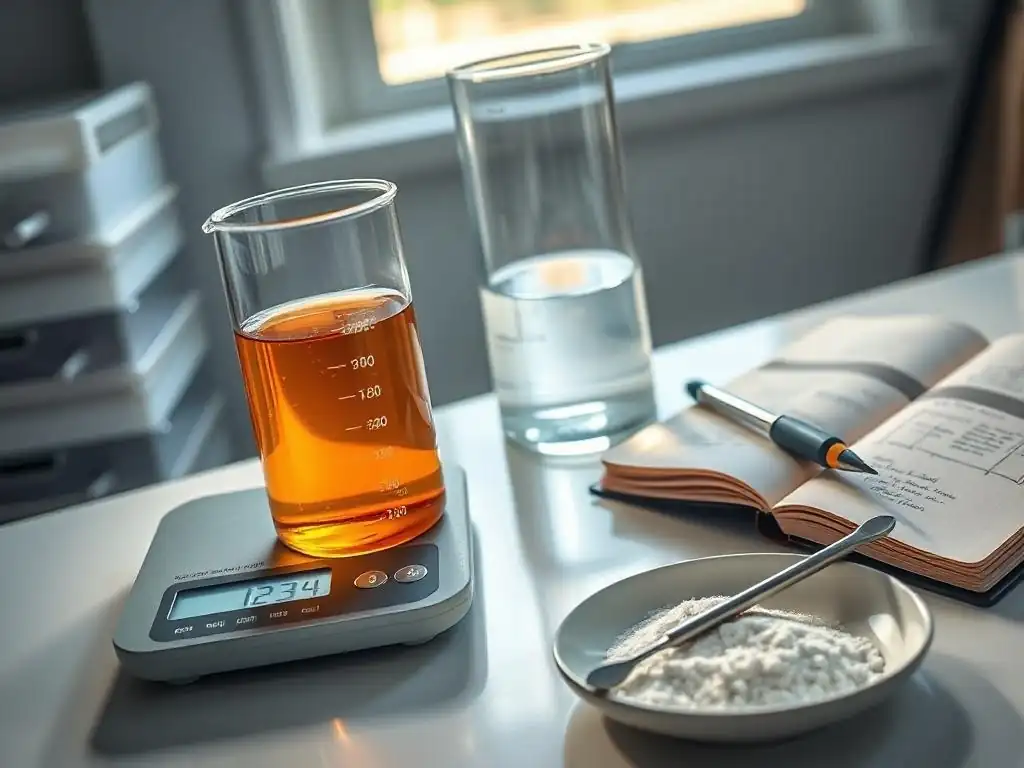
Welcome to BakeWithEase, your trusted guide to baking brilliance! Ever struggle with perfectly set desserts? Discover the secrets to consistent results in our in-depth guide on Gelatin agar agar measurements tips. Unlocking these techniques will elevate your baking from good to extraordinary. Curious how to avoid common pitfalls and achieve flawless textures? Let's dive in and explore the science behind these essential ingredients!
- Introduction: Achieving Consistent Results with Precise Pectin Measurements
- Understanding Pectin: Key Types and Their Applications
- The Importance of Precise Pectin Measurement in Jam & Jelly Making
- Mastering Pectin Measurement Techniques for Fruit Desserts
-
Pectin Measurement Tips for Consistent Jams, Jellies and Desserts
- Tip 1: Using a Digital Kitchen Scale for Accuracy
- Tip 2: Understanding Sugar and Acid Ratios for Pectin Activation
- Tip 3: Properly Dissolving Pectin for Even Distribution
- Tip 4: Correctly Incorporating Pectin into Fruit Purees
- Tip 5: Boiling Jams and Jellies to Activate Pectin's Gelling Properties
- Tip 6: Accounting for Fruit Acidity and Pectin Content
- Pectin Measurement Troubleshooting: Common Problems & Solutions
- Pectin Conversion Charts and Helpful Resources for Baking
- Conclusion: Elevate Your Baking with Exact Pectin Proportions
-
Frequently Asked Questions
- How do I accurately measure gelatin powder for baking?
- What's the best way to hydrate gelatin before using it in a recipe?
- How does agar-agar powder compare to gelatin in terms of measurement?
- What are some tips for substituting agar-agar for gelatin in a recipe?
- What are some common mistakes to avoid when measuring gelatin and agar-agar?
- Final Reflection: The Pursuit of Perfect Consistency in Culinary Creations
- Unlock Your Baking Potential: Master the Art of Precise Measurements!
Introduction: Achieving Consistent Results with Precise Pectin Measurements
Mastering the art of baking, especially when it comes to creating delightful jams, jellies, and fruit desserts, often hinges on one crucial ingredient: pectin. This natural gelling agent is the secret behind that perfect set in your preserves and the desired texture in various fruit-based treats. However, achieving consistently excellent results isn't just about having pectin; it's about measuring pectin accurately and understanding how it interacts with other ingredients like sugar and acid. Precise pectin measurements tips are fundamental for bakers who want to avoid common pitfalls like runny jams or overly stiff jellies.
Baking is a science as much as an art, and working with gelling agents like pectin requires attention to detail. Unlike flour or sugar, where slight variations might be forgiving, the amount of pectin used directly dictates the final texture and stability of your creation. Whether you're aiming for a spoonable jam, a sliceable jelly, or a perfectly set fruit tart filling, getting your pectin measurements right is non-negotiable. This guide will walk you through the nuances of working with pectin, ensuring your baking adventures yield delicious, perfectly textured results every time.
Understanding Pectin: Key Types and Their Applications
What is Pectin? A Baker's Overview
Pectin is a naturally occurring soluble fiber found in the cell walls of fruits and vegetables. It acts as a gelling agent, thickener, and stabilizer in food. When heated with sugar and acid under the right conditions, pectin forms a network that traps liquid, creating a gel. Fruits vary in their natural pectin content; apples, quinces, and citrus peels are particularly high in pectin, making them excellent candidates for jams and jellies. Commercially available pectin is typically extracted from these sources, most commonly citrus peels and apple pomace.
For bakers, understanding pectin means recognizing its role in providing structure to otherwise liquid fruit preparations. It's what allows jam to set firmly enough to spread on toast without dripping everywhere, or jelly to hold its shape. Without added pectin, many fruits simply wouldn't gel adequately on their own, requiring excessive boiling times that can degrade flavor and color. Using commercial pectin allows for quicker cooking, preserving the fresh taste and vibrant color of the fruit.
High-Methoxyl (HM) Pectin vs. Low-Methoxyl (LM) Pectin
Commercial pectin is primarily categorized into two types based on its degree of esterification: High-Methoxyl (HM) and Low-Methoxyl (LM) pectin. HM pectin, the most common type for traditional jams and jellies, requires a high concentration of sugar (typically over 55% total sugar) and acid (pH generally between 2.8 and 3.5) to form a gel upon cooling. The high sugar content helps dehydrate the pectin molecules, allowing them to bond and create the gel network, while acid helps neutralize the negative charges on the pectin chains, enabling them to come closer together.
In contrast, LM pectin requires calcium ions (or other divalent cations) to gel, rather than high sugar and acid levels. This makes LM pectin ideal for low-sugar or sugar-free jams, jellies, and desserts, as well as dairy-based applications where acid levels are low. LM pectin comes in different forms, sometimes requiring the addition of calcium salts (often included in the pectin package or sold separately). Understanding whether your recipe calls for HM or LM pectin is critical, as they are not interchangeable, and their measurement and activation requirements differ significantly.
Why Accurate Measurements Matter for Pectin-Based Recipes
The success of any recipe relying on pectin hinges almost entirely on accurate pectin measurements. Too little pectin, and your jam will remain a syrupy liquid, failing to set. Too much pectin, and you'll end up with an overly stiff, rubbery, or even tough texture, far from the desired spreadable or tender consistency. This is particularly true for HM pectin, where the ratio of pectin, sugar, acid, and water must be in precise balance for gelling to occur correctly.
Furthermore, different types and brands of pectin can have varying strengths or "grades," meaning the amount needed to gel a specific quantity of fruit puree or juice can differ. Relying on approximate volume measures like teaspoons or tablespoons can lead to inconsistent results, especially since pectin powder can compact differently. Precise pectin measurements, ideally by weight, are the most reliable way to ensure you're adding the exact amount required by the recipe or calculated for your specific fruit mixture.
The Importance of Precise Pectin Measurement in Jam & Jelly Making
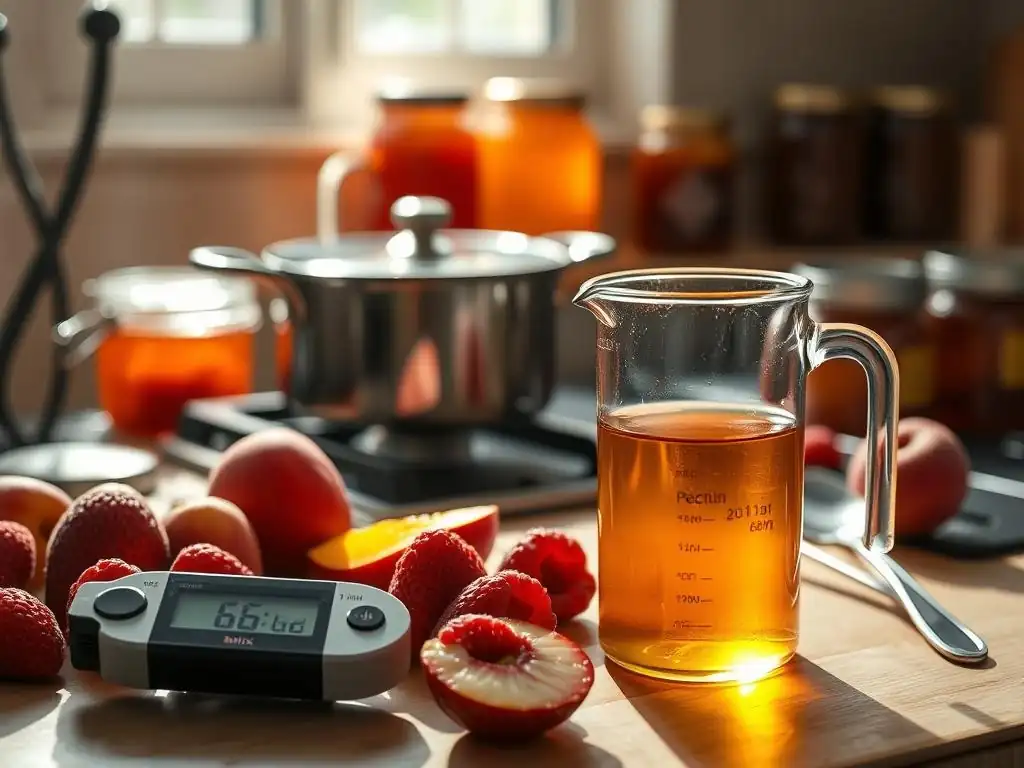
How Incorrect Pectin Measurement Affects Texture and Set
The primary function of pectin in jam and jelly is to create a stable gel structure that holds the fruit solids in suspension and provides a pleasing, spreadable texture. When the pectin measurement is off, this structure is compromised. Using too little pectin is the most common cause of runny or soft-set jams and jellies. The pectin molecules are too dispersed to form a strong enough network, resulting in a product that is more like a thick syrup than a gel. This is frustrating after spending time preparing the fruit and boiling the mixture.
Conversely, adding too much pectin leads to an overly firm or rubbery texture. Instead of a delicate gel that breaks easily when spread, you get something stiff and sometimes even unpleasant to eat. This can also mask the fresh fruit flavor, as the excessive pectin structure dominates the palate. The desired "set" for jam is typically soft enough to spread easily but firm enough not to run off bread, while jelly should hold its shape when spooned but still be clear and tender. Achieving this specific texture requires meticulous attention to pectin quantity.
Common Mistakes in Measuring Pectin: And How to Avoid Them
One of the most frequent mistakes is measuring pectin powder by volume using standard kitchen spoons. Pectin powder can be fine or granular, and how it settles in a spoon can vary significantly, leading to inconsistent amounts. A tablespoon of lightly scooped pectin might contain less powder than a tablespoon that has been tapped down or scooped firmly. This variation, even if slight, can be enough to impact the final set.
Another error is not considering the type of pectin being used. Substituting HM pectin for LM pectin (or vice versa) without adjusting quantities and method will almost certainly result in failure, as their gelling mechanisms are entirely different. Furthermore, some recipes might specify a particular type of pectin (e.g., "low-sugar pectin," which is typically LM), and using a different type will require recalculation. Always check the recipe's instructions carefully and use the specified type of pectin, measuring it accurately, ideally by weight using a digital scale.
Understanding Pectin Grade and Setting Time: A Crucial Factor
Pectin is not a single, uniform ingredient; commercial pectin comes in different grades that indicate its gelling strength. A "high-grade" pectin requires less powder to set a given amount of fruit than a "lower-grade" pectin. While the specific grading system can vary between manufacturers, recipe developers usually formulate their recipes based on a standard pectin strength commonly available. If you use a different brand or type of pectin, you might need to adjust the quantity.
Setting time is also a factor influenced by pectin type and measurement. HM pectin gels upon cooling, typically setting within several hours to 24 hours after jarring. LM pectin can start gelling much faster, sometimes even while still warm, depending on the calcium level. Recipes often provide a target boiling time after adding pectin; following this precisely is important, as boiling helps activate the pectin. However, over-boiling after adding pectin can break down the pectin structure, potentially preventing a proper set, especially with HM pectin. Accurate pectin measurements tips combined with adherence to recommended boiling times are key.
Mastering Pectin Measurement Techniques for Fruit Desserts
Pectin's Unique Properties and Measurement Challenges in Desserts
While commonly associated with jams and jellies, pectin is also a valuable tool in fruit-based desserts like tarts, pie fillings, and fruit mousses. In these applications, pectin can provide structure, prevent fruit from becoming watery, and create a desirable texture that isn't overly solid like a jam. However, working with pectin in desserts can present unique measurement challenges. Unlike jams, which often have a high sugar content and specific pH range ideal for HM pectin, desserts might have lower sugar levels, varying acidity, and sometimes include dairy, which requires careful consideration of the pectin type and quantity.
The desired consistency in a dessert filling is often softer and more delicate than a jam. For instance, a fruit tart filling needs to be firm enough to slice but tender and luscious, not rubbery. Achieving this specific texture requires even more precise pectin measurements than jam making, as the margin for error can be smaller when aiming for a subtle gelling effect. Understanding how pectin behaves in different environments (sugar levels, acidity, presence of calcium) is crucial for success in dessert applications.
Proper Pectin Powder Measurement: Weight vs. Volume
As highlighted earlier, measuring pectin powder by volume is prone to inconsistency. A standard tablespoon measure can hold varying amounts of pectin powder depending on its density and how it's filled. This variability becomes particularly problematic in dessert recipes where only a small amount of pectin might be needed to achieve a specific, delicate set. Using a digital kitchen scale to measure pectin by weight is the most accurate method available to home bakers.
Most commercial pectin packages provide weight measurements in grams for typical batch sizes. Following these recommendations or recipe instructions using weight ensures you add the exact amount intended by the recipe developer, leading to more reliable results. For example, a recipe might call for "15 grams of HM pectin," which is a much more precise instruction than "2 tablespoons." Embracing weight measurement is a fundamental pectin measurements tip for consistent results in both jams and desserts.
Achieving the Right Pectin Concentration for Desired Dessert Consistency
The amount of pectin needed for a dessert depends on several factors: the natural pectin content of the fruit, the desired final consistency, the sugar level, and the acidity. Fruits naturally low in pectin (like strawberries or rhubarb) will require more added pectin than those high in pectin (like apples or citrus). A firmer filling will require more pectin than a softer one. Lower sugar desserts often require LM pectin and the correct amount of calcium.
Recipes for fruit desserts often specify the amount of pectin needed based on the fruit weight or volume. For example, a recipe might suggest using "1% pectin by weight of the fruit puree" for a soft set or "1.5% for a firmer set." This percentage-based approach, combined with accurate weighing of both the fruit and the pectin, allows for precise control over the final texture. Experimentation, starting with recommended guidelines and making small adjustments in future batches based on results, is sometimes necessary to find the perfect pectin concentration for your specific dessert goal.
Pectin Measurement Tips for Consistent Jams, Jellies and Desserts
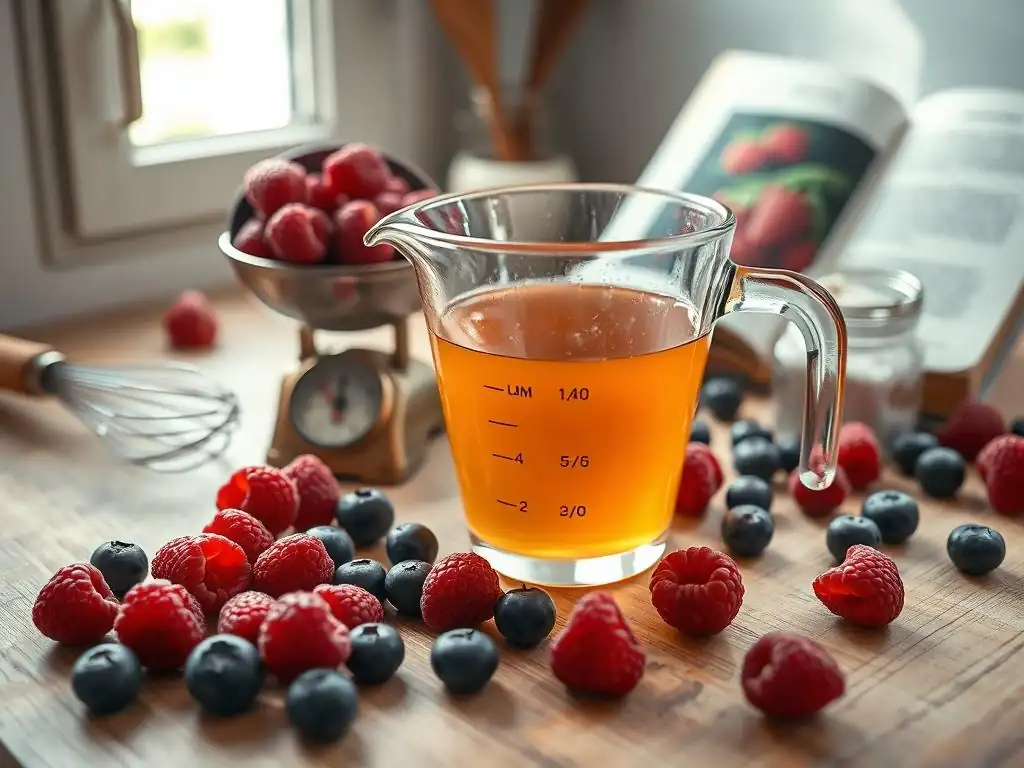
Tip 1: Using a Digital Kitchen Scale for Accuracy
As emphasized, the single most effective pectin measurements tip for consistency is to use a digital kitchen scale. Measuring pectin powder by weight, typically in grams, eliminates the variability associated with volume measurements. Most recipes, especially professional ones or those aiming for high accuracy, will provide pectin quantities by weight. Investing in an accurate scale that measures in grams will significantly improve the reliability of your pectin-based creations.
For instance, a recipe might call for 14 grams of standard HM pectin for a 1-kilogram batch of fruit. Weighing out exactly 14 grams ensures you are adding the intended amount, regardless of how fluffy or compacted the pectin powder is. Compare this to trying to measure "two tablespoons," which could easily vary by a gram or two depending on technique—a variation that can dramatically alter the final set.
Tip 2: Understanding Sugar and Acid Ratios for Pectin Activation
Pectin's gelling ability is highly dependent on the right balance of sugar and acid (for HM pectin) or calcium (for LM pectin). For HM pectin, insufficient sugar will prevent a proper gel from forming, even if the pectin measurement is correct. Sugar helps draw water away from the pectin molecules, allowing them to link up. Similarly, the pH level (acidity) must be within a specific range (typically 2.8-3.5) for HM pectin to gel effectively. Fruits with low acidity (like cherries or sweet berries) may require added lemon juice or citric acid to reach the necessary pH.
For LM pectin, the presence of calcium ions is key. These ions bridge the gap between negatively charged pectin molecules, forming the gel. Recipes using LM pectin, especially low-sugar ones, often include a calcium salt (like calcium chloride or calcium phosphate) to ensure sufficient calcium is available. Understanding these interactions means that accurate pectin measurements tips must be combined with careful control of sugar, acid, or calcium levels as specified by the recipe.
Tip 3: Properly Dissolving Pectin for Even Distribution
Pectin powder has a tendency to clump when added directly to hot liquid, resulting in uneven gelling and potential lumps in the final product. To prevent this, pectin should almost always be dispersed in a small amount of sugar or cold liquid before being whisked into the main cooking mixture. For HM pectin used in high-sugar jams, it's common practice to mix the pectin powder thoroughly with 2-3 tablespoons of the recipe's sugar before adding it to the boiling fruit.
This pre-mixing separates the pectin particles, allowing them to hydrate smoothly when introduced to the hot fruit mixture. For LM pectin used in low-sugar applications or desserts, it might be mixed with a small amount of cold water or fruit juice first. Always follow the specific instructions on your pectin package or recipe for the best method to ensure the pectin is evenly distributed throughout your mixture, leading to a uniform gel.
Tip 4: Correctly Incorporating Pectin into Fruit Purees
Once the pectin powder is properly dispersed (either mixed with sugar or dissolved in cold liquid), it needs to be added to the fruit mixture at the correct stage and temperature. For jams and jellies using HM pectin, the pectin-sugar mixture is typically whisked vigorously into the boiling fruit mixture. The heat helps activate the pectin. It's crucial to whisk constantly for a minute or two after adding the pectin to ensure it is fully incorporated and doesn't stick to the bottom of the pan.
For fruit desserts or applications using LM pectin, the method might differ. LM pectin is often added to a warm or simmering mixture and whisked until dissolved. The key is to add the dispersed pectin gradually while whisking continuously to prevent lumps. Proper incorporation ensures that the pectin molecules are evenly distributed throughout the mixture, allowing the gel to form uniformly upon cooling or in the presence of calcium.
Tip 5: Boiling Jams and Jellies to Activate Pectin's Gelling Properties
After adding HM pectin to boiling fruit for jams and jellies, the mixture typically needs to be brought back to a full, rolling boil and boiled for a specific amount of time. This final boil is crucial for fully activating the pectin and concentrating the sugar and acid to the levels required for gelling. The duration of this boil varies depending on the recipe and the pectin used, but it is often relatively short, perhaps 1 to 4 minutes, after reaching a vigorous boil that cannot be stirred down.
Over-boiling after adding pectin can be detrimental, as prolonged exposure to high heat and acid can actually degrade the pectin structure, weakening its gelling power. This is why reaching the gel point quickly is desirable. Using accurate pectin measurements tips and following the recommended boiling time after adding pectin helps ensure optimal activation without degradation, leading to the desired set.
Tip 6: Accounting for Fruit Acidity and Pectin Content
Different fruits naturally contain varying levels of pectin and acidity. Fruits like apples, cranberries, currants, and citrus are high in both, making them easy to set into jams or jellies, often requiring less added pectin. Fruits like strawberries, raspberries, blueberries, and cherries are lower in natural pectin and may also be less acidic, requiring more added pectin and potentially added acid (like lemon juice) to achieve a proper set with HM pectin.
When developing your own recipes or adjusting existing ones, it's helpful to know the natural characteristics of the fruit you're using. If using a low-pectin, low-acid fruit, you'll need to increase the added pectin quantity (using accurate pectin measurements) and likely add an acid source. Recipes specifically designed for these fruits will already account for this, but if you're adapting a recipe or working with a new fruit, keep its natural pectin and acid profile in mind to adjust your pectin measurements accordingly.
Pectin Measurement Troubleshooting: Common Problems & Solutions

Problem: Jam or Jelly Not Setting Properly
This is the most common issue when working with pectin, and it usually results in a mixture that remains syrupy or only forms a very weak gel. The primary culprit is often incorrect pectin measurement—either too little pectin was added, or the pectin wasn't measured accurately. Other causes include insufficient sugar (for HM pectin), insufficient acid (for HM pectin), over-boiling (which can break down pectin), or not reaching the correct temperature/boil time after adding pectin.
Solution: First, double-check your pectin measurements and ensure you used the correct type of pectin (HM vs. LM) for your recipe. If you suspect too little pectin or incorrect conditions (sugar/acid), you can often try to re-cook the batch. Reheat the mixture, and if using HM pectin, ensure sugar and acid levels are correct (test pH if possible; aim for 2.8-3.5).
Mix additional pectin (measured accurately!) with a small amount of sugar, whisk it into the boiling mixture, bring back to a rolling boil, and boil for the recommended time (usually 1-2 minutes). If using LM pectin, ensure sufficient calcium is present and reheat gently.
Problem: Jelly Resulting in a Cloudy Texture
Jelly is prized for its clarity. If your jelly turns out cloudy, it's typically due to including fruit pulp or fine particles in the juice. While not directly a pectin measurement issue, it relates to the preparation steps that precede pectin addition. Straining the juice through cheesecloth or a jelly bag that is too fine can sometimes contribute, but more often it's insufficient straining or squeezing the bag, which pushes pulp through.
Solution: To achieve clear jelly, use only the strained fruit juice, free of any solids or pulp. Strain the cooked fruit mixture through a jelly bag or several layers of cheesecloth suspended over a bowl, allowing the juice to drip through naturally without squeezing. Squeezing the bag pushes fine particles through, resulting in cloudiness. While you can't fix cloudiness in a finished batch, careful straining during preparation is the key to clear jelly next time.
Problem: Overly Firm or Rubbery Jam/Jelly
This issue, while less common than a runny set, occurs when too much pectin is used or the recipe calls for a higher pectin concentration than desired for the specific fruit or application. It results in a texture that is too stiff, sometimes even bouncy or tough, lacking the pleasant spreadability of jam or the tender break of jelly.
Solution: If your jam or jelly is too firm after cooling, it's difficult to completely reverse the effect of too much pectin. You can sometimes break up the set by reheating and stirring, but the texture may still remain somewhat firm. For future batches, ensure you are using precise pectin measurements, ideally by weight, according to the recipe. If you prefer a softer set than the recipe provides, you can slightly reduce the amount of pectin used in subsequent attempts, making small adjustments (e.g., reducing by 10-15%) until you achieve your desired consistency.
Pectin Conversion Charts and Helpful Resources for Baking
Getting your pectin measurements right often involves understanding how different types and forms relate to each other and how they interact with other ingredients. While specific conversions can vary slightly by brand, these general guidelines and ratios are helpful starting points.
Pectin Grade Equivalents
Pectin strength is sometimes referred to by "grade," indicating how many parts sugar one part pectin can set. A common standard is 150-grade pectin. If a recipe specifies a different grade, you would need to adjust the quantity.
- Example: If a recipe calls for 10g of 150-grade pectin, and you have 100-grade pectin, you would need more of the 100-grade pectin to achieve the same set. The calculation isn't always straightforward without manufacturer data, but generally, a lower grade means you need proportionally more pectin by weight.
Sugar to Pectin Ratio Guide
For traditional HM pectin jams and jellies, the sugar concentration is critical, typically requiring a sugar-to-fruit ratio of around 1:1 by weight, resulting in a final product that is roughly 60-65% sugar. The pectin requirement is usually a small percentage of the fruit weight.
- Typical Range (HM Pectin): Approximately 0.5% to 1.5% pectin by weight of prepared fruit (e.g., 5g to 15g pectin per 1kg fruit). The lower end for high-pectin fruits, the higher end for low-pectin fruits. Sugar is typically added at a ratio of 1:1 with fruit weight.
- Typical Range (LM Pectin): The amount needed varies greatly depending on the desired set and calcium content. It's often used in smaller quantities than HM pectin in low-sugar applications, sometimes ranging from 0.2% to 1% of the total mixture weight. Follow specific recipe instructions for LM pectin carefully.
[Link to Jam and Jelly Recipes] - Note: Per instructions, no actual links are included.
Look for recipes specifically developed for the type of fruit you are using and the type of pectin you have on hand. Pay close attention to the quantities of fruit, sugar, acid (if added), and pectin, and follow the cooking instructions precisely, especially regarding the boil time after adding pectin.
[Link to Fruit Dessert Recipes] - Note: Per instructions, no actual links are included.
Recipes for fruit tarts, fillings, or mousses using pectin will often specify the type of pectin (HM or LM) and provide weight measurements for accuracy. Note whether calcium is added if using LM pectin. Pay attention to the mixing method and temperature requirements for adding the pectin.
Conclusion: Elevate Your Baking with Exact Pectin Proportions
The key to perfect jams, jellies, and fruit desserts with Pectin
Achieving consistently perfect jams, jellies, and fruit desserts requires more than just quality ingredients; it demands precision, particularly when it comes to pectin measurements. Pectin is a powerful gelling agent, and even small errors in quantity or handling can lead to significant differences in the final texture. By understanding the different types of pectin, their activation requirements, and mastering accurate measurement techniques—especially using a digital scale—you gain greater control over your results.
Moving beyond approximate volume measures to precise weight measurements is perhaps the most impactful pectin measurements tip for any baker aiming for professional-quality results at home. Combined with an understanding of how sugar, acid, and calcium interact with pectin, and by following best practices for incorporating and activating the powder, you can confidently create delicious, perfectly set fruit preparations every time. Embrace the science behind the bake, pay attention to the details of pectin measurement, and watch your jams, jellies, and desserts reach new heights of perfection.
Frequently Asked Questions
How do I accurately measure gelatin powder for baking?
Gelatin powder is best measured by weight using a kitchen scale for consistent results. A level teaspoon measurement can vary, so weighing is more precise. Refer to your recipe for the exact gram measurement.
What's the best way to hydrate gelatin before using it in a recipe?
Bloom gelatin by sprinkling it over cold water and letting it sit for 5-10 minutes until it becomes soft and rubbery. This ensures it dissolves evenly when heated and avoids clumps in your final product.
How does agar-agar powder compare to gelatin in terms of measurement?
Agar-agar is generally used in smaller quantities than gelatin due to its stronger gelling power. Always weigh agar-agar powder using a kitchen scale and follow the recipe's specific instructions carefully.
What are some tips for substituting agar-agar for gelatin in a recipe?
Agar-agar requires boiling to activate its gelling properties. Typically, you'll need to use less agar-agar than gelatin. Ensure you fully dissolve it in liquid before adding other ingredients.
What are some common mistakes to avoid when measuring gelatin and agar-agar?
Avoid using hot water to bloom gelatin as it can prematurely activate it. With agar-agar, avoid not bringing the mixture to a boil after adding it, as this prevents proper gelling.
Final Reflection: The Pursuit of Perfect Consistency in Culinary Creations
Mastering the art of gelatin and agar-agar requires precision; the seemingly insignificant detail of accurate measurement directly impacts the final product's texture and success. A seemingly small difference in the ratio of these gelling agents to liquid can mean the difference between a beautifully set panna cotta and a wobbly, disappointing mess. This precision is not just about following a recipe; it's about understanding the fundamental properties of these ingredients and how they respond to variations in measurement.
The impact of consistent measurements extends far beyond the individual kitchen. It's about the reproducibility of recipes, the ability to share culinary knowledge accurately, and the pursuit of excellence in food creation. The quest for perfect consistency resonates with a broader cultural appreciation for precision and detail in craftsmanship. The details are not the details. They make the design.
- Charles Eames. This quote perfectly encapsulates the importance of seemingly small details, like accurate measurements, in achieving a superior outcome.
Now, consider your own culinary endeavors. Think about the times you've experienced frustration due to inconsistent results. I invite you to embrace the principles outlined in this article and apply them to your next recipe. Take the time to measure precisely, to understand the nuances of gelatin and agar-agar, and to appreciate the transformative power of accuracy. The reward? Consistent, delicious results that will elevate your culinary creations and bring you a deeper sense of satisfaction in the kitchen.
Unlock Your Baking Potential: Master the Art of Precise Measurements!
Thanks for taking the time to learn about accurately measuring gelatin and agar-agar! You've now got the knowledge to create consistently delicious baked goods. Ready to put your new skills to the test?
- Bake your masterpiece: Try out a new recipe today, paying close attention to the precise measurements of your gelatin and agar-agar. Notice the difference in texture and consistency!
- Share your success: Post a picture of your creation on social media and tag us @BakeWithEase – we'd love to see your baking triumph!
- Experiment with variations: Try substituting gelatin for agar-agar (or vice-versa) in one of your favorite recipes and see what exciting results you discover!
What incredible baked good will you create with your newfound precision?