
The Secret to a Shiny, Professional Viennoiserie Finish

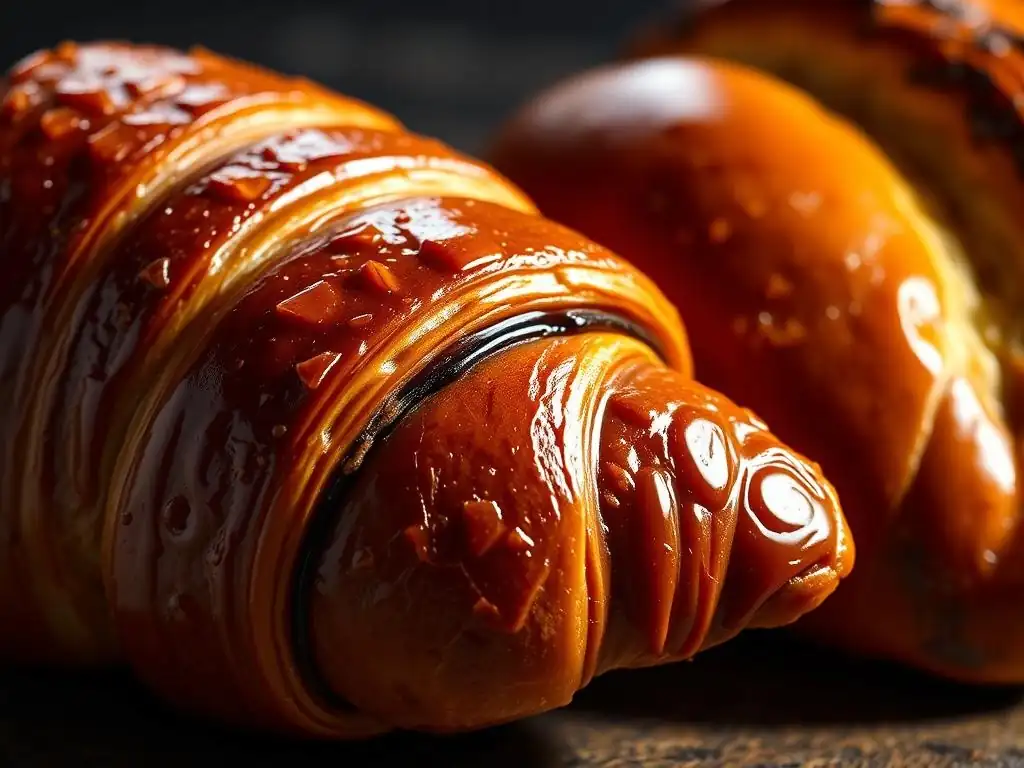
Welcome to BakeWithEase, your companion in the wonderful world of baking! Ever wondered how to achieve that irresistibly glossy finish on your pastries? Unlock the secrets to a professional look with our deep dive into the art of the shiny viennoiserie pastry glaze. Discover the techniques and tips that elevate your baking from delightful to dazzling, and learn how to achieve that perfect sheen that will have everyone asking for more. Ready to make your viennoiserie shine? Let's get started!
- Achieving a Professional Shine on Viennoiserie
- Introduction to Glazing Viennoiserie
- Essential Glaze Ingredients
- Applying Viennoiserie Glaze: A Step-by-Step Guide
- Troubleshooting Glazing Challenges
- Tips for Enhancing Viennoiserie Shine
- Advanced Glazing Techniques
- Final Thoughts on Professional Viennoiserie Glazing
-
Frequently Asked Questions
- What is viennoiserie pastry and why is a shiny glaze important?
- What are the most common ingredients used for a shiny viennoiserie glaze?
- When is the best time to apply the glaze to viennoiserie pastries?
- What are some tips for achieving a perfectly even and shiny glaze?
- Can I use alternatives to eggs for a vegan shiny glaze on viennoiserie?
- Final Reflection: The Enduring Allure of a Perfect Glaze
- Unleash Your Inner Pastry Chef!
Achieving a Professional Shine on Viennoiserie
Introduction to Glazing Viennoiserie
The Impact of Visual Appeal on Pastry Sales
In the world of patisserie, appearance is often just as crucial as taste. A beautifully crafted Viennoiserie, like a flaky croissant or a rich pain au chocolat, first appeals to the eye. Studies in consumer behavior suggest that visual cues significantly influence purchasing decisions in food retail. For instance, research indicates that consumers are willing to pay a premium, sometimes up to 20-30% more, for baked goods that are visually appealing, exhibiting characteristics such as a perfect shape, golden-brown crust, and, critically, a professional, shiny finish.
This visual impact extends beyond impulse buys in a bakery. Online, high-quality images of glossy, well-glazed pastries drive engagement and orders. A dull or streaky finish can detract from the perceived quality, making an otherwise delicious pastry seem amateurish. Mastering the Shiny viennoiserie pastry glaze is therefore not just about aesthetics; it's a strategic element that can directly influence a baker's success, commanding higher prices and building a reputation for excellence.
Why a Shiny Glaze Enhances the Customer Experience
A glistening surface on a Viennoiserie communicates freshness, richness, and careful craftsmanship. It suggests that the pastry has been handled with expertise, from lamination to baking to the final finishing touch. This visual promise builds anticipation and enhances the overall eating experience. When a customer sees a pastry with a perfect Shiny viennoiserie pastry glaze, their expectation of quality and flavor is immediately elevated.
Furthermore, the type of glaze contributes subtly to the texture and sometimes the flavor profile. An egg wash provides a rich, savory note and deep color, while a sugar syrup glaze adds a touch of sweetness and a crisp, almost glass-like shine. This attention to detail in achieving a beautiful, glossy finish shows a dedication to the craft that resonates with customers, turning a simple pastry into a memorable indulgence. It transforms a basic baked good into a desirable, high-quality product.
Essential Glaze Ingredients
Egg Wash: The Traditional Choice for Viennoiserie
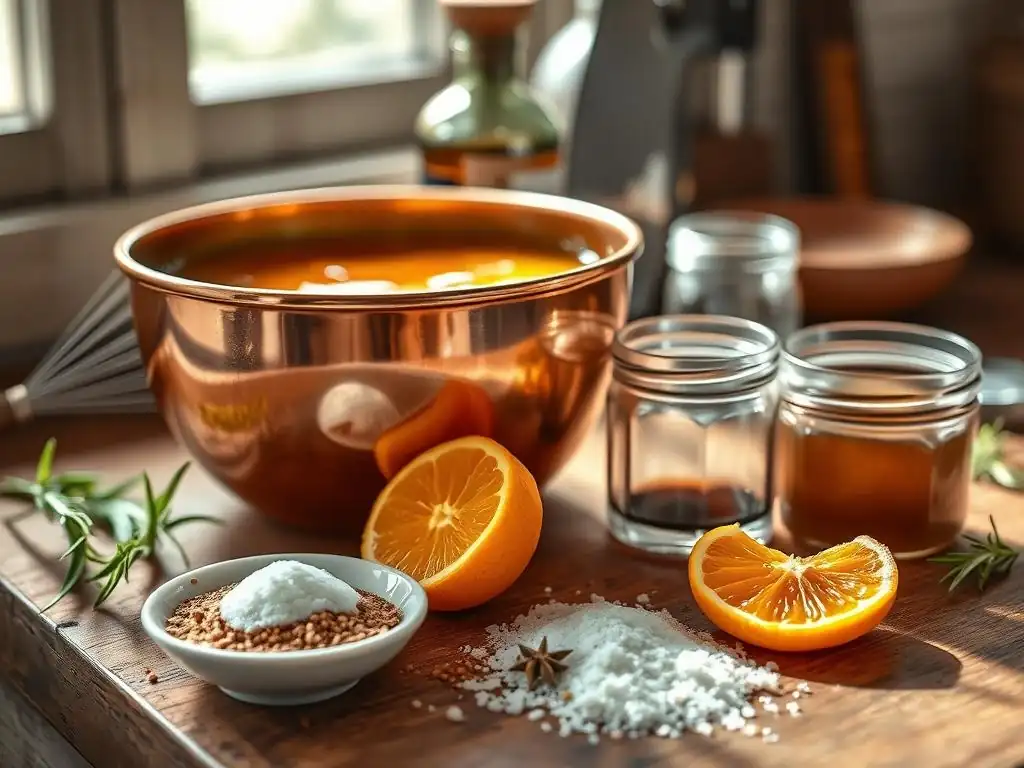
Egg wash is perhaps the most classic and versatile option for achieving a beautiful finish on Viennoiserie. Typically, it involves whisking together whole eggs, egg yolks, or egg whites with a liquid, most commonly milk, water, or cream. A standard ratio might be one whole egg mixed with a tablespoon of milk or water. Using more yolks results in a richer, deeper golden color and a slightly more pronounced shine, while adding water can help the wash spread thinner and more evenly, preventing streaks.
Applying egg wash requires careful technique. It's crucial to apply a thin, even layer, avoiding drips into the layers of the pastry dough, which can seal them and inhibit proper rise and flaking. The proteins and fats in the egg brown beautifully in the oven, creating that desirable golden hue and contributing significantly to the Shiny viennoiserie pastry glaze. For best results, ensure the egg wash is well-strained to remove any chalazae or bits of yolk that could cause streaks.
Milk Wash: For a Softer, Golden Hue
Milk wash offers a milder alternative to egg wash, providing a softer, less intense golden color and a subtle sheen rather than a high-gloss shine. Using milk or cream alone can be effective for those who prefer a more understated finish or have dietary restrictions regarding eggs. The lactose and fat in milk contribute to browning, though not as dramatically as egg proteins. Whole milk or cream will yield a richer color than skim milk due to higher fat content.
A milk wash is applied similarly to an egg wash, brushed gently and evenly over the surface of the proofed dough. While it may not produce the ultimate Shiny viennoiserie pastry glaze that egg wash or syrup can, it provides a lovely, natural-looking golden crust that is highly appealing. It's often favored for breads or rolls where a high shine isn't the primary goal but a pleasant, even browning is desired.
Simple Syrup: Adding Luster and a Touch of Sweetness
Simple syrup is a powerful tool for achieving a high-gloss, almost lacquered finish on Viennoiserie, often applied after baking. A basic simple syrup is made by dissolving sugar in an equal part of water, typically heated gently until the sugar is fully dissolved. A common ratio is 1:1 sugar to water, but a slightly thicker syrup (e.g., 1.5:1 or 2:1 sugar to water) can provide an even more pronounced shine. This syrup is usually brushed onto the pastries while they are still warm, just out of the oven.
The hot surface of the pastry helps the syrup set quickly, creating a durable, glossy coating. This method not only delivers an impressive Shiny viennoiserie pastry glaze but also adds a slight sweetness to the crust, complementing the rich, buttery layers within. It's particularly effective on pastries like pain au chocolat or fruit-filled Danishes where a touch of extra sweetness is welcome. Be mindful not to apply too much, as it can make the pastry surface sticky.
Applying Viennoiserie Glaze: A Step-by-Step Guide
Preparing Viennoiserie for Optimal Glaze Adhesion
Proper preparation of your Viennoiserie before glazing is crucial for achieving an even, professional finish. The dough should be fully proofed, meaning it has risen sufficiently and is light and airy. Over-proofed dough can collapse when brushed, while under-proofed dough may not brown evenly. The surface of the dough should be smooth and free of flour dust, as flour can prevent the glaze from adhering properly and result in patchy spots.
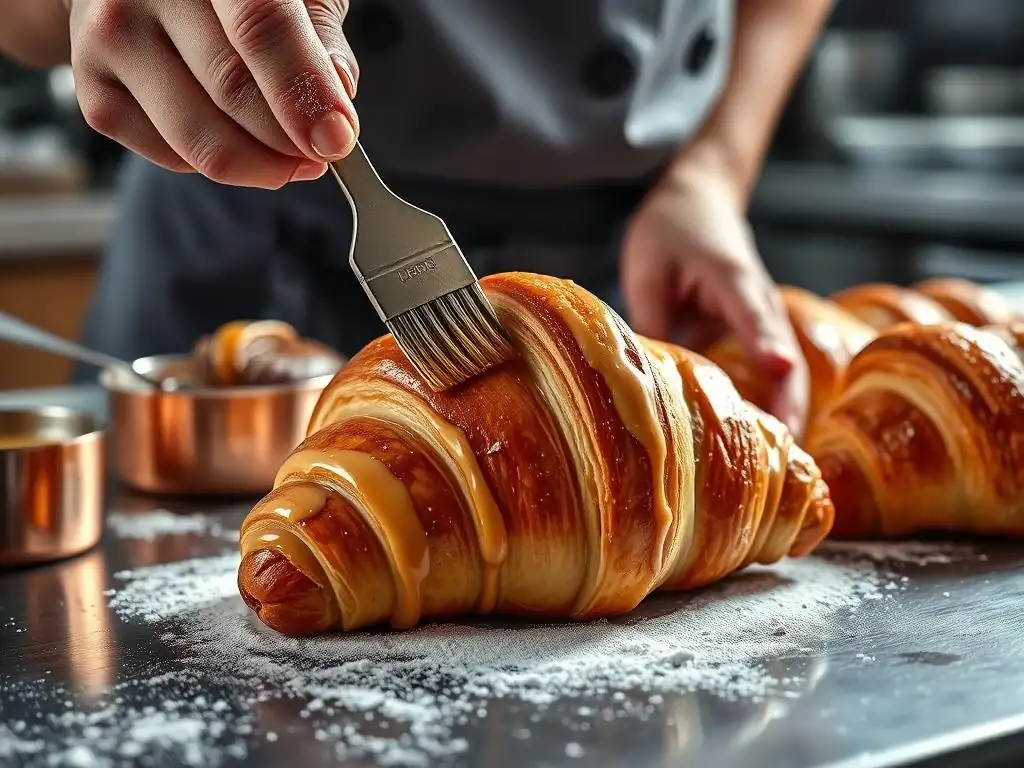
Before applying any liquid glaze like egg wash or milk wash, ensure the surface is dry. A soft brush or pastry brush is essential for application. Use gentle strokes that follow the shape of the pastry, avoiding pressing down or deflating the delicate dough structure. For pastries with distinct layers, like croissants, brush horizontally along the layers rather than vertically to respect the dough's structure and ensure the glaze settles into the natural crevices for a beautiful finish after baking.
Timing is Key: When to Apply the Glaze
The timing of glaze application depends on the type of glaze used. For egg wash or milk wash, the glaze is typically applied before baking. This allows the proteins and sugars in the wash to brown and develop alongside the pastry dough in the oven. The best time to apply is just after the final proofing, right before the pastries go into the oven. The dough should be delicate but stable enough to withstand gentle brushing.
For simple syrup or other sugar-based glazes designed purely for shine, application usually occurs after baking, while the pastries are still hot. Applying syrup to cold pastries won't achieve the same rapid setting and high gloss. Some bakers also use a two-step process: an egg wash before baking for color, followed by a simple syrup or clear glaze after baking for maximum Shiny viennoiserie pastry glaze. Experimentation will help you find the timing that works best with your specific recipe and oven.
Achieving Uniformity with a Single-Coat Application
For many types of glazes, particularly egg wash, a single, thin, even coat is sufficient to achieve a desirable finish. The key to uniformity lies in the preparation and application technique. As mentioned, ensure the dough surface is clean and the glaze is well-mixed and strained. Use a high-quality pastry brush with soft bristles that hold liquid well but don't drip excessively.
Dip the brush into the glaze, removing any excess by gently tapping it against the side of the bowl. Apply the glaze using smooth, overlapping strokes, covering the entire visible surface of the pastry. Pay attention to edges and corners, ensuring complete coverage without pooling. A single, well-applied coat minimizes the risk of streaks and ensures that the pastry browns evenly, resulting in a consistent and attractive Shiny viennoiserie pastry glaze.
Building Depth: The Benefits of a Double Glaze
While a single coat is often sufficient, applying a double glaze can sometimes enhance the color and shine, particularly with egg wash. If opting for a double glaze before baking, the first coat should be applied as described above, just after final proofing. Allow this first coat to dry slightly, perhaps for 5-10 minutes, until it appears tacky but not fully set.
Then, apply a second, equally thin and even coat. This layering can build a deeper, richer golden color and a more pronounced shine. However, it's crucial that both coats are thin. Applying thick layers or too much glaze can lead to uneven browning, pooling, or even inhibit the pastry's rise. A double glaze requires a delicate touch and careful observation to achieve the desired depth without compromising the pastry's texture or appearance.
Troubleshooting Glazing Challenges
Streaky Glaze: Identifying and Resolving Issues
Streaky glaze is a common frustration when trying to achieve a perfect Shiny viennoiserie pastry glaze. This issue often stems from uneven application or a poorly prepared glaze. Causes can include:
- Using a brush with stiff or damaged bristles.
- Applying glaze too thickly in some areas.
- Not straining the glaze, leaving behind bits of egg white or yolk.
- Applying glaze to a dough surface that isn't uniformly smooth or is dusty with flour.
To resolve streaks:
- Use a soft, clean pastry brush.
- Ensure your egg wash or other glaze is thoroughly whisked and strained.
- Practice applying thin, even strokes, ensuring each stroke slightly overlaps the previous one.
- Make sure the dough surface is clean before glazing. If streaks appear after the first coat of egg wash, you can sometimes very gently try to even them out with a clean brush before applying a potential second coat, but this is risky on delicate proofed dough.
Uneven Color: Ensuring Consistent Browning
Uneven color, where parts of the pastry are too dark or too light, can ruin the look of an otherwise perfect Viennoiserie. While glazing plays a role, oven conditions are often the primary culprit. Hot spots in the oven can cause certain areas to brown faster than others. Additionally, pastries placed too close together on a baking sheet can shield each other, leading to uneven heat distribution.
To ensure consistent browning and a uniform Shiny viennoiserie pastry glaze:
- Know your oven's hot spots and rotate your baking sheet halfway through baking if necessary.
- Ensure adequate space between pastries on the baking sheet.
- Apply the glaze evenly, as variations in glaze thickness will lead to variations in browning.
- Consider using baking mats or parchment paper, which can help regulate bottom heat. Using a baking stone or steel can also provide more stable oven temperatures.
Preventing Glaze Run-off During Baking
Glaze run-off, where the glaze drips down the sides of the pastry and pools on the baking sheet, is messy and can inhibit proper lamination and rise. This usually happens when too much glaze is applied, or the glaze is too thin. For egg wash, excessive liquid can seep into the layers, sealing them.
To prevent run-off:
- Always remove excess glaze from your brush before applying.
- Apply thin, even coats. It's better to apply two thin coats than one thick one.
- Avoid brushing glaze down the very sides of the pastry where the layers are most exposed. Focus application on the top and upper sides.
- Ensure the dough is properly proofed. Over-proofed dough can be too delicate and porous, absorbing too much glaze or collapsing under the brush.
Addressing Glaze Bubbling: Causes and Solutions
Bubbling glaze can occur, especially with egg washes, resulting in a pockmarked or uneven surface finish. This is often caused by air trapped under the glaze or by the glaze cooking too rapidly. High oven temperatures combined with a thick glaze layer can exacerbate bubbling.
To address glaze bubbling:
- Ensure the glaze is well-whisked and free of large air bubbles before application.
- Apply the glaze thinly. Thicker layers are more prone to trapping air or bubbling as they cook.
- Consider slightly lowering the initial oven temperature or using a baking stone to provide more even heat, preventing the surface from setting and bubbling before the underlying dough has fully expanded.
- Some bakers gently prick large bubbles with a fine needle before baking, though this requires extreme care on proofed dough.
Tips for Enhancing Viennoiserie Shine
Oven Temperature: Optimizing for Glaze Development
The oven temperature plays a significant role in how your Shiny viennoiserie pastry glaze develops. Baking at too low a temperature might result in pale pastries with a dull finish, as the glaze doesn't get hot enough to brown and set properly. Conversely, baking at too high a temperature can cause the glaze to brown too quickly, potentially burning before the pastry is fully cooked, or leading to excessive bubbling.
A common temperature range for baking Viennoiserie is between 350°F (175°C) and 400°F (200°C). Starting at a slightly higher temperature (e.g., 400°F for the first 10-15 minutes) can help the pastry rise quickly and set the layers, while the heat helps the glaze begin to develop its shine. Reducing the temperature slightly for the remainder of the bake (e.g., to 375°F or 190°C) allows the pastry to cook through and the glaze to achieve a deep, even color without burning. Ensure your oven thermostat is accurate using an oven thermometer.
The Role of Steam in Achieving a Glossy Finish
Introducing steam into the oven, particularly at the beginning of the bake cycle, can dramatically improve the Shiny viennoiserie pastry glaze. Steam keeps the surface of the pastry moist initially, allowing the glaze to remain pliable and expand with the dough without cracking or setting too early. As the steam dissipates, the surface dries and the glaze sets into a smoother, more reflective finish.
Home bakers can create steam by placing a tray of hot water on the bottom rack of the oven when preheating or by adding ice cubes to a hot pan placed in the bottom of the oven just as the pastries are loaded. Professional ovens often have steam injection systems. The presence of steam helps the starches on the surface gelatinize and contributes to a thinner, more uniform crust texture, which in turn enhances the potential for a high-gloss finish from your chosen glaze.
Resting Time: Allowing for Proper Glaze Setting
For glazes applied after baking, such as simple syrup or a clear sugar glaze, allowing the pastries a brief resting time out of the oven before application is beneficial. Waiting 1-2 minutes allows the initial intense heat to subside slightly. Applying syrup to intensely hot pastries can sometimes cause the syrup to run off or soak in too much rather than forming a surface layer.
Conversely, for egg or milk washes applied before baking, ensuring the glaze has a few minutes to dry slightly on the proofed dough before entering the oven is important. This brief resting period (5-10 minutes) allows the glaze to become slightly tacky, which helps it adhere better and reduces the risk of it running off or being disturbed when transferring the pastries. Proper resting time, whether before or after baking depending on the glaze type, contributes to a more stable and attractive Shiny viennoiserie pastry glaze.
Enhancing Color: The Impact of Sugar Concentration
The sugar content in your glaze directly impacts the depth of color achieved during baking, as sugar caramelizes when heated. An egg wash often benefits from a pinch of sugar added to enhance browning. For sugar-based glazes applied after baking, the concentration of sugar in the simple syrup determines its viscosity and potential for shine, but also its sweetness and tendency to crystallize if too concentrated.
When using an egg wash, adding a small amount of sugar (e.g., a teaspoon per egg) can lead to a richer, more golden-brown finish. For simple syrups applied post-bake, a 1:1 sugar-to-water ratio provides a good balance of shine and sweetness. A 2:1 ratio will be glossier but also much sweeter and stickier. Understanding how sugar behaves at high temperatures allows you to adjust your glaze recipe to achieve the desired depth of color and the perfect Shiny viennoiserie pastry glaze.
Advanced Glazing Techniques
Achieving an Even Glaze with an Airbrush
For the ultimate in uniformity and a flawless Shiny viennoiserie pastry glaze, professional bakers sometimes turn to airbrushing. An airbrush allows for the application of an incredibly fine mist of glaze, ensuring every part of the pastry surface receives an equal, thin coating. This technique is particularly effective for achieving a perfectly smooth, streak-free finish that is difficult to replicate with a brush, especially on intricately shaped pastries.
Using an airbrush requires a very liquid, well-strained glaze. Egg washes might need to be thinned slightly with milk or water and passed through a fine sieve multiple times. Sugar syrups must be completely free of any undissolved sugar crystals. While an airbrush is a specialized tool not typically found in home kitchens, it represents the pinnacle of glaze application precision, enabling a level of visual perfection often seen in high-end patisseries.
Creating Decorative Glaze Designs
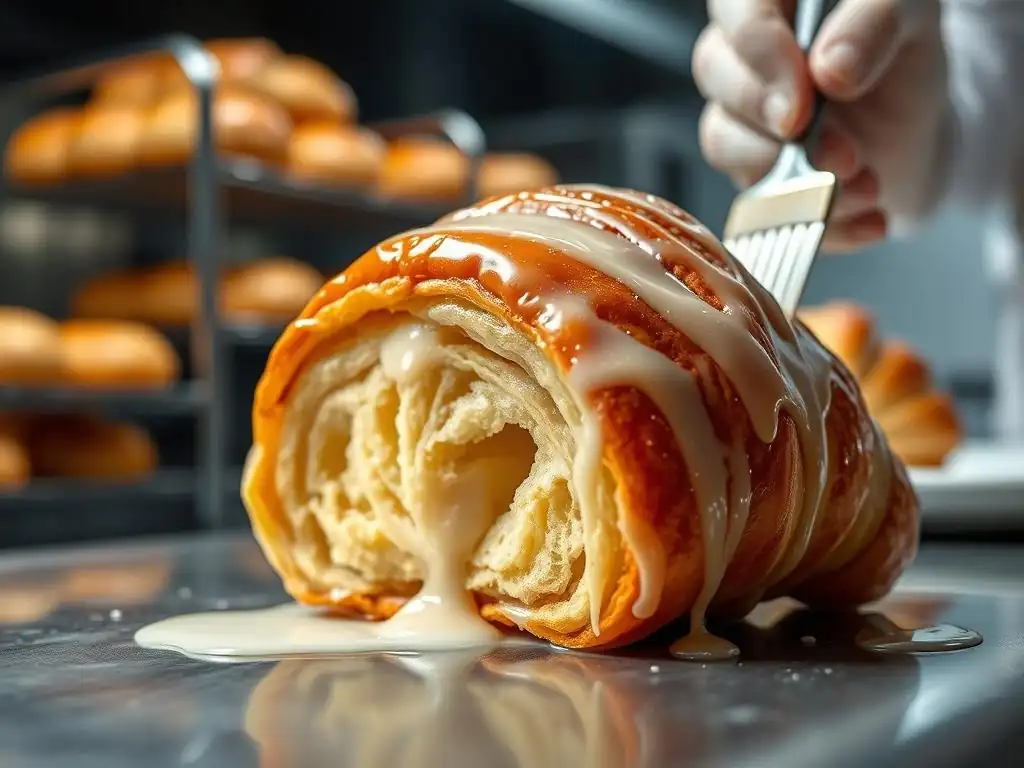
Beyond a simple overall shine, glaze can be used creatively to add decorative elements to Viennoiserie. Different glazes can be applied in patterns using brushes, piping bags with fine tips, or even stencils. For example, a clear glaze can be applied as a base for shine, and then a contrasting glaze (like a chocolate glaze or a tinted sugar glaze) can be drizzled or painted on top after baking.
Another technique involves applying glaze to only parts of the pastry before baking, leaving other areas matte. This contrast in texture and shine can create visual interest. For example, you might glaze only the top surface of a braided pastry, allowing the sides to bake to a natural, less shiny finish. Creating decorative designs requires careful planning and execution, often best achieved with glazes that have different viscosities and browning properties to make the patterns stand out.
Incorporating Flavor Extracts for Unique Glaze Profiles
While the primary goal of a glaze is often visual, it can also be an opportunity to subtly enhance the pastry's flavor. Extracts or essences can be added to clear glazes or simple syrups applied after baking. A few drops of vanilla extract, almond extract, or even citrus zest oil can infuse the surface with a complementary aroma and taste that elevates the overall pastry experience.
For example, adding a hint of orange blossom water to a simple syrup brushed onto pain au chocolat can add an unexpected layer of flavor. Similarly, a touch of almond extract in the egg wash for croissants can complement their buttery richness. When incorporating flavor extracts, use them sparingly, as they can be potent. The goal is a subtle enhancement, not an overpowering flavor that detracts from the pastry itself.
Final Thoughts on Professional Viennoiserie Glazing
Achieving a professional Shiny viennoiserie pastry glaze is a nuanced skill that combines careful preparation, precise technique, and an understanding of how different ingredients and oven conditions interact. Whether you choose the classic richness of an egg wash, the subtle glow of a milk wash, or the high-gloss appeal of a simple syrup, paying attention to detail at every step is key.
From ensuring your dough is perfectly proofed and free of flour dust to applying thin, even coats with a quality brush, each action contributes to the final outcome. Troubleshooting common issues like streaks or uneven color requires patience and practice, often involving adjustments to your technique or oven settings.
By mastering these glazing techniques, you not only enhance the visual appeal of your Viennoiserie, making them look as delicious as they taste, but you also elevate your baking skills to a truly professional level. A perfectly glazed pastry is a testament to the baker's craft and a delight for anyone who has the pleasure of enjoying it.
Frequently Asked Questions
What is viennoiserie pastry and why is a shiny glaze important?
Viennoiserie pastry refers to baked goods like croissants and pain au chocolat. A shiny glaze enhances their visual appeal and gives them a professional, appetizing look.
What are the most common ingredients used for a shiny viennoiserie glaze?
The most common ingredients are typically an egg wash (egg yolk and water or milk), or sometimes a simple syrup made from sugar and water. Some bakers also use apricot jam for a glaze.
When is the best time to apply the glaze to viennoiserie pastries?
The glaze is usually applied before baking for an egg wash, or immediately after baking for a simple syrup or apricot jam glaze. This ensures optimal adhesion and shine.
What are some tips for achieving a perfectly even and shiny glaze?
Use a soft pastry brush to apply a thin, even layer of glaze. Avoid over-brushing, which can deflate the pastry. For simple syrup, apply while the pastry is still warm to allow it to absorb slightly.
Can I use alternatives to eggs for a vegan shiny glaze on viennoiserie?
Yes, you can use alternatives! Maple syrup or a mixture of aquafaba (chickpea brine) and sugar can create a beautiful, shiny vegan glaze.
Final Reflection: The Enduring Allure of a Perfect Glaze
The pursuit of the perfect shiny viennoiserie glaze isn't merely about aesthetics; it's a reflection of dedication to craft and a commitment to excellence. A flawlessly glazed pastry speaks volumes about the baker's skill and passion, instantly elevating a simple croissant or pain au chocolat into a piece of art. In today's visually-driven world, this attention to detail is more crucial than ever, impacting not only sales but also the overall perception of a bakery's quality.
The quest for that mirror-like shine has captivated bakers for generations, a testament to the enduring power of visual appeal in the culinary arts. It's more than just a pretty face; the glaze itself often hints at the quality of the dough beneath, a subtle promise of flaky layers and rich flavor. As the renowned pastry chef, Pierre Hermé, once said, Pastry is not just about taste; it's about emotion, about creating a moment of happiness.
And a perfectly glazed viennoiserie certainly contributes to that moment of happiness, both for the baker and the consumer.
Now, consider your own baking journey. What elements of this process resonate most with you? Perhaps it's the meticulous attention to detail, the satisfaction of achieving that perfect sheen, or the joy of sharing your creations with others.
I encourage you to embrace the challenge, to experiment with different glazes and techniques, and to find your own signature shine. The pursuit of the perfect glaze is a continuous journey, one that rewards patience, precision, and a deep appreciation for the artistry of baking. Let the gleam of your viennoiserie inspire you to reach for new heights in your culinary endeavors.
Unleash Your Inner Pastry Chef!
Thanks for taking the time to explore the secrets of achieving that perfect Viennoiserie shine! We hope you gained valuable insights and are ready to elevate your baking game. Now it's time to put your newfound knowledge into practice.
- Master the Glaze: Try out the apricot glaze recipe from the article – you'll be amazed at the difference! Pay close attention to the temperature and timing for best results.
- Share Your Success: Post a picture of your gleaming creations on social media and tag us! We'd love to see your beautiful bakes.
- Challenge Yourself: Experiment with different glazes and variations – what unique twist will you add to your Viennoiserie?
Ready to transform your baking from good to gorgeous? What innovative glaze technique will you try first?