
Easy Italian Flatbreads You Can Bake Today

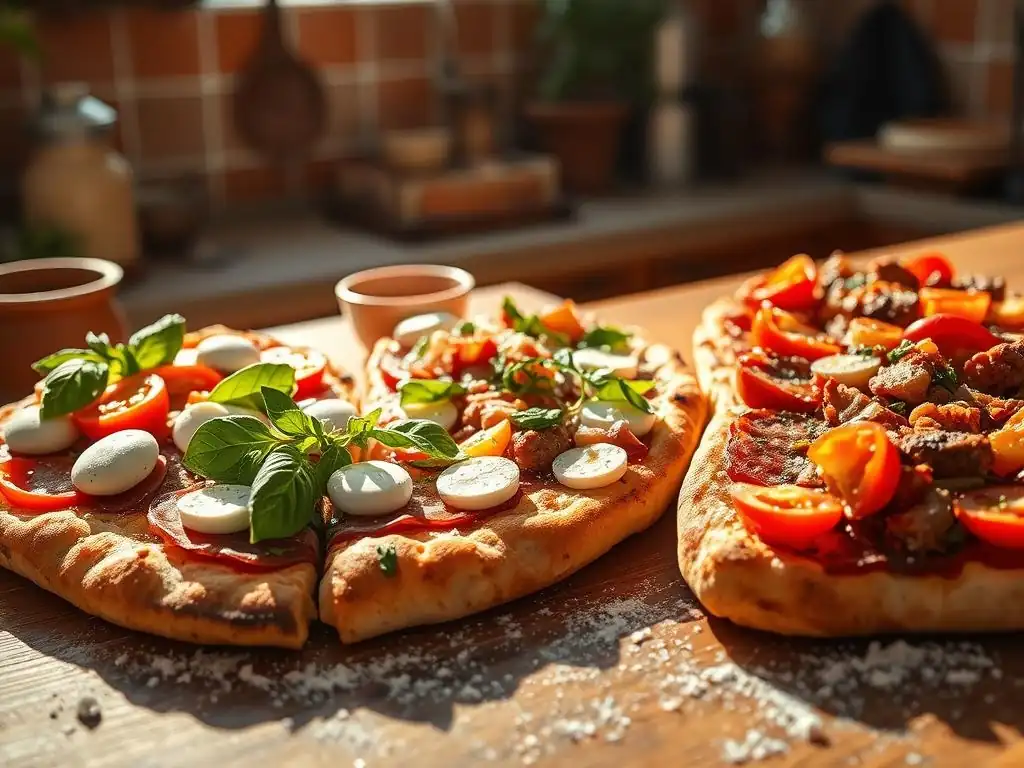
Welcome to BakeWithEase, your home for baking confidence! Ever dreamt of crafting authentic Italian flavors in your own kitchen? Our Easy Italian Flatbread recipe is your gateway to a delicious journey. Discover the secrets to perfectly crisp, flavorful flatbreads and unlock a world of regional baking delights. What makes this recipe so special? Let's find out...
- Quick & Easy Homemade Pizza Dough Recipe
- BakeAtHome: Simple Pizza Dough Recipes for Beginners
- Why This Pizza Dough Recipe is Special
- Ingredients for Your Homemade Pizza Dough
- Step-by-Step Guide to Making Pizza Dough
- Pizza Variations: Explore Different Toppings
- Tips for Perfect Pizza Dough Every Time
- Serving Suggestions: Enjoying Your Pizza
- Troubleshooting Common Pizza Dough Problems
- Mastering Pizza Making: Beyond the Dough
- Frequently Asked Questions
- Final Reflection: The Simple Joy of Italian Flatbread
- Unleash Your Inner Pizzaiolo: Bake Your Own Delight!
Quick & Easy Homemade Pizza Dough Recipe
BakeAtHome: Simple Pizza Dough Recipes for Beginners
Welcome back to BakeWithEase! There's something incredibly satisfying about pulling a hot, bubbling pizza out of your own oven. While store-bought dough is convenient, mastering a simple homemade pizza dough recipe is a game-changer. It's the foundation for countless delicious meals and surprisingly straightforward, even for beginner bakers. Forget complicated techniques; we're here to show you how to create a fantastic base for your favorite toppings with minimal fuss.
Making your own dough not only saves money but also gives you control over the ingredients, ensuring a fresh and flavorful result. This easy Italian flatbread dough recipe is designed to be approachable, guiding you through each step with clear instructions. You'll learn the basics of working with yeast and flour to create a pliable, ready-to-bake dough that forms the perfect crust for your homemade pizza. Let's get started on this rewarding baking journey!
Why This Pizza Dough Recipe is Special
This particular easy pizza dough recipe stands out because it balances speed, simplicity, and authentic flavor. We understand that not everyone has hours to dedicate to complex dough preparations or access to specialized equipment. Our method is tailored for the home kitchen, using common ingredients and requiring minimal hands-on time. It's a reliable go-to for weeknight dinners or impromptu pizza parties, proving that delicious, homemade pizza is truly within reach for everyone.
Furthermore, this dough is incredibly forgiving. If you've ever been intimidated by yeast or kneading, this recipe is designed to build your confidence. We focus on simple techniques that yield consistent results, allowing you to achieve a lovely texture and rise without needing years of baking experience. It’s the kind of easy Italian flatbread recipe that you'll want to make again and again.
Fast & Easy Dough Making for Home Bakers
Time is often a constraint in busy households, and this recipe acknowledges that. From start to finish, including a reasonable proofing time, you can have dough ready to bake in under 2 hours, with actual hands-on time being less than 15-20 minutes. This makes it a viable option even on busy evenings.
For example, using instant yeast and warm water (around 105-115°F or 40-46°C) can significantly speed up the initial activation process. While some traditional methods require overnight cold fermentation for flavor development, this quick method prioritizes speed without sacrificing too much quality for a home-baked pizza. A typical quick rise at room temperature might take 60-90 minutes, allowing the dough to double in size efficiently.
Authentic Pizza Taste, Simplified
Achieving an authentic taste doesn't always require complex ingredients or techniques. The magic often lies in the quality of simple components and the basic process. This easy Italian flatbread dough recipe uses fundamental ingredients like flour, water, yeast, salt, and a touch of olive oil, which are the cornerstones of classic Italian dough.
By focusing on proper hydration and a sufficient, though quick, rise, the dough develops a pleasant structure and subtle flavor profile that complements various toppings. While a long fermentation can deepen flavors, this simplified approach still delivers a crust with a satisfying chew and a slightly crispy exterior when baked at high heat, reminiscent of traditional pizzerias but achievable in a standard home oven.
Versatile Dough: Perfect for Different Pizza Styles
One of the greatest advantages of this easy pizza dough recipe is its versatility. It can be adapted to create various pizza styles, catering to different preferences. Whether you prefer a thin and crispy crust or a slightly thicker, chewier base, this dough is up to the task.
For a thinner crust, simply roll or stretch the dough more thinly before adding toppings. For a thicker, more rustic crust, allow it to be slightly thicker, especially around the edges for a nice 'cornicione' (crust). It works well for classic Neapolitan-style (though a true Neapolitan requires specific techniques and ingredients, this provides a good home approximation), Roman-style (often thinner and crispier), or even American-style pan pizzas if pressed into an oiled pan. This truly is a flexible easy Italian flatbread recipe base.
Ingredients for Your Homemade Pizza Dough
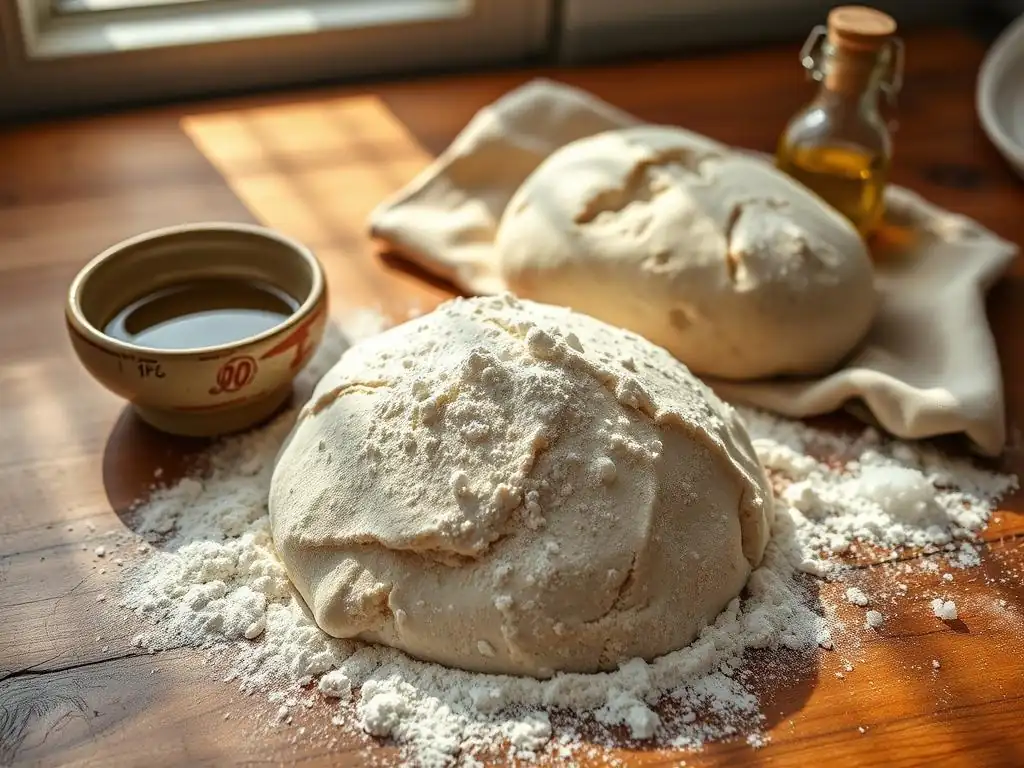
Gathering your ingredients is the first concrete step in making this delicious easy Italian flatbread dough. The beauty of this recipe lies in its simplicity, utilizing staples you likely already have in your pantry. Using fresh, quality ingredients will always yield the best results, so check the expiration dates on your yeast and flour.
Here’s what you’ll need to create a batch of dough, typically enough for two medium (approx. 12-inch) pizzas. Adjust quantities proportionally if you need more or less dough. Using a kitchen scale for flour and water provides the most accurate results, as volume measurements can vary. For instance, 300 grams of all-purpose flour is a good starting point for two medium pizzas.
Essential Ingredients for the Pizza Dough
You only need a few basic items to make a fantastic pizza dough base. The ratio of these ingredients is key to the dough's texture and workability.
- Flour: About 2.5 to 3 cups (around 300-375 grams) of all-purpose flour or bread flour. Bread flour has higher protein content (typically 12-14%) which helps develop gluten for a chewier crust, while all-purpose flour (around 10-12% protein) gives a slightly softer result. Either works well for an easy Italian flatbread recipe.
- Yeast: 1 packet (about 2.25 teaspoons or 7 grams) of instant dry yeast. Instant yeast can be mixed directly with dry ingredients, simplifying the process compared to active dry yeast which needs to be proofed in water first. Using the correct amount ensures a good rise; too little and the dough won't rise properly, too much and it can give an off flavor.
- Water: About 1 cup (240 ml) of warm water. The temperature is crucial – ideally between 105-115°F (40-46°C) to activate the yeast without killing it. Water hydrates the flour, allowing gluten to develop, and activates the yeast. The exact amount can vary slightly depending on your flour and humidity.
- Salt: 1 to 1.5 teaspoons (around 6-9 grams) of fine sea salt or table salt. Salt is vital for flavor and also helps control the yeast's activity, contributing to a better texture and slower, more controlled rise. Don't skip the salt!
- Olive Oil: 1-2 tablespoons (15-30 ml) of extra virgin olive oil (optional but recommended). Olive oil adds richness, helps tenderize the dough, and can make it easier to handle. It also contributes to a slightly crispier crust when baked.
Flavor Enhancements: Herbs and Spices
While a classic pizza dough relies solely on the core ingredients for flavor, you can easily add subtle enhancements to your easy Italian flatbread dough. These additions can complement your chosen toppings and add an extra layer of taste to the crust itself.
Consider mixing in a teaspoon of dried Italian herbs like oregano, basil, or a blend, directly into the dry ingredients. This infuses the entire dough with aromatic notes. Another popular addition is a teaspoon of garlic powder, which provides a savory background flavor that pairs wonderfully with tomato sauce and cheese. Some recipes also call for a pinch of sugar (about 1 teaspoon) to feed the yeast and potentially aid in browning, although it's not strictly necessary for this quick recipe. Experiment to find your favorite combination!
Step-by-Step Guide to Making Pizza Dough
Now that you have your ingredients ready, let's walk through the process of transforming them into a beautiful, pliable dough. This method is designed for simplicity, making it accessible even if you've never made bread or pizza dough before. Follow these steps closely, and you'll be well on your way to baking your own easy Italian flatbreads.
Remember that baking can sometimes require slight adjustments based on environmental factors like humidity. Don't be afraid to add a tiny bit more flour if the dough is too sticky, or a splash more water if it's too dry, as you mix. The goal is to achieve a dough that is soft, elastic, and easy to handle.
Preparing the Pizza Dough: A Simple Method
Mixing the dough is the first hands-on step. You can do this by hand or using a stand mixer with a dough hook attachment. Both methods are effective for this easy pizza dough recipe.
Here’s a simple hand-mixing process:
- In a large bowl, whisk together the flour, instant yeast, and salt (and any dry flavor enhancements like herbs).
- Pour in the warm water and olive oil (if using).
- Using a wooden spoon or spatula, stir everything together until a shaggy dough forms and most of the flour is incorporated.
- Turn the dough out onto a lightly floured surface.
- Knead the dough for about 5-8 minutes. Push the dough away from you with the heels of your hands, fold it back towards you, and rotate. Repeat this process. The dough should become smoother and more elastic as you knead. It might be a little sticky at first, but resist adding too much flour; add just enough to prevent sticking. The dough is ready when it springs back slowly when poked.
If using a stand mixer:
- Combine dry ingredients in the mixer bowl.
- Add wet ingredients.
- Mix on low speed with the dough hook until a dough forms, then increase speed to medium-low and knead for 5-7 minutes. The dough should gather around the hook and clear the sides of the bowl.
Shaping Your Pizza Dough
Once your dough is kneaded, it's time to shape it for the initial rise. Proper shaping helps create tension in the dough ball, which contributes to a better structure during proofing and baking.
Lightly oil a clean bowl with olive oil. Gather your kneaded dough into a smooth ball. You can do this by pulling the edges of the dough underneath itself to create a smooth top surface. Place the dough ball seam-side down in the oiled bowl, then turn it over once to coat the top with oil. This prevents the dough from drying out and sticking to the bowl as it rises.
Proofing for the Perfect Rise
Proofing is the process where the yeast ferments, producing carbon dioxide gas that makes the dough rise and develop flavor. For this easy pizza dough recipe, a single proof is usually sufficient.
Cover the bowl tightly with plastic wrap or a clean kitchen towel. Place the bowl in a warm, draft-free place. An oven with just the light on is a perfect environment, or simply on the counter in a warm kitchen. The dough should double in size in about 60-90 minutes, depending on the temperature of your room. You'll know it's ready when it looks significantly larger and feels light and airy. A gentle poke with your finger should leave an indentation that slowly springs back. This essential step ensures a light and airy crust for your easy Italian flatbread.
- Mix ingredients
- Knead dough
- Shape into ball
- Place in oiled bowl
- Cover bowl
- Let rise until doubled
Pizza Variations: Explore Different Toppings

With your perfect homemade pizza dough ready, the fun really begins: choosing your toppings! The versatility of this easy Italian flatbread dough means it's a fantastic base for a huge variety of flavor combinations. Here are a few classic ideas to get you started, proving how adaptable this easy pizza dough recipe is.
Remember to not overload your pizza with too many wet toppings, as this can make the crust soggy. Pre-cook vegetables that release a lot of water (like mushrooms or zucchini) or pat them dry before adding them to the pizza.
Classic Margherita Pizza Recipe
The Margherita is a timeless favorite, showcasing the simple beauty of Italian ingredients. This pizza highlights the quality of your easy Italian flatbread dough.
To make a classic Margherita on your homemade dough: Spread a thin layer of crushed San Marzano tomatoes or your favorite pizza sauce over the dough, leaving a border for the crust. Dot with slices of fresh mozzarella cheese (torn or sliced). Bake until the crust is golden and the cheese is melted and bubbly.
Immediately after removing from the oven, scatter fresh basil leaves over the top and drizzle with a little extra virgin olive oil. The simplicity of the ingredients – tomato, mozzarella, basil – represents the colors of the Italian flag and offers a pure, authentic taste that pairs perfectly with a well-made dough.
Pepperoni Pizza
A universally loved classic, pepperoni pizza is simple, savory, and utterly satisfying. It's a go-to choice for using your easy pizza dough.
After spreading your tomato sauce, generously scatter slices of pepperoni over the surface. The pepperoni curls up and gets crispy edges as it bakes, releasing flavorful oils onto the cheese. Cover with a layer of shredded mozzarella or a blend of mozzarella and provolone. Bake until the crust is golden brown and the cheese is melted and slightly browned in spots. The rendered fat from the pepperoni adds a wonderful depth of flavor to the cheese and crust, making it a perennial favorite.
Vegetarian Pizza: A Garden Delight
Embrace the bounty of fresh vegetables for a vibrant and healthy pizza. This easy Italian flatbread dough is a perfect canvas for a colorful array of produce.
Popular vegetarian toppings include bell peppers (red, yellow, green), onions, mushrooms, olives, spinach, zucchini, cherry tomatoes, and artichoke hearts. You can use a traditional tomato sauce base or opt for a white sauce or pesto. Layer your cheese (mozzarella, provolone, or a mix) over the sauce, then arrange your chosen vegetables. Consider roasting some vegetables beforehand, like broccoli florets or red onions, to bring out their sweetness and remove excess moisture. This creates a richly flavored topping combination.
Four Cheese Pizza
For cheese lovers, the Quattro Formaggi (Four Cheese) pizza is pure indulgence. The key is to use a combination of cheeses that melt well and offer varying flavors and textures.
A typical combination might include mozzarella (for meltiness), provolone (for sharpness and stretch), Parmesan (for salty depth), and Gorgonzola (for pungent creaminess) or ricotta (for creamy pockets). Spread a thin layer of sauce (optional, some prefer no sauce on Quattro Formaggi) or just a drizzle of olive oil over the dough. Distribute the cheeses evenly. Bake until the crust is golden and the cheeses are melted and bubbly, with some nice browning. The blend of different cheeses creates a complex and satisfying flavor profile.
Tips for Perfect Pizza Dough Every Time
Even with a straightforward recipe like this easy Italian flatbread dough, a few tips can help ensure consistent success. Paying attention to small details during the mixing, shaping, and baking process can elevate your homemade pizza from good to great. These pointers address common areas where things can go wrong and provide simple solutions.
Mastering these techniques will not only improve your pizza dough but also build a stronger foundation for tackling other easy Italian flatbread recipes in the future. Baking is a skill that improves with practice, and these tips will guide you towards achieving that perfect crust consistently.
Achieving the Right Dough Consistency
The consistency of your dough is paramount to its workability and the final texture of the crust. It should be soft, pliable, and slightly tacky, but not excessively sticky.
If your dough feels too dry and stiff after mixing, it likely needs a little more water. Add water, a tablespoon at a time, kneading until it is absorbed and the dough reaches a softer consistency. Conversely, if the dough is too sticky and difficult to handle, add flour, a tablespoon at a time, until it's manageable.
Avoid adding too much flour, which can result in a tough crust. The dough should stretch without tearing easily after kneading. A well-hydrated dough, around 60-65% hydration relative to the flour weight (e.g., 240ml water for 375g flour is about 64%), is generally ideal for this type of easy pizza dough.
Preventing Sticking and Burning
Sticky dough can be frustrating, and a burnt crust is disappointing. Luckily, these issues are easily preventable with a few simple techniques.
To prevent dough from sticking to your work surface or hands, use a minimal amount of flour for dusting. A light coating is usually sufficient. You can also lightly oil your hands. When transferring the shaped dough to your pizza peel or baking surface, ensure the peel is well-dusted with cornmeal or semolina flour; these act like tiny ball bearings, allowing the dough to slide off easily.
To prevent the crust from burning while the toppings cook, ensure your oven is fully preheated (ideally 475-500°F or 245-260°C for a standard home oven). Baking on a preheated pizza stone or steel can help the bottom crust cook quickly and evenly, preventing a pale, undercooked bottom while the top burns. Placing the pizza rack in the upper third of the oven can also help prevent the bottom from charring.
Storing and Using Leftover Dough
One of the benefits of making a batch of this easy Italian flatbread dough is that you can often make more than one pizza or save dough for later. Proper storage ensures the dough remains fresh and viable.
After the initial rise, you can punch down the dough, divide it into portions, and store it in the refrigerator for 2-3 days. Place each portion in a lightly oiled airtight container or zip-top bag, pressing out excess air. Refrigeration slows down the yeast activity, allowing for a slower, colder fermentation which can actually enhance flavor. To use refrigerated dough, remove it from the fridge about 30-60 minutes before you plan to shape it, allowing it to come to room temperature.
Dough can also be frozen for up to 3 months. Wrap well in plastic wrap, then foil or place in a freezer bag. Thaw overnight in the refrigerator, then let it come to room temperature before shaping.
Serving Suggestions: Enjoying Your Pizza
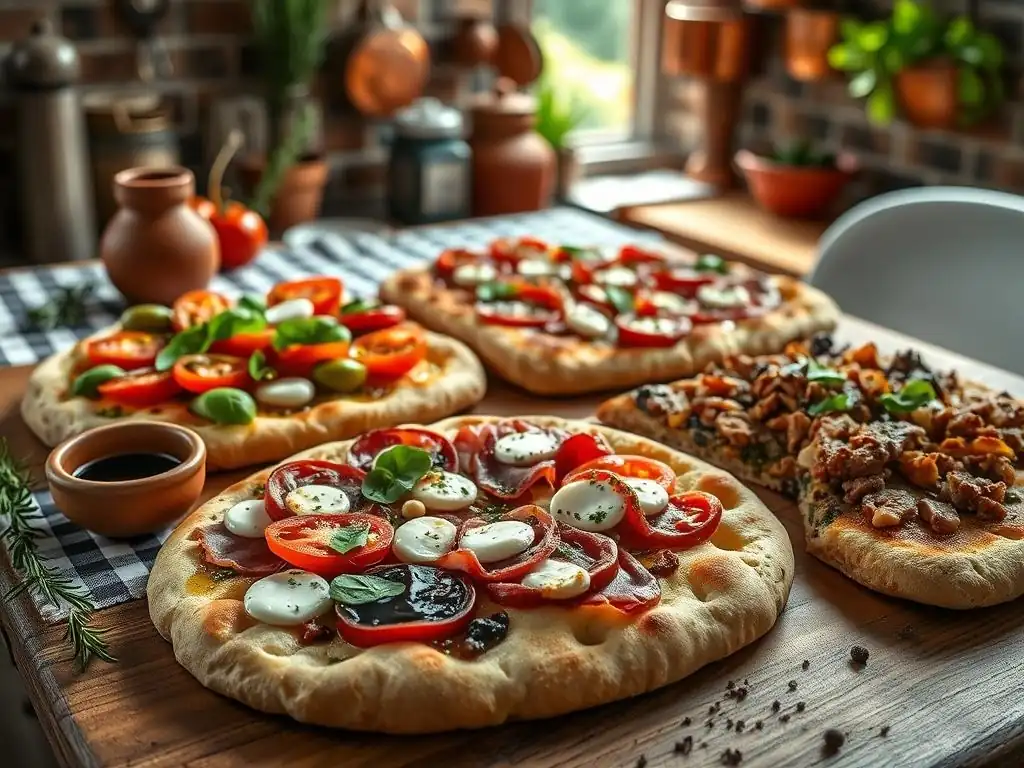
Your delicious homemade pizza, made with your easy pizza dough, is fresh out of the oven! While it's tempting to slice into it immediately, letting it rest for just a minute or two allows the cheese to set slightly, preventing everything from sliding off. Pizza is incredibly versatile and can be the star of the meal or part of a larger spread.
Enjoying your pizza is the culmination of your baking efforts. Take a moment to appreciate the aroma and the beautiful golden crust you created using this easy Italian flatbread recipe. Here are some ideas for serving.
Pizza as a Main Course
Pizza is a complete meal in itself, offering carbohydrates from the crust, protein from cheese and potential meat toppings, and vitamins from vegetables. A single medium pizza (12-inch) can typically serve 2-3 people generously as a main course, depending on appetite. For a larger gathering, plan on one medium pizza per 2-3 adults, or adjust based on the variety of toppings offered.
Serving pizza directly from the baking surface onto a cutting board makes for an impressive presentation. Use a pizza cutter to slice into wedges or squares. Offer red pepper flakes and dried oregano on the side for guests to customize their slice.
Pairing with Salads and Sides
While pizza can stand alone, pairing it with fresh sides can create a more balanced and refreshing meal. Simple salads are classic companions.
A simple green salad with a light vinaigrette cuts through the richness of the cheese. A Caprese salad (fresh mozzarella, tomatoes, basil, balsamic glaze) complements the Italian theme. Other ideas include garlic breadsticks (if you have extra dough! ), roasted vegetables, or a simple bowl of olives. These sides add freshness and variety to your pizza night.
Troubleshooting Common Pizza Dough Problems
Even experienced bakers encounter issues occasionally. Making this easy Italian flatbread dough is generally forgiving, but knowing how to fix common problems can save your pizza night. Don't be discouraged if your first batch isn't perfect; learning to adjust is part of the baking process.
Understanding the potential causes behind common dough issues empowers you to correct them in the moment and avoid them in the future. These troubleshooting tips apply broadly to many easy pizza dough recipes.
Dough Too Sticky? Here’s What to Do
Excessively sticky dough is a common issue, often caused by slightly too much water or insufficient kneading. It makes the dough hard to handle and shape.
If your dough is too sticky after the initial mix and kneading, resist the urge to add large amounts of flour at once. Add flour gradually, a tablespoon at a time, kneading it in until the dough is manageable and only slightly tacky. Ensure your hands and work surface are lightly floured or oiled.
Sometimes, simply kneading for a few more minutes allows the gluten to develop further, which can help reduce stickiness. If the dough is still very sticky after a proper rise, you can gently incorporate a little more flour when you turn it out onto your work surface for shaping.
Dough Not Rising? Check This
A lack of rise is usually a yeast issue. Yeast is a living organism, and its activity is dependent on temperature and freshness.
First, check the expiration date on your yeast packet. Expired yeast will not activate properly. Ensure your water temperature was in the correct range (105-115°F or 40-46°C). Water that is too cold won't activate the yeast; water that is too hot will kill it. Also, ensure your proofing environment is warm and draft-free.
Cold temperatures drastically slow down or halt yeast activity. If you suspect your yeast is dead, unfortunately, you'll need to start over with fresh yeast. If the water temperature and environment seem correct, the dough might just need more time to rise, especially if the room is on the cooler side. Patience can be key!
Crust Too Tough? Solutions Inside
A tough, dense crust can result from several factors, primarily related to gluten development and baking technique.
One common cause is over-kneading. While kneading is essential for gluten development, overworking the dough can make it too strong and elastic, resulting in a tough crust. Using flour with very high protein content (like some bread flours) and over-kneading can exacerbate this.
Another factor is baking at too low a temperature or for too long; this dries out the dough. Ensure your oven is fully preheated to a high temperature (475-500°F / 245-260°C is ideal for a home oven) and bake just until the crust is golden brown and the cheese is melted. Using a pizza stone or steel helps achieve a quick, hot bake that promotes a tender interior and crispy exterior.
Mastering Pizza Making: Beyond the Dough
Making your own easy Italian flatbread dough is a fantastic starting point, but the world of pizza offers so much more to explore! Once you're comfortable with this basic recipe, you can begin experimenting with different components and techniques to further elevate your homemade pizzas.
BakeWithEase is here to support your baking adventures. From exploring various sauces to understanding how different ovens impact the final product, there are many ways to refine your pizza-making skills and make each pizza truly your own.
Exploring Different Pizza Sauces
While a classic tomato sauce is traditional, the sauce layer is a prime opportunity to introduce different flavors to your pizza.
Beyond the standard cooked tomato sauce, consider a simple crushed tomato sauce (like San Marzano tomatoes crushed by hand) which offers a fresh, bright flavor ideal for Neapolitan-style pizza. White pizzas often feature a base of olive oil and garlic, or a creamy béchamel sauce. Pesto can also be used as a vibrant, herbaceous base, paired with ingredients like fresh mozzarella and cherry tomatoes. Experimenting with different sauce bases can dramatically change the character of your easy Italian flatbread.
Pizza Oven Alternatives
Achieving a crispy, well-cooked crust in a standard home oven can be challenging compared to high-temperature pizza ovens. However, several alternatives can significantly improve your results.
A pizza stone or pizza steel is highly recommended. Placed in your oven and preheated at the highest temperature for at least 30-60 minutes, they store and radiate intense heat, mimicking the floor of a brick oven and ensuring a crispy bottom crust. Baking on a cast iron pan or even an inverted baking sheet can also help. Some dedicated home pizza ovens (like Ooni or Roccbox) reach much higher temperatures (900°F / 480°C+) and cook pizzas in just 60-90 seconds, producing results closer to authentic Neapolitan pizza, though this requires a significant investment.
Elevate Your Pizza Skills with BakeAtHome
Making this easy pizza dough recipe is just the beginning of your homemade pizza journey. BakeWithEase offers a wealth of resources to help you continue learning and improving.
Explore our guides on selecting the best flour, understanding yeast, different kneading techniques, and achieving optimal oven temperatures. Learn about various regional Italian flatbreads and how they differ from pizza. We provide recipes for different sauces, topping combinations, and even dessert pizzas. Keep practicing, keep experimenting, and soon you'll be a confident pizza maker, creating delicious easy Italian flatbreads right in your own kitchen.
Frequently Asked Questions
What makes this Italian flatbread recipe "easy"?
The recipe uses readily available ingredients and a straightforward kneading process. It also includes clear step-by-step instructions suitable for beginner bakers.
Can I customize the toppings on this Italian flatbread?
Absolutely! This recipe serves as a base; feel free to add your favorite toppings, such as fresh herbs, vegetables, or cheeses.
How long does it take to bake this Italian flatbread?
The flatbread typically bakes in about 15-20 minutes, or until it is golden brown and crisp. Oven temperatures can vary, so keep a close eye on it.
What type of flour is best for this easy Italian flatbread recipe?
All-purpose flour generally works well, but for a chewier crust, consider using bread flour or a mixture of the two.
How should I store leftover Italian flatbread?
Store leftover flatbread in an airtight container at room temperature for up to 2 days. You can also reheat it briefly in the oven or a skillet to restore its crispness.
Final Reflection: The Simple Joy of Italian Flatbread
The enduring appeal of homemade bread, especially a quick and easy flatbread like the ones explored in this article, speaks volumes about our innate connection to comforting, flavorful food. In a world increasingly dominated by convenience, taking the time to craft something delicious from simple ingredients offers a powerful antidote to the pressures of modern life. The ease and accessibility of these recipes make them perfect for busy weeknights or spontaneous gatherings, proving that culinary satisfaction doesn't require hours of complicated techniques.
The act of making bread, even a simple flatbread, is a deeply satisfying experience. It connects us to culinary traditions passed down through generations, fostering a sense of accomplishment and a deeper appreciation for the ingredients we use. Food is symbolic of love when words are inadequate.
- Alan D. Wolfelt. This quote perfectly encapsulates the emotional resonance of sharing homemade food, especially something as universally loved as Italian flatbread. The aroma alone can transport you to sun-drenched Italian kitchens, creating a powerful sense of warmth and belonging.
Now, I encourage you to roll up your sleeves and try one of these recipes. Don't be intimidated by the simplicity; embrace it. Let the process of kneading, shaping, and baking be a moment of mindful creation, a small act of self-care in your busy day. The taste of freshly baked flatbread, warm from the oven, is a reward in itself, but the satisfaction of creating something delicious with your own hands is a gift that keeps on giving. So, gather your ingredients, preheat your oven, and discover the simple joy of Italian flatbread today.
Unleash Your Inner Pizzaiolo: Bake Your Own Delight!
Thanks for joining us on this delicious journey into the world of Italian flatbreads! We hope you've gained some inspiration and confidence in your baking abilities. Ready to put your newfound skills to the test?
- Bake your own masterpiece today! Grab those ingredients and get started – the aroma of freshly baked flatbread will be worth it!
- Share your creations: Show us your stunning flatbreads on social media using #BakeWithEaseFlatbreads. We can't wait to see what you come up with!
- Experiment with toppings: Try adding your own unique twists to the recipes – what unexpected flavor combinations will you discover?
What exciting ingredient will you feature in your first homemade Italian flatbread? Let us know in the comments below!