
Why Your Dessert Didn't Set: Troubleshooting Gelatin & AgarAgar Issues

Welcome to BakeWithEase, where baking becomes a delightful journey! Ever wondered why your meticulously crafted dessert just refuses to set? You're not alone! Dive into our exploration of Gelatin and Agar Agar Setting and unlock the secrets to achieving perfect, firm textures every time. Discover the common pitfalls and simple solutions that separate baking successes from frustrating failures, and transform your desserts from wobbly woes to culinary triumphs.
- Troubleshooting Dessert Setting Issues: Gelatin, Agar-Agar, and Pectin
- Understanding Setting Agents: Gelatin, Agar-Agar, and Pectin
- Common Reasons for Gelatin Setting Failures
- Common Reasons for Agar-Agar Setting Failures
- Common Reasons for Pectin Setting Failures
- Troubleshooting Gelatin Desserts
- Troubleshooting Agar-Agar Desserts
- Troubleshooting Pectin Jams and Jellies
- Tips for Consistent Success
- Advanced Techniques
- Conclusion: Perfect Sets Every Time
-
Frequently Asked Questions
- What is the difference between gelatin and agar-agar, and when should I use each?
- How do I properly bloom gelatin for the best results?
- My agar-agar dessert is grainy. What went wrong?
- Can I substitute gelatin for agar-agar, and what adjustments should I make?
- Why did my dessert not set even though I used the correct amount of gelatin or agar-agar?
- Final Reflection: The Unexpected Wonders of Setting Success
- Unlock Your Perfect Dessert: Master Gelatin & Agar-Agar!
Troubleshooting Dessert Setting Issues: Gelatin, Agar-Agar, and Pectin
Achieving that perfect wobble in a panna cotta, the firm slice of a jelly, or the spreadable consistency of jam relies heavily on the right setting agent and proper technique. When your dessert doesn't set as expected, it's often due to missteps with these crucial ingredients: gelatin, agar-agar, or pectin. Understanding how each works and common pitfalls is key to mastering dessert setting. This guide will walk you through the properties of these agents and help you troubleshoot common issues to ensure your next creation sets beautifully.
Understanding Setting Agents: Gelatin, Agar-Agar, and Pectin
Setting agents are gelling substances used in cooking and baking to thicken and stabilize liquids, giving them structure. Gelatin, derived from animal collagen, is a classic choice for many desserts. Agar-agar, sourced from seaweed, offers a vegan alternative with different properties. Pectin, a natural fiber found in fruits, is primarily used for setting jams and jellies. Each agent behaves uniquely when heated, cooled, and combined with other ingredients, influencing the final texture and clarity of your dessert.
Gelatin: Properties and Uses in Desserts
Gelatin is a protein derived from animal collagen, typically from pigs or cattle. It is widely used in desserts like panna cotta, mousse, jelly, and cheesecakes because it creates a smooth, melt-in-your-mouth texture. Gelatin dissolves in hot liquid (around 95°F or 35°C) and forms a gel as it cools (typically below 60°F or 15°C).
This gel is thermo-reversible, meaning it will melt if heated again and re-set upon cooling, although repeated melting can weaken its gelling strength. The strength of gelatin is measured in "bloom," with higher bloom numbers indicating stronger gelling power. Common culinary gelatin ranges from 120 to 250 bloom.
When working with gelatin, it's crucial to "bloom" it first by soaking the granules or sheets in cold water. This process allows the gelatin to absorb water and swell, ensuring it dissolves smoothly without lumps when heated. A typical ratio might be 1 tablespoon of gelatin powder per 2 cups of liquid for a firm set, but this varies based on the desired texture and the specific recipe. Failing to bloom or using too hot a liquid initially can lead to poorly dissolved gelatin and a weak or grainy set, directly impacting the desired gelatin agar agar setting outcome.
Agar-Agar: A Vegan Alternative
Agar-agar is a plant-based gelling agent derived from red seaweed. It's a popular choice for vegan and vegetarian desserts as a direct substitute for gelatin, though it behaves quite differently. Agar-agar requires boiling to fully dissolve and activate its gelling properties, typically needing to reach temperatures around 185°F (85°C) and boiling for at least 1-2 minutes. Unlike gelatin, agar-agar sets at a much higher temperature, usually around 105°F (40°C), and remains solid even at room temperature, only melting at very high temperatures (above 185°F or 85°C). This makes agar-agar desserts more stable in warmer conditions.
The texture produced by agar-agar is generally firmer and more brittle than gelatin's elastic, wobbly set. It can also have a slightly cloudy appearance compared to the clarity achievable with gelatin. A common ratio for agar-agar powder is about 1 teaspoon per cup of liquid for a firm set, but like gelatin, this can vary. Because it sets quickly as it cools, you need to work relatively fast when pouring agar-agar mixtures. Understanding these unique properties is vital when aiming for a successful gelatin agar agar setting with the vegan alternative.
Pectin: Setting Agent for Jams and Jellies
Pectin is a naturally occurring polysaccharide found in the cell walls of fruits, particularly in citrus peels, apples, and cranberries. It is the primary gelling agent used to set jams, jellies, and fruit preserves. Pectin requires the right balance of acid, sugar, and heat to form a gel. High-acid fruits (like lemons, cranberries) and underripe fruits naturally contain more pectin. For fruits low in pectin or when making jelly, commercial pectin is often added.
There are different types of commercial pectin, including high-methoxyl (HM) pectin, which requires a high sugar concentration (typically over 55%) and acid to set, and low-methoxyl (LM) pectin, which sets with calcium ions and requires less or no sugar. The setting process for pectin happens during cooling after boiling the fruit mixture to a specific temperature (often around 220°F or 104°C), which evaporates enough water to concentrate the sugar and activate the pectin.
The success of a pectin set depends critically on achieving the correct sugar level, pH (acidity), and cooking time, factors distinct from gelatin agar agar setting requirements.
Agent Comparison: Optimal Choice for Different Desserts
Choosing between gelatin, agar-agar, and pectin depends entirely on the desired outcome and dietary restrictions. Gelatin provides a classic, smooth, elastic texture that melts readily in the mouth, making it ideal for creamy desserts like panna cotta, light mousses, and traditional jelly. Its thermo-reversibility is useful for layered desserts or when needing to re-melt a mixture.
Agar-agar yields a firmer, more brittle gel that is stable at room temperature, perfect for vegan jellies, firm puddings, and layered desserts where stability is paramount. However, it doesn't provide the same creamy mouthfeel as gelatin. Pectin is specifically suited for fruit-based preserves, creating the characteristic texture of jams and jellies, and is not typically used for creamy desserts or clear molded gels in the way gelatin agar agar setting agents are. Understanding these differences helps select the right tool for the job.
Common Reasons for Gelatin Setting Failures
Gelatin is relatively straightforward to use, but several factors can prevent it from setting properly, leading to a liquid or overly soft dessert. These issues often stem from incorrect ratios, improper preparation, or interactions with other ingredients.
Incorrect Ratio: Achieving the Right Balance
Using too little gelatin for the amount of liquid is a primary cause of a weak or failed set. Gelatin requires a specific proportion to water or other liquids to form a stable gel. A standard guideline for a medium set is about 1 tablespoon of gelatin powder (or 4 sheets) per 2 cups (about 475 ml) of liquid. For a firmer set, like for gummy candies or a very stable terrine, you might use 2 to 3 tablespoons per 2 cups.
Conversely, using too much gelatin can result in a rubbery, unpleasant texture. It's essential to follow recipe ratios closely, but also understand that factors like sugar content, acidity, and other ingredients can influence the required amount. For instance, more sugar might require slightly more gelatin to achieve the same firmness. Always measure your liquid and gelatin accurately to ensure the correct gelatin agar agar setting.
Improper Blooming: Activating Gelatin's Potential
Blooming gelatin is a critical first step. Granulated gelatin must be sprinkled over cold liquid (usually water or juice) and left undisturbed for 5-10 minutes. This allows the protein granules to hydrate and swell, absorbing water evenly. If you add gelatin directly to hot liquid without blooming, the outside of the granules will dissolve rapidly, forming a sticky layer that prevents the inside from hydrating, resulting in lumps and uneven gelling.
Gelatin sheets also need to be soaked in a generous amount of cold water until pliable (usually 5-7 minutes), then squeezed gently to remove excess water before being added to the warm base liquid. Skipping or improperly performing the blooming step is a common mistake that prevents the gelatin from dissolving fully and distributing evenly, leading to a weak or non-existent gelatin agar agar setting.
Overheating: Avoiding Damage to Gelling Properties
While gelatin needs to be heated to dissolve after blooming, exposing it to excessive heat or prolonged boiling can damage its protein structure and weaken its gelling power. After blooming, the softened gelatin should be added to a warm liquid base (like heated cream, milk, or juice) and stirred gently until completely dissolved. The temperature of the liquid base should be warm enough to melt the gelatin (around 95°F or 35°C) but ideally not boiling.
If you need to heat the base liquid to a boil for other reasons (e.g., dissolving sugar), remove it from the heat and let it cool slightly before stirring in the bloomed gelatin. Boiling the mixture after the gelatin is added, or holding it at a very high temperature for an extended period, can significantly degrade the protein, resulting in a weak or failed gelatin agar agar setting.
Acidic Interference: Addressing Chemical Reactions
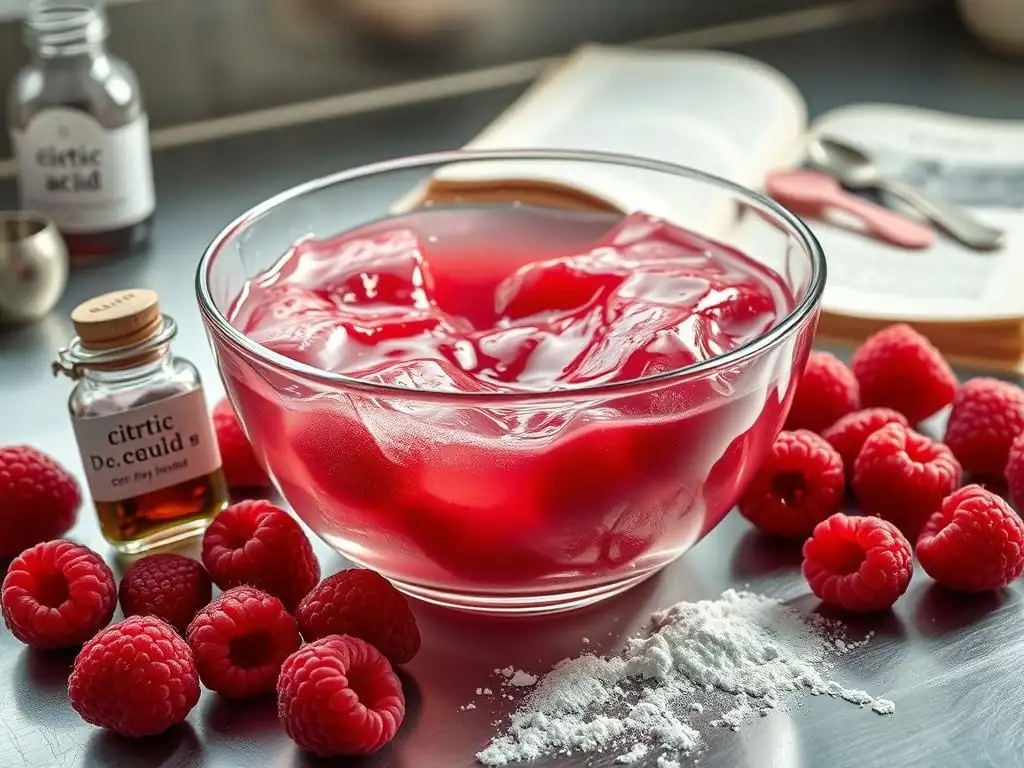
Highly acidic ingredients can break down the protein chains in gelatin, significantly weakening its gelling ability. Fruits like pineapple, papaya, kiwi, and figs contain enzymes (proteases) that are particularly effective at degrading gelatin. These enzymes are often deactivated by heat, so using canned or cooked versions of these fruits (like canned pineapple) is usually fine, but fresh versions should be avoided unless specifically indicated in a recipe that accounts for this.
Other acidic ingredients, such as lemon juice or vinegar, when used in high concentrations, can also interfere with the set. If your recipe includes a significant amount of acid, you might need to increase the amount of gelatin slightly or use a higher bloom strength gelatin to compensate for the degradation and ensure a proper gelatin agar agar setting.
Insufficient Chilling: Patience for Proper Setting
Gelatin requires time and cold temperatures to set properly. After preparing your mixture, it needs to be refrigerated until firm. The exact time depends on the size and depth of the dessert and the concentration of gelatin used, but typically gelatin desserts require at least 2-4 hours in the refrigerator to set fully. Large molds or deep dishes will take longer than individual ramekins.
Attempting to unmold or serve a gelatin dessert before it has had sufficient time to chill and set is a common reason for failure. While the surface might appear set, the interior may still be liquid or soft. Ensure your refrigerator is cold enough (ideally around 40°F or 4°C) and allow ample chilling time for the gelatin agar agar setting process to complete.
Common Reasons for Agar-Agar Setting Failures
Agar-agar is a robust gelling agent, but its specific requirements for dissolution and setting temperature mean different issues can arise compared to gelatin.
Incorrect Ratio: Mastering Agar-Agar Dosage
Just like with gelatin, the ratio of agar-agar to liquid is critical for achieving the desired set. However, agar-agar is significantly stronger than gelatin; you typically need much less of it. A common starting point for a firm set is about 1 teaspoon of agar-agar powder per cup (about 240 ml) of liquid. Agar-agar flakes are less concentrated than powder, so you'll need more, often 1 tablespoon of flakes per cup of liquid.
Using too little agar-agar will result in a weak or unset mixture. Using too much will produce an overly hard, brittle, and sometimes rubbery texture. Because agar-agar sets so firmly, it's often better to start with the lower end of a recommended range and adjust in future attempts if a firmer set is desired. Precise measurement is key to mastering the gelatin agar agar setting with this powerful vegan alternative.
Inadequate Boiling: Properly Activating Agar-Agar
Unlike gelatin, which only needs to be dissolved in warm liquid, agar-agar requires boiling to fully activate its gelling properties. The mixture containing agar-agar must be brought to a rolling boil (around 212°F or 100°C) and simmered for at least 1-2 minutes, stirring constantly, to ensure the agar-agar is completely dissolved. Simply heating the liquid or bringing it just to a simmer is often not enough, especially with agar-agar powder.
If the agar-agar doesn't dissolve completely, it won't be able to form a uniform gel, leading to a weak or patchy set, or a grainy texture. Ensure you see a proper boil and continue stirring to prevent scorching the bottom of the pot. This boiling step is crucial for successful gelatin agar agar setting when using agar-agar.
Insufficient Cooling: Temperature's Importance
While agar-agar sets at a relatively high temperature (around 105°F or 40°C), it still needs to cool sufficiently to reach its full firmness. Agar-agar mixtures start setting as they cool, even at room temperature. However, chilling in the refrigerator is usually necessary to achieve the final firm texture and often speeds up the process. Agar-agar sets much faster than gelatin, typically within 1-2 hours in the refrigerator.
If your agar-agar dessert is still soft, it likely hasn't cooled enough or the agar-agar wasn't properly dissolved initially. Unlike gelatin, agar-agar does not require prolonged chilling; once set, it remains firm even at room temperature. Ensure the mixture has cooled completely to assess the final gelatin agar agar setting.
High Sugar Content: Adjusting Sweetness for Setting
While not as sensitive to sugar as some forms of pectin, very high sugar concentrations can slightly inhibit the gelling power of agar-agar, potentially requiring a slight increase in the amount of agar-agar used. Recipes with a lot of sugar, like some traditional Asian jellies, might need a bit more agar-agar compared to a less sweet preparation.
Conversely, using too little sugar in some recipes where sugar is part of the structure can also affect the final texture, potentially making it too hard or brittle. Balancing the ratio of agar-agar, liquid, and sugar is important for achieving the desired texture and gelatin agar agar setting.
Common Reasons for Pectin Setting Failures
Pectin behaves quite differently from gelatin and agar-agar, relying on specific conditions of acidity, sugar, and heat to form a gel. Issues with pectin sets in jams and jellies usually relate to these factors.
Insufficient Acid: Achieving Proper pH Levels
Pectin requires an acidic environment to form a gel. The optimal pH range for high-methoxyl pectin (the type most common in commercial jam pectin) is typically between 2.8 and 3.5. Fruits naturally vary in acidity; high-acid fruits like lemons, limes, and cranberries have a low pH, while low-acid fruits like strawberries, peaches, and pears have a higher pH.
If using low-acid fruits, you often need to add an acidic ingredient, such as lemon juice or citric acid, to reach the necessary pH level for the pectin to gel. Without sufficient acid, the pectin molecules won't properly interact to form a gel network, resulting in a runny jam or jelly. Testing the pH with strips can be helpful for consistency, as achieving the correct acidity is paramount for a successful pectin set, distinct from gelatin agar agar setting requirements.
Incorrect Sugar Ratio: Maintaining the Right Sweetness
For high-methoxyl pectin, sugar plays a crucial role in the gelling process. Sugar helps draw water away from the pectin molecules, allowing them to link together and form a gel. Too little sugar means too much water is available, preventing the pectin from bonding effectively. Too much sugar can also interfere, sometimes causing crystallization or a very stiff set.
Recipes using HM pectin typically require a sugar concentration of 50-60% of the total weight of the finished jam or jelly. This is why jam recipes often call for large amounts of sugar. Using a recipe specifically designed for reduced sugar or sugar-free jams requires a different type of pectin (LM pectin or special no-sugar pectin) that sets with calcium, not sugar. Getting the sugar balance right is fundamental to pectin setting, unlike the process for gelatin agar agar setting.
Improper Cooking Time: Reaching the Setting Point
Cooking jam or jelly for the correct amount of time is essential. The mixture needs to be boiled to a specific temperature (often around 220°F or 104°C at sea level) which corresponds to a specific sugar concentration (the setting point). This temperature will be lower at higher altitudes, so adjusting accordingly is necessary. Boiling evaporates excess water, concentrating the sugar and activating the pectin.
Under-cooking means the setting point temperature hasn't been reached, and the sugar concentration is too low for the pectin to gel properly, resulting in a runny preserve. Over-cooking can break down the pectin, leading to a weak set, or cause the mixture to become too thick and tough. Using a candy thermometer is highly recommended to accurately gauge when the setting point is reached, a technique specific to pectin setting, unlike the methods used for gelatin agar agar setting.
Pectin Type: Using the Correct Pectin for the Fruit
There are various types of commercial pectin available, and using the wrong type for your recipe and fruit can lead to setting issues. High-methoxyl (HM) pectin is the most common type, requiring high sugar and acid to set. It comes in different setting speeds (rapid-set or slow-set), which are important for suspending fruit evenly.
Low-methoxyl (LM) pectin is used for low-sugar or sugar-free jams and jellies and requires calcium to set, not high sugar. Some fruit juices or added calcium water provide the necessary ions. Using HM pectin in a low-sugar recipe or LM pectin in a high-sugar recipe designed for HM pectin will likely result in a failed set. Always check the type of pectin specified in your recipe and ensure it matches your ingredients and desired sugar level, a critical factor unique to pectin compared to gelatin agar agar setting.
Troubleshooting Gelatin Desserts
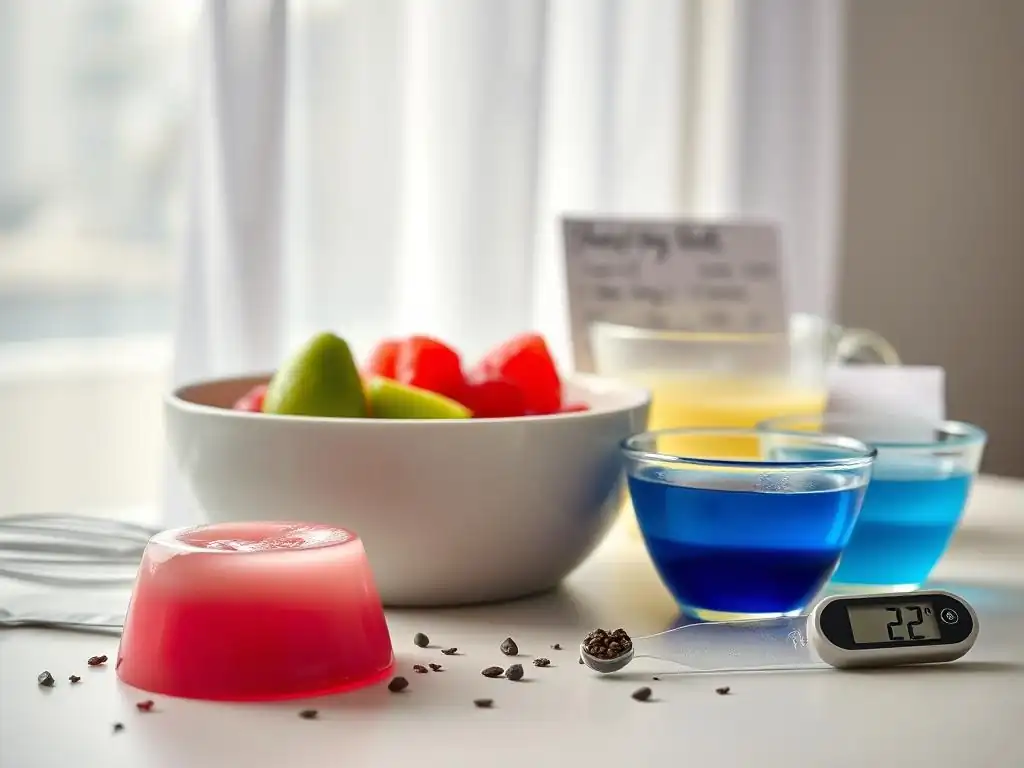
Even when following a recipe, sometimes things go wrong. Here's how to fix common issues with gelatin desserts.
Too Soft: Strengthening the Set
If your gelatin dessert hasn't set properly or is too soft, it's likely due to insufficient gelatin, improper dissolution, or interference from other ingredients. First, ensure you used the correct amount of gelatin and that it was properly bloomed and fully dissolved without boiling after adding the gelatin. If the dessert is only slightly too soft, chilling it for a longer period might help. If it's significantly unset, you may need to gently warm the mixture again (do not boil! ), dissolve a small amount of additional bloomed gelatin separately in a little warm liquid, stir it into the main mixture, and then re-chill. As a general guideline, you might try adding another 1/2 to 1 teaspoon of bloomed gelatin per 2 cups of original liquid volume. Be aware that re-warming and adding gelatin can slightly alter the texture, but it can salvage an otherwise failed gelatin agar agar setting.
If you suspect enzymatic interference from fresh fruit (like pineapple), unfortunately, reheating won't help reactivate the gelatin. You would need to start over, using cooked or canned fruit, or significantly increasing the gelatin amount (though this might not fully overcome the enzymatic activity). For minor softness, simply giving it more time in the coldest part of the refrigerator (e.g., another 4-6 hours or overnight) is often the simplest solution before resorting to reheating.
Too Rubbery: Preventing Over-Setting
A rubbery texture indicates too much gelatin was used for the amount of liquid, or the gelatin was over-concentrated during preparation (e.g., not enough liquid was added initially). Unfortunately, once gelatin has set too firmly due to an excessive amount, it's difficult to correct the texture without significantly altering the dessert.
You could potentially try to gently melt the dessert again, whisk in a little more of the base liquid (like milk, cream, or juice) that was used in the original recipe, and re-chill. For example, if a panna cotta is too rubbery, gently warming it and stirring in an extra 1/4 to 1/2 cup of cream per 2 cups of original mixture might help dilute the gelatin concentration.
However, adding liquid can affect the flavor and richness. A more practical approach might be to repurpose the overly firm dessert, perhaps by blending it into a smoothie or using it as a base for another dish where a very firm texture is acceptable. To prevent this in the future, accurately measure your gelatin and liquid, and err on the side of slightly less gelatin if you prefer a softer set, as it's easier to add more bloomed gelatin if needed than to remove it. Precise gelatin agar agar setting requires accurate measurement.
Cloudy Dessert: Achieving Clarity
Gelatin desserts should ideally be clear or opaque depending on the base liquid (clear for water/juice, opaque for milk/cream). Cloudiness in a clear gelatin dessert can be caused by several factors. One common reason is not properly blooming the gelatin, leading to undissolved granules that cause cloudiness and a grainy texture. Another is over-heating the mixture after adding the gelatin or boiling it vigorously, which can damage the gelatin protein and trap air bubbles. Using cloudy liquids like unclarified fruit juice will also result in a cloudy dessert.
To achieve maximum clarity, ensure your gelatin is fully bloomed and dissolved gently in a warm (not boiling) liquid. Avoid excessive whisking or stirring that incorporates air bubbles. If you have foam on the surface after mixing, skim it off before pouring the mixture into molds. For minor cloudiness, chilling the dessert can sometimes help settle particles, but prevention is key. Using high-quality gelatin and clarified liquids contributes to a crystal-clear gelatin agar agar setting.
Uneven Layering: Tips for Layered Desserts
Creating distinct, even layers in a gelatin dessert requires careful timing and temperature control. Uneven layers or bleeding between layers often occur because the previous layer wasn't sufficiently set before the next warm layer was poured on top. Each layer needs to be chilled until it is firm enough to support the weight of the next layer without mixing, but not so hard that the new layer won't adhere.
A partially set, slightly sticky surface is ideal for the layers to bond seamlessly. This usually means chilling each layer for 15-30 minutes, depending on its thickness and the refrigerator's temperature, until it's firm to the touch but still slightly yielding.
Pour the next layer gently over the set layer, perhaps pouring over the back of a spoon to diffuse the flow and prevent disturbing the layer below. Ensure the subsequent layer is warm enough to dissolve and set the gelatin within it, but not so hot that it melts the layer beneath. Patience is crucial; rushing the chilling time between layers will inevitably lead to a messy result, compromising the visual appeal of your layered gelatin agar agar setting creation.
Troubleshooting Agar-Agar Desserts
Agar-agar's firm set and high setting temperature present a different set of troubleshooting challenges compared to gelatin.
Too Brittle: Achieving a Smooth Texture
Agar-agar desserts can sometimes be too firm or brittle, breaking easily rather than having a smooth, sliceable texture. This is almost always due to using too much agar-agar powder or flakes for the amount of liquid. Agar-agar creates a much firmer gel than gelatin, so less is needed to achieve a similar level of firmness.
If your agar-agar dessert is too brittle, there's no way to soften it after it has set. You would need to melt it down again (which requires high heat, unlike gelatin), add more liquid to dilute the agar-agar concentration, ensure it boils sufficiently to dissolve, and then re-chill. For example, for a mixture made with 1 cup liquid, if it's too brittle, try melting it and adding another 1/4 to 1/2 cup of the base liquid before re-setting.
To prevent this, accurately measure your agar-agar, perhaps starting with slightly less than recommended in a new recipe and increasing it in future batches if a firmer set is desired. Remember that agar-agar flakes require a larger volume than powder for the same gelling strength. Mastering the correct ratio is key to avoiding a brittle gelatin agar agar setting with agar-agar.
Weeping Dessert: Preventing Syneresis
Syneresis, or weeping, is when liquid separates from the gel, forming a watery layer. While both gelatin and agar-agar can experience syneresis, it's more common with agar-agar, especially if the mixture is cut or disturbed, or if the ratio of agar-agar to liquid is slightly off. Over-boiling the agar-agar mixture can sometimes contribute to syneresis by breaking down the gel structure. Also, freezing desserts made with agar-agar will almost certainly cause syneresis upon thawing, as ice crystals disrupt the gel network. Unlike gelatin, which is more freeze-thaw stable in some applications, agar-agar gels are generally not freezer-friendly.
Ensuring the agar-agar is fully dissolved through proper boiling and using the correct ratio can help prevent weeping. Avoiding excessive stirring or handling once the gel begins to set is also beneficial. Store agar-agar desserts properly chilled and avoid freezing them to maintain their texture and prevent liquid separation, ensuring a stable gelatin agar agar setting.
Grainy Texture: Ensuring Proper Dissolution
A grainy or gritty texture in an agar-agar dessert indicates that the agar-agar powder or flakes did not fully dissolve in the liquid. This happens when the mixture isn't boiled for long enough or at a high enough temperature. Agar-agar needs to reach a rolling boil (212°F or 100°C) and be simmered for at least 1-2 minutes, stirring continuously, to ensure complete dissolution. If you're using flakes, they may require slightly longer boiling time compared to powder.
Make sure you are stirring constantly while boiling to prevent the agar-agar from sticking to the bottom of the pot and scorching, which can also affect texture and flavor. Once boiled, the mixture should be smooth and clear before pouring it into molds. If you see any undissolved particles before pouring, continue boiling and stirring until they disappear. Proper dissolution is non-negotiable for a smooth gelatin agar agar setting with agar-agar.
Troubleshooting Pectin Jams and Jellies
Pectin sets rely on a delicate balance of sugar, acid, and heat. Problems often arise when one of these factors is off.
Runny Jam: Increasing Pectin's Effectiveness
A runny jam or jelly is the most common pectin failure, indicating that the gel did not set properly. This is usually due to insufficient pectin (either naturally in the fruit or added), not enough acid, too little sugar (for HM pectin), or under-cooking (not reaching the setting point temperature). To fix a runny jam, you can try to re-cook it. Measure the runny jam. For every 4 cups of runny jam, mix 1/4 cup of sugar with 1-2 tablespoons of commercial pectin (check your pectin package for specific ratios).
Stir this mixture into the runny jam. Add 1-2 tablespoons of lemon juice or other acid if using low-acid fruit. Bring the mixture back to a rolling boil that cannot be stirred down and boil for 1-2 minutes, stirring constantly. Test for set (e.g., the cold plate test) and if it gels, remove from heat and process as usual.
Alternatively, you can use a different method to re-set, like adding a solution of calcium water if using LM pectin. Always ensure you are hitting the correct temperature for your altitude and using sufficient acid and sugar (for HM pectin). Re-cooking can sometimes result in a slightly firmer, but potentially less fresh-tasting, product. Getting the balance right initially is key to a perfect set, a process distinct from gelatin agar agar setting.
Tough Jelly: Preventing Over-Cooking
A tough or overly stiff jelly usually means the mixture was cooked too long, evaporating too much water and concentrating the sugar and pectin excessively. It can also result from using too much commercial pectin. Once jelly is over-set and tough, it's difficult to reverse the process without significantly changing the product. You could potentially try gently warming it and stirring in a small amount of hot water or juice to dilute it slightly, but this might compromise the flavor and stability.
To prevent tough jelly, monitor the cooking temperature carefully with a thermometer and stop cooking as soon as the setting point is reached. Use the correct amount of pectin specified for your recipe and fruit type. Remember that different types and brands of pectin can have varying strengths. Precise temperature control is vital for a proper pectin set, unlike the setting mechanisms of gelatin agar agar setting agents.
Cloudy Jelly: Achieving Clarity
Cloudiness in jelly, which should ideally be crystal clear, can be caused by several factors. The most common is including fruit pulp or particles in the juice used for the jelly. Jelly is made from strained fruit juice, while jam includes the fruit pulp. To achieve clear jelly, ensure the fruit juice is strained very carefully, ideally through a jelly bag or several layers of cheesecloth, without squeezing the fruit, which pushes pulp through.
Other causes of cloudiness can include mineral salts in hard water, or sometimes adding undissolved sugar or pectin to the mixture. Ensure all sugar and pectin are fully dissolved during the cooking process. While minor cloudiness might not affect the set, it impacts the visual appeal, a factor less emphasized in gelatin agar agar setting applications where clarity is only a concern for specific desserts.
Tips for Consistent Success
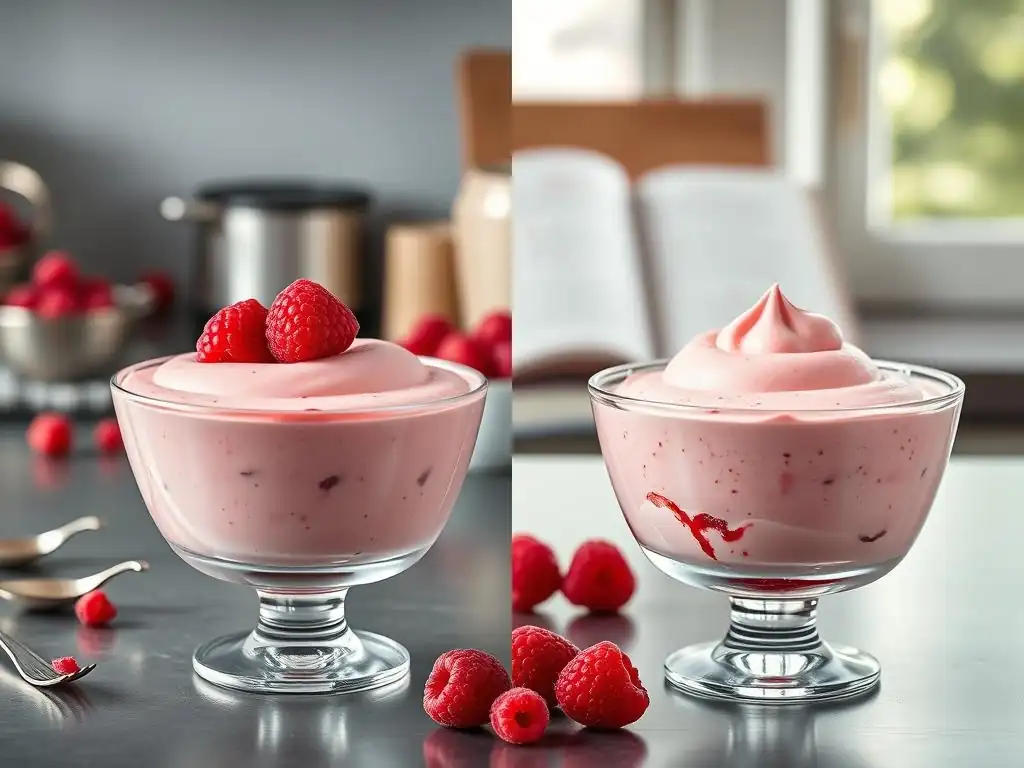
Mastering setting agents comes down to precision, understanding their unique properties, and controlling the variables.
Accurate Measurement: Using the Right Tools
Precise measurement of both the setting agent (gelatin, agar-agar, or pectin) and the liquid or fruit is paramount. Using kitchen scales to weigh ingredients is more accurate than using volume measures, especially for powders and granules like gelatin or agar-agar powder. For liquids, use liquid measuring cups placed on a flat surface at eye level.
Using slightly too much or too little of the setting agent can significantly impact the final texture. For example, using 1/4 teaspoon too much agar-agar in a small recipe can make the dessert noticeably more brittle. Similarly, inconsistent liquid volume can weaken a set. Invest in accurate measuring tools and use them diligently every time to ensure consistent gelatin agar agar setting results.
Temperature Control: Monitoring the Heat
Temperature plays a critical role at multiple stages for all setting agents. Gelatin needs cold water to bloom, warm liquid to dissolve (but not boiling), and cold temperatures to set. Agar-agar needs boiling temperatures to dissolve and activates its set as it cools. Pectin requires boiling to concentrate sugar and activate gelling, with the setting occurring upon cooling at a specific temperature point.
Use a thermometer (candy thermometer for pectin, instant-read for liquids) to monitor temperatures accurately, especially when dissolving agents or cooking jams. Ensure liquids are at the correct temperature before adding the setting agent and that the final mixture is chilled or cooled appropriately. Proper temperature management is fundamental to successful gelatin agar agar setting and pectin work.
Liquid Selection: Choosing Appropriate Liquids
The type of liquid used can affect how setting agents perform. Highly acidic liquids can degrade gelatin. Liquids containing enzymes (like fresh pineapple juice) can destroy gelatin. Some liquids, like alcohol, can inhibit the set of both gelatin and agar-agar, often requiring more of the agent to achieve the desired firmness. For example, using alcohol in a jelly shot requires significantly more gelatin than a water-based jelly.
Thick liquids like heavy cream or purees might require slightly different ratios compared to water or juice. Always consider the properties of your base liquid and how it might interact with the setting agent. Be prepared to adjust the amount of gelatin or agar-agar based on the specific liquid used to achieve the desired gelatin agar agar setting.
Proper Storage: Maintaining Quality and Flavor
Once set, desserts and preserves need proper storage to maintain their texture and quality. Gelatin desserts should always be stored in the refrigerator in airtight containers to prevent them from drying out or absorbing odors. They are temperature sensitive and will melt at room temperature.
Agar-agar desserts are more stable at room temperature but are still best stored in the refrigerator for freshness and to prevent syneresis over time. Jams and jellies, once opened, should also be refrigerated. Ensure lids are sealed tightly. While proper storage doesn't directly affect the initial gelatin agar agar setting, it is crucial for maintaining the integrity of the set and the overall quality of your finished product.
Advanced Techniques
Beyond basic setting, you can use these agents for impressive visual and textural effects.
Clear Gelatin Gems: Achieving Crystal-Clear Desserts
To make gelatin desserts exceptionally clear, start with clarified liquids like filtered water or clarified fruit juice. Ensure your gelatin is high quality and bloomed correctly. After dissolving the gelatin in the warm liquid, avoid whisking aggressively, which incorporates air bubbles. If any foam appears on the surface, gently skim it off before pouring the mixture into molds.
Consider using a fine-mesh sieve when pouring into molds to catch any remaining impurities or bubbles. For perfectly clear layers, ensure each layer is fully set but still slightly tacky before pouring the next layer gently. Achieving this level of clarity enhances the visual appeal, showcasing a perfect gelatin agar agar setting.
Fruit and Vegetable Incorporation: Even Distribution and Set
Incorporating solid pieces of fruit or vegetables into gelatin or agar-agar requires careful technique to ensure they are evenly distributed and don't sink to the bottom. Wait until the gelatin or agar-agar mixture has cooled slightly and is just beginning to thicken (the consistency of thick syrup or egg whites) before stirring in the solid pieces. At this stage, the mixture is viscous enough to suspend the pieces before it fully sets.
If you add solids when the mixture is too hot and liquid, they will sink. If you wait too long, the mixture will set unevenly around the pieces. Chill the mixture immediately after incorporating the solids to help them stay suspended as the gel forms. Remember to use cooked or canned versions of fruits like pineapple or kiwi when working with gelatin to avoid enzymatic breakdown, ensuring the solids are suspended within a perfectly achieved gelatin agar agar setting.
Layering Techniques: Visually Appealing Desserts
Creating stunning layered desserts involves not just setting each layer properly but also planning the order of layers based on color, opacity, and setting time. Alternate contrasting colors and textures (e.g., an opaque creamy layer with a clear jelly layer). Ensure each layer is chilled until firm but slightly sticky before adding the next.
For angled or patterned layers, you can prop the mold at an angle in the refrigerator while the first layer sets. Once firm, level the mold and pour the next layer. Repeat, changing angles as desired. Use gentle pouring techniques, perhaps over the back of a spoon, to protect the previous layer. Patience and attention to detail during chilling and pouring are key to visually appealing layered gelatin agar agar setting creations.
Conclusion: Perfect Sets Every Time
Troubleshooting dessert setting issues with gelatin, agar-agar, and pectin boils down to understanding the unique properties of each agent and paying close attention to ratios, temperatures, and preparation techniques. Whether you're aiming for the delicate wobble of a gelatin panna cotta, the firm slice of a vegan agar-agar jelly, or the classic spreadability of pectin jam, mastering the science behind these gelling agents is crucial.
By accurately measuring ingredients, controlling temperatures, and understanding potential interferences, you can overcome common failures and achieve perfect gelatin agar agar setting results (and pectin sets!) every time, elevating your baking skills and delighting your taste buds.
Frequently Asked Questions
What is the difference between gelatin and agar-agar, and when should I use each?
Gelatin is an animal-based setting agent, while agar-agar is plant-based. Gelatin provides a softer set, ideal for creamy desserts. Agar-agar creates a firmer set, good for vegan recipes and hotter climates.
How do I properly bloom gelatin for the best results?
Bloom gelatin by sprinkling it over cold water and letting it sit for 5-10 minutes. This allows the granules to absorb water and prevent clumping when added to hot liquids.
My agar-agar dessert is grainy. What went wrong?
Grainy agar-agar is often caused by undissolved powder. Ensure you simmer the agar-agar in liquid long enough to fully dissolve it, typically around 5-8 minutes, stirring constantly.
Can I substitute gelatin for agar-agar, and what adjustments should I make?
Substituting directly is tricky due to different setting strengths. Typically, you need less agar-agar than gelatin. Start with a 1:1 ratio (gelatin:agar-agar) by weight and adjust based on testing, as agar-agar sets much firmer.
Why did my dessert not set even though I used the correct amount of gelatin or agar-agar?
Several factors can affect setting, including acidic ingredients (like citrus), which can inhibit gelatin. Also, some fruits contain enzymes that break down gelatin. Make sure the ratio of setting agent to liquid is correct.
Final Reflection: The Unexpected Wonders of Setting Success
The quest for the perfect set—whether a jiggly panna cotta or a firm agar-agar jelly—is a culinary pursuit that transcends mere dessert making. It's a journey into the fascinating world of hydrocolloids, demanding precision and understanding. This article has explored the common pitfalls encountered when working with gelatin and agar-agar, highlighting the crucial role of temperature, ingredient ratios, and even the subtle nuances of water quality. Mastering these elements unlocks a world of creative possibilities.
The impact of understanding these seemingly simple processes extends far beyond the kitchen. It's a testament to the power of scientific principles in everyday life, reminding us that even the most delicate culinary creations rely on fundamental chemistry. The seemingly insignificant detail—a degree too high, a pinch of salt too much—can dramatically alter the outcome. This resonates with broader life lessons, where attention to detail and a thorough understanding of the underlying mechanisms are crucial for success. The details are not the details. They make the design.
- Charles Eames. This quote perfectly encapsulates the importance of understanding the intricacies of gelatin and agar-agar setting.
Now, I invite you to consider your own culinary experiments. Remember the lessons learned here—the importance of precise measurements, the impact of temperature control, and the unique properties of each hydrocolloid. Don't be discouraged by setbacks; instead, view them as opportunities to refine your technique and deepen your understanding. The next time you attempt a gelatin or agar-agar creation, approach it with newfound confidence and a keen eye for detail. The reward? A perfectly set dessert, and a deeper appreciation for the science behind culinary artistry.
Unlock Your Perfect Dessert: Master Gelatin & Agar-Agar!
Thanks for taking the time to explore the world of gelatin and agar-agar with us! We hope you now feel more confident tackling those tricky dessert recipes. Ready to put your newfound knowledge into practice?
- Whizz up your next masterpiece: Try that recipe you've been putting off – you've got the tools to succeed now! Experiment with different ratios and see what amazing textures you can create.
- Share your success (or even your flops!): Tell us about your dessert adventures in the comments below – we'd love to hear about your experiences and learn from each other!
- Dive deeper: Explore other BakeWithEase articles on advanced dessert techniques – we've got tons more tips and tricks waiting for you!
What unexpected flavour combination are you going to try next with your perfectly set dessert?