
Almond Flour Baking: Tips for Success in GlutenFree Recipes

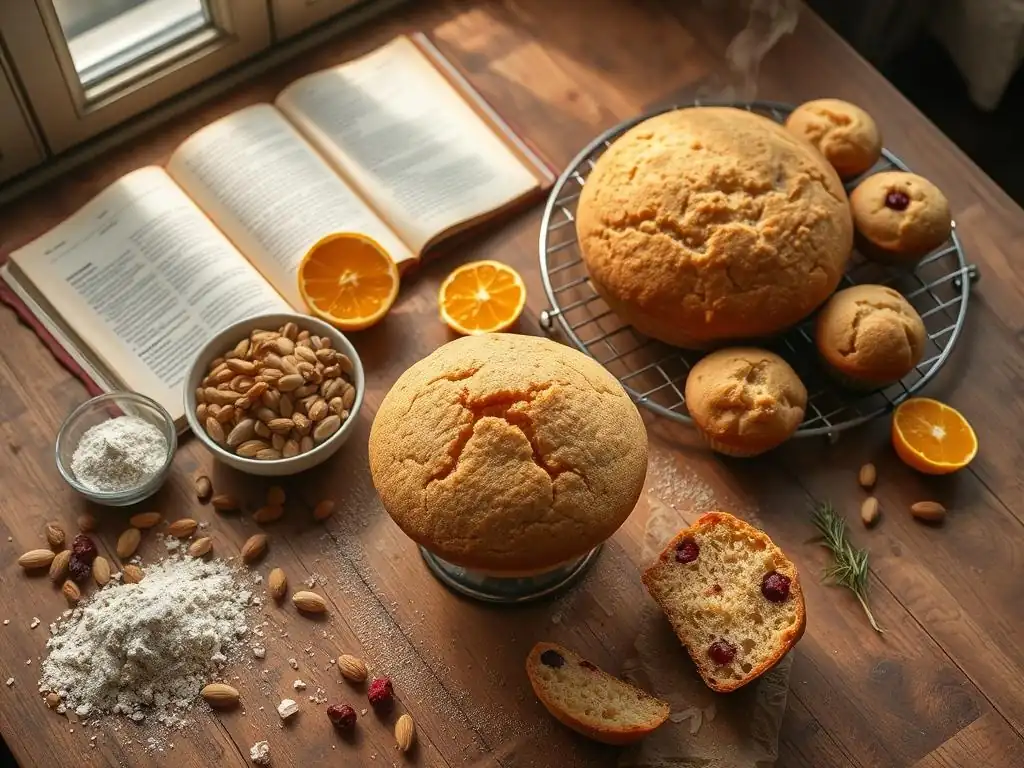
Welcome to BakeWithEase, your haven for baking brilliance! Ever wondered how to unlock the secrets of perfectly textured, gluten-free treats? Dive into our article below, where we unravel the mysteries of gluten-free almond flour baking. Discover essential tips and tricks that will transform your recipes and leave you craving more. Ready to bake with ease and delight? Let's get started!
- Introduction to Gluten-Free Almond Flour Baking
- Mastering Almond Flour Baking Techniques
- Key Ingredients for Successful Almond Flour Baking
- Troubleshooting Common Almond Flour Baking Problems
- Almond Flour Baking Recipe Adaptations and Conversions
- Gluten-Free Almond Flour Baking: Step-by-Step Guide to Almond Flour Chocolate Chip Cookies
- Storing Your Gluten-Free Almond Flour Baked Goods
- Advanced Almond Flour Baking Techniques
- Conclusion: Embracing the Versatility of Almond Flour in Gluten-Free Baking
-
Frequently Asked Questions
- What makes almond flour a good substitute for wheat flour in gluten-free baking?
- What are some common challenges when baking gluten-free with almond flour?
- How do I properly measure almond flour for gluten-free recipes?
- What types of recipes are best suited for almond flour?
- Can I substitute almond flour 1:1 for wheat flour in any recipe?
- Final Reflection: The Sweet Success of Gluten-Free Almond Flour Baking
- Unleash Your Inner Gluten-Free Baker!
Introduction to Gluten-Free Almond Flour Baking
Why Choose Almond Flour for Gluten-Free Baking?
Almond flour has become a cornerstone of successful gluten-free baking, offering a fantastic alternative for those with celiac disease, gluten sensitivity, or simply choosing a gluten-free lifestyle. Unlike many other gluten-free flours, it provides a rich, slightly sweet, and nutty flavor profile that enhances baked goods significantly. Beyond taste, almond flour is packed with nutrients, including protein, fiber, healthy fats, vitamin E, and magnesium.
This makes your gluten-free treats not only delicious but also more nutritious than those made with refined wheat flour or some starch-based gluten-free blends. Its fine texture, especially blanched almond flour, mimics wheat flour surprisingly well in many applications, leading to tender crumbs in cakes and chewy textures in cookies, which can be challenging to achieve in traditional gluten-free baking using only starches.
Opting for almond flour in your gluten-free almond flour baking endeavors also contributes to a lower glycemic index compared to standard wheat flour. This means baked goods made with almond flour can have a less dramatic impact on blood sugar levels, making them a preferable choice for individuals managing diabetes or seeking more stable energy levels. The higher fat content inherent in almonds also naturally contributes to moistness in baked goods, helping to counteract the dryness often associated with gluten-free recipes.
For example, a typical cup of almond flour contains around 14 grams of fiber and 6 grams of protein, significantly higher than all-purpose wheat flour, offering satiety and nutritional benefits that go beyond simple carbohydrates. Exploring gluten-free almond flour baking opens up a world of possibilities for creating wholesome and delicious treats without relying on gluten.
Understanding the Unique Properties of Almond Flour
Almond flour behaves quite differently from wheat flour, primarily because it lacks gluten – the protein network that provides structure and elasticity in traditional baking. This absence means that baked goods made solely with almond flour won't develop that stretchy, chewy texture characteristic of yeast breads or pastries requiring significant kneading. Instead, almond flour contributes tenderness and a somewhat crumbly texture.
It also absorbs liquids differently; it tends to absorb less liquid initially than wheat flour but can become quite dense if too much is used without proper balancing ingredients. Its relatively high fat content (about 14-15 grams per 1/4 cup serving) means it browns faster than wheat flour, requiring adjustments to baking times and temperatures to prevent burning.
Successful gluten-free almond flour baking hinges on understanding these unique properties. For instance, because almond flour doesn't provide structure from gluten, recipes often rely more heavily on eggs, gums (like xanthan gum), or other binding agents to hold everything together.
The particle size of the almond flour also matters; blanched, finely ground almond flour (made from almonds with skins removed) is best for most cakes, muffins, and cookies, providing a smoother texture, while almond meal (often coarser, with skins) is better suited for rustic breads or coatings. Recognizing these differences is the first step to mastering gluten-free almond flour baking and consistently achieving delicious results.
Mastering Almond Flour Baking Techniques
Essential Tips for Baking with Almond Flour
Baking successfully with almond flour requires adjusting your techniques and expectations compared to using wheat flour. One crucial tip is to measure accurately, ideally by weight (grams), as volume measurements (cups) can vary greatly depending on how packed the flour is. A standard cup of blanched almond flour typically weighs around 96-100 grams, while a cup of all-purpose wheat flour is closer to 120-130 grams.
This difference in weight and density means direct cup-for-cup substitution isn't always straightforward. Another key tip is to reduce baking temperatures slightly, often by 25°F (about 15°C), and potentially increase baking time to ensure even cooking without excessive browning due to the higher fat content. For example, if a wheat flour recipe calls for 350°F (175°C), try 325°F (160°C) for the almond flour version.
Furthermore, allowing baked goods made with almond flour to cool completely is vital. Because they lack the strong gluten structure, they are more fragile when hot. Cooling allows the fats to solidify slightly and the structure provided by eggs and other binders to set fully, preventing crumbling. Using parchment paper is also highly recommended, especially for cookies and bars, to prevent sticking. When embarking on gluten-free almond flour baking, remember that recipes specifically developed for almond flour are often the most reliable starting point, as they have already accounted for its unique properties.
Achieving the Right Texture in Almond Flour Recipes
Achieving the desired texture is a common challenge in gluten-free almond flour baking. Without gluten, baked goods can sometimes turn out too dense, crumbly, or greasy. To combat density, ensure you're not overmixing the batter once the wet and dry ingredients are combined.
Gentle mixing is key to incorporating ingredients without developing toughness (though almond flour doesn't develop gluten, overmixing can still lead to a less tender result). Using leavening agents like baking soda and baking powder in appropriate amounts is also crucial. For example, a typical almond flour muffin recipe might use 1 teaspoon of baking powder per cup of almond flour to achieve a good rise and light texture.
To improve texture and prevent excessive crumbling, incorporating binding agents is essential. Eggs are excellent binders and provide structure; using large eggs (about 50g each) is standard. For egg-free baking, alternatives like flax eggs (1 tbsp flax meal + 3 tbsp water, rested) or psyllium husk can work, though they may alter the texture slightly.
Adding a small amount of starch, like tapioca starch or arrowroot starch (perhaps 1-2 tablespoons per cup of almond flour), can also improve chewiness and binding in recipes like cookies. Properly balancing fats, liquids, and dry ingredients tailored for gluten-free almond flour baking is the ultimate secret to achieving everything from light, fluffy cakes to perfectly chewy cookies.
Key Ingredients for Successful Almond Flour Baking

The Importance of Binding Agents in Gluten-Free Almond Flour Recipes
As discussed, the absence of gluten in almond flour necessitates the use of effective binding agents to provide structure and prevent baked goods from falling apart. Eggs are the most common and versatile binders in gluten-free almond flour baking. They provide lecithin for emulsification, protein for structure when heated, and moisture. A recipe using 2 cups of almond flour for muffins might typically call for 2-3 large eggs to ensure they hold together well. The protein in the eggs coagulates during baking, creating a network that supports the structure of the finished product.
For those following vegan or egg-free diets, alternative binders are essential. Psyllium husk powder and xanthan gum are popular choices. Psyllium husk absorbs moisture and creates a gel-like consistency that mimics some of the binding properties of gluten or eggs.
Using about 1-2 teaspoons of psyllium husk powder per cup of almond flour in a recipe can significantly improve structure. Xanthan gum is another powerful hydrocolloid often used in gluten-free baking; a small amount, typically 1/4 to 1/2 teaspoon per cup of gluten-free flour blend (including almond flour), is usually sufficient. Overuse of xanthan gum can lead to a gummy or unpleasant texture, so precision is key when using it in gluten-free almond flour baking.
Choosing the Right Sweeteners for Almond Flour Baked Goods
Almond flour has a natural subtle sweetness, which means you might be able to use slightly less sweetener than in traditional wheat flour recipes. The choice of sweetener significantly impacts texture, moisture, and flavor in gluten-free almond flour baking. Granulated sugars (like white sugar or coconut sugar) contribute to browning and crispness, while liquid sweeteners (like maple syrup, honey, or agave) add moisture and tenderness but can make baked goods spread more. For example, using maple syrup instead of granulated sugar in almond flour cookies will result in a chewier, flatter cookie.
Many individuals doing gluten-free almond flour baking prefer natural or low-glycemic sweeteners. Erythritol, stevia, or monk fruit sweeteners can be used, but they often require different ratios and may not provide the same structural benefits (like browning and crisping) as sugar. Some sugar substitutes can also leave a cooling sensation or aftertaste.
When substituting, it's often best to use a blend of sweeteners or find recipes specifically developed for the sweetener you intend to use. For example, a recipe might call for a mix of erythritol and a small amount of molasses or maple syrup to achieve both sweetness and desirable texture/color in an almond flour loaf cake.
Adding Moisture: Tips for Avoiding Dry Almond Flour Treats
Despite almond flour's inherent fat content, gluten-free baked goods can sometimes turn out dry if the liquid balance isn't right. Almond flour absorbs liquids differently than wheat flour, and achieving the perfect level of moisture is key to tender results in gluten-free almond flour baking. Ingredients like yogurt, sour cream, applesauce, mashed banana, or pumpkin puree are excellent for adding moisture and richness without adding excessive oil or butter. For instance, substituting some of the fat in a recipe with applesauce (often a 1:1 ratio substitution for butter or oil, though results vary) can create a lighter, moister crumb.
Another effective way to ensure moist almond flour baked goods is to incorporate fats like melted butter, oil (such as coconut oil, avocado oil, or vegetable oil), or even nut butter. These fats coat the flour particles, preventing them from drying out during baking. Using brown sugar instead of white sugar can also add moisture due to its molasses content.
Finally, don't overbake! Almond flour baked goods can go from perfectly done to dry and crumbly very quickly. Start checking for doneness a few minutes before the recipe's suggested time, using a toothpick test; it should come out with moist crumbs attached, not completely clean, for optimal moisture.
Troubleshooting Common Almond Flour Baking Problems
Avoiding Graininess in Almond Flour Baked Goods
A common complaint in gluten-free almond flour baking is a slightly grainy or sandy texture. This is often due to the quality or grind of the almond flour used. Finely ground, blanched almond flour is essential for achieving the smoothest texture in cakes, muffins, and delicate pastries. Almond meal, which includes the skins and is typically coarser, is more likely to result in a noticeable grainy texture. While acceptable in some rustic applications like bread crusts or cookie bottoms, it's usually not ideal for tender crumbs.
To minimize graininess, ensure you are purchasing high-quality, super-fine blanched almond flour. Sifting the almond flour before incorporating it into your dry ingredients can also help break up any clumps and ensure a more uniform particle size distribution. Some bakers find that allowing the batter or dough to rest for 10-15 minutes before baking helps the almond flour absorb moisture more fully, which can slightly improve texture, though this is less critical than using the correct grind. Ultimately, the best defense against graininess in gluten-free almond flour baking is starting with the finest flour possible.
Preventing Almond Flour Baked Goods from Being Too Dense
Density is another frequent issue in gluten-free almond flour baking. This can stem from several factors, including incorrect liquid ratios, insufficient leavening, or over-mixing. If your almond flour goods are consistently dense, first review the recipe's liquid content. Almond flour requires less liquid than wheat flour, so ensure you haven't added too much. For example, in converting a recipe, you might need to reduce the liquid by 1/4 cup per cup of substituted almond flour as a starting point, then adjust based on batter consistency.
Adequate leavening (baking soda and/or baking powder) is also critical for lift. Ensure your leavening agents are fresh; they lose potency over time. Using the correct amount, often slightly more than a wheat flour recipe might call for, is important. As mentioned earlier, gentle mixing is key.
Over-mixing develops air pockets that can collapse during baking, leading to a dense texture. Fold wet and dry ingredients together just until combined. Incorporating air by creaming butter and sugar thoroughly at the beginning of the process can also contribute to a lighter crumb in many gluten-free almond flour baking recipes like cakes and cookies.
Tips for Getting Almond Flour Cakes and Muffins to Rise Properly
Achieving a good rise in almond flour cakes and muffins can be tricky without the lift provided by gluten. The primary drivers of rise in gluten-free almond flour baking are chemical leaveners (baking soda and baking powder) and aerating techniques (like creaming butter and sugar, or whipping eggs). Ensure your baking powder and baking soda are active – you can test baking powder by adding a teaspoon to a small amount of hot water; it should fizz vigorously. For baking soda, add a teaspoon to a small amount of vinegar; it should also fizz.
Proper oven temperature is also vital. An oven that is too cool won't activate leaveners effectively, while one that's too hot might set the crust too quickly, preventing the inside from rising fully. Using an oven thermometer is highly recommended to verify your oven's actual temperature. Filling muffin liners or cake pans about two-thirds to three-quarters full allows room for expansion. Finally, avoid opening the oven door frequently during the first two-thirds of the baking time, as sudden temperature drops can cause delicate almond flour batters to collapse, resulting in a sunken or flat top.
Almond Flour Baking Recipe Adaptations and Conversions
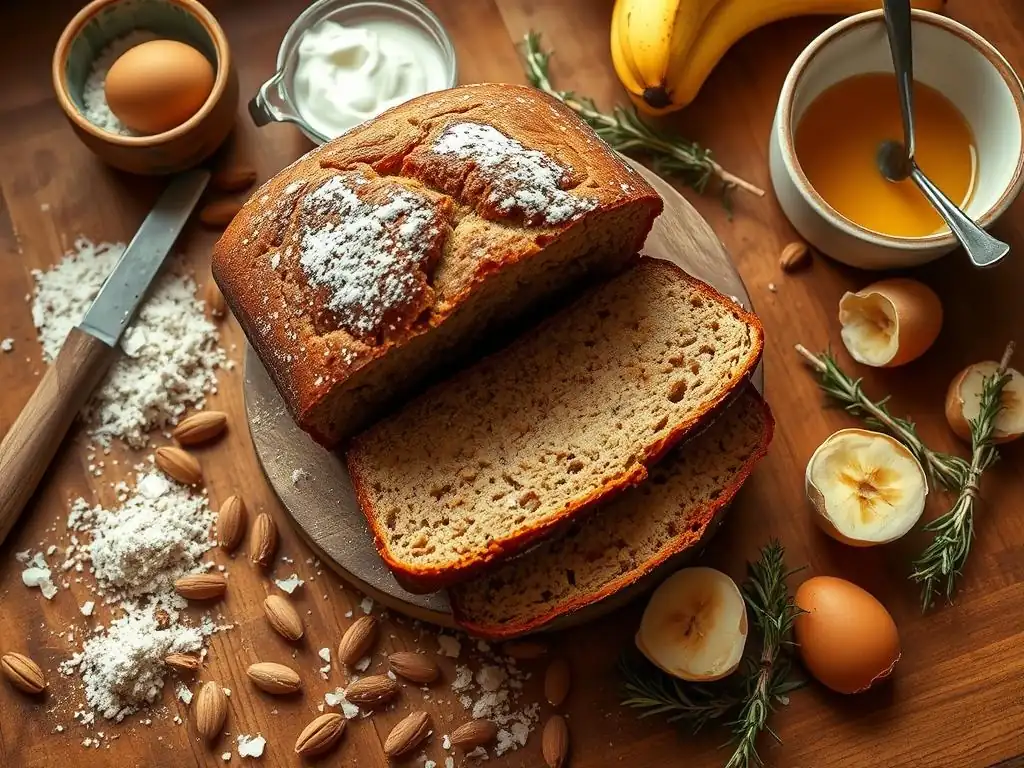
Converting Traditional Recipes to Gluten-Free Almond Flour Recipes
Converting a traditional wheat flour recipe to a gluten-free almond flour version requires more than a simple 1:1 substitution. Almond flour is denser, lacks gluten, and has a higher fat content. A general rule of thumb is to start by substituting wheat flour with almond flour at a ratio of about 1:1 by volume, but then reducing the liquid in the recipe by roughly 1/4 cup per cup of almond flour used.
For example, if a recipe calls for 2 cups of wheat flour and 1 cup of milk, you might start with 2 cups of almond flour and 3/4 cup of milk. However, this is just a starting point, and further adjustments are often needed based on the specific recipe and desired outcome.
You'll almost certainly need to increase the binding agents. If the original recipe uses eggs, you might add an extra egg for every 2 cups of almond flour. If it doesn't use eggs or you need more binding, consider adding a small amount of xanthan gum (1/4 to 1/2 teaspoon per cup of almond flour) or psyllium husk.
Because almond flour browns faster, reduce the oven temperature by about 25°F (15°C) and monitor baking time closely. Gluten-free almond flour baking conversions are often an iterative process; be prepared to test and tweak the recipe over a few batches to get it just right.
Adjusting Liquid Ratios for Almond Flour
Adjusting liquid is perhaps the most critical step when converting recipes for gluten-free almond flour baking. Almond flour absorbs liquid differently than wheat flour. While it might seem drier initially when mixed, it doesn't form the same kind of hydrated network as gluten. Too much liquid will result in a wet batter that bakes into a dense, gummy, or soggy texture. Too little liquid will result in a dry, crumbly product. As a baseline, reduce the liquid by about 15-20% compared to the amount used with wheat flour.
Observe the batter consistency; it should be thicker than a typical wheat flour batter but still pourable or scoopable depending on the recipe type (cake vs. cookie). For cookie dough, it should be cohesive enough to roll or scoop without being excessively sticky or crumbly. If the batter seems too thick after reducing the liquid, add additional liquid (milk, water, or buttermilk) a tablespoon at a time until the desired consistency is reached.
Conversely, if it's too wet, you might need to add a tablespoon or two more almond flour, but be cautious not to add too much dry ingredient, which can lead to dryness. Mastering the liquid balance is key to successful gluten-free almond flour baking conversions.
Converting a Wheat Flour Chocolate Cake Recipe to Almond Flour
Let's consider converting a simple wheat flour chocolate cake recipe calling for 2 cups all-purpose flour, 1.5 cups sugar, 1/2 cup cocoa powder, 1 tsp baking soda, 1/2 tsp baking powder, 1/2 tsp salt, 2 large eggs, 1 cup milk, 1/2 cup oil, and 1 tsp vanilla. For gluten-free almond flour baking:
- Replace 2 cups AP flour with 2 cups finely ground blanched almond flour.
- Keep sugar, cocoa powder, salt, and vanilla the same initially.
- Keep baking soda and baking powder the same; these are crucial for lift in gluten-free almond flour baking.
- Keep eggs the same (2 large) or consider adding one more for extra binding, especially if the cake is large or layered.
- Reduce milk: Instead of 1 cup, start with 3/4 cup milk. Keep the oil the same as it adds essential moisture.
- Consider adding 1/2 teaspoon xanthan gum to the dry ingredients for improved structure.
- Bake at 325°F (160°C) instead of 350°F (175°C).
- Baking time will likely be similar or slightly longer; start checking for doneness around the original recipe's minimum time.
Mix dry ingredients (almond flour, sugar, cocoa, baking soda, baking powder, salt, xanthan gum if using). In another bowl, whisk wet ingredients (eggs, milk, oil, vanilla). Add wet to dry and mix just until combined. Do not overmix. Pour into prepared pans and bake. This adapted approach provides a solid starting point for gluten-free almond flour baking of a classic cake.
To make delicious gluten-free almond flour chocolate chip cookies, you'll need the following ingredients. This recipe yields approximately 18-20 cookies. Precision in measurement, especially for the almond flour, is helpful for consistent results in gluten-free almond flour baking.
- 1 cup (2 sticks or 226g) unsalted butter, softened
- 3/4 cup (150g) granulated sugar
- 3/4 cup (160g) packed light brown sugar
- 2 large eggs (about 100g total)
- 1 teaspoon vanilla extract
- 2 1/2 cups (about 240-250g) finely ground blanched almond flour
- 1 teaspoon baking soda
- 1/2 teaspoon salt
- 1 1/2 cups (about 250g) chocolate chips (use dairy-free if needed for dietary restrictions)
Ensure your butter is softened but not melted, which affects the cookie's spread. Using a mix of granulated and brown sugar provides both crispness and chewiness, desirable textures in gluten-free almond flour baking.
Follow these steps for successful gluten-free almond flour chocolate chip cookies:
- In a large bowl, cream together the softened butter, granulated sugar, and brown sugar using an electric mixer until light and fluffy, about 2-3 minutes. This step incorporates air, contributing to the cookie's texture.
- Beat in the eggs one at a time, mixing well after each addition. Stir in the vanilla extract.
- In a separate medium bowl, whisk together the almond flour, baking soda, and salt. Ensure these dry ingredients are well combined before adding to the wet mixture.
- Gradually add the dry ingredients to the wet ingredients, mixing on low speed or by hand just until combined. Do not overmix the dough.
- Stir in the chocolate chips.
- Cover the dough and chill for at least 30 minutes. Chilling helps prevent excessive spreading during baking, crucial for gluten-free almond flour baking cookies. For best results, chill for 1-2 hours.
- Preheat oven to 325°F (160°C). Line baking sheets with parchment paper.
- Scoop rounded tablespoons of dough onto the prepared baking sheets, leaving about 2 inches between cookies.
- Bake for 10-14 minutes, or until the edges are golden brown and the centers look set but still slightly soft. Baking time will vary depending on your oven and cookie size.
- Let the cookies cool on the baking sheet for 5-10 minutes before transferring them to a wire rack to cool completely. This allows the fragile cookies to set properly.
- Use Blanched, Super-Fine Almond Flour: This is key for a smooth texture. Coarse almond meal will result in a grainy cookie.
- Don't Skip Chilling: Chilling the dough is vital. It solidifies the fats, reducing spread and concentrating the flavors, leading to a thicker, chewier cookie. A longer chill (up to 2-3 days) can deepen the flavor even more.
- Slightly Underbake: For that perfect chewy center, take the cookies out when the edges are set and golden but the center still looks slightly soft. They will continue to cook on the hot baking sheet.
- Press Tops Slightly: For a flatter, more traditional cookie shape, gently press down on the tops of the scooped dough balls before baking.
- Add a Pinch of Sea Salt: Sprinkle a tiny bit of flaky sea salt on top of the cookies immediately after they come out of the oven to enhance the chocolate flavor.
- Check Oven Temperature: Use an oven thermometer to ensure your oven is heating accurately to 325°F (160°C). This temperature is generally preferred for gluten-free almond flour baking cookies to prevent burning due to the fat content.
These tips will help you achieve delicious, classic chocolate chip cookies using gluten-free almond flour baking techniques.
Storing Your Gluten-Free Almond Flour Baked Goods
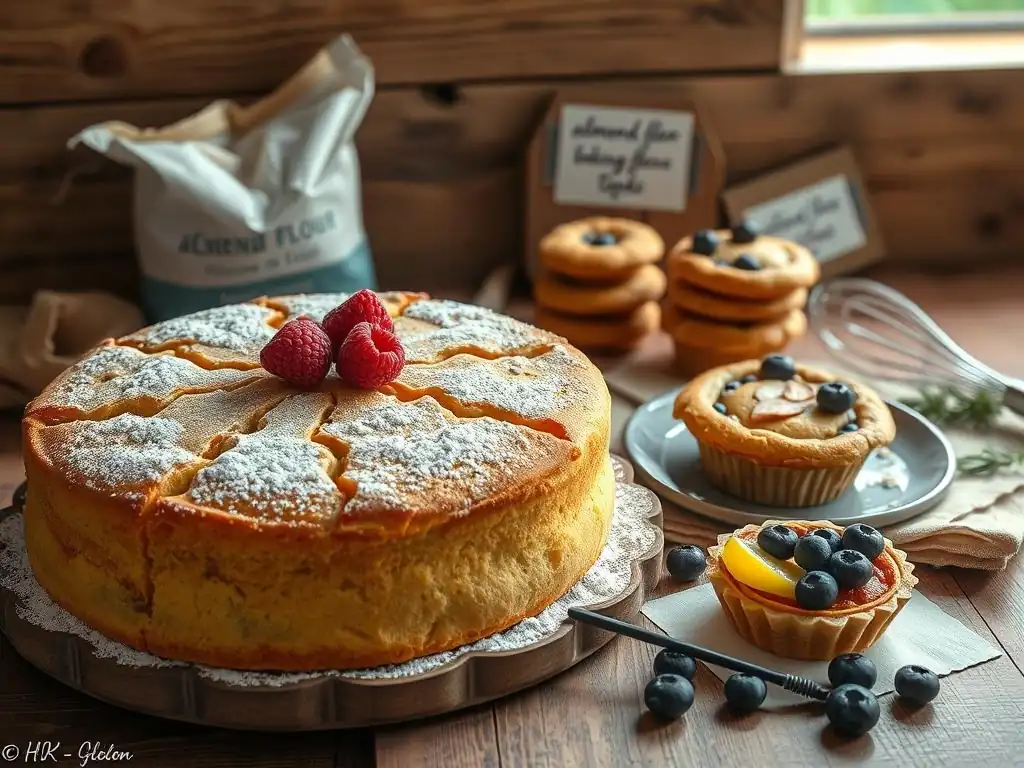
Best Practices for Keeping Almond Flour Treats Fresh
Proper storage is essential to maintain the texture and flavor of your gluten-free almond flour baked goods. Because they contain more fat and often more moisture than traditional baked goods, they can be prone to spoilage if not stored correctly. Most almond flour baked goods, like cookies, muffins, and cakes, are best stored at room temperature in an airtight container for 3-4 days. This prevents them from drying out or absorbing excess moisture from the air.
For longer storage at room temperature, adding a slice of bread to the container with cookies can help keep them soft, as the cookies will absorb moisture from the bread instead of drying out themselves. However, this is less effective for items like cakes or muffins. If you live in a humid climate or plan to store items for more than 3-4 days, refrigeration is recommended.
Store them in an airtight container in the refrigerator for up to a week. Note that refrigeration can sometimes alter the texture, making items slightly firmer. Allowing them to come back to room temperature before serving often improves the texture.
Freezing Almond Flour Baked Goods for Later Enjoyment
Freezing is an excellent option for extending the shelf life of your gluten-free almond flour baked goods, allowing you to enjoy your delicious creations weeks or even months later. Most almond flour cakes, muffins, cookies, and breads freeze exceptionally well. To freeze, ensure the baked goods are completely cooled first. Warm items can create condensation in the packaging, leading to ice crystals and freezer burn.
For individual items like cookies or muffins, you can flash freeze them on a baking sheet for about 1-2 hours until solid. Then, transfer them to a freezer-safe airtight container or heavy-duty freezer bag. This prevents them from sticking together, so you can grab just one or two at a time. Larger items like cakes can be frozen whole, in halves, or individual slices.
Wrap them tightly in plastic wrap, then in aluminum foil, or place them in a freezer-safe container. Properly wrapped gluten-free almond flour baked goods can last in the freezer for 2-3 months. Thaw at room temperature or gently warm if desired.
Advanced Almond Flour Baking Techniques
Working with Almond Flour Pastry
Creating delicate, flaky pastry with almond flour for tarts, pies, or quiches presents a unique challenge in gluten-free almond flour baking due to the lack of gluten structure. Traditional pastry relies on gluten development to create layers of dough separated by fat. With almond flour, the goal shifts to creating a tender, crumbly, shortbread-like crust that holds its shape. Recipes often use a higher ratio of fat to flour compared to wheat pastry, sometimes as high as 1:1 by weight, using cold butter or coconut oil.
To work with almond flour pastry dough:
- Keep ingredients, especially the fat and any liquid (often ice water), very cold.
- Mix minimally, just until the dough comes together. Overmixing can make it tough (even without gluten!) or oily.
- Chill the dough thoroughly (at least 1 hour) before rolling.
- Roll the dough between two sheets of parchment paper to prevent sticking, as it's less elastic than wheat dough.
- Patch any cracks instead of trying to reroll extensively, which can make the dough tough.
- Blind bake the crust if the filling is wet or requires a long baking time to prevent a soggy bottom. Typically, bake at 350°F (175°C) for 15-20 minutes with pie weights, then remove weights and bake for another 5-10 minutes until lightly golden.
Mastering almond flour pastry allows you to create beautiful and delicious gluten-free versions of classic desserts and savory dishes.
Creating Layered Almond Flour Cakes
Layered cakes made with almond flour can be stunning and delicious additions to gluten-free almond flour baking repertoire. The key challenges are ensuring the layers are sturdy enough to stack without crumbling and achieving a tender, moist crumb. As discussed earlier, using adequate binding agents like eggs and potentially a small amount of xanthan gum is crucial for structural integrity. For instance, a two-layer 8-inch cake using 3-4 cups of almond flour might require 3-4 large eggs and 1/2 - 1 teaspoon of xanthan gum.
Baking layered almond flour cakes requires careful temperature control to ensure even baking and prevent excessive browning on the edges before the center is done. Using baking strips soaked in water around the outside of the cake pans can help the edges bake slower, resulting in a flatter top and a more even crumb. Cooling the cakes completely before handling and frosting is non-negotiable; they are quite fragile when warm. Leveling the cakes carefully with a serrated knife once cooled can help create even layers for stacking.
Achieving a Smooth Buttercream Frosting on Almond Flour Cakes
While not directly an almond flour baking technique, the frosting is a critical component of a layered cake. Achieving a smooth, stable buttercream that pairs well with the tender texture of an almond flour cake is important. A classic American buttercream (butter, powdered sugar, liquid, vanilla) works well, but ensuring the powdered sugar is lump-free is key for smoothness. Sifting the powdered sugar is highly recommended.
For a lighter, less sweet option often preferred with the rich flavor of almond flour, consider a Swiss meringue or Italian meringue buttercream. These frostings involve heating egg whites and sugar to a specific temperature (around 160°F or 71°C) before whipping them into a meringue, then gradually adding butter. This process creates a very stable, silky-smooth frosting that is less likely to crust heavily and has a delicate texture that complements the tender almond flour crumb beautifully. Ensuring all ingredients (especially butter) are at the correct temperature is vital for success with meringue buttercreams.
Conclusion: Embracing the Versatility of Almond Flour in Gluten-Free Baking
Gluten-free almond flour baking offers a world of possibilities for creating delicious, nutritious, and satisfying baked goods without relying on wheat. While it presents unique challenges compared to traditional baking, understanding the properties of almond flour and employing specific techniques can lead to incredible results. From tender cakes and chewy cookies to delicate pastries, almond flour proves to be a remarkably versatile ingredient for gluten-free needs.
By paying attention to accurate measurement, proper binding, moisture balance, and temperature control, anyone can master the art of gluten-free almond flour baking. Don't be afraid to experiment and adapt recipes, using the tips and guidelines provided here as your foundation. With practice, you'll discover the rich flavor and wonderful texture that almond flour brings to your kitchen, making gluten-free baking not just possible, but truly enjoyable and rewarding. Embrace the journey into gluten-free almond flour baking and delight in the delicious outcomes!
Frequently Asked Questions
What makes almond flour a good substitute for wheat flour in gluten-free baking?
Almond flour is naturally gluten-free and adds a subtly nutty flavor and moist texture to baked goods. It's also a good source of protein and healthy fats, making it a nutritious alternative.
What are some common challenges when baking gluten-free with almond flour?
Almond flour can be drier than wheat flour, leading to crumbly textures. It also lacks gluten, which provides structure, so recipes may require binders like eggs or xanthan gum for proper cohesion.
How do I properly measure almond flour for gluten-free recipes?
It's best to spoon the almond flour into your measuring cup and level it off with a knife. Avoid scooping directly from the bag, as this can compact the flour and result in too much flour in your recipe.
What types of recipes are best suited for almond flour?
Almond flour works well in recipes like cakes, muffins, cookies, and pancakes. It can also be used in some bread recipes, but often requires a blend with other gluten-free flours for optimal results.
Can I substitute almond flour 1:1 for wheat flour in any recipe?
No, a 1:1 substitution is not recommended. Almond flour absorbs liquid differently and lacks gluten. You'll need to find a recipe specifically designed for almond flour or adapt existing recipes with adjustments to liquid and binding agents.
Final Reflection: The Sweet Success of Gluten-Free Almond Flour Baking
The rising popularity of gluten-free diets, coupled with the increasing demand for healthier baking alternatives, has cemented almond flour's place as a culinary star. Its delicate texture and subtly sweet flavor offer a compelling alternative to traditional wheat flour, but mastering its unique properties requires understanding and practice. This article has explored the nuances of almond flour baking, providing a roadmap to success for both novice and experienced bakers.
The shift towards gluten-free baking isn't just a dietary trend; it represents a broader cultural movement towards mindful eating and inclusivity. It's about creating delicious and satisfying treats for everyone, regardless of dietary restrictions. This journey of exploration into almond flour's potential has been deeply rewarding, reminding me of the power of adaptation and creativity in the kitchen. The best things in life are unexpected.
This certainly holds true for the delightful surprises discovered while experimenting with almond flour recipes.
Now, it's your turn to embrace the possibilities. Don't be intimidated by the unique characteristics of almond flour; instead, see them as opportunities to refine your baking skills and create truly exceptional gluten-free treats. Experiment with different recipes, adjust techniques based on your findings, and most importantly, enjoy the process of discovering your own signature gluten-free almond flour masterpieces. The journey of mastering this versatile ingredient is a rewarding one, filled with delicious discoveries and the satisfaction of creating something truly special.
Unleash Your Inner Gluten-Free Baker!
Thanks for joining us on this delicious journey into the world of almond flour baking! We hope you gained valuable insights and are now brimming with confidence to create amazing gluten-free treats. Ready to take your baking to the next level?
- Dive into our exclusive recipe collection: We've curated a selection of our most popular almond flour recipes, designed to inspire and delight. Find your next baking adventure!
- Share your creations: Show off your almond flour masterpieces on social media using #BakeWithEaseAlmondFlour – we can't wait to see what you bake!
- Explore our comprehensive guide to almond flour: Delve deeper into the nuances of this versatile ingredient and unlock even more baking secrets. This guide covers substitutions, storage and much more.
What's your favorite almond flour recipe, and what are you planning to bake next? Let us know in the comments below!