
Balancing Flavors in GlutenFree Baking: Managing Flour Tastes


Welcome to BakeWithEase, your trusted guide to a delicious world of baking! Ever wondered how to achieve the perfect flavor profile in your gluten-free creations? This article dives deep into gluten-free flour flavor balance, offering expert tips and tricks to manage those sometimes-tricky flour tastes. Ready to unlock the secrets to incredible gluten-free bakes that everyone will love? Let's get started!
- BakeWithEase: Balancing Flavors in Gluten-Free Baking - Managing Flour Tastes
- Understanding the Challenge: The Unique Flavors of Gluten-Free Flours
- Mastering Gluten-Free Flour Flavor Balance: A Baker's Guide
- Techniques for Achieving Gluten-Free Flour Flavor Balance
- Practical Tips for Baking with Gluten-Free Flours and Flavor
- Gluten-Free Flour Flavor Balance: Recipe Adjustments for Better Taste
- Troubleshooting: Common Gluten-Free Flavor Problems and Solutions
- Conclusion: Achieving Delicious Gluten-Free Baked Goods Through Flavor Control
-
Frequently Asked Questions
- What is the main challenge when using gluten-free flour in baking?
- Why do gluten-free flours sometimes have a noticeable taste?
- How can I improve the flavor of baked goods made with gluten-free flour?
- What role do other ingredients play in balancing the flavor of gluten-free baked goods?
- Does the type of gluten-free flour I use affect the overall taste?
- Final Reflection: The Enduring Quest for Gluten-Free Deliciousness
- Unlock the Secrets to Perfectly Balanced Gluten-Free Baking!
BakeWithEase: Balancing Flavors in Gluten-Free Baking - Managing Flour Tastes
Welcome to BakeWithEase, where we demystify baking for everyone! Diving into the world of gluten-free baking opens up new possibilities, but it also introduces unique challenges, particularly when it comes to flavor. Achieving the perfect glutenfree flour flavor balance is key to creating delicious baked goods that stand out. Unlike wheat flour, which has a relatively neutral taste, gluten-free flours each carry their own distinct flavor profiles, textures, and absorption rates, all of which significantly impact the final product. Mastering how to manage these inherent tastes is crucial for success.
This guide will walk you through understanding the specific flavors of common gluten-free flours and provide practical techniques to balance, mask, or complement them, ensuring your gluten-free creations are not just texturally pleasing but also wonderfully flavorful. We'll explore how different flours interact and how simple adjustments can make a world of difference in achieving that desired glutenfree flour flavor balance.
Understanding the Challenge: The Unique Flavors of Gluten-Free Flours
Embarking on gluten-free baking means getting acquainted with a diverse palette of flours, each with its own personality. The absence of gluten, the protein network found in wheat, necessitates the use of alternative flours derived from grains, seeds, nuts, roots, or legumes. While these flours provide the necessary structure and bulk, they often come with flavors that are more pronounced than that of traditional all-purpose wheat flour. These tastes can range from subtly sweet and nutty to earthy, bitter, or even slightly metallic, posing a direct challenge to achieving a harmonious glutenfree flour flavor balance in your baked goods.
The challenge lies in the fact that a single gluten-free flour rarely performs all the functions of wheat flour, nor does it offer the same neutral flavor base. Bakers must often use a blend of several gluten-free flours and starches to mimic the structure, texture, and, importantly, the flavor neutrality needed for versatile baking. Understanding the individual flavor contributions of each component in your blend is the first step towards successful glutenfree flour flavor balance. Without this knowledge, a delicious recipe can easily be undermined by an overpowering or off-putting flour taste.
Why Gluten-Free Flours Taste Different
The distinct flavors of gluten-free flours stem from their origins and processing. Unlike wheat flour, which is milled from the endosperm of the wheat kernel (primarily starch and protein), gluten-free flours are derived from whole grains, nuts, seeds, or root vegetables, often including more parts of the source ingredient like the bran or germ. For example, brown rice flour includes the bran, which imparts a more noticeable, sometimes slightly bitter or earthy, flavor compared to white rice flour.
Almond flour, made from ground almonds, naturally carries the rich, nutty taste of the nut itself. These inherent characteristics are not defects but simply features that need to be accounted for when striving for glutenfree flour flavor balance.
Furthermore, the chemical composition of gluten-free sources differs significantly from wheat. Some contain higher levels of fats (like nut flours), which can influence flavor and shelf life. Others, like some legume flours (e.g., chickpea flour), contain compounds that can produce bitter notes or a noticeable "beany" flavor if not properly managed.
Starches like tapioca or potato starch are more neutral but can sometimes contribute a slightly bland or gummy mouthfeel that indirectly affects the perception of flavor. Recognizing that these flavors are intrinsic to the source material is fundamental to learning how to work with them effectively to achieve glutenfree flour flavor balance.
Impact of Individual Gluten-Free Flours on Baked Goods Flavor
Each gluten-free flour brings its own unique flavor signature to a baked good. Rice flour, particularly brown rice flour, can contribute a slightly grainy or earthy note, while white rice flour is more neutral but can sometimes taste a bit bland on its own. Tapioca starch and potato starch are generally mild but can leave a starchy aftertaste if used in excess, potentially dulling other flavors. Sorghum flour often has a slightly tangy or even subtly sour note, which can be pleasant in some contexts but needs balancing in others.
Nut flours like almond flour or pecan flour introduce rich, nutty, and sometimes slightly sweet undertones, which pair beautifully with certain flavors like chocolate or fruit, but might be overpowering in delicate recipes. Coconut flour has a strong, distinct coconut flavor that is difficult to mask and works best in recipes where that flavor is desired or complemented.
Millet flour can have a slightly grassy or corn-like flavor, while oat flour (ensure certified gluten-free) is generally quite mild and slightly sweet. Understanding these individual impacts is the foundation for intentionally designing gluten-free flour blends and recipes that achieve optimal glutenfree flour flavor balance.
Mastering Gluten-Free Flour Flavor Balance: A Baker's Guide
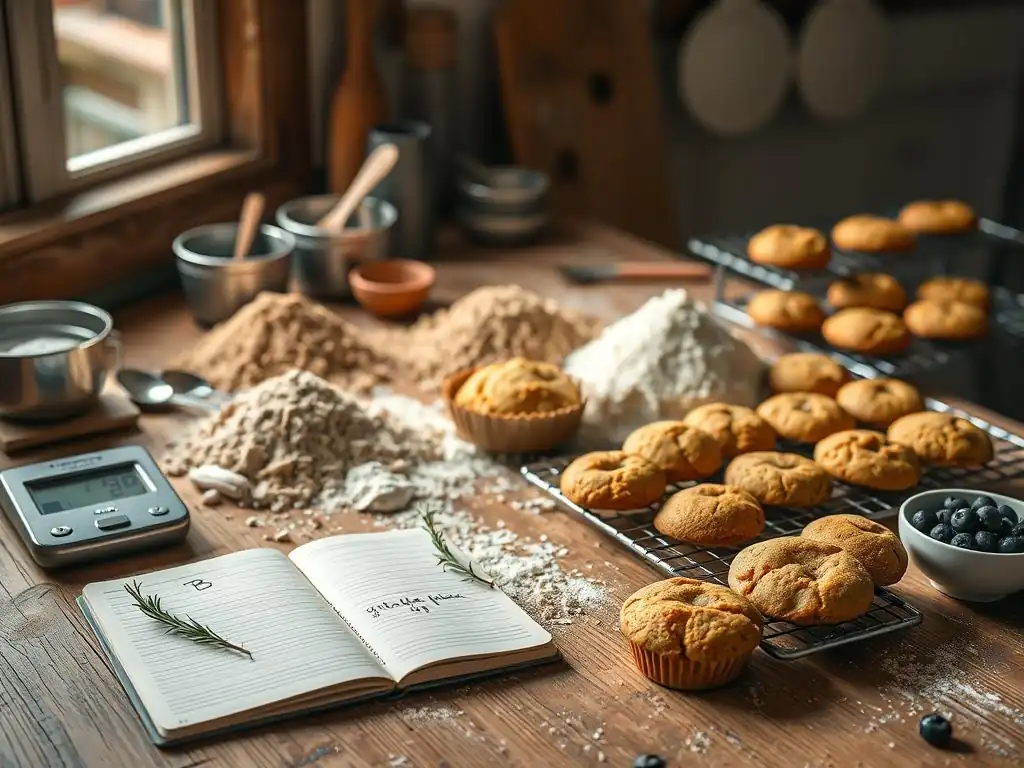
Achieving delicious gluten-free baked goods goes beyond just getting the texture right; it requires a thoughtful approach to managing the flavors contributed by your flour blend. The key to mastering glutenfree flour flavor balance lies in understanding your ingredients and employing techniques to either neutralize unwanted tastes or enhance complementary ones. It's a bit like being a chef creating a sauce – you're layering flavors to build complexity and harmony.
Successful glutenfree flour flavor balance is rarely accidental. It comes from careful selection of flours, precise measurement, and the strategic use of other ingredients to build a flavor profile that is greater than the sum of its parts. This section will guide you through the fundamental principles and practical steps to take control of the flavor of your gluten-free baking.
The Key: Understanding Your Gluten-Free Flour Blend
The cornerstone of achieving great glutenfree flour flavor balance is having a deep understanding of the specific blend you are using, whether it's a commercial mix or one you create yourself. Commercial gluten-free all-purpose blends typically combine several types of flours and starches, often including rice flour (white and/or brown), sorghum flour, millet flour, tapioca starch, and potato starch. Each brand will have a different ratio, resulting in a unique flavor profile.
For instance, a blend heavy in brown rice flour might have a noticeable earthy note, while one with more sorghum flour might be slightly tangy. Checking the ingredient list is vital.
If you are creating your own blend, you have complete control over the flavor profile, but it also requires more knowledge and experimentation. A common homemade blend might consist of 40% whole grain flours (like brown rice, sorghum, or millet), 40% starch (tapioca, potato, corn), and 20% high-protein or specialty flour (almond, oat, buckwheat).
By knowing the typical flavor contribution of each component (as discussed below), you can anticipate the overall flavor of your blend and make adjustments to achieve better glutenfree flour flavor balance. For example, if you find a blend too starchy-tasting, you might reduce the starch slightly and increase a more flavorful whole grain flour, while being mindful of textural impacts.
Common Gluten-Free Flour Flavor Profiles: A Detailed Overview
Let's delve into the specific flavor characteristics of some of the most common gluten-free flours and starches used in baking. Understanding these profiles is essential for predicting how a blend will taste and how to adjust other ingredients for optimal glutenfree flour flavor balance. Each flour presents unique opportunities and challenges.
Rice Flour: Subtleties and How to Manage Them
Rice flour is a staple in many gluten-free blends due to its relatively neutral flavor and fine texture. White rice flour, milled from polished rice, is the most neutral, offering a clean base that absorbs surrounding flavors well. However, in large quantities, it can sometimes contribute a slightly chalky or bland taste. Brown rice flour, which includes the bran, has a more pronounced flavor – often described as slightly nutty, earthy, or even faintly bitter. This stronger flavor can sometimes dominate delicate recipes.
To manage the flavors of rice flour for better glutenfree flour flavor balance, consider the type you use. White rice flour is best for light, neutral-flavored baked goods. If using brown rice flour, pair it with stronger flavors like chocolate, spices (cinnamon, nutmeg), or fruits that can complement or mask its earthiness. Toasting rice flour briefly in a dry pan can also mellow its flavor and improve texture, as discussed later.
Tapioca Starch: Neutralizing the Blandness
Tapioca starch, derived from the cassava root, is primarily used in gluten-free baking for its binding and chewy properties. Flavor-wise, it is quite neutral, which makes it a valuable component in blends as it doesn't introduce strong flavors that require masking. However, its neutrality can sometimes lean towards blandness, and in high concentrations, it can contribute a slightly gummy or starchy mouthfeel that negatively impacts the overall flavor perception.
To maximize glutenfree flour flavor balance when using tapioca starch, ensure it's part of a well-rounded blend that includes flours with more inherent flavor. Avoid using excessive amounts; it's typically used at around 15-30% of a total flour blend. Pair recipes using tapioca starch with robust flavorings like vanilla, citrus, or spices to prevent the final product from tasting flat.
Potato Starch: Dealing with Earthy Undertones
Potato starch, extracted from potatoes, is another common starch used for structure and tenderness in gluten-free baking. Like tapioca, it's relatively neutral but can sometimes carry a very subtle earthy or mineral undertone, especially if not fresh. In larger quantities, it can also lead to a slightly gummy texture or a starchy aftertaste that detracts from the intended flavors, impacting glutenfree flour flavor balance.
Managing potato starch flavor involves using it in moderation within a blend, typically in similar proportions to tapioca starch (15-30% combined starch content is common). Ensure your potato starch is fresh and stored properly to minimize any potential off-flavors. As with tapioca, rely on other ingredients in the recipe – such as butter, sugar, eggs, and flavorings – to provide the primary taste profile, letting the potato starch do its job structurally without contributing negatively to the glutenfree flour flavor balance.
Sorghum Flour: Balancing the Tang
Sorghum flour, milled from the ancient grain sorghum, is a whole-grain gluten-free flour celebrated for its slightly sweet flavor and soft texture contribution. However, it also possesses a distinct characteristic: a subtle tang or slightly sour note. While this can be pleasant in certain applications like pancakes or quick breads, it needs careful consideration in recipes where a purely sweet or neutral flavor is desired to maintain glutenfree flour flavor balance.
To balance the tang of sorghum flour, pair it with flavors that complement or counteract its acidity. Baking soda, a leavening agent, is alkaline and can help neutralize some of the tang, especially when used in recipes with acidic ingredients like buttermilk or molasses. Sweeteners like brown sugar or maple syrup also pair well. Incorporating warming spices like cinnamon or ginger can also help integrate sorghum's unique note into the overall flavor profile, contributing to better glutenfree flour flavor balance.
Almond Flour: Enhancing Nutty Flavors
Almond flour, made from ground blanched almonds, is rich in protein and fat, contributing moisture and a tender crumb to baked goods. Its most prominent feature is its delicious, sweet, nutty flavor. This flavor is generally highly desirable and often enhances the overall taste of cookies, cakes, and muffins. The goal with almond flour isn't usually to mask its flavor, but rather to ensure it complements the other components for harmonious glutenfree flour flavor balance.
To best utilize almond flour's flavor, pair it with ingredients that work well with nuts, such as chocolate, vanilla, fruits (berries, apples), and spices like cinnamon or cardamom. Because almond flour is high in fat, it can sometimes lead to a slightly greasy texture or a flavor that turns rancid if stored improperly. Keeping it in the refrigerator or freezer extends its shelf life and preserves its fresh, nutty taste, which is vital for maintaining good glutenfree flour flavor balance.
Coconut Flour: Minimizing Coconutty Taste
Coconut flour, made from dried, defatted coconut meat, is highly absorbent and carries a strong, distinct coconut flavor. This flavor is very difficult to mask and will be noticeable in any recipe where coconut flour is used in a significant quantity. While wonderful in recipes where coconut is a primary flavor (like macaroons or certain tropical-themed baked goods), it can be challenging to incorporate into recipes requiring a neutral base while maintaining glutenfree flour flavor balance.
If you need to use coconut flour in a blend but want to minimize its impact on the overall glutenfree flour flavor balance, use it in very small proportions, often less than 10-15% of the total flour weight. Pair it with other strong flavors like dark chocolate, coffee, or strong spices that can stand up to the coconut. Alternatively, lean into the flavor and design recipes where the coconut taste is a welcome addition, ensuring it contributes positively to the overall glutenfree flour flavor balance.
Techniques for Achieving Gluten-Free Flour Flavor Balance
Beyond simply choosing the right flours, bakers have several techniques at their disposal to actively manage and improve the flavor profile of their gluten-free creations. These methods involve thoughtful blending, strategic use of other ingredients, and even simple preparation steps. Employing these techniques can significantly elevate your gluten-free baking and ensure excellent glutenfree flour flavor balance.
Blending Gluten-Free Flours for Optimal Flavor
Creating a custom blend or choosing a commercial blend wisely is perhaps the most impactful technique for achieving glutenfree flour flavor balance. A well-designed blend leverages the strengths of individual flours while mitigating their weaknesses. For instance, combining the neutral base of white rice flour with the slightly sweet tang of sorghum flour, the binding power of tapioca starch, and a touch of protein from almond or oat flour can create a blend that offers a more complex and pleasing flavor than any single flour used alone.
Consider the desired outcome when selecting flours for your blend. For a delicate vanilla cake, you'd want a blend with minimal strong flavors, perhaps focusing on white rice flour, tapioca, and potato starch with a small amount of a neutral whole grain like millet or oat. For a hearty muffin, you could incorporate more flavorful flours like brown rice, sorghum, or buckwheat. The goal is to create a foundation where the flour contributes structure and a pleasant background note, allowing other flavors in the recipe to shine, thus achieving optimal glutenfree flour flavor balance.
The Importance of Ratios in Gluten-Free Flour Blends
The specific ratio of flours and starches within a blend is critical for both texture and flavor. A blend that is too high in starches (like tapioca or potato) might result in a gummy texture and a starchy aftertaste, negatively impacting glutenfree flour flavor balance. Conversely, a blend too high in whole-grain flours (like brown rice or sorghum) might result in a dense, dry texture and an overpowering earthy or tangy flavor.
Typical ratios for a versatile gluten-free all-purpose blend often fall around 40-60% whole grain flours, 20-40% starches, and optionally 10-20% protein/specialty flours. For example, a blend might be 30% brown rice flour, 20% white rice flour, 25% tapioca starch, 20% potato starch, and 5% sorghum flour. Adjusting these percentages by just 5-10% can noticeably alter the flavor profile. Experimentation is key; keep notes on how different ratios affect the glutenfree flour flavor balance in your favorite recipes.
Using Flavor Enhancers to Mask or Complement Gluten-Free Flour Tastes
Beyond the flour blend itself, other ingredients in your recipe play a huge role in achieving glutenfree flour flavor balance. Flavor enhancers, such as extracts, spices, and even core ingredients like chocolate or citrus, can effectively mask undesirable flour notes or beautifully complement existing ones. Think of these as your tools for fine-tuning the final taste.
Strategic use of these enhancers is not about drowning out the flour flavor completely (though sometimes that's the goal with strong flavors like coconut flour), but about integrating it into a complex and appealing overall profile. A touch more vanilla, a sprinkle of spice, or the brightness of lemon zest can transform a baked good from tasting "gluten-free" to simply tasting delicious, showcasing excellent glutenfree flour flavor balance.
Vanilla Extract: A Versatile Flavor Mask
Vanilla extract is a baker's best friend, and its role is even more pronounced in gluten-free baking. Its warm, aromatic notes are incredibly effective at smoothing out and masking subtle off-flavors, including the slight bitterness or earthiness that can come from certain gluten-free flours like brown rice or sorghum. A good quality vanilla extract adds depth and sweetness perception without adding sugar.
While a typical recipe might call for 1 teaspoon of vanilla extract, you might find that increasing this slightly, perhaps to 1.5 or 2 teaspoons per cup of flour blend in certain recipes, helps significantly improve glutenfree flour flavor balance, especially in delicate items like vanilla cake or sugar cookies where flour flavor could otherwise be noticeable. However, use too much, and it can become bitter, so start with a slight increase and adjust as needed.
Citrus Zest: Adding Brightness and Complexity
Citrus zest (lemon, orange, lime) contains potent oils that contribute bright, fresh, and slightly acidic notes. This acidity and aroma can effectively cut through and neutralize some of the heavier or earthier flavors found in flours like brown rice, buckwheat, or even sorghum. The vibrant flavor of citrus zest also adds complexity, diverting attention from any subtle off-notes from the flour, thereby enhancing glutenfree flour flavor balance.
Adding 1-2 teaspoons of finely grated citrus zest to batters for muffins, cakes, or quick breads can make a noticeable difference. It pairs particularly well with fruit-based recipes or those containing warming spices. The volatile oils in the zest are best added towards the end of mixing to preserve their potency and maximize their contribution to the glutenfree flour flavor balance.
Spices: Warmth and Depth in Gluten-Free Baking
Spices like cinnamon, nutmeg, ginger, cloves, and cardamom are powerful flavor agents that can beautifully complement the nutty or slightly earthy notes of many gluten-free flours. They add warmth, depth, and complexity, making the overall flavor profile more inviting and helping to mask less desirable undertones. For example, cinnamon works wonderfully with sorghum or brown rice flour.
In recipes like muffins, spiced cakes, or cookies, don't be afraid to use a generous hand with spices. A typical muffin recipe might use 1 teaspoon of cinnamon, but increasing it to 1.5 teaspoons, or adding a pinch of nutmeg or ginger, can help balance the flour flavor. Spices not only add their own distinct taste but also enhance the perception of sweetness, further contributing to good glutenfree flour flavor balance.
Chocolate: A Powerful Flavor Masker
Chocolate, especially cocoa powder and dark chocolate, is one of the most effective flavor maskers available to bakers. Its rich, intense, and slightly bitter notes can easily overpower or integrate the flavors of even the most challenging gluten-free flours, such as coconut flour or some legume flours. If you're struggling with a noticeable flour taste, adding chocolate is often a delicious solution.
In chocolate cakes, brownies, or cookies, the flavor of the cocoa and chocolate will be the dominant profile, making the specific taste of the gluten-free flour blend much less noticeable. For example, a brownie recipe using a blend with a noticeable sorghum tang might find that the rich chocolate flavor completely masks the sour note, resulting in excellent glutenfree flour flavor balance. Using high-quality cocoa powder or melted dark chocolate provides the best masking effect.
Adjusting Sweetness Levels to Counteract Bitter Flavors
Some gluten-free flours, particularly whole-grain varieties like brown rice or buckwheat, can have slightly bitter undertones. Sugar is not just a sweetener; it also interacts with other flavors, often reducing the perception of bitterness. Therefore, adjusting the sweetness level in a recipe can be a simple yet effective way to improve glutenfree flour flavor balance.
If you notice a slight bitterness from your flour blend, consider increasing the sugar content by a small amount, perhaps 10-15% of the original sugar called for in the recipe. For instance, if a cookie recipe calls for 1 cup of sugar, try using 1 cup plus 2 tablespoons. This slight increase can be enough to counteract the bitterness without making the baked good excessively sweet. Alternatively, using sweeteners like brown sugar, maple syrup, or molasses, which have their own distinct flavors, can also help mask bitterness while adding desirable notes that contribute to overall glutenfree flour flavor balance.
Practical Tips for Baking with Gluten-Free Flours and Flavor

Beyond ingredient selection and blending, several practical steps during the baking process itself can influence the final flavor outcome and help you achieve better glutenfree flour flavor balance. These tips relate to preparation, resting times, and moisture management.
Toasting Flours to Enhance Flavor and Reduce Grittiness
Toasting certain gluten-free flours, particularly rice flour (both white and brown), sorghum flour, and oat flour, can significantly improve their flavor profile and reduce grittiness. Toasting in a dry pan or oven at a low temperature (around 300°F or 150°C) brings out nuttier, more complex flavors and mellows any harsh or raw notes. For instance, toasting brown rice flour for 5-10 minutes until lightly golden can transform its earthy taste into something much more palatable and less likely to negatively impact glutenfree flour flavor balance.
To toast, spread the flour in a thin layer on a baking sheet or in a dry skillet over medium heat. Stir frequently to prevent burning. Toast until fragrant and lightly colored. Allow the flour to cool completely before using it in a recipe. This simple step can make a surprising difference in the final glutenfree flour flavor balance of your baked goods.
Resting the Batter: Allowing Flavors to Meld
Allowing gluten-free batters or doughs to rest before baking is often recommended for hydration and texture, but it also benefits flavor development. During resting, the liquids have time to fully hydrate the flours and starches, reducing any starchy or raw flour taste. More importantly, it gives the various flavors from the flours, sweeteners, fats, and flavorings time to meld and integrate.
For cookies, chilling the dough for at least 30 minutes (or even overnight) allows the flavors to deepen and the sweetness to become more integrated, resulting in a more harmonious glutenfree flour flavor balance. Quick bread or muffin batters can benefit from a 15-20 minute rest before baking. This pause allows the flavors to settle and round out, contributing to a better overall taste experience.
The Role of Moisture in Gluten-Free Flavor Development
Moisture plays a critical role in both the texture and flavor perception of gluten-free baked goods. Gluten-free flours often absorb more liquid than wheat flour, and insufficient moisture can lead to dry, crumbly results where the individual, potentially less pleasant, flavors of the flours are more pronounced. Adequate moisture helps hydrate the starches, creating a smoother texture, and also helps distribute flavors more evenly throughout the baked good.
Ensure your recipes have sufficient moisture from sources like eggs, oil/butter, milk/buttermilk, yogurt, or fruit purées. Sometimes, adding an extra tablespoon or two of liquid can improve both texture and glutenfree flour flavor balance. Moist baked goods allow the flavors of sugar, fats, and extracts to come to the forefront, while a dry crumb can leave a lingering taste of the flour blend itself.
Experimenting with Extracts and Emulsions for Flavor Depth
Beyond plain vanilla, a wide variety of extracts and emulsions can be used to enhance and balance the flavors in gluten-free baking. Almond extract pairs wonderfully with recipes using almond flour. Lemon or orange extract can amplify citrus zest. Maple extract complements recipes with brown sugar or sorghum flour. Emulsions, which are water-based and contain microencapsulated flavor oils, are often more potent and heat-stable than alcohol-based extracts, providing a stronger, longer-lasting flavor.
Consider adding a complementary extract to your recipe. For example, a chocolate cake made with a gluten-free blend might benefit from a touch of coffee extract or even a hint of almond extract to deepen the chocolate flavor and distract from any flour notes, contributing to better glutenfree flour flavor balance. A little goes a long way with extracts and emulsions, so start small (e.g., 1/4 teaspoon) and adjust based on taste tests if possible.
Gluten-Free Flour Flavor Balance: Recipe Adjustments for Better Taste
Sometimes, even with a great blend and good techniques, a standard recipe might need slight modifications to truly shine when made gluten-free. Adjusting ingredient proportions based on the specific flavor profile of your gluten-free flour blend is an advanced step towards mastering glutenfree flour flavor balance.
Modifying Recipes to Accommodate Different Gluten-Free Flour Flavors
When adapting a recipe or working with a new gluten-free flour blend, consider the blend's dominant flavor notes and how they might interact with the recipe's intended profile. If your blend is high in sorghum and has a noticeable tang, you might slightly increase the vanilla extract or add a pinch more baking soda if the recipe is acidic. If your blend contains a lot of brown rice flour, consider adding a touch more sugar or pairing it with stronger flavors like molasses or cocoa.
For example, in a simple sugar cookie recipe where the flour flavor is quite exposed, using a very neutral blend (like white rice, tapioca, potato starch) might be best. If you must use a blend with more character (like one containing sorghum or brown rice), you might introduce a complementary flavor like almond extract or lemon zest to improve glutenfree flour flavor balance. It's about anticipating the flavor interaction and making small tweaks to create harmony.
Let's take a classic gluten-free chocolate chip cookie recipe that uses a blend containing a significant amount of sorghum flour (say, 25% of the blend). Sorghum's slight tang could potentially clash with the sweet, rich flavors of the cookie. To achieve better glutenfree flour flavor balance:
- Increase the vanilla extract from 1 teaspoon to 1.5 teaspoons per cup of flour blend.
- Use a mix of granulated sugar and brown sugar (if not already specified), as the molasses in brown sugar complements sorghum's notes.
- Consider adding a pinch of cinnamon (1/4 teaspoon per cup of flour blend) to enhance warmth and complexity, integrating the sorghum flavor more smoothly.
- Ensure you are using good quality chocolate chips, as their strong flavor will help mask any subtle off-notes from the flour.
These small adjustments leverage other ingredients to work with the sorghum flavor rather than fighting against it, resulting in a more delicious cookie with excellent glutenfree flour flavor balance.
Troubleshooting: Common Gluten-Free Flavor Problems and Solutions
Even experienced gluten-free bakers encounter flavor issues. Knowing how to identify the problem and implement targeted solutions is key to consistent success and achieving reliable glutenfree flour flavor balance. Here are some common flavor complaints and how to address them.
Gritty Texture and Flavor: Causes and Remedies
A gritty texture can sometimes manifest as a gritty flavor perception. This is often caused by using gluten-free flours that are not finely milled, particularly rice flour (both white and brown) and sometimes sorghum or millet. The coarse particles don't fully hydrate, leaving a sandy mouthfeel and a raw, unpleasant flour taste that ruins glutenfree flour flavor balance.
- Cause: Coarse flour grind, insufficient hydration time.
- Remedy 1: Use finely milled flours. Look for terms like "superfine rice flour."
- Remedy 2: Allow batters and doughs to rest (see "Resting the Batter" above) for at least 20-30 minutes, or preferably chill doughs for several hours or overnight. This allows the liquid to soften the flour particles.
- Remedy 3: Toasting flours (as discussed above) can sometimes help soften the particles and improve flavor, although it's primarily for flavor enhancement.
Bitter Aftertaste: Identifying and Neutralizing the Source
A bitter aftertaste can stem from several sources in gluten-free baking. It might be an inherent quality of certain flours (like brown rice or buckwheat), the result of rancid fats (either in nut flours or added fats), using too much leavening agent (especially baking soda without enough acid), or even using too much extract. This directly impacts glutenfree flour flavor balance.
- Cause 1: Bitter flour (brown rice, buckwheat).
- Remedy 1: Increase sugar slightly (10-15%), add complementary flavors like chocolate, vanilla, or spices.
- Cause 2: Rancid flour/fat.
- Remedy 2: Store nut flours and oils properly (refrigerator/freezer). Check expiration dates.
- Cause 3: Too much leavening or imbalanced leavening.
- Remedy 3: Check recipe ratios; ensure enough acid is present if using baking soda. Use fresh leavening agents.
- Cause 4: Too much extract.
- Remedy 4: Reduce extract amount slightly in future batches.
Bland Flavor: Adding Depth and Complexity
Sometimes, gluten-free baked goods just taste... flat. This can happen when using a blend that is too high in neutral starches (tapioca, potato) or white rice flour without enough flavorful components or added flavorings. The result is a lack of interesting taste notes, failing to achieve good glutenfree flour flavor balance.
- Cause: Blend too high in neutral starches/flours, insufficient flavorings.
- Remedy 1: Use a blend with a higher proportion of whole-grain flours (sorghum, millet, oat) or nut flours (almond) for more inherent flavor.
- Remedy 2: Increase flavorings like vanilla extract, citrus zest, spices, or chocolate.
- Remedy 3: Use flavorful fats like butter or coconut oil instead of neutral oils.
- Remedy 4: Incorporate ingredients like brown sugar, molasses, coffee, or fruit purées that add depth.
Conclusion: Achieving Delicious Gluten-Free Baked Goods Through Flavor Control
Mastering gluten-free baking involves more than just recreating texture; it requires a nuanced understanding of the unique flavors that gluten-free flours bring to the table. By recognizing that each flour has its own flavor profile – from the subtle earthiness of brown rice to the tang of sorghum or the richness of almond – you can move beyond simply substituting flour and begin to truly engineer delicious results. Achieving excellent glutenfree flour flavor balance is an active process.
Through strategic blending, thoughtful pairing with flavor enhancers like vanilla, citrus, spices, and chocolate, and employing practical techniques like toasting and resting, you can transform potentially challenging flour flavors into assets. Don't be discouraged by initial results that might taste "off." With practice, experimentation, and the tips outlined here, you'll develop an intuition for managing gluten-free flour tastes.
Embrace the diversity of gluten-free flours and learn to work with their inherent characteristics. The journey to achieving perfect glutenfree flour flavor balance is rewarding, leading to baked goods that are not just safe for those with gluten sensitivities but are genuinely delightful for everyone to enjoy. Keep baking, keep experimenting, and savor the delicious flavors you create!
Frequently Asked Questions
What is the main challenge when using gluten-free flour in baking?
The main challenge is achieving a good flavor balance because gluten-free flours often have strong and sometimes undesirable aftertastes compared to wheat flour.
Why do gluten-free flours sometimes have a noticeable taste?
Many gluten-free flours are made from different grains, nuts, or starches, each with its own distinct flavor profile. This variety can lead to a complex and sometimes unbalanced taste in the final baked product.
How can I improve the flavor of baked goods made with gluten-free flour?
You can improve the flavor by blending different gluten-free flours to mask overpowering tastes. Also, consider using flavor enhancers like vanilla extract, spices, or citrus zest.
What role do other ingredients play in balancing the flavor of gluten-free baked goods?
Other ingredients like fats, sugars, and spices can help to mask or complement the flavors of gluten-free flours. They can contribute to a more well-rounded and enjoyable final product.
Does the type of gluten-free flour I use affect the overall taste?
Yes, absolutely! The choice of gluten-free flour is crucial. Some, like almond flour, have a naturally nutty flavor, while others, like rice flour, are more neutral. Choosing the right flour for your recipe impacts the final flavor profile.
Final Reflection: The Enduring Quest for Gluten-Free Deliciousness
The pursuit of perfectly balanced gluten-free baked goods is not merely a culinary challenge; it's a testament to our enduring desire for deliciousness and inclusivity. The subtle nuances of different gluten-free flours, their varying textures and inherent tastes, present a unique set of hurdles for bakers. Mastering these intricacies, as explored throughout this article, is key to unlocking the potential of gluten-free baking and making it truly accessible to all.
The journey to understand and manage the diverse flavors within gluten-free baking has been a fascinating one, revealing not only the technical aspects of flour blends but also the cultural significance of bread and baked goods. These aren't just foods; they are comfort, tradition, and connection. Bread is the staff of life,
a simple phrase that speaks volumes about its importance in our shared human experience. The ongoing evolution of gluten-free baking reflects our commitment to preserving these traditions while adapting to dietary needs and preferences.
Now, consider your own baking experiences. What flavors have you discovered in your gluten-free journey? What challenges have you overcome? I encourage you to continue experimenting, to embrace the unique characteristics of each gluten-free flour, and to share your discoveries with others. The quest for the perfect gluten-free loaf, cake, or cookie is an ongoing one, a delicious adventure filled with learning, creativity, and the rewarding satisfaction of a perfectly balanced bite.
Unlock the Secrets to Perfectly Balanced Gluten-Free Baking!
Thanks for joining us on this flavorful journey into the world of gluten-free baking! We hope you've gained valuable insights into mastering flour blends and achieving delicious results. Are you ready to elevate your baking skills?
- Experiment with a new flour blend: Try substituting one of the flours in your usual mix, such as adding almond flour, and see how it changes the taste and texture. This is the key to discovering your perfect gluten-free recipe!
- Share your baking successes (or challenges!): We'd love to hear about your experiments—what worked, what didn't, and the tasty creations you've made. Join our BakeWithEase community on social media!
- Dive deeper into gluten-free baking techniques: Explore our website for expert tips and tricks on achieving flawless gluten-free results—from mastering leavening agents to crafting the perfect crust.
What unique flavor combination will you create in your next gluten-free masterpiece?