
Flour for Cookies: How to Get That Chewy or Crispy Texture

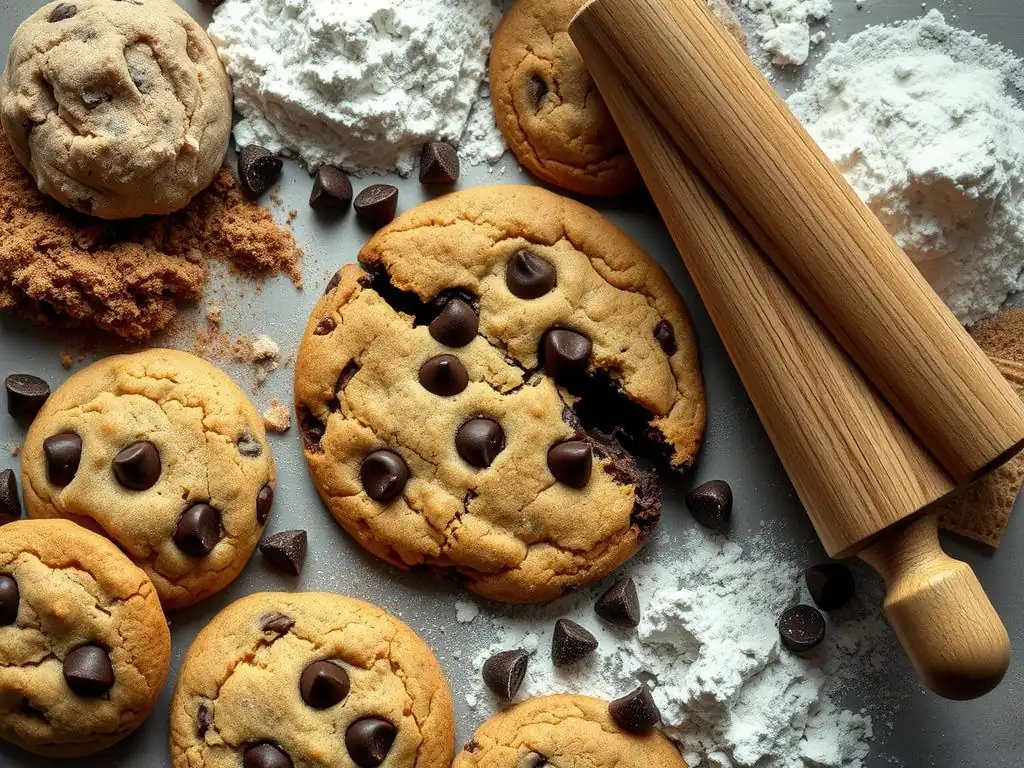
Welcome to BakeWithEase, your haven for all things baking! Ever wondered how just the right flour can transform your cookies from ordinary to extraordinary? Our latest article dives deep into the secrets of achieving that perfect chewy crispy cookie recipe you've always dreamed of. Discover the simple adjustments that unlock a world of textural possibilities and elevate your baking game. Ready to bake better? Let's get started!
- Flour for Cookies: Achieving Perfect Texture - Baking Mastery
- Understanding Flour and Cookie Texture
- The Science of Flour in Cookie Baking
- Choosing the Right Flour for Your Cookie Recipe
- Mastering the Chewy Cookie
- Mastering the Crispy Cookie
- Beyond Flour: Other Factors Affecting Cookie Texture
- Troubleshooting Cookie Texture Problems
- Advanced Cookie Baking: Experimenting with Flour Blends
- Storing Flour Properly for Optimal Baking
-
Frequently Asked Questions
- What types of flour are best for achieving a chewy cookie texture?
- Conversely, what kind of flour is recommended for crispy cookies?
- Does the amount of flour used impact the chewiness or crispness of a cookie?
- Besides flour, what other ingredients contribute to the final texture of the cookie?
- How can I experiment to find my perfect chewy or crispy cookie recipe?
- Final Reflection: The Perfect Bite: Mastering Cookie Texture
- Unlock Your Perfect Cookie Texture!
Flour is arguably the most fundamental ingredient in baking, and its role in determining the final texture of your cookies is paramount. Far from being a simple filler, flour contributes structure, binding, and plays a critical part in how moisture is absorbed and retained during the baking process.
Understanding the different types of flour available and their unique characteristics is the first step towards mastering cookie texture, whether you're aiming for a chewy, crispy, or soft result in your next batch. The variations in protein and starch content among flours directly influence how gluten develops when mixed with liquid, and this gluten network is the backbone of your cookie's structure.
Different flours behave distinctly due to their composition. For instance, a flour high in protein will develop more gluten, leading to a chewier texture, while a flour low in protein will result in less gluten development and a more tender or crispy cookie. Starch, the other major component of flour, absorbs moisture and swells during baking, contributing to the cookie's overall structure and crispness as it cools and sets.
By learning how these components interact, bakers can select the optimal flour or even blend flours to achieve their desired chewy crispy cookie recipe outcome. This foundational knowledge empowers you to move beyond simply following instructions and truly understand the science behind your baking success.
The quest for the perfect cookie often boils down to texture. Some bakers dream of a cookie that's wonderfully chewy in the center with slightly crisp edges, while others prefer a uniformly thin and crispy snap. Still, others seek a soft, cake-like bite. Achieving these distinct textures isn't solely about the recipe ingredients; it's deeply connected to how those ingredients, especially flour, interact and are handled during mixing and baking. A chewy crispy cookie recipe relies on a careful balance of flour type, fat, sugar, and baking technique.
Consider a classic chocolate chip cookie. A recipe aiming for chewiness might use a blend of flours or a higher protein flour, more brown sugar (which retains moisture), and be slightly underbaked. Conversely, a recipe designed for crispiness might call for a lower protein flour, more granulated sugar (which promotes spread and crispness), and be baked until golden brown throughout. Understanding how flour protein content influences gluten formation, and how starch impacts structure and crispness, provides the insight needed to adapt existing recipes or even create your own to hit that perfect textural note every time you bake.
Gluten is a network of proteins (glutenin and gliadin) that forms when flour is mixed with liquid and agitated. This network provides structure and elasticity to doughs and batters. In cookies, the amount of gluten development significantly impacts the final texture. More gluten development leads to a chewier cookie, as the protein strands create a strong, elastic structure that resists breaking. Conversely, less gluten development results in a more tender or crumbly texture, as the structure is weaker and more easily broken.
The extent of gluten development is controlled by several factors: the protein content of the flour, the amount of liquid used, and the mixing time and intensity. High-protein flours, like bread flour, have more gluten-forming proteins, leading to stronger gluten development. More liquid also encourages gluten formation. Overmixing dough can excessively develop gluten, resulting in tough, unpleasantly chewy cookies. This is why many cookie recipes advise mixing just until the dry ingredients are combined – to minimize gluten development and achieve a tender crumb, unless chewiness is the specific goal.
The percentage of protein in flour is a primary determinant of its gluten-forming potential and, consequently, its impact on cookie texture. Flours with higher protein content, typically ranging from 12% to 14% like bread flour, are excellent for creating chewy cookies. The abundance of gluten-forming proteins allows for a robust gluten network to develop, giving the cookie that characteristic pull and chewiness. Think of a bakery-style chewy chocolate chip cookie; it often benefits from the structure provided by a slightly higher protein flour or a technique that encourages moderate gluten development.
On the other hand, flours with lower protein content, such as cake flour (around 6-8%) or pastry flour (around 8-10%), produce less gluten. This results in a more tender, delicate, or crumbly cookie texture.
Using cake flour in a standard cookie recipe can yield a softer, more cake-like cookie, while pastry flour strikes a balance, often used for pies and biscuits but also suitable for cookies where a tender crumb is desired without excessive spread. Understanding these protein ranges helps you predict how a specific flour will behave and allows you to select the right type for your target chewy crispy cookie recipe.
While protein dictates chewiness and structure, starch, which makes up the largest portion of flour (typically 70-80%), plays a crucial role in crispness and tenderness. Starch granules absorb moisture during mixing and baking, swelling and gelatinizing. As the cookie cools, the gelatinized starch sets, contributing to the cookie's structure and firmness. In crispy cookies, the goal is often to minimize moisture and maximize this setting effect.
Flours with different starch characteristics can subtly influence the final texture. However, the primary impact of starch on crispness in cookies is often seen in conjunction with other factors like sugar and fat. Higher amounts of granulated sugar, for example, interfere with gluten development and promote spread, allowing the cookie to become thinner.
As this thin cookie bakes, the starch sets into a brittle structure upon cooling, contributing significantly to that desirable crisp snap. Thus, while protein determines the potential for chewiness, starch, in concert with other ingredients and baking methods, is key to achieving a perfectly crispy cookie texture.
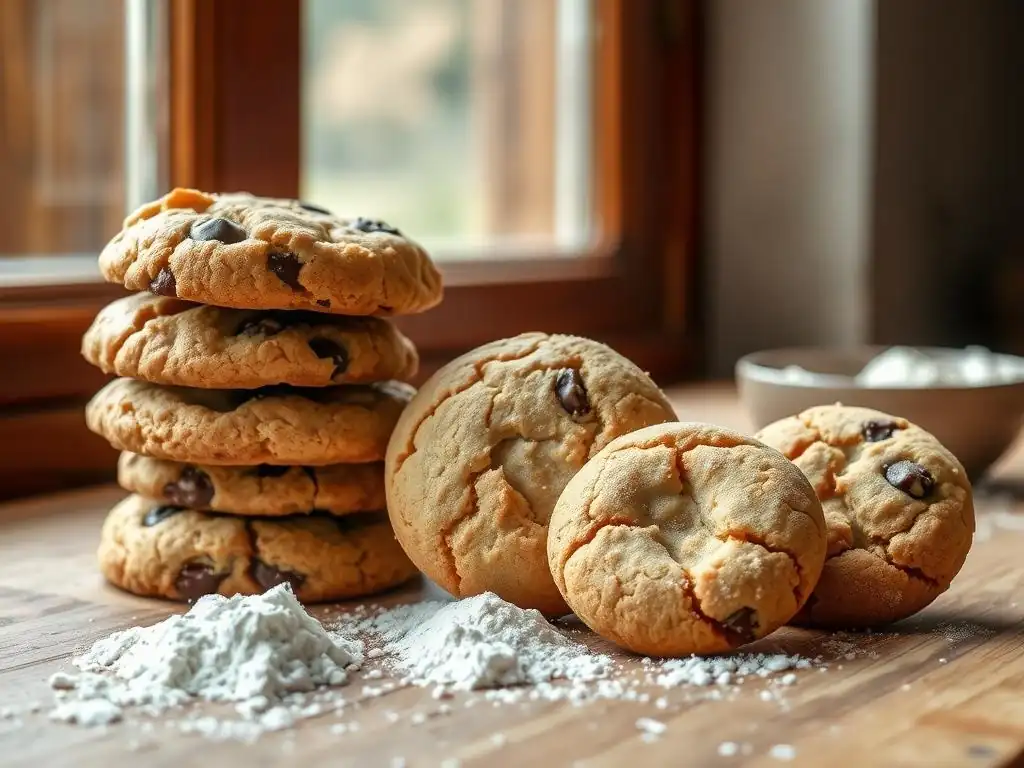
All-purpose flour, as its name suggests, is the most versatile flour and is the default choice for countless cookie recipes. It typically has a moderate protein content, usually ranging from 10% to 12%, which allows for a balanced amount of gluten development. This moderate protein level makes it suitable for producing cookies that are neither excessively chewy nor overly delicate. You can achieve a range of textures with all-purpose flour simply by adjusting other ingredients and baking techniques.
For a standard chewy crispy cookie recipe, all-purpose flour provides a good starting point. If you want slightly chewier results, you might incorporate a small amount of bread flour or use techniques that encourage gluten development, like slightly longer mixing. For a more tender crumb, you could sift the flour (which aerates it and can slightly reduce gluten development) or use the minimum mixing required. Its reliability and widespread availability make all-purpose flour a staple in most cookie baking endeavors.
Cake flour is a finely milled flour with a significantly lower protein content, typically around 6% to 8%. This low protein level means it develops very little gluten, resulting in an exceptionally tender and delicate crumb. When used in cookies, cake flour produces a softer, more cake-like texture rather than a chewy or crispy one. It also tends to lead to less spread during baking compared to all-purpose flour.
Using cake flour is ideal when you're aiming for cookies that are soft and light, like certain types of sugar cookies or shortbread where tenderness is paramount. It's important to note that because of its lower protein and different absorption properties, substituting cake flour directly for all-purpose flour in a recipe designed for the latter may require adjustments to liquid or other ingredients to achieve the desired consistency. For a true chewy crispy cookie recipe, cake flour is typically not the primary flour, though small amounts might be blended in for a touch of tenderness.
Pastry Flour: Balancing Softness and Structure
Pastry flour falls between cake flour and all-purpose flour in terms of protein content, usually landing in the 8% to 10% range. This moderate-low protein level allows for some gluten development, providing structure, but not so much that it creates toughness. It's finely milled, similar to cake flour, which contributes to tenderness. Pastry flour is traditionally used for pie crusts, biscuits, and pastries where a balance of flakiness and tenderness is desired.
In cookie baking, pastry flour can be used to achieve cookies that have a tender crumb while still maintaining some structure and slight chewiness. It's a good option for recipes where you want something softer than an all-purpose flour cookie but not as delicate as a cake flour cookie. Like cake flour, substituting pastry flour for all-purpose flour might require minor recipe adjustments. It offers an interesting alternative for exploring textures beyond the standard chewy crispy cookie recipe using only all-purpose flour.
Bread flour has the highest protein content among common flours, typically ranging from 12% to 14%. This high protein level means it has the greatest potential for gluten development, forming a strong, elastic network ideal for yeasted breads. While not a standard choice for most cookie recipes, bread flour is the secret ingredient for achieving exceptionally chewy cookies. The robust gluten structure provides significant resistance to biting, creating that satisfying chew.
Incorporating bread flour into a cookie recipe, often by substituting a portion of the all-purpose flour, will dramatically increase chewiness. For instance, replacing 1/4 to 1/2 of the all-purpose flour with bread flour in a standard chocolate chip cookie recipe can transform it from a standard cookie into a seriously chewy one. However, using 100% bread flour in a cookie recipe can result in cookies that are excessively tough or bread-like. It's best used strategically, often in combination with lower-protein flours, when the goal is a pronounced chewy texture in your chewy crispy cookie recipe variation.
For bakers avoiding gluten, a wide variety of gluten-free flour options are available, ranging from single-ingredient flours like almond flour, oat flour, or rice flour to pre-mixed gluten-free blends. These flours behave differently than wheat flour because they lack the gluten protein network. Achieving desirable cookie textures with gluten-free flours often relies on the properties of starches and alternative binders.
Gluten-free blends often combine different flours and starches (like rice flour, tapioca starch, potato starch) and may include binders like xanthan gum or guar gum to mimic the structure-building properties of gluten. Single-ingredient flours each bring unique characteristics: almond flour adds moisture and tenderness but can make cookies spread; oat flour provides a chewier, heartier texture; rice flour can contribute crispness. Mastering gluten-free cookie baking involves understanding the properties of specific blends or flours and often requires recipes specifically formulated for gluten-free ingredients to achieve a chewy crispy cookie recipe result without wheat.
High-Protein Flour and its Role in Chewiness
As discussed, high-protein flour, particularly bread flour (12-14% protein), is a key ingredient for maximizing chewiness in cookies. The higher concentration of gluten-forming proteins allows for a more extensive and stronger gluten network to develop when mixed with liquid. This network provides the structure that gives chewy cookies their characteristic resistance and elasticity when bitten into. Using even a portion of bread flour in a recipe originally designed for all-purpose flour can significantly enhance chewiness.
For example, swapping out just 50 grams of all-purpose flour for 50 grams of bread flour in a recipe using 200 grams of flour total can noticeably increase the chewiness of the final cookie. This is especially effective in recipes where other ingredients like brown sugar and melted butter are used, as these also contribute to a moist, chewy texture. The combination of high-protein flour and moisture-retaining ingredients creates the perfect environment for a delightfully chewy cookie.
The amount of liquid (hydration) in a cookie dough directly affects gluten development and the final texture. More liquid allows for more gluten formation, contributing to chewiness. Additionally, higher hydration levels result in a dough that is softer and spreads more during baking. This increased spread can lead to thinner edges that might crisp up, while the higher moisture in the center helps maintain a soft, chewy interior, creating that popular chewy crispy cookie recipe paradox.
Using ingredients like melted butter instead of softened butter, or including an extra egg yolk, can increase the liquid content and contribute to a chewier cookie. Brown sugar, which contains molasses, also adds moisture compared to granulated sugar. Recipes specifically designed for chewiness often have a slightly wetter dough consistency than those for crispy cookies. Resting the dough can also allow the flour to fully hydrate, leading to a more uniform texture and enhanced chewiness.
Beyond ingredients, baking techniques play a crucial role in achieving chewy cookies. Resting the dough in the refrigerator for at least 24 hours is a highly recommended technique. This resting period allows the flour to fully hydrate, leading to a more even distribution of moisture and sugar crystallization, which contributes to both flavor and texture. It also slightly reduces spread, resulting in thicker cookies that retain moisture better.
Baking time and temperature are equally important. Chewy cookies are often baked at a moderate temperature (around 350°F or 175°C) and removed from the oven before they appear fully baked – typically when the edges are set and slightly golden but the centers still look slightly soft or underdone. The cookies continue to cook on the hot baking sheet after removal, and this slight underbaking ensures the center remains soft and chewy rather than drying out and becoming crispy. This controlled baking process is essential for that perfect chewy crispy cookie recipe result.
To achieve a classic chewy chocolate chip cookie, the type of flour is key. A common approach is to use all-purpose flour, but for extra chewiness, many successful recipes substitute a portion (e.g., 1/4 to 1/2 cup per standard batch) with bread flour. This slight increase in protein encourages more gluten development, providing that desirable tug.
The recipe typically uses a higher ratio of brown sugar to granulated sugar, as brown sugar's molasses content adds moisture, contributing to softness and chewiness. Melted butter is often preferred over softened butter because its liquid state promotes spread and results in a denser, chewier texture.
The technique involves mixing the wet and dry ingredients just until combined to avoid excessive gluten development, which could lead to tough cookies. Resting the dough in the refrigerator for at least 24 hours is crucial; it allows the flour to fully hydrate and flavors to deepen, leading to a superior chewy texture.
Baking usually occurs at 350°F (175°C) for a relatively short time, often around 9-11 minutes, until the edges are set but the center is still slightly soft and gooey. Removing them at this stage and letting them cool on the hot baking sheet finishes the baking process while preserving that essential chewiness.
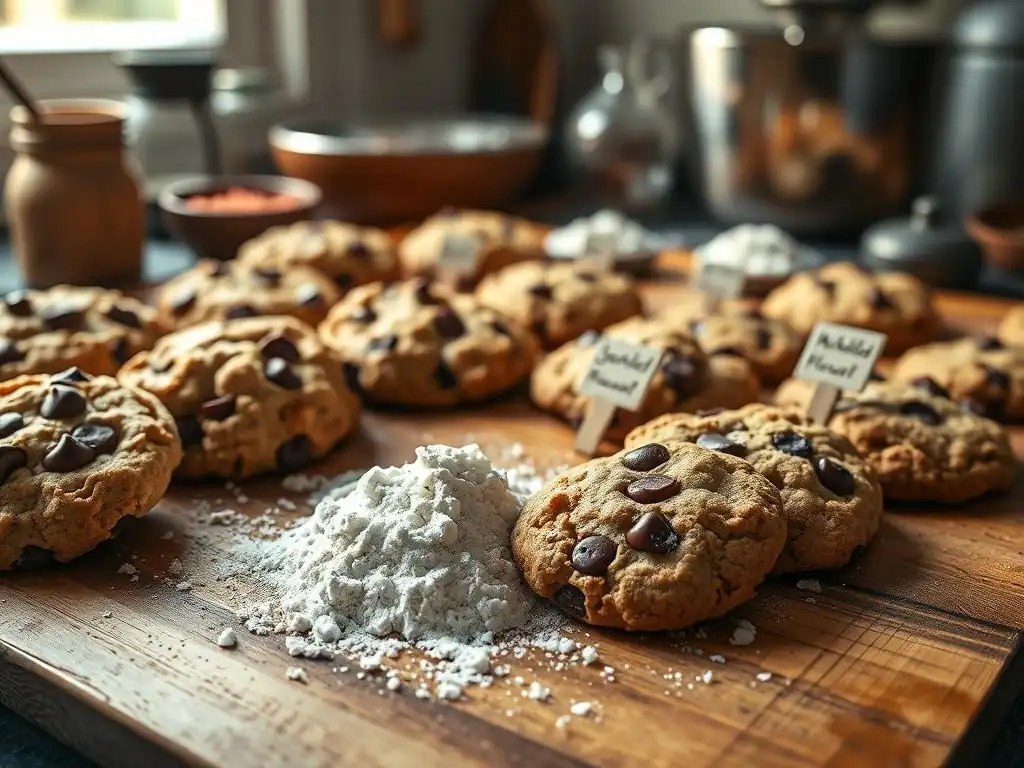
Low-Protein Flour and its Effect on Crispness
For cookies that snap and crumble with satisfying crispness, using a low-protein flour is often the starting point. Flours like cake flour (6-8% protein) or pastry flour (8-10% protein) develop minimal gluten. This lack of a strong gluten network means the cookie structure is less elastic and more prone to breaking, resulting in a tender, crumbly, or crispy texture depending on other factors. While all-purpose flour can also produce crispy cookies, using a lower-protein option makes it easier to achieve a uniform crispness.
When a recipe calls for a crispy outcome, the low protein content ensures that the flour doesn't contribute significant chewiness. Instead, the structure relies more on the setting of fats and sugars as the cookie cools. Using cake flour, for example, in a thin sugar cookie recipe ensures the dough spreads easily and bakes up delicate and crisp rather than thick and chewy. This deliberate choice of flour type is fundamental to mastering the crispy side of any chewy crispy cookie recipe exploration.
Fat plays a significant role in cookie texture, and for crispiness, it's particularly important. Fat inhibits gluten development by coating the flour particles, preventing them from fully hydrating and forming a gluten network. Higher fat content generally leads to more tender and crumbly cookies. However, the type of fat and how it's handled also affects crispness. Using softened butter or shortening, which are solid at room temperature, creates a more structured dough that spreads less during baking. This can lead to thicker cookies.
For maximum crispness, using melted butter can promote more spread, resulting in thinner cookies that bake up crispier. Additionally, fat contributes to the browning and caramelization of sugars, which also enhances crispness. Recipes for crispy cookies often have a higher ratio of fat to flour compared to chewy cookies, and the fat is often creamed with sugar to incorporate air, which also affects spread and texture.
Achieving a crispy cookie relies heavily on minimizing moisture and promoting a thin, even bake. Recipes for crispy cookies often result in a dough that spreads significantly during baking, leading to thin cookies. Thin cookies have less mass and moisture to retain, allowing them to dry out and crisp up thoroughly in the oven and as they cool. Using baking soda can also contribute to spread, as it reacts with acidic ingredients to produce carbon dioxide gas.
Baking temperature and time are critical. Crispy cookies are typically baked at moderate temperatures (around 325-350°F or 160-175°C) for a longer duration than chewy cookies, until they are golden brown all the way through. This ensures that moisture is evaporated and the cookie sets into a firm, brittle structure upon cooling. Baking on a parchment-lined baking sheet also helps promote even browning and prevents sticking, contributing to a uniform crispy texture. These techniques, combined with the right ingredients like low-protein flour and appropriate fat, are essential for a perfect crispy result in your chewy crispy cookie recipe attempts.
A successful thin and crispy sugar cookie recipe typically utilizes all-purpose flour or even a blend that includes a lower-protein flour component to limit gluten development. The key is often a high ratio of granulated sugar to flour, as granulated sugar melts and spreads more readily than brown sugar, leading to thinner cookies. The fat is usually softened butter, creamed extensively with the sugar to incorporate air, which also helps with spread.
The dough is often rolled out very thinly, sometimes just 1/8 inch thick, before cutting shapes. This thinness is crucial for crispness. Baking is done at a moderate temperature, often around 325-350°F (160-175°C), for a longer time than chewy cookies, typically 10-14 minutes, until the cookies are golden brown around the edges and even in the center. They must be allowed to cool completely on a wire rack to crisp up fully. This combination of ingredients promoting spread and techniques ensuring thinness and thorough drying results in that satisfyingly crisp sugar cookie snap.
Sugar is not just for sweetness; it significantly impacts cookie texture. Granulated sugar promotes spread and crispness. It melts during baking, spreading the cookie thin, and as it cools, it recrystallizes into a hard, brittle structure, contributing to a crisp texture. Brown sugar, on the other hand, contains molasses, which adds moisture and slight acidity. This moisture retention makes cookies chewier and softer. It also leads to less spread than granulated sugar and contributes to a richer flavor and darker color.
Powdered sugar, or confectioners' sugar, contains a small amount of cornstarch (usually 3%), which can inhibit gluten development and contribute to a tender, melt-in-your-mouth texture, often seen in shortbread or certain types of snowball cookies. Many recipes for chewy crispy cookie recipes use a combination of granulated and brown sugar to achieve a balance of spread, crispness, and chewiness. The ratio of these sugars is a powerful lever for controlling texture.
Fat is critical for tenderness and texture in cookies. It shortens the gluten strands (hence the term "shortening"), leading to a more tender crumb. Different fats behave differently. Butter, which is about 80-82% fat and 18-20% water, contributes flavor and promotes spread, especially when melted. Softened butter, when creamed with sugar, incorporates air, leading to lighter cookies that spread less than those made with melted butter.
Shortening, typically 100% fat, results in less spread than butter and produces cookies with a more uniform texture and crumbly tenderness. It's often used in recipes where minimal spread and maximum tenderness are desired. Oil, being liquid fat, inhibits gluten development more effectively than solid fats and leads to cookies that are often very tender but can also be greasy and lack the structure provided by solid fats. The type and state of fat used are key decisions in crafting your ideal chewy crispy cookie recipe.
Eggs act as binders and contribute to structure and moisture in cookies. The ratio of yolks to whites can significantly impact texture. Egg whites are primarily protein and water; they contribute to structure and can make cookies more cake-like or crisp depending on other ingredients and baking methods. Egg yolks contain fat and lecithin, an emulsifier. Yolks contribute richness, tenderness, and chewiness.
Using an extra egg yolk in a recipe can increase richness and chewiness, while using only egg whites can lead to a crispier or cakier cookie. A standard large egg contains about 1/3 yolk and 2/3 white by volume, offering a balance. Some chewy cookie recipes specifically call for an extra yolk to enhance that desirable texture. Understanding how each component of the egg functions allows for fine-tuning your chewy crispy cookie recipe.
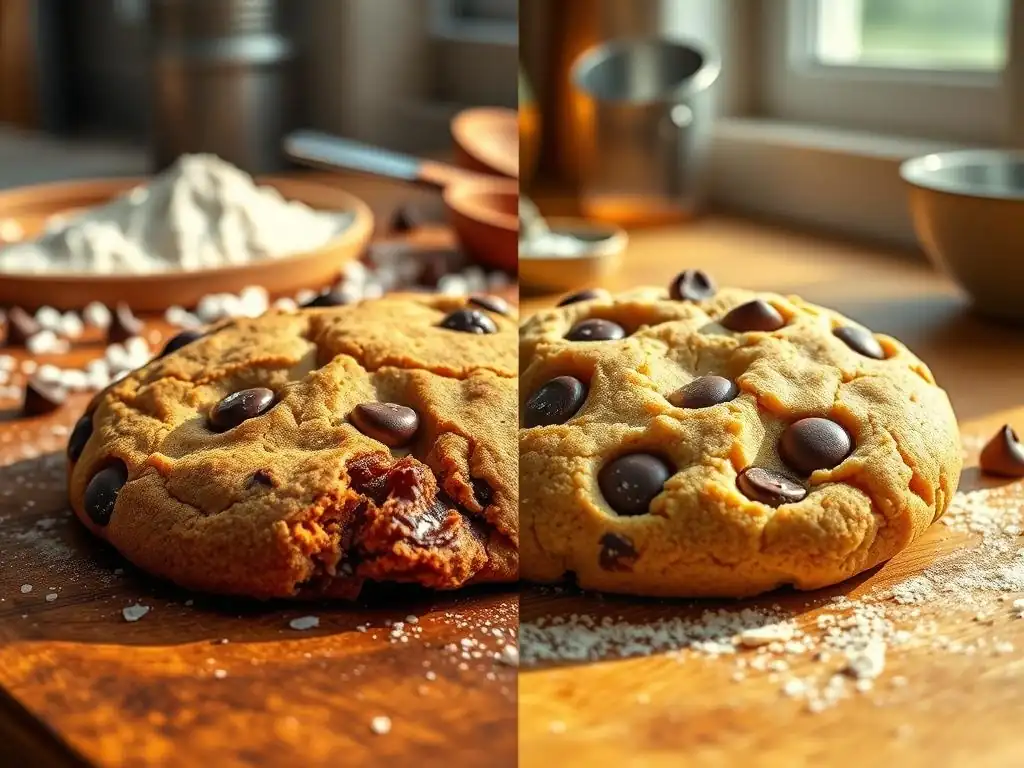
If your cookies turn out too chewy, several factors might be at play. One common cause is using a flour with too high a protein content, such as bread flour, or using too much all-purpose flour without balancing ingredients. Another frequent culprit is overmixing the dough after adding the flour; this develops too much gluten, resulting in a tough, elastic texture. Excessive liquid in the recipe can also contribute to over-chewiness.
To fix cookies that are too chewy in future batches:
- Use a lower-protein flour (like pastry or cake flour, or reduce the amount of bread flour if used).
- Mix the dough just until the dry ingredients are combined. Stop as soon as you see no more streaks of dry flour.
- Ensure your liquid measurements are accurate.
- Try using softened butter instead of melted butter, which can slightly reduce chewiness and spread.
- Increase the ratio of granulated sugar to brown sugar if the recipe uses both.
When cookies come out too crispy or hard, it's often due to too little moisture, too much spread, or overbaking. Using a flour that's too low in protein for the desired texture (e.g., only cake flour when a slight chew is wanted) can contribute. A high ratio of granulated sugar can also lead to excessive crispness and spread. Overmixing can paradoxically lead to both toughness (chewy) and, if baked long enough, excessive crispness around the edges.
To address cookies that are too crispy:
- Ensure you're using a flour with adequate protein for your desired texture (e.g., all-purpose or a mix including some bread flour for chewiness).
- Check your liquid measurements; ensure enough moisture is present (e.g., enough eggs, proper butter state).
- Increase the ratio of brown sugar to granulated sugar if the recipe allows.
- Avoid overbaking. Remove cookies when the edges are set but the centers are still slightly soft.
- Try chilling the dough before baking to reduce spread and keep the cookies thicker.
Flat cookies are a common issue and can be related to flour, fat, sugar, or leavening. Using a flour that is too low in protein can contribute to excessive spread and flatness because there isn't enough gluten structure to hold the cookie's shape. However, fat and sugar are often bigger culprits. Using melted butter instead of softened butter, or creaming the butter and sugar insufficiently, can lead to less air incorporation and more spread. Too much sugar, especially granulated sugar, also promotes significant spread. Using too little flour relative to fat and sugar is another frequent cause.
Solutions for flat cookies:
- Ensure your flour measurements are accurate (using a kitchen scale is best).
- Use softened butter (not melted) unless the recipe specifically calls for melted for a desired texture.
- Cream the softened butter and sugar together for the recommended time (usually 2-3 minutes) until light and fluffy to incorporate air.
- Reduce the amount of sugar slightly, particularly granulated sugar, if possible without compromising sweetness too much.
- Chill the dough thoroughly (at least 30-60 minutes, preferably longer) before baking. Cold dough spreads less.
- Check your leavening agents (baking soda/powder) to ensure they are fresh.
Dry cookies lack moisture and can be crumbly or hard without the desired crisp snap. This can be caused by using too much flour, too little fat or liquid (like eggs), or overbaking. Flour absorbs moisture, so an excess amount will soak up too much liquid, resulting in a dry dough and a dry cookie. Low-fat recipes are also prone to dryness as fat contributes moisture and tenderness.
To prevent dry cookies:
- Measure flour accurately, ideally by weight. If measuring by volume, spoon the flour gently into the measuring cup and level it off; scooping directly from the bag packs the flour and results in too much.
- Ensure the recipe has adequate fat and liquid (eggs, milk if used).
- Avoid overbaking. Remove cookies as soon as they are done or slightly underdone for chewiness/softness.
- Consider adding an extra egg yolk or a tablespoon of milk if the dough seems dry.
- Using brown sugar instead of all granulated sugar can also help retain moisture.
Once you understand how different flours impact texture, you can begin experimenting with blending flours to create custom textures. This allows for fine-tuning a chewy crispy cookie recipe to your exact preference. For instance, combining all-purpose flour with a small percentage of bread flour (e.g., 75% AP, 25% Bread) can increase chewiness without making the cookie too dense or tough. Blending all-purpose flour with a small amount of cake flour (e.g., 80% AP, 20% Cake) can introduce a touch more tenderness while maintaining some structure.
This technique is particularly useful when adapting recipes or trying to replicate a specific texture. Want a chocolate chip cookie that's mostly chewy but has slightly more tender edges? Try a blend. Want a sugar cookie that's mostly crispy but not quite as brittle as one made solely with low-protein flour? A blend might be the answer. Start with small adjustments (e.g., replacing 10-20% of the main flour) and keep notes on your results.
Exploring Different Flour Ratios for Unique Results
Experimenting with varying ratios of different flours opens up a world of textural possibilities. For a cookie with significant chew, you might use a 50/50 blend of all-purpose and bread flour. For a cookie that's tender and soft but still holds its shape, a blend of all-purpose and pastry flour, perhaps 60/40, could be effective. The key is to understand the protein content and characteristics of each flour and predict how combining them will affect gluten development, spread, and final texture.
It's helpful to bake small test batches when experimenting with new flour ratios in your chewy crispy cookie recipe attempts. Keep track of the exact ratios used, along with notes on the resulting texture, spread, and appearance. Over time, you'll develop an intuition for how different blends perform, allowing you to confidently adjust recipes to achieve your desired cookie texture every time. This advanced technique allows you to move beyond standard recipes and truly become a master of cookie texture.
Storing Flour Properly for Optimal Baking
Maintaining Flour Freshness for Consistent Results
Flour, like any pantry staple, has a shelf life, and proper storage is essential for maintaining its freshness and ensuring consistent baking results. Flour can absorb moisture and odors from its environment, and it can also attract pantry pests. Storing flour correctly prevents these issues, ensuring that its protein and starch components remain stable and perform as expected in your chewy crispy cookie recipe endeavors. Rancid or stale flour can impart off-flavors and negatively affect the texture and rise of baked goods.
White flours (all-purpose, cake, pastry, bread) are more shelf-stable than whole wheat or gluten-free flours because the germ and bran, which contain oils that can go rancid, have been removed. However, even white flour benefits from proper storage. Whole grain flours and gluten-free flours containing nuts or seeds have a shorter shelf life due to their higher fat content. Always check the expiration date on the package, but proper storage can help extend its usability.
Best Practices for Storing Different Flour Types
The best way to store flour is in an airtight container in a cool, dry, dark place. This protects it from moisture, light, and pantry pests. Glass, plastic, or metal containers with tight-fitting lids are ideal. Examples include large jars, food-grade plastic bins, or specialized flour canisters. Avoid storing flour in its original paper bag once opened, as these are not airtight.
For longer-term storage or for whole grain and gluten-free flours, the refrigerator or freezer are excellent options. Cold temperatures significantly slow down the oxidation process that causes rancidity and deter pests. If storing in the refrigerator or freezer, ensure the container is truly airtight to prevent the flour from absorbing odors. Allow frozen flour to come to room temperature before using it in a recipe, as cold flour can affect dough temperature and hydration. Following these practices ensures your flour is always ready to help you bake the perfect chewy crispy cookie recipe.
Frequently Asked Questions
For chewy cookies, reach for cake flour or pastry flour, which have lower protein content. These flours limit gluten development, resulting in a softer, chewier bite.
To get that desired crispy texture, opt for all-purpose flour or even bread flour, depending on the specific recipe. The higher protein content promotes more gluten development, contributing to a crispier outcome.
Yes, the amount of flour is crucial. Too much flour generally leads to a drier, crisper cookie, while too little flour can result in a flatter, chewier cookie.
Ingredients like butter, sugar, and eggs also play significant roles. Brown sugar, for example, adds moisture and contributes to chewiness, while melted butter can enhance crispness.
Start with a base recipe and gradually adjust the type of flour you use. Document your changes and results to understand how each adjustment affects the final texture and taste of the cookies.
The quest for the ideal cookie—perfectly chewy in some bites, delightfully crisp in others—is a journey as much about understanding the science of baking as it is about embracing the art of culinary creation. This seemingly simple pursuit reveals a fascinating interplay of ingredients, techniques, and personal preference, a testament to the enduring power of a well-baked cookie. The subtle shifts in texture, from a tender chew to a satisfying snap, are a testament to the precision and artistry involved.
The exploration of chewy versus crispy cookies has resonated deeply with me, highlighting the importance of understanding the fundamental principles of baking. It's not just about following a recipe; it's about understanding why certain ingredients and methods produce specific results. This understanding empowers bakers to adapt and innovate, creating their own unique variations. The best recipes are those that inspire you to experiment and make them your own.
This sentiment perfectly captures the spirit of cookie baking, and indeed, all culinary endeavors.
Now, I invite you to consider your own cookie preferences. What texture do you crave most? What ingredients resonate with your palate? More importantly, what will you create? Don't be afraid to experiment, to tweak recipes, and to discover your own signature cookie—one that perfectly balances chewiness and crispness, reflecting your unique baking style and personal taste. The journey to the perfect bite awaits.
Thanks for taking the time to explore the world of cookie textures with us! We hope you now feel confident in achieving that perfectly chewy or delightfully crispy bite. Ready to put your new knowledge into practice?
- Bake your dream cookies today! Experiment with different flours and techniques to see what works best for you. Don't be afraid to get creative!
- Share your baking triumphs (or even your floury mishaps!) with us on social media using #BakeWithEase. We love seeing your creations!
- Dive deeper into our other baking guides for more tips and tricks – you might just discover your new favorite recipe!
So, what exciting cookie creation will you be whipping up first?