
Your Flour Questions Answered: Everything You Need to Know for BakeWithEase

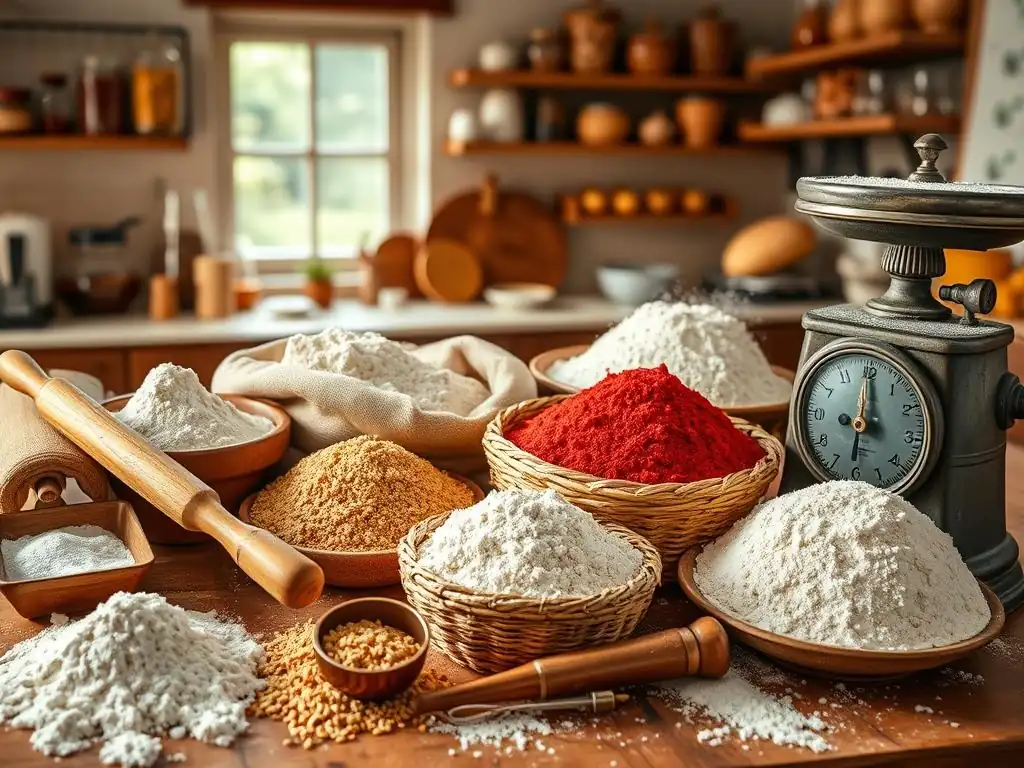
Welcome to BakeWithEase, your haven for unlocking the secrets of the oven! Ever wondered if your flour choice is the key to baking perfection? Dive in as we tackle the most pressing flour types baking questions, demystifying everything from protein content to gluten development. Discover the perfect flour for your next masterpiece and say goodbye to baking uncertainties. Ready to elevate your baking game? Let's get started!
- Understanding Flour for Baking: A Comprehensive Guide
- Exploring Wheat Flour Varieties
- Discovering Non-Wheat Flour Options
- Selecting the Right Flour for Your Baked Goods
- Gluten, Protein, and Flour Storage
- Flour Substitutions and Conversions
- Troubleshooting Common Flour-Related Baking Problems
- Advanced Techniques: Working with Flour
- Expert Flour Tips and Tricks
- Frequently Asked Questions
- Final Reflection: The Humble Flour's Unexpected Power
- Unleash Your Inner Baker: Take the Next Step!
Understanding Flour for Baking: A Comprehensive Guide
Baking is a delightful journey, and at the heart of many recipes lies flour. Understanding the different types of flour and how they behave is fundamental to achieving baking success. Whether you're a beginner trying your first batch of cookies or an experienced baker tackling complex bread, knowing your flour will significantly improve your results and answer many common flour types baking questions. This guide aims to demystify flour, helping you choose the right one for every bake.
Exploring Wheat Flour Varieties
Wheat flour is the most common type used in baking, but it comes in various forms, each with unique characteristics determined primarily by the type of wheat used and how it's milled. These variations in baking flour types impact everything from texture and structure to flavor and absorption.
All-Purpose Flour: A Versatile Choice
All-purpose flour, often simply labeled "AP flour," is a staple in most kitchens for good reason. It's milled from a blend of hard and soft wheat, striking a balance between strength and tenderness. This blend typically results in a moderate protein content, usually ranging from 10% to 12%. This protein level allows it to be used successfully in a wide array of recipes, from flaky pie crusts and tender muffins to sturdy cookies and even some simple breads.
Because of its balanced nature, all-purpose flour is incredibly forgiving and adaptable, making it an excellent choice for beginners navigating flour types baking questions. While it may not yield the absolute best results for highly specialized bakes like delicate cakes or chewy artisan bread compared to their specific flours, it performs reliably across the board. Most standard recipes found in cookbooks or online are developed using all-purpose flour, making it the go-to starting point for countless home bakers.
Bread Flour: For Chewy and Structured Bakes
Bread flour is specifically designed for yeast-leavened breads and other baked goods that benefit from a strong gluten structure. It is typically milled from hard wheat varieties and boasts a higher protein content than all-purpose flour, usually ranging from 12% to 14%. This higher protein level means it contains more gluten-forming proteins, gliadin and glutenin. When kneaded with liquid, these proteins develop into a strong, elastic network – gluten – which traps the carbon dioxide produced by yeast.
This robust gluten network is crucial for creating breads with excellent volume, a chewy texture, and a well-structured crumb. Think of classic sourdough loaves, chewy bagels, or airy pizza dough – bread flour is the ideal foundation for these. Its ability to absorb more liquid than lower-protein flours also contributes to a moist interior while maintaining a crisp crust. If your flour types baking questions involve achieving that perfect chew in your bread, bread flour is likely the answer.
Pastry Flour: Ideal for Tender Pastries
Pastry flour is the secret weapon for achieving incredibly tender and delicate baked goods. Milled from soft wheat, it has a lower protein content than all-purpose or bread flour, typically falling between 8% and 9%. This reduced protein level results in less gluten development when mixed with liquid. Less gluten means a softer, more crumbly texture, which is exactly what you want for pastries.
This flour is perfect for items where tenderness is paramount, such as pie crusts, biscuits, scones, and some cookies. Using pastry flour helps prevent toughness that can occur with higher-protein flours due to excessive gluten formation. While it's not as widely available as all-purpose or bread flour, finding it can significantly elevate the quality of your pastries, yielding layers that melt in your mouth and textures that are light and delicate.
Cake Flour: Creating Light and Delicate Cakes
Cake flour is the lowest protein wheat flour available, milled from soft wheat with a protein content usually between 6% and 8%. It is often finely milled and bleached. The bleaching process not only whitens the flour but also slightly damages the starch molecules, allowing them to absorb more liquid and sugar than unbleached flour. This combination of low protein and increased absorption is key to producing cakes with a very fine, soft crumb and a tender texture.
Using cake flour is essential for achieving the signature lightness and delicate structure of classic layer cakes, cupcakes, and sponges. Its low gluten potential ensures that the cake remains tender rather than becoming tough or dense. If your flour types baking questions revolve around achieving that airy, cloud-like cake texture, switching to cake flour can make a dramatic difference compared to using all-purpose flour.
Whole Wheat Flour: Adding Nutrients and Flavor
Whole wheat flour is fundamentally different from the refined wheat flours discussed above because it includes all parts of the wheat kernel: the bran, germ, and endosperm. Standard white flours only contain the endosperm. Including the bran and germ adds fiber, nutrients, and a distinct nutty flavor. Its protein content can vary depending on the type of wheat (hard or soft), but it generally falls in a similar range to all-purpose or bread flour (11-14%). However, the presence of bran and germ interferes with gluten development, often resulting in denser baked goods.
Baking with 100% whole wheat flour can be challenging due to its impact on texture. The sharp edges of the bran can cut the gluten strands, hindering the development of a strong network. For many recipes, bakers blend whole wheat flour with white flour (like all-purpose or bread flour) to balance flavor, nutrition, and texture. A common ratio for many recipes might be 50% whole wheat and 50% white flour to retain some lightness while incorporating the benefits of whole grains.
Discovering Non-Wheat Flour Options
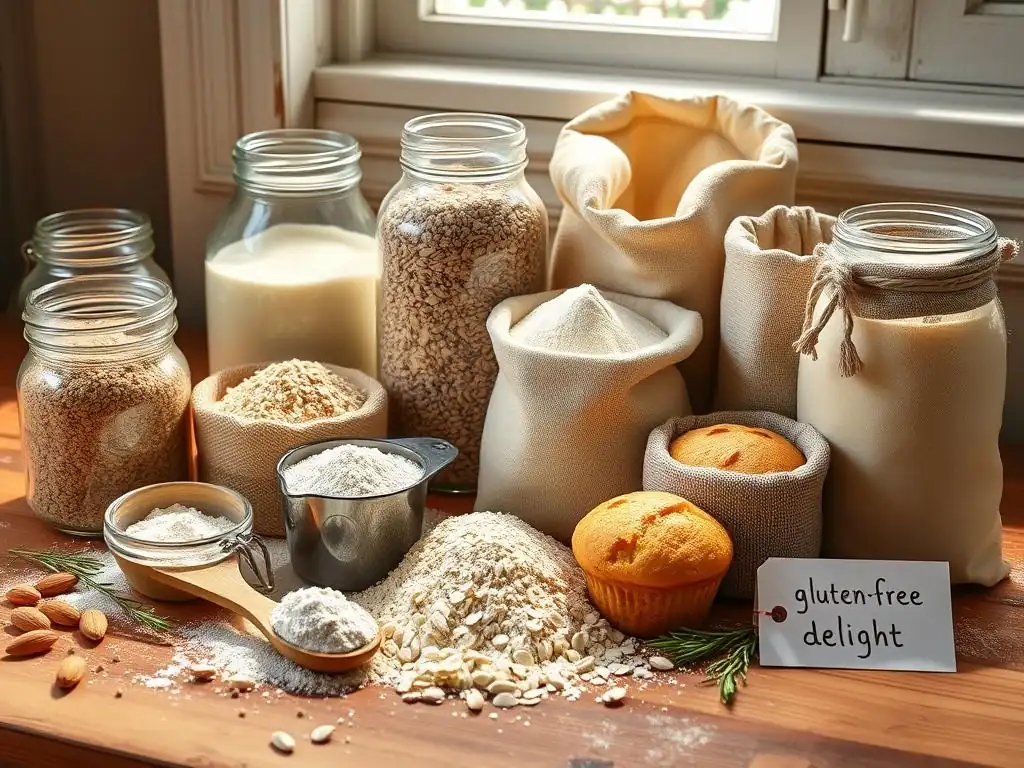
For those with dietary restrictions, seeking different flavors, or simply wanting to experiment, a variety of non-wheat flours are available. These flours behave differently than wheat flours because they lack gluten, which is a key structural component in traditional baking. Understanding their properties is crucial when tackling flour types baking questions outside the realm of wheat.
Almond Flour: Gluten-Free and Nutty
Almond flour is a popular gluten-free alternative made from ground sweet almonds. It's available in blanched (skins removed) and unblanched (skins on) varieties, with blanched being more common for baking due to its finer texture and lighter color. Almond flour is relatively high in fat and protein compared to wheat flour, but low in carbohydrates. This composition gives baked goods a moist, tender crumb and a rich, slightly sweet, nutty flavor.
Because it lacks gluten, almond flour doesn't provide the same structure as wheat flour. Recipes using almond flour often rely on binders like eggs or xanthan gum to help hold things together. It's excellent in cookies, muffins, quick breads, and cakes, often resulting in a denser, more moist product. Substituting almond flour directly for wheat flour in traditional recipes is rarely a 1:1 conversion; recipes need to be specifically developed or adapted for its unique properties.
Coconut Flour: Highly Absorbent and Flavorful
Coconut flour is another gluten-free option, made from dried, defatted coconut meat. It is exceptionally high in fiber and very low in digestible carbohydrates. One of its most defining characteristics is its extreme absorbency. Coconut flour can absorb significantly more liquid than wheat flour or even other gluten-free flours. This means you need much less coconut flour compared to other flours in a recipe, and you'll need to increase the liquid content significantly, often including more eggs which also act as a binder.
Due to its high absorbency and fiber content, baking with coconut flour can be tricky. Without enough liquid and binders, baked goods can turn out very dry and crumbly. It imparts a distinct, slightly sweet coconut flavor, which works well in many desserts and quick breads but might not be suitable for all recipes. Typically, you might use only 1/4 to 1/3 cup of coconut flour for every cup of wheat flour called for, while also adding extra liquid.
Oat Flour: Naturally Sweet and Wholesome
Oat flour is made by grinding rolled oats into a fine powder. It's a versatile gluten-free flour (ensure certified gluten-free oats for celiac disease) that adds a lovely, slightly sweet, and wholesome flavor to baked goods. Oat flour contains beta-glucans, a type of soluble fiber, which can contribute to a slightly chewy or moist texture and add nutritional benefits.
Compared to almond or coconut flour, oat flour is somewhat easier to substitute for wheat flour in certain recipes, particularly in muffins, cookies, and quick breads. A common starting point for substitution is replacing up to 25-30% of the wheat flour with oat flour without major recipe adjustments. For recipes using higher percentages or 100% oat flour, you might need to adjust liquid or add a binder due to its lack of gluten structure.
Rice Flour: A Versatile Gluten-Free Alternative
Rice flour is a staple in gluten-free baking, made from finely milled rice. It comes in white and brown varieties. White rice flour is made from polished rice and has a fine, somewhat powdery texture and a neutral flavor. Brown rice flour includes the bran and germ, offering more nutrients, a slightly coarser texture, and a nuttier flavor. Both types lack gluten and are often used in blends with other gluten-free flours to improve texture and structure in baked goods.
White rice flour is commonly used in gluten-free blends for cakes, cookies, and pastries to provide tenderness and crispness. Brown rice flour is often included for added flavor and fiber in things like bread and muffins within a blend. Because rice flour can sometimes result in a slightly gritty texture or a dry crumb when used alone, it's frequently combined with flours like tapioca starch, potato starch, or sorghum flour in comprehensive gluten-free baking mixes to achieve better results.
Selecting the Right Flour for Your Baked Goods
Choosing the correct flour is one of the most critical steps in successful baking and a frequent source of flour types baking questions. The type of flour dictates the structure, texture, and even flavor of your final product. Matching the flour's properties, like protein content and absorbency, to the desired outcome is key.
Bread Making: Choosing the Best Flour
For most yeast-leavened breads, especially those requiring significant structure and chewiness, bread flour is the top choice. Its high protein content (12-14%) facilitates strong gluten development, which is essential for trapping gases produced by yeast, resulting in good oven spring and a characteristic chewy crumb. Think of crusty artisan loaves, chewy bagels, or pizza dough – bread flour excels here.
However, not all breads require such high protein. Softer sandwich breads might use all-purpose flour (10-12% protein) or a blend, as excessive chewiness isn't desired. Whole wheat bread benefits from bread flour's strength to counteract the bran's interference with gluten, often used in a blend with white bread flour. Rye bread and other specialty breads use different flours, but for classic wheat loaves, bread flour answers most flour types baking questions about achieving great structure.
Cakes and Pastries: Flour Selection for Texture
When it comes to cakes and pastries, tenderness is usually the goal, which means minimizing gluten development. This is where lower-protein flours shine. Cake flour (6-8% protein) is the ideal choice for light, airy cakes like sponges and layer cakes, providing a delicate crumb. Pastry flour (8-9% protein) is perfect for flaky pie crusts, tender biscuits, and scones, offering a balance of tenderness and slight structure.
All-purpose flour (10-12% protein) can be used for many cakes and pastries, especially in recipes designed for it (like many muffin or quick bread recipes), but it will yield a slightly less tender result than cake or pastry flour. Using too high a protein flour, like bread flour, in cakes or pastries will result in a tough, dense texture, highlighting why selecting the right flour is crucial when asking flour types baking questions about achieving specific textures.
Cookies offer a wide range of desired textures, from crisp and chewy to soft and cakey, and the flour choice plays a significant role. All-purpose flour is the most common choice for cookies due to its versatility, producing a balance that works for many standard recipes. Its moderate protein content provides enough structure to prevent excessive spreading while allowing for a tender bite.
For chewier cookies, some recipes might incorporate a small amount of bread flour to increase gluten development. For softer, more cake-like cookies, using a portion of cake flour can reduce gluten and create a more tender crumb. Understanding how protein content affects spread and tenderness helps answer flour types baking questions about achieving your ideal cookie texture. Non-wheat flours like almond flour create distinct textures, often denser and more tender due to the lack of gluten.
Gluten, Protein, and Flour Storage
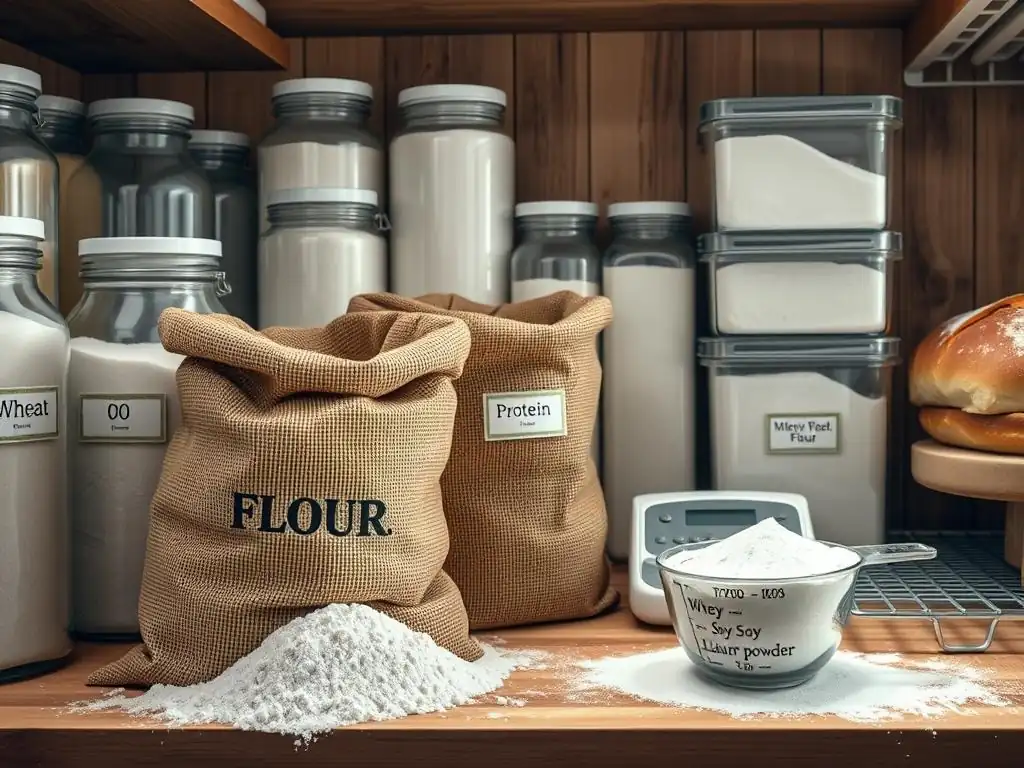
Understanding gluten and protein content is fundamental to mastering baking with wheat flours. How you store your flour is equally important to ensure its freshness and performance over time. These are common areas for flour types baking questions.
Understanding Gluten Content in Different Flours
Gluten isn't actually present in dry flour. It's a complex protein network that develops when two proteins found in wheat flour – gliadin and glutenin – are hydrated and agitated (like kneading). The potential for gluten development is directly related to the protein content of the flour. Flours with higher protein content, like bread flour (12-14%), have more gliadin and glutenin and thus a higher potential for forming a strong, elastic gluten network.
Lower protein flours, such as cake flour (6-8%) and pastry flour (8-9%), contain less of these proteins, resulting in weaker gluten development. All-purpose flour (10-12%) sits in the middle. This is why high-protein flours are used for chewy breads where a strong structure is needed, while low-protein flours are used for tender cakes and pastries where minimal structure is desired. Understanding this relationship is key to answering many flour types baking questions about texture.
Protein Content and its Impact on Baking
The percentage of protein listed on a flour package is a key indicator of its baking properties. Higher protein content (and thus higher gluten potential) leads to stronger dough, better elasticity, more structure, and a chewier texture in the final baked good. This is why bread flour is high in protein – it needs to create a strong framework to support the rise of yeast bread.
Lower protein content leads to weaker dough, less elasticity, less structure, and a more tender, crumbly, or delicate texture. Cake flour is low in protein because you want a soft, fine crumb, not a tough, chewy one. All-purpose flour's moderate protein allows it to function adequately in a wide range of recipes, balancing structure and tenderness. Paying attention to protein content helps solve many flour types baking questions related to achieving desired outcomes.
Proper Flour Storage Techniques
Proper storage is crucial for keeping your flour fresh and preventing it from going rancid or attracting pests. Flour, especially whole wheat flour due to the germ's oils, can become rancid over time, developing an off-flavor. It can also absorb moisture and odors from the environment.
Here are some tips for proper flour storage:
- Store flour in an airtight container. This protects it from moisture, odors, and pests. Glass, food-grade plastic, or metal containers with tight-fitting lids are ideal.
- Keep flour in a cool, dark place. A pantry shelf away from heat sources (like ovens or sunny windows) is best. Heat and light can accelerate spoilage.
- For longer storage, or for whole wheat and gluten-free flours which can spoil faster, consider refrigerating or freezing. In the refrigerator, flour can last for several months; in the freezer, it can last for a year or more.
- Bring refrigerated or frozen flour back to room temperature before using, especially in yeast recipes, as cold flour can inhibit yeast activity.
By following these steps, you can significantly extend the shelf life of your flour and ensure it performs optimally whenever you're ready to bake, avoiding issues that can arise from stale ingredients.
Flour Substitutions and Conversions
Sometimes you don't have the exact flour a recipe calls for, or you want to experiment with different types. Understanding how to substitute and convert flours, especially when dealing with flour types baking questions about gluten-free options or different wheat varieties, is a valuable skill.
Converting Flours in Recipes: A Guide
Substituting one flour for another, especially between wheat and non-wheat flours, is not always a simple 1:1 cup-for-cup swap. Wheat flours have varying protein contents and absorption rates. Non-wheat flours lack gluten and have vastly different absorption rates and compositions (e.g., fat content in almond flour, fiber in coconut flour).
- Wheat Flour Substitutions: You can often substitute all-purpose flour for bread flour in some recipes (like muffins or quick breads) but expect less chewiness. Substituting bread flour for all-purpose in cakes will likely result in a tough texture. Substituting cake or pastry flour for all-purpose is possible in some recipes, but you might need slightly more volume due to their lower density, and the texture will be more tender. A general rule of thumb: use slightly more cake flour (about 1 cup plus 2 tablespoons) for every cup of all-purpose flour, and slightly less pastry flour (about 7/8 cup) for every cup of all-purpose.
- Non-Wheat Flour Substitutions: This is much more complex. Recipes designed for wheat flour cannot usually use a single non-wheat flour as a direct substitute. Gluten-free baking often relies on blends of different flours (like rice, sorghum, tapioca, potato starch) plus binders (like xanthan gum or psyllium husk) to mimic wheat flour's properties. Substituting specific non-wheat flours like almond or coconut requires recipes specifically developed for them or significant adjustments to liquid and binders. For example, coconut flour is highly absorbent, so you use much less of it and significantly increase liquid/eggs.
Bleached vs. Unbleached Flour: Key Differences
Flour can be sold as bleached or unbleached. The primary difference lies in how the flour is aged and whitened. Unbleached flour is naturally aged over time through exposure to air, which helps develop its gluten-forming potential. It has a slightly off-white or creamy color.
Bleached flour is treated with chemical agents (like benzoyl peroxide or chlorine gas) to speed up the aging process and whiten the flour. Chlorine bleaching also slightly damages the starch molecules and protein, allowing the flour to absorb more liquid and sugar.
This quality makes bleached flour, particularly cake flour, ideal for tender cakes as it helps create a finer crumb and prevents the sugar from weighing down the structure. While there are minor differences in how they perform (bleached flour is often preferred for very tender cakes), for many recipes, especially using all-purpose flour, the difference between bleached and unbleached is negligible, and they can be used interchangeably to answer common flour types baking questions about which one to buy.
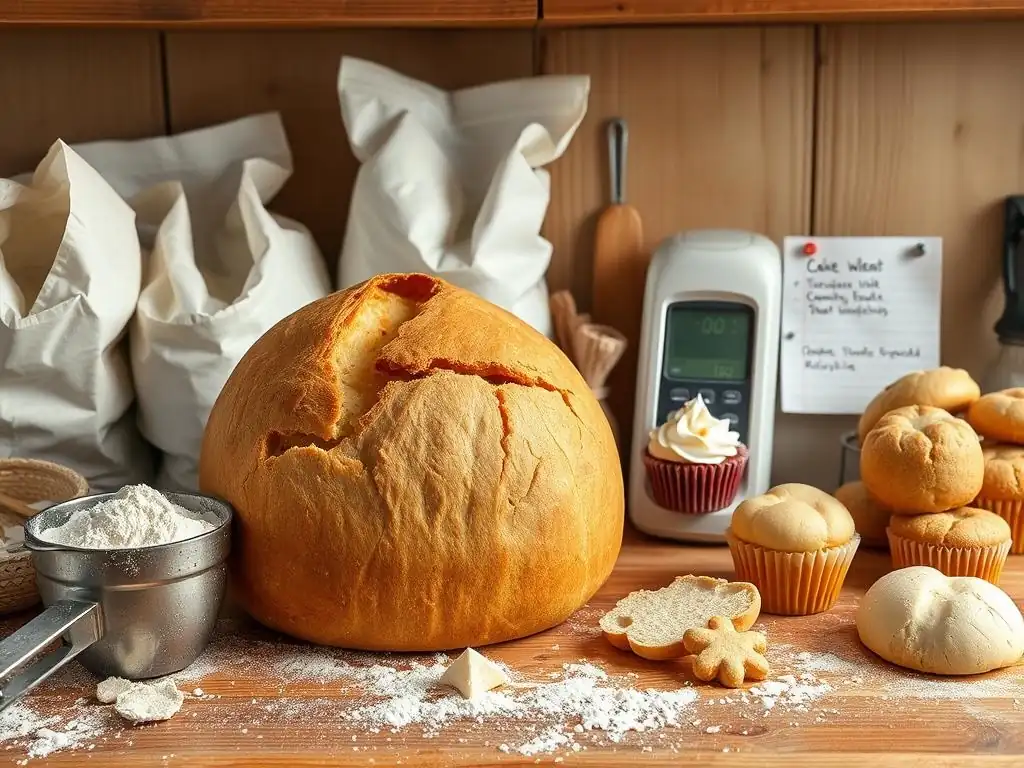
Many common baking mishaps can be traced back to issues related to flour – either the type used or how it was handled. Addressing flour types baking questions often involves diagnosing problems like dense bread, dry cakes, or cookies that spread too much.
Dense Bread: Identifying Flour Issues
Dense bread is a common frustration for bakers, and flour can be a culprit. One primary cause is using a flour with insufficient protein content for the recipe, like using all-purpose flour for a recipe designed for high-protein bread flour. Without enough gluten potential, the dough won't develop a strong enough structure to trap the gases produced by the yeast, resulting in poor rise and a heavy, dense loaf.
Other flour-related issues leading to dense bread include using stale flour (where gluten-forming proteins might be degraded), inaccurate flour measurement (too much flour makes the dough too stiff for proper gluten development and rise), or using whole wheat flour without adequate hydration or blending, as the bran interferes with gluten. Ensuring you're using the correct type of fresh flour and measuring accurately are critical steps.
A dry cake can ruin a baking experience, and flour contributes to this issue. Using a flour with too high a protein content for a cake recipe, such as all-purpose instead of cake flour, can lead to excessive gluten development, which absorbs moisture and results in a tougher, drier crumb. Cake flour, with its lower protein and sometimes treated starches (in bleached varieties), is designed to absorb liquid and sugar differently, contributing to a moist, tender cake.
Over-measuring flour is another frequent cause of dry baked goods. Adding too much dry flour throws off the liquid-to-dry ingredient ratio, resulting in a batter that is too flour-heavy and subsequently dry when baked. Ensuring accurate measurement, ideally by weight, helps prevent this common problem and solves many flour types baking questions about dry results.
Cookies that spread into flat discs instead of holding their shape can be disappointing. While many factors contribute to cookie spread (butter temperature, sugar type, oven temperature), flour type and measurement are significant. Using a flour with too low a protein content (like cake flour) in a recipe designed for all-purpose can lead to excessive spread because there isn't enough gluten structure to hold the cookie's shape as it bakes.
Conversely, using too little flour for the amount of fat and sugar in the recipe will also cause excessive spreading. The flour provides the necessary structure. Ensuring you use the correct type of flour called for in the recipe and measuring it accurately (avoiding packing it into the measuring cup) are key steps to controlling cookie spread and achieving the desired thickness and texture.
Advanced Techniques: Working with Flour
Beyond the basics, understanding how flour interacts with water and time unlocks more advanced baking techniques, particularly relevant to bread making and answering specific flour types baking questions from experienced bakers.
High-Hydration Doughs and Flour Management
High-hydration doughs, typical in artisan bread like ciabatta or some sourdoughs, have a relatively high ratio of water to flour (often 75% hydration or more, meaning 75g of water per 100g of flour). Working with these sticky doughs requires understanding how flour absorbs water and develops gluten over time. High-protein bread flour is often preferred for high-hydration doughs because its strong gluten network can absorb and hold onto a larger volume of water while still maintaining structure.
Managing high-hydration doughs involves techniques like stretch and folds rather than traditional kneading, allowing the gluten to develop more gently. It also requires patience, as the flour needs time to fully absorb the water. The type and quality of flour significantly impact how much water it can absorb and the dough's handling characteristics. Different flours, even of the same type, can have varying absorption rates depending on factors like milling and moisture content.
Autolyse: Enhancing Dough Development
Autolyse (pronounced auto-leez) is a technique where flour and water are mixed together and allowed to rest for a period (from 20 minutes to several hours) before adding other ingredients like salt and yeast. This resting period allows the flour to fully hydrate and enzymatic activity to begin breaking down starches into sugars (food for yeast) and relaxing the gluten network.
The autolyse process helps the gluten begin to develop on its own, making the subsequent kneading (or stretch and folds) easier and more efficient. It can lead to doughs that are more extensible and easier to handle, resulting in baked goods with improved volume and texture. The effectiveness of autolyse is directly related to the flour's ability to hydrate and its protein content, making it a valuable technique for those delving deeper into flour types baking questions about dough handling.
Flour and Sourdough Starters: A Symbiotic Relationship
Sourdough baking relies entirely on a "starter," a living culture of wild yeast and bacteria thriving in a mixture of flour and water. The type of flour used to feed and maintain the starter significantly impacts its health, activity, and the flavor it imparts to the bread. Starters are typically fed with equal parts flour and water by weight.
Rye flour and whole wheat flour are often favored for starting and maintaining sourdough starters because they contain more nutrients and enzymes that wild yeasts and bacteria thrive on. An active starter can also be maintained with all-purpose or bread flour. Regularly feeding the starter with fresh flour provides the necessary carbohydrates for the microorganisms to ferment, producing the gas that leavens the bread and the acids that give sourdough its characteristic tang. The choice of flour for the starter is a key consideration for anyone with flour types baking questions specific to sourdough.
Expert Flour Tips and Tricks
Mastering flour involves more than just knowing the types; it also includes best practices for handling and using it effectively. These expert tips can elevate your baking and help you confidently answer your own flour types baking questions.
Accurate Flour Measurement Techniques
Accurate flour measurement is paramount in baking, as using too much or too little flour can significantly alter the outcome. The most accurate method is weighing your flour using a digital kitchen scale. This eliminates the variability that comes with scooping.
If you don't have a scale, the standard method for measuring flour by volume is the "spoon and level" method:
- Lightly spoon the flour into your dry measuring cup. Do not scoop directly from the bag, as this compacts the flour and results in too much.
- Pile the flour slightly above the rim of the cup.
- Use a straight edge (like the back of a knife or a ruler) to level off the excess flour, allowing the excess to fall back into the flour container.
Avoid tapping the cup, as this will also compact the flour. Following this method helps ensure you're using the intended amount of flour in your recipes, leading to more consistent results.
Preventing Overmixing: A Key to Baking Success
Overmixing is a common pitfall in baking, especially when working with wheat flours, and it's closely related to gluten development. Once liquid is added to flour, mixing begins to develop the gluten network. For tender baked goods like cakes, muffins, biscuits, and pastries, you want minimal gluten development. Overmixing these batters or doughs leads to excessive gluten formation, resulting in tough, dense, or rubbery textures.
For these types of bakes, mix just until the dry ingredients are incorporated with the wet ingredients. A few small lumps are often acceptable. For yeast breads, you do want to develop gluten through kneading, but even here, over-kneading can sometimes lead to a dough that is too tight or tears easily. Being mindful of mixing times and techniques is crucial for controlling gluten development and achieving the desired texture, addressing many flour types baking questions about texture issues.
Exploring Flour Brands and Their Unique Qualities
Not all flours of the same type are exactly identical. Different brands source wheat from different regions, use varying milling processes, and may have slight variations in protein content or moisture levels. For example, the protein content of all-purpose flour can range from 10% to 12% depending on the brand and region (e.g., King Arthur Baking Company's AP flour is often on the higher end of the scale at 11.7%, while others might be closer to 10.5%).
Experienced bakers often find they prefer certain brands for specific purposes because of these subtle differences. Some brands of bread flour might consistently produce a stronger dough, while others might yield a slightly softer crumb. As you gain experience and have more flour types baking questions, experimenting with different brands can help you discover favorites and understand how these variations impact your specific baking projects. Pay attention to protein percentages if listed, as this is a key indicator of performance.
Frequently Asked Questions
What is the best type of flour for making cakes?
Cake flour, with its low protein content, is generally considered the best choice. It produces a tender and delicate crumb that is characteristic of most cakes. Alternatives include pastry flour or a mix of all-purpose and cornstarch.
Can I substitute all-purpose flour for bread flour in a bread recipe?
While you can, the results will differ. Bread flour has a higher gluten content, leading to a chewier, more structured loaf. All-purpose flour will result in a softer, less chewy bread.
What is the difference between bleached and unbleached flour?
Bleached flour is chemically treated to whiten it and soften the gluten, while unbleached flour is naturally aged. Bleached flour is often preferred for delicate pastries and cookies, while unbleached is better for breads and recipes requiring stronger gluten.
How should I properly store flour to maintain its freshness?
Flour should be stored in an airtight container in a cool, dry, and dark place. This protects it from moisture, pests, and odors, ensuring its longevity and quality.
How do I measure flour accurately for baking?
The most accurate way to measure flour is by weight using a kitchen scale. If measuring by volume, spoon the flour into the measuring cup and level it off with a straight edge, avoiding packing it down. This ensures consistent results in your baking.
Final Reflection: The Humble Flour's Unexpected Power
Understanding the nuances of flour is not just about baking a perfect cake; it's about unlocking the potential within each ingredient and mastering the art of culinary creation. The seemingly simple act of choosing the right flour profoundly impacts the texture, flavor, and overall success of your baked goods. This article aimed to demystify the world of flours, and its relevance today lies in the growing interest in home baking and the desire for greater control over the quality of our food.
The journey through different flour types – from the familiar all-purpose to the specialized options like cake flour and rye – has highlighted the rich history and cultural significance embedded within these seemingly simple grains. The subtle differences in protein content, starch composition, and even the milling process profoundly affect the final product. This exploration has reinforced my own appreciation for the artistry involved in baking, reminding me that even the most basic ingredient can hold a world of possibilities. The best flour is the one that best suits your purpose.
– (A quote you could add from a baking expert or your own experience)
Now, I invite you to take this knowledge and experiment! Don't be afraid to try new flours, to adjust recipes based on your findings, and to embrace the occasional baking mishap as a learning opportunity. The world of flour is vast and exciting, and your culinary journey is just beginning. Each loaf, each cookie, each pastry is a testament to your growing understanding and a delicious reward for your curiosity. So, grab your apron, choose your flour, and let the baking begin!
Unleash Your Inner Baker: Take the Next Step!
Thanks for taking the time to explore the wonderful world of flour with us! We hope you now feel more confident and empowered in your baking journey. Ready to put your newfound knowledge into practice?
- Bake something amazing! Try out one of the recipes mentioned in the article, or experiment with a new flour type you've learned about. This is your chance to truly master your baking skills.
- Share your baking triumphs (and even your flour-related fails!) with us on social media! Use #BakeWithEase to connect with our community of passionate bakers.
- Explore our extensive recipe collection on BakeWithEase.com for even more flour-powered inspiration.
What new flour will you experiment with first, and what delicious creation will you bake?