
KidFriendly Baking Window: Safe Time and Temp for Little Bakers

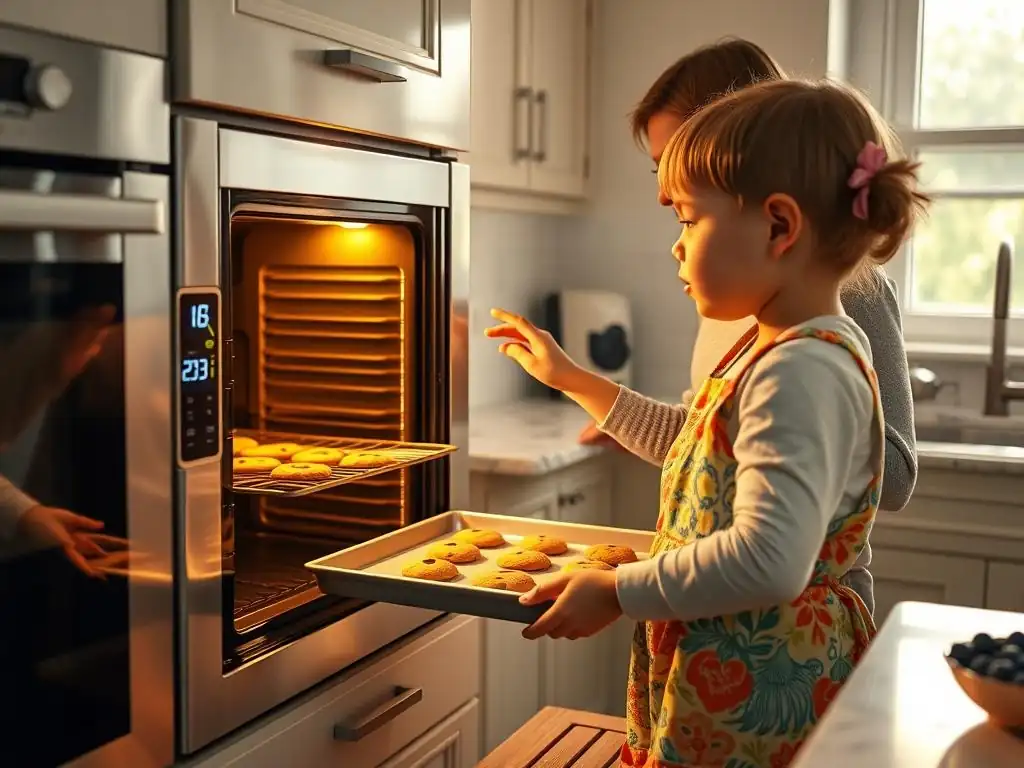
Welcome to BakeWithEase, your haven for unlocking the joy of baking! Ever wondered how to safely introduce your little ones to the magic of the kitchen? This time, we will explore the ins and outs of easy baking for kids, ensuring a fun and secure experience for everyone. Discover the optimal time and temperature windows for kid-friendly recipes, and get ready to create unforgettable memories – and delicious treats – together. Intrigued? Let's dive in and uncover the secrets to a successful and safe baking adventure!
- Baking with Children: A Guide to Safe Temperatures, Times, and Techniques
- Introducing Children to Baking: A Fun and Educational Experience
- Safe Oven Temperatures for Baking with Children
- Kid-Friendly Baking Times: Achieving Perfectly Baked Results
- Essential Safety Practices for Baking with Children
- Simple Baking Recipes for Children
- Essential Baking Tools for Children
- Troubleshooting Common Baking Issues
- Educational Opportunities in Baking
- Expanding Baking Skills
-
Frequently Asked Questions
- What age is considered appropriate for easy baking for kids?
- What are some safe baking tasks kids can help with?
- What temperatures are safe for kids to work around in the kitchen while baking?
- How can I make baking an educational experience for my kids?
- What are some easy baking recipes suitable for beginners?
- Final Reflection: The Sweetness of Shared Baking Experiences
- Unleash Your Inner Pastry Chef!
Baking with Children: A Guide to Safe Temperatures, Times, and Techniques
Introducing Children to Baking: A Fun and Educational Experience
Benefits of Baking with Children
Baking with children offers a wealth of developmental benefits that extend far beyond simply creating a delicious treat. It's a hands-on activity that significantly enhances fine motor skills, as kids practice measuring, mixing, and decorating. Following a recipe introduces them to sequencing and understanding instructions, fostering important cognitive abilities and problem-solving skills. Moreover, baking provides a practical way to learn basic math concepts, such as counting, measuring fractions (like half a cup or a quarter teaspoon), and understanding weights and volumes. It's a fantastic opportunity for easy baking for kids that is both fun and educational.
Beyond the academic advantages, baking together strengthens family bonds and creates cherished memories. Sharing the experience of transforming simple ingredients into something special builds cooperation and teamwork. Children gain a sense of accomplishment and pride when they see the finished product, boosting their self-esteem. It's also a great way to introduce them to healthy eating habits and the origins of their food. Engaging in easy baking for kids can spark a lifelong interest in cooking and healthy living, making it a valuable investment in their development.
Making Baking Safe and Enjoyable
Ensuring a safe environment is paramount when introducing children to baking. The kitchen, with its hot surfaces, sharp tools, and electrical appliances, can pose risks if not managed properly. The first step is preparation: clear the workspace of clutter, ensure adequate lighting, and gather all necessary ingredients and tools before you start. This minimizes distractions and the need to search for items mid-process, which can be dangerous. Setting clear expectations and rules from the beginning, such as "no touching the hot oven rack" or "wait for an adult to handle sharp knives," helps children understand boundaries and potential hazards.
Making the experience enjoyable for young bakers involves choosing age-appropriate tasks and recipes. Start with simple, forgiving recipes that require minimal complex steps, perfect for easy baking for kids. Projects like drop cookies, simple muffins, or no-bake treats are excellent starting points.
Allow children to participate in tasks they can safely manage, such as stirring ingredients in a bowl, decorating cooled cookies, or mashing bananas for muffins. Celebrate their contributions and focus on the fun of the process rather than striving for perfection. Patience and positive reinforcement go a long way in creating a positive and memorable baking experience for everyone involved.
Safe Oven Temperatures for Baking with Children
Importance of Temperature Control
Controlling the oven temperature is a fundamental aspect of successful baking and becomes even more critical when children are involved due to safety concerns. Incorrect temperatures can lead to unevenly baked goods, with exteriors burning before the interiors are cooked through, or items remaining underbaked and potentially unsafe to eat. Maintaining the correct temperature ensures that chemical reactions, like leavening agents activating and proteins setting, occur at the proper rate, resulting in the desired texture and structure. For easy baking for kids, consistent temperature is key to achieving reliable results and avoiding frustration.
Furthermore, oven temperature directly impacts baking time and the development of crust and color. Baking at too high a temperature can cause the outside of baked goods to brown too quickly, creating a hard crust while the inside is still raw. Conversely, baking at too low a temperature can result in dense, pale items that spread too much.
While the adult is responsible for managing the oven, understanding the importance of temperature helps teach children about the science behind baking and the need for precision. Using an oven thermometer can help verify your oven's accuracy, as many residential ovens can be off by 25°F or more.
Recommended Oven Temperatures for Common Baking Projects
Selecting the right oven temperature is crucial for various baked goods. For easy baking for kids, focusing on recipes that use standard, less extreme temperatures is advisable.
Cookies: Temperature Guidelines
Most drop cookies, like classic chocolate chip or oatmeal, are typically baked in a moderate oven, often between 325°F and 375°F (160°C to 190°C). Baking at 350°F (175°C) is a very common temperature for many cookie recipes. This range allows the cookies to bake evenly, developing a slight crispness on the edges while remaining tender in the center. Baking at the lower end of this range, around 325°F, might result in a slightly longer baking time but can be more forgiving and less likely to burn the edges quickly, which is beneficial when learning easy baking for kids.
Cupcakes: Temperature Guidelines
Cupcakes generally require a slightly higher temperature than many cookies to help them rise properly and form a domed top. A standard temperature for cupcakes is 350°F to 375°F (175°C to 190°C). Baking at 350°F is very common and provides a good balance for even baking and rising. The higher temperature helps set the structure quickly. Ensure the oven is fully preheated before placing cupcakes inside; opening the oven door too early or too often can cause them to sink. This makes managing the oven a task strictly for the supervising adult during easy baking for kids.
Quick Breads: Temperature Guidelines
Quick breads, which include muffins, loaves, and scones, often bake at temperatures similar to or slightly higher than cupcakes. Temperatures ranging from 350°F to 400°F (175°C to 200°C) are typical. Muffins are frequently baked at 375°F or 400°F to encourage a quick rise and create a nice "muffin top." Loaf cakes, being denser, are often baked at 350°F to ensure they cook through without the exterior burning. Using the correct temperature for quick breads ensures they are light and fluffy, not dense or gummy, contributing to the success of easy baking for kids.
Kid-Friendly Baking Times: Achieving Perfectly Baked Results
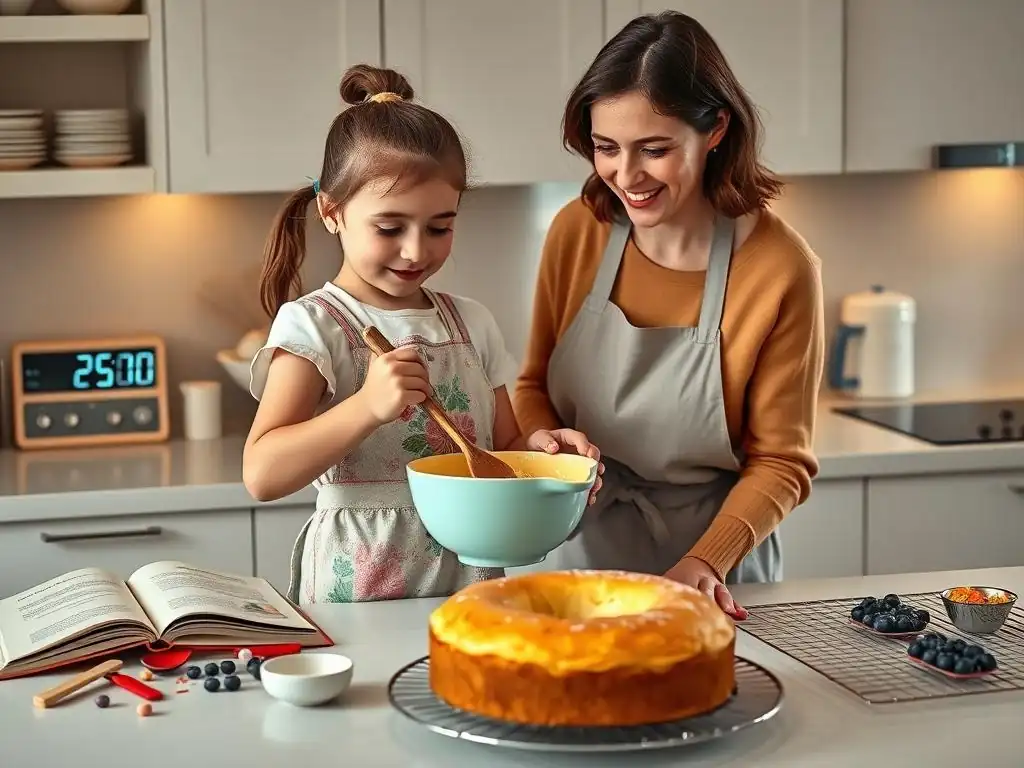
Adjusting Baking Times Based on Temperature
Baking times provided in recipes are always guidelines, and they can vary based on several factors, including the actual temperature of your oven (even if set correctly), the type of pan used, the altitude, and even the humidity. When baking with children, it's important to emphasize that the clock is just one indicator. If you choose to bake a recipe at a slightly lower temperature for safety or forgiveness (e.g., 325°F instead of 350°F for cookies), you will likely need to increase the baking time. Conversely, if your oven runs hot, items might bake faster than the recipe suggests.
For example, a batch of cookies baked at 350°F might take 8-10 minutes, while the same cookies baked at 325°F could take 10-12 minutes or even longer. It's crucial to start checking for doneness at the earlier end of the recipe's time range and then continue baking in short increments (like 1-2 minutes) until the desired doneness is achieved. This approach minimizes the risk of burning and helps teach children that baking requires observation and flexibility, not just strict adherence to a number on a timer, making easy baking for kids more about the process.
Determining Doneness: Child-Friendly Methods
Teaching children how to tell if something is baked is a valuable skill that empowers them in the kitchen. While adults will handle hot items, kids can learn to look for visual cues or even assist with simple tests before items are removed from the oven (under strict supervision).
The Toothpick Test
The toothpick test is a classic and simple method, perfect for cakes, muffins, and quick breads. Once the item has baked for the minimum recommended time, an adult can carefully insert a clean toothpick into the center. If the toothpick comes out clean or with just a few moist crumbs attached, the item is usually done. If it comes out with wet batter, it needs more time. Children can watch this process and learn what "clean" looks like.
To perform the toothpick test:
1.  Ensure the item has baked for the minimum recipe time.
2.  Carefully open the oven door.
3.  An adult inserts a clean toothpick into the deepest part of the baked good (avoiding added chips or nuts).
4.  Carefully close the oven door.
5.  Remove the toothpick and examine it.
6.  Clean toothpick = Done!
7.  Wet batter = Needs more time (bake for 2-5 more minutes before re-testing).
Visual Indicators of Doneness
Visual cues are often the first way children can learn about doneness. For cookies, look for golden-brown edges and centers that appear set, not wet or shiny. Cupcakes and muffins should be well-risen and spring back slightly when gently touched (by an adult). Quick bread loaves will have a golden-brown crust and may show small cracks along the top. Teaching children to observe these changes helps them understand the transformation that occurs during baking and makes easy baking for kids more engaging and intuitive. They can point out when the cookies look "golden" or the muffins look "puffy."
Essential Safety Practices for Baking with Children
Supervision Guidelines
Constant and active supervision is non-negotiable when baking with children, especially when the oven or stovetop is in use. The level of supervision required will vary depending on the child's age and experience, but an adult should always be present in the kitchen. For very young children (preschool age), direct, hands-on supervision is needed for almost every step.
For older children (elementary school age), you might allow them to perform certain tasks independently, like measuring dry ingredients or stirring, but keep a close eye on them, particularly near appliances or when handling utensils. The goal is to guide and assist, not just watch from a distance.
Never leave a child unattended in the kitchen, even for a moment, when baking is in progress. Potential hazards include hot surfaces, spills that can cause slips, sharp tools, and electrical cords. Discussing potential dangers beforehand helps reinforce the rules. Think of yourself as a co-pilot, ensuring the journey is safe and smooth while allowing the child to take the controls on age-appropriate tasks. This dedicated supervision is key to making easy baking for kids a safe and positive activity.
Establishing Clear Rules
Setting clear, simple, and non-negotiable rules before you begin baking is crucial for safety. Discuss these rules with your children beforehand and remind them as needed throughout the process. Post the rules in a visible place if helpful. Examples of essential rules include: "Always wash your hands before starting," "Ask an adult before touching any appliance," "Keep your hands away from the hot oven," "Stand back when the oven door is opened," and "No running or roughhousing in the kitchen."
Make sure the rules are easy for children to understand and remember. Explain why each rule is important in simple terms (e.g., "The oven gets very hot, and touching it can cause a burn"). Consistency in enforcing the rules is key; praise them when they follow the rules and gently correct them when they forget. Establishing this framework of safety rules makes the environment predictable and secure, allowing everyone to relax and enjoy the process of easy baking for kids.
Safe Handling of Hot Items
Handling hot items is arguably the most significant safety concern when baking. Children should never handle hot pans, baking sheets, or dishes straight from the oven or stovetop. This is strictly an adult task. Teach children to identify what is hot – steam rising, red indicator lights on appliances, or items that have just come out of the oven. Use clear verbal warnings like "Hot!" when handling anything heated.
Designate a specific safe area for hot items to cool down, away from the main workspace and out of reach of children. Use oven mitts or pot holders that are clean, dry, and thick enough to provide adequate protection. Teach children to stand back when the oven door is opened to avoid exposure to the rush of hot air. Allow baked goods to cool completely on a wire rack before children handle them for decorating or eating. Emphasizing these practices repeatedly instills good safety habits for easy baking for kids and future kitchen adventures.
Simple Baking Recipes for Children
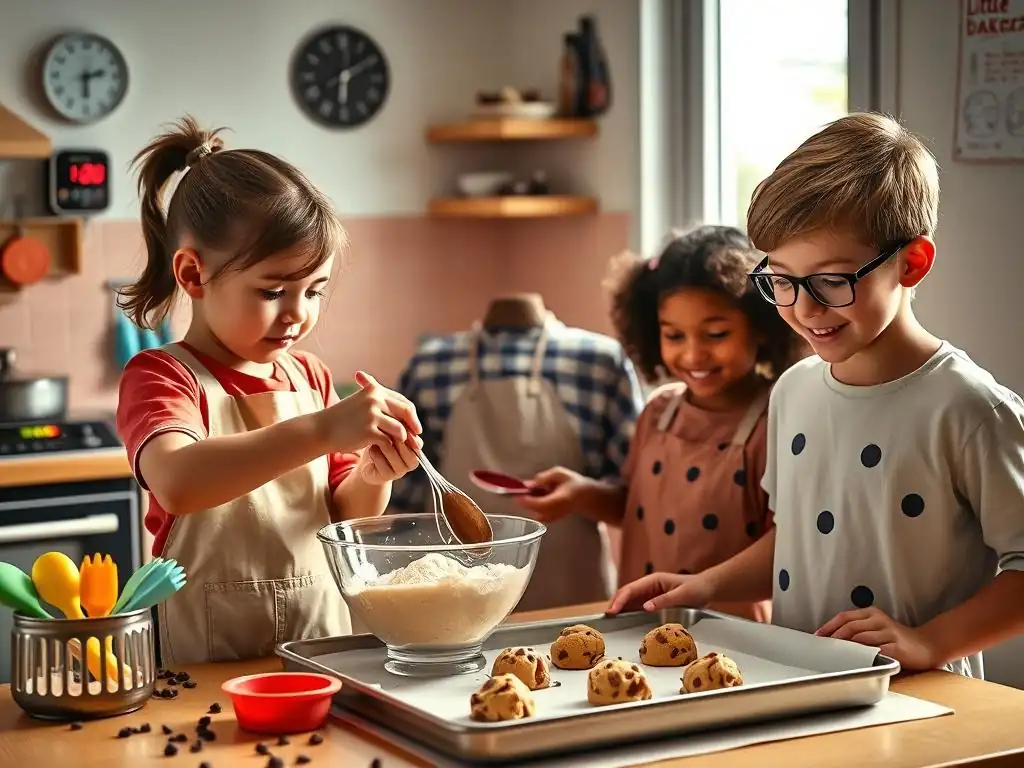
When selecting recipes for easy baking for kids, simplicity is key. Look for recipes with few ingredients, straightforward steps, and minimal need for complex techniques or dangerous equipment.
Classic chocolate chip cookies are a perfect starting point.
- Ingredients: Butter, sugar, eggs, vanilla, flour, baking soda, salt, chocolate chips.
- Tasks for Kids: Measuring dry ingredients, stirring wet ingredients, adding chocolate chips, dropping spoonfuls of dough onto baking sheets (with supervision).
- Why it's great: The dough is forgiving, and the steps are repetitive and easy to follow.
Sugar cookies offer a fantastic opportunity for creativity through decorating.
- Ingredients: Butter, sugar, egg, vanilla, flour, baking powder, salt.
- Tasks for Kids: Mixing dough, rolling dough (with help), using cookie cutters, decorating cooled cookies with frosting and sprinkles.
- Why it's great: Rolling and cutting are fun tactile activities, and decorating allows for personal expression.
Banana Muffins
Muffins are quick, require minimal handling, and are often made with simple pantry staples.
- Ingredients: Flour, sugar, baking powder, salt, mashed bananas, egg, milk, melted butter or oil.
- Tasks for Kids: Mashing bananas, measuring wet and dry ingredients, stirring wet into dry ingredients, spooning batter into muffin liners (with supervision).
- Why it's great: The "muffin method" involves simple wet-meets-dry mixing, and portioning into cups is easy.
Essential Baking Tools for Children
Recommended Tools
Having the right tools, designed for safety and ease of use, can significantly enhance the experience of easy baking for kids. Look for items that are sturdy, easy to clean, and scaled appropriately for smaller hands.
- Silicone Spatulas: Soft, flexible, and gentle on bowls.
- Plastic or Silicone Mixing Bowls: Lightweight and less likely to break than glass or ceramic.
- Measuring Cups and Spoons: Colorful plastic sets are durable and easy for kids to handle.
- Child-Safe Knives: Nylon or plastic knives with serrated edges that can cut soft ingredients like bananas or cooked vegetables but are safe for fingers.
- Cookie Cutters: Large, simple shapes are easiest for little hands.
- Pastry Brushes: Great for glazing or greasing pans safely.
- Kid-Friendly Aprons: Protect clothes and make them feel like a real baker!
- Cooling Racks: Essential for cooling hot items safely (adult places items on rack).
Selecting Safe and Durable Equipment
Prioritize safety when selecting tools for children. Avoid sharp metal edges where possible. Look for tools made from food-grade silicone, sturdy plastic, or wood that is easy to clean. Durability is also important; tools should withstand being dropped or handled enthusiastically. Many companies now offer baking sets specifically designed for children, featuring ergonomic handles and vibrant colors. Investing in a few key kid-specific tools can make the process smoother and more enjoyable for everyone involved in easy baking for kids.
Consider tools that allow for independence within safe limits. For instance, a large whisk might be too difficult, but a smaller, child-sized whisk could be perfect for mixing wet ingredients. Easy-to-read measuring cups help them practice math skills. Ensure all tools are used under supervision and stored safely away when not in use.
Encouraging Child Involvement in Tool Selection
Involving children in selecting some of their baking tools can increase their excitement and sense of ownership in the activity. Let them choose the color of their spatula or pick out fun cookie cutter shapes. Talk about what each tool is used for as you select them. This interaction turns tool selection into another learning opportunity.
Task List: Preparing Baking Tools
- [x] Wash all tools before use.
- [ ] Gather all needed tools for the recipe.
- [x] Place tools within the child's reach (safely).
- [ ] Demonstrate the safe use of each tool.
- [x] Designate a spot for dirty tools.
Allowing them a small say in the process makes them feel valued and more engaged in the overall experience of easy baking for kids. It also helps them learn responsibility for their tools, including washing them after use (age-appropriately, of course).
Troubleshooting Common Baking Issues
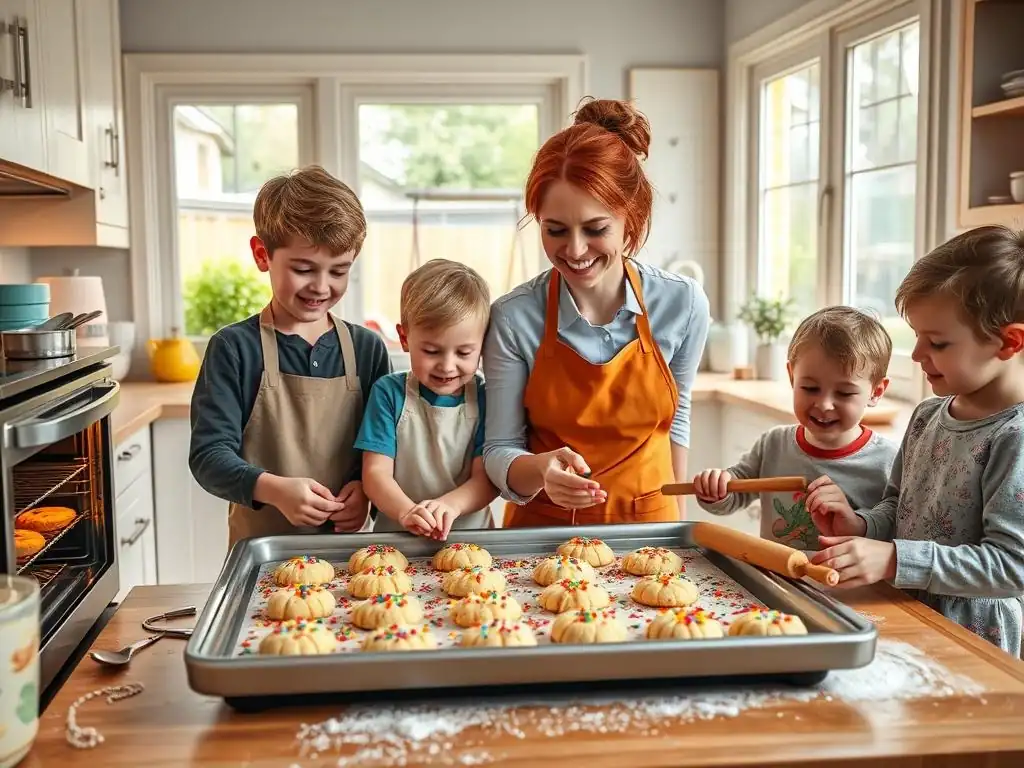
Even with careful planning, things can occasionally go wrong in the kitchen. Learning to identify and fix common issues is part of the baking journey.
Burnt cookies are a common mishap, especially when learning about oven temperatures and times. If the edges of your cookies are consistently burning before the centers are done, the oven temperature might be too high, or the baking sheet might be too dark (dark pans absorb more heat). Try lowering the oven temperature by 25°F (about 15°C) and increasing the baking time slightly. Ensure you are using parchment paper or a silicone baking mat, which can help regulate heat transfer.
Another cause could be placing the baking sheet too close to the heating element. Try baking on the middle rack of the oven. Teach children to look for the first signs of golden edges and understand that this means it's time for an adult to check them soon. While a few burnt cookies might happen, they serve as a learning experience about the importance of watching the clock and the visual cues.
Correcting Underbaked Items
Underbaked items, like cookies that are too soft in the center or muffins that are gooey, often result from insufficient baking time or a temperature that's too low. If you notice items are underbaked when the timer goes off, you can often return them to the oven for a few more minutes.
When in doubt, give it a few more minutes! It's often easier to fix something slightly underbaked than something burnt.
For cookies, if they are still pale and soft, put them back in for 1-3 minutes at a time until the edges are golden. For muffins or quick breads, use the toothpick test. If it comes out with wet batter, return the pan to the oven for 5-minute increments until a clean toothpick is achieved. Ensure your oven is fully preheated before baking, as putting items into a cool oven is a frequent cause of underbaking.
Achieving Even Baking
Unevenly baked goods can be frustrating. This often happens because of hot spots in the oven or crowding the baking sheet or pan. Most ovens have warmer and cooler areas. Rotating your baking sheet or pan halfway through the baking time can help ensure everything bakes evenly. For example, if cookies are baking for 10 minutes, turn the sheet 180 degrees after 5 minutes.
Avoid overcrowding baking sheets or muffin tins. Leave space between cookies to allow hot air to circulate. For muffins, fill adjacent cups rather than skipping around, as the batter helps regulate the temperature of the pan. Understanding these small adjustments helps improve results and teaches children about the nuances of baking, making easy baking for kids produce more consistent and satisfying outcomes.
Educational Opportunities in Baking
Baking is a delicious classroom! It naturally incorporates lessons across various subjects, making learning fun and practical.
Teaching Measurement and Ingredient Functions
Baking provides a tangible way to teach math. Measuring cups and spoons introduce concepts of volume, fractions ( 1/2, 1/4, 1/3), and equivalents ( 4 quarter cups equal 1 cup). Weighing ingredients on a scale introduces mass. Children can practice counting spoonfuls or cups. Discussing the role of each ingredient – how flour provides structure, sugar provides sweetness and tenderness, baking soda/powder makes things rise, and eggs bind everything together – teaches basic chemistry and the science of cooking. This practical application makes math and science concepts more relatable for kids engaged in easy baking for kids.
Encouraging Creativity and Experimentation
While following a recipe teaches important skills, baking also offers ample opportunities for creativity. Decorating cookies or cupcakes allows children to express their artistic side with frosting, sprinkles, and edible decorations. As they gain confidence, you can encourage small, safe experiments – perhaps adding a different extract (like almond instead of vanilla) to a simple cookie dough or folding in a different type of chip.
# Simple Ingredient Swap Idea (Adult Supervision Required)
# Original: 1/2 cup chocolate chips
# Experiment: Try 1/4 cup chocolate chips + 1/4 cup white chocolate chips
Discussing what might happen when you change an ingredient (e.g., "What do you think adding cocoa powder will do?") sparks curiosity and critical thinking. This balance between following instructions and creative freedom is a key benefit of easy baking for kids.
Celebrating Successes
Celebrating the finished product is a vital part of the process. Acknowledge the effort your children put in, no matter how the final result looks. Praise their stirring skills, their careful measuring, or their creative decorating. Enjoy eating the baked goods together, highlighting that they made this delicious treat.
Even if a batch doesn't turn out perfectly, focus on what was learned and the fun had together. Discuss what could be done differently next time. This positive reinforcement builds confidence and encourages them to want to bake again. Sharing the treats with family or friends adds another layer of accomplishment. Celebrating success makes easy baking for kids a rewarding experience that builds self-esteem.
Expanding Baking Skills
Once children are comfortable with basic easy baking for kids recipes and safety practices, you can gradually introduce new techniques and challenges.
Introducing New Techniques
Move beyond simple stirring and dropping. Introduce techniques like creaming butter and sugar (explaining how it adds air), sifting dry ingredients (explaining why it's done), or gently folding ingredients together. Show them how to properly grease and flour a pan or use a pastry bag for simple decorating swirls. These new skills build their baking repertoire and confidence.
Consider trying slightly more involved recipes like simple scones, basic yeast-free bread (like soda bread), or a fruit crumble top. Each new recipe often introduces one or two new techniques. Break down complex steps into smaller, manageable parts for the child.
Exploring Flavor Combinations
Expand their palate and understanding of flavors. Once they've mastered vanilla and chocolate, introduce spices like cinnamon or nutmeg. Bake with different extracts or zests (lemon, orange). Explore adding mix-ins like nuts (if no allergies), dried fruit, or different types of chocolate or candy.
Discuss how different flavors complement each other. This exploration helps them understand ingredient profiles and encourages them to think about taste preferences. It turns baking into an adventure in flavor creation.
Resources for Recipes and Inspiration
Encourage children to look for recipes with you. Browse kid-focused cookbooks, websites (like BakeWithEase.com! ), or magazines together. Let them choose what they want to bake next (within reason and safety limits). This fosters independence and keeps them excited about getting back into the kitchen.
Look for visual recipes with clear step-by-step photos or illustrations, which are excellent for young readers. Many resources specifically cater to easy baking for kids, offering simplified instructions and safety tips. Keeping a list of successful recipes creates a personal cookbook they can be proud of.
Frequently Asked Questions
What age is considered appropriate for easy baking for kids?
While it varies by child, generally children ages 5 and up can start with simple baking tasks under close adult supervision. Consider their motor skills and attention span.
What are some safe baking tasks kids can help with?
Kids can assist with tasks like measuring ingredients, mixing batter, and decorating cookies. Avoid tasks involving hot ovens or sharp knives initially.
What temperatures are safe for kids to work around in the kitchen while baking?
Oven temperatures themselves aren't the safety concern, but rather direct contact. Ensure children maintain a safe distance from the hot oven and wear appropriate oven mitts.
How can I make baking an educational experience for my kids?
Baking provides opportunities to learn about math (measuring), science (chemical reactions), and nutrition (ingredients). Discuss these concepts while you bake together.
What are some easy baking recipes suitable for beginners?
Simple recipes like chocolate chip cookies, sugar cookies, or banana bread are excellent starting points. Look for recipes with few ingredients and clear instructions.
The joy of baking with children isn't just about the delicious results; it's about fostering a love for cooking, building confidence, and creating lasting memories. This article highlighted the importance of prioritizing safety and age-appropriateness when introducing children to the kitchen, emphasizing the crucial role of temperature control and designated timeframes for little hands. These seemingly small details are the foundation for a positive and empowering baking experience.
The impact of shared cooking experiences extends far beyond the kitchen table. It cultivates patience, teaches valuable life skills, and strengthens family bonds. The best things in life are the people we love, the places we've been, and the memories we've made along the way.
This quote perfectly encapsulates the enduring legacy of time spent baking with loved ones, creating memories that will be cherished for years to come. It's a tradition that transcends generations, passing down not just recipes but also the warmth and connection inherent in shared culinary adventures.
Now, I invite you to consider your own approach to baking with children. What adjustments can you make to ensure a safe and enjoyable experience? Perhaps it's setting aside dedicated baking time, investing in child-safe tools, or simply focusing on simpler recipes. Remember, the goal isn't perfection; it's about creating a positive and memorable experience that fosters a lifelong love of cooking and the joy of shared creation. Let the sweet scent of baking fill your home with laughter and love.
Unleash Your Inner Pastry Chef!
Thanks for joining us on this delicious journey into kid-friendly baking! We hope you gained valuable insights into creating a safe and fun baking experience for your little ones. Now it's time to put your new knowledge into action!
- Bake your first kid-friendly treat! Choose a recipe from the article (or find another simple one online), and get baking with your child. Remember those safe temperature and time guidelines!
- Share your baking adventure! Post a picture of your creation on social media using #BakeWithEaseKids and tag a friend who would enjoy baking with their kids.
- Explore more kid-friendly recipes on our website (bakewithease.com) – we have tons of fun and easy ideas just waiting to be discovered!
What delicious creation will you and your little baker whip up first?