
Know Your Flour: Unlocking the Key to Perfect Baked Goods

Welcome to BakeWithEase, your haven for baking bliss! Ever wondered why your sourdough sometimes falls flat? Or why that perfect crust eludes you? Unlocking the secrets starts with the right ingredients, and in this guide, we're diving deep into the crucial world of flour. Discover the best flour for sourdough bread and how it can transform your baking from good to extraordinary. Ready to elevate your loaves? Let's get started!
- Understanding Flour Types for Baking Success
- The Importance of Choosing the Right Flour
- Exploring Different Flour Varieties
- Best Flour for Sourdough Bread: Achieving the Perfect Crumb
- Beyond the Basics: Specialty Flours for Baking
- Understanding Flour Milling: White, Whole Wheat, and Stone-Ground
- Flour Storage Tips: Keeping Your Flour Fresh
- Troubleshooting Common Flour-Related Baking Problems
- Mastering Flour Blends: Creating Custom Baking Profiles
- Expert Baking Tips for Using Different Flours
- Conclusion: Bake With Ease by Choosing the Right Flour
-
Frequently Asked Questions
- What is the best type of flour to use for sourdough bread?
- Can I use all-purpose flour for sourdough, and if so, what adjustments should I make?
- What's the difference between bread flour and all-purpose flour?
- How does the protein content of flour affect sourdough bread?
- Is it possible to mix different types of flour when making sourdough?
- Final Reflection: The Humble Flour, the Extraordinary Loaf
- Unleash Your Inner Baker: Master the Flour Power!
Understanding Flour Types for Baking Success
Your Guide to Flour Selection
Choosing the right flour is perhaps the single most important decision you make when starting a baking project. Think of flour as the foundation of your baked goods; its characteristics dictate everything from texture and structure to moisture and even flavor. Different flours possess varying levels of protein, which directly impacts gluten development. Gluten, the network formed when protein (glutenin and gliadin) is hydrated and kneaded, provides elasticity and structure, allowing doughs to rise and hold their shape. A strong gluten network is essential for chewy bread, while a weak one is desired for tender cakes and pastries.
Moreover, the type of grain used and how it's milled significantly influences the flour's properties. Whole wheat flour, for instance, includes the bran and germ alongside the endosperm, resulting in a higher fiber content, a nuttier flavor, and different absorption rates compared to refined white flours which consist primarily of the endosperm. Understanding these fundamental differences empowers you to select the flour that will best achieve your desired outcome, whether you're aiming for a lofty loaf of bread or a delicate sponge cake.
The Importance of Choosing the Right Flour
Why Flour Matters in Baking
Flour isn't just a filler ingredient; it's an active participant in the complex chemical and physical reactions that occur during baking. The protein content determines how much gluten can be formed, which is critical for trapping gases produced by leavening agents like yeast or baking powder. Too little protein, and your bread might be dense and flat; too much in a cake, and it could turn out tough and dry. The starch content also plays a role, gelatinizing during baking to contribute to the structure and moisture of the final product.
Beyond protein and starch, the milling process affects particle size and absorption. Finely milled flours absorb liquid differently than coarser grinds. Using a flour with inappropriate characteristics for a recipe can lead to frustrating failures, such as cookies that spread too much, muffins that don't rise, or bread with a poor crumb structure. A baker who understands flour is equipped to troubleshoot issues and even adapt recipes for optimal results.
How Flour Affects Texture and Rise
The texture of your baked goods is profoundly influenced by the flour you use. High-protein flours, like bread flour, typically contain around 12-14% protein. This higher protein level means greater potential for gluten development, resulting in a chewy, elastic texture perfect for bread doughs that require significant kneading and rising. Conversely, low-protein flours, such as cake flour (often around 7-9% protein), produce less gluten, leading to a tender, fine crumb ideal for delicate cakes, pastries, and biscuits.
The flour type also dictates how well your bake will rise. In yeast-leavened bread, a strong gluten network is necessary to trap the carbon dioxide gas produced by the yeast, creating a light and airy structure. If the gluten is weak, the gas escapes, and the bread remains dense. For chemically leavened goods like muffins or quick breads, while gluten development is less critical, the flour's ability to absorb liquid and interact with leavening agents still impacts how high and evenly the product rises.
Exploring Different Flour Varieties
All-Purpose Flour: The Versatile Staple
All-purpose flour, often simply called AP flour, is a pantry workhorse in many kitchens. It's a blended wheat flour, typically milled from a mix of hard and soft wheat, resulting in a moderate protein content, usually ranging from 10% to 12%. This mid-range protein makes it versatile enough for a wide array of recipes, from cookies and cakes to muffins and even some types of bread. It provides enough structure for many applications without being overly tough.
While its versatility is a major advantage, all-purpose flour isn't always the best choice for every single baking task. For instance, using it in delicate pastries might result in a slightly tougher texture than desired, and for hearty, chewy breads that require a lot of gluten development, a higher-protein bread flour is often preferred. However, for everyday baking and for beginners, all-purpose flour is a reliable starting point for countless recipes.
Bread Flour: High Protein for Structure
Bread flour is specifically designed for yeast-leavened bread baking. It boasts a higher protein content than all-purpose flour, typically between 12% and 14%. This elevated protein level is key to forming a strong, elastic gluten network capable of trapping the gases produced by yeast during fermentation and proofing. The result is a loaf with excellent volume, a satisfyingly chewy crumb, and a sturdy crust.
When you knead dough made with bread flour, you can literally feel the gluten developing – it becomes smooth, elastic, and resistant. This strength is crucial for recipes like artisan loaves, bagels, and pizza dough, where a robust structure is paramount. While you can make bread with all-purpose flour, using bread flour will generally yield superior results in terms of rise, texture, and chewiness, making it the go-to choice for serious bread bakers.
Whole Wheat Flour: Nutty Flavor and Fiber
Whole wheat flour is milled from the entire wheat kernel, including the bran, germ, and endosperm. This inclusion of all parts of the grain gives it a distinctive nutty, slightly sweet flavor and a darker color compared to white flours. Nutritionally, it's higher in fiber, vitamins, and minerals. The presence of bran and germ, however, affects how it behaves in baking; the sharp edges of the bran can cut the developing gluten strands, potentially resulting in a denser product.
Because of the fiber and germ, whole wheat flour also absorbs more liquid than white flour. Recipes often need to adjust hydration levels when using 100% whole wheat. Many bakers blend whole wheat flour with white bread flour or all-purpose flour to balance flavor, nutrition, and structure, creating loaves that have the benefits of whole grain while maintaining good volume and texture.
Cake Flour: Low Protein for Tender Crumbs
Cake flour is a finely milled, soft wheat flour with a significantly lower protein content, typically in the range of 7% to 9%. This low protein means less gluten development, which is precisely what you want for delicate baked goods. It often undergoes a bleaching process, which further weakens the protein and alters the starch, allowing it to absorb more liquid and sugar than unbleached flours.
The result of using cake flour is a very tender, fine-textured crumb, characteristic of sponge cakes, angel food cakes, and some muffins and pastries. Using cake flour instead of all-purpose in a recipe designed for tenderness can make a noticeable difference in the final texture, producing a lighter, softer result. It's not suitable for bread making due to its low protein content.
Best Flour for Sourdough Bread: Achieving the Perfect Crumb
Why High-Protein Flours are Preferred for Sourdough
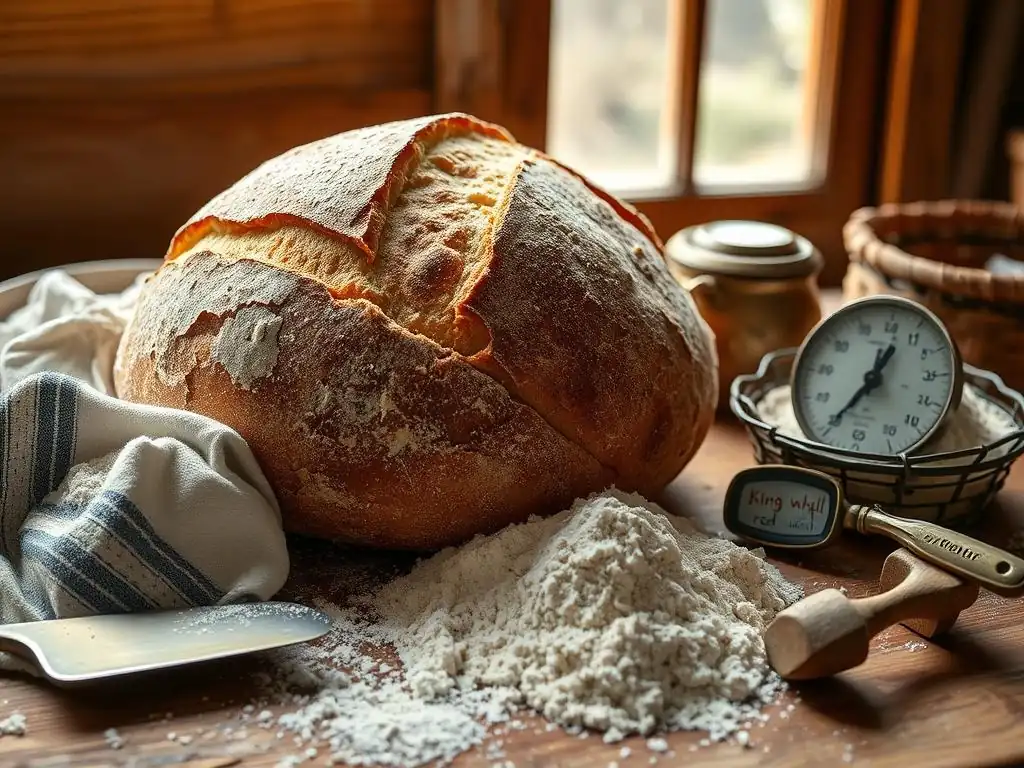
When it comes to baking the best flour for sourdough bread, selecting a high-protein flour is generally the preferred approach. Sourdough relies on wild yeast and bacteria for leavening, a process that often takes longer than commercial yeast fermentation. This extended fermentation time, combined with the typically high hydration levels of sourdough doughs (often 70-85% or even higher), requires a strong gluten network to capture the gases produced and support the structure over a prolonged period. Flours with 12% protein or more, like bread flour, provide the necessary building blocks for this robust network.
A high-protein flour ensures that the gluten can stretch without breaking as the dough rises, allowing for significant oven spring – the final burst of expansion in the hot oven. This results in a well-risen loaf with an open, airy crumb structure and a satisfyingly chewy texture, hallmarks of great sourdough. Using a lower-protein flour might lead to a dough that collapses or a bread with a dense, tight crumb.
The Role of Gluten Development in Sourdough Structure
Gluten development is paramount in creating the iconic structure of sourdough bread. The protein in the flour, primarily glutenin and gliadin, forms a complex network when hydrated and worked (through mixing, kneading, or stretch-and-folds). In sourdough, this network needs to be particularly strong and extensible because the dough is often wetter and ferments for many hours. The gluten traps the carbon dioxide bubbles created by the active sourdough starter, causing the dough to rise.
Proper gluten development ensures the dough has enough strength to hold its shape during proofing and baking, preventing it from spreading out into a flat disc. A well-developed gluten structure is what allows for those desirable large, irregular holes in the crumb (the 'alveoli'). Without sufficient gluten strength, the dough lacks the elasticity and tenacity needed to achieve good volume and an open crumb, making the choice of the best flour for sourdough bread directly tied to its gluten potential.
Comparing Flour Types for Sourdough [Specific Type Recommendations]
While many flours can be used for sourdough, certain types are consistently recommended for achieving optimal results.
- Bread Flour: This is arguably the most popular choice and often considered the best flour for sourdough bread. Its high protein content (typically 12-14%) provides excellent gluten development, leading to strong dough, good rise, and a chewy, open crumb. King Arthur Bread Flour, for example, has a protein content around 12.7%, making it a reliable option.
- All-Purpose Flour: Some bakers successfully use high-quality all-purpose flour (those on the higher end of the protein range, say 11-11.7%) for sourdough, especially for less hydrated doughs or faster ferments. However, results may vary compared to bread flour. A brand like Gold Medal Unbleached AP (around 10.5% protein) might work, but might require more careful handling or a blend.
- High-Extraction Flour (Type 85): This is a type of flour that falls between white and whole wheat. It contains more of the bran and germ than white flour but is sifted to remove some of the coarser particles. It offers a good balance of flavor and structure. Flours labeled as "Artisan Bread Flour" or "High-Extraction" often fall into this category and can be excellent for sourdough.
- Strong White Flour (UK/EU): Equivalent to high-protein bread flour in North America, these flours typically have protein levels suitable for sourdough.
Experimenting with these types, often starting with a good quality bread flour, is key to finding your personal best flour for sourdough bread.
The Importance of Protein Content in Sourdough Flour
Protein content is perhaps the most critical factor when selecting flour for sourdough bread. It directly correlates with the potential for gluten development. A flour with insufficient protein (below 11%) will struggle to form a strong enough network to support the long fermentation and high hydration typical of many sourdough recipes. This often results in a slack, difficult-to-handle dough and a dense, flat loaf.
Flours with higher protein provide the necessary structure and elasticity. While the exact ideal percentage can be debated and depends on the recipe and baker's preference, flours in the 12-14% range are widely considered excellent for sourdough. This range allows for the development of a robust gluten network that can withstand the acidic environment of sourdough (which can weaken gluten over time) and provide the strength needed for a good rise and an open crumb.
Using Specialty Flours in Sourdough: A Flavorful Experience
Beyond standard wheat flours, incorporating specialty grains can add wonderful complexity and depth of flavor to your sourdough. While often not used as 100% of the flour due to their different gluten structures or lack thereof, blending them with strong wheat flour is common.
- Rye Flour: Adds a tangy, earthy flavor and moisture retention. Rye has very little gluten-forming protein, so it's usually used in blends (e.g., 10-30% rye) or for specific rye sourdough recipes that result in denser loaves.
- Spelt Flour: An ancient grain with a slightly nutty flavor. It has gluten, but it's more fragile than wheat gluten and can be easily overdeveloped. It's often used in blends or handled gently.
- Whole Wheat Flour: As mentioned earlier, adding whole wheat (e.g., 20-50%) boosts flavor, nutrition, and fiber, resulting in a heartier loaf. It pairs exceptionally well with white bread flour for sourdough.
- Einkorn or Emmer: Other ancient wheat varieties offering unique flavors and characteristics, often used in smaller percentages.
Using specialty flours allows you to customize the flavor profile and texture of your sourdough, moving beyond the classic white loaf to explore a diverse range of tastes and aromas.
Beyond the Basics: Specialty Flours for Baking
Rye Flour: Dense and Flavorful
Rye flour, milled from the rye grain, is known for its distinctive earthy and slightly sour flavor profile, which complements many baked goods, especially dark breads. Unlike wheat, rye flour contains different types of protein that do not form gluten in the same way. Instead, its structure relies on pentosans, complex carbohydrates that absorb large amounts of water and become quite sticky.
Because of the limited gluten development, breads made with 100% rye flour are typically very dense. For lighter rye breads, bakers often blend rye flour with higher-protein wheat flour, such as bread flour or strong white flour. The percentage of rye used can range from a small amount for flavor to 50% or more for a characteristic rye loaf. This blending allows for some gluten structure while still imparting the unique taste and moisture-retaining qualities of rye.
Spelt Flour: Ancient Grain with Milder Gluten
Spelt is an ancient type of wheat that has gained popularity for its nutty, slightly sweet flavor and perceived digestibility benefits for some individuals sensitive to modern wheat. Spelt flour contains gluten, but its structure is different from common wheat gluten. It's more fragile and water-soluble, meaning it develops more quickly but can also be overdeveloped or break down easily with excessive kneading.
Baking with spelt flour often requires a gentler touch and sometimes lower hydration compared to using modern wheat flours. It can be used in a variety of recipes, from breads and muffins to cookies and pancakes. While it provides some structure, loaves made with 100% spelt flour may not achieve the same lofty volume as those made with strong bread flour. Blending spelt with bread flour is a common practice to balance flavor and structure, offering a unique alternative to standard wheat bakes.
Organic Flours: Sustainably Milled
Organic flours are produced from grains grown without synthetic pesticides, herbicides, or fertilizers, adhering to organic farming standards. Choosing organic flour often means supporting sustainable agricultural practices that aim to protect soil health, biodiversity, and water quality. The "organic" label refers to the farming method, not necessarily the protein content or milling process, so you can find organic versions of all-purpose, bread, whole wheat, rye, and specialty flours.
While the primary benefit of organic flour is environmental and health-related (avoiding chemical residues), some bakers perceive differences in flavor or performance, though this can vary greatly depending on the specific grain and mill. When selecting organic flour, it's still important to check the type of flour (e.g., organic all-purpose, organic bread flour) and its stated protein content to ensure it's suitable for your intended baking application. Supporting organic options is a way to make a more environmentally conscious choice in your baking ingredients.
Understanding Flour Milling: White, Whole Wheat, and Stone-Ground
The Role of Milling in Flour Characteristics
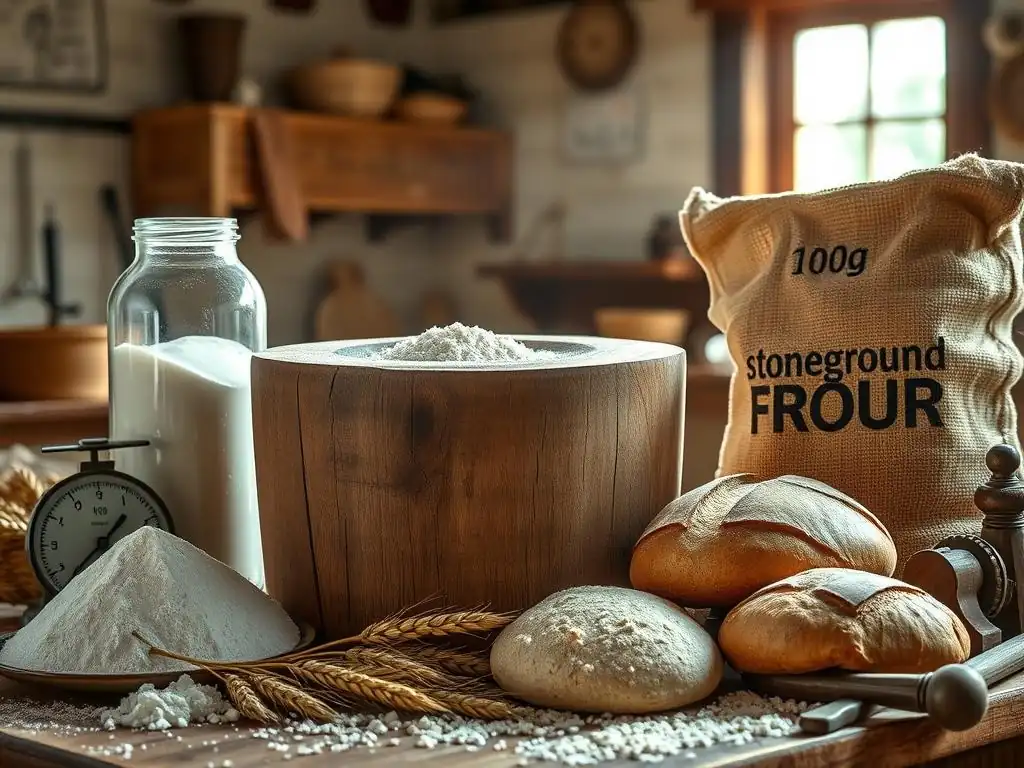
Milling is the process of grinding grain into flour, and how it's done fundamentally alters the flour's composition and baking properties. Traditional roller milling, common for white flours, separates the wheat kernel into its three parts: the endosperm, bran, and germ. The bran and germ are then removed, leaving only the starchy endosperm, which is ground into fine white flour. This process results in a flour with a longer shelf life (as the germ contains oils that can go rancid) and a consistent, predictable baking performance, but it removes significant amounts of fiber, vitamins, and minerals.
For whole wheat flour, the bran, germ, and endosperm are all included, though they might be separated and then recombined in specific proportions. The particle size of the bran and germ affects gluten development and absorption. Stone-ground milling, an older method, grinds the entire kernel between two stones. This process generates more heat and typically results in a coarser flour where the bran, germ, and endosperm are not as cleanly separated as in roller milling. Stone-ground flours often have a richer flavor and different absorption characteristics.
How Milling Affects Texture and Nutritional Value
The milling process has a direct impact on both the texture and nutritional profile of flour. White flour, being primarily just the endosperm, is typically fine and soft, leading to lighter, airier textures in baked goods. However, the removal of the bran and germ strips away a significant portion of the grain's dietary fiber, B vitamins, iron, and other nutrients. While many white flours are enriched with some of these nutrients, they still lack the fiber and certain phytochemicals found in the whole grain.
Whole wheat flour, containing all parts of the kernel, has a coarser texture due to the inclusion of the bran. This fiber content provides significant nutritional benefits, including aiding digestion and contributing to a feeling of fullness. However, the bran's presence can make whole wheat baked goods denser and requires more careful hydration and handling to develop adequate structure. Stone-ground flours, with their often coarser and less uniform particle size, can contribute unique textures and flavors, and their nutritional content depends on whether the whole grain is used.
The Impact of Sifting on Flour Properties
Sifting flour is a physical process that involves passing flour through a sieve or mesh. While not strictly part of the milling process itself, it's a common step bakers take that impacts flour properties. Sifting aerates the flour, breaking up clumps and incorporating air, which can lead to lighter, more tender baked goods, especially in recipes where a delicate crumb is desired, like cakes.
Sifting also removes any potential impurities and ensures that leavening agents and other dry ingredients are evenly distributed when mixed with the flour. For whole wheat flour, sifting can remove some of the coarser bran particles, effectively creating a "high-extraction" type flour at home, which can result in a slightly lighter texture than using unsifted whole wheat. However, for recipes relying on the full structure or character of unsifted flour (like rustic bread), skipping this step might be appropriate.
Flour Storage Tips: Keeping Your Flour Fresh
Proper Storage Containers for Flour
Storing flour correctly is crucial to maintain its freshness, prevent spoilage, and protect it from pests. The best containers are airtight and opaque. Oxygen, moisture, and light are the enemies of fresh flour. An airtight seal prevents oxidation, keeps out humidity that can lead to mold or spoilage, and protects against pantry moths and other insects. Opaque containers block light, which can degrade the flour's quality over time.
Glass jars with tight-fitting lids, sturdy plastic food storage containers with rubber seals, or even large, heavy-duty zip-top bags (though bags offer less protection against physical damage or pests) are good options. Ensure the container is clean and completely dry before adding the flour. Label the container with the type of flour and the date you stored it, especially if buying in bulk.
Ideal Storage Temperature and Humidity for Flour
Temperature and humidity play a significant role in how long flour stays fresh. Flour is best stored in a cool, dry place. A pantry or cupboard away from the oven, dishwasher, or direct sunlight is ideal. The optimal temperature range for storing white flour is typically below 70°F (21°C). Whole wheat and other whole grain flours, due to the presence of oils in the germ, are more perishable and benefit from even cooler temperatures, ideally below 60°F (15°C).
Humidity should be kept low, ideally below 60%. High humidity can introduce moisture into the flour, encouraging mold growth and spoilage. For whole grain flours, storing them in the refrigerator or even the freezer is highly recommended to extend their shelf life significantly, especially in warm or humid climates. Just be sure they are in an airtight container to prevent them from absorbing odors or moisture.
How to Tell if Your Flour Has Gone Stale
Even with proper storage, flour doesn't last forever. White flour can last for several months to a year, while whole wheat and other whole grain flours are best used within 1-3 months when stored at room temperature. There are a few tell-tale signs that indicate your flour may have gone stale or bad.
- Smell: Fresh flour has a neutral, slightly sweet, or wheaty aroma depending on the type. Stale or rancid flour will often have an off-putting smell, sometimes described as musty, sour, or like old nuts (due to the oils in whole grains going rancid).
- Appearance: While less common, look for any discoloration, mold spots, or evidence of pantry pests like webbing or small insects.
- Taste (optional): A tiny pinch of stale flour might taste slightly bitter or unpleasant compared to fresh flour.
If your flour smells or looks suspicious, it's best to discard it. Using stale flour can negatively impact the flavor and rise of your baked goods.
Dense or Flat Bakes
Experiencing dense or flat results in your baking? This is a common issue often linked to flour. One primary cause is using a flour with insufficient protein for the recipe's needs, particularly in bread or doughs requiring significant rise. For example, using a low-protein cake flour for a rustic loaf won't provide the necessary gluten structure to trap gases, resulting in a flat, heavy bread. Similarly, if your best flour for sourdough bread isn't a high-protein type, you might get a dense crumb.
Another factor can be incorrect hydration; some flours absorb more liquid than others. If a recipe developed for high-absorption flour is made with a lower-absorption type without adjustment, the dough might be too stiff, hindering gluten development and rise. Finally, improper kneading or mixing can prevent the gluten network from forming properly, regardless of the flour type, leading to a weak structure that collapses during baking.
Tough or Dry Bakes
Conversely, baked goods that turn out tough or excessively dry can also be attributed to flour issues. Over-mixing or over-kneading is a frequent culprit, especially when using flours like all-purpose or bread flour. Excessive working of the dough develops too much gluten, resulting in a tough texture, particularly in delicate items like cakes, muffins, or cookies where minimal gluten development is desired.
Using a flour with too high a protein content for a recipe intended for a tender result (e.g., using bread flour in a cake recipe) will also contribute to toughness. Additionally, flours absorb liquid differently. If you use a flour that absorbs less liquid than the recipe calls for without adjusting, or if the flour is simply too dry due to improper storage, the final product can end up dry and crumbly instead of moist and tender.
Crumbling or Weak Structure
A crumbly or weak structure indicates that the flour isn't providing enough support for the bake. This often happens when using flours with very low protein content (like cake flour) in recipes that require more structure, or when there's insufficient gluten development. For instance, trying to make a chewy pizza crust with cake flour would likely result in a crumbly base that lacks elasticity.
In cases where the flour is appropriate, issues like insufficient hydration can prevent gluten from forming properly, leading to a weak structure. Whole wheat flour, with its bran content, can also sometimes lead to a slightly more crumbly texture if not handled correctly, as the bran can interfere with gluten formation. Understanding the structural capabilities (or limitations) of your chosen flour is key to preventing bakes that fall apart.
Mastering Flour Blends: Creating Custom Baking Profiles
Blending Flours for Unique Textures and Flavors
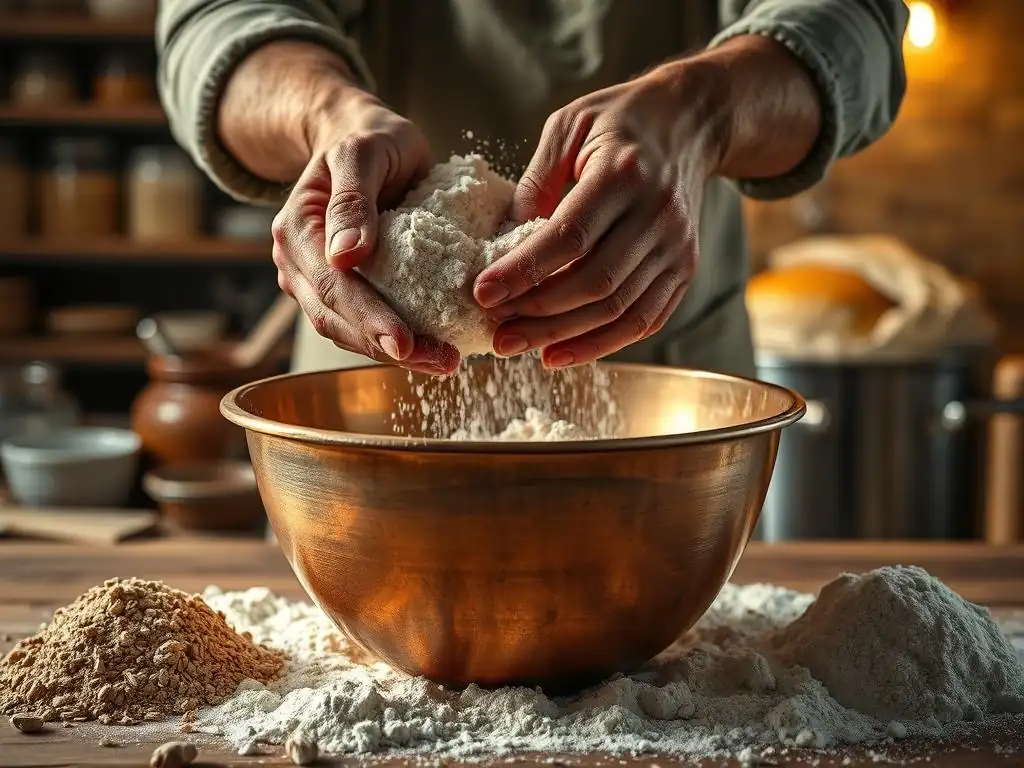
Blending different types of flour is an advanced technique that allows bakers to fine-tune the characteristics of their baked goods, creating custom profiles for texture, flavor, and nutrition. By combining flours, you can leverage the strengths of each while mitigating their weaknesses. For example, you might blend a high-protein bread flour for structure with a percentage of whole wheat flour for flavor and fiber, or add rye flour for tanginess and moisture.
Blending is particularly common in artisan bread baking and when seeking the best flour for sourdough bread with specific qualities. A blend might involve mixing different wheat flours (e.g., bread flour and whole wheat), combining wheat with non-wheat flours (like rye or spelt), or even mixing flours from different milling processes (like stone-ground and roller-milled). This practice opens up a vast world of possibilities for experimenting with new flavors and textures.
[Example Flour Blend Recipe for Crusty Bread]
Here is a simple example of a flour blend for a rustic, crusty bread, aiming for a balance of structure and flavor:
**Flour Blend for Rustic Crusty Bread:**

*   70% Strong White Bread Flour (approx. 12-14% protein)
*   20% Whole Wheat Flour
*   10% Rye Flour

*Example for a 1000g flour recipe:*
*   700g Strong White Bread Flour
*   200g Whole Wheat Flour
*   100g Rye Flour
This blend utilizes the high protein of the bread flour for a strong gluten network and good oven spring, while the whole wheat and rye flours contribute complex flavors and a slightly denser, heartier crumb than a purely white loaf. This combination works well for sourdough or yeasted breads and provides a wonderful aroma during baking.
[Example Flour Blend Recipe for Tender Cakes]
For a tender cake with a fine crumb, a different approach to flour blending is needed, focusing on lower protein and softness.
**Flour Blend for Tender Cake:**

*   80% Cake Flour (approx. 7-9% protein)
*   20% All-Purpose Flour (lower end of protein range, if possible)

*Example for a 500g flour recipe:*
*   400g Cake Flour
*   100g All-Purpose Flour
Using mostly low-protein cake flour minimizes gluten development for tenderness. A small amount of all-purpose flour can provide just enough structure to prevent the cake from being overly fragile or crumbly, while still maintaining a delicate texture. This blend is suitable for recipes like vanilla sponge cakes, cupcakes, or muffins where a soft, light result is desired. Always sift this blend before using to ensure maximum aeration and even distribution.
Expert Baking Tips for Using Different Flours
Adjusting Liquid Absorption Based on Flour Type
A critical skill when working with different flours is understanding that they absorb liquid differently. This is particularly important when adapting recipes or developing your own. Whole wheat flour, due to the fiber and germ, typically absorbs significantly more water than white flours. Specialty flours like rye also have high absorption rates because of their pentosan content.
When substituting flours, especially whole grain or specialty types for white flour, you will almost always need to adjust the hydration level. Start by adding slightly less liquid than the recipe calls for and add more gradually until the dough or batter reaches the desired consistency. Conversely, if using a lower-absorption flour in place of a high-absorption one, you might need less liquid. Pay attention to the dough's feel – its stickiness, elasticity, and how it handles – as your best guide.
Kneading Techniques for Different Flour Types
The type of flour influences how much and what kind of kneading is required. High-protein wheat flours like bread flour benefit from thorough kneading (either by hand or machine) to develop a strong gluten network. This can involve vigorous working of the dough for 10-15 minutes or longer until it passes the "windowpane test" (stretching a small piece thin enough to see light through).
Flours with weaker or different gluten structures, like spelt or rye, require a gentler approach. Spelt gluten develops quickly and can break down if over-kneaded, so often just a few minutes of gentle mixing or folding is sufficient. Rye flour forms structure through pentosans rather than gluten, so extensive kneading is unnecessary and can actually make the dough gummy; mixing until combined is usually enough. Always research the specific needs of the flour you are using.
Hydration Ratios for Different Flours
Hydration ratio, the weight of water relative to the weight of flour, is a fundamental concept in baking, especially bread making, and it varies significantly depending on the flour. Standard white bread flour can often handle hydration ratios between 60% and 75% for typical loaves, with some artisan or ciabatta doughs going much higher (80-90%+). For the best flour for sourdough bread, hydration ratios are often in the 70-85% range to promote an open crumb.
Whole wheat flour typically requires higher hydration, often needing an additional 10-15% water compared to white flour in the same recipe to achieve a similar dough consistency. Rye flour can absorb even more, sometimes requiring hydration ratios of 80% or higher. Always consider the flour type when interpreting or adapting hydration ratios in recipes. A ratio that works perfectly for white bread flour will likely result in a very stiff dough if applied directly to whole wheat flour.
Conclusion: Bake With Ease by Choosing the Right Flour
Mastering baking starts with understanding your ingredients, and flour is undeniably the cornerstone. From the protein-rich powerhouses that build the structure of the best flour for sourdough bread and crusty loaves to the delicate, low-protein types that create tender cakes and pastries, each flour has a unique role to play. By learning about different flour varieties, their protein content, how they are milled, and how they behave in various baking applications, you unlock the key to consistent, successful results.
Choosing the right flour for your recipe isn't just about following instructions; it's about making an informed decision that directly impacts the texture, rise, and flavor of your final product. Don't be afraid to experiment with different types and blends, paying attention to how they feel and perform. With this knowledge, you're well on your way to baking with confidence and ease, creating delicious goods every time you step into the kitchen.
Frequently Asked Questions
What is the best type of flour to use for sourdough bread?
The strongest gluten is usually found in bread flour. This allows for the necessary structure and chewiness characteristic of sourdough.
Can I use all-purpose flour for sourdough, and if so, what adjustments should I make?
Yes, you can use all-purpose flour, but your sourdough might be less chewy and rise less. Consider adding vital wheat gluten to improve the dough's strength.
What's the difference between bread flour and all-purpose flour?
Bread flour has a higher protein content than all-purpose flour. This higher protein leads to stronger gluten development, crucial for sourdough's structure.
How does the protein content of flour affect sourdough bread?
Higher protein content results in more gluten, which provides the elasticity and structure needed for a good rise and chewy texture in sourdough.
Is it possible to mix different types of flour when making sourdough?
Yes, mixing flours like whole wheat and bread flour can add flavor and complexity to your sourdough. Experiment to find your preferred combination!
Final Reflection: The Humble Flour, the Extraordinary Loaf
The quest for the perfect sourdough loaf begins, and often ends, with the flour. This seemingly simple ingredient holds the key to unlocking a world of flavor, texture, and baking success. Understanding the nuances of different flours—their protein content, their absorption rates, their inherent character—is not just a matter of technical expertise; it's the foundation upon which truly exceptional bread is built.
The impact of flour choice extends far beyond the individual baker's kitchen. It influences the very landscape of artisanal bread making, shaping trends and inspiring innovation. The pursuit of the "best" flour for sourdough is a journey of discovery, a testament to the enduring connection between human ingenuity and the natural world. Bread is the staff of life,
they say, and the flour, its very essence, deserves our respect and careful consideration. This understanding allows us to appreciate not only the final product but also the process, the history, and the artistry involved in transforming simple grains into something truly magical.
Now, consider your own baking journey. What have you learned about the power of flour selection? What experiments await you in your kitchen? I encourage you to explore the diverse world of flours, to experiment with different varieties, and to embrace the challenges and rewards of crafting your own perfect sourdough loaf. The journey is as rewarding as the destination, and the taste of a loaf made with mindful flour selection is an experience you won't soon forget.
Unleash Your Inner Baker: Master the Flour Power!
Thanks for taking the time to explore the wonderful world of flour with us! We hope you now feel more confident in choosing the right flour for your baking adventures. Ready to put your new knowledge to the test?
- Try a new recipe today! Challenge yourself with a recipe that uses a flour type you haven't experimented with before. Think sourdough with rye, or delicate croissants with high-protein bread flour.
- Share your baking journey! Let us know which flour you're excited to try next – and tag us in your baking successes (or even your delightful mishaps! ).
- Join our baking community forum! Connect with other passionate bakers, share tips, and ask questions. We're all learning together!
What unique flour blend are you most eager to experiment with, and what delicious treat will you bake?