
LowSugar Caramel for Diabetics: Natural Sweeteners and Techniques

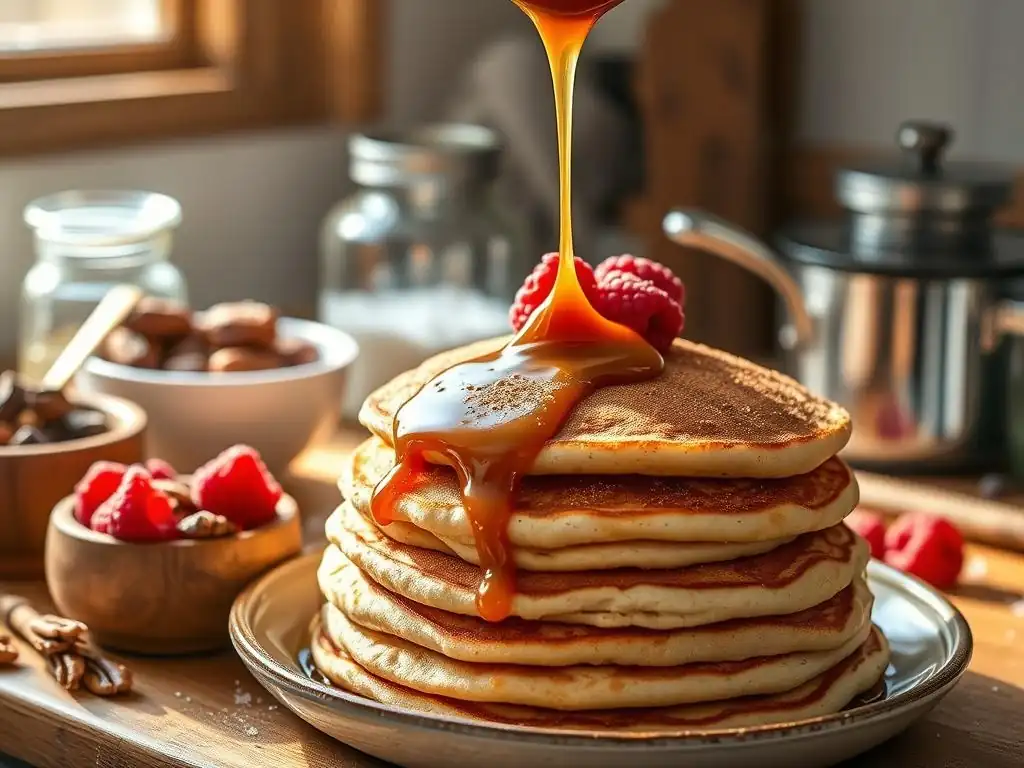
Welcome to BakeWithEase, your trusted guide to confident baking! Ever dreamed of indulging in decadent caramel without the sugar rush? Discover how with our Low Sugar Caramel recipe, a game-changer for diabetics and anyone seeking a healthier treat. We'll reveal the secrets to using natural sweeteners and clever techniques that deliver the same rich, buttery flavor you crave. Intrigued? Read on to unlock the secrets of guilt-free caramel perfection!
- Low-Sugar Caramel for Diabetics: Natural Sweeteners and Techniques - BakeWithEase
- Introduction to Low-Sugar Caramel Baking for Diabetics
- The Science Behind Sugar-Free Caramel: Ingredients and Reactions
- Mastering the Low-Sugar Caramel Recipe: Step-by-Step Guide
- Techniques for Achieving Perfect Low-Sugar Caramel Texture
- Flavor Variations for Your Diabetic-Friendly Caramel Recipe
- Using Your Low-Sugar Caramel in Diabetic-Friendly Desserts
- Tips and Tricks for Baking with Low-Sugar Caramel
- Conclusion: Enjoying Guilt-Free Caramel with BakeWithEase
-
Frequently Asked Questions
- What makes this caramel recipe "low sugar" compared to traditional recipes?
- Can I substitute other sweeteners in this low sugar caramel recipe?
- Is this low sugar caramel recipe suitable for people with diabetes?
- Will the taste and texture of this low sugar caramel be the same as regular caramel?
- What are some ways to use this low sugar caramel?
- Final Reflection: A Sweet Success Story – Redefining Caramel for a Healthier Tomorrow
- Unlock Your Sweet Tooth: Baking Deliciously Healthy Caramel
Low-Sugar Caramel for Diabetics: Natural Sweeteners and Techniques - BakeWithEase
Introduction to Low-Sugar Caramel Baking for Diabetics
Why Choose Low-Sugar Caramel? Health Benefits and Taste
For individuals managing diabetes, enjoying sweet treats can often feel challenging due to the impact of traditional sugars on blood glucose levels. Choosing a low-sugar caramel recipe allows you to indulge in this classic confection without the sharp spikes in blood sugar associated with sucrose or corn syrup. This isn't just about avoiding sugar; it's about enabling a healthier lifestyle while still savoring delicious flavors. Modern natural sweeteners offer sweetness with minimal or no caloric impact and significantly lower glycemic responses, making treats like caramel accessible and enjoyable.
Beyond the primary health benefit of blood sugar control, opting for a low-sugar caramel recipe can also support weight management goals and reduce the risk of other sugar-related health issues. Furthermore, the taste profile of low-sugar caramel has dramatically improved over the years. With careful selection and application of natural sweeteners, it's possible to create a caramel that offers rich, deep flavor notes and a satisfying sweetness that closely mimics traditional versions, proving that 'diabetic-friendly' doesn't mean sacrificing taste.
Understanding the Challenges of Traditional Caramel for Diabetics
Traditional caramel is essentially cooked sugar. As sugar heats, it melts and undergoes a complex chemical process called caramelization, where molecules break down and rearrange to form hundreds of new compounds responsible for the characteristic color and flavor. This process requires high temperatures and specific sugar chemistry (like sucrose or glucose) to achieve the desired texture and taste. For someone with diabetes, consuming traditional caramel leads to a rapid influx of glucose into the bloodstream, requiring careful insulin management and potentially causing hyperglycemia.
The high sugar content in traditional caramel poses a significant barrier for individuals needing to monitor carbohydrate intake closely. Just a small serving can contain upwards of 20-30 grams of sugar, equivalent to several teaspoons. This makes incorporating it into a balanced diet extremely difficult and often necessitates avoiding it altogether. Understanding these challenges highlights the importance of developing alternative methods and a reliable low sugar caramel recipe that uses ingredients processed differently by the body, offering the joy of caramel without the metabolic burden.
BakeWithEase's Guide to Diabetic-Friendly Caramel
At BakeWithEase, we believe everyone should be able to enjoy the pleasure of baking and delicious desserts, regardless of dietary needs. This guide is specifically designed to help you master the art of creating a wonderful low-sugar caramel recipe that is suitable for diabetics. We'll walk you through selecting the best natural sweeteners, understanding their unique properties, and applying precise techniques to achieve that perfect caramel texture and flavor without using refined sugar.
Our approach focuses on demystifying the process, offering clear step-by-step instructions, and providing tips for troubleshooting common issues you might encounter when adapting a traditional recipe to a low-sugar format. By following this guide, you'll gain the confidence to make your own diabetic-friendly caramel sauce, candies, or inclusions for other baked goods. Get ready to discover how simple and rewarding it can be to add this versatile and delicious component to your baking repertoire, proving that a low sugar caramel recipe can be just as satisfying as the original.
The Science Behind Sugar-Free Caramel: Ingredients and Reactions
Replacing Refined Sugar: Natural Sweetener Options
Creating a low sugar caramel recipe hinges entirely on finding effective sugar substitutes that can withstand heat and mimic the flavor and texture contributions of sucrose. Natural sweeteners derived from plants offer promising alternatives. These include substances like stevia, monk fruit sweetener, erythritol, and xylitol, each possessing unique characteristics in terms of sweetness intensity, flavor profile, and how they behave when heated.
Unlike refined sugar which caramelizes, these alternatives do not undergo the same chemical reaction at high temperatures. Instead, the 'caramel' color and flavor are often achieved through browning of other ingredients like butter or cream, or by using specific flavorings.
The key challenge when replacing sugar in a low sugar caramel recipe is managing sweetness levels and achieving the desired viscosity and chewiness. Many natural sweeteners are significantly sweeter than sugar by volume, requiring careful measurement. They also don't contribute to bulk or texture in the same way sugar does. Therefore, recipes often need adjustments in liquids, fats, or the addition of thickening agents to compensate and create a caramel-like consistency. Understanding the properties of each sweetener is crucial for successful low-sugar caramel making.
Stevia in Caramel: Tips for Balanced Sweetness
Stevia, derived from the leaves of the Stevia rebaudiana plant, is intensely sweet – often 200-400 times sweeter than sugar. It has virtually no calories and does not raise blood sugar levels, making it an excellent choice for a low sugar caramel recipe for diabetics. However, using stevia requires careful dosage due to its potency; too much can result in a bitter or licorice-like aftertaste. It's best used in combination with other ingredients that can balance its flavor profile.
When incorporating stevia into a low sugar caramel recipe, it's often used in liquid extract or highly concentrated powder form. Because it doesn't contribute to the bulk or browning like sugar, you'll need to rely on other ingredients, such as browning butter or cream, to achieve the characteristic caramel color. Start with a very small amount and taste as you go, as sweetness perception can vary. Combining stevia with a bulkier sweetener like erythritol can help achieve a more sugar-like texture and volume.
Monk Fruit Sweetener: Achieving the Right Caramel Texture
Monk fruit sweetener, extracted from the Luo Han Guo fruit, is another popular natural, zero-calorie option for a low sugar caramel recipe. It is typically 150-200 times sweeter than sugar. Monk fruit has a cleaner taste than stevia for many people and is often blended with erythritol to reduce its intensity and provide bulk. This blend can be particularly useful in low-sugar caramel as the erythritol component can contribute somewhat to texture and volume, although it doesn't caramelize like sugar.
Using a monk fruit-erythritol blend in a low sugar caramel recipe can help create a more viscous and satisfying texture compared to using stevia alone. When heated with fats and liquids like butter and cream, the blend dissolves and thickens as the mixture reduces. While it won't brown on its own, the browning of the dairy components provides the visual cue. Look for blends that measure cup-for-cup with sugar for easier substitution in existing recipes, though you may still need to adjust liquid amounts slightly to achieve the desired consistency.
Erythritol and Xylitol: Considerations for Diabetic Baking
Erythritol and xylitol are sugar alcohols often used in diabetic-friendly recipes, including potential low sugar caramel recipes. Erythritol is about 70% as sweet as sugar, has minimal calories, and does not affect blood sugar significantly. It's a popular choice due to its clean taste and ability to provide bulk. However, erythritol can recrystallize upon cooling, leading to a grainy texture, which is a common challenge in low-sugar caramel making. Using it in liquid form or in combination with other sweeteners and fats can help mitigate this.
Xylitol is about as sweet as sugar and has fewer calories (about 40% less) than sugar, with a lower glycemic index than sucrose, though it still impacts blood sugar more than erythritol or zero-calorie sweeteners. It dissolves well and provides a smooth texture, but it is toxic to dogs and can cause digestive upset in some people if consumed in large amounts.
Neither erythritol nor xylitol truly caramelize like sugar; they melt and may brown slightly at very high temperatures, but the complex flavor development of traditional caramelization does not occur. When using these in a low sugar caramel recipe, relying on the browning of butter and cream for color and flavor is essential.
The Role of Fats and Liquids in Low-Sugar Caramel
In a traditional caramel, melted sugar provides the base and structure. In a low sugar caramel recipe, where the sweetener doesn't caramelize, fats and liquids become even more critical for achieving the desired texture, richness, and flavor. Butter, heavy cream, and sometimes coconut milk or other non-dairy alternatives provide the necessary body and smoothness. As these dairy or non-dairy fats and liquids are heated, they can brown (Maillard reaction), contributing to the characteristic color and depth of flavor often associated with caramel.
Heating butter to a nutty brown state before adding other ingredients is a common technique in low-sugar caramel recipes to develop flavor. The cream or milk provides moisture and helps dissolve the sweetener, and as it simmers and reduces, the mixture thickens. The fat content is also crucial for creating a creamy mouthfeel and preventing the low-sugar caramel from becoming too hard or brittle upon cooling, a common issue with some sugar substitutes. Balancing the ratio of fats and liquids is key to achieving the perfect pourable sauce or chewy candy consistency.
Mastering the Low-Sugar Caramel Recipe: Step-by-Step Guide
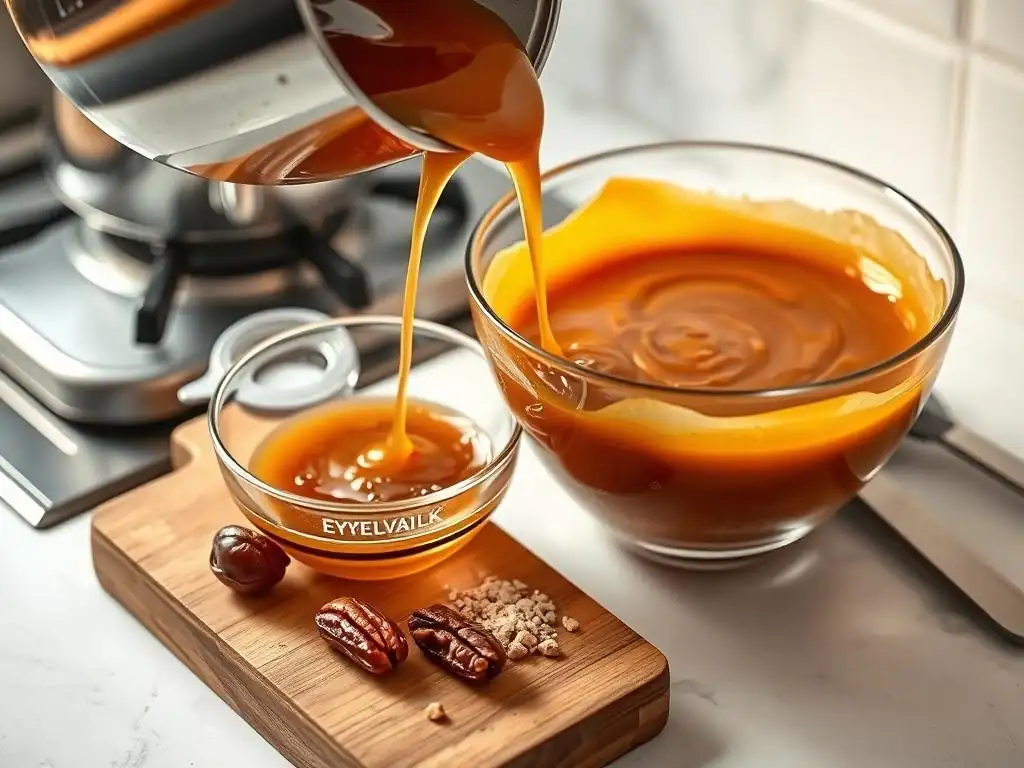
Essential Equipment for Low-Sugar Caramel Making
Having the right tools on hand makes creating a low sugar caramel recipe much smoother and safer. You don't need a professional kitchen, but a few key items are highly recommended. A heavy-bottomed saucepan is crucial because it distributes heat evenly, preventing scorching, which is especially important when working with sweeteners that don't brown predictably. A non-stick pan can also be helpful but requires careful handling to avoid scratching.
You will also need:
- [ ] A heatproof spatula or wooden spoon for stirring.
- [ ] Measuring cups and spoons for accurate ingredient ratios.
- [ ] A candy thermometer is highly recommended, although visual cues can be used with practice. It helps monitor temperature to achieve different consistencies (sauce, chewy candy).
- [ ] Heatproof containers for storing the finished caramel.
- [ ] Pot holders or oven mitts for safety, as hot caramel is extremely hot.
Ingredients for a Delicious and Diabetic-Friendly Caramel
Creating a delightful low sugar caramel recipe starts with selecting quality ingredients. The core components typically include your chosen natural sweetener, a fat source like butter, and a liquid like heavy cream or a dairy-free alternative. Vanilla extract is almost always included to enhance the flavor, and a pinch of salt can balance the sweetness.
Here are the common ingredients you'll need for a basic low sugar caramel recipe:
- Natural Sweetener Blend (e.g., Erythritol-Monk Fruit blend, or your preferred mix)
- Unsalted Butter (or a dairy-free butter substitute)
- Heavy Cream (or full-fat coconut milk/cream for dairy-free)
- Water
- Vanilla Extract
- Salt (fine sea salt or table salt)
Specific quantities will vary depending on the exact low sugar caramel recipe you follow and the type of sweetener used. Always start with a trusted recipe designed for your chosen sweetener type and adjust from there based on your taste and desired consistency.
The Basic Low-Sugar Caramel Recipe: A Detailed Walkthrough
Let's outline the fundamental steps involved in making a simple low-sugar caramel sauce. This basic low sugar caramel recipe focuses on achieving a pourable sauce consistency, perfect for drizzling over desserts. Remember that cooking times and temperatures might vary slightly depending on your sweetener blend and stove.
Step 1: Preparing Your Natural Sweetener
Unlike traditional caramel where you often melt sugar dry or with a tiny bit of water, using natural sweeteners usually involves dissolving them in a liquid base from the start. Measure out your chosen natural sweetener blend accurately. Have all your other ingredients measured and ready to go before you start heating anything, as the process can move quickly once the mixture is hot. This mise en place is critical for preventing burning or uneven cooking in your low sugar caramel recipe.
Some recipes might call for dissolving the sweetener in water first, while others add it directly to melted butter and cream. Follow your specific low sugar caramel recipe's instructions carefully at this stage. Ensure the sweetener is fully dissolved before proceeding, which usually happens as the mixture heats. If using a blend that includes erythritol, you might notice some separation or granulation if the mixture cools too much during the process; keeping it warm helps maintain smoothness.
Step 2: Combining Ingredients for Optimal Results
In your heavy-bottomed saucepan, melt the butter over medium heat. Watch it closely; for added depth of flavor in your low sugar caramel recipe, you can let the butter brown slightly, developing a nutty aroma, but be careful not to burn it. Once the butter is melted (and possibly browned), carefully whisk in the heavy cream (or dairy-free alternative) and the measured water. Stir until the mixture is smooth and uniform.
Now, add your measured natural sweetener blend to the pan. Whisk continuously over medium heat until the sweetener is completely dissolved. The mixture will likely look thin at this stage. The goal is to create a homogenous base before simmering to thicken. Ensuring all ingredients are well combined before boiling helps prevent the sweetener from settling or clumping, which can lead to a less smooth low sugar caramel recipe outcome.
Step 3: Cooking the Caramel to Perfection (Visual Cues)
Once the sweetener is dissolved, bring the mixture to a gentle simmer, stirring occasionally. Do not stir constantly, as this can sometimes encourage crystallization with certain sweeteners, but do stir enough to prevent sticking. The mixture will begin to thicken as the liquid evaporates. This is where patience is key in your low sugar caramel recipe. The color will deepen slightly, primarily from the browning of the butter and cream, not from the sweetener itself caramelizing.
Simmer the mixture for 5-15 minutes, or until it reaches your desired consistency. For a pourable sauce, you want it to coat the back of a spoon, similar to a thin gravy. Remember that the low sugar caramel recipe will thicken considerably as it cools.
If using a candy thermometer, aim for a temperature around 220-230°F (104-110°C) for a sauce consistency. For a thicker, more chewy caramel, you would cook it to a higher temperature (around 240-250°F or 115-121°C), but be aware that some sugar alcohols can become brittle at these temperatures, and this requires more advanced technique and potentially different sweetener blends. Visual cues are often more reliable than temperature alone for a sauce.
Step 4: Cooling and Storing Your Low-Sugar Caramel
Once the low sugar caramel recipe has reached your desired consistency, remove the pan from the heat. Stir in the vanilla extract and salt. Be cautious, as the mixture is very hot and may bubble up slightly when the vanilla is added. Stir until everything is well combined. Allow the caramel to cool in the pan for a few minutes before carefully pouring it into a clean, heatproof jar or container.
Let the low-sugar caramel cool completely at room temperature before sealing the container. As it cools, it will continue to thicken. Once cooled, store it in the refrigerator. This low sugar caramel recipe, when properly stored, will maintain its texture and flavor for several weeks. Reheat gently before using if a pourable consistency is needed.
Techniques for Achieving Perfect Low-Sugar Caramel Texture
Avoiding Crystallization in Sugar-Free Caramel
Crystallization is a common frustration when making both traditional and low-sugar caramel. While traditional caramel crystallization involves sugar molecules reforming crystals, in a low sugar caramel recipe using sugar alcohols like erythritol, it's the sugar alcohol itself that can precipitate out of the solution upon cooling, resulting in a grainy texture. This is more likely to happen if the sweetener concentration is too high or if the mixture cools and is then reheated multiple times.
To minimize crystallization in your low sugar caramel recipe, ensure your sweetener is fully dissolved initially. Avoid over-stirring the mixture while it simmers, especially after it has thickened. Adding a small amount of liquid sweetener like liquid stevia or a touch of corn syrup (though this adds sugar, a very small amount can act as an anti-crystallization agent, evaluate based on dietary needs) or using a sweetener blend designed for cooking can help.
Rapid cooling can sometimes encourage crystallization, so allowing it to cool slightly in the pan before transferring might help, though refrigerating is necessary for storage. If your caramel does crystallize, gently reheating it very slowly with a tablespoon of water or cream, stirring minimally, can sometimes dissolve the crystals again, but this isn't always successful.
Achieving a Smooth and Creamy Caramel Consistency
The ideal low sugar caramel recipe should be smooth and creamy, not gritty or overly hard. The choice of fat and liquid plays a significant role here. Using high-fat ingredients like heavy cream and butter contributes to a rich, smooth texture. The ratio of sweetener to fat/liquid also impacts the final consistency; more liquid results in a thinner sauce, while reducing it further yields a thicker, chewier product.
Proper cooking temperature and time are also key. Simmering the mixture gently allows the liquids to reduce and the caramel to thicken gradually. Overcooking can lead to a hard texture, especially with some sugar alcohols. Using a blend of sweeteners can also help improve texture; for instance, combining erythritol with a liquid sweetener or a small amount of allulose (another low-impact sweetener that behaves somewhat like sugar) can result in a smoother, more pliable low sugar caramel recipe. Stirring in a tablespoon of butter or cream after cooking can also add extra richness and smoothness.
Troubleshooting Common Low-Sugar Caramel Problems
Several issues can arise when making a low sugar caramel recipe. If your caramel is too thin, it likely hasn't cooked long enough; return it to the heat and simmer gently, stirring occasionally, until it thickens to your desired consistency. If it's too thick or hard after cooling, you can gently reheat it in a saucepan or microwave, stirring in a tablespoon or two of cream or water until it reaches the right consistency.
Graininess is often due to sweetener crystallization, particularly with erythritol. As mentioned, gentle reheating with a little extra liquid might help, but prevention through proper technique and sweetener choice is best. If the caramel separates or looks oily, it might have been cooked too fast or at too high a heat, or the fat wasn't properly emulsified. Try whisking vigorously off the heat to bring it back together, or gently reheat and whisk in a little more warm cream. Patience and careful monitoring of heat are your best allies in mastering any low sugar caramel recipe.
Flavor Variations for Your Diabetic-Friendly Caramel Recipe
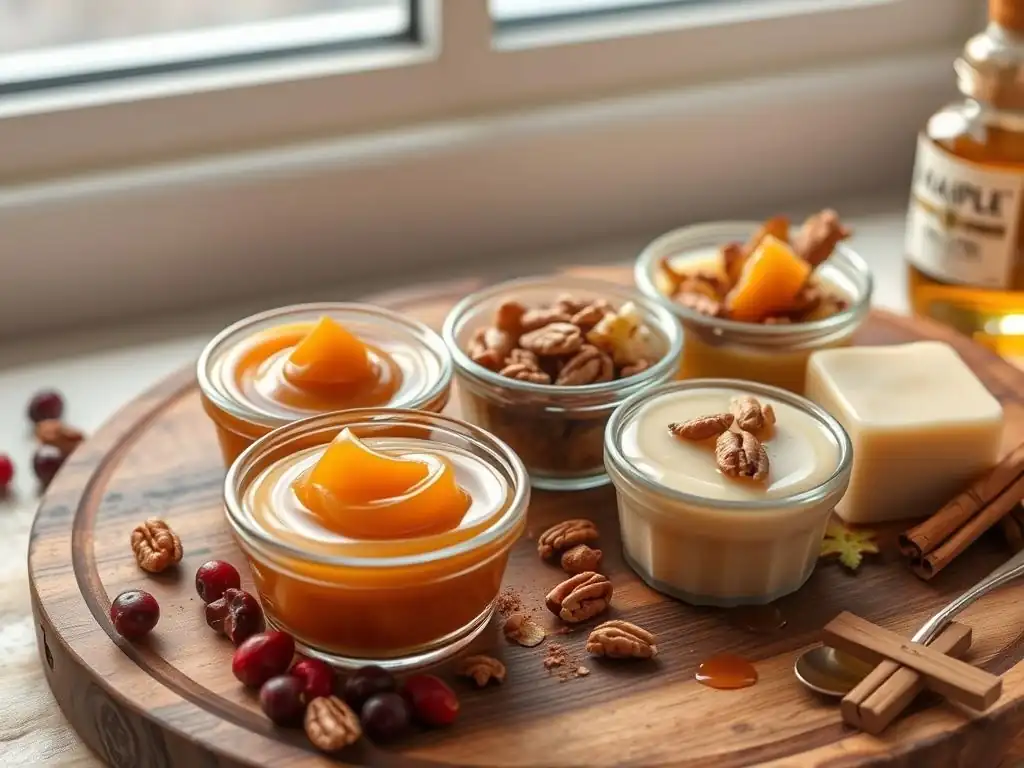
Salted Low-Sugar Caramel: A Classic Twist
Adding salt is perhaps the most popular variation for any caramel, including a low sugar caramel recipe. The salt doesn't just make the caramel taste salty; it enhances the other flavors, particularly the sweetness and the rich, buttery notes. A touch of salt elevates the complexity and balances the sweetness, preventing it from being cloying.
To make salted low-sugar caramel, simply stir in fine sea salt or table salt at the end of the cooking process, along with the vanilla extract. Start with a quarter teaspoon for a batch made with about half a cup of sweetener and adjust to taste. For a more intense salt flavor and visual appeal, you can sprinkle flaky sea salt over the top of the finished low sugar caramel sauce once it's in its storage container or just before serving.
Vanilla Infused Sugar-Free Caramel
While vanilla extract is a standard ingredient, you can deepen the vanilla flavor in your low sugar caramel recipe by using a vanilla bean or vanilla bean paste. This imparts tiny black specks throughout the caramel, indicating authentic vanilla, and provides a more complex vanilla aroma and taste compared to extract alone.
To infuse with a vanilla bean, split half or a whole bean lengthwise and scrape out the seeds. Add both the seeds and the pod to the saucepan with the butter, cream, and sweetener at the beginning of the cooking process. Let it simmer with the caramel mixture, allowing the flavors to meld. Remove the vanilla pod before stirring in the vanilla extract at the end. If using vanilla bean paste, you can often substitute it directly for the extract, using the same amount.
Chocolate Low-Sugar Caramel: A Decadent Treat
Combining caramel and chocolate is a beloved pairing, and you can easily create a diabetic-friendly version using your low sugar caramel recipe as a base. This variation adds a rich, cocoa depth that complements the sweet, buttery caramel flavor beautifully.
To make chocolate low-sugar caramel, whisk unsweetened cocoa powder or chopped sugar-free chocolate (ensure it's sweetened with a diabetic-friendly sweetener) into the finished low-sugar caramel after it has been removed from the heat. Start with a tablespoon or two of cocoa powder or an ounce of chopped chocolate for a standard batch. Stir until the cocoa is fully incorporated and the mixture is smooth, or until the chocolate is melted and blended. The heat of the caramel should be sufficient to melt the chocolate. Taste and add more cocoa or chocolate if desired.
Adding Spices for Warmth and Complexity
Spices can add wonderful warmth and complexity to a low sugar caramel recipe, making it perfect for seasonal treats or simply adding an extra layer of flavor. Cinnamon, nutmeg, ginger, or even a pinch of cayenne pepper can transform the basic caramel into something unique.
Add ground spices along with the sweetener, butter, and cream at the beginning of the cooking process, allowing them to infuse into the caramel as it simmers. Start with a small amount, like a quarter teaspoon of cinnamon or a tiny pinch of cayenne, as their flavors can become more concentrated as the mixture reduces. For whole spices like star anise or cinnamon sticks, simmer them in the mixture and remove before storing the finished low sugar caramel.
Using Your Low-Sugar Caramel in Diabetic-Friendly Desserts
Low-Sugar Caramel Sauce for Ice Cream (Sugar-Free Options)
One of the most popular uses for a low sugar caramel recipe is as a decadent sauce. It's perfect for drizzling over sugar-free ice cream or other diabetic-friendly frozen desserts. The warm, gooey sauce contrasts wonderfully with the cold treat.
Simply warm your refrigerated low-sugar caramel sauce gently on the stovetop over low heat or in the microwave in short bursts, stirring frequently, until it reaches a pourable consistency. Drizzle generously over sugar-free vanilla, chocolate, or nut-based ice creams. Add chopped sugar-free nuts or a sprinkle of flaky salt for extra texture and flavor. This simple application proves how versatile a good low sugar caramel recipe can be.
Low-Sugar Caramel Apples: A Healthier Snack
While traditional caramel apples are off-limits for many diabetics, you can create a much healthier version using a sturdy low sugar caramel recipe. The natural sweetness of the apple, combined with the low-sugar caramel coating, makes for a satisfying treat.
Choose firm, slightly tart apples like Granny Smith. Insert wooden sticks firmly into the apples. Prepare a thicker, chewy low-sugar caramel recipe (cooked to a higher temperature, around 240-245°F or 115-118°C, if your sweetener allows, or simply cook a sauce recipe longer until very thick). Dip the apples into the warm (not boiling hot) caramel, rotating to coat evenly. Allow excess to drip off. You can roll them in chopped sugar-free nuts or shredded coconut before the caramel sets. Let them cool on parchment paper until the caramel is firm. Enjoy in moderation as part of a balanced diet.
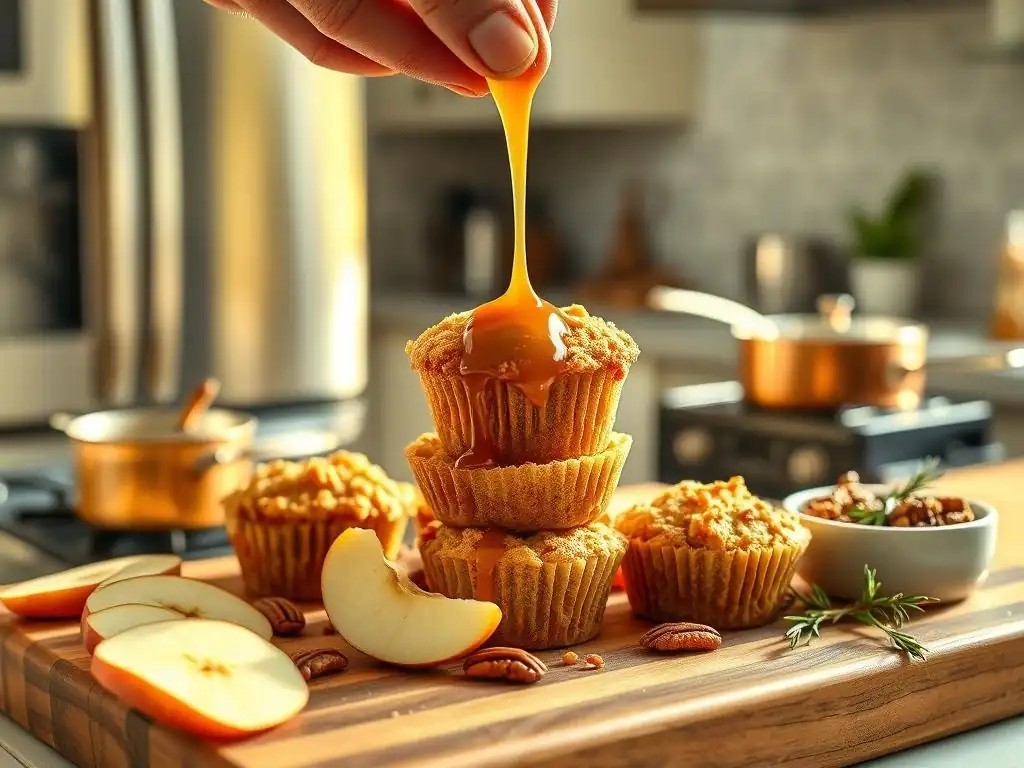
Your low sugar caramel recipe can be incorporated into various diabetic-friendly baked goods. Use the sauce as a filling for sugar-free cupcakes, a swirl in sugar-free brownies, or as a topping for a sugar-free cheesecake. A thicker caramel can be used as a chewy layer in sugar-free bar cookies or as a filling for thumbprint cookies.
For instance, you could bake a sugar-free chocolate cake and use a low sugar caramel sauce as a glaze or filling between layers. Or, make sugar-free shortbread cookies and top them with a dollop of thicker low-sugar caramel and a sprinkle of salt. When baking the caramel within a dessert (like a bar cookie layer), ensure the caramel recipe is stable enough to withstand the oven temperature without melting completely or becoming too hard. Experimentation with your specific low sugar caramel recipe and baking project is key.
Tips and Tricks for Baking with Low-Sugar Caramel
Storing Low-Sugar Caramel Properly
Proper storage is essential to maintain the quality and texture of your homemade low sugar caramel recipe. Once completely cooled, transfer the caramel to an airtight container. Glass jars with tight-fitting lids are ideal. Ensure the container is clean and dry before filling it.
Store your low-sugar caramel in the refrigerator. The cold temperature helps it maintain its consistency and prevents spoilage. Unlike traditional high-sugar caramel which is quite shelf-stable at room temperature due to the sugar acting as a preservative, low-sugar versions are more prone to microbial growth because of their higher moisture content relative to sweetener concentration.
Shelf Life of Homemade Sugar-Free Caramel
The shelf life of homemade low sugar caramel recipe stored in the refrigerator is generally about 2-3 weeks. While some sources might suggest longer, it's best to err on the side of caution, especially since it contains dairy or dairy-free alternatives. Always check for any signs of spoilage like off odors, discoloration, or mold before using caramel that has been stored for an extended period.
For longer storage, you can freeze low-sugar caramel. Pour cooled caramel sauce into a freezer-safe container or an ice cube tray (for portioning). Once frozen, transfer cubes to a freezer bag. Frozen low-sugar caramel can last for several months. Thaw in the refrigerator overnight or gently reheat from frozen, stirring frequently, until smooth.
Adjusting Sweetness Levels to Your Preference
Natural sweeteners vary in potency and how individuals perceive their sweetness and aftertastes. What tastes perfectly sweet to one person might be too sweet or not sweet enough for another. Therefore, don't be afraid to adjust the sweetness level in your low sugar caramel recipe to match your personal preference and how your body responds to certain sweeteners.
When making a batch, taste the caramel carefully once it has cooled slightly (be very careful as it's hot!). If it's not sweet enough, you can gently reheat it and stir in a very small amount of additional sweetener. If it's too sweet, a pinch more salt or a bit more vanilla extract can sometimes help balance the flavor.
Keep notes on your adjustments so you can replicate your perfect low sugar caramel recipe batch next time. Remember that sweetness perception can change when caramel is used with other ingredients in a dessert, so taste the final product as well.
Conclusion: Enjoying Guilt-Free Caramel with BakeWithEase
The Future of Diabetic-Friendly Baking
The landscape of diabetic-friendly baking is continuously evolving, with new ingredients and techniques making it easier than ever to create delicious treats that fit within dietary restrictions. As research into natural sweeteners and their behavior in cooking progresses, we can expect even more innovative and satisfying low-sugar recipes, including increasingly sophisticated low sugar caramel recipe variations. The focus is shifting from simply removing sugar to creating desserts that are genuinely enjoyable and contribute positively to a balanced lifestyle.
BakeWithEase is committed to staying at the forefront of these developments, providing you with reliable information, creative ideas, and tested recipes to help you navigate the world of healthier baking. The availability of high-quality sugar substitutes means that classic confections like caramel are no longer off-limits but can be reimagined in ways that support health goals without compromising on taste or texture. This opens up a world of possibilities for home bakers.
Embrace the Deliciousness of Low-Sugar Caramel
Making a low sugar caramel recipe might require slightly different techniques than traditional methods, but the result is incredibly rewarding. You get to enjoy the rich, buttery, sweet flavor and versatile texture of caramel while keeping blood sugar levels in mind. Whether you use it as a sauce, a filling, or a chewy candy, this diabetic-friendly alternative allows you to savor one of baking's most beloved flavors without the associated sugar load.
Don't be discouraged if your first attempt isn't perfect. Like any baking skill, mastering a low sugar caramel recipe takes practice. Experiment with different sweeteners, cooking times, and flavor variations until you find your perfect formula. The process of creating something delicious and healthier from scratch is empowering, and the ability to enjoy homemade caramel guilt-free is a wonderful benefit.
We love seeing what our community creates! Once you've mastered your low sugar caramel recipe, we encourage you to share your successes and experiments. Let us know what sweetener blends worked best for you, what delicious desserts you incorporated your caramel into, or any tips you discovered along the way.
Your experiences can help other bakers in the BakeWithEase community who are also looking for reliable and tasty diabetic-friendly options. Baking is a journey of learning and sharing, and together, we can explore the endless possibilities of creating delicious treats that everyone can enjoy. Happy baking, and happy caramel making!
Frequently Asked Questions
What makes this caramel recipe "low sugar" compared to traditional recipes?
This recipe utilizes natural sweeteners such as stevia or monk fruit, which have a lower glycemic index than refined sugar. This helps to manage blood sugar levels.
Can I substitute other sweeteners in this low sugar caramel recipe?
While stevia and monk fruit are recommended, you can experiment, but be mindful. Consider the sweetness level and potential impact on texture. Always start with small adjustments.
Is this low sugar caramel recipe suitable for people with diabetes?
While designed with diabetics in mind, it's crucial to consult with a healthcare professional or registered dietitian. They can advise on whether it fits your individual dietary needs and blood sugar management plan.
Will the taste and texture of this low sugar caramel be the same as regular caramel?
The taste and texture will be slightly different. Natural sweeteners can have a distinct flavor profile, and the absence of refined sugar affects texture. However, it aims to be a delicious and healthier alternative.
What are some ways to use this low sugar caramel?
This caramel can be used in various ways, such as a topping for desserts, a filling for pastries, or a dip for fruits. Get creative and enjoy it in your favorite low-sugar treats!
Final Reflection: A Sweet Success Story – Redefining Caramel for a Healthier Tomorrow
The quest for delicious, low-sugar treats is no longer a niche pursuit; it's a vital part of a growing health-conscious movement. The demand for alternatives to traditional, high-sugar recipes is exploding, and finding ways to enjoy classic desserts without compromising well-being is more important than ever. This is particularly true for individuals managing diabetes, who often face significant limitations in their dietary choices.
This exploration into low-sugar caramel recipes has been a journey of discovery, highlighting the incredible potential of natural sweeteners and innovative techniques. It's shown me, and hopefully you, that indulgence doesn't have to mean sacrificing health. The creative possibilities are vast, and the positive impact on individuals managing their blood sugar levels is undeniable. The best things in life are worth fighting for, and a delicious, healthy caramel is certainly one of them.
This sentiment, while not a direct quote from a specific source, encapsulates the spirit of this endeavor – a pursuit of balance and mindful enjoyment.
Now, it's your turn. Consider the recipes and techniques presented within this article. Don't be afraid to experiment, to adapt, and to discover your own perfect low-sugar caramel creation. Embrace the challenge of creating delicious, healthy treats, and share your successes with others. Let's together redefine what "treat" means, proving that a sweet life and a healthy life are not mutually exclusive.
Unlock Your Sweet Tooth: Baking Deliciously Healthy Caramel
Thanks for exploring the world of low-sugar caramel with us! We hope you now feel empowered to create delicious treats that are kind to your body. Ready to get baking?
- Master the art of low-sugar caramel: Experiment with the recipes and techniques we've shared, adapting them to your favorite flavors and ingredients. Remember, practice makes perfect!
- Share your creations: Show us your low-sugar caramel masterpieces on social media – we'd love to see them! Use #BakeWithEaseLowSugar.
- Discover new natural sweeteners: Explore different options beyond what we covered to find your perfect low-sugar baking profile.
What exciting low-sugar caramel recipes will you create first?