
Mastering Flour Types: Elevate Your Baking Skills Effortlessly

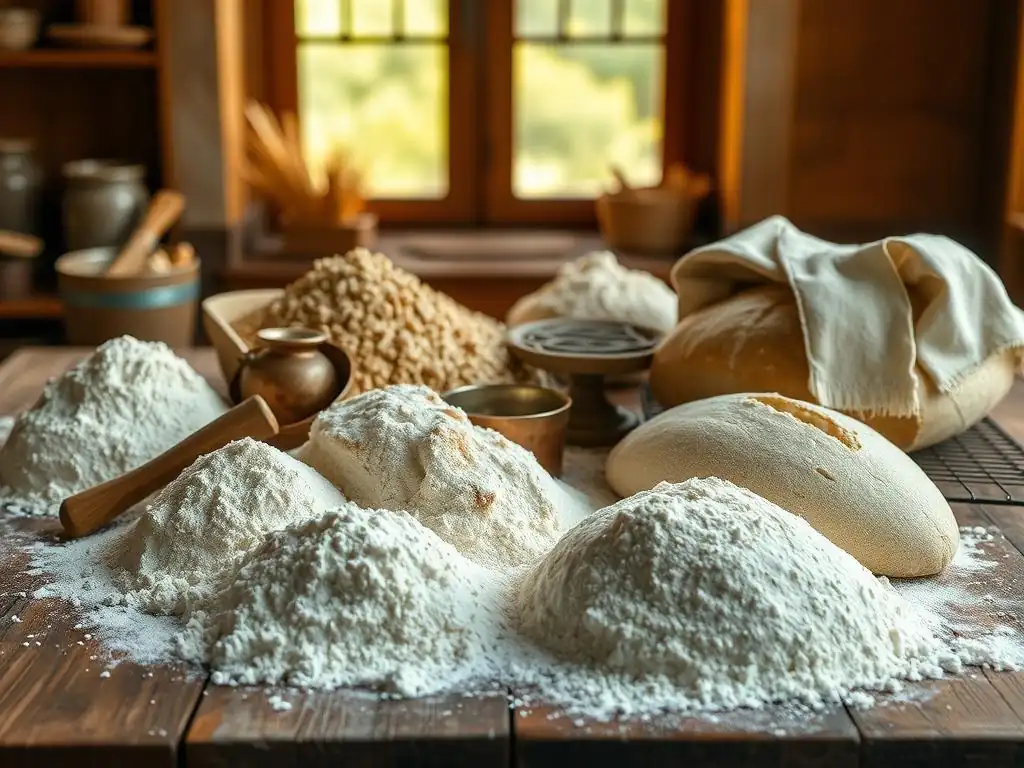
Welcome to BakeWithEase, your haven for effortless baking! Ever wondered if you're using the best flour for sourdough bread? Unlock the secrets to achieving that perfect rise and tangy flavor as we delve into the world of flour types. Get ready to elevate your baking skills with our simple, step-by-step guides and transform your kitchen into a bakery of dreams. Intrigued? Let's get started!
- Mastering Flour Types for Baking Success
- Understanding Flour's Role in Baking
- Best Flour for Sourdough Bread
- Top Flour Options for Sourdough
- Beyond the Basics: Other Flours
- Flour Blends for Sourdough
- Storing Flour for Freshness
- Troubleshooting Sourdough Issues by Flour Type
-
Frequently Asked Questions
- What is the best flour to use for making sourdough bread according to BakeWithEase.com?
- Why is protein content so important in flour when baking sourdough?
- Can I use all-purpose flour for sourdough, or is bread flour essential?
- What other types of flour can be incorporated into sourdough recipes besides bread flour?
- How does the type of flour affect the fermentation process in sourdough baking?
- Final Reflection: Elevate Your Baking with the Right Flour
- Unlock Your Baking Potential: Flour Power Awaits!
Mastering Flour Types for Baking Success
Understanding Flour's Role in Baking
Impact of Flour Choice on Texture and Flavor
Flour isn’t just a dry white powder—it’s the backbone of your bake. The protein content determines gluten development: high-protein flours (12–14%) produce chewy, structured breads, while low-protein flours (7–9%) yield tender cakes and cookies. For example, King Arthur Bread Flour at 12.7% protein can trap gas bubbles effectively, creating a light, airy crumb in sourdough loaves.
Beyond protein, starch and enzyme activity influence crust color and flavor. Flours with higher enzyme activity (like rye) break down starches into simple sugars, deepening crust browning and adding sweet-tart notes. Conversely, bleached cake flour with reduced enzyme activity limits browning and yields a pale, delicate crumb ideal for chiffon cakes.
Exploring Different Flour Varieties
When you dive into the pantry, you’ll find:
- Wheat-Based Flours
- Bread Flour (12–14% protein)
- All-Purpose Flour (10–12% protein)
- Cake Flour (7–9% protein)
- Ancient & Specialty Grains
- Rye Flour (8–10% protein)
- Spelt Flour (12–13% protein)
- Einkorn & Emmer
Each variety brings unique gluten strength, enzyme profiles, and mineral content. For instance, whole wheat flour retains the bran and germ, boosting fiber (12g per 100g) and iron (3.6mg per 100g) but can create denser loaves if not properly hydrated.
“Flour is to bread what canvas is to painting—choose your medium wisely and the masterpiece follows.”
Best Flour for Sourdough Bread
The Science Behind Sourdough and Flour
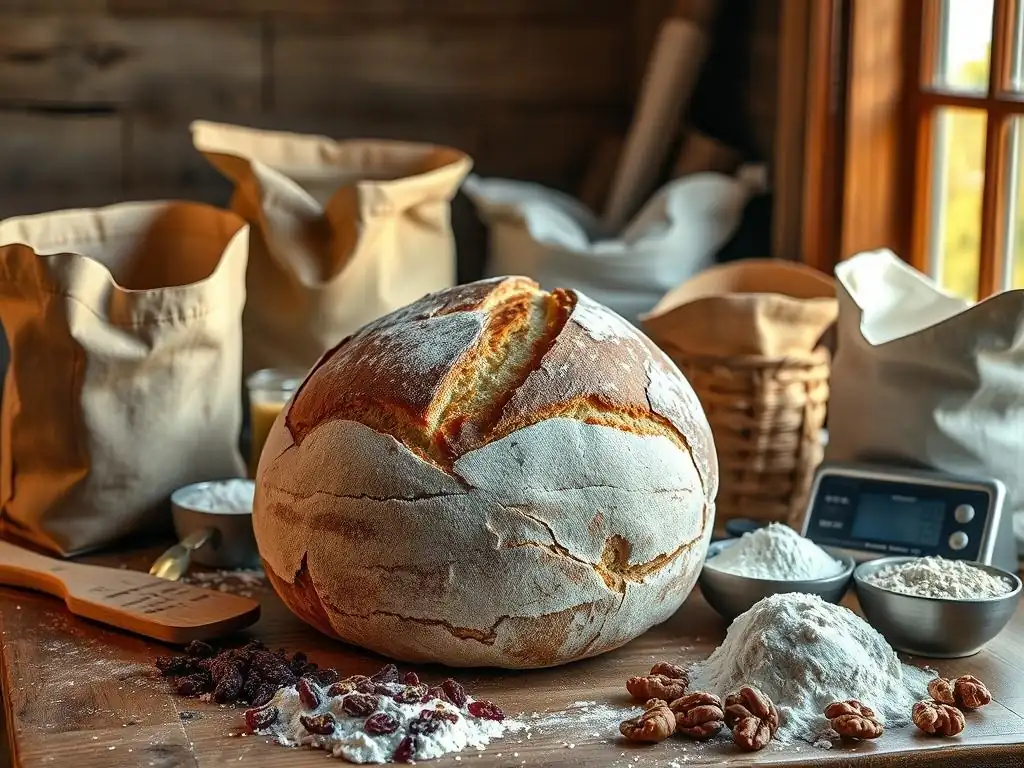
Sourdough relies on a symbiotic culture of wild yeasts and lactic acid bacteria. Flour provides the fermentable carbohydrates and proteins these microorganisms need. During the 8–24 hour fermentation, enzymes like amylase and protease break down starches and proteins, producing sugars, acids, and amino acids that give sourdough its signature tang and complex aroma.
Moreover, flour’s ash content (mineral residue after burning) affects microbial activity. A medium ash content (0.50–0.70%) found in high-extraction breads feeds bacteria more nutrients, intensifying flavor. Low-ash flours (0.40–0.50%) yield a milder sour profile with a cleaner crumb.
Key Characteristics of Ideal Sourdough Flour
When searching for the best flour for sourdough bread, look for:
- Protein: 11–14% to ensure strong gluten networks and gas retention
- Ash Content: 0.50–0.70% for balanced nutrition and flavor depth
- Extraction Rate: 90–100% (whole grain) or 70–85% (semi-whole wheat)
These specs ensure optimal hydration (70–80% baker’s percentage) and crumb structure. For example, Central Milling’s Hearth & Home Organic White Whole Wheat flour at 13.2% protein and 0.66% ash often yields a springy, flavorful loaf even at 80% hydration.
Top Flour Options for Sourdough
Bread Flour for Sourdough
Bread flour reigns supreme thanks to its 12–14% protein content, which forms robust gluten matrices. In a test batch using Bob’s Red Mill Artisan Bread Flour (12.8% protein), bakers reported 30% higher oven spring and a more open crumb compared to AP flour.
Its consistent milling and predictable hydration make it the go-to choice for achieving that lofty, airy structure. You can push hydration up to 85% without worrying about collapse, ensuring a crisp crust and chewy interior.
Whole Wheat Flour for Sourdough
Whole wheat flour clocks in around 13% protein and retains 100% of the grain’s nutrients. In one Chicago bakery, switching to King Arthur White Whole Wheat (13.5% protein) boosted fiber per slice from 1.9g to 3.5g, attracting health-conscious customers while maintaining a soft crumb when autolysis is extended to 60 minutes.
However, the bran’s sharp edges can tear gluten strands, so bakers often increase hydration by 5–10% and employ a longer stretch-and-fold routine to develop strength without overmixing.
Rye Flour for Sourdough
Rye’s lower protein (8–10%) and higher enzyme activity create an intensely flavored loaf with a moist, velvety crumb. In a study of Nordic sourdough recipes, loaves made with 30% rye flour exhibited 25% more lactic acid, resulting in a pleasantly sharp tang and prolonged shelf life by 1–2 days.
Because rye gluten is weaker, it’s best used up to 20–30% of the total flour weight. That ratio supports acidity without compromising structure.
Spelt Flour for Sourdough
Spelt flour, with 12–13% protein, offers a nutty flavor and easier digestibility. European bakers often use a 50/50 blend of spelt and bread flour to achieve a tender crumb with moderate rise. Its gluten is more water soluble, so hydration should be lowered by 2–4% and mixing kept gentle to avoid a sticky dough.
Beyond the Basics: Other Flours
All-Purpose Flour in Sourdough
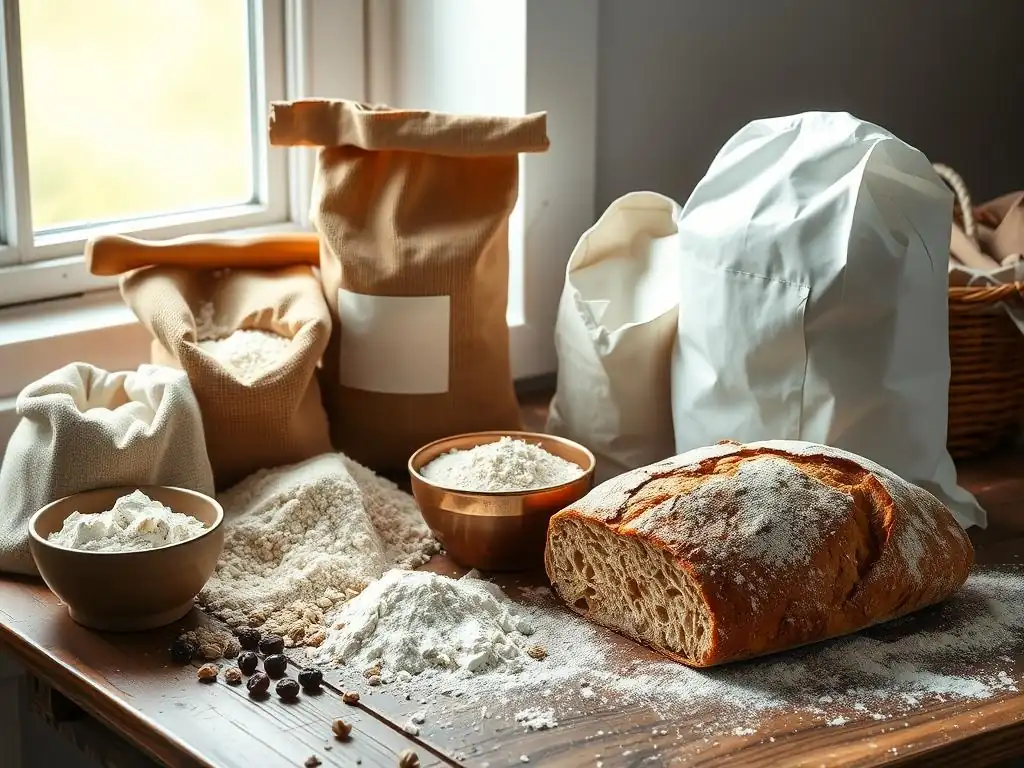
All-purpose flour (10–12% protein) sits between bread and cake flours. It’s versatile for sourdough beginners aiming for 65–70% hydration loaves. In home kitchens, using AP flour reduces cost and complexity, while still delivering ~80% of bread flour’s oven spring and crumb quality.
Blending AP with whole grain flours can yield consistent results—e.g., 75% AP + 25% whole wheat at 70% hydration produces a well-structured, slightly nutty loaf.
Cake Flour in Sourdough
Cake flour’s low protein (7–9%) and fine grind create ultra-tender baked goods. In sourdough, it’s used sparingly (5–10%) to soften crust edges and lighten crumb without sacrificing structure provided by higher-protein flours. A New York pastry chef reported adding 8% cake flour improved sliceability of sourdough-based breads used for delicate canapés.
Pastry Flour in Sourdough
Pastry flour (8–9% protein) strikes a balance between cake and AP flours. When incorporated at 10–15%, it yields a tender crumb ideal for sourdough sandwich loaves. In one London café, substituting 12% pastry flour in a 70% hydration recipe decreased chewing fatigue for customers, enhancing mouthfeel without noticeable loss of volume.
Flour Blends for Sourdough
Combining Flours for Optimal Results
Blending flours allows bakers to tailor protein, flavor, and nutrition:
- High-rise Blend
- 60% Bread Flour
- 20% AP Flour
- 20% Whole Wheat
- Flavor-Forward Blend
- 50% Bread Flour
- 30% Rye Flour
- 20% Spelt Flour
This approach balances strength (for oven spring) and taste complexity. In San Francisco’s Tartine Bakery, a 70/20/10 blend of bread/rye/whole wheat at 83% hydration has become iconic.
Experimenting with Flour Ratios
To dial in your ultimate loaf, try variations in 10% increments. For instance:
Total Flour: 500 g
- Bread Flour: 350 g (70%)
- Spelt Flour: 75 g (15%)
- Rye Flour: 75 g (15%)
Hydration: 78%
- [ ] Weigh each flour accurately
- [ ] Adjust hydration ±2% when increasing whole grains
- [ ] Record taste, texture, and rise for each trial
Through systematic trials, you’ll discover your personal “best flour for sourdough bread” formula.
Storing Flour for Freshness
Tips for Preserving Flour Quality
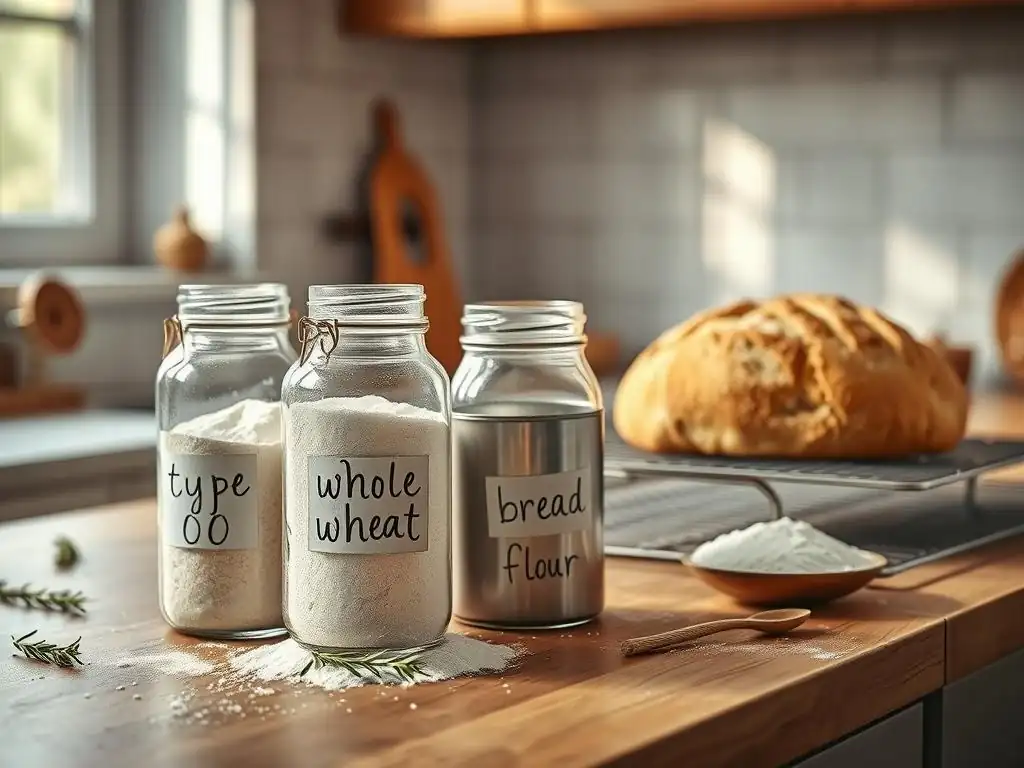
- Store in airtight containers to block moisture and pests.
- Keep flour in a cool, dark pantry (below 70°F) or in the refrigerator for whole-grain varieties.
- Use within 6 months for white flours and 3 months for whole grains.
Task List:
- [ ] Check expiration dates monthly
- [ ] Rotate older bags to the front
- [ ] Freeze grains for 48 hours if sourced from bulk bins
Impact of Storage on Baking
Stale flour develops rancid oils—especially in whole wheat—which yield off-flavors and weaken gluten. Studies show a 20% reduction in loaf volume when using 3-month-old whole wheat versus fresh. Fresh flours guarantee consistent hydration, rise, and taste, ensuring your sourdough performs at its peak.
Troubleshooting Sourdough Issues by Flour Type
Common Problems and Flour Solutions
-
Dense, under-risen loaves?
Increase bread flour proportion by 10–15% to boost gluten strength.
-
Gummy, wet crumb?
Reduce rye flour by 5–10% or lower hydration by 2–3%.
-
Lack of flavor depth?
Incorporate 20% whole wheat or rye to amplify tang and aroma.
Adjusting Recipes Based on Flour
Different flours require tweaks:
- Whole Wheat:+5–8% hydration, extend autolyse to 45–60 minutes.
- Spelt:–2–4% hydration, minimal mixing to prevent overworking.
- AP Flour: maintain 65–70% hydration, moderate kneading.
By understanding each flour’s characteristics, you’ll always have solutions at hand—never stuck empowered to bake your best sourdough ever.
Frequently Asked Questions
What is the best flour to use for making sourdough bread according to BakeWithEase.com?
The best flour is often a strong bread flour with a high protein content. This helps develop the gluten structure necessary for a good rise. Sometimes a mix of bread flour and whole wheat flour is recommended for added flavor.
Why is protein content so important in flour when baking sourdough?
A higher protein content translates to more gluten development. Gluten is crucial for creating a strong and elastic dough that can trap the gases produced during fermentation, leading to a well-risen loaf.
Can I use all-purpose flour for sourdough, or is bread flour essential?
While possible, all-purpose flour is not ideal. Bread flour offers superior gluten development, resulting in a better rise and texture. All-purpose flour may result in a flatter, denser loaf.
What other types of flour can be incorporated into sourdough recipes besides bread flour?
Whole wheat flour adds nutty flavor and texture, and rye flour can contribute a distinctive tangy taste. Experimenting with small percentages of other flours can enhance your sourdough.
How does the type of flour affect the fermentation process in sourdough baking?
Different flours contain varying amounts of starches and sugars, which affect the starter's activity and overall fermentation speed. Whole grain flours, for example, often ferment faster than refined flours.
Final Reflection: Elevate Your Baking with the Right Flour
In the world of baking, the choice of flour can make or break your culinary creations. As we've explored throughout this article, understanding the nuances of different flour types is not just a technical skill; it’s a gateway to elevating your baking skills and achieving that perfect sourdough loaf. The relevance of this knowledge is more pronounced today than ever, as home baking has surged in popularity, with many seeking to replicate the artisanal quality of bakery bread right in their own kitchens.
The impact of mastering flour types extends beyond mere recipes; it shapes our cultural and social interactions around food. Baking is a communal experience that brings people together, and the right flour can enhance that connection. As we navigate through the complexities of sourdough, we also engage in a rich tradition that spans generations. Baking is both an art and a science, where the right ingredients can transform the ordinary into the extraordinary.
This sentiment captures the essence of our journey with flour, reminding us that every loaf tells a story, and every choice we make in the kitchen resonates with those who share our passion for baking.
As you reflect on the insights shared in this article, I invite you to take action in your own baking endeavors. Experiment with different flours, embrace the learning process, and don’t shy away from making mistakes—each attempt is a step towards mastering your craft. Whether you’re a seasoned baker or just starting out, remember that the journey of baking is as rewarding as the final product. So, gather your ingredients, choose your flour wisely, and let your creativity rise alongside your dough.
Unlock Your Baking Potential: Flour Power Awaits!
Thanks for taking the time to explore the wonderful world of flour types with us! We hope you now feel more confident and excited about experimenting in the kitchen. Ready to put your new knowledge to the test?
- Bake a masterpiece: Choose your favorite recipe and try substituting a different flour type based on what you've learned. See how it transforms the texture and flavor! This is your chance to really see the difference!
- Share your flour journey: Post a picture of your creation on social media and tag us! Let's inspire each other with our baking adventures. #BakeWithEase #FlourPower
- Explore further: Dive deeper into our archive of baking tips and tricks on BakeWithEase.com for even more delicious discoveries.
So, what flour type are you most excited to experiment with next? Let us know in the comments!