
Pastry Flour Power: Achieve Flaky Pies and Biscuits

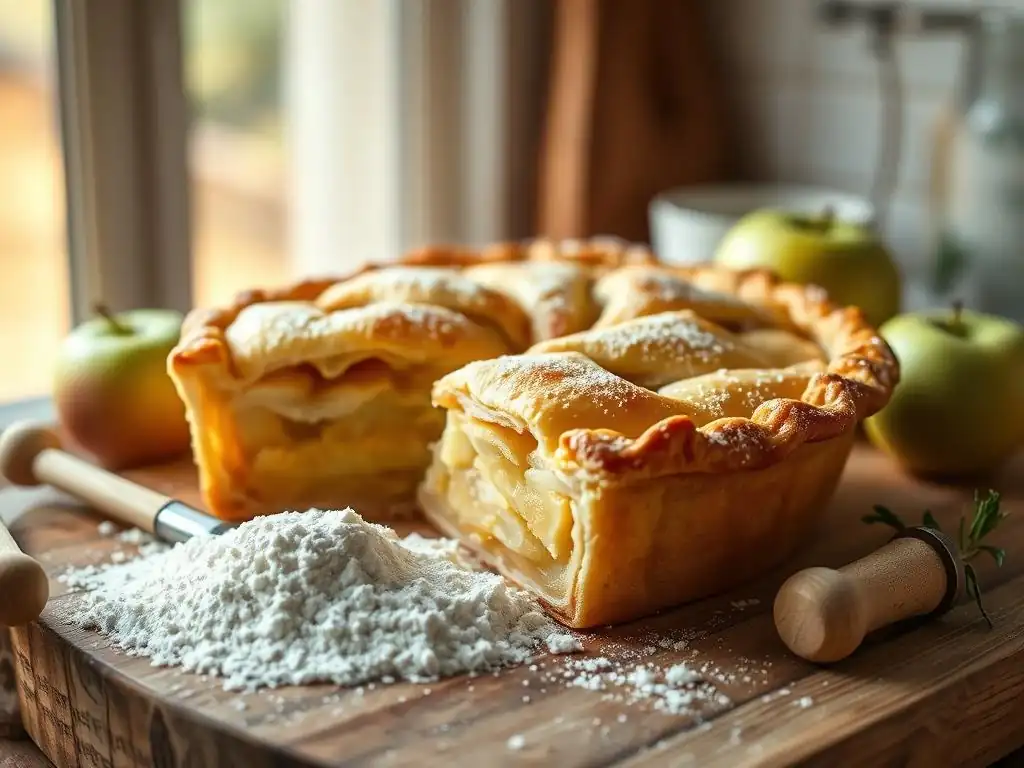
Welcome to BakeWithEase, where effortless baking begins! Ever wondered how to achieve that perfectly flaky pie pastry that seems impossible to replicate? Unlock the secrets to light, airy, and utterly delicious pies with our guide to the perfect flaky pie pastry recipe. Dive in and discover the techniques that will transform your baking, starting with this essential foundational skill. Get ready to create pastry perfection!
- Pastry Flour: The Key to Tender Baked Goods
- Understanding Flour's Role in Baking
- Flour Types and Their Applications
- The Science Behind Flaky Pastry
- Pastry Flour vs. All-Purpose Flour: A Comparison
- Using Pastry Flour for Cookies
- Working with Pastry Flour: Tips and Techniques
- Troubleshooting Baking Issues
- Beyond the Basics: Exploring Different Flours
- Conclusion: Mastering Baking with Flour Knowledge
-
Frequently Asked Questions
- What makes BakeWithEase's flaky pie pastry recipe different from other recipes?
- What type of flour is recommended for the best flaky pie pastry?
- What are some common mistakes to avoid when making flaky pie pastry?
- How does BakeWithEase's recipe help beginners achieve a flaky pie crust?
- Can I use this flaky pie pastry recipe for other baked goods besides pies?
- Final Reflection: The Art of Flaky Pastry and Its Timeless Appeal
- Unlock Your Inner Pastry Chef!
Pastry Flour: The Key to Tender Baked Goods
Baking relies on a fascinating interplay of ingredients, and perhaps none is more fundamental than flour. It provides the structure, the texture, and the very foundation for everything from airy cakes to crusty breads. Understanding the subtle differences between flour types is not just academic; it's the secret ingredient that can elevate your baking from good to truly exceptional, especially when aiming for delicate textures like those needed for a perfectly flaky pie pastry recipe.
The type of flour you choose dictates how much gluten develops, how liquids are absorbed, and ultimately, the tenderness or chewiness of your final product. Using the right flour ensures that your cookies spread just enough, your cakes have a fine crumb, and your pastries achieve that coveted, light flakiness. It's about matching the flour's characteristics to the desired outcome of the bake.
Understanding Flour's Role in Baking
Flour, primarily derived from milled wheat, is the structural backbone of most baked goods. It contains proteins, primarily gliadin and glutenin, which, when hydrated and mixed, form gluten. This elastic network traps gases produced by leaveners (like yeast or baking powder), causing dough and batters to rise and hold their shape. The amount and strength of the gluten network developed profoundly affect the final texture – from the airy structure of a baguette to the tender crumb of a muffin or the distinct layers in a flaky pie pastry recipe.
Beyond structure, flour contributes to the overall composition by absorbing moisture and fat, aiding in browning during baking (thanks to its starch content), and contributing subtle flavor notes. Different wheat varieties and milling processes result in flours with varying protein levels and characteristics, making each type uniquely suited for specific baking applications. Choosing correctly is the first step towards mastering any recipe.
Selecting the appropriate flour is paramount for achieving the desired texture in delicate baked goods like cakes, pastries, and cookies. These items generally benefit from a tender, less chewy result, which means minimizing strong gluten development.
Flours milled from soft wheat varieties, which are lower in protein compared to hard wheat, are typically preferred for these applications. Cake flour, with its very low protein content (often 5-8%), is ideal for light, airy cakes with a fine crumb, while pastry flour, with a slightly higher but still moderate protein level (typically 8-10%), strikes a balance, providing just enough structure for pastries and tender cookies without creating toughness.
For pastries specifically, like those used in a flaky pie pastry recipe or for biscuits, pastry flour's protein range is particularly advantageous. It allows for the formation of a tender dough while still providing enough integrity to hold layers of fat. This balance is difficult to achieve with higher-protein flours like all-purpose or bread flour, which would result in a tougher texture less conducive to flakiness. Cookies, depending on whether you want them soft and chewy or crisp and delicate, can utilize pastry flour or a combination, leveraging its low-gluten potential to prevent toughness.
Gluten Development: Impact on Texture
Gluten development is the process by which the proteins gliadin and glutenin in wheat flour link together when combined with water and agitated (mixed or kneaded). The extent of this linking determines the strength and elasticity of the dough. A highly developed gluten network is strong and stretchy, capable of trapping large amounts of gas, which is essential for the rise and chewy texture of yeast breads. Think of the windowpane test bakers use to check if bread dough is sufficiently kneaded – it shows the strength of the gluten network.
Conversely, for baked goods where tenderness is desired, such as cakes, muffins, biscuits, and pastries, minimizing gluten development is key. A weaker gluten network results in a more tender, crumbly, or flaky texture. Using low-protein flours like pastry flour or cake flour, along with techniques that limit mixing (like the 'cut in' method for fats or mixing just until combined), actively prevents the formation of a strong gluten structure, ensuring the final product is delicate rather than tough or overly chewy. This is particularly critical for achieving the delicate layers characteristic of a flaky pie pastry recipe.
Flour Types and Their Applications
The world of flour extends beyond the ubiquitous all-purpose bag. Each type, milled from different wheat varieties and processed in distinct ways, possesses unique characteristics that make it best suited for specific baking tasks. Understanding these differences empowers you to choose the flour that will yield the best results for your desired baked good.
From the low-protein specialists perfect for tender treats to the high-protein champions of the bread world, selecting the correct flour is a fundamental step in mastering baking. Let's explore some common types and where they shine, paying special attention to the star of our discussion: pastry flour.
Pastry Flour: For Tender and Flaky Results
Pastry flour is a low-protein flour, typically containing between 8% and 10% protein, milled from soft wheat. This protein range is slightly higher than cake flour but significantly lower than all-purpose or bread flour. Its key advantage lies in its ability to produce baked goods that are both tender and capable of developing layers. The lower protein content means less potential for strong gluten development, preventing toughness, while still providing enough structure for doughs that need to be rolled and shaped.
This unique balance makes pastry flour the ideal choice for applications where tenderness and flakiness are paramount. It is the preferred flour for creating delicate pie crusts, achieving light and fluffy biscuits, making tender scones, and producing certain types of cookies that benefit from a soft crumb. When used in a flaky pie pastry recipe, pastry flour allows fat to create distinct layers that separate beautifully during baking, resulting in that characteristic shatteringly flaky texture.
Cake Flour: Achieving a Delicate Crumb
Cake flour is the lowest-protein wheat flour available, typically ranging from 5% to 8% protein. It is milled from soft wheat and is often chlorinated, a process that weakens the protein structure and alters how the starch absorbs liquid, allowing the flour to hold more sugar and fat than other flours. This combination results in an exceptionally fine, soft texture and a very tender crumb in baked goods.
It is specifically designed for cakes, particularly those requiring a delicate, airy structure like angel food cake, sponge cake, and fine-crumbed layer cakes. Its low gluten potential minimizes toughness, contributing to a melt-in-your-mouth texture. While its primary use is cakes, its extreme tenderness can sometimes be leveraged in other recipes seeking a similar delicate crumb, though it's less common for achieving distinct flakiness compared to pastry flour.
All-Purpose Flour: A Versatile Option
All-purpose flour, as its name suggests, is designed to be versatile. It's a blend of hard and soft wheat, resulting in a moderate protein content, typically between 10% and 12%. This mid-range protein level means it can develop enough gluten for bread-like structures but not so much that it makes cakes and pastries excessively tough – though it may not produce the absolute best results in either extreme.
It is the most common flour found in home kitchens because it works reasonably well in a wide variety of recipes, from cookies and cakes to muffins and some breads. However, for specific applications where texture is critical, such as a truly light and tender cake or a shatteringly flaky pie pastry recipe, using a specialized flour like cake or pastry flour will yield superior results compared to relying solely on all-purpose flour.
Bread Flour: Best for Chewy Breads
Bread flour is a high-protein flour, typically containing 12% to 14% protein or even higher, milled primarily from hard wheat. This higher protein content means it has a greater potential for gluten development compared to other flours. When kneaded with water, the proteins form a strong, elastic network that can trap carbon dioxide produced by yeast, allowing bread dough to rise significantly and hold its shape.
This robust gluten structure is essential for creating breads with a chewy texture and a well-developed crumb, such as artisan loaves, sourdough, bagels, and pizza crusts. The strength of bread flour provides the necessary support for airy internal structures and contributes to a satisfying chew. It is generally unsuitable for applications requiring tenderness or flakiness, like cakes, cookies, or a flaky pie pastry recipe, as it would result in a dense, tough product.
The Science Behind Flaky Pastry
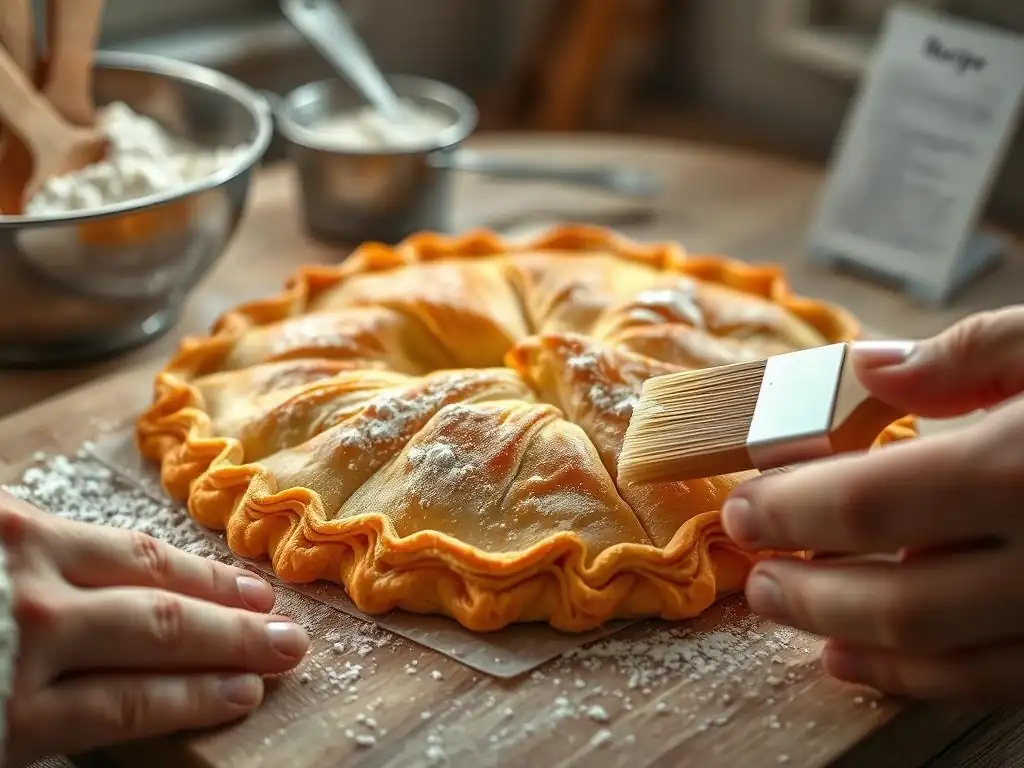
Achieving truly flaky pastry, whether for pies, tarts, or savory dishes, is a culinary art rooted in scientific principles. It's not just about the ingredients; it's about how they interact, particularly the relationship between flour, fat, and water during mixing and baking. The goal is to create distinct layers of dough separated by pockets of air, and this is where the properties of pastry flour become especially valuable.
The magic happens as the pastry bakes. The fat melts, and any water present in the fat (like in butter) turns to steam. This steam expands rapidly, forcing the delicate dough layers apart. The dough then sets in this separated state, creating the characteristic visible flakes. Understanding this process helps explain why specific techniques and ingredients are crucial for a successful flaky pie pastry recipe.
Low Protein Content: The Advantage of Pastry Flour
Pastry flour's lower protein content (8-10%) is a significant advantage when aiming for flakiness. As discussed, less protein means less potential for gluten development. In pastry making, while some minimal gluten is needed to hold the dough together, excessive gluten creates a strong, elastic network that resists layering. If the dough is too elastic, it will be difficult to roll thinly without springing back, and more importantly, it will form a continuous, tough sheet rather than distinct, separable layers when baked.
By using pastry flour, you inherently limit the strength of the gluten network that can form. This allows the dough to be more extensible (easy to roll) and less elastic, making it easier to create and maintain the layers of fat within the dough during the rolling and folding process. This foundational tenderness provided by low-protein flour is the first critical step towards achieving a light and flaky texture in your baked goods, including that perfect flaky pie pastry recipe.
Minimizing Gluten Formation
While starting with a low-protein flour like pastry flour is essential, techniques used during mixing and handling are equally important for minimizing gluten formation and ensuring flakiness. The key is to limit the interaction between water and flour proteins once hydration occurs. Using very cold ingredients, particularly cold fat and ice water, slows down gluten development. The fat itself, when cut into the flour, also coats the flour particles, inhibiting their full hydration and thus limiting gluten formation.
Handling the dough as little as possible is crucial. Overmixing or excessive kneading will activate gluten, even in low-protein flour. For flaky pastry, the goal is to bring the dough together just until it holds, leaving visible pieces of fat. Rolling and folding techniques are designed to flatten the fat pieces and layer the dough gently, not to develop gluten. Chilling the dough between steps also helps relax any nascent gluten and keeps the fat solid, both of which contribute to tenderness and facilitate layering necessary for a flaky pie pastry recipe.
Fat Incorporation for Layering
The method of incorporating fat is perhaps the most visually evident factor in achieving flaky pastry. Solid, cold fat – typically butter, lard, or shortening – is cut into the flour in pieces. These pieces of fat remain distinct within the dough. When the dough is rolled out, these fat pieces are flattened into thin sheets or pockets separated by layers of dough.
As the pastry bakes, the solid fat melts. If using butter or other fats containing water, the water turns to steam. This steam expands dramatically, creating pressure that pushes the delicate layers of dough apart. The surrounding dough layers, having set during baking, maintain this separation, resulting in the characteristic air pockets and visible flakes. The size and distribution of the fat pieces directly influence the size and appearance of the flakes; larger pieces tend to create larger, more pronounced flakes, crucial for the signature texture of a flaky pie pastry recipe.
Pastry Flour vs. All-Purpose Flour: A Comparison
While all-purpose flour is a common staple, a direct comparison with pastry flour highlights why the latter is superior for achieving certain textures. The key differences lie in their protein content, how gluten develops, and their absorption characteristics, all of which significantly impact the final baked good. Understanding these distinctions is crucial for choosing the optimal flour for your baking goals.
Many recipes written for a general audience might call for all-purpose flour for convenience. However, substituting pastry flour in recipes intended for tenderness or flakiness can often yield a noticeably improved result. Conversely, using all-purpose flour when pastry flour is specified may lead to a tougher outcome.
Protein Content and Texture
The most significant difference between pastry flour and all-purpose flour is their protein content. Pastry flour contains approximately 8-10% protein, while all-purpose flour contains a higher amount, typically 10-12%. This difference of just a few percentage points has a substantial impact on the potential for gluten development.
In baking, this translates directly to texture. Pastry flour's lower protein results in less gluten formation, leading to more tender, delicate, and often flakier baked goods. All-purpose flour, with its higher protein, develops a stronger gluten network, resulting in a slightly firmer, chewier texture. While AP flour is versatile, it cannot replicate the specific tenderness and distinct flakiness that pastry flour provides, particularly in applications like a flaky pie pastry recipe or tender biscuits.
Gluten Development and Tenderness
Due to its lower protein composition, pastry flour inherently limits the amount of gluten that can form, even when mixed with water. This is precisely why it excels in recipes where tenderness is paramount. The weaker gluten network doesn't create the same elastic structure found in bread doughs.
When you use all-purpose flour, its higher protein content means that with the same amount of mixing and hydration, a stronger, more elastic gluten network will develop. This increased elasticity is desirable for chewy breads but detrimental to achieving a tender crumb or distinct layers in pastries. For a truly tender scone or a flaky pie pastry recipe, the reduced gluten development facilitated by pastry flour is essential for preventing toughness and allowing the fat to create those desirable flaky layers.
Absorption and Hydration
Flours with higher protein content generally absorb more liquid than those with lower protein. Consequently, all-purpose flour typically requires slightly more water or other liquids than pastry flour to achieve a similar dough consistency. This difference in absorption can be subtle but is important to consider when substituting flours.
If you substitute all-purpose flour for pastry flour in a recipe without adjusting the liquid, the dough might be slightly drier or require more mixing to come together, potentially leading to toughness. Conversely, using pastry flour in a recipe developed for all-purpose flour might result in a stickier dough if the liquid isn't slightly reduced. For consistent results, especially with delicate doughs like those for a flaky pie pastry recipe, adhering to the flour type specified in the recipe and measuring accurately is the best approach.
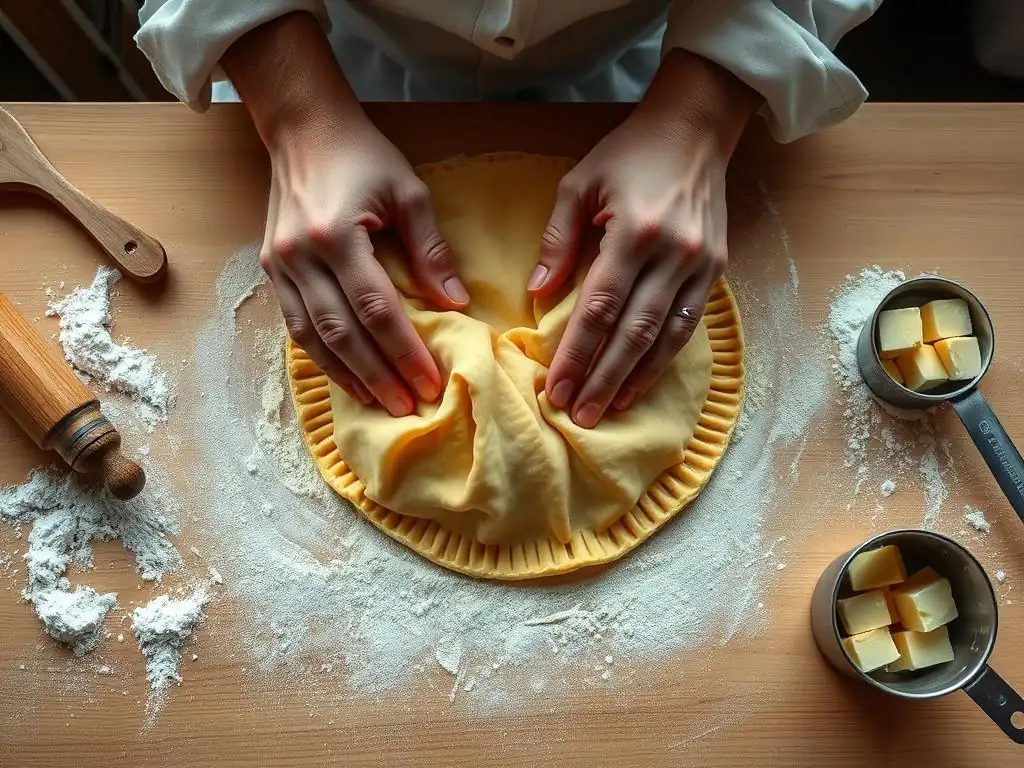
While pastry flour is often celebrated for its role in flaky pastries and tender biscuits, its low protein content also makes it an excellent choice for certain types of cookies. The goal in many cookie recipes is a tender, sometimes soft or slightly chewy texture, rather than the dense or tough result that can occur with too much gluten development. Pastry flour helps achieve this delicate balance.
By limiting the formation of a strong gluten network, pastry flour contributes to cookies that are less prone to becoming hard or tough, even with moderate mixing. This allows the other ingredients, like butter, sugar, and flavorings, to dominate the texture and taste experience, resulting in cookies that are pleasantly tender and often have a finer crumb structure.
For cookie recipes designed to be soft and slightly chewy, pastry flour can be a valuable asset. Its lower protein level reduces the potential for a tough, bready texture that can sometimes occur with higher-protein flours. This allows the fat and sugar in the recipe to play a more dominant role in creating a tender structure.
Think of classic drop cookies like chocolate chip cookies where a soft interior is desired. While many recipes use all-purpose flour, substituting some or all of it with pastry flour can result in a more consistently tender crumb. The limited gluten development ensures that the cookie doesn't become overly structured or tough, allowing it to remain soft even after cooling.
Preventing Toughness
Toughness in cookies is often a direct result of excessive gluten development, usually caused by overmixing the dough. Even if a recipe calls for all-purpose flour, vigorous or prolonged mixing can activate enough gluten to create a less-than-tender cookie. Pastry flour provides a buffer against this.
Because pastry flour has less protein available to form gluten, the risk of developing a tough texture through mixing is significantly reduced. This makes pastry flour a more forgiving option for cookie bakers who may be prone to slightly overmixing. It helps ensure a tender outcome, which is particularly desirable in delicate cookies like shortbread or sugar cookies where a crumbly, melt-in-your-mouth texture is the goal.
Flavor and Texture Enhancement
Using pastry flour can subtly enhance both the texture and perceived flavor of cookies. Its fine milling contributes to a smooth dough and can result in a finer, more uniform crumb structure in the baked cookie. This delicate texture allows the flavors of other ingredients to come through more clearly without being masked by a dense or tough bite.
While the flavor of flour itself is subtle, the way it interacts with fats and sugars and its impact on texture significantly influence the overall eating experience. A tender, delicate cookie made with pastry flour allows the richness of butter, the sweetness of sugar, and the notes of vanilla or chocolate to be the stars, providing a more pleasant and refined texture compared to a cookie that might be slightly tough or bready from higher gluten development.
Working with Pastry Flour: Tips and Techniques
Working with pastry flour requires attention to detail, particularly regarding measurement, hydration, and handling. Because it is lower in protein and designed for tenderness, techniques that minimize gluten development are key to unlocking its full potential, especially when aiming for flaky results like a perfect flaky pie pastry recipe.
Adopting precise methods ensures that you leverage the unique properties of pastry flour to achieve the desired light and tender textures. These tips are fundamental for consistent success and avoiding common pitfalls that can lead to suboptimal results, even when using the right flour.
Measuring Flour Accurately
Accurate flour measurement is critical in baking, and perhaps even more so when working with delicate flours like pastry flour. Using too much flour is a common mistake that leads to dry, tough, or dense baked goods because excess flour increases the potential for gluten development and throws off the moisture balance.
The most recommended method for measuring flour is using a kitchen scale for weight measurement (e.g., 100-110 grams per cup for correctly measured pastry flour). If using volume measurements, employ the "spoon and level" method: lightly spoon the flour into the measuring cup until it overflows, then level off the excess with a straight edge without shaking or compacting the flour. Avoid scooping directly from the bag, as this can compact the flour significantly, adding up to 20-30% more flour than intended. Precision here is vital for the correct dough consistency needed for a flaky pie pastry recipe.
Hydration Levels and Dough Consistency
Pastry flour typically absorbs slightly less liquid than all-purpose flour due to its lower protein content. This means that recipes specifically developed for pastry flour will account for this difference in their liquid measurements. When using pastry flour, it's important to follow the recipe's specified hydration levels closely and pay attention to the dough's consistency.
For flaky pastry doughs, the target consistency is usually a shaggy mix that just barely comes together when pressed, with visible pieces of fat throughout. It should not be a smooth, cohesive ball like bread dough. For cookie or cake batters using pastry flour, the consistency will vary, but the key is to mix only until the ingredients are just combined.
Adding too much liquid can make the dough or batter sticky and difficult to handle, while too little will result in a dry, crumbly product. Adjust liquid cautiously if necessary, adding only a teaspoon at a time for doughs like that for a flaky pie pastry recipe.
Handling Dough for Optimal Results
Minimal handling is a golden rule when working with pastry flour, especially for flaky applications. The less you work the dough, the less gluten will develop, ensuring maximum tenderness and flakiness. This means resisting the urge to knead pastry dough or overmix cookie and cake batters.
For pie crusts and biscuits, mix the ingredients only until they come together in a shaggy mass. When rolling out pastry dough, use light, even pressure and flour your surface and rolling pin minimally to prevent sticking without incorporating too much extra flour into the dough. Chilling the dough is also a crucial handling technique; it solidifies the fat, making it easier to roll and handle without melting, and it allows the gluten to relax, further contributing to tenderness and distinct layers in your flaky pie pastry recipe. Quick, confident movements are better than hesitant, repetitive ones.
Troubleshooting Baking Issues
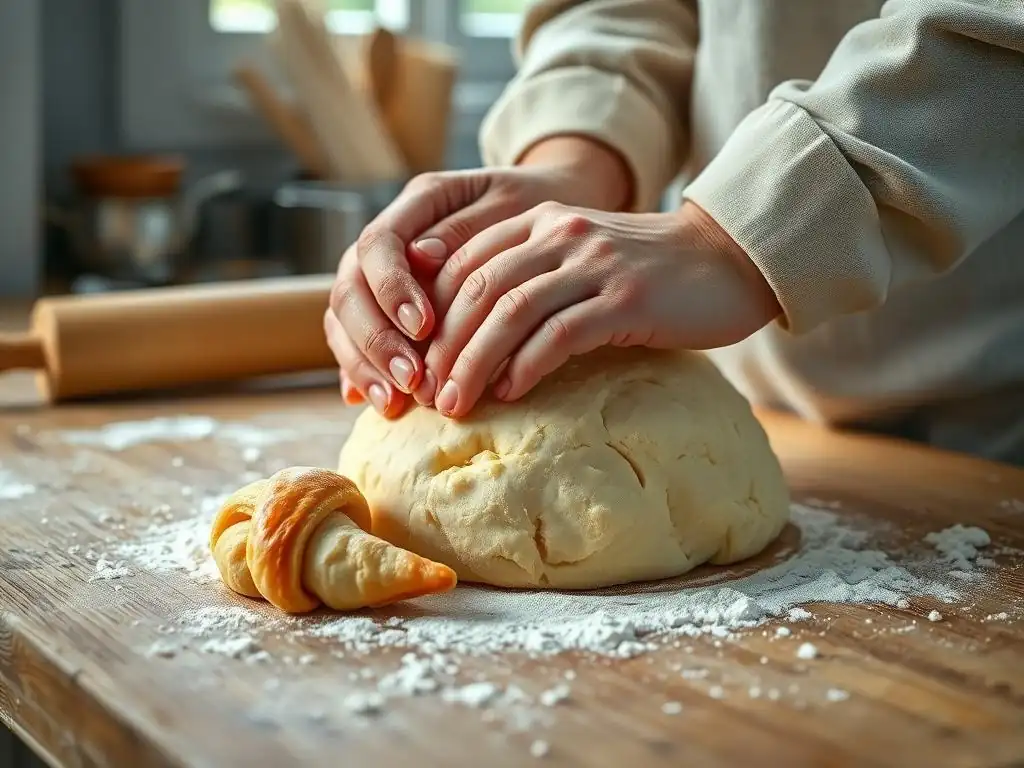
Even with the right flour and techniques, baking can sometimes present challenges. Understanding common issues and their potential causes can help you diagnose problems and improve your results. Many baking mishaps, particularly those related to texture, can be traced back to issues with flour choice, measurement, or handling.
Identifying the root cause of a tough pie crust, dry cookies, or unevenly baked goods is the first step towards preventing them in the future. By applying the knowledge of flour properties and basic baking science, you can troubleshoot effectively and refine your skills.
Tough Baked Goods: Causes and Solutions
One of the most common frustrations when baking with wheat flour, especially in applications meant to be tender, is ending up with a tough result. When using pastry flour, which is designed to minimize toughness, this problem is almost always due to excessive gluten development caused by overworking the dough. Warm ingredients can also contribute, as warmth encourages faster gluten formation.
Solutions: Ensure all your ingredients, especially the fat and liquid for pastry doughs, are cold. Mix doughs and batters only until the ingredients are just combined; stop as soon as there are no dry streaks of flour. Handle dough minimally when rolling or shaping. For recipes like a flaky pie pastry recipe that require chilling, do not skip this step, as cold dough is less prone to gluten development and easier to handle gently. If you suspect overmixing, try resting the dough in the refrigerator for 30-60 minutes before proceeding; this allows the gluten to relax somewhat.
Dry or Crumbly Results: Addressing Moisture Balance
Dry or crumbly baked goods often indicate an issue with moisture balance, typically either too much flour or not enough liquid relative to the flour used. Inaccurate flour measurement is a frequent culprit here. Using a cup measure and scooping directly from the bag can easily add 20% more flour than intended, drastically changing the flour-to-liquid ratio. Substituting flours without adjusting liquid can also cause this (e.g., using AP flour in a recipe calling for pastry flour but not adding a little extra liquid).
Solutions: Always measure flour accurately, ideally by weight using a kitchen scale. If using volume, use the spoon and level method. Ensure you add the precise amount of liquid specified in the recipe. If the dough still seems too dry after mixing, add extra liquid (like a teaspoon of cold water for pastry dough) very gradually until it just comes together. Avoid adding excess flour when rolling out dough; use minimal flour on your work surface.
Uneven Baking: Ensuring Consistent Temperatures
While not directly related to flour type, uneven baking is a common issue that affects the final texture and appearance of any baked good, including those made with pastry flour. It can result in parts of a pie crust being perfectly golden while other parts are pale, or cookies being burnt on one side and underdone on the other. Causes include oven hot spots, an inaccurate oven thermostat, or poor air circulation around the baking item.
Solutions: Use an inexpensive oven thermometer to check the accuracy of your oven's temperature setting. If your oven has hot spots, rotate your baking sheet halfway through the baking time to ensure even exposure to heat. Make sure there is adequate space between individual cookies or pastries on the baking sheet, and ensure the baking sheet is not too close to the oven walls, allowing for proper airflow. Baking on the correct oven rack position (usually the middle) is also important for even heat distribution. These steps ensure your flaky pie pastry recipe bakes uniformly.
Beyond the Basics: Exploring Different Flours
Once you've mastered the fundamentals of working with common wheat flours like pastry flour, you might be interested in exploring other options. The world of flour is vast, offering variations on classic types and entirely different grains. These alternative flours can bring new flavors, textures, and nutritional profiles to your baking.
Exploring different flours allows for creativity and adapting recipes to specific dietary needs or flavor preferences. Two notable examples are whole wheat pastry flour and various gluten-free flour blends, each presenting unique characteristics and considerations for the baker.
Whole Wheat Pastry Flour
Whole wheat pastry flour is a type of whole grain flour milled from soft wheat varieties, similar to white pastry flour, but it includes the bran and germ along with the endosperm. This gives it a higher fiber content, a nuttier flavor, and a slightly denser texture compared to white pastry flour. Despite being whole wheat, it has a lower protein content (often 10-11%) than regular whole wheat flour, making it more suitable for baked goods where some tenderness is desired.
It can be substituted for white pastry flour in many recipes, though the result will be less delicate and have a more pronounced whole-grain flavor. It works well in rustic tarts, muffins, scones, and certain cookies where a slightly heartier texture and the nutritional benefits of whole grains are welcomed. While you can use it for a flaky pie pastry recipe, expect a less ethereal flake and a darker, richer color compared to using white pastry flour.
Gluten-Free Flour Blends
For bakers avoiding gluten, the landscape involves using blends of various non-wheat flours and starches. These blends often combine flours like rice flour, sorghum flour, millet flour, or almond flour with starches like tapioca starch, potato starch, or cornstarch. To mimic the binding and structural properties of gluten, ingredients like xanthan gum or guar gum are frequently added.
Achieving specific textures like tenderness or flakiness in gluten-free baking requires specialized blends and techniques. There are gluten-free flour blends specifically marketed for pastry or all-purpose use, but their performance can vary significantly depending on their composition. Successfully creating a flaky pie pastry recipe in gluten-free baking often involves using specific gluten-free pastry blend recipes or commercially available blends designed for this purpose, along with precise handling techniques adapted for the unique properties of gluten-free doughs. It's a distinct discipline with its own learning curve compared to traditional wheat-based pastry making.
Conclusion: Mastering Baking with Flour Knowledge
Understanding the different types of flour and how they behave is a fundamental step in becoming a more confident and successful baker. Flour is far more than just a dry ingredient; it is a dynamic component whose protein content and characteristics dictate the structure and texture of nearly every baked good. By learning to choose the right flour for the job, you unlock the potential for achieving truly exceptional results.
Whether you're aiming for the airy lightness of a cake, the satisfying chew of artisan bread, or the delicate layers of a flaky pie pastry recipe, selecting the appropriate flour is the essential starting point. Combined with accurate measurement and proper handling techniques, this knowledge empowers you to take control of your baking and consistently produce delicious items with the perfect texture.
Recap of Flour Types and Their Uses
We've explored the characteristics and ideal applications of several key flour types:
- Pastry Flour: Low-to-moderate protein (8-10%), ideal for tender, flaky baked goods like pies, biscuits, scones, and some cookies. Crucial for a flaky pie pastry recipe.
- Cake Flour: Very low protein (5-8%), best for light, tender cakes with a fine crumb.
- All-Purpose Flour: Moderate protein (10-12%), versatile for many recipes, but may not produce optimal results where extreme tenderness or chewiness is desired.
- Bread Flour: High protein (12-14%+), essential for developing strong gluten networks for chewy, structured yeast breads.
Understanding these distinctions is key. Using pastry flour when a recipe calls for it (or when you desire a particularly tender or flaky outcome) is a simple change that can dramatically improve your results compared to defaulting to all-purpose flour.
Achieving Consistent Baking Success
Consistent baking success is a journey that involves mastering both ingredients and techniques. By paying attention to the type of flour recommended in a recipe and understanding why that flour is specified, you gain valuable insight into the desired outcome. Combining this knowledge with accurate measurement (preferably by weight) and gentle handling techniques, especially for delicate doughs like those for a flaky pie pastry recipe, significantly increases your chances of achieving consistent, high-quality results.
Don't be afraid to experiment and observe how different flours behave. Practice makes perfect, and with each bake, you'll become more attuned to the subtle cues that indicate whether your dough is just right. Armed with a solid understanding of flour's role and the specific advantages of types like pastry flour, you are well on your way to mastering the art of baking and creating everything from perfect flaky pie pastry recipes to the most tender cookies and biscuits.
Frequently Asked Questions
What makes BakeWithEase's flaky pie pastry recipe different from other recipes?
Our recipe emphasizes precise ingredient ratios and cold handling techniques to prevent gluten development, ensuring a tender and flaky crust.
What type of flour is recommended for the best flaky pie pastry?
We strongly recommend using pastry flour, as it has a lower protein content than all-purpose flour, leading to a more delicate and tender result.
What are some common mistakes to avoid when making flaky pie pastry?
Overworking the dough is a common mistake. Avoid overmixing and keep the ingredients cold to prevent gluten from developing excessively, which leads to a tough crust.
How does BakeWithEase's recipe help beginners achieve a flaky pie crust?
Our recipe provides step-by-step instructions with visual aids and easy-to-understand explanations of the techniques involved, making it accessible for beginners.
Can I use this flaky pie pastry recipe for other baked goods besides pies?
Yes! This recipe can also be used for biscuits, tarts, and other pastries where a light, flaky texture is desired. It's a versatile recipe to master.
Final Reflection: The Art of Flaky Pastry and Its Timeless Appeal
In a world where culinary trends come and go, the mastery of flaky pastry remains a cornerstone of baking that resonates with both tradition and innovation. The techniques and recipes shared in this article not only celebrate the delicate balance of ingredients but also highlight the joy of creating something beautiful and delicious from scratch. As we navigate our busy lives, the act of making flaky pies and biscuits serves as a reminder of the simple pleasures that can be found in the kitchen.
The influence of flaky pastry extends beyond mere recipes; it embodies a cultural heritage that connects generations through shared experiences and flavors. From family gatherings to festive celebrations, the art of crafting the perfect flaky pie or biscuit has the power to evoke nostalgia and foster connections. As Julia Child once said, No one is born a great cook, one learns by doing.
This sentiment rings true as we embrace the learning process, experimenting with techniques and ingredients to achieve that coveted flakiness.
As you reflect on the lessons of flaky pastry, I invite you to embrace the journey of baking with an open heart and a curious spirit. Consider how you can incorporate these timeless techniques into your own culinary repertoire, not just for the sake of tradition, but to create new memories and experiences in your kitchen. Whether you are a seasoned baker or just starting out, the joy of crafting flaky pies and biscuits awaits you—so roll up your sleeves, gather your ingredients, and let the magic of pastry flour power inspire your next baking adventure!
Unlock Your Inner Pastry Chef!
Thanks for taking the time to explore the world of pastry flour with us! You've now got the knowledge to create flawlessly flaky pies and biscuits. Ready to put your new skills to the test?
- Bake your dream pie: Try out the recipe for a classic apple pie using pastry flour – the difference is incredible! Remember to carefully follow the techniques outlined in the article.
- Share your baking triumph: Post a picture of your masterpiece on social media and tag us @BakeWithEase – we'd love to see your results!
- Explore other flour types: Discover how different flours impact your baking by browsing our other articles on BakeWithEase.com (This is a placeholder, remove for final draft)
What unique flavor combination will you try with your perfectly flaky pastry crust?