
Why Some Recipes Use Both Baking Soda and Baking Powder Together

Welcome to BakeWithEase, your trusted guide in the delightful world of baking! Ever wondered why some recipes call for both baking soda and baking powder? Unlock the secrets behind this powerful baking soda baking powder combo and elevate your creations from ordinary to extraordinary. Get ready to delve into the science and discover how this dynamic duo can transform your cakes, cookies, and more! Curious to learn more? Let's get started!
- Why Some Recipes Use Both Baking Soda and Baking Powder Together: The Ultimate Guide
- Understanding the Baking Soda Baking Powder Combo for Baking Success
- The Science Behind Leavening: Baking Soda vs. Baking Powder
- When to Use Baking Soda and Baking Powder Together: Specific Scenarios
- Recipes That Benefit from a Baking Soda Baking Powder Blend
- Troubleshooting Common Baking Problems with Leavening Agents
- Mastering the Art of Leavening: Tips and Tricks for BakeWithEase Bakers
- Baking Soda and Baking Powder Combo: Achieving Baking Perfection
-
Frequently Asked Questions
- Why do some baking recipes call for both baking soda and baking powder?
- What happens if I only use baking soda or baking powder when the recipe calls for both?
- Is it possible to substitute baking soda and baking powder for each other?
- How do baking soda and baking powder react differently in a recipe?
- Does the age of my baking soda and baking powder affect their effectiveness in a recipe?
- Final Reflection: The Unexpected Alchemy of Baking Soda and Baking Powder
- Unlock Baking Secrets: Master the Art of Soda & Powder!
Why Some Recipes Use Both Baking Soda and Baking Powder Together: The Ultimate Guide
Understanding the Baking Soda Baking Powder Combo for Baking Success
Baking Soda and Baking Powder: What's the Difference?
At the heart of many successful baked goods lies the magic of leavening agents – ingredients that produce gas, causing batters and doughs to rise and become light and airy. Two of the most common players are baking soda and baking powder. While often confused or thought of interchangeably, they are fundamentally different and react in distinct ways to create lift. Baking soda, chemically known as sodium bicarbonate (NaHCO₃), is a single compound, an alkaline salt.
It requires an acidic ingredient and moisture to activate and produce carbon dioxide gas, the key to leavening. Think of acidic partners like buttermilk, yogurt, molasses, vinegar, brown sugar, or citrus juice. Without acid, baking soda won't react fully and can leave an unpleasant, soapy taste and poor rise.
Baking powder, on the other hand, is a complete leavening system all in one package. It's typically a mixture of baking soda, one or more acidic salts (like cream of tartar or sodium aluminum sulfate), and a starch, often cornstarch, which absorbs moisture and prevents premature reaction. This clever combination means baking powder only needs liquid to start producing carbon dioxide.
However, most baking powders available today are "double-acting," meaning they produce gas in two phases: once when they become wet during mixing, and again when they are exposed to heat in the oven. This two-stage reaction provides a more sustained and reliable lift for many recipes, making it a versatile staple in the baker's pantry.
Why Use Both Baking Soda and Baking Powder in a Recipe?
So, if baking powder already contains baking soda and an acid, why would a recipe call for both baking soda and baking powder? The primary reason is to leverage the unique properties of each ingredient to achieve optimal leavening, texture, flavor, and browning in the final product. Using both allows the baker to control the pH balance of the batter or dough while also ensuring sufficient lift.
Baking soda is particularly effective at neutralizing acids present in ingredients like cocoa powder, brown sugar, or sour cream. This neutralization not only helps with the leavening reaction but also mellows out sharp flavors and can contribute to desirable browning through the Maillard reaction.
Furthermore, the combination often provides a superior rise compared to using either agent alone, especially in recipes with significant weight or structure. The baking soda reacts quickly with the recipe's acidic ingredients, providing an initial burst of lift. The baking powder then provides additional, sustained lift, particularly as the baked good heats up in the oven, thanks to its double-acting nature.
This dual-action leavening ensures a consistent, even rise and contributes to a tender, open crumb structure. It's the strategic baking soda baking powder combo that allows recipes to achieve specific textures, from the airy crumb of a cake containing buttermilk to the chewy center and slightly crispy edges of a classic chocolate chip cookie.
The Science Behind Leavening: Baking Soda vs. Baking Powder
Baking Soda (Sodium Bicarbonate): Activation and Usage
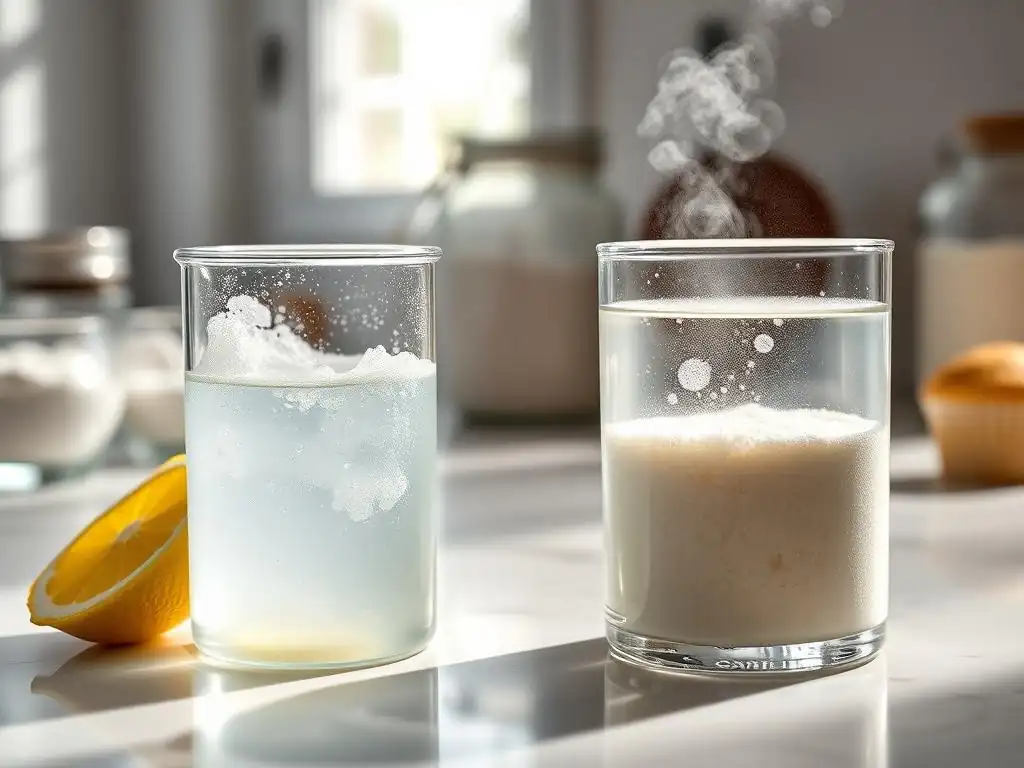
Baking soda, or NaHCO₃, is a pure alkali. Its power as a leavening agent is unlocked when it comes into contact with an acid and moisture. The chemical reaction is relatively simple: Sodium Bicarbonate + Acid → Sodium Salt + Water + Carbon Dioxide (CO₂).
This release of CO₂ gas creates bubbles within the batter or dough, causing it to expand. A typical recipe might call for around 1/4 teaspoon of baking soda per cup of flour when paired with a significant acidic ingredient like 1/2 cup of buttermilk or yogurt. Using baking soda is crucial in recipes that include acidic elements because it reacts with them, providing lift and also neutralizing the acid's flavor, preventing an overly tart or sour taste.
Common acidic ingredients that activate baking soda include:
- Buttermilk
- Yogurt or sour cream
- Molasses
- Brown sugar
- Honey
- Vinegar
- Citrus juice (lemon, orange)
- Natural cocoa powder (not Dutch-processed)
- Applesauce or other fruit purées
If a recipe contains one or more of these acidic ingredients, baking soda is often the preferred or necessary leavening agent, sometimes used alone or as part of a baking soda baking powder combo. It provides a rapid reaction upon mixing, which is beneficial for batters that need to go into the oven quickly.
Baking Powder: Single-Acting vs. Double-Acting
Baking powder is a pre-packaged leavening system containing baking soda, dry acid(s), and a buffer like cornstarch. Historically, single-acting baking powder existed, which reacted only when moistened. Once wet, all the leavening action happened quickly, meaning batters had to be baked immediately.
Today, nearly all baking powder sold for home use in North America and many other regions is double-acting. This means it contains two different types of acidic salts: one that reacts with baking soda when it's wet (a fast-acting acid, like calcium acid phosphate) and another that reacts when it's heated (a slow-acting acid, like sodium aluminum sulfate or sodium acid pyrophosphate).
This double-acting nature provides a more reliable and sustained lift. Approximately 20-40% of the total gas is released upon mixing with liquid, providing initial aeration. The remaining 60-80% of the gas is released when the batter or dough is heated in the oven, giving a final push to the rise as the structure sets.
This makes double-acting baking powder more forgiving; batters can sit for a short while before baking without losing all their leavening power. A standard ratio is typically 1 to 1 ½ teaspoons of baking powder per cup of flour for a good rise in recipes without significant acidic ingredients.
The Chemical Reactions That Make Your Baked Goods Rise
The magic of leavening lies in specific chemical reactions that produce carbon dioxide gas, creating bubbles that expand the batter or dough. For baking soda, the reaction is straightforward: NaHCO₃ (baking soda) + H⁺ (acid from acidic ingredient) → Na⁺ (sodium salt) + H₂O (water) + CO₂ (carbon dioxide gas). This reaction happens as soon as the wet and dry ingredients containing baking soda and acid are combined. The speed and extent of this reaction depend directly on the amount of acid present and its strength.
In double-acting baking powder, two reactions occur. The first happens when liquid is introduced: NaHCO₃ (from baking powder) + Fast-Acting Acid Salt + H₂O → Salt + More H₂O + CO₂. This initial release contributes to the volume before baking.
The second, heat-activated reaction occurs in the oven: NaHCO₃ (remaining from baking powder) + Slow-Acting Acid Salt + Heat → Salt + More H₂O + More CO₂. This secondary release of gas provides the final lift as the proteins and starches in the mixture set, locking in the airy structure. Using a baking soda baking powder combo harnesses both the acid-driven reaction of baking soda (often neutralizing specific ingredients) and the reliable two-stage reaction of baking powder, resulting in complex textures and balanced flavors.
When to Use Baking Soda and Baking Powder Together: Specific Scenarios
Balancing Acidity: Using Baking Soda to Neutralize Ingredients
One of the primary reasons recipes call for a baking soda baking powder combo is to balance the pH of the batter or dough, particularly when acidic ingredients are present. Ingredients like natural cocoa powder, molasses, buttermilk, yogurt, or even brown sugar contain acids. While these acids contribute flavor and moisture, they can also result in a dense product if not properly neutralized. Baking soda is a strong alkali and reacts directly with these acids.
For example, natural cocoa powder has a pH between 5.3 and 5.8. Adding baking soda (pH ~8.3) raises the overall pH of the batter. This reaction uses up some of the baking soda and neutralizes some of the acid, preventing an overly sour taste and facilitating better browning.
Consider a chocolate cake made with natural cocoa and buttermilk. Buttermilk is acidic, and natural cocoa is also acidic. Without baking soda, the cake might be dense and have a strong, slightly sour flavor. Baking soda reacts with the acid in both the buttermilk and cocoa, providing some initial lift and mellowing the acidity.
However, this reaction alone might not provide enough overall lift, especially in a rich batter. Adding baking powder alongside the baking soda ensures there's additional leavening power from its double-acting reaction, resulting in a lighter, more tender cake with a balanced flavor profile. This strategic use of baking soda to manage acidity while relying on baking powder for consistent rise is key in many recipes.
Achieving the Perfect Rise: Combining Leavening Agents for Optimal Results
Beyond balancing acidity, the baking soda baking powder combo is often used to achieve a specific type of lift and texture that neither agent can accomplish alone. Baking soda reacts quickly but relies solely on the available acid; once the acid is neutralized, its leavening contribution is largely finished.
Baking powder provides a more sustained release of gas, especially in the oven, due to its double-acting nature. By using both, a recipe can get an initial boost of leavening from the baking soda reacting with the recipe's acids, followed by a reliable, ongoing rise from the baking powder as the mixture bakes.
This combined action is particularly beneficial in recipes that are relatively heavy or dense before baking, such as thick muffin batters, rich chocolate cakes, or certain cookie doughs. The initial reaction from baking soda helps to open up the structure early on, making it easier for the slower, more sustained reaction from the baking powder to expand the mixture further in the heat of the oven.
This leads to a more consistent and even rise throughout the baked good, preventing issues like tunneling in muffins or dense centers in cakes. It ensures the final product is not only well-risen but also possesses the desired light and airy or tender crumb structure.
Flavor Enhancement: How Baking Soda Impacts Taste and Texture
While leavening is their primary role, baking soda and baking powder also subtly influence the flavor and texture of baked goods, and using them in combination enhances these effects. Baking soda, being alkaline, can react with proteins and fats in the batter, contributing to tenderness.
By raising the pH of the batter, baking soda also promotes the Maillard reaction during baking, which is responsible for the browning of the crust and the development of rich, complex flavors. This is why baked goods made with baking soda often have a darker, more golden-brown crust and a more pronounced "baked" flavor compared to those leavened solely with baking powder.
Consider the classic chocolate chip cookie. Many recipes use both baking soda and baking powder. The baking soda reacts with the brown sugar (slightly acidic) and helps the cookies spread more on the baking sheet, contributing to a chewier texture and promoting browning for those desirable crispy edges.
The baking powder provides a bit of upward lift, ensuring the cookies aren't completely flat and have a slight puffiness in the center. This strategic baking soda baking powder combo allows bakers to fine-tune the balance between chewiness, crispiness, spread, and flavor, creating cookies with that perfect combination of textures and tastes that are so highly sought after.
Recipes That Benefit from a Baking Soda Baking Powder Blend
Cakes: Achieving a Light and Fluffy Texture
Cakes, especially those made with acidic ingredients like buttermilk, sour cream, yogurt, or natural cocoa powder, frequently utilize a baking soda baking powder combo. The baking soda is essential to react with these acids, providing initial lift and neutralizing their flavor. For instance, a classic buttermilk cake recipe might call for 1 teaspoon of baking soda to react with the acidity of 1 cup of buttermilk. This reaction creates a significant amount of CO₂ early in the process.
However, relying solely on baking soda might not provide enough sustained lift, particularly in a moist, tender cake batter. Adding baking powder, perhaps 1 to 1.5 teaspoons depending on the recipe, provides additional leavening power as the cake bakes. This ensures a consistent, upward rise, preventing the cake from collapsing and contributing to a fine, even crumb structure.
The combination results in a cake that is both light and fluffy, with a tender texture and balanced flavor, free from any residual sourness from the acidic ingredients. The precise ratio of the baking soda baking powder combo is often carefully calibrated to the specific acidic ingredients and overall weight of the batter.
Cookies offer a fascinating example of how the ratio within a baking soda baking powder combo (or the use of one versus the other) can dramatically affect texture. Recipes aiming for a wider spread and a chewier texture often rely more heavily on baking soda. As mentioned earlier, baking soda increases the pH of the dough, which weakens gluten development and promotes spread during baking.
For instance, a recipe targeting chewy cookies might use 1/2 teaspoon of baking soda and only 1/4 teaspoon of baking powder per cup of flour. The baking soda reacts with acidic components like brown sugar, causing the cookies to spread out before they set, resulting in a flatter, chewier cookie with browned edges.
Conversely, recipes aiming for thicker, puffier, and crispier cookies might use more baking powder relative to baking soda, or even only baking powder. Baking powder provides more upward lift and less spread, leading to a thicker cookie. The neutral pH it maintains also results in less browning.
A recipe for a puffier cookie might use 1 teaspoon of baking powder and only 1/4 teaspoon of baking soda (perhaps if it contains a small amount of brown sugar). The precise baking soda baking powder combo is a key lever for bakers to pull when designing cookie recipes to achieve specific textural goals, from thin and crispy to thick and chewy.
Quick Breads: Ensuring a Consistent Rise and Flavor
Quick breads, such as muffins, scones, and loaves (like banana bread or zucchini bread), are designed to rise without yeast or extensive kneading. They rely entirely on chemical leavening agents, and often benefit from a baking soda baking powder combo. Many quick bread recipes include acidic ingredients like buttermilk, yogurt, sour cream, fruit (fresh or puréed), or molasses. Baking soda is necessary to react with these acids, providing essential lift and neutralizing any potential sourness or bitterness. For example, a muffin recipe using 1 cup of buttermilk might include 1 teaspoon of baking soda.
However, the batter for quick breads is often quite thick and needs reliable lift throughout the baking process. Adding baking powder alongside the baking soda ensures sustained leavening. The baking powder's double-acting properties provide continuous gas production as the bread bakes, helping the dense batter rise evenly and preventing a heavy, sunken center.
A common ratio might be 1 teaspoon of baking soda plus 2 teaspoons of baking powder per 2-3 cups of flour, depending on the acidity of other ingredients. This baking soda baking powder combo guarantees a consistent, tender crumb and a well-risen structure, characteristic of successful quick breads.
Troubleshooting Common Baking Problems with Leavening Agents
Flat Baked Goods: Identifying the Cause and Solution
One of the most disappointing outcomes in baking is when your cakes, muffins, or cookies turn out flat or dense instead of light and airy. This is often linked to issues with your leavening agents, potentially involving your baking soda baking powder combo. There are several common culprits:
- Expired Leavening Agents: Baking soda and especially baking powder lose their potency over time. If they're old, they won't produce enough gas.
- Solution: Test your leavening agents. For baking soda, mix 1/4 tsp with 1 tbsp of vinegar; it should bubble vigorously. For baking powder, mix 1/2 tsp with 1/4 cup of hot water; it should also bubble vigorously. If they don't, buy fresh ones.
- Incorrect Measurement: Using too little baking soda or baking powder, or the wrong ratio in a baking soda baking powder combo, will result in insufficient lift. Scooping directly from the container can also compact the powder, leading to too much in the measure.
- Solution: Always use dry measuring cups and spoons. Gently spoon the leavening agent into the measuring spoon and level off the excess with a straight edge (like a knife) without tapping or compacting.
- Too Much Liquid or Fat: An overly wet or rich batter can be too heavy for the leavening agents to lift effectively.
- Solution: Double-check the recipe's liquid and fat measurements. Ensure you're not adding extra ingredients or making substitutions that drastically alter the wet-to-dry ratio.
Here's a quick checklist for flat baked goods:
- [ ] Are my baking soda and baking powder fresh?
- [ ] Did I measure the leavening agents accurately using the spoon-and-level method?
- [ ] Did I follow the recipe's liquid and fat measurements precisely?
- [ ] Did I overmix the batter, potentially deflating some bubbles? (Less common cause but possible)
Over-Rising: Preventing an Unwanted Outcome
While flat baked goods are a common frustration, sometimes the opposite occurs: your baked goods rise too quickly, too high, or then collapse in the center, resulting in an undesirable texture and appearance. This can also be related to your leavening agents, particularly if the balance in a baking soda baking powder combo is off or if too much is used.
- Too Much Leavening: Using excessive amounts of baking soda, baking powder, or both in a recipe will cause a rapid, excessive production of gas. The structure of the batter or dough may not be able to support this aggressive rise, leading to collapse during or after baking. A metallic or soapy taste can also indicate too much baking soda.
- Solution: Double-check your measurements carefully. Ensure you are using the correct size spoons (teaspoon vs. tablespoon!) and leveling properly. Stick to the recipe's specified amounts for the baking soda baking powder combo.
- Oven Temperature Issues: If the oven is too hot, the outside of the baked good can set too quickly while the inside is still rising rapidly, potentially causing cracks or collapse. Conversely, if it's too cool, the leavening might exhaust itself before the structure sets.
- Solution: Use an oven thermometer to verify your oven's actual temperature. Preheat your oven for the recommended time (usually 15-20 minutes) before baking to ensure it's at the correct temperature throughout.
Remember, the goal is a steady, even rise, not an explosive one. The proper baking soda baking powder combo ratio is key to controlled expansion.
Metallic Taste: Addressing Baking Soda Imbalance
A metallic or soapy taste in baked goods is a tell-tale sign that there is too much unreacted baking soda present. This happens when the amount of baking soda used exceeds the amount of acid available in the recipe to react with it. The excess, unreacted baking soda remains in the finished product, imparting that unpleasant, bitter, alkaline flavor. This can occur whether baking soda is used alone or as part of a baking soda baking powder combo.
- Excess Baking Soda: The most direct cause is simply measuring too much baking soda. This might happen due to measurement error or a recipe that is poorly formulated.
- Solution: Carefully measure baking soda using the spoon-and-level method. If you suspect a recipe might have too much, consider slightly reducing the amount, especially if it doesn't contain strongly acidic ingredients like buttermilk or molasses.
- Insufficient Acid: If a recipe calls for baking soda but doesn't have enough acidic ingredients to react with it fully, you'll end up with leftover baking soda. This is less likely in recipes specifically designed for a baking soda baking powder combo that includes ample acidic components, but it can happen if substitutions are made (e.g., using regular milk instead of buttermilk).
- Solution: Ensure you are using the specific acidic ingredients called for in the recipe. If you need to substitute, try to maintain a similar level of acidity, or adjust the baking soda accordingly (or omit it and increase the baking powder if the recipe allows).
Always taste your batter or dough before adding eggs (for safety!) to get a sense of the flavor balance. While you can't fix excess unreacted baking soda once baked, you can often identify potential issues during mixing.
Mastering the Art of Leavening: Tips and Tricks for BakeWithEase Bakers
Measuring Accurately: Ensuring the Right Ratio of Leavening Agents
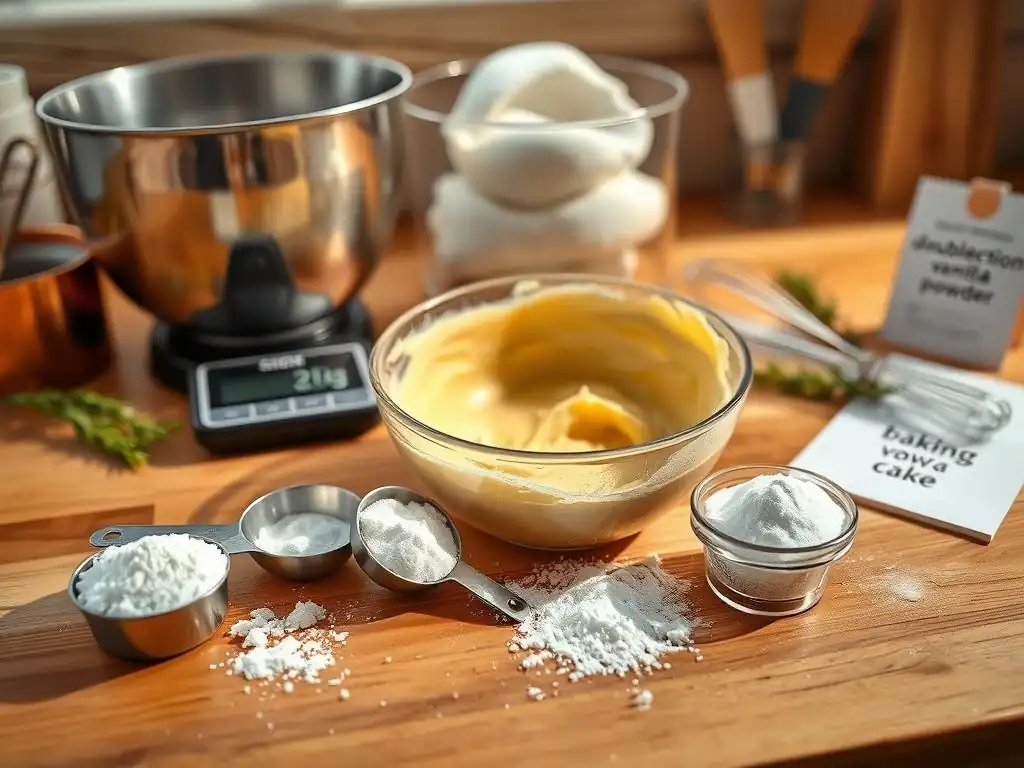
Accurate measurement is paramount when working with powerful leavening agents like baking soda and baking powder, especially when using a baking soda baking powder combo. Even slight variations can significantly impact the outcome of your baked goods. Unlike flour or sugar, which can be gently scooped, baking soda and baking powder should not be packed into the measuring spoon. Packing can result in using up to 50% more than intended, leading to over-rising, collapse, or a soapy taste.
The recommended method is the "spoon and level" technique:
- Gently fluff the baking soda or baking powder in its container with a spoon.
- Lightly spoon the leavening agent into the appropriately sized measuring spoon until it overflows slightly.
- Use the back of a straight edge, like a butter knife or offset spatula, to level off the excess powder, ensuring a precise measurement.
- Avoid tapping the spoon or shaking it, as this will settle and compact the powder.
Using standard, clearly marked measuring spoons is also vital. A "teaspoon" should be exactly that, not a regular spoon from your cutlery drawer. Precision in this step is a non-negotiable element for consistent results with any leavening, particularly when balancing the effects of a baking soda baking powder combo.
Storing Baking Soda and Baking Powder: Maintaining Freshness and Potency
Even if you measure perfectly, old or improperly stored leavening agents won't perform as expected. Both baking soda and baking powder are sensitive to moisture and air, which can trigger premature reactions or cause them to lose their potency over time. Proper storage is crucial to ensure your baking soda baking powder combo is effective every time you bake.
- Airtight Containers: Always store baking soda and baking powder in their original packaging, ensuring the box or can is tightly closed, or transfer them to an airtight container. Exposure to air and humidity degrades them.
- Cool, Dry Place: Store them away from heat and moisture, such as in a pantry or cupboard, not above the oven or near sources of steam.
- Check Expiration Dates: While baking soda has a relatively long shelf life (often 6-12 months for optimal leavening), baking powder is more sensitive due to its multiple components and typically lasts 4-6 months once opened. Note the date you open the container.
- Test for Freshness: Perform the simple tests mentioned earlier (vinegar for baking soda, hot water for baking powder) periodically, especially if you haven't used them recently or if your baked goods aren't rising properly. Discard and replace if they don't bubble vigorously.
Maintaining the freshness of your leavening agents is a fundamental step in achieving reliable results with your baking soda baking powder combo and all your baking endeavors.
Experimenting with Leavening: Developing Your Baking Intuition
While recipes provide a roadmap, understanding how baking soda and baking powder work, individually and as a baking soda baking powder combo, allows you to develop your baking intuition. As you gain experience, you can start to anticipate how changes in ingredients might affect the leavening needs of a recipe. For instance, if you adapt a recipe by adding more acidic ingredients like yogurt or fruit purée, you might recognize the need for a little extra baking soda to balance the acidity and contribute to the rise, even if the original recipe relied mostly on baking powder.
Consider trying a familiar recipe, like chocolate chip cookies or muffins, and slightly altering the leavening ratio in small batches (while keeping the total leavening amount roughly consistent with the flour weight) to observe the textural differences. For example, compare a batch using only baking powder to one using a baking soda baking powder combo (with acidic ingredients present), or vary the ratio within the combo. Pay attention to:
- How much the dough/batter spreads.
- The height and shape of the finished product.
- The texture of the crumb (airy, dense, chewy, crisp).
- The degree of browning.
- The overall flavor profile (absence of metallic taste, balance of sweetness/acidity).
By experimenting thoughtfully, you'll build a deeper understanding of the power of leavening agents and become more confident in adapting recipes and troubleshooting issues, truly mastering the art of baking.
Baking Soda and Baking Powder Combo: Achieving Baking Perfection
Frequently Asked Questions
Why do some baking recipes call for both baking soda and baking powder?
Recipes use both to achieve a specific texture and rise. Baking soda provides quick leavening and reacts with acidic ingredients, while baking powder offers a sustained rise. The combination creates the ideal outcome.
What happens if I only use baking soda or baking powder when the recipe calls for both?
Using only one might result in a flat or dense product. Baking soda alone requires an acid to activate, and baking powder may not provide enough lift. It's best to follow the recipe's instructions closely.
Is it possible to substitute baking soda and baking powder for each other?
Generally, no, you shouldn't substitute them directly. Baking soda is much more potent and needs an acid. Baking powder is a complete leavening agent that doesn't.
How do baking soda and baking powder react differently in a recipe?
Baking soda reacts instantly when mixed with an acid, releasing carbon dioxide. Baking powder has both a quick and slow release due to its composition. This produces a different texture.
Does the age of my baking soda and baking powder affect their effectiveness in a recipe?
Yes! Both baking soda and baking powder lose their potency over time. Use the freshness test (adding baking soda to vinegar or baking powder to hot water) to ensure they are active before using them.
Final Reflection: The Unexpected Alchemy of Baking Soda and Baking Powder
The perfect rise in baking isn't just about luck; it's about understanding the subtle dance between baking soda and baking powder. This seemingly simple combination unlocks a world of texture and flavor possibilities, impacting everything from fluffy cakes to crispy cookies. Mastering this dynamic duo elevates your baking game from amateur to artisan.
The use of both baking soda and baking powder, while seemingly redundant, reveals a deeper understanding of chemical reactions in baking. It's a testament to the evolution of culinary techniques, a constant refinement driven by the pursuit of perfection. The best recipes are born from a deep understanding of the ingredients and their interactions.
This quote resonates deeply with me, as exploring the reasons behind this common baking practice has illuminated the fascinating science behind something as everyday as a cake. The subtle nuances in texture and taste achieved by this combination are a testament to the power of precise ingredient selection.
Now, consider your own baking adventures. Are you ready to move beyond simply following recipes and delve into the why behind the ingredients? Experiment with adjusting the ratios of baking soda and baking powder in your favorite recipes. Observe the changes in texture and taste. Embrace the unexpected results, and discover the joy of truly understanding the alchemy of your baking. The journey of culinary exploration awaits!
Unlock Baking Secrets: Master the Art of Soda & Powder!
Thanks for exploring the fascinating world of baking soda and baking powder! We hope you now have a deeper understanding of their unique roles in creating light and fluffy baked goods. Ready to put your new knowledge to the test?
- Bake a masterpiece: Try a recipe that uses both baking soda and baking powder – you'll be amazed at the difference! Experiment with a new cookie or cake recipe and see the results for yourself.
- Share your baking journey: Tell us about your baking adventures – what are your go-to recipes? What have you learned from experimenting with leavening agents? Share your experiences in the comments below!
- Challenge a baking myth: Do you know of other common baking myths? Let's discuss them in the comments!
So, what delicious creation will you bake next, armed with your newfound baking wisdom?