
Why Your RolledOut Sugar Cookies Crack While Baking and How to Mend Them

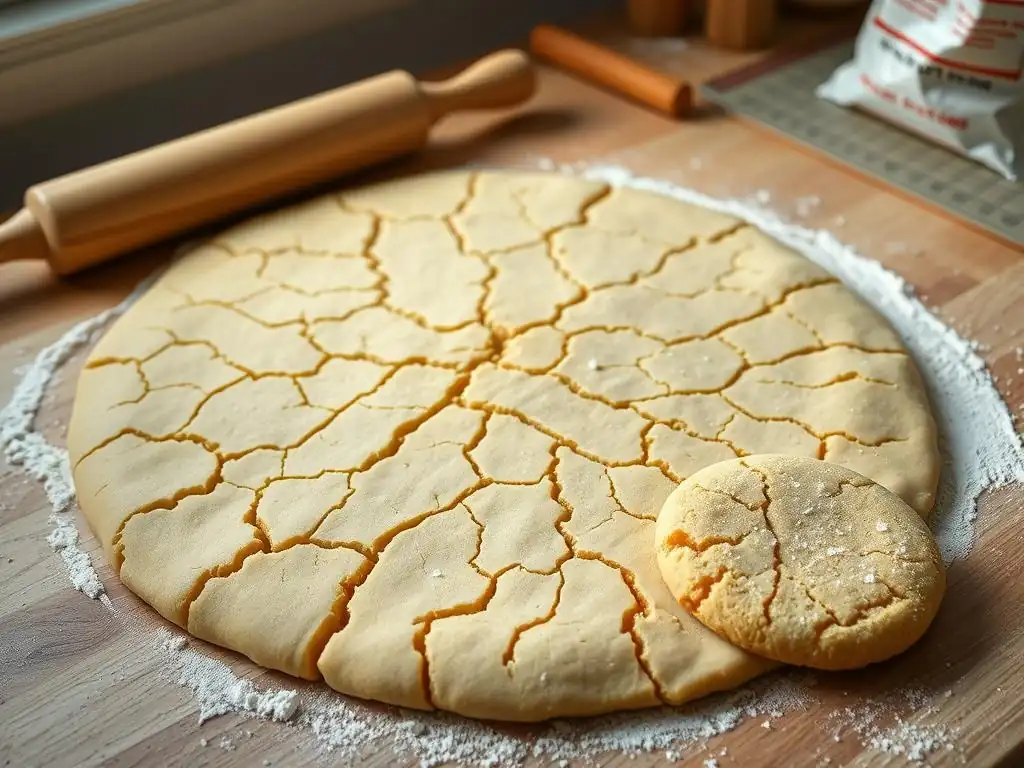
Welcome to BakeWithEase, your guide to conquering the world of baking! Ever wondered why your beautiful rolled sugar cookies betray you with unsightly cracks in the oven? Uncover the secrets to preventing – and even mending! – those frustrating fissures in our latest article, "Why Your RolledOut Sugar Cookies Crack While Baking and How to Mend Them." Dive in to learn the tips and tricks that will transform your baking and leave you with perfectly smooth, irresistibly delicious cookies every time. Ready to banish those baking blunders?
- Why Your Rolled Sugar Cookies Crack While Baking & How to Fix Them
- Introduction: Understanding Rolled Sugar Cookie Cracking
- Why Do My Rolled Sugar Cookies Crack? Common Causes Explained
- Preventing Rolled Sugar Cookie Cracks: Baking Tips & Hacks
- Fixing Cracked Rolled Sugar Cookies: Mending Techniques
- Basic Rolled Sugar Cookie Recipe
- Troubleshooting Guide: Common Rolled Sugar Cookie Problems and Solutions
- Conclusion: Baking Perfect Rolled Sugar Cookies with Ease.
-
Frequently Asked Questions
- Why do my rolled sugar cookies often crack while baking?
- How can I prevent my sugar cookies from cracking in the first place?
- What ingredients can contribute to rolled sugar cookie cracking issues?
- Is there a way to fix cracked sugar cookies after they come out of the oven?
- Does the thickness of my rolled sugar cookies affect cracking?
- Final Reflection: The Sweet Science of Uncracked Cookies
- Rescue Your Cracked Cookies: Perfect Baking Awaits!
Few things are as satisfying as pulling a tray of perfectly baked, smooth sugar cookies from the oven. These simple, classic treats are a canvas for creativity, perfect for cutting into festive shapes and decorating. However, many bakers encounter a frustrating problem: their rolled sugar cookie cracking during the baking process. This common issue can ruin the smooth surface needed for decorating and leave you wondering where you went wrong. Understanding the root causes of this rolled sugar cookie cracking is the first step to achieving consistently beautiful results.
This article will delve into the primary reasons behind rolled sugar cookie cracking, from ingredient proportions and dough hydration to handling techniques and oven temperature. We'll explore how subtle variations in your process can lead to frustrating cracks and offer practical, easy-to-follow solutions. Our goal is to equip you with the knowledge and techniques to prevent rolled sugar cookie cracking before it happens and even how to mend those that do crack, ensuring your baking adventures are filled with success, not stress.
Rolled sugar cookies, while seemingly simple, can present a few common challenges in the kitchen. Beyond rolled sugar cookie cracking, bakers often face issues like excessive spreading, cookies that are too hard or dry, or uneven browning. These problems are frequently interconnected, stemming from similar underlying causes such as incorrect ingredient measurements, dough temperature, or oven calibration. Addressing these issues requires a systematic approach, much like diagnosing why your rolled sugar cookie cracking might occur.
For instance, cookies spreading too much might indicate dough that wasn't chilled enough or too much leavening, while hard cookies often result from overworking the dough or baking too long. These aren't isolated incidents but part of a spectrum of potential outcomes when baking sugar cookies. By understanding the science behind each issue, including the reasons for rolled sugar cookie cracking, you can proactively adjust your methods and achieve consistently excellent results, ensuring your cookies turn out just right every time.
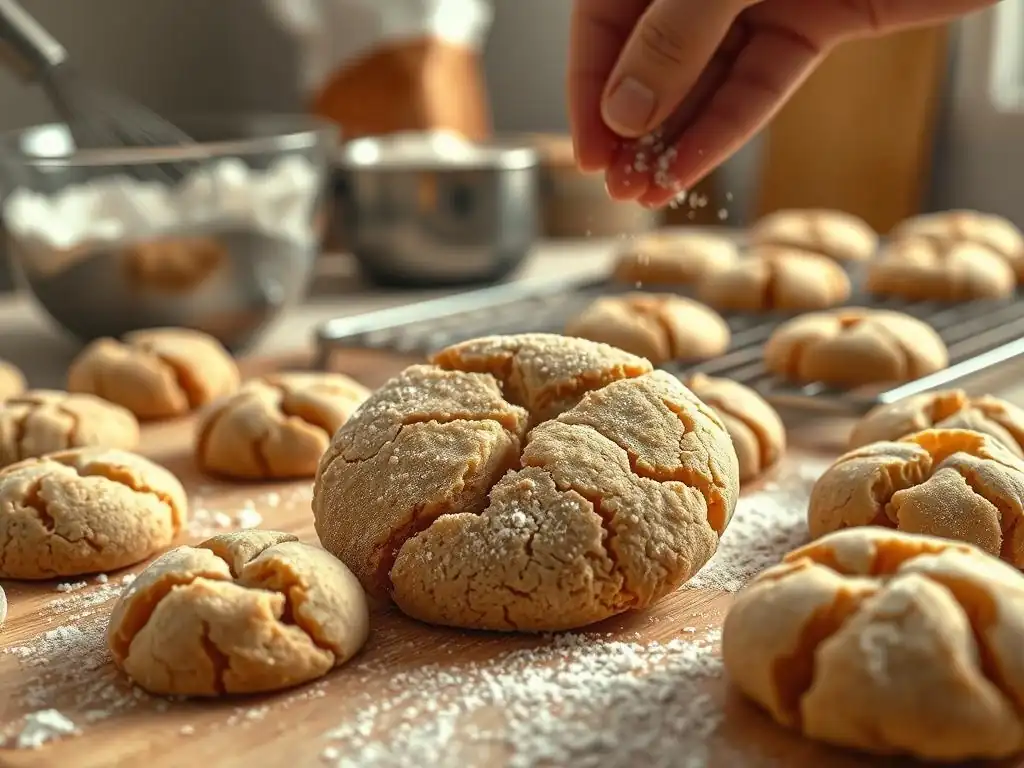
Dough hydration, or the balance of wet and dry ingredients, plays a critical role in the texture and structural integrity of your rolled sugar cookies. When the dough is too dry, it lacks the flexibility needed to expand gently in the oven. As the butter melts and steam is created, the rigid, dry structure resists stretching, leading to tears and rolled sugar cookie cracking across the surface. Proper hydration ensures the dough is pliable enough to accommodate the changes that occur during baking without breaking.
Conversely, while less common as a direct cause of cracking, overly wet dough can lead to excessive spreading, which might indirectly cause cracks if the edges thin out too much. The key is finding the perfect consistency – dough that is soft but not sticky, smooth, and easy to roll without excessive flour. This optimal hydration minimizes stress on the dough during handling and baking, significantly reducing the likelihood of rolled sugar cookie cracking.
Too Much Flour: How Excess Flour Leads to Cracking
One of the most frequent culprits behind dry dough and subsequent rolled sugar cookie cracking is using too much flour. Flour absorbs moisture, and an excess amount will soak up all the available liquid, leaving the dough stiff and less elastic. Imagine trying to stretch a piece of dry clay versus a well-hydrated one; the dry clay will crack immediately. Similarly, overly floured dough cannot stretch with the steam generated during baking, resulting in rolled sugar cookie cracking.
Even a slight excess, say an extra tablespoon or two per cup of flour, can noticeably impact the dough's consistency. This is why accurate flour measurement is paramount. Scooping flour directly from the bag with your measuring cup can compact it, leading you to use far more than intended. This seemingly small error is a major contributor to dry dough and the frustration of rolled sugar cookie cracking.
Insufficient Liquid: Addressing Dry Dough Problems
Just as too much flour causes issues, not enough liquid in the dough mixture will also lead to a dry, crumbly consistency prone to rolled sugar cookie cracking. The liquid component, typically eggs and possibly a splash of milk or extract, binds the dry ingredients together and provides the necessary moisture for pliability. If the recipe ratio is off, or if ingredients aren't mixed thoroughly to distribute the liquid evenly, you can end up with a dough that simply doesn't have enough internal moisture to remain smooth during baking.
Sometimes, environmental factors can also play a role. Baking in a very dry climate, for example, can cause the surface of the dough to dry out even before it hits the oven. Ensuring your liquid ingredients are at room temperature helps them incorporate more readily into the dough, contributing to a more uniform and properly hydrated mixture that is less likely to suffer from rolled sugar cookie cracking.
The temperature at which you bake your sugar cookies significantly impacts how they rise, spread, and set. An oven that is too hot or has uneven heating can cause the cookies to bake too quickly on the outside while the inside is still expanding. This rapid, uneven expansion puts stress on the cookie's structure, often resulting in rolled sugar cookie cracking on the surface as the outer crust sets prematurely while the interior tries to catch up.
Consistent, accurate oven temperature is key to allowing the cookies to bake evenly from edge to center. This allows the dough to expand gradually and uniformly as the butter melts and ingredients react, minimizing internal stress. Understanding how your specific oven performs is crucial for preventing issues like rolled sugar cookie cracking and achieving perfect results.
Baking at Too High a Temperature: Preventing Rapid Expansion
Baking rolled sugar cookies at a temperature that is too high, for example, 400°F (200°C) instead of the recommended 350°F (175°C), can cause the edges and surface to set almost instantly. Meanwhile, the interior of the cookie is still heating up and the butter is melting, causing steam to form and the cookie to try and expand. This mismatch in timing – a set exterior and an expanding interior – creates tension. The path of least resistance for this internal pressure is often to break through the surface, leading directly to rolled sugar cookie cracking.
Lowering the baking temperature slightly, perhaps to 325°F (160°C), and extending the baking time can sometimes help. This allows the cookies to bake more gently and evenly throughout. The slower rise and setting process reduces the stress on the dough, making rolled sugar cookie cracking less likely. Always check your oven's actual temperature with a separate thermometer, as built-in thermostats can be inaccurate, sometimes by as much as 50°F (10°C) or more.
Uneven Oven Heat: Ensuring Consistent Baking
Even if your oven thermostat is set correctly, uneven heating can still cause problems like rolled sugar cookie cracking. Hot spots within the oven mean that parts of your cookie sheet are exposed to significantly higher temperatures than others. Cookies in these hot spots will bake faster, setting and potentially cracking, while cookies in cooler areas bake slower. This inconsistency across the baking sheet leads to unpredictable results and can be a major factor in rolled sugar cookie cracking on some cookies but not others from the same batch.
Rotating your cookie sheet halfway through the baking time is a simple yet effective strategy to combat uneven oven heat. This ensures that all cookies spend an equal amount of time in different parts of the oven, promoting more uniform baking. If you suspect severe hot spots, you might also consider baking one sheet at a time on the center rack for the most consistent environment, further reducing the risk of widespread rolled sugar cookie cracking.
Dough Handling Techniques: Minimizing Cracks During Preparation
The way you handle your rolled sugar cookie dough from mixing to placing it on the baking sheet significantly impacts its final texture and appearance. Rough handling can develop gluten excessively, making the dough tough and less pliable. When this stiff dough is baked, it resists the natural expansion process, leading to stress fractures and rolled sugar cookie cracking. Gentle handling preserves the dough's tender structure, allowing it to bake smoothly.
Techniques like chilling the dough properly, rolling it evenly, and carefully transferring cut shapes are crucial steps that minimize stress on the dough. Think of the dough as delicate; every interaction should aim to keep it relaxed and uniform. Mastering these handling techniques is just as important as getting the ingredients right when it comes to preventing rolled sugar cookie cracking.
Overworking the Dough: Gluten Development and Cracking
Overworking sugar cookie dough, either during mixing or kneading, develops the gluten in the flour. While gluten provides structure in bread, in cookies, too much gluten makes them tough and elastic. When this overly developed dough heats in the oven, the strong gluten network resists the gentle puffing that occurs, causing tension. This internal stress often manifests as rolled sugar cookie cracking on the surface as the dough tries to release the pressure.
Mixing should stop as soon as the dry ingredients are just combined with the wet ones. You should avoid kneading sugar cookie dough like bread dough. A few gentle turns to bring it together is sufficient. If you're using a stand mixer, switch to a low speed and mix only until no dry streaks remain. Minimizing gluten development keeps the dough tender and pliable, greatly reducing the risk of rolled sugar cookie cracking.
Improper Rolling Technique: Creating Even Thickness
Rolling out your sugar cookie dough to an inconsistent thickness is another common cause of rolled sugar cookie cracking. Thinner sections will bake and set much faster than thicker sections. As the thicker parts continue to expand, they pull against the already set, rigid thinner areas, causing cracks to form at the boundaries. Achieving a uniform thickness, typically around 1/4 inch (about 6mm), is essential for even baking and preventing stress fractures.
Using rolling pin guides or spacers is an excellent way to ensure your dough is rolled to a consistent thickness across the entire sheet. This eliminates guesswork and guarantees that every part of your cookie bakes at the same rate. Even thickness promotes even expansion, allowing the cookie to puff gently without the internal tension that leads to rolled sugar cookie cracking.
Cutting and Transferring: Avoiding Stress on the Dough
The process of cutting shapes and transferring them from your rolling surface to the baking sheet can also contribute to rolled sugar cookie cracking. If the dough is too warm, it can stick to the cutter, causing distortion when you try to release it. Similarly, trying to lift a delicate shape that is stuck to the counter will stretch and stress the dough, potentially creating invisible weaknesses that turn into visible cracks in the oven.
Ensure your dough is properly chilled before rolling and cutting. Roll it out on a lightly floured surface or, even better, between two sheets of parchment paper. This prevents sticking and makes transferring cut shapes incredibly easy. Simply lift the parchment paper with the cutouts and place it directly onto the baking sheet. Minimizing handling and stress during this stage is vital for preventing rolled sugar cookie cracking.
The balance of ingredients in your rolled sugar cookie recipe is fundamental to its success and resistance to rolled sugar cookie cracking. The proportions of fat, sugar, flour, and liquid all interact to determine the dough's consistency, how it spreads, and how it behaves in the oven. A recipe with too little fat, for example, might result in a drier, less tender cookie more prone to cracking.
Understanding the role each ingredient plays helps you troubleshoot potential issues. While minor adjustments might be possible, significantly altering a tested recipe's ratios without understanding the consequences can lead to unexpected problems, including increased rolled sugar cookie cracking. Sticking to a reliable recipe and measuring accurately is the best starting point.
Fat Content: How Butter and Shortening Impact Texture
Fat, typically butter or a combination of butter and shortening, is crucial in sugar cookie dough. It tenderizes the dough by coating the flour particles and inhibiting gluten development. Fat also contributes to moisture and helps the cookie spread and expand smoothly in the oven. A recipe with insufficient fat will produce a tougher, less pliable dough that is more likely to resist expansion and develop rolled sugar cookie cracking.
Butter contributes flavor and tenderness, while shortening provides a more stable fat that can help cookies hold their shape and prevent excessive spreading. Using a mix, like 50/50 butter and shortening, can offer a good balance of flavor, tenderness, and shape retention. Ensure your fat is at the correct temperature (often room temperature or slightly chilled, depending on the recipe) for proper incorporation, which is key to preventing dry spots that could lead to rolled sugar cookie cracking.
Sugar Types: Granulated vs. Powdered Sugar and Cracking
The type of sugar used in rolled sugar cookies can also influence texture and potential for rolled sugar cookie cracking. Granulated sugar contributes to crispness and helps with spread. Its larger crystals can create tiny air pockets when creamed with butter, contributing to leavening and structure. However, if not properly dissolved or integrated, these crystals might create weak points in the dough.
Powdered sugar (confectioners' sugar) contains cornstarch and dissolves more readily into the dough, leading to a softer, more tender cookie with a smoother texture. Recipes using a higher proportion of powdered sugar or exclusively powdered sugar often yield cookies that are less prone to rolled sugar cookie cracking because the finer particles create a more uniform dough structure that expands more evenly.
Preventing rolled sugar cookie cracking is much easier than fixing it after baking. By implementing a few key techniques throughout your baking process, you can drastically reduce the chances of those frustrating lines appearing on your beautiful cookies. These tips focus on optimizing dough consistency, handling, and baking environment to ensure a smooth, crack-free surface every time.
From precise ingredient measurement to mastering oven temperature, each step plays a vital role. Incorporating these baking tips and hacks into your routine will not only help prevent rolled sugar cookie cracking but also improve the overall quality and consistency of your sugar cookies. Let's look at specific strategies you can employ.
Ensuring your dough has the right amount of moisture is paramount for preventing rolled sugar cookie cracking. The dough should be soft and pliable but not sticky. It should come together easily and feel smooth when you handle it. If it feels dry or crumbly, it's a red flag that could lead to cracks.
Achieving this balance starts with accurate ingredient measurements and careful mixing. Don't rush the process of incorporating wet and dry ingredients. Mix until just combined. If, after chilling, the dough still feels excessively dry, you might be able to add a tiny amount of liquid (like half a teaspoon of milk or cream) and gently work it in, but this is risky and best avoided by getting it right the first time.
Measuring Flour Accurately: Spoon and Level Method
The single most effective way to prevent adding too much flour and causing dry dough that leads to rolled sugar cookie cracking is to use the spoon and level method. Instead of scooping flour directly from the bag with your measuring cup, which can compact the flour significantly (adding up to 25% more flour by weight! ), gently spoon the flour into your dry measuring cup until it overflows.
Then, use a straight edge, like the back of a knife or an offset spatula, to level off the excess flour without tapping or shaking the cup. This method ensures you are using the amount of flour the recipe developer intended, leading to the correct dough hydration and minimizing the risk of dry, crack-prone dough. For ultimate accuracy, weigh your ingredients using a digital kitchen scale; 1 cup of all-purpose flour typically weighs around 120-130 grams, depending on the brand and how it's handled.
Adding Liquid Gradually: Controlling Dough Consistency
While most sugar cookie recipes call for adding all the liquid ingredients at once, sometimes, depending on the humidity or the specific flour used, you might need slight adjustments. If you are concerned about dough hydration, particularly in dry climates, you can hold back a tiny amount of the liquid (like a teaspoon of the egg mixture or milk) and add it only if the dough seems too dry after the initial mixing.
When combining the wet and dry ingredients, mix only until the dough just comes together. It should look slightly crumbly but hold together when squeezed. If it appears excessively dry and doesn't want to form a cohesive ball, you can add that reserved liquid a few drops at a time, mixing gently until the dough just comes together. This allows you to control the final consistency and avoid the dryness that promotes rolled sugar cookie cracking.
Mastering Oven Temperature for Even Baking
Accurate and consistent oven temperature is non-negotiable for preventing rolled sugar cookie cracking and ensuring beautiful, evenly baked cookies. Relying solely on your oven's dial can be misleading. Ovens often have temperature fluctuations and hot spots that can sabotage your baking efforts.
Investing in an inexpensive oven thermometer is the best way to verify your oven's actual temperature. Place it in the center of your oven and check it after the oven has preheated for at least 15-20 minutes. You might find your oven is running hotter or cooler than the setting, or that it fluctuates significantly. Adjusting your oven's thermostat based on the thermometer's reading, or simply knowing the discrepancy, allows you to set the temperature correctly for your recipe, minimizing the risk of uneven baking and rolled sugar cookie cracking.
Using an Oven Thermometer: Ensuring Accurate Temperature
As mentioned, an oven thermometer is your best friend in preventing rolled sugar cookie cracking due to temperature issues. Different types exist, from simple dial thermometers that hang from a rack to digital ones you place on the oven floor. Find one that is easy for you to read and seems reliable.
Once you know your oven's true temperature, you can adjust accordingly. If your oven runs 25°F (10°C) hot, set it 25°F lower than the recipe calls for. If it runs cool, set it higher. This simple step ensures your cookies bake at the intended temperature, promoting even expansion and reducing the stress that leads to rolled sugar cookie cracking. It's a small investment that pays off significantly in baking success.
Adjusting Baking Time: Monitoring Cookie Doneness
Even with accurate oven temperature, baking time is an estimate. Cookies can bake faster or slower depending on their thickness, the baking sheet material, and the specific oven's performance. Over-baking can dry out cookies, making them brittle and potentially exacerbating minor cracks or creating new ones. Under-baking can lead to cookies that are too soft or spread too much.
Pay close attention to your cookies as they bake. Rolled sugar cookies are typically done when the edges are set and just beginning to turn a very light golden brown, and the centers look opaque rather than wet or shiny. For crack-free cookies, aim to pull them out just as they reach this point. If you see signs of rolled sugar cookie cracking, it might indicate the oven is too hot or they are baking too long for the temperature used. Adjusting time and temperature in future batches based on observation is key.
Gentle Dough Handling: Techniques for Preventing Cracks
Handling your rolled sugar cookie dough with care is just as important as the ingredients themselves. Rough treatment can create stress points within the dough that become visible cracks during baking. The goal is to keep the dough relaxed and pliable throughout the rolling and cutting process.
Simple techniques like chilling the dough sufficiently, rolling it between parchment paper, and using a bench scraper or thin spatula to transfer cut shapes can make a huge difference. These methods minimize contact with warm hands, prevent sticking, and reduce the need to stretch or pull the dough, all of which help prevent rolled sugar cookie cracking.
Chilling the Dough: Relaxing Gluten and Reducing Spreading
Chilling sugar cookie dough is a non-negotiable step for preventing rolled sugar cookie cracking and ensuring your cookies hold their shape. As the dough chills, the fat solidifies, which helps limit spread during baking. More importantly for preventing cracks, chilling allows the gluten that may have developed during mixing to relax. A relaxed dough is more pliable and less resistant to the gentle expansion that occurs in the oven.
Chill your dough for at least 1-2 hours, or until firm but still workable. For easier rolling, divide the dough into discs or rectangles before chilling. If the dough becomes too hard to roll, let it sit at room temperature for just a few minutes to soften slightly. Proper chilling makes the dough less sticky, easier to handle, and significantly reduces the likelihood of rolled sugar cookie cracking.
Rolling on a Cool Surface: Preventing Sticking and Tearing
Rolling dough on a warm surface can cause the butter to soften too quickly, making the dough sticky and difficult to handle. When dough sticks, you're more likely to use excessive flour (leading to dryness and cracking) or tear the dough as you try to lift it. A cool surface, like a granite or marble countertop, helps keep the dough temperature stable during rolling.
If you don't have a cool countertop, rolling between two sheets of parchment paper is an excellent alternative. The parchment prevents sticking entirely, eliminates the need for extra flour on your rolling surface, and makes transferring the cut shapes incredibly easy. This method significantly reduces the stress on the dough, helping to prevent rolled sugar cookie cracking.
Using Parchment Paper: Easing Transfer and Reducing Stress
Using parchment paper is perhaps the simplest yet most effective hack for preventing rolled sugar cookie cracking during handling. Roll the dough out directly on a sheet of parchment paper. Once the shapes are cut, simply lift the parchment paper with the cookies on it and place it directly onto your baking sheet.
This eliminates the need to individually lift and transfer each delicate cookie cutout, a process that often stretches or distorts the dough and can create hairline fractures that develop into full-blown cracks in the oven. Rolling and baking on parchment minimizes handling, keeps the dough relaxed, and is a key technique for achieving smooth, crack-free rolled sugar cookies.

Even with the best preventative measures, sometimes rolled sugar cookie cracking happens. Don't despair! Minor cracks can often be mended before or immediately after baking, salvaging your beautiful shapes. More severe cracks might require a different approach, but it's often possible to make the cookies presentable or repurpose them. Here are a few techniques to help you mend those unfortunate cracks.
The key is to act quickly, especially if you notice the cracks forming in the oven or immediately after they come out. While a perfectly smooth surface might be challenging to achieve on a severely cracked cookie, these methods can help minimize the appearance of flaws and make your cookies ready for decorating (or at least eating! ).
If you notice small hairline cracks forming on your cookies while they are still warm from the oven, you have a window of opportunity to mend them. The cookie is still pliable at this stage, and minor imperfections can often be smoothed over.
- [ ] Check for cracks immediately after removing from the oven.
- [ ] Address cracks while cookies are still warm on the baking sheet.
These quick fixes work best for small, superficial cracks that haven't gone all the way through the cookie.
Using a Damp Finger: Smoothing Small Imperfections
For tiny cracks that appear as the cookie bakes or cools slightly, a surprisingly effective technique is to use a damp finger. Dip your finger in a little water, shake off the excess so it's just slightly damp, and gently rub over the crack on the warm cookie.
The slight moisture and warmth from the cookie help the dough surface become pliable again, allowing you to gently smooth the edges of the crack back together. Be very gentle to avoid distorting the cookie's shape. This method is particularly good for smoothing the surface before the cookie cools completely and sets.
Applying Melted Butter: Filling in Minor Cracks
Another method for minor rolled sugar cookie cracking is to use a tiny amount of melted butter. While the cookie is still warm, use a small, clean paintbrush or the tip of a knife to dab a minuscule amount of melted unsalted butter onto the crack.
The melted butter helps to 'glue' the edges of the crack together and fills in the gap. As the cookie cools, the butter solidifies, helping to seal the crack. This technique works best for shallow cracks and can help create a smoother surface for icing once the cookie is fully cooled.
Sometimes, the rolled sugar cookie cracking is more severe, with large fissures or broken pieces. While you might not achieve a perfectly smooth cookie with these, you can often salvage them.
- [ ] Assess the severity of the crack after baking.
- [ ] Choose the appropriate repair or repurposing method.
Don't throw away cookies with major cracks; they can still be delicious!
Re-rolling and Re-baking: Salvaging Damaged Dough
If a cookie cracks severely before baking, perhaps during transfer, you can often gently gather the dough, combine it with scraps, re-chill briefly, and re-roll it. This works best if the dough hasn't been handled excessively already. Be aware that dough re-rolled multiple times can become tough.
If a cookie cracks badly during baking, you generally cannot re-roll it. However, if you have raw dough scraps left, you could potentially re-roll those and bake a few extra cookies to replace the damaged ones. This isn't a fix for the baked cookie itself but a way to ensure you have enough good cookies for your purpose.
Creating a Cookie Crumble Topping: Masking Major Cracks
For cookies with severe rolled sugar cookie cracking that cannot be smoothed or repaired, the best approach is often repurposing. Instead of trying to hide large cracks for decoration, embrace the imperfection! Crumble the severely cracked cookies into pieces.
These cookie crumbles make an excellent topping for ice cream, yogurt, puddings, or even as a base for cheesecakes or pie crusts. You can also mix them with frosting or melted chocolate to create cake pops or truffle-like treats. This method ensures that your effort doesn't go to waste, turning baking mishaps into new culinary creations.
(Note: As no specific recipe was provided, this section serves as a placeholder for a typical structure. A real article would include a full recipe here.)
A reliable base recipe is crucial for successful rolled sugar cookies and minimizing rolled sugar cookie cracking. Here's a general outline of ingredients and steps often found in such recipes:
Ingredients:
- Unsalted Butter
- Granulated Sugar
- Egg(s)
- Vanilla Extract
- All-Purpose Flour
- Baking Powder (sometimes)
- Salt
Instructions:
- Cream butter and sugar.
- Beat in egg(s) and extract.
- Whisk together dry ingredients in a separate bowl.
- Gradually add dry ingredients to wet, mixing until just combined.
- Divide dough, flatten into discs, wrap, and chill.
- Roll out chilled dough to desired thickness.
- Cut shapes and transfer to baking sheet.
- Bake until edges are lightly golden.
- Cool on baking sheet briefly, then transfer to wire rack.
Following precise measurements and steps in a good recipe is the foundation for preventing issues like rolled sugar cookie cracking.
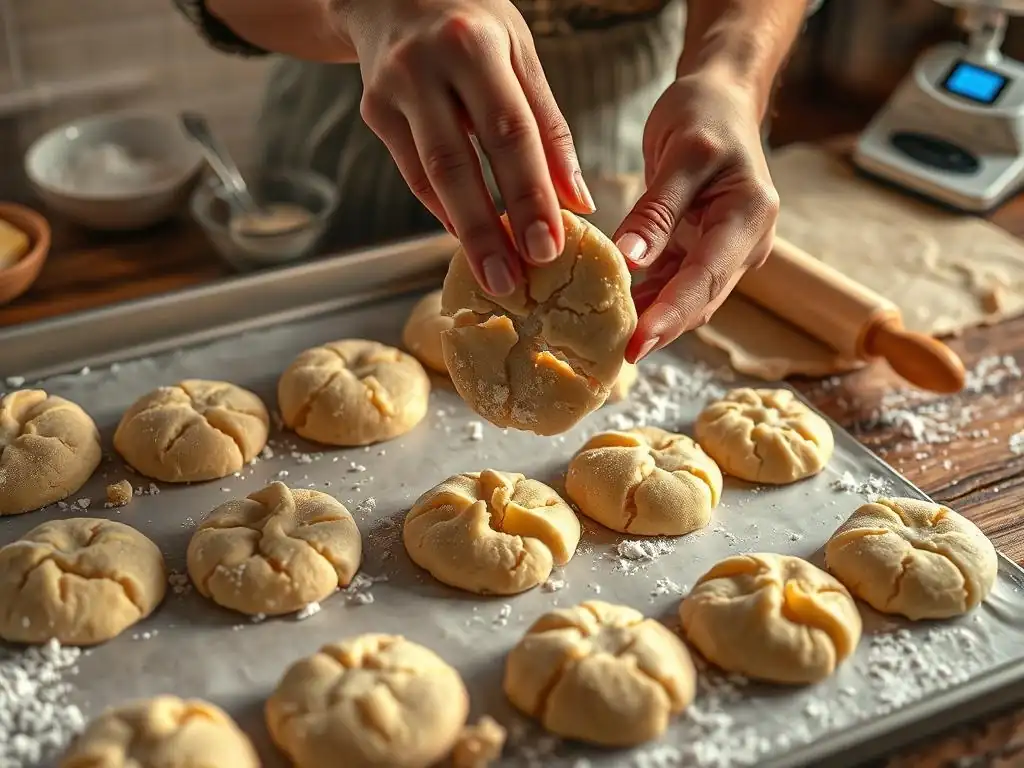
Beyond rolled sugar cookie cracking, other issues can arise. This quick guide summarizes common problems and potential solutions based on the principles we've discussed.
| Problem | Possible Causes | Solutions |
|---|---|---|
| Cookies are Spreading Too Thin | Dough too warm, too much leavening, insufficient flour | Chill dough longer, reduce baking powder/soda slightly, measure flour accurately |
| Cookies are Too Hard | Overworking dough, too much flour, over-baking | Mix until just combined, measure flour accurately, reduce baking time |
| Cookies are Burning on the Edges | Oven too hot, uneven heat, thin edges | Check oven temp with thermometer, rotate baking sheet, roll dough evenly |
Understanding these common issues helps you identify potential culprits when your cookies don't turn out as expected, providing a roadmap to better baking results and fewer problems like rolled sugar cookie cracking.
Cookies spreading excessively thin is a common issue, often resulting in misshapen, fragile cookies unsuitable for decorating. This problem is frequently linked to the temperature of your dough and the balance of ingredients. Dough that is not adequately chilled before rolling and baking will cause the fat (butter) to melt too quickly in the oven, leading to excessive spread before the cookie structure sets.
Additionally, an imbalance in ingredients, such as too little flour relative to fat and sugar, or too much leavening agent (like baking powder), can contribute to over-spreading. Ensure your dough is chilled until firm, typically at least 1-2 hours. Use accurate measurements, especially for flour and leavening, and consider reducing baking powder slightly if this is a persistent issue, while still being mindful of its impact on the cookie's rise and texture.
Rolled sugar cookies should be tender and slightly crisp around the edges, not hard or tough like a cracker. Hard cookies are often a sign of overworking the dough or using too much flour. Overmixing develops gluten, which creates a tough, chewy texture. Using too much flour, often due to inaccurate measurement, results in a dry dough that bakes into a hard cookie.
To prevent hard cookies, mix the dough only until the ingredients are just combined – stop as soon as you see no dry streaks of flour. Avoid kneading the dough. Always measure your flour accurately using the spoon and level method or, ideally, a kitchen scale. Baking the cookies for too long can also dry them out and make them hard, so bake just until the edges are set and lightly colored.
Edges burning while the centers remain underbaked is a classic symptom of uneven heat or baking at too high a temperature. Hot spots in your oven cause the parts of the cookie sheet exposed to higher temperatures to bake much faster, leading to burnt edges before the rest of the cookie is done. This issue can sometimes coincide with rolled sugar cookie cracking if the rapid setting of the edges causes stress on the still-expanding center.
Using an oven thermometer to verify and adjust your oven temperature is crucial. If your oven has significant hot spots, rotating the baking sheet halfway through the baking time will help ensure more even baking. Also, ensure your cookies are rolled to a consistent thickness; thin edges are more prone to burning. Using lighter-colored baking sheets can also help prevent bottoms and edges from browning too quickly compared to darker sheets.
Achieving perfectly smooth, crack-free rolled sugar cookies is a skill that comes with understanding the science behind the bake and practicing good technique. While rolled sugar cookie cracking is a common frustration, it's often a symptom of issues related to dough hydration, handling, ingredient ratios, or oven temperature. By paying close attention to detail in each step – from accurately measuring your flour using the spoon and level method to ensuring your oven temperature is correct with a thermometer – you can significantly reduce the likelihood of cracks.
Remember to handle your dough gently, chill it properly to relax the gluten and firm the fat, and roll it to an even thickness, ideally between parchment paper. These preventative measures are your best defense against rolled sugar cookie cracking. And if a few cookies still develop minor flaws, simple mending techniques can often save them for decorating. With patience and practice, you'll be baking beautiful, smooth rolled sugar cookies with ease, ready to become your next edible masterpiece. Happy baking!
Frequently Asked Questions
Cracking often occurs because the dough is too dry or has been overworked, leading to a lack of elasticity. High oven temperatures can also cause rapid expansion and subsequent cracking.
Ensure your dough has enough moisture; try adding a tablespoon of milk or butter. Avoid over-mixing the dough, which develops too much gluten. Chill the dough thoroughly before rolling.
Using too much flour is a common culprit, as it dries out the dough. Baking powder or baking soda in excess can also cause rapid expansion and cracking.
While you can't completely undo it, gently pressing the cracks together immediately after baking while the cookies are still warm can help. Frosting will also hide minor imperfections.
Yes, very thin cookies are more prone to cracking because they dry out faster. Aim for a consistent thickness of around ¼ inch for more even baking and reduced cracking.
The seemingly simple act of baking a rolled sugar cookie is fraught with potential pitfalls, and cracking remains a persistent nemesis for even the most experienced bakers. Understanding the science behind why these delicate treats fracture allows us to move beyond frustration and embrace the delicious possibilities of perfectly formed, beautifully decorated cookies. This isn't just about aesthetics; it's about mastering a fundamental baking technique and achieving consistent, delightful results.
The journey from cracked cookie casualties to flawlessly crisp edges has been a personal one, filled with experimentation, flour-dusted counters, and the occasional (delicious) mishap. The pursuit of the perfect rolled sugar cookie transcends mere baking; it's a reflection of our desire for precision and control in a world often characterized by unpredictability. The best things in life are worth fighting for, and a perfectly rolled sugar cookie is certainly one of them.
This sentiment, while playfully stated, encapsulates the dedication and perseverance required to master this seemingly simple skill.
Now, armed with the knowledge gleaned from this article, I invite you to embark on your own baking adventure. Don't be discouraged by cracked cookies; see them as opportunities for learning and refinement. Experiment with different flours, chilling times, and baking temperatures. Embrace the process, savor the successes, and remember that even the most perfectly formed cookie starts with a little bit of imperfection. The journey to mastering the art of the rolled sugar cookie is a rewarding one, filled with delicious discoveries and the sweet satisfaction of a job well done.
Thanks for taking the time to learn about rescuing those frustratingly cracked sugar cookies! You now have the knowledge to bake perfect, beautiful cookies every time. Ready to put your newfound skills to the test?
- Bake a batch of flawlessly rolled-out cookies today! Use the techniques we discussed to avoid cracking and achieve that picture-perfect result.
- Share your cookie success (or even your cookie fails!) with us on social media using #BakeWithEaseRescue. We love to see your baking journey!
- Try experimenting with different flours or chilling times to see how it affects your results. Document your findings!
What unexpected ingredient or technique will you try next to perfect your sugar cookie game?