
Safe Bakeware: Comparing Ceramic, Glass, and Metal for HealthConscious Bakers

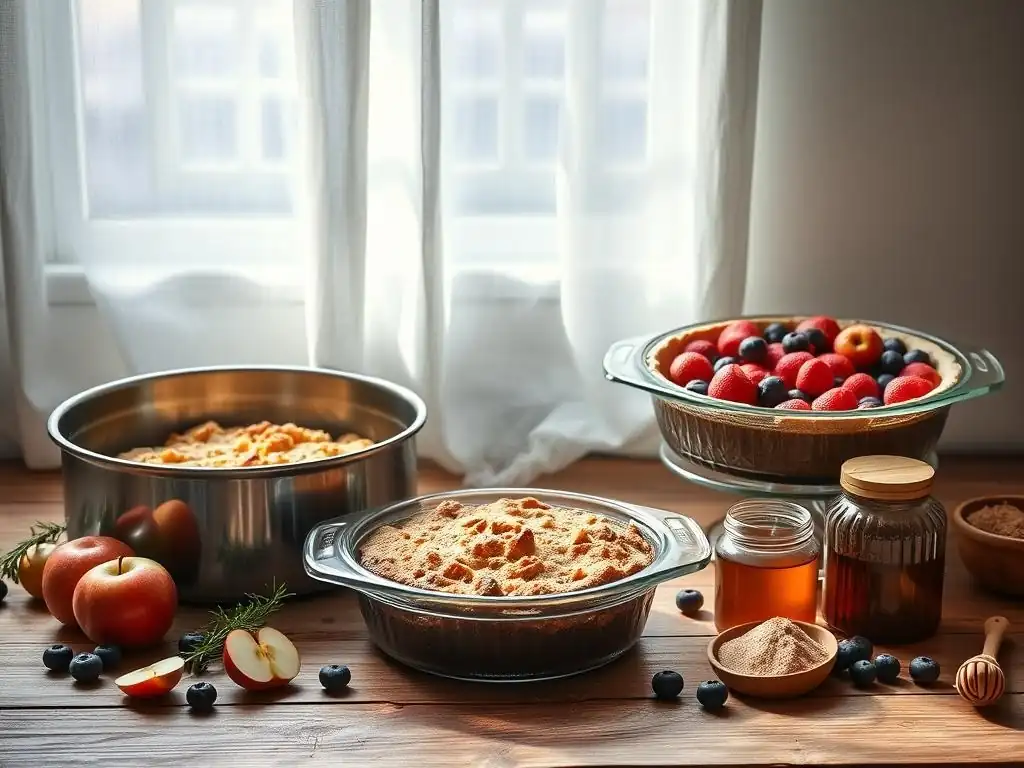
Welcome to BakeWithEase, where baking dreams become delicious realities! Are you a health-conscious baker curious about the safest materials for your creations? This article delves into the fascinating world of bakeware, exploring the intriguing health benefits of ceramic bakeware and comparing it to glass and metal alternatives. Discover which option best suits your needs and ensures every bite is not only delightful but also worry-free. Ready to bake with confidence? Let's get started!
- Introduction: Choosing the Right Bakeware for Health and Safety
- Understanding Bakeware Materials: A Comprehensive Overview
- Ceramic Bakeware: Advantages, Disadvantages, and Health Benefits
- Glass Bakeware: Safety, Durability, and Baking Performance
- Metal Bakeware: Exploring Aluminum, Stainless Steel, and Non-Stick Coatings
- Comparing Ceramic, Glass, and Metal Bakeware: A Side-by-Side Analysis
- Which Bakeware is Right for You? Factors to Consider
- Tips for Maintaining and Extending the Lifespan of Your Bakeware
- Conclusion: Baking with Confidence and Health in Mind
-
Frequently Asked Questions
- What are the main health benefits of using ceramic bakeware?
- Is all ceramic bakeware equally safe, considering potential lead content?
- How does ceramic bakeware compare to glass in terms of even heat distribution and baking results?
- Can ceramic bakeware be used at high temperatures, and does it require special care?
- What are the environmental considerations of using ceramic bakeware compared to metal bakeware options?
- Final Reflection: The Enduring Quest for Healthy Baking
- Unleash Your Inner Baker: Choose the Perfect Bakeware
Introduction: Choosing the Right Bakeware for Health and Safety
Selecting the right tools is fundamental to successful baking, and this extends beyond just mixers and measuring cups. The material your bakeware is made from plays a significant role not only in how your food bakes but also in potential impacts on your health. As home baking has seen a resurgence, more people are becoming conscious of the materials that come into contact with their food at high temperatures.
This article delves into the world of common bakeware materials – ceramic, glass, and metal – examining their properties, performance, and, crucially, their health implications. Our goal is to provide health-conscious bakers with the information needed to make informed decisions, ensuring that your passion for baking aligns with your commitment to well-being. Understanding the pros and cons of each material is the first step towards building a safe and effective bakeware collection.
Understanding Bakeware Materials: A Comprehensive Overview
Exploring the Landscape of Baking Dishes
The variety of bakeware available today is vast, designed to meet the demands of countless recipes. From standard 9x13 inch rectangular pans perfect for casseroles and sheet cakes to specialized muffin tins, loaf pans, and intricate tart molds, each piece serves a unique function in the baking process. The shape and size of the bakeware directly influence heat penetration, crust development, and the final structure of the baked good.
Beyond shape, these dishes are constructed from a range of materials, each with distinct physical properties. While a cake pan might look similar in shape across different brands, the material—be it aluminum, stainless steel, glass, or ceramic—will dramatically affect how it performs in the oven, how durable it is, and potentially, what it might contribute to your food in terms of chemical interactions. Our focus here is on these core materials and their suitability for health-conscious bakers.
Health Considerations in Bakeware Selection
Choosing bakeware isn't just about achieving a golden-brown crust or preventing sticking; it's also about minimizing exposure to potentially harmful substances. When heated, some materials or their coatings can interact with food, possibly leaching chemicals. This is a primary concern for individuals seeking to reduce their overall exposure to synthetic compounds and heavy metals.
Traditional non-stick coatings, for example, have raised questions about chemicals like PFOA and PTFE when overheated, although regulations have led to many improvements. Similarly, certain glazes on older or poorly manufactured ceramic items could potentially contain lead or cadmium. Understanding these potential issues allows bakers to navigate the market and select products that meet stringent safety standards, ensuring peace of mind while enjoying their culinary pursuits.
Ceramic Bakeware: Advantages, Disadvantages, and Health Benefits
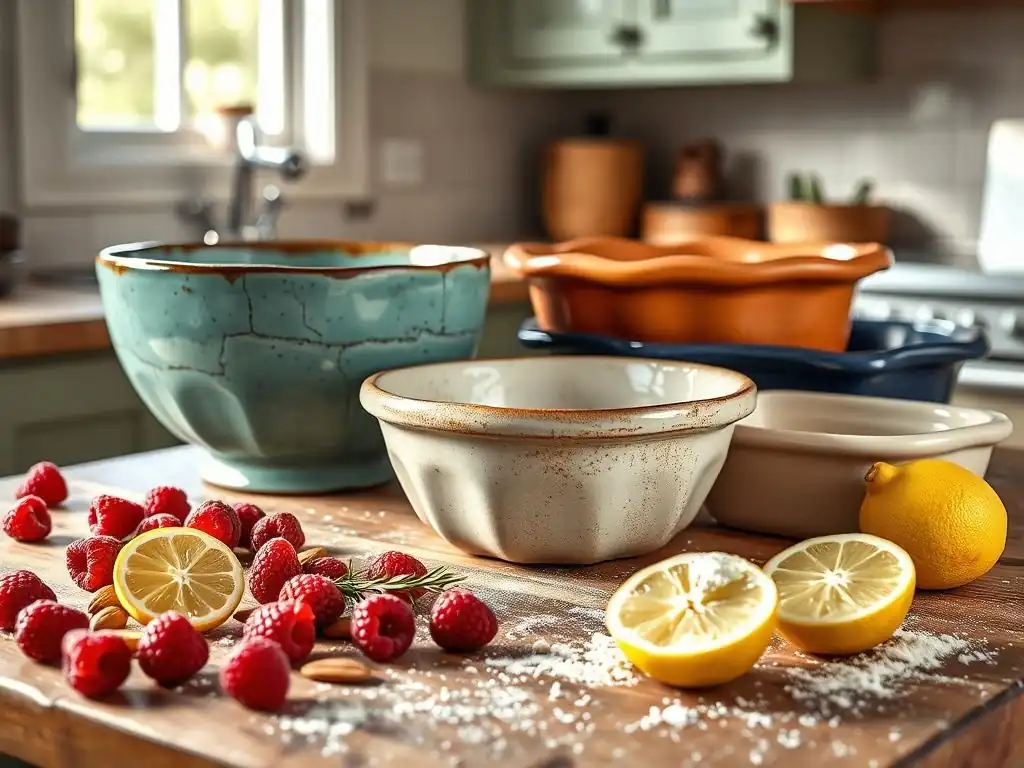
Ceramic Bakeware: What is it Made Of?
The term "ceramic bakeware" can refer to a couple of different products. One type is solid ceramic or stoneware, made from natural clay fired at extremely high temperatures until it becomes hard and non-porous, often finished with a glaze. This material is naturally inert and non-reactive.
The second, and increasingly common, type is metal bakeware (typically aluminum or steel) coated with a finish often described as "ceramic." This coating is usually a silica-based gel that forms a non-stick surface when cured. While it offers non-stick properties similar to traditional coatings, its composition is different, often marketed as a healthier alternative free from PFOA and PTFE, contributing to the discussion around ceramic bakeware health benefits.
The Appeal of Ceramic Cookware for Health-Conscious Bakers
The main draw of ceramic bakeware for those prioritizing health is its positioning as a "green" or non-toxic option. Manufacturers often highlight that their ceramic coatings are free from PFOA, PTFE, lead, and cadmium – chemicals associated with traditional non-stick surfaces and some older glazes that have raised health concerns when released at high temperatures or through wear and tear.
This absence of potentially harmful substances makes ceramic bakeware an attractive choice for bakers looking to minimize chemical exposure in their cooking. The natural non-reactive property of solid ceramic and the typically inert nature of modern ceramic coatings mean that they will not leach metallic tastes or chemicals into food, even when cooking acidic dishes, reinforcing the perceived ceramic bakeware health benefits.
Advantages of Using Ceramic Bakeware
Even Heat Distribution in Ceramic Dishes
Solid ceramic and stoneware bakeware excel at absorbing and distributing heat evenly once they reach temperature. This property helps prevent hot spots and ensures that dishes cook uniformly throughout, leading to consistent results whether you're baking a casserole, roasting vegetables, or making a deep-dish pie.
While ceramic-coated metal heats up faster due to the metal base, the ceramic layer contributes to a smoother, more even surface temperature compared to some bare metal pans. This helps in achieving uniform browning and cooking across the surface of the food, preventing edges from burning while the center remains undercooked, a common frustration for bakers.
Non-Stick Properties of Ceramic Bakeware
A significant advantage of ceramic-coated bakeware is its non-stick surface. Food tends to release easily, often requiring less added fat for greasing. This makes tasks like removing cakes from pans or sliding cookies off a baking sheet much simpler than with uncoated metal pans.
The non-stick nature also greatly simplifies cleanup. Baked-on residues typically wipe away with minimal effort, reducing the need for soaking or vigorous scrubbing. While the longevity of the non-stick effect can vary between brands and with use, the initial performance is a definite plus for ease of use.
Aesthetic Appeal of Ceramic Baking Pans
Ceramic bakeware, particularly solid stoneware, often comes in a wide array of attractive colors and designs. Their appealing appearance makes them perfect for oven-to-table serving, allowing you to present your baked goods beautifully without needing to transfer them to a separate serving dish.
This visual versatility adds a touch of style to the kitchen and dining table. The ability to move directly from baking to serving also reduces the number of dishes to wash, adding a practical benefit to their aesthetic charm.
Potential for Chipping and Cracking
A notable drawback of solid ceramic and stoneware bakeware is its relative fragility. These materials can chip or crack if dropped or subjected to sudden impacts. A chipped edge can make the bakeware unusable or unsafe, as the surface is compromised.
Furthermore, solid ceramic dishes are susceptible to thermal shock. Rapid temperature changes, such as placing a hot dish on a cold, wet surface or adding cold ingredients to a hot pan, can cause them to crack or even shatter. This requires careful handling and temperature management compared to more resilient materials like metal.
Price Considerations of Ceramic Bakeware
High-quality solid ceramic and ceramic-coated bakeware can sometimes be more expensive than comparable items made from basic aluminum or glass. The cost can vary significantly depending on the brand, size, and specific type of ceramic used.
While there are budget-friendly options available, investing in durable, certified safe ceramic bakeware that offers reliable ceramic bakeware health benefits often means a higher upfront cost. This needs to be considered within your overall budget for kitchen equipment.
Lead and Cadmium Concerns in Ceramic Bakeware: Choosing Safe Options
Historically, some ceramic glazes, particularly on older or imported items from regions with less stringent regulations, have contained lead and cadmium. These heavy metals can leach into food, especially when exposed to acidic ingredients or high heat, posing potential health risks.
While this is less of a concern with modern bakeware from reputable manufacturers, it remains a factor for health-conscious bakers. It is essential to be aware of this potential issue and take steps to ensure the ceramic bakeware you choose is certified free of these heavy metals to truly benefit from the intended ceramic bakeware health benefits.
Ensuring Ceramic Bakeware is Safe: Look for Certifications and Reputable Brands
To confidently use ceramic bakeware and enjoy its potential health benefits, it's vital to purchase products that explicitly state they are lead-free and cadmium-free. Many manufacturers will indicate compliance with safety standards from regulatory bodies like the U.S. Food and Drug Administration (FDA) or European Union (EU) regulations.
Purchasing from well-established, reputable brands known for quality and safety standards provides additional assurance. These companies are typically transparent about their manufacturing processes and the composition of their glazes and coatings. Checking product descriptions and manufacturer websites for safety certifications is a proactive step towards making a safe choice.
Glass Bakeware: Safety, Durability, and Baking Performance
Understanding Glass Bakeware Composition
Glass bakeware is predominantly made from tempered glass, a type of safety glass processed by controlled thermal or chemical treatments to increase its strength compared to normal glass. This tempering makes the glass more resistant to temperature changes and impacts, although it does not make it indestructible.
Common types of tempered glass used for bakeware include soda-lime glass and, less commonly now, borosilicate glass. The tempering process creates internal stresses within the glass that help it withstand the heat of the oven and resist breaking under normal baking conditions, though it is still susceptible to thermal shock under extreme circumstances.
Advantages of Using Glass Bakeware
Visibility and Monitoring of Baking Progress
One of the most practical advantages of glass bakeware is its transparency. This allows you to easily see how your food is browning on the sides and bottom without needing to open the oven door. This is particularly helpful for dishes like pies, gratins, or casseroles where base browning is important.
Being able to visually monitor the baking process helps prevent under- or over-baking. You can tell at a glance if a custard is setting properly or if vegetables are caramelizing as desired, leading to more predictable and successful baking results.
Non-Reactive Nature of Glass Bakeware
Like high-quality ceramic, glass is an entirely non-reactive material. It does not interact with acidic foods, nor does it leach any chemicals or metallic flavors into your baked goods. This makes it an exceptionally safe choice for cooking all types of dishes, including those containing tomatoes, citrus, or vinegar.
This inertness ensures that the pure taste of your recipe is preserved. There are no concerns about chemical contamination or altered flavors, providing peace of mind for health-conscious cooks and bakers.
Easy to Clean Glass Baking Pans
Glass bakeware features a smooth, non-porous surface that is resistant to staining and food residue buildup. Baked-on messes are typically easier to remove compared to some other materials; often, a simple soak followed by a gentle scrub is sufficient.
Glass is also dishwasher safe and does not retain odors, making cleanup straightforward and hygienic. Its non-porous nature means it won't absorb fats or flavors over time, contributing to its ease of maintenance.
Susceptibility to Thermal Shock
Despite being tempered, glass bakeware remains vulnerable to thermal shock. Rapid and extreme temperature changes can cause it to shatter. This can happen if a hot glass dish is placed on a cold or wet surface, or if cold liquids are added to a very hot pan straight from the oven.
While manufacturers design glass bakeware for oven use, caution is necessary to avoid sudden temperature shifts. Always use dry potholders or trivets and allow dishes to cool down gradually before washing or refrigerating to prevent potentially dangerous breakage.
Heavier Weight Compared to Other Options
Glass bakeware is generally heavier than comparable pieces made from metal or ceramic-coated metal. This added weight can make handling large or full dishes more challenging, especially when transferring them to and from a hot oven.
While not a major issue for everyone, the weight can be a practical consideration, particularly for individuals who may find lifting heavy items difficult. A large glass roasting pan filled with a roast and vegetables can be quite substantial.
Potential for Uneven Browning
Glass conducts heat more slowly than metal but retains it very effectively. This can sometimes result in the bottom and sides of baked goods browning faster than the top surface, particularly in recipes like cakes, quick breads, or certain cookies.
To compensate for this, some bakers recommend slightly reducing the oven temperature (e.g., by 25°F or 15°C) when using glass bakeware compared to metal. While it provides even heat for overall cooking, achieving perfectly uniform browning top-to-bottom can sometimes be trickier.
Tips for Safe Use of Glass Bakeware
To maximize the safety and lifespan of your glass bakeware, always place it in a preheated oven; never put it into a cold oven and then turn it on. Avoid placing a hot glass dish directly onto a cold, wet, or damp countertop or sink; use a dry trivet or potholder.
Never add cold liquids to a hot glass dish straight from the oven. Inspect your glass bakeware for any chips, cracks, or scratches before each use, as damage can weaken the glass and increase the risk of breakage. If damaged, it's safest to discard it.
Metal Bakeware: Exploring Aluminum, Stainless Steel, and Non-Stick Coatings
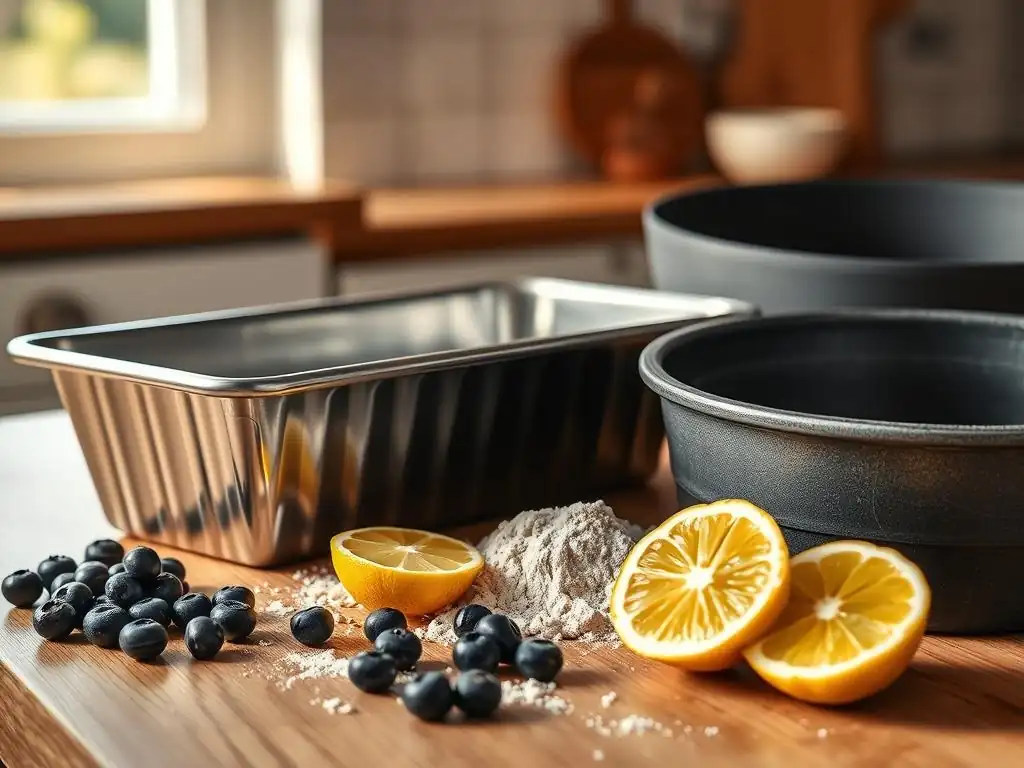
Types of Metal Bakeware: Aluminum, Stainless Steel, and Coated Pans
Metal bakeware is incredibly common and comes in several forms. Aluminum is a popular choice for baking sheets, cake pans, and muffin tins due to its excellent heat conductivity, often available in uncoated or anodized (hardened, less reactive) finishes.
Stainless steel is durable and non-reactive but less conductive than aluminum; it's frequently used for roasting pans, mixing bowls, and sometimes layered constructions for bakeware. Many metal pans also feature non-stick coatings, historically made with PTFE, applied over an aluminum or steel base for easy food release, although newer coatings are also available.
Advantages of Using Metal Bakeware
Durability and Longevity of Metal Pans
Metal bakeware, especially those made from stainless steel or heavy-gauge aluminum, is exceptionally durable. It is far less likely to chip, crack, or shatter than glass or ceramic, making it a robust choice for demanding kitchen environments and frequent use.
With proper care, including avoiding harsh chemicals or abrasive scrubbers on coated surfaces, metal pans can last for many years, resisting warping and standing up to the rigors of regular baking. This longevity makes them a reliable, long-term investment.
Excellent Heat Conductivity of Metal Bakeware
Metal, particularly aluminum, is an outstanding heat conductor. It heats up quickly and distributes heat efficiently across the surface. This property is ideal for achieving crisp edges on cookies, developing beautiful crusts on breads, and ensuring quick, even baking for many pastry items.
The rapid heating and cooling of metal allow for greater control over the baking process. While stainless steel is less conductive, heavier gauges or pans with special constructions can still provide effective heat distribution for roasting and other applications.
Versatility in Baking Applications
Metal bakeware is arguably the most versatile category, available in an almost endless variety of shapes, sizes, and forms suitable for nearly any baking task. From intricate molds and tart pans to standard sheets, rounds, and squares, there's a metal pan for every recipe.
Uncoated metal pans, especially stainless steel or anodized aluminum, can often withstand very high temperatures and may even be suitable for use under a broiler (check manufacturer guidelines), adding to their utility for finishing dishes like gratins or melting cheese toppings.
Potential for Reactivity with Acidic Foods (Aluminum)
Uncoated aluminum bakeware can react with acidic ingredients such as tomatoes, lemons, or vinegar. This reaction can potentially leach small amounts of aluminum into the food and may impart a slight metallic flavor, particularly noticeable in delicate dishes.
While the scientific consensus on the health risks of aluminum exposure from cookware is still evolving, health-conscious bakers might prefer to use anodized aluminum (which has a sealed, non-reactive surface) or opt for stainless steel, glass, or ceramic when cooking acidic recipes to avoid this potential interaction.
Non-Stick Coatings and Potential Health Concerns
Traditional non-stick coatings, often based on PTFE, have raised health concerns primarily related to fumes released if the pan is overheated (typically above 500°F or 260°C). While PFOA, a chemical previously used in the manufacturing process, has been largely eliminated from current products, concerns about PTFE fumes persist for some individuals.
Although normal baking temperatures rarely reach the threshold where PTFE decomposes significantly, bakers concerned about these issues often seek alternative non-stick surfaces. Newer non-stick formulations, including ceramic-based coatings (which tie back to the ceramic bakeware health benefits discussed earlier), aim to provide non-stick performance with different chemical compositions.
Hotspots and Uneven Baking with Some Metal Pans
Thinner gauge metal bakeware, especially inexpensive aluminum pans, can be prone to developing "hotspots." These are areas where heat concentrates, leading to uneven baking and potential burning in specific spots while other areas remain undercooked.
While heavier gauge metal pans or those with special features like insulated layers mitigate this issue, it's a potential drawback compared to the more uniform heat distribution often found in solid ceramic or glass, particularly for dishes that require consistent, gentle heating.
Choosing Safe Metal Bakeware: Considerations and Best Practices
When selecting metal bakeware with health in mind, consider the material and any coatings. For uncoated pans, anodized aluminum is less reactive than bare aluminum, and stainless steel is a safe, non-reactive option, though it may require more greasing.
If choosing non-stick metal bakeware, look for clear labeling indicating it is PFOA-free. Adhere strictly to the manufacturer's recommended maximum temperature to avoid potential breakdown of the coating. Replace any non-stick pan if the coating is heavily scratched or peeling, as damaged surfaces can affect both performance and safety.
Comparing Ceramic, Glass, and Metal Bakeware: A Side-by-Side Analysis
Heat Distribution: Ceramic vs. Glass vs. Metal
Metal bakeware, particularly aluminum, offers rapid heating and cooling, making it ideal for achieving crisp textures and quick baking times. Glass heats more slowly but retains heat exceptionally well, which can sometimes lead to faster browning on the bottom.
Solid ceramic and stoneware also retain heat very effectively, providing consistent, even temperatures perfect for slow-cooked dishes like casseroles. Ceramic-coated metal combines some properties of both the base metal and the coating, generally offering relatively even surface heating.
Durability: Ceramic vs. Glass vs. Metal
In terms of pure resistance to breakage from impacts, metal bakeware is the most durable option, though it can dent or scratch. Stainless steel is particularly robust.
Glass bakeware is susceptible to shattering from thermal shock. Solid ceramic and stoneware are prone to chipping and cracking if dropped or hit, and also vulnerable to thermal shock, making them the most fragile in this comparison regarding sudden impacts or temperature extremes.
Cleaning and Maintenance: Ceramic vs. Glass vs. Metal
Ceramic-coated and glass bakeware are generally considered the easiest to clean due to their smooth, non-porous, and often non-stick surfaces. Baked-on food usually releases relatively easily or after a short soak.
Uncoated metal can sometimes require more effort to clean baked-on residues. Non-stick metal pans are easy initially but require careful cleaning to avoid damaging the coating; abrasive scrubbers should be avoided across all non-stick surfaces.
Health and Safety: Ceramic vs. Glass vs. Metal - Making the Right Choice
From a health perspective, glass is highly inert and poses no issues with leaching or coatings. High-quality, certified lead-free and cadmium-free ceramic bakeware is also non-reactive and considered very safe, offering significant ceramic bakeware health benefits.
Metal bakeware requires more careful consideration. Uncoated aluminum can react with acidic foods (choose anodized or stainless steel instead). For non-stick metal, prioritize PFOA-free options and follow temperature limits to avoid concerns about coating breakdown. Safe choices are available in all categories with informed selection.
Which Bakeware is Right for You? Factors to Consider
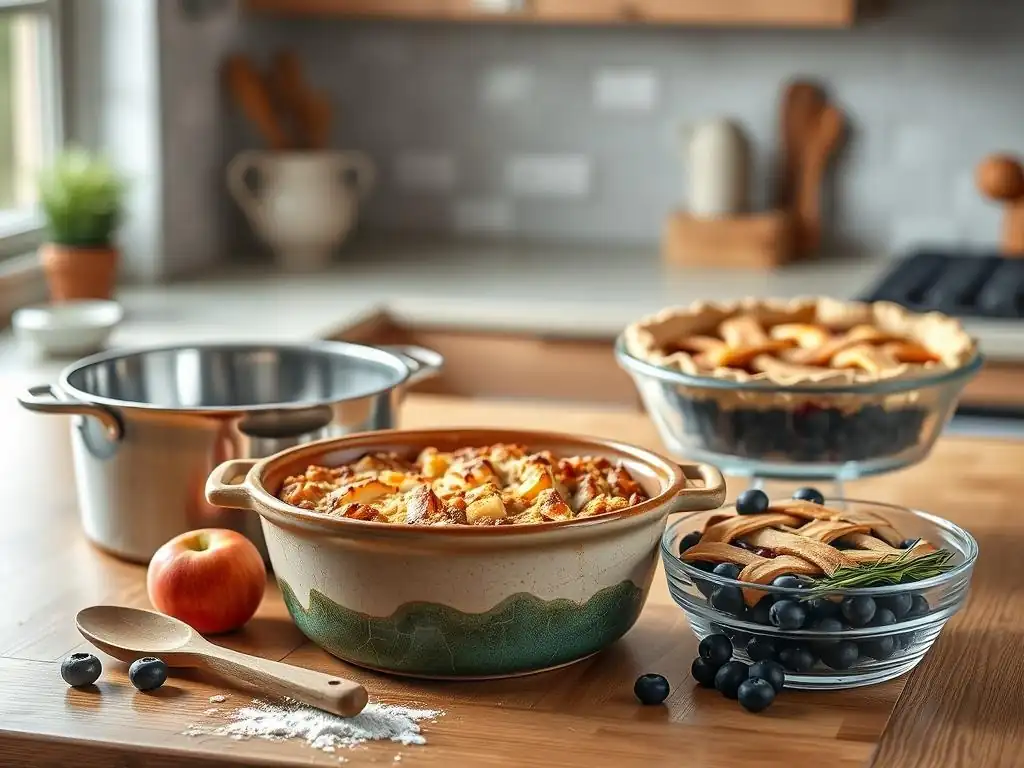
Baking Style and Frequency
Your personal baking habits are a key determinant. If you bake frequently and tackle a wide variety of recipes, a mix of materials might be most beneficial. For instance, metal baking sheets are indispensable for cookies and sheet pan dinners, while glass or ceramic might be preferred for moist cakes or bubbling casseroles baked weekly.
Consider the types of dishes you prepare most often. Bakers focusing on breads and pizzas might favor metal or even baking stones (a type of ceramic), while those who love baked desserts or savory bakes might lean towards glass or ceramic for their heat retention and presentation qualities.
Budget Considerations
Bakeware prices range from very affordable to quite expensive. Basic aluminum pans are often the least costly entry point. High-end stainless steel, premium ceramic-coated sets, or artisanal stoneware can represent a more significant investment.
Think about the long-term value. While some materials have a higher initial price tag, their durability (like stainless steel) or specific benefits, such as the ceramic bakeware health benefits from certified products, might make them more cost-effective over their lifespan compared to frequently replacing cheaper items.
Health Priorities
For bakers whose primary concern is minimizing potential chemical exposure, glass offers the most inert option. Certified lead-free and cadmium-free ceramic bakeware is also an excellent non-reactive choice, aligning well with health-conscious goals and providing the sought-after ceramic bakeware health benefits.
If choosing metal, opt for materials like stainless steel or anodized aluminum for uncoated pans to avoid reactivity. When selecting non-stick metal, verify that it is PFOA-free and understand its temperature limitations to ensure safe use within typical baking ranges.
Recipe Considerations: Cakes, Breads, and Casseroles
Different recipes can benefit from the unique properties of each material. Metal pans are often favored for cakes and cookies due to their ability to heat quickly and provide sharp edges and even browning. Breads can develop great crusts on metal sheets or baking stones.
Casseroles, gratins, and other dishes that benefit from even cooking and heat retention, as well as oven-to-table presentation, are often ideally suited for glass or solid ceramic bakeware. Consider the specific needs of your favorite recipes when making your selection.
Tips for Maintaining and Extending the Lifespan of Your Bakeware
Proper Cleaning Techniques for Each Material
Caring for your bakeware properly ensures its longevity and continued performance. For non-stick surfaces, whether on metal or ceramic-coated pans, always use soft sponges or cloths and mild dish soap; avoid steel wool or abrasive pads that can damage the finish. Baked-on messes may require soaking.
Glass and solid ceramic can generally withstand more vigorous cleaning, but check manufacturer instructions. For stubborn residues, a paste of baking soda and water can be effective on most materials (except possibly delicate non-stick coatings). Always dry bakeware thoroughly after washing to prevent water spots or rust on metal.
Safe Storage Practices
Storing bakeware carefully prevents damage that can occur when pieces are stacked directly on top of each other. Always place a protective layer, such as a paper towel, dishcloth, or felt pan protector, between pans when stacking them to prevent scratches on non-stick surfaces and chips on glass or ceramic edges.
Store fragile items like glass and ceramic in a way that minimizes the risk of them falling or being bumped. Avoid placing heavy items on top of them. Proper storage is a simple step that can significantly extend the life of your bakeware collection.
Avoiding Thermal Shock and Damage
As highlighted previously, thermal shock is a major cause of breakage for glass and solid ceramic bakeware. To prevent this, never place hot glass or ceramic dishes directly onto cold, wet, or damp surfaces. Use dry trivets or potholders.
Avoid adding cold liquids to hot glass or ceramic pans. Always allow these dishes to cool down gradually on a heat-resistant surface before attempting to wash them or place them in the refrigerator. Following these precautions is essential for safe and long-lasting use.
Conclusion: Baking with Confidence and Health in Mind
Choosing the right bakeware involves a thoughtful balance between baking performance, durability, cost, and, importantly, health and safety. We've explored the distinct characteristics of ceramic, glass, and metal bakeware, outlining their advantages, disadvantages, and key considerations for health-conscious bakers.
Ultimately, the ideal bakeware collection is often a mix of materials, tailored to your specific baking style, budget, and health priorities. By understanding the properties of each material, prioritizing products from reputable brands with safety certifications (especially for ceramic bakeware health benefits), and following proper care instructions, you can equip your kitchen with bakeware that not only performs beautifully but also supports your commitment to healthy baking. Happy baking, safely!
Frequently Asked Questions
What are the main health benefits of using ceramic bakeware?
Ceramic bakeware is often touted for its non-toxic composition, potentially minimizing exposure to harmful chemicals during baking. Some ceramic bakeware is also naturally non-stick.
Is all ceramic bakeware equally safe, considering potential lead content?
No, not all ceramic bakeware is equally safe. It's crucial to choose lead-free and cadmium-free ceramic options to avoid potential health risks associated with these heavy metals. Always check product specifications.
How does ceramic bakeware compare to glass in terms of even heat distribution and baking results?
Ceramic tends to offer more even heat distribution than glass, potentially leading to more consistent baking results. Glass bakeware may have hot spots, affecting cooking times.
Can ceramic bakeware be used at high temperatures, and does it require special care?
Generally, yes, most ceramic bakeware is oven-safe to high temperatures, but it's important to check the manufacturer's instructions. Avoid sudden temperature changes to prevent cracking.
What are the environmental considerations of using ceramic bakeware compared to metal bakeware options?
Ceramic bakeware production can have a significant environmental impact. Look for eco-friendly manufacturing processes and durable pieces that will last a long time, reducing the need for frequent replacements.
Final Reflection: The Enduring Quest for Healthy Baking
The pursuit of healthy baking extends far beyond the ingredients; it encompasses the very vessels we use to create our culinary masterpieces. Choosing the right bakeware is a crucial, often overlooked, step in ensuring both the safety and deliciousness of our baked goods. This article has explored the nuances of ceramic, glass, and metal bakeware, highlighting their unique properties and potential impacts on our health.
The ongoing conversation surrounding food safety and its connection to cookware is vital. Our choices in the kitchen directly influence our well-being, and understanding the potential leaching of chemicals or the impact of material properties on food preparation is paramount. The food we eat is our medicine. Let thy food be thy medicine and thy medicine be thy food.
This ancient wisdom underscores the importance of mindful choices, extending to the seemingly insignificant details like our bakeware selection.
Now, consider your own kitchen. What type of bakeware do you predominantly use? Are you aware of the potential benefits and drawbacks of your chosen materials? I encourage you to reflect on this information and make informed decisions that prioritize your health and the health of your loved ones. Embrace the opportunity to elevate your baking experience by selecting bakeware that aligns with your values and contributes to a healthier, more conscious approach to cooking. The journey towards healthier baking is a continuous one, and every small step counts.
Unleash Your Inner Baker: Choose the Perfect Bakeware
Thanks for taking the time to explore the world of healthy baking with us! You've now armed yourself with the knowledge to make informed choices about your bakeware and create delicious, safe treats. Ready to put your new knowledge into practice?
- Embrace healthier baking: Start your next baking project with your newly-chosen, healthier bakeware. Notice the difference!
- Share your baking wisdom: Let your friends and family in on your healthy baking journey – share this article with them!
- Discover more baking secrets: Explore more insightful articles on BakeWithEase.com, or delve into our baking community forum to share your experiences and ask any lingering questions.
Ready to elevate your baking game and create healthier treats for yourself and your loved ones? What's the first recipe you'll be tackling with your new bakeware?