
Scale Up Your Skills: Digital Baking Scales for Consistent Results

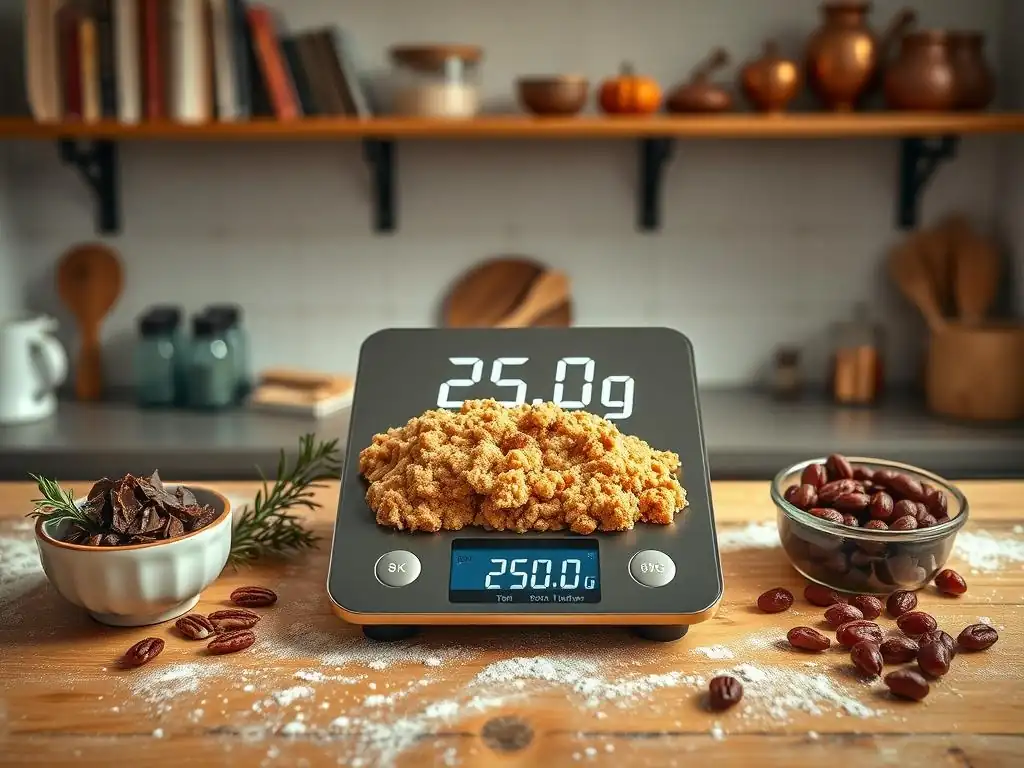
Welcome to BakeWithEase, your trusted guide to baking brilliance! Ever wondered if your baking is truly precise? Today, we're diving deep into the world of digital baking scales accuracy. Discover how the right scale can be the secret ingredient to consistently perfect pastries, breads, and everything in between. Are you ready to unlock baking success with pinpoint precision? Let's explore!
- Mastering Precision Baking: The Essential Role of Digital Scales
- Why Digital Baking Scales are Essential for Accurate Baking
- Understanding Digital Baking Scales: Types and Features
- Benefits of Using Digital Baking Scales vs. Traditional Measuring Cups
- How to Choose the Best Digital Baking Scale for Your Needs
- Mastering the Art of Baking with a Digital Scale: Tips and Techniques
- Maintaining and Caring for Your Digital Baking Scale
- Digital Baking Scales: A Game Changer for Baking Enthusiasts
-
Frequently Asked Questions
- What makes digital baking scales superior to traditional measuring cups?
- How important is "accuracy" when baking, and how do digital baking scales help?
- What features should I look for in a good digital baking scale?
- How do I ensure my digital baking scale maintains its accuracy over time?
- Can I use a digital baking scale for measuring liquids as well as dry ingredients?
- Final Reflection: The Sweet Science of Precision in Baking
- Unlock Your Baking Potential: Level Up Your Treats!
Mastering Precision Baking: The Essential Role of Digital Scales
Why Digital Baking Scales are Essential for Accurate Baking
Achieving Baking Precision with Digital Scales
Achieving true precision in baking relies heavily on digital baking scales accuracy. Unlike volume measurements using cups and spoons, which can vary significantly based on how ingredients are scooped, packed, or leveled, digital scales measure mass. This fundamental difference means that 100 grams of flour will always be 100 grams of flour, regardless of its density or how it's handled.
For instance, a loosely scooped cup of all-purpose flour might weigh around 120 grams, while a more firmly packed cup could easily reach 140-150 grams – a difference of up to 25%! This variability, especially in recipes where ratios are critical, can dramatically alter the outcome.
Using a digital scale eliminates this guesswork, providing an objective, repeatable measurement. This level of accuracy is paramount for delicate pastries, complex bread doughs, or finicky recipes like macarons, where even a few grams too much or too little of a key ingredient can lead to failure (e.g., cracked shells or poor texture). Professional bakers and patissiers universally rely on scales because they understand that consistent, high-quality results are born from precise measurements enabled by the inherent accuracy of digital baking scales.
The Importance of Accuracy in Baking Measurements
Baking is often described as a science, and for good reason. It involves precise chemical reactions between ingredients like leaveners (baking soda, baking powder, yeast), fats, sugars, and proteins. The ratios of these components dictate everything from rise and texture to flavor and structure. Slightly altering the amount of flour, for example, can change the hydration of a dough, affecting its gluten development and final chewiness. Too much sugar can lead to a dense, heavy cake or cookies that spread excessively.
Consider a standard cookie recipe. If the recipe calls for 200g of flour and you accidentally add 220g due to volume measurement error, you've increased the flour content by 10%. This seemingly small difference can result in noticeably drier, tougher cookies. Conversely, if you add too little leavener, your cake might not rise properly, resulting in a dense, unappealing texture. The superior digital baking scales accuracy ensures that these crucial ratios are respected, allowing the chemical reactions to proceed as intended and leading to predictable, delicious results every time.
Consistent Results: The Key to Baking Success with Digital Scales
Consistency is the hallmark of a skilled baker. Whether you're trying to replicate a favorite recipe or perfect your own creation, being able to achieve the same delicious outcome batch after batch is incredibly rewarding. This repeatability is where digital scales truly shine. Once you've successfully baked a recipe using weight measurements, you can be confident that using those exact weights again will yield virtually identical results, assuming other variables like oven temperature and technique are controlled.
In contrast, relying on volume measurements makes consistent results a matter of luck rather than skill. Even if you use the exact same measuring cup, variations in how you scoop or the humidity affecting the ingredient can subtly change the amount. By embracing the digital baking scales accuracy, you remove a major source of inconsistency. This allows you to focus on refining your technique, understanding how different ingredients behave, and confidently tackling new challenges, knowing your measurements are always spot-on.
Understanding Digital Baking Scales: Types and Features
Exploring Different Types of Digital Kitchen Scales for Baking
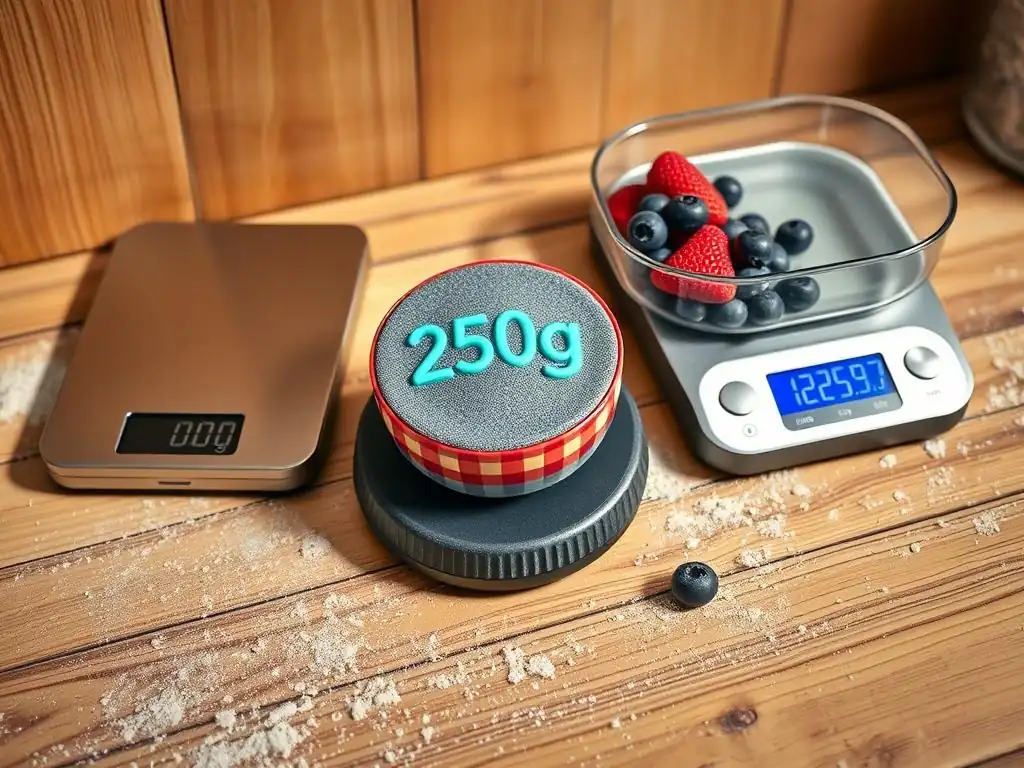
Digital kitchen scales come in various forms, each suited for different needs in the baking process. The most common type is the flat platform scale. These are sleek, often made of glass or stainless steel, and feature a flat surface where you place your bowl or directly weigh ingredients. They are versatile and easy to clean. Another type is the bowl scale, which comes with a built-in bowl on top of the base. While convenient for weighing multiple ingredients sequentially, the fixed bowl size can sometimes be limiting depending on the batch size.
For weighing very small amounts, such as yeast, spices, or potent flavorings, a high-precision scale (sometimes called a 'jeweler' or 'laboratory' scale) might be useful, offering accuracy down to 0.1 gram or even 0.01 gram, although standard baking scales typically measure in 1-gram increments, which is sufficient for most home baking. Most home digital scales have a maximum capacity ranging from 5kg (about 11 lbs) to 10kg (about 22 lbs), accommodating everything from small batches of cookies to large bread doughs.
Key Features to Look for in a Digital Baking Scale
When selecting a digital baking scale, several features enhance usability and ensure reliable digital baking scales accuracy.
Tare Function: Zeroing in on Accuracy
The tare function is arguably the most indispensable feature on a digital baking scale. It allows you to reset the scale to zero after placing a container on it or after adding an ingredient. This means you can place an empty mixing bowl on the scale, press "tare," and the display will read 0, ready for you to add your first ingredient. Then, you can add the ingredient, note its weight, press "tare" again, and add the next ingredient into the same bowl.
This sequential weighing process simplifies measuring multiple ingredients, saves on washing up, and crucially, maintains the integrity of each measurement. By taring between additions, you ensure that the weight displayed corresponds only to the ingredient you are currently adding, leveraging the full digital baking scales accuracy for every component of your recipe.
Measuring Units: Grams, Ounces, Milliliters, and Pounds
A good digital baking scale should offer multiple units of measurement. Grams ( g) are the standard for professional and precise baking, forming the basis of metric recipes and providing the highest level of granularity for solids. Ounces ( oz) and pounds ( lb) are useful for following imperial recipes. Many scales also include milliliters ( ml), primarily for liquids like water or milk, though weighing liquids (1ml of water ≈ 1g) is often even more accurate as it accounts for temperature and density variations better than volume measurements.
The ability to easily switch between units is essential for versatility. You should look for a scale with a clear button (often labeled 'UNIT' or 'MODE') that cycles through the available options. This flexibility ensures you can accurately follow recipes from various sources, whether they list ingredients by weight in grams or ounces, maximizing the utility and digital baking scales accuracy of your tool.
Capacity and Precision: Choosing the Right Scale for Your Needs
The capacity of a digital scale refers to the maximum weight it can measure. For most home baking, a scale with a capacity of 5 kilograms (approximately 11 pounds) is usually sufficient to handle ingredients for cakes, cookies, and standard loafs of bread. If you frequently bake large batches, double recipes, or make substantial quantities of dough (like for multiple pizzas or large challah loaves), a scale with a 10kg (22 lb) capacity might be more suitable.
Precision refers to the smallest increment the scale can measure. Most standard kitchen scales offer a precision of 1 gram ( 1g). This is adequate for the vast majority of baking ingredients like flour, sugar, butter, and eggs. However, for very small amounts of potent ingredients like yeast, salt, potent spices, or leaveners in small test batches, a scale with 0.1 gram ( 0.1g) precision can provide superior digital baking scales accuracy. Assess the types of recipes you typically make to determine the level of capacity and precision you require.
Benefits of Using Digital Baking Scales vs. Traditional Measuring Cups
Digital Scales vs. Measuring Cups: A Comparison for Baking Accuracy
When comparing digital scales to traditional measuring cups for baking, the difference in accuracy is stark. Measuring cups rely on volume, which is highly susceptible to variables like how tightly an ingredient is packed, the size of the granules (for sugar or salt), or even humidity affecting ingredients like flour. For example, scooping flour directly from a bag versus spooning it lightly into a cup can result in a weight difference of 20% or more for a single cup. This inherent variability makes consistent results challenging with volume measurements.
Digital scales, on the other hand, measure mass. Weight is a constant property of an ingredient, unaffected by packing density or particle size. Weighing 125 grams of flour will always yield the same amount of flour, ensuring the correct ratio of ingredients every time. This fundamental difference means that the digital baking scales accuracy is vastly superior for achieving reliable and repeatable results compared to the approximation inherent in volume measurements.
Eliminating Guesswork: The Advantage of Precise Measurements
One of the greatest frustrations in baking is when a recipe doesn't turn out as expected, and you're left wondering what went wrong. Using measuring cups introduces a significant element of guesswork. Was the cup of flour leveled correctly? Was the brown sugar packed firmly enough? These subjective questions disappear when you use a digital scale. The recipe calls for 150g of sugar? You simply add sugar until the display reads 150g.
This removes the ambiguity and uncertainty from the measurement process. It's particularly beneficial for beginners who may not have developed the intuitive feel for volume measurements that experienced bakers possess. By relying on the objective numbers provided by a digital scale, you eliminate a major source of potential error and can proceed with confidence, knowing your measurements are precise, thanks to the digital baking scales accuracy.
Minimizing Errors: Digital Scales for Reliable Baking Results
Beyond the inherent variability of volume, using multiple measuring cups and spoons for a recipe also increases the potential for simple human errors, such as miscounting cups or accidentally using the wrong size spoon. With a digital scale and its tare function, you can often weigh multiple ingredients sequentially into the same bowl.
This streamlined process reduces the number of steps and tools involved, thereby minimizing opportunities for mistakes. Adding ingredients one by one, taring the scale in between, allows you to focus on each specific weight required. This simplified workflow, combined with the undeniable digital baking scales accuracy, leads to far more reliable baking results and a less stressful experience in the kitchen.
How to Choose the Best Digital Baking Scale for Your Needs
Factors to Consider When Selecting a Baking Scale
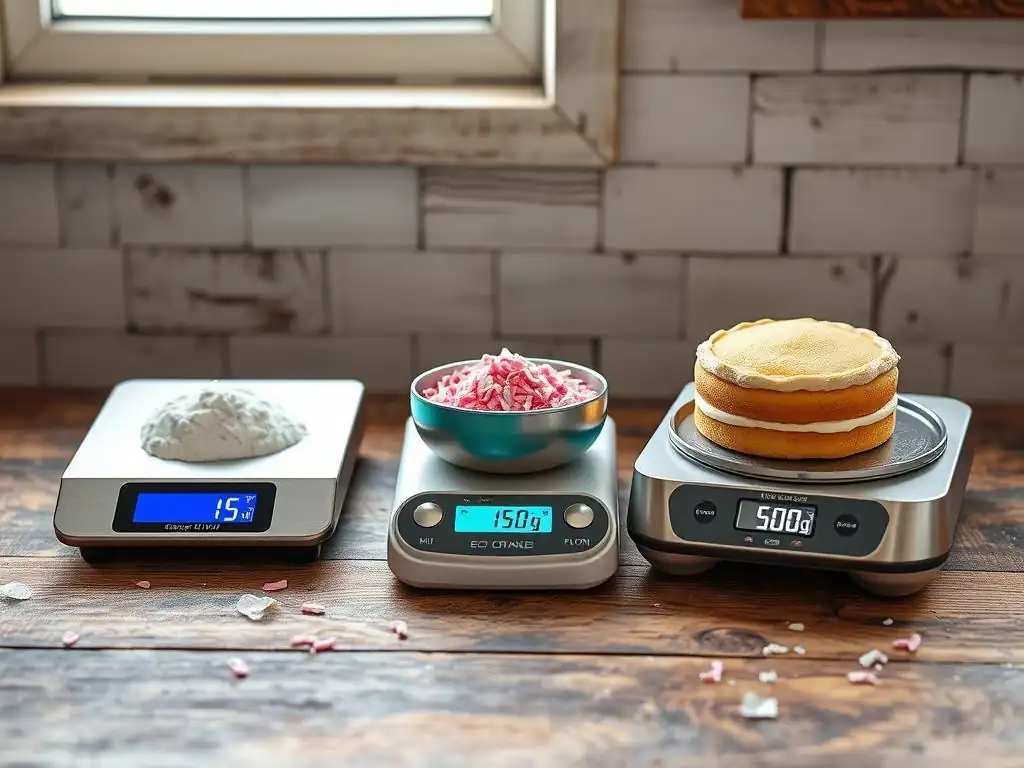
Choosing the right digital baking scale involves balancing features, performance, and practical considerations to ensure it meets your specific baking habits and kitchen setup.
Budget: Finding a Scale That Fits Your Price Range
Digital baking scales are available across a wide price spectrum, from basic models costing under $20 to high-end scales priced at $100 or more. Entry-level scales typically offer essential features like tare, unit conversion (grams/ounces), and a decent capacity (e.g., 5kg) with 1g precision. Mid-range scales might add features like a backlit display, a larger platform, slightly higher capacity (e.g., 10kg), or more durable materials like stainless steel.
Expensive models might boast finer precision (0.1g), advanced features like Bluetooth connectivity for recipe apps, or premium build quality. For most home bakers, an affordable or mid-range scale provides perfectly adequate digital baking scales accuracy and features. Determine your budget beforehand, but rest assured that you don't need to spend a fortune to gain the benefits of weighing ingredients.
Size and Storage: Practical Considerations for Your Kitchen
Kitchen space is often at a premium, so the physical size and storage requirements of a digital scale are important factors. Consider the size of the scale's platform – is it large enough to comfortably hold the mixing bowls you typically use without obscuring the display? Some scales have very compact footprints, while others are larger.
Think about where you will store the scale when not in use. Slim profiles are easier to tuck away in drawers or stand vertically on a shelf. Some scales have a hanging loop for wall storage. Choose a size and design that fits seamlessly into your kitchen environment, ensuring the scale is accessible when you need it but doesn't take up excessive counter space, making it a practical addition that enhances your digital baking scales accuracy.
Ease of Use: User-Friendly Features for Seamless Baking
A great digital baking scale should be intuitive and easy to use, even with floury fingers. Look for a scale with a clear, easy-to-read display. A backlit display is particularly helpful in dimly lit kitchens. The buttons should be responsive and logically placed (e.g., on/off, tare, unit).
Consider the material of the weighing surface – stainless steel or glass platforms are generally easier to wipe clean than textured plastic. An auto shut-off feature is also useful for conserving battery life. Reading user reviews can provide insight into the everyday usability and reliability of a specific model, helping you choose a scale that makes leveraging digital baking scales accuracy a smooth part of your baking routine.
Mastering the Art of Baking with a Digital Scale: Tips and Techniques
Using Your Digital Scale Like a Pro: Baking Tips
Incorporating a digital scale into your baking routine is simple and rewarding. Here are a few tips to get you started:
- [ ] Always place your scale on a flat, stable surface. Uneven surfaces can affect the load cell and compromise digital baking scales accuracy.
- [ ] Use the tare function every time you add a new ingredient to the same bowl. This is the key to weighing multiple ingredients sequentially.
- [ ] When adding ingredients, especially fine powders like flour or potent ones like yeast, add them slowly, particularly as you approach the target weight. This prevents overshooting the desired amount.
- [ ] For sticky ingredients like honey, molasses, or syrups, place your container on the scale, tare it, and then pour the ingredient directly into the container until the desired weight is reached. This avoids sticky messes on the scale platform and ensures accurate measurement.
Converting Recipes to Grams: Precise Measurements for Every Recipe
Many older or online recipes still primarily use volume measurements (cups, spoons). To fully leverage the digital baking scales accuracy, it's highly beneficial to convert these recipes to weight. While general conversion charts exist (e.g., 1 cup AP flour ≈ 125g, 1 cup granulated sugar ≈ 200g), these are still approximations based on average density and packing. The most accurate way is to find recipes that already provide weights, or to convert your own tried-and-true recipes by weighing the volume amounts you typically use and noting the corresponding weights.
For instance, measure out "one cup" of your flour using your usual scooping method, weigh it on your digital scale, and record that specific weight for that ingredient in that recipe. Build your own personal conversion chart based on your ingredients and methods. This allows you to translate any recipe into a weight-based format, unlocking superior precision and consistency through digital baking scales accuracy.
Troubleshooting Common Issues with Digital Baking Scales: Calibration and Battery Issues
Like any electronic device, digital scales can occasionally encounter issues. Two common ones are calibration and battery problems.
- Calibration: If your scale seems to be giving inaccurate readings (e.g., a known 100g weight doesn't read 100g), it might need calibration. Calibration is the process of adjusting the scale to ensure it measures accurately against a known standard weight (often called a calibration weight, typically 500g or 1kg). Check your scale's manual for specific calibration instructions – some scales require a specific weight and sequence of button presses, while others are designed to be maintenance-free or auto-calibrating. Proper calibration is vital for maintaining digital baking scales accuracy.
- Battery Issues: Erratic readings, a dim or flashing display, or the scale not turning on are often signs of a low battery. Most digital scales use common batteries like AA, AAA, or CR2032 button cells. Consult your manual to locate the battery compartment and the correct battery type. Cold temperatures can also temporarily affect battery performance, so ensure the scale is at room temperature. Replacing the battery is a simple fix that often resolves accuracy issues and ensures your scale is ready when you need it.
Maintaining and Caring for Your Digital Baking Scale
Cleaning and Storing Your Digital Baking Scale for Longevity
Proper care ensures your digital baking scale remains accurate and functional for years. After each use, especially if there have been spills, gently wipe down the weighing surface and body with a damp cloth. Avoid getting water into the internal components. For sticky messes, a slightly soapy cloth followed by a rinse with a damp cloth is usually effective. Never immerse the scale in water or put it in a dishwasher. Avoid using harsh chemicals or abrasive scrubbers that could damage the surface or display.
When storing, keep your scale in a dry place away from extreme temperatures. Avoid placing heavy objects on top of the scale, as this can damage the internal sensors over time. If your scale came with a protective cover, use it to prevent scratches and keep dust out. Storing it carefully helps maintain its digital baking scales accuracy and extends its lifespan.
Calibration Tips: Ensuring Continued Accuracy
While some digital scales are designed to hold calibration well, others may benefit from periodic checks, especially after significant temperature changes, being dropped, or if you suspect readings are off. As mentioned before, refer to your scale's manual for the specific calibration procedure. This usually involves placing a known, precise weight (like a standard calibration weight or even a set of certified kitchen weights) on the scale and following the prompts to adjust it.
If your scale doesn't have a user calibration function, you can still check its accuracy by weighing items of known weight (e.g., a pre-packaged bag of sugar labeled as 1kg, or a set of standard weights if you have them). If the reading is consistently off by more than a gram or two for typical baking quantities, it might indicate an issue, though minor fluctuations are normal. Regular checks, where possible, help ensure consistent digital baking scales accuracy.
Battery Life and Replacement: Keeping Your Scale Running Smoothly
The battery life of a digital baking scale varies depending on usage frequency, the type of battery, and features like a backlit display. Most scales have a low battery indicator that will appear on the screen when power is running low. Ignoring this warning can lead to inaccurate or erratic readings.
When the low battery indicator appears, or if the scale starts behaving strangely, it's time to replace the battery. Most scales use easily found batteries like AA, AAA, or the flat, round CR2032 type. Keep a spare set on hand so you're not caught mid-recipe. Replacing the battery is typically a straightforward process involving a small compartment on the underside of the scale. Ensuring fresh batteries is a simple but crucial step for maintaining reliable digital baking scales accuracy.
Digital Baking Scales: A Game Changer for Baking Enthusiasts
Elevate Your Baking Skills with Precise Measurements
Adopting a digital baking scale is one of the most impactful steps you can take to elevate your baking skills. By moving away from the inherent inaccuracies of volume measurements and embracing the precision of weight, you gain far greater control over your ingredients and, consequently, your results. This newfound precision allows you to confidently tackle more challenging recipes, experiment with ingredient ratios, and truly understand how changes affect the final product.
Think of it as upgrading from estimations to exact science in your kitchen. The ability to measure ingredients with unwavering digital baking scales accuracy builds confidence and reduces baking anxiety. It transforms baking from a process sometimes fraught with uncertainty into a reliable, repeatable craft where success is dependent on technique and recipe formulation, not measurement guesswork.
Unlock Consistent and Delicious Results with a Digital Scale
Ultimately, the greatest benefit of using a digital scale is the consistency it brings to your baking. The unparalleled digital baking scales accuracy ensures that every time you bake a recipe using weights, the foundation of your creation – the ingredient ratios – is exactly the same. This consistency is the secret to perfectly risen cakes, uniformly chewy cookies, and consistently textured breads.
Whether you're aiming for that perfect loaf of sourdough every week or trying to nail delicate French pastries, a digital scale is an indispensable tool. It takes the variability out of measurement, allowing you to focus on refining your technique and enjoying the process. Invest in a good digital scale, embrace the power of precise measurements, and unlock a new level of baking success with consistently delicious results.
Frequently Asked Questions
What makes digital baking scales superior to traditional measuring cups?
Digital baking scales offer far greater accuracy and precision when measuring ingredients. This leads to more consistent baking results compared to the variability of measuring cups.
How important is "accuracy" when baking, and how do digital baking scales help?
Accuracy is crucial in baking, as ingredient ratios directly impact the final product's texture and taste. Digital scales ensure you use the exact amounts called for in a recipe, improving baking consistency.
What features should I look for in a good digital baking scale?
Key features include a high degree of accuracy, a tare function (to zero out the weight of containers), and a clear, easy-to-read display. Also, consider the maximum weight capacity to ensure it meets your needs.
How do I ensure my digital baking scale maintains its accuracy over time?
Handle your scale with care, avoiding drops or excessive weight. Regularly check the battery level and replace it as needed. You can also periodically check its accuracy using calibration weights.
Can I use a digital baking scale for measuring liquids as well as dry ingredients?
Yes, many digital baking scales allow you to switch between units like grams and milliliters. This makes them suitable for measuring both dry and liquid ingredients accurately, streamlining your baking process.
Final Reflection: The Sweet Science of Precision in Baking
The pursuit of perfectly consistent baked goods is no longer a matter of guesswork; it's a science enhanced by technology. Digital baking scales are revolutionizing home baking, offering an unprecedented level of accuracy that transforms even the simplest recipes into culinary masterpieces. The impact of precise measurements extends far beyond aesthetics; it's about unlocking the true potential of every ingredient and achieving consistently delicious results, every single time.
The shift towards digital precision in baking reflects a broader cultural trend towards valuing accuracy and control in our culinary pursuits. We're moving beyond relying on imprecise measuring cups and spoons, embracing a more scientific approach that prioritizes exactness. This resonates deeply with me, as someone who appreciates the artistry and the science behind baking. The difference between something good and something great is attention to detail.
This quote perfectly encapsulates the impact of digital baking scales; they allow us to pay that crucial attention to detail, elevating our baking from good to truly exceptional.
Now, consider your own baking journey. Are you ready to embrace the precision and consistency that a digital baking scale offers? I encourage you to explore the options available, to invest in a tool that will empower you to create consistently stunning results. Don't just bake; master the art of baking with the help of this invaluable technology. The journey to perfecting your recipes starts with a single, precise measurement.
Unlock Your Baking Potential: Level Up Your Treats!
Thanks for taking the time to explore the world of digital baking scales with us! We hope you've gained a newfound appreciation for precision in baking. Ready to transform your baking game?
- Invest in a digital baking scale today: Take the leap and experience the difference precision makes in your recipes. Imagine consistently perfect cakes, cookies, and more!
- Share your baking triumphs: Show off your perfectly measured masterpieces on social media – tag us @BakeWithEase! We'd love to see your creations.
- Explore our recipe collection: Discover new recipes designed to highlight the benefits of accurate measurements, right here on BakeWithEase.com!
What delicious treat will you bake perfectly with your new digital scale first?