
The Science Behind Cake Sinking (and How to Beat It)

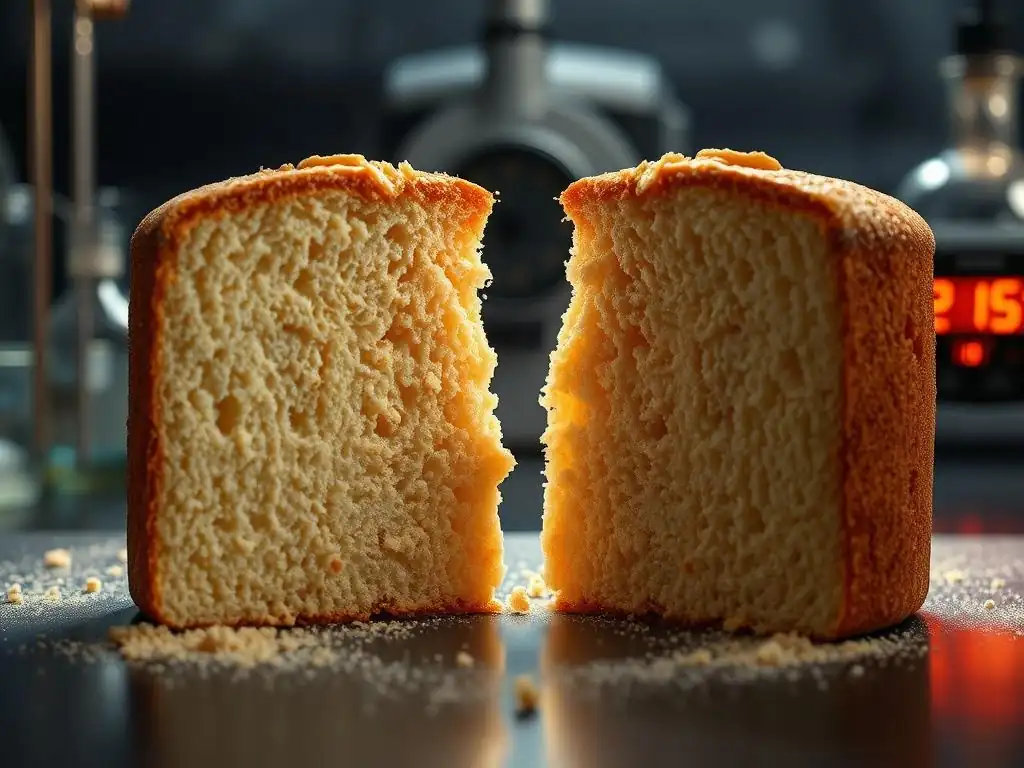
Welcome to BakeWithEase, where we unlock the secrets to baking success! Ever wondered why your beautifully risen cake deflates and sinks? We're diving deep into the science of cake sinking, offering you practical solutions to achieve perfectly risen masterpieces every time. Get ready to understand the underlying principles and conquer the dreaded collapse – your baking journey is about to get a whole lot sweeter!
- Understanding Why Cakes Sink: The Science Explained
- Key Ingredients and Their Role in Preventing Cake Collapse
- Baking Techniques to Prevent Cake Sinking: A Comprehensive Guide
- Specific Cake Types and Their Sinking Tendencies
- Troubleshooting Common Cake Sinking Scenarios
- Advanced Techniques for Cake Stability and Volume
- Cake Sinking Prevention Checklist: A Quick Reference Guide
- Conclusion: Bake With Confidence and Achieve Perfectly Risen Cakes
-
Frequently Asked Questions
- What are the most common causes of a cake sinking in the middle?
- How does oven temperature affect whether a cake sinks?
- Can the type of flour used contribute to a cake sinking?
- What role does incorporating air play in preventing a cake from sinking?
- Besides ingredient ratios and oven temperature, what other factors can influence cake sinking?
- Final Reflection: The Sweet Science of Success (and Avoiding Disaster)
- Unlock Your Baking Brilliance!
Understanding Why Cakes Sink: The Science Explained
Cake sinking is a common frustration for bakers, turning a promising rise into a disappointing dip. Understanding the cake sinking science explained involves looking at the delicate balance of ingredients, temperature, and technique required for a stable structure. When a cake bakes, leavening agents produce gases that cause the batter to expand. Simultaneously, proteins from eggs and flour coagulate, and starches gelatinize, creating a solid framework that holds this expanded volume. If this framework isn't strong enough or doesn't set properly before cooling, the cake will collapse under its own weight.
The science of cake sinking is essentially a battle between the forces of expansion (from leavening and steam) and the forces of structure (from protein coagulation and starch gelatinization). A perfect cake achieves a harmony where the structure sets just as expansion reaches its peak and the internal temperature is sufficient (around 200-210°F or 93-99°C) to create a stable crumb. Disrupting this balance at any stage – during mixing, baking, or cooling – can lead to a sunken center or edges, a direct consequence of the structure failing to support the volume.
Common Culprits: Over-Leavening, Underbaking, and Temperature Fluctuations
One of the primary reasons cakes sink is using too much leavening agent, such as baking soda or baking powder. While leavening is crucial for lift, an excess produces gas faster than the cake's structure can stabilize. Imagine inflating a balloon too quickly – it pops! Similarly, excessive gas creates large, unstable air pockets. For instance, doubling the baking powder in a standard vanilla cake recipe can easily lead to a 30-40% loss in final volume compared to one made with the correct amount, as the fragile structure collapses after the initial rapid rise.
Underbaking is another frequent cause of a sunken cake center. If the cake is removed from the oven before the internal temperature reaches the point where proteins and starches are fully set, the structure remains weak and liquidy. As the cake cools, the steam condenses, and the unstable structure can't support the weight, leading to a collapse.
A cake that looks golden brown on top but is still moist and wobbly in the middle is a prime candidate for sinking. A simple toothpick test isn't always foolproof; checking the internal temperature with a thermometer is a more reliable way to ensure the cake is fully baked and the structure is set.
Sudden temperature fluctuations during baking are also detrimental. Opening the oven door frequently or too early releases heat, causing the internal temperature of the cake to drop quickly. This shock can interrupt the setting process, especially in delicate cakes like soufflés or angel food cakes which rely heavily on stable heat to build structure. A cake that has risen beautifully might deflate rapidly if subjected to a sudden cool draft or temperature change, demonstrating the sensitivity of its delicate internal framework to external conditions. This is a key aspect of the cake sinking science explained through environmental factors.
Acceptable Cake Volume Loss: Defining a Properly Baked Cake
While a dramatically sunken cake is clearly a problem, it's important to understand that some slight volume reduction is normal and expected as a cake cools. As the gases within the cake contract upon cooling, the structure will naturally settle a little. A properly baked cake might lose about 5-10% of its peak oven height during cooling. This is simply the cake relaxing as it transitions from a hot, expanded state to room temperature.
The key is distinguishing between this natural settling and a significant sink. A cake that sinks dramatically in the middle, forming a deep crater, or collapses around the edges indicates a structural failure during or immediately after baking. A cake with a uniform, level, or slightly domed top and a crumb that is set and springs back when lightly pressed, even after cooling, is generally considered properly baked. The goal is to achieve a stable internal structure that can maintain its shape and volume as it cools, minimizing significant cake sinking science explained through cooling effects.
Key Ingredients and Their Role in Preventing Cake Collapse
The ingredients you use and how they interact play a crucial role in building a stable cake structure. Understanding the function of each component helps in preventing issues like cake sinking. Each ingredient contributes uniquely to the batter's consistency, the leavening process, and the final cake's structure and texture.
The balance of ingredients is critical. Too much of one ingredient or too little of another can throw off the delicate equilibrium required for a stable cake. For example, an imbalance between liquid and dry ingredients can affect gluten development and steam production, both of which impact the final structure and susceptibility to sinking. A well-formulated recipe considers these interactions to ensure a reliable outcome.
Flour Power: Choosing Cake Flour for Optimal Structure
Flour provides the primary structural component in most cakes through its protein content, which forms gluten when mixed with liquid. However, using the wrong type of flour can lead to problems. All-purpose flour typically has a protein content of 10-12%, which can develop strong, elastic gluten networks suitable for bread but too tough for a tender cake. This strong gluten can sometimes create a structure that rises unevenly or is prone to collapse if not handled correctly.
Cake flour, on the other hand, has a lower protein content, typically around 7-8%. This results in less gluten development, yielding a softer, more tender crumb. The weaker gluten network is sufficient to support the cake's rise without making it tough, reducing the likelihood of the structure becoming too rigid and cracking or collapsing unevenly. Using cake flour contributes significantly to the desired fine, tender texture and helps mitigate some aspects of the cake sinking science explained by flour type.
Sugar's Influence: Balancing Sweetness and Structural Integrity
Sugar does more than just add sweetness; it plays several vital roles in cake structure and texture. Sugar is hygroscopic, meaning it attracts and retains moisture, which keeps the cake moist and tender. It also interferes with gluten development and egg protein coagulation, effectively "shortening" the structure and contributing to a softer crumb.
However, using too much sugar can weaken the cake's structure. Since sugar inhibits protein coagulation and gluten development, an excessive amount can prevent the framework from setting properly. This results in a cake that is overly moist, sticky, and lacks sufficient structural integrity to support its volume, making it highly susceptible to sinking, particularly in the center. Balancing sugar content is key to achieving both sweetness and a stable structure.
Egg-cellent Binders: Eggs' Contribution to Emulsification and Structure
Eggs are powerhouse ingredients in cakes, serving multiple functions that are critical for preventing sinking. The proteins in egg whites provide significant structure as they coagulate and set when heated. Egg yolks contain fats and lecithin, which act as emulsifiers, helping to bind fat and liquid ingredients together into a smooth batter. This emulsification creates a more stable batter that can hold air bubbles better during mixing and baking.
Eggs also contribute to leavening through the steam created from their water content and the air incorporated during beating (especially when whipping egg whites or whole eggs). A recipe with too few eggs may lack sufficient structural support, leading to a weak crumb that is prone to collapse. Conversely, too many eggs can make a cake rubbery, but their primary role in providing structure and emulsification is crucial in preventing many issues related to cake sinking science explained through protein setting.
Fat's Function: The Impact of Fat on Tenderness and Moisture
Fats (like butter, oil, or shortening) contribute tenderness, moisture, and flavor to cakes. They "shorten" the gluten strands, making the cake softer and preventing a tough texture. Fat also helps to carry flavor compounds and contributes to a moist mouthfeel. Different fats behave differently; butter, for example, contributes flavor and aids in creaming (incorporating air), while oil provides moisture and tenderness without adding air during mixing.
While fat is essential for a moist and tender cake, too much fat can weaken the structure. Fat coats flour particles, inhibiting gluten development, and can interfere with egg protein coagulation. An excessive amount of fat can result in a cake that is too rich, greasy, and lacks the necessary internal framework to support its volume, increasing the risk of sinking. Balancing the fat content with the flour and eggs is vital for a stable and delicious cake.
Baking Techniques to Prevent Cake Sinking: A Comprehensive Guide
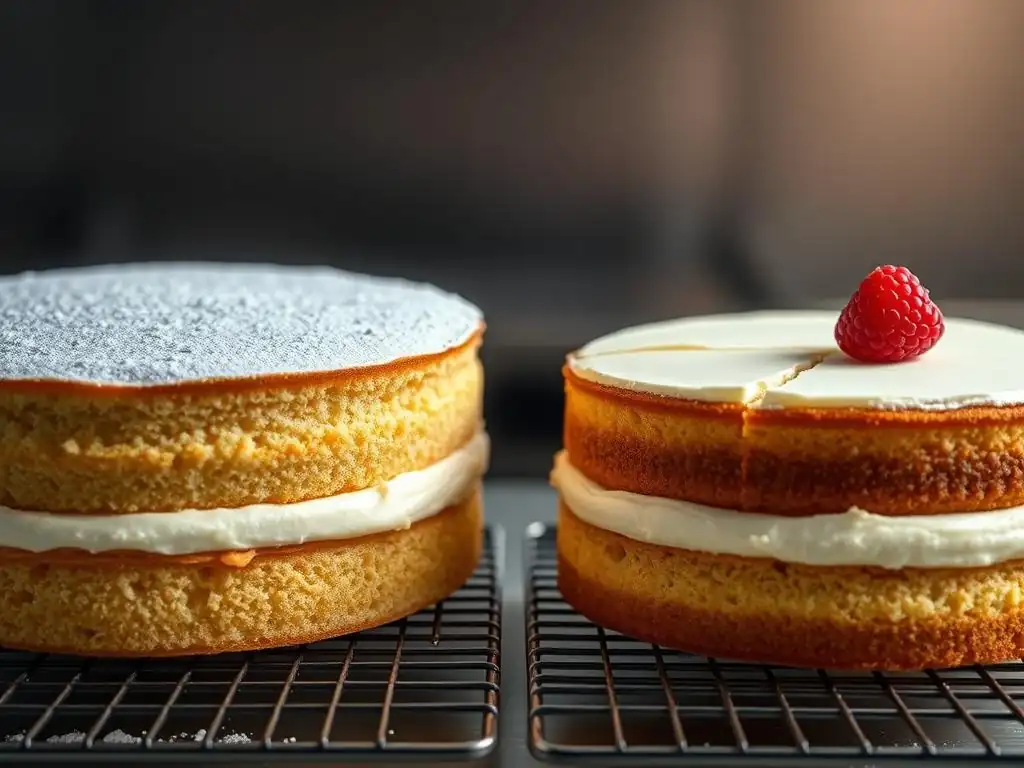
Beyond ingredients, the techniques you employ during mixing and baking are paramount in ensuring a cake rises properly and holds its shape. Precision in these steps directly impacts the final outcome and helps circumvent common causes of cake sinking. Mastering techniques from ingredient preparation to cooling is key to consistent baking success.
Proper technique ensures that leavening is activated correctly, that the structure develops evenly, and that the cake sets completely before being removed from the heat. Small variations in method can have significant impacts on the cake's texture and stability, highlighting the importance of following recipes and best practices carefully to avoid issues related to cake sinking science explained through process errors.
Oven Temperature Matters: Ensuring Accurate and Consistent Baking
An accurate oven temperature is perhaps the most critical factor in preventing cake sinking. If the oven is too hot, the cake's exterior will set too quickly, forming a crust before the interior has fully risen and set. This can lead to a cracked top and a sunken center as the underbaked interior collapses later. If the oven is too cool, the leavening may expend its energy before the structure is strong enough to support the rise, resulting in a dense, flat cake or one that sinks.
Using an oven thermometer is highly recommended, as many home ovens can be off by as much as 25-50°F (15-30°C). Preheat your oven thoroughly for at least 15-20 minutes after it indicates it has reached the set temperature to ensure the heat is stable and the oven walls are hot. Avoid opening the oven door during the crucial first two-thirds of the baking time, as this causes significant temperature drops that can shock the cake and lead to collapse. Consistent, accurate heat allows the cake to rise and set evenly from edge to center.
Mixing Methods: Optimizing Creaming, Folding, and Beating Techniques
The way ingredients are combined impacts how air is incorporated and how gluten develops, both vital for cake structure. The creaming method, where butter and sugar are beaten together, is essential for incorporating air bubbles that contribute to leavening and tenderizing. Creaming until light and fluffy (often 5-10 minutes for a stand mixer) is crucial; insufficient creaming results in less rise and a denser cake more prone to sinking.
Folding dry ingredients into wet ingredients, or incorporating egg whites, requires a gentle hand. Overmixing after flour is added develops tough gluten, which can lead to a heavy, uneven crumb and potential sinking. Folding gently preserves the air bubbles incorporated earlier and minimizes gluten development. Beating eggs or egg whites separately to incorporate air adds significant lift, especially in recipes like sponges or angel food cakes; these delicate foams must be folded into the batter carefully to maintain volume, directly impacting the cake sinking science explained by aeration.
Overmixing vs. Undermixing: Achieving Proper Gluten Development
Finding the sweet spot between overmixing and undermixing is key. Overmixing a batter after adding flour develops too much gluten. This results in a tough, chewy cake with a dense crumb. While gluten provides structure, excessive development makes the structure too rigid and less capable of expanding evenly, sometimes leading to a peaked or cracked top with potential sinking around the edges or just below the crust.
Undermixing, conversely, leaves ingredients unevenly distributed and the batter lacking sufficient structure or incorporated air. If the leavening isn't evenly distributed, or if the fats and liquids aren't properly emulsified, the cake may rise unevenly or lack the basic framework needed to hold its shape, leading to a flat cake or one that sinks because the structure never properly formed. A properly mixed cake batter is usually just combined, with no visible streaks of flour, and has a relatively smooth, cohesive appearance.
Proper Pan Preparation: Using Parchment Paper and Greasing Techniques
Properly preparing your cake pans is a simple step that significantly prevents problems during cooling that can lead to sinking or uneven textures. Greasing and flouring the pan creates a non-stick surface, allowing the cake to expand freely during baking and preventing it from sticking to the sides as it cools and slightly contracts. If a cake sticks to the pan, the edges can pull away from the center, causing the middle to crack and sink, or the entire cake might collapse when inverted.
Using parchment paper on the bottom of the pan provides an extra layer of insurance against sticking and makes removing the cake much easier. Cut the parchment to fit the bottom of the pan exactly. Grease the pan sides and the parchment paper before adding the batter. This meticulous preparation ensures that the cake can release cleanly from the pan, allowing it to cool evenly and maintain its shape, thereby avoiding issues related to adhesion in the cake sinking science explained through cooling dynamics.
Specific Cake Types and Their Sinking Tendencies
Different cake types have different structural characteristics based on their ingredients and mixing methods, which affects their susceptibility to sinking. Understanding these specific tendencies helps in troubleshooting and preventing issues tailored to the recipe.
Angel Food Cakes: Maintaining Volume in Air-Leavened Cakes
Angel food cakes rely entirely on the leavening power of whipped egg whites, with no chemical leaveners or fat. This creates an incredibly light and airy structure. However, this delicate structure is highly vulnerable to collapse. If the egg whites aren't whipped to the correct stage (firm, glossy peaks), or if they are deflated during folding, the initial lift won't be sufficient.
The most common cause of angel food cake sinking is improper cooling. These cakes must be cooled upside down immediately after baking, often in the pan suspended on a bottle neck or on legs specifically designed for angel food pans. This allows gravity to pull down on the cake as it cools, stretching and strengthening the delicate foam structure until it is completely set.
Cooling right-side up allows the cake's own weight to compress the still-warm, fragile structure, leading to significant shrinkage and a dense, sunken cake. This is a prime example of cake sinking science explained by cooling method.
Pound Cakes: Minimizing Sinking in Dense, Rich Cakes
Pound cakes are traditionally made with a pound each of butter, sugar, eggs, and flour, resulting in a dense, rich cake with a fine crumb. While less prone to the dramatic collapse seen in lighter cakes, pound cakes can still sink, often developing a crack down the center and potentially sinking on either side of the crack. This is often due to the high fat and sugar content combined with the relatively lower amount of leavening (often just baking powder and the air from creaming).
Proper creaming of the butter and sugar is crucial for incorporating enough air to lift the dense batter. Baking at a consistent, slightly lower temperature for a longer time allows the cake to bake through evenly without the exterior setting too quickly and cracking before the interior is done. Overmixing after adding flour can also contribute to a dense, uneven structure that might sink. Ensuring the cake is fully baked to the center is key to its stability.
Red Velvet Cakes: Addressing Acidity and Structural Challenges
Red velvet cake batters typically contain buttermilk and vinegar, which react with baking soda to provide leavening. The acidity from these ingredients, along with cocoa powder (which can also be acidic), influences the leavening reaction and the cake's structure. An imbalance in the acid-to-baking soda ratio can lead to insufficient leavening or a rapid rise followed by a sink.
The structure of red velvet cake also relies on the interaction of cocoa powder (which contains protein and starch) with the other ingredients. Using natural cocoa powder (acidic) versus Dutch-processed cocoa (neutral) affects the leavening reaction with baking soda. Ensuring the correct type and amount of leavening relative to the acidic ingredients is vital for a stable rise and preventing the cake from sinking, showcasing how chemical reactions are part of the cake sinking science explained.
Flourless Chocolate Cakes: Dealing with Delicate Structures
Flourless chocolate cakes rely heavily on eggs (often whipped) and melted chocolate for structure, lacking the gluten network provided by flour. This results in an incredibly rich, dense, and often fudgy texture. Because they lack the scaffolding of flour, these cakes are inherently delicate and prone to sinking if not handled correctly.
Often baked in a water bath to ensure even, gentle cooking, flourless chocolate cakes set through the coagulation of egg proteins and the solidification of chocolate as it cools. Overbaking can lead to a dry, cracked cake, while underbaking means the egg proteins haven't fully set, resulting in a collapsed center. Cooling these cakes gently and allowing them to set completely before moving or cutting is essential to maintain their delicate structure and prevent sinking.
Troubleshooting Common Cake Sinking Scenarios
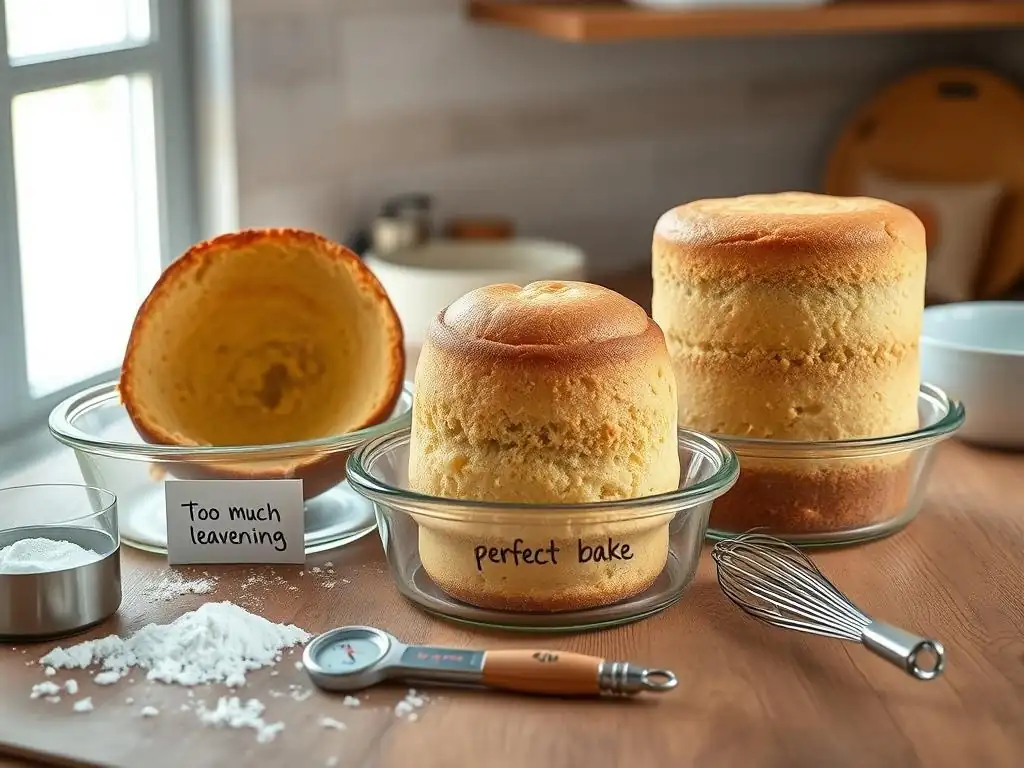
When a cake sinks, the pattern of the collapse can often provide clues about the underlying cause. By observing where and how the cake sinks, you can better diagnose the problem and adjust your technique for future bakes. This practical application of cake sinking science explained helps you learn from mistakes.
A cake that sinks dramatically in the center, forming a crater while the edges seem set, is almost always a sign of underbaking. The edges, being closer to the hot pan, bake and set faster than the center. If removed from the oven too soon, the center hasn't reached the temperature needed for its structure (proteins and starches) to solidify.
- Cause: Insufficient baking time or temperature too low.
- Solution: Extend baking time. Check for doneness by inserting a toothpick or cake tester into the center – it should come out with only a few moist crumbs, not wet batter. Better yet, use an instant-read thermometer; the center should register 200-210°F (93-99°C).
- Cause: Opening the oven door too early or too frequently.
- Solution: Resist the urge to check the cake during the first 2/3 of the baking time. Use the oven light to peek if necessary. Ensure your oven temperature is accurate with a thermometer.
- Cause: Too much liquid or sugar in the recipe.
- Solution: Ensure accurate ingredient measurements, especially for liquids and sugar. Use a kitchen scale for best results.
Cake Sinks Around the Edges: Identifying Issues with Pan Preparation
If the cake sinks around the perimeter, separating from the pan sides and collapsing slightly while the center remains relatively stable or even domed, the issue is often related to the cake sticking to the pan during cooling. As the cake cools, it naturally contracts slightly. If the edges are stuck, this contraction pulls inwards, causing the edges to deflate or pull away from the pan unevenly.
- Cause: Insufficient greasing and flouring (or cocoa powder for chocolate cakes) of the pan sides.
- Solution: Thoroughly grease the pan sides and bottom. If using flour, tap out the excess. For chocolate cakes, use cocoa powder instead of flour for a seamless look.
- Cause: Not using parchment paper on the bottom of the pan.
- Solution: Always line the bottom of the pan with parchment paper cut to size, then grease the paper and sides.
- Cause: Removing the cake from the pan too soon after baking.
- Solution: Allow the cake to cool in the pan on a wire rack for the amount of time specified in the recipe (usually 10-20 minutes). This allows the structure to firm up slightly before being handled.
Cake Rises Too Quickly and Then Sinks: Understanding Oven Spring and Gluten Strength
A cake that experiences a rapid, impressive rise in the oven (great oven spring!) but then deflates significantly while still baking or shortly after coming out often points to an imbalance between the speed of leavening and the rate at which the structure sets. This is a classic demonstration of cake sinking science explained by imbalanced forces.
- Cause: Oven temperature is too high, causing the exterior to set too fast while the interior is still rising rapidly.
- Solution: Lower the oven temperature slightly (e.g., by 25°F or 15°C) and bake for a longer time. Use an oven thermometer to confirm accuracy.
- Cause: Too much leavening agent or an imbalance in ingredients.
- Solution: Double-check your measurements for baking powder/soda. Ensure the ratio of leavening to flour and liquid is correct according to a reliable recipe. Too much sugar or fat can also weaken the structure, contributing to this issue.
- Cause: Undermixing, leading to a weak batter structure unable to support the rapid rise.
- Solution: Ensure butter and sugar are properly creamed and that the batter is mixed sufficiently to form a cohesive, emulsified structure (without overdeveloping gluten).
Advanced Techniques for Cake Stability and Volume
For bakers looking to refine their skills and tackle more challenging environments or recipes, incorporating advanced techniques can further enhance cake stability and prevent sinking. These methods delve deeper into manipulating ingredients and conditions.
Using Stabilizers: Incorporating Gluten or Gelatin
In some specific recipes, particularly gluten-free ones or those requiring extra structure, the addition of stabilizers can be beneficial. For gluten-free cakes, binders like xanthan gum or psyllium husk mimic some of gluten's structural properties. In certain rich or delicate cakes (like some cheesecakes or mousses), a small amount of gelatin can be used to help the structure set firmly upon cooling.
For traditional cakes that consistently sink despite following standard practices, sometimes adding a very small amount of vital wheat gluten (perhaps 1-2 teaspoons per cup of flour in some challenging recipes) can strengthen the gluten network just enough to support the rise. However, this must be done cautiously as too much will result in a tough cake. These stabilizers directly impact the cake sinking science explained by strengthening the protein/starch matrix.
Adjusting Recipes for Altitude: Reducing Leavening Agents
Baking at high altitudes (generally above 3,000 feet or 900 meters) presents unique challenges due to lower atmospheric pressure. At lower pressure, gases expand more readily, causing cakes to rise faster. Liquids also evaporate more quickly, drying out the cake and concentrating sugars. This rapid expansion in a drier batter often leads to the cake rising too high too fast, exceeding the structural capacity of the batter, and then collapsing or developing a gummy texture.
High-altitude adjustments typically involve reducing leavening agents (baking powder/soda), decreasing sugar slightly, and increasing liquid. For every 1,000 feet above 3,000 feet, you might reduce baking powder by 10-25%, sugar by 1-2 tablespoons, and increase liquid by 1-2 tablespoons. These adjustments slow down the rise and provide more moisture, allowing the structure to set properly in the lower pressure environment.
The Importance of Cooling: Inverting Cakes and Preventing Condensation
How a cake is cooled is just as important as how it's baked. For many cakes, cooling on a wire rack allows air circulation underneath, preventing the bottom from becoming soggy with condensed steam. However, for very light, airy cakes like angel food or sponge cakes, inverting them immediately after baking is crucial.
Inverting these cakes allows gravity to prevent the delicate structure from collapsing on itself as it cools and sets. For denser cakes, letting them cool in the pan for the specified time (usually 10-20 minutes) allows the structure to firm up before the stress of being removed. Transferring to a wire rack to cool completely is then necessary to prevent residual heat from continuing to "bake" the bottom or causing condensation, ensuring the cake maintains its shape and crumb structure, a final step in mastering the cake sinking science explained.
Cake Sinking Prevention Checklist: A Quick Reference Guide
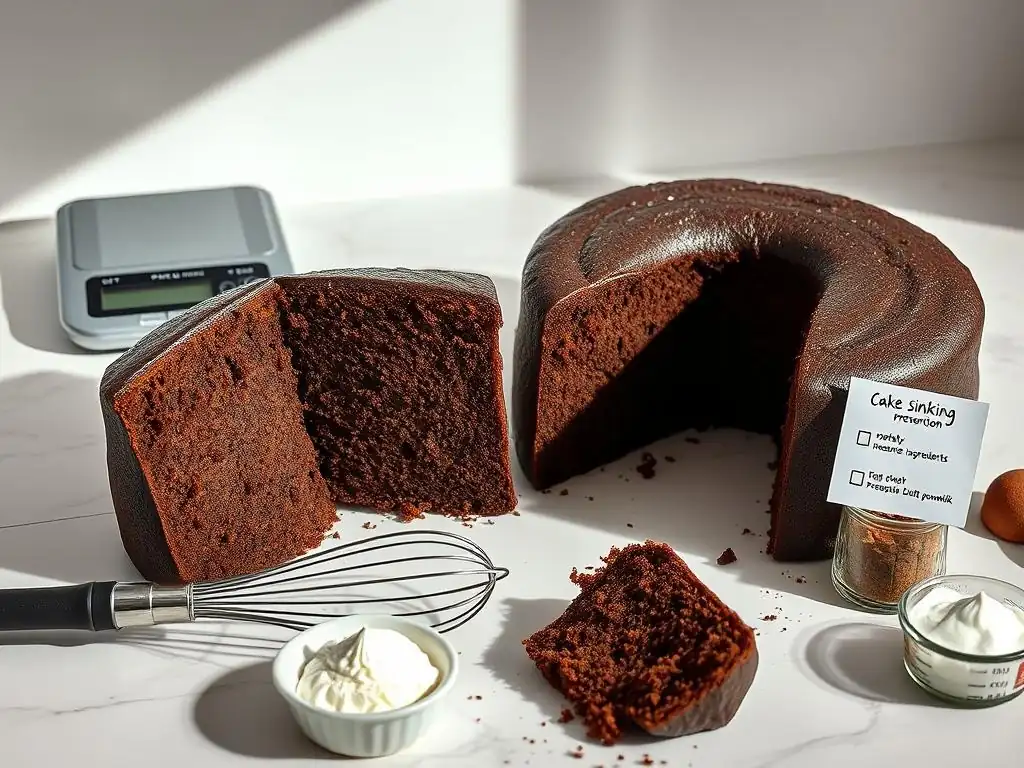
Keep this checklist handy to help ensure your next cake rises beautifully and stays that way!
Baking Steps to Ensure a Stable Cake
- [ ] Read the recipe thoroughly before starting.
- [ ] Use ingredients at the temperature specified (e.g., room temperature butter/eggs).
- [ ] Measure ingredients accurately, preferably using a kitchen scale for flour and sugar.
- [ ] Use the correct type of flour specified in the recipe.
- [ ] Ensure leavening agents (baking powder/soda) are fresh.
- [ ] Prepare the pan properly: grease and flour/cocoa, use parchment paper on the bottom.
- [ ] Preheat the oven fully and use an oven thermometer to verify accuracy.
- [ ] Follow the mixing method carefully, ensuring proper creaming and gentle folding.
- [ ] Avoid overmixing the batter once flour is added.
- [ ] Fill cake pans no more than 2/3 to 3/4 full.
- [ ] Place the cake in the center of the oven rack.
- [ ] Do not open the oven door during the first 2/3 of the baking time.
- [ ] Bake until a cake tester inserted into the center comes out clean (or use an internal thermometer).
- [ ] Cool cakes on a wire rack as specified (inverted for angel food/sponge).
- [ ] Allow the cake to cool in the pan for the recommended time before attempting to remove it.
- [ ] Cool the cake completely before frosting or storing.
Conclusion: Bake With Confidence and Achieve Perfectly Risen Cakes
Conquering cake sinking might seem daunting, but by understanding the underlying cake sinking science explained – the interplay of ingredients, temperature, and technique – you can significantly improve your baking success. Every ingredient has a job, every temperature setting matters, and every step in the mixing and baking process contributes to the final outcome.
Don't be discouraged by a sunken cake; see it as a learning opportunity! By troubleshooting based on how the cake sank and applying the principles discussed here, you'll gain confidence and skill. With practice and attention to detail, you'll be consistently baking cakes that rise beautifully, hold their shape, and taste delicious. Happy baking!
Frequently Asked Questions
What are the most common causes of a cake sinking in the middle?
A cake sinking is usually caused by too much moisture or insufficient structure. This often results from over-mixing, under-baking, or using the wrong ratio of wet to dry ingredients.
How does oven temperature affect whether a cake sinks?
An incorrect oven temperature can drastically impact a cake's rise and stability. If the oven is too low, the cake won't set properly, leading to a sink. Conversely, too high can cause a rapid rise followed by a collapse.
Can the type of flour used contribute to a cake sinking?
Yes, the type of flour plays a crucial role. Using a flour with low gluten content, like cake flour, for a recipe requiring a stronger flour can weaken the structure and lead to sinking.
What role does incorporating air play in preventing a cake from sinking?
Properly incorporating air through creaming butter and sugar, or whisking eggs, creates a light and airy batter. This provides the initial lift necessary for the cake to set properly and prevent sinking.
Besides ingredient ratios and oven temperature, what other factors can influence cake sinking?
Other factors include improper cooling (removing the cake from the pan too soon), using expired leavening agents (baking powder or soda), and opening the oven door frequently during baking, which can cause temperature fluctuations.
Final Reflection: The Sweet Science of Success (and Avoiding Disaster)
The seemingly simple act of baking a cake is, in reality, a complex interplay of chemical reactions and physical processes. A sunken cake, far from being a mere baking mishap, represents a failure to understand these fundamental interactions. This understanding, however, is not just for professional bakers; it's crucial for anyone who wants to consistently achieve that perfect, lofty rise.
The journey through the science of cake sinking has been a fascinating exploration of the delicate balance between ingredients, techniques, and the resulting texture. It's a reminder that even in the seemingly simple world of baking, there's a profound depth of knowledge to be gained. The best things in life are simple, but not easy.
This quote perfectly encapsulates the challenge and reward of mastering the art of cake baking, highlighting the importance of understanding the underlying science to achieve consistent success.
Now, armed with this knowledge, I invite you to approach your next baking endeavor with a newfound appreciation for the science involved. Don't just follow recipes blindly; understand why each step is crucial. Experiment, observe, and learn from both your successes and your failures. The next time you pull a perfectly risen cake from the oven, you'll not only savor its deliciousness but also appreciate the scientific triumph behind it. The journey to baking perfection is a continuous one, filled with both challenges and rewards. Embrace the science, and let your cakes rise to new heights!
Unlock Your Baking Brilliance!
Thanks for diving into the science of cake sinking! You've now got the knowledge to bake flawlessly. Ready to put your new skills to the test?
- Bake your most perfect cake yet! Try out the tips and techniques from the article—you'll be amazed at the difference. Don't forget to take notes on what works best for you!
- Share your baking triumph (or hilarious mishap!): Tag us on social media @BakeWithEase and show off your amazing cake (or learn from others' experiences).
- Explore our other baking guides on BakeWithEase.com to discover even more secrets to baking success!
What's your favorite trick for avoiding a sunken cake? Let's discuss in the comments!