
SmallSpace Baking: Toaster Oven vs Portable Countertop Oven Advantages

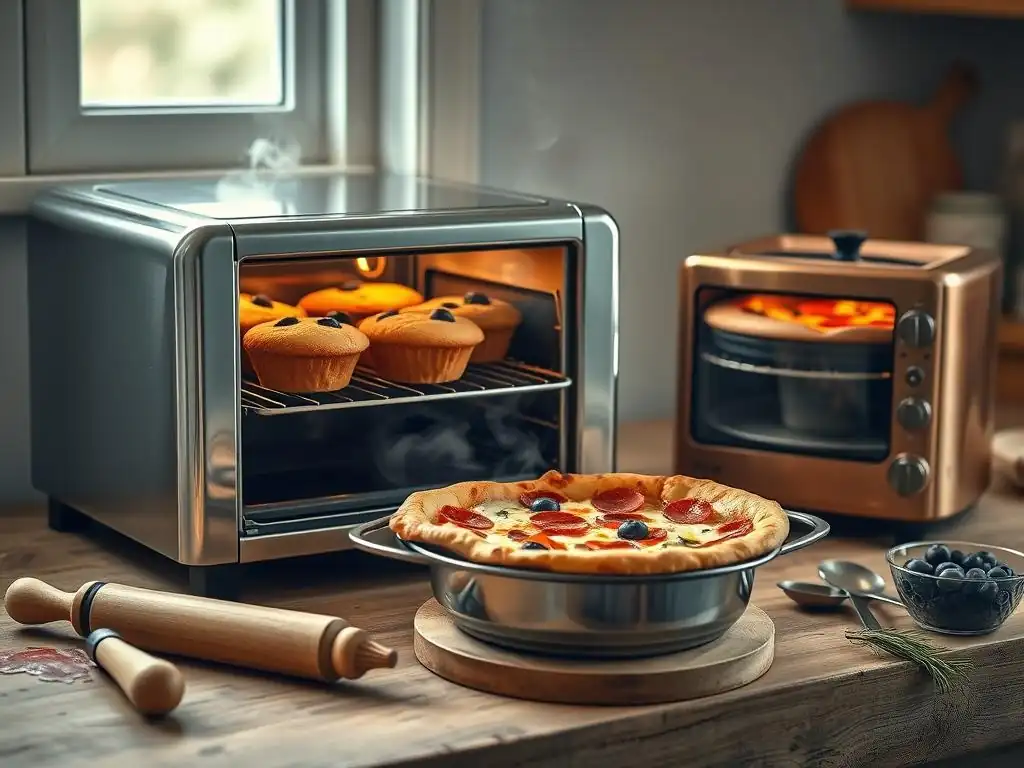
Welcome to BakeWithEase, your guide to unlocking baking brilliance!
Ever wondered if your toaster oven can truly rival a full-sized oven? Dive into our latest article for essential toaster oven baking tips and discover the surprising advantages of this compact powerhouse. Prepare to elevate your small-space baking game and unlock a world of delicious possibilities!
- Small-Space Baking Showdown: Toaster Oven vs. Convection Oven Advantages
- BakeWithEase's Guide to Choosing the Right Small Baking Appliance
- Understanding Your Baking Needs
- Toaster Oven Baking Advantages
- Convection Oven Advantages for Baking
- Toaster Oven vs. Convection Oven: A Detailed Comparison
- Mastering Toaster Oven Baking: Tips and Tricks
- Maximizing Your Convection Oven Baking Potential
- BakeWithEase Recommendation: Choosing the Best Oven
- Conclusion: Enjoying Baking in Small Spaces
-
Frequently Asked Questions
- How does toaster oven baking differ from traditional oven baking?
- What are some advantages of using a toaster oven for baking in a small space?
- Can I bake the same recipes in a toaster oven as in a regular oven?
- What type of bakeware is best suited for toaster oven baking?
- Are there any specific baking tips for achieving even baking in a toaster oven?
- Final Reflection: The Sweet Science of Small-Space Baking
- Unleash Your Inner Baker: Small Space, Big Flavor!
Small-Space Baking Showdown: Toaster Oven vs. Convection Oven Advantages
BakeWithEase's Guide to Choosing the Right Small Baking Appliance
Let's face it, not everyone has a sprawling kitchen with room for a full-sized oven. But limited space shouldn't limit your baking dreams! For bakers in smaller homes, apartments, or even dorm rooms, countertop ovens offer a fantastic alternative to traditional ovens. These compact powerhouses can handle everything from a simple slice of toast to a surprisingly complex cake. However, the market offers two main types: the classic toaster oven and the more advanced portable countertop convection oven. Choosing between them depends entirely on your baking habits, space constraints, and budget.
Navigating the world of small baking appliances can feel a bit overwhelming with all the options available. Do you need the simplicity of a toaster oven, or is the added power and versatility of a convection oven worth the extra investment?
This guide from BakeWithEase will break down the key differences, highlight the specific advantages of each, and provide essential toaster oven baking tips and convection oven techniques to help you make the best decision for your small-space kitchen. We'll explore how each type performs for various baking tasks, from cookies to roasts, and help you understand which features matter most for your unique baking style.
Understanding Your Baking Needs
Before you even start looking at specific models, it's crucial to honestly assess what you need from a baking appliance. Think about the types of things you bake most often, how frequently you bake, and the typical number of servings you need. Understanding these fundamental requirements will significantly narrow down your options and prevent you from buying an appliance that doesn't quite fit your lifestyle. Consider whether you're primarily reheating leftovers and making toast, or if you plan on tackling more ambitious projects like layered cakes or roasted dinners.
Your baking frequency plays a big role. If you only bake occasionally, perhaps a few times a month for a special treat, a simpler appliance might suffice. However, if you're a daily baker, perhaps whipping up fresh muffins every morning or experimenting with sourdough on weekends, durability and consistent performance become more important. Also, consider the batch sizes you typically work with. Are you baking a single serving of cookies, a small loaf of bread, or do you need to bake a dozen cupcakes at once? This directly impacts the capacity you'll need in your oven.
Assessing Baking Frequency and Batch Sizes
How often do you find yourself reaching for an oven? Are you someone who bakes daily, weekly, or only for special occasions? Your baking frequency directly impacts the wear and tear on your appliance and can influence whether you prioritize durability and features designed for heavy use. For instance, a baker who uses their oven multiple times a day might find features like easy-clean interiors and robust controls more valuable than someone who only bakes on holidays.
Furthermore, the typical quantity of food you prepare is a critical factor. A standard toaster oven might comfortably fit four slices of bread or a single 8-inch pizza, but attempting to bake three dozen cookies for a bake sale would be impractical, requiring multiple small batches.
Conversely, a larger countertop convection oven might accommodate a 9x13 inch baking pan or multiple racks of cookies, making it suitable for preparing larger meals or baking for a family. Consider the maximum batch size you anticipate needing to bake at once – this is often the deciding factor between a basic toaster oven and a more spacious convection model.
Space Constraints: Footprint Comparison
Kitchen space is often the primary reason for considering a countertop oven. These appliances vary significantly in size, and even a few inches can make a big difference on a crowded counter. Measure the available space – width, depth, and height – where you plan to place the oven, keeping in mind that you'll need some clearance around it for ventilation. Don't forget to consider the space needed to open the door fully.
Basic toaster ovens are typically the most compact, often measuring around 15-18 inches wide, 8-10 inches high, and 10-12 inches deep. They have a relatively small footprint, making them ideal for the tightest spaces. Portable countertop convection ovens, however, are often larger to accommodate their increased capacity and internal fan mechanism. These can range from 18-22 inches wide, 10-14 inches high, and 12-16 inches deep or more. While still smaller than a full-sized oven, they require a more substantial commitment of counter real estate.
Budget Considerations: Price Ranges and Features
The cost of a countertop oven can vary widely depending on its type, size, features, and brand. Setting a budget upfront will help you focus on models that are within your financial reach and ensure you're getting the best value for your money. Remember to consider not just the purchase price but also potential long-term costs like energy consumption.
Basic toaster ovens are generally the most affordable option, with prices typically ranging from $50 to $150 for standard models. These are great for simple tasks like toasting, reheating, and baking very small items. Portable countertop convection ovens, especially those with advanced features like multiple cooking modes, digital controls, and larger capacities, tend to be more expensive, often falling in the $150 to $400+ range. Higher-end models might include features like air frying, dehydrating, or proofing functions, which add to the cost but also increase versatility.
Toaster Oven Baking Advantages
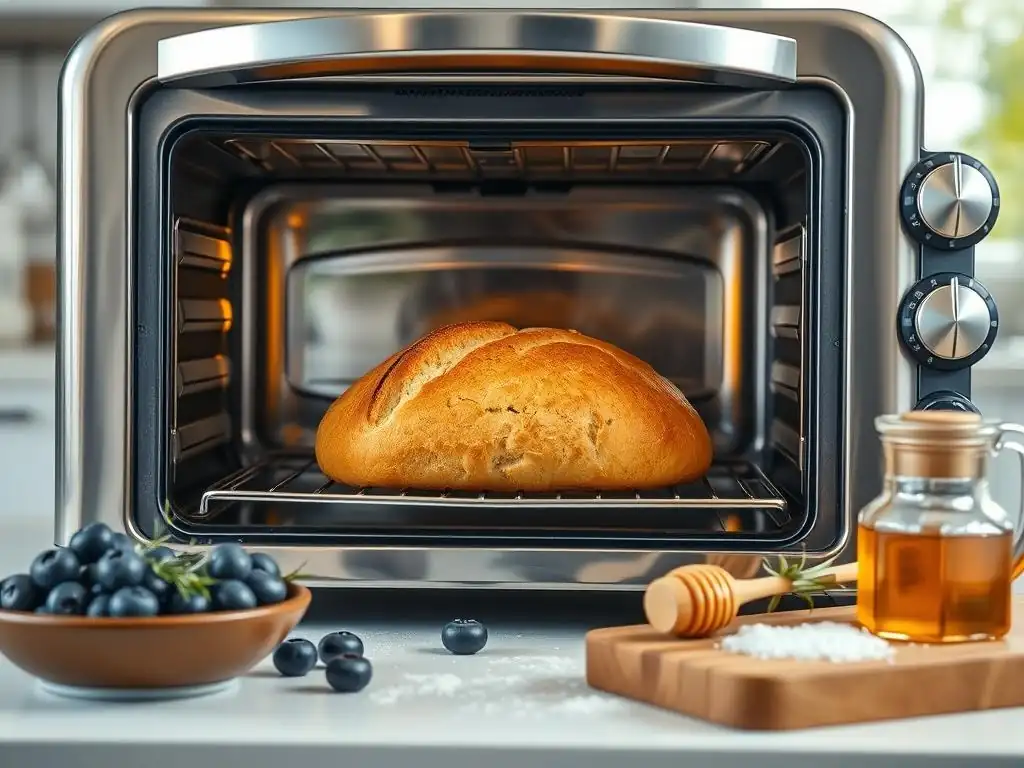
Toaster ovens might be small, but they are mighty useful, especially for specific tasks and in certain situations. Their simplicity and compact nature offer distinct benefits that make them a valuable appliance in many kitchens, particularly those short on space. They are perfect for quick jobs where heating up a large oven would be inefficient and time-consuming.
Beyond just making toast, these little ovens excel at handling smaller portions and specific cooking methods. They heat up quickly, consume less energy than a full-sized oven, and are incredibly convenient for single servings or snacks. Mastering toaster oven baking tips can unlock a surprising range of possibilities, from baking a single potato to crisping up leftover pizza perfectly.
Compact Size and Energy Efficiency
One of the most significant advantages of a toaster oven is its small footprint. They are designed to sit neatly on a countertop without taking up excessive space, making them perfect for small apartments, dorm rooms, or as a secondary oven in a larger kitchen. Their compact size also contributes to their energy efficiency. Heating a small cavity requires significantly less energy than heating a large, full-sized oven cavity.
A typical toaster oven might use between 1200 and 1500 watts of power, compared to a full-sized oven which can draw 2000 to 5000 watts or more during preheating. While watt usage isn't the only factor in energy consumption (time is also key), the faster preheating and smaller volume mean less energy is wasted. This can translate into lower electricity bills over time, making them a more economical choice for frequent small-batch cooking.
Quick Preheating Times
Nobody likes waiting a long time for an oven to heat up, especially when you're just warming a single pastry or baking a couple of cookies. Toaster ovens excel in this area. Due to their small interior volume and heating elements located close to the food, they preheat remarkably fast.
Many toaster ovens can reach baking temperatures of 350°F (175°C) in just 5-7 minutes. This is a significant time saver compared to a full-sized oven, which can take 15-20 minutes or longer to preheat. This speed makes them incredibly convenient for quick meals, snacks, or when you're in a hurry. This quick preheating is one of the most practical toaster oven baking tips for saving time in the kitchen.
Ideal for Toasting, Reheating, and Small Batch Baking
As the name suggests, toaster ovens are excellent at toasting bread, bagels, and pastries, often providing a more even result than pop-up toasters. They are also unparalleled for reheating leftovers. Unlike microwaves that can make food soggy, a toaster oven crisps up pizza crusts, warms sandwiches, and reheats baked goods perfectly, restoring their original texture.
Beyond these basic functions, they are fantastic for baking small batches. Need just four cupcakes? A toaster oven is perfect. Want to bake a single chicken breast or a small tray of roasted vegetables? Easy. They are also great for melting cheese, broiling a small piece of fish, or baking frozen convenience foods like chicken nuggets or tater tots without heating up your entire kitchen.
Toaster Oven Baking Tips for Even Cooking
Achieving even cooking in a toaster oven can sometimes be tricky due to the heating elements being so close to the food. However, with a few simple toaster oven baking tips, you can get excellent results. One common issue is the top browning much faster than the bottom, or one side cooking quicker than the other.
To combat uneven heating, consider rotating your food halfway through the cooking time. If the top element is browning things too quickly, you might need to shield the top of your dish loosely with aluminum foil. Understanding your specific oven's hot spots through a few test runs is also a valuable tip. Place a single layer of bread slices edge-to-edge on a baking sheet and toast them to see where the oven browns fastest.
Using Appropriate Baking Pans
The size of your baking pan is paramount when using a toaster oven. Standard full-sized bakeware simply won't fit. Toaster ovens require smaller pans specifically designed for their dimensions. These are often labeled as "toaster oven pans" or "quarter sheet pans," although quarter sheet pans are slightly larger and may not fit all models.
Look for pans that leave a small gap (at least half an inch) between the pan and the oven walls to allow for air circulation. Using a pan that's too large and touches the sides can block heat flow and lead to uneven cooking. Silicone bakeware and small metal pans (like 8x8 inch cake pans or small loaf pans) work well, but always check the internal dimensions of your specific toaster oven model before purchasing bakeware.
Adjusting Baking Times and Temperatures
Recipes are typically developed for standard full-sized ovens, and you often cannot simply use the exact same time and temperature settings in a toaster oven. Due to their smaller size and faster heating, food often cooks more quickly in a toaster oven. This is one of the most crucial toaster oven baking tips to remember.
A general rule of thumb is to start checking for doneness earlier than the recipe suggests. You might find that you need to reduce the baking time by 10-20%. While you can sometimes use the same temperature, some bakers find slightly reducing the temperature (by about 25°F or 15°C) helps prevent the exterior from burning before the interior is cooked, especially for items like cakes or muffins. Always use an oven thermometer inside your toaster oven to verify its actual temperature, as built-in thermostats can sometimes be inaccurate.
Convection Oven Advantages for Baking
Portable countertop convection ovens take the concept of a toaster oven and elevate it with the addition of a convection fan. This fan circulates hot air evenly throughout the oven cavity, offering significant advantages for baking, roasting, and broiling compared to conventional heating methods. If you're serious about baking but lack space for a full-sized oven, a convection model is often the preferred choice.
The forced air circulation in a convection oven means faster cooking times, more even results, and superior browning and crisping. While they require a bit more space and a larger budget than basic toaster ovens, their enhanced performance makes them incredibly versatile for a wider range of recipes. Understanding how to best utilize the convection feature is key to unlocking their full potential.
Larger Capacity and Versatility
Portable countertop convection ovens typically offer a significantly larger cooking capacity than standard toaster ovens. While a basic model might fit 4 slices of toast, a convection version often fits 6-9 slices, and more importantly, can accommodate larger bakeware like a 9x13 inch baking pan or a small whole chicken. This increased size makes them much more versatile for preparing family-sized meals or baking larger batches of cookies or muffins.
Many convection ovens also come with multiple rack positions, allowing you to bake more than one tray of food at a time, further increasing their capacity and efficiency. Their larger size and convection capability mean they can handle tasks traditionally reserved for full-sized ovens, such as roasting meats, baking layered cakes, or preparing casseroles, making them a true multi-functional appliance in a small kitchen.
Convection Baking: Achieving Even Cooking and Browning
The defining feature of a convection oven is the internal fan that circulates hot air. This constant movement of air eliminates hot spots and ensures that heat reaches all surfaces of your food evenly. This is a game-changer for baking, leading to more consistent results from edge to center and top to bottom.
For items like cookies, convection ensures they bake evenly across the entire sheet, without needing to rotate the pan. For cakes, it helps them rise more uniformly and bake through without the edges setting too quickly. The circulating hot air also promotes faster and more even browning and crisping, which is fantastic for roasted vegetables, poultry, or achieving a perfect crust on bread. This efficiency often means you can reduce cooking time compared to a conventional oven.
Precise Temperature Control for Consistent Results
Many portable countertop convection ovens feature advanced digital controls that offer more precise temperature settings compared to the often knob-based, less accurate thermostats found on basic toaster ovens. Digital controls typically allow you to set the temperature in smaller increments (e.g., 5°F or 1°C) and maintain that temperature more consistently throughout the cooking cycle.
This precision is vital for successful baking, where even small temperature fluctuations can impact the outcome, especially with delicate recipes like custards or meringues. Consistent temperature helps ensure cakes rise properly, cookies spread just the right amount, and pastries achieve the desired flaky texture. While it's still wise to use an external oven thermometer to verify accuracy, digital controls generally provide a more reliable cooking environment.
Convection Oven Baking Tips for Complex Recipes
Using a convection oven, especially for recipes originally written for conventional ovens, requires a few adjustments. The circulating air cooks food faster and can dry it out if you're not careful. A common toaster oven baking tip when adapting recipes is to reduce the temperature or time, and this applies even more so to convection ovens.
A widely accepted guideline is to reduce the recipe's recommended temperature by 25°F (15°C) or reduce the cooking time by 25%. Often, a combination of both works best. Start checking for doneness earlier than the recipe suggests. For delicate items or those prone to drying, some convection ovens have a "bake" setting that uses the fan at a lower speed or cycles it on and off, providing a gentler cooking environment.
Utilizing Multiple Rack Positions
One of the benefits of the larger capacity in convection ovens is the presence of multiple rack positions. This allows you to bake more than one tray of food simultaneously, significantly increasing your baking efficiency. For example, you could bake two trays of cookies at once or roast vegetables on one rack while baking chicken on another.
When using multiple racks with the convection fan on, the circulating air helps ensure relatively even cooking across both racks, reducing or eliminating the need to swap trays halfway through. However, for optimal results, especially with items that require significant rise or even browning, avoid overcrowding the oven. Leave enough space between pans and the oven walls, and between the pans themselves, for the hot air to circulate freely.
Leveraging Baking Programs and Presets
Many modern portable convection ovens come equipped with various pre-programmed settings or specific baking modes designed for common tasks. These can include presets for cookies, pizza, bread, roasting, broiling, and more. These programs often automatically adjust the temperature, time, and fan speed for optimal results for that specific food item.
Learning to use these presets can simplify the baking process and help you achieve consistent outcomes without manually adjusting settings. Some ovens even offer proofing functions for bread dough or dehydrating settings, adding further versatility. While presets are convenient, don't be afraid to experiment and manually adjust settings based on your experience and desired results, especially as you become more familiar with your specific oven's performance.
Toaster Oven vs. Convection Oven: A Detailed Comparison
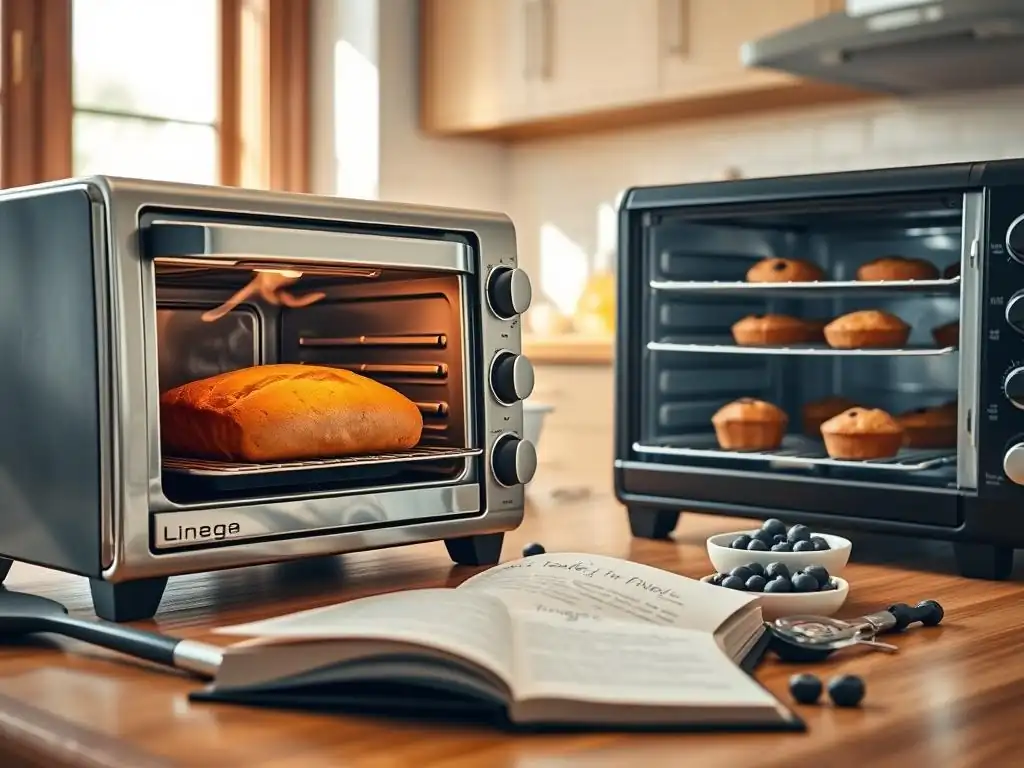
Deciding between a toaster oven and a portable convection oven boils down to weighing their features, performance, and cost against your specific needs. While both are excellent for small spaces, they cater to different priorities and baking styles. Let's look at a direct comparison across key aspects.
Understanding the nuances of each type will help you determine which appliance is the best fit for your kitchen and your baking ambitions. Consider not just the initial purchase but also how each oven will integrate into your daily cooking routine and what kind of results you expect.
Key Features and Specifications
| Feature | Basic Toaster Oven | Portable Convection Oven |
|---|---|---|
| Heating Method | Top and bottom heating elements | Top/bottom elements + Convection Fan |
| Capacity | Small (e.g., 4-6 slices toast, 8" pizza) | Medium (e.g., 6-9 slices toast, 12" pizza, 9x13 pan) |
| Controls | Often manual knobs | Often digital, more precise |
| Preheating | Very fast (5-7 mins) | Fast (7-10 mins) |
| Evenness | Can have hot spots | Very even due to fan |
| Speed | Standard cooking time | Faster cooking time (approx. 20-30% less) |
| Price Range | $50 - $150 | $150 - $400+ |
This table provides a quick overview of the core differences. While a toaster oven is simpler and cheaper, a convection oven offers greater capacity, better performance consistency, and often more advanced controls, justifying its higher price point for serious bakers.
When it comes to baking performance, the convection fan makes a noticeable difference, particularly for items that benefit from even heat and good air circulation. For cookies, a convection oven bakes them more evenly across the tray and helps achieve a consistent golden brown color. A toaster oven can bake cookies, but you might need to rotate the pan and watch carefully to prevent burning, highlighting the importance of good toaster oven baking tips for this task.
For cakes, convection provides a more uniform rise and bake. In a toaster oven, cakes can sometimes dome unevenly or have edges that set before the center is cooked through. Roasting meats like chicken or pork benefits significantly from convection, as the circulating air renders fat more effectively and produces crispier skin or a better crust. While you can roast small portions in a toaster oven, a convection model generally handles larger cuts and delivers superior texture.
Ease of Use and Cleaning
Basic toaster ovens are typically very straightforward to use, often featuring simple dials for temperature, time, and function (toast, bake, broil). There's not much of a learning curve. Cleaning can be relatively easy, although crumbs can accumulate quickly, requiring frequent tray emptying. Some models have non-stick interiors which help with spills.
Convection ovens, especially those with digital controls and multiple functions, can take a little more time to learn, but their interfaces are generally intuitive. Many feature removable crumb trays and non-stick or easy-clean interior coatings. However, the fan mechanism and larger size can sometimes make reaching all corners for cleaning slightly more challenging than in a basic toaster oven.
Long-Term Cost Analysis: Energy and Maintenance
Beyond the initial purchase price, consider the long-term costs associated with each appliance. As mentioned, toaster ovens are generally more energy-efficient for small tasks due to their quick preheating and smaller cavity size. If you primarily use the oven for quick jobs like toast or reheating, the energy savings can add up over time.
Both types of ovens are generally low maintenance. The most common issue is needing to replace heating elements over many years of use. However, models with more complex electronics (like advanced digital controls or multiple sensors) in convection ovens could potentially have higher repair costs if something goes wrong compared to the simple mechanical controls of a basic toaster oven. Factor in the expected lifespan, which is typically several years for both if cared for properly.
Mastering Toaster Oven Baking: Tips and Tricks
Toaster ovens are incredibly versatile tools, but they do have their quirks. Learning how to get the best results requires understanding their limitations and implementing specific techniques. Don't let their size fool you; with the right approach, you can bake a surprising variety of delicious items. Here are some essential toaster oven baking tips to help you succeed.
From preventing common issues like burning to successfully adapting your favorite recipes, these tips will help you maximize the potential of your compact oven. Baking in a toaster oven is a skill, and like any skill, it improves with practice and knowledge of the right techniques.
Preventing Burning and Ensuring Even Browning
One of the most common challenges with toaster ovens is preventing the top of your food from burning before the rest is cooked, especially when using the top heating element or broil function. The elements are very close to the food, leading to intense radiant heat.
To prevent burning, consider using the middle or lower rack position if your oven offers multiple slots. For items that brown quickly, like cookies or pastries, you can loosely tent the top with aluminum foil partway through the baking time. Always keep a close eye on your food, as cooking times can be shorter than expected. Rotating your pan halfway through is also a crucial step for achieving even browning, especially on items like sheet pan meals or roasted vegetables.
Adapting Recipes for Toaster Ovens
Most recipes are written for full-sized conventional ovens, so you'll need to make adjustments when using a toaster oven. As a starting point for toaster oven baking tips, remember that things cook faster. It's often recommended to reduce the baking time by 10-20% and start checking for doneness early.
While you can often use the same temperature, reducing it by 25°F (15°C) can help prevent the exterior from cooking too fast while the interior catches up, particularly for thicker items like muffins or small cakes. Pay attention to visual cues like browning and listen for bubbling. Always use the correct size bakeware that fits comfortably in your oven with space for air circulation.
Temperature Conversion Guide
While a full temperature conversion is rarely necessary (you primarily adjust time), understanding how different temperature types relate can be helpful. Most recipes use Fahrenheit (°F) in the US or Celsius (°C) elsewhere. Toaster ovens typically offer both options.
If a recipe calls for a conventional oven temperature, and you're using a toaster oven without convection, you can generally use the same temperature but watch the time closely. If your toaster oven has a convection setting and you choose to use it, remember the general rule of reducing the temperature by 25°F (15°C) or the time by 25%. Always verify your oven's actual temperature with an internal thermometer, as built-in thermostats can be off by 25-50°F.
Maximizing Your Convection Oven Baking Potential
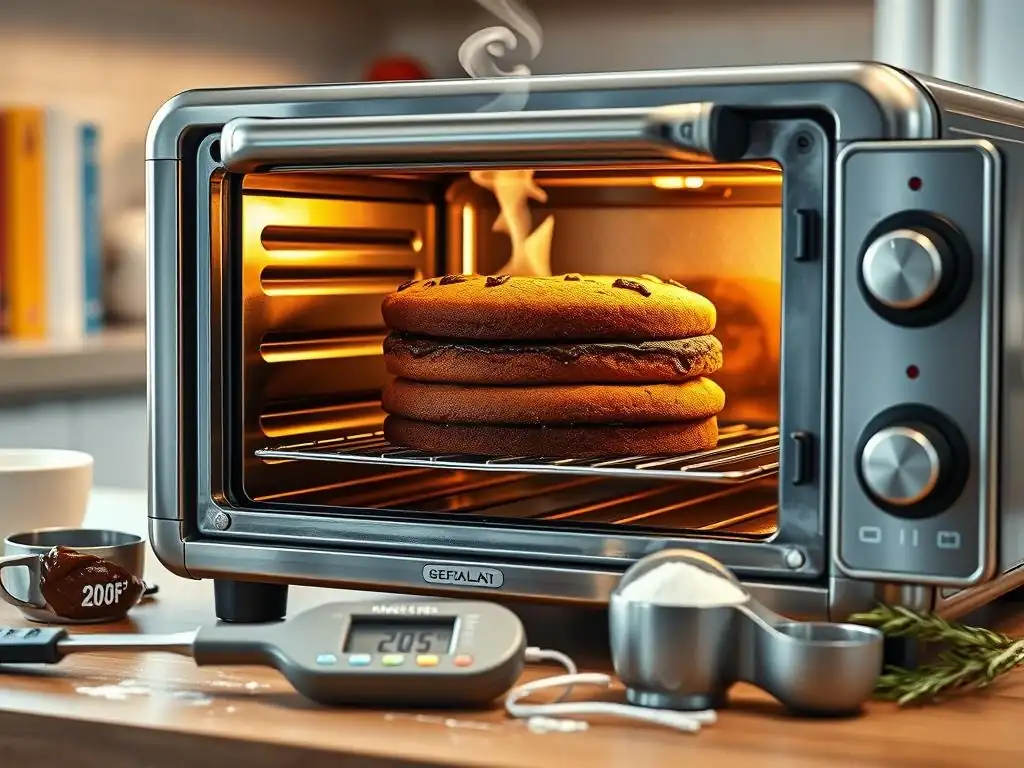
If you've opted for a portable countertop convection oven, you have a powerful and versatile tool at your disposal. To truly get the most out of it, it's important to understand how the convection function works and how to best apply it to different types of baking and cooking. Don't just use it as a regular oven; leverage its unique capabilities.
Mastering convection cooking involves more than just hitting the 'convection bake' button. It's about understanding how the circulating air affects different foods and adjusting your techniques accordingly. With a little practice, you'll achieve perfectly roasted meats, beautifully browned pastries, and consistently baked goods.
Utilizing Convection Settings for Optimal Results
Your convection oven likely has different settings related to the fan. There might be a standard "bake" (using only elements), "convection bake" (elements + fan), and possibly "convection roast" (often higher temperature and fan). For most baking tasks like cookies, cakes, muffins, and pastries, "convection bake" is the setting to use.
The fan significantly speeds up cooking and improves browning, so remember to reduce temperature and/or time from conventional recipes. For roasting meats or vegetables where crisping is desired, the "convection roast" setting is excellent. Experiment with different settings for different foods to see how the fan impacts the outcome. For delicate items like soufflés or cheesecakes, you might opt for the standard "bake" setting without the fan to avoid potential cracking or uneven rising caused by the forced air.
Troubleshooting Common Baking Problems
Even with a convection oven, you might encounter issues. If cakes are drying out, you might be using too high a temperature or too long a time with the convection fan on. Try reducing the temperature by 25°F (15°C) or reducing the cooking time. If the top is browning too quickly, loosely tenting with foil can help.
If cookies are spreading too much, your oven temperature might be too low, or the dough might be too warm. Ensure you preheat properly and consider chilling the dough. Uneven browning across multiple racks can still occur if the oven is overcrowded; ensure there's adequate space for air circulation around all pans. Using an oven thermometer is key to diagnosing if the issue is related to inaccurate temperature readings.
Expanding Your Recipe Repertoire
With a portable convection oven, your baking possibilities expand considerably compared to a basic toaster oven. You can confidently tackle recipes for full-sized cakes (provided they fit the pan size), multiple batches of cookies, bread loaves, casseroles, and various roasted dishes.
Look for recipes specifically designed for convection ovens, or confidently adapt your favorite conventional oven recipes using the 25% rule (reduce time or temperature). Many online baking communities and recipe websites offer tips and conversions for convection cooking. Don't be afraid to experiment with roasting vegetables, baking fish fillets, or even attempting small roasts – tasks that are often challenging to do well in a non-convection toaster oven.
BakeWithEase Recommendation: Choosing the Best Oven
Choosing the right small-space oven is a personal decision, but understanding your baking style, budget, and available space will make the choice much clearer. Both toaster ovens and portable convection ovens have their merits, and the "best" one isn't universal; it's the one that best fits your needs.
Consider what you'll use it for most often. Is it primarily for quick snacks and reheating, or are you looking for a capable baking workhorse? Be realistic about the space you have and the amount you're willing to spend.
Based on Baking Style
If your baking consists mainly of toast, bagels, reheating leftovers, occasional frozen snacks, and maybe a single-serving cookie or muffin, a basic toaster oven is likely sufficient and more cost-effective. It's simple, fast, and energy-efficient for these tasks. Mastering toaster oven baking tips will help you get the most out of this simple appliance.
However, if you enjoy baking cookies in batches, making cakes, roasting chicken or vegetables, or tackling more complex recipes that require consistent, even heat and good browning, a portable countertop convection oven is the superior choice. Its larger capacity and convection fan provide the performance needed for more ambitious baking projects.
Considering Space and Budget
Space is a non-negotiable factor. If counter space is extremely limited, a compact toaster oven is probably your only option. Measure carefully before you buy. If you have a bit more room, a convection oven might fit, but double-check dimensions.
Your budget also plays a significant role. Basic toaster ovens are budget-friendly, making them accessible for students or those with minimal baking needs. Portable convection ovens require a larger initial investment, but their increased versatility and performance might justify the cost if baking is a significant hobby or necessity for you. Consider it an investment in expanding your culinary capabilities despite space limitations.
[Product Recommendations based on specific needs]
- For the budget-conscious or extremely space-limited baker focused on basics: Look for reliable, high-rated standard toaster ovens known for even toasting and simple controls.
- For the avid baker in a small space needing versatility and performance: Prioritize portable convection ovens with digital controls, multiple rack positions, and a capacity that fits essential bakeware like a 9x13 inch pan. Look for models with positive reviews regarding baking consistency.
- For those wanting a balance of functions: Consider toaster ovens that include a convection fan, offering some benefits of convection at a potentially lower price point than full-featured convection ovens, though capacity may still be smaller.
Conclusion: Enjoying Baking in Small Spaces
Living in a small space doesn't mean you have to give up on baking. Both toaster ovens and portable countertop convection ovens offer viable solutions for bringing the joy of baking into compact kitchens. Your choice depends on a careful assessment of your specific baking needs, the amount of space you have available, and your budget.
Whether you opt for the simplicity and speed of a toaster oven, armed with effective toaster oven baking tips, or the enhanced capacity and performance of a convection oven, you can still create delicious baked goods and meals. Identify your priorities, choose the oven that aligns best, and get ready to enjoy the sweet rewards of baking, no matter how small your kitchen may be!
Frequently Asked Questions
How does toaster oven baking differ from traditional oven baking?
Toaster oven baking often involves shorter cooking times and lower temperatures due to the smaller space and closer proximity to the heating elements. Monitor your food closely to prevent burning.
What are some advantages of using a toaster oven for baking in a small space?
Toaster ovens are compact and energy-efficient, making them ideal for small kitchens or individuals. They also preheat much faster than a conventional oven, saving time and energy.
Can I bake the same recipes in a toaster oven as in a regular oven?
Yes, but you'll likely need to adjust the baking time and temperature. Start by reducing the temperature by 25 degrees Fahrenheit and checking for doneness earlier than the recipe suggests.
What type of bakeware is best suited for toaster oven baking?
Use smaller bakeware that fits comfortably inside the toaster oven without touching the heating elements. Consider using glass or metal pans specifically designed for toaster ovens.
Are there any specific baking tips for achieving even baking in a toaster oven?
Rotate your food halfway through the baking process to ensure even browning and cooking. Also, avoid overcrowding the toaster oven, as this can hinder airflow and result in unevenly baked goods.
Final Reflection: The Sweet Science of Small-Space Baking
The quest for delicious baked goods doesn't require a sprawling kitchen; mastering the art of small-space baking is entirely achievable, and increasingly relevant in today's world of compact living. The choice between a toaster oven and a portable countertop oven hinges on individual needs and baking ambitions, but both offer viable pathways to satisfying your sweet tooth without sacrificing precious counter space. This exploration of their respective advantages highlights the ingenuity and adaptability required in modern culinary pursuits.
The rise of small-space living has undeniably impacted our approach to cooking, forcing a re-evaluation of traditional kitchen appliances and techniques. This shift towards efficiency and minimalism isn't just a trend; it's a reflection of evolving priorities and a growing awareness of resourcefulness. Necessity is the mother of invention,
and this couldn't be truer when considering the creative solutions born from the limitations of small kitchens. The ingenuity displayed in adapting recipes and techniques for smaller ovens speaks volumes about our capacity for innovation and our enduring love for the simple pleasures of home baking.
Now, consider your own baking journey. What limitations are you facing? What creative solutions can you implement to overcome them? Perhaps it's time to explore the compact world of toaster ovens and countertop ovens, embracing the challenge of maximizing flavor within a smaller footprint. Don't let limited space limit your culinary aspirations. Experiment with different recipes, adapt techniques, and discover the joy of baking, no matter the size of your kitchen. The delicious results will be well worth the effort.
Unleash Your Inner Baker: Small Space, Big Flavor!
Thanks for taking the time to explore the world of small-space baking with us! We hope you've gained valuable insights into the differences between toaster ovens and countertop ovens. Now it's time to put that knowledge to delicious use!
- Choose your oven champion: Based on your needs and the insights from the article, decide which oven is the perfect fit for your kitchen – and then go get it! (Or order it!) This is the most important step to your small-space baking journey.
- Share your baking triumph: Once you've chosen your oven and baked your first masterpiece, share your experience on social media! Use #BakeWithEase and tag us – we’d love to see your creations.
- Join the BakeWithEase community: Head over to our forum (link would go here, but I'm not creating links as per the instructions) and connect with other bakers who are mastering the art of baking in small spaces. Share your recipes, tips, and ask questions!
What delicious treat will you bake first in your new oven?