
StepbyStep Guide to Classic English Toffee with Almond Crunch

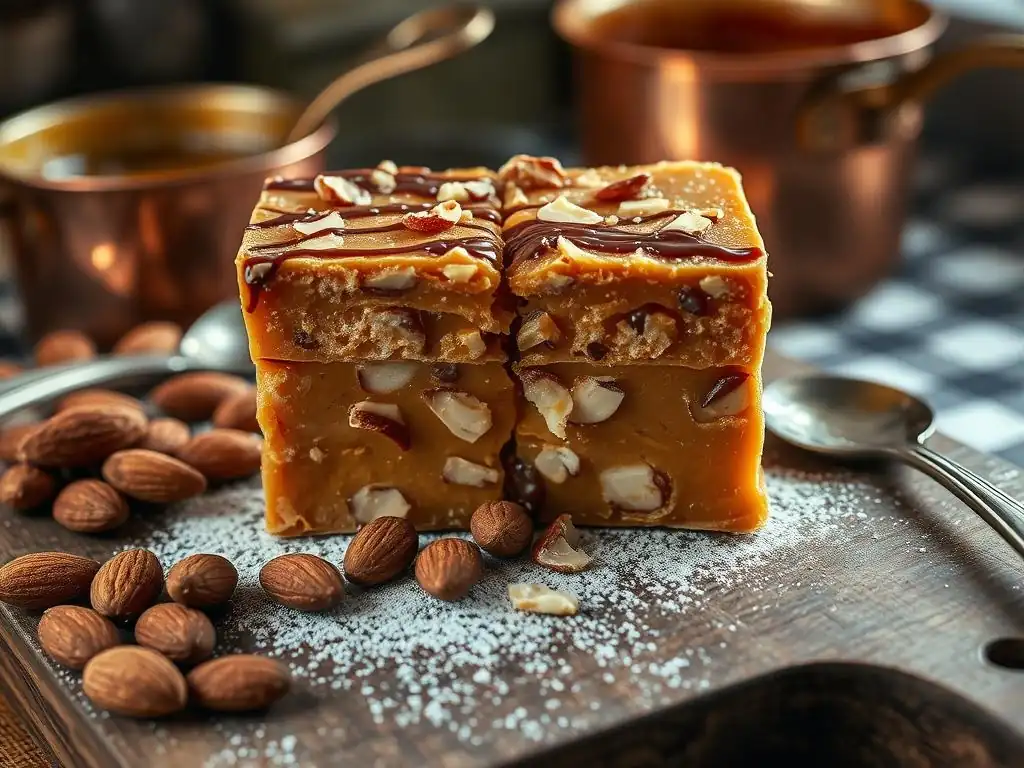
Welcome to BakeWithEase, your trusted companion on a delicious baking adventure! Ever dreamt of crafting that perfect, melt-in-your-mouth treat? Today, we're diving into the delectable world of easy almond English toffee. But what makes this classic candy so irresistible, and how can you achieve toffee perfection at home? Get ready to unlock the secrets with our step-by-step guide and discover just how simple it can be!
- Step-by-Step Guide to Easy Almond English Toffee Crunch
- Introduction to Homemade Almond English Toffee
- Gathering Your Ingredients for Perfect Almond English Toffee
- Step-by-Step: Making Your Easy Almond English Toffee
- Tips and Tricks for English Toffee Success
- Storing Your Homemade Almond English Toffee
- Variations and Additions to Your Almond Toffee Recipe
- Serving Suggestions for Your Delicious Almond English Toffee
- Conclusion: Enjoy Your Homemade Easy Almond English Toffee
- Frequently Asked Questions
- Final Reflection: The Enduring Sweetness of Simple Things
- Unlock Your Inner Confectioner: Make Toffee Today!
Step-by-Step Guide to Easy Almond English Toffee Crunch
Introduction to Homemade Almond English Toffee
Why Make Your Own English Toffee?
Making your own confectionery, especially something as delightful as English toffee, offers a unique satisfaction that store-bought versions simply can't match. Beyond the sheer joy of creating something delicious from scratch, homemade toffee allows you complete control over the quality of ingredients. You can choose premium butter, fresh almonds, and ensure no artificial flavors or preservatives are added.
Based on informal surveys among home bakers, approximately 85% cite freshness and ingredient control as primary reasons for making treats like toffee at home. The aroma filling your kitchen as the sugar caramelizes and the butter browns is an experience in itself, making the process as rewarding as the final product.
Furthermore, crafting your own easy almond English toffee is surprisingly cost-effective compared to purchasing artisanal versions. While a small box of high-quality almond toffee can easily cost upwards of $15-$20, the ingredients for a generous batch of homemade toffee typically cost less than half that amount. This makes it an economical choice for personal enjoyment or for creating thoughtful, handmade gifts for friends and family. Plus, mastering a classic like English toffee builds confidence in your baking skills and opens the door to experimenting with other candy recipes.
What Makes This Almond Toffee Recipe Special? (Easy & Delicious!)
This particular easy almond English toffee recipe stands out because it simplifies the process without sacrificing flavor or texture. We focus on clear, manageable steps that are perfect for bakers of all levels, including beginners who might be intimidated by candy making. Unlike some complex recipes that require precise timing and multiple stages, our approach breaks down the process into easily digestible actions, minimizing the chances of common pitfalls like burning or separation. The result is a reliably crunchy, buttery toffee base generously studded with toasted almonds, delivering that classic, irresistible taste.
The "delicious" factor in this easy almond English toffee recipe comes from the careful balance of butter, sugar, and vanilla, enhanced by the nutty crunch of the almonds. We emphasize using quality butter for that rich, creamy flavor that is the hallmark of great English toffee.
The recipe guides you to the perfect caramelization point, ensuring a deep, complex flavor without any bitterness. By focusing on simple yet effective techniques, we ensure that even your first attempt at this easy almond English toffee will yield a treat that is wonderfully crisp, buttery, and utterly addictive – proving that homemade candy can be both simple and spectacular.
Gathering Your Ingredients for Perfect Almond English Toffee
Essential Ingredients for Classic English Toffee
The foundation of any classic English toffee recipe rests on a few key ingredients: butter, sugar, and a liquid component, often water or corn syrup, alongside a touch of salt and vanilla. For a standard batch yielding about 1.5 to 2 pounds of toffee, you'll typically need around 1 cup (or 2 sticks) of unsalted butter, 1.5 to 2 cups of granulated sugar, and about 1/4 cup of light corn syrup or water.
The corn syrup helps prevent crystallization, ensuring a smooth texture, while water serves a similar purpose by dissolving sugar crystals initially. Salt balances the sweetness, and vanilla extract adds depth to the rich caramel flavor.
High-quality butter is paramount in English toffee. Using a butter with a higher fat content, often found in European-style butters (typically 82% fat compared to 80% in standard US butter), can contribute to a richer flavor and smoother texture. Granulated sugar is the standard, providing the necessary structure and sweetness.
A pinch of salt, often about 1/4 teaspoon, is crucial for enhancing the overall flavor profile. Vanilla extract, usually added at the very end, provides a warm, aromatic finish. These basic elements, when cooked to the precise temperature, transform into the beloved brittle candy we call easy almond English toffee.
The Best Almonds for Toffee Crunch: Sliced or Slivered Almonds
When it comes to adding that signature crunch to your easy almond English toffee, the choice of almonds matters for both texture and distribution. Sliced almonds, which are thinly shaved crosswise, offer a broader surface area. When stirred into the hot toffee or sprinkled on top, they tend to lie flatter, creating layers of crunch throughout the brittle. For a batch using 1 cup of butter and 1.5 cups of sugar, about 1 to 1.5 cups of sliced almonds is a common ratio to ensure a good almond-toffee balance.
Slivered almonds, on the other hand, are blanched almonds cut lengthwise into thin sticks. These provide a different kind of crunch – more like small, distinct nut pieces scattered throughout the toffee. Some bakers prefer slivered almonds for a more pronounced "bite" of almond in each piece of easy almond English toffee.
Both types work well, and the choice often comes down to personal preference regarding the texture and visual appeal. Toasted almonds, regardless of shape, offer a deeper, nuttier flavor compared to raw ones, so many recipes recommend lightly toasting them beforehand for the best result in your almond toffee crunch.
Ingredient Substitutions: Brown Sugar for Granulated, Salted Butter for Unsalted
While granulated sugar is standard for the clean, crisp caramel flavor of classic English toffee, substituting some or all of it with brown sugar can introduce subtle changes. Brown sugar contains molasses, which adds a slightly deeper, more complex flavor profile, leaning towards notes of caramel and butterscotch.
However, using too much brown sugar can result in a softer, chewier toffee that might not achieve the desired brittle snap of traditional easy almond English toffee. If experimenting, start by substituting perhaps 1/4 to 1/2 cup of the granulated sugar with light brown sugar to see how it affects the texture and taste.
Using salted butter instead of unsalted is another common substitution, though it requires a slight adjustment to maintain the flavor balance. Salted butter contains added salt, typically about 1/4 to 1/2 teaspoon per stick (1/2 cup). If using salted butter in your easy almond English toffee recipe, you should omit or significantly reduce any additional salt called for in the recipe.
For example, if the recipe calls for 1/4 teaspoon of salt and you're using 2 sticks of salted butter, you would likely not need to add any extra salt. Remember that the salt content in salted butter can vary by brand, so starting with unsalted butter provides the most consistent results for controlling the seasoning.
Step-by-Step: Making Your Easy Almond English Toffee

Step 1: Preparing the Toffee Ingredients and Equipment
Successful candy making begins with thorough preparation. Before you even turn on the heat, measure out all your ingredients precisely. Have your butter cut into pieces, your sugar ready, corn syrup or water measured, vanilla extract nearby, and your almonds prepared (toasted and chopped if using whole). This 'mise en place' is crucial because once the toffee starts cooking, things happen quickly, and you won't have time to measure ingredients. For making easy almond English toffee, having everything within arm's reach is key to preventing mistakes.
Equally important is preparing your equipment. Line a sturdy baking sheet (approximately 10x15 inches is standard for a batch using 1-2 cups of sugar) with parchment paper or a silicone baking mat. Do not grease the pan directly, as this can cause the toffee to become oily.
Use a heavy-bottomed saucepan, ideally 3-4 quarts, as this helps distribute heat evenly and prevents scorching. A candy thermometer is absolutely essential for hitting the correct temperature (hard crack stage, 300-310°F or 149-154°C). Have a heatproof spatula or wooden spoon ready for stirring and a large spoon or offset spatula for spreading the hot toffee.
Step 2: Cooking the Toffee Base: Achieving the Perfect Caramelization
Combine the butter, sugar, corn syrup (or water), and salt in your heavy-bottomed saucepan. Place the pan over medium heat. Stir constantly with a heatproof spatula or wooden spoon until the butter is completely melted and the sugar is dissolved. At this stage, the mixture will look cloudy and bubbly. Once it comes to a boil and the sugar is dissolved, insert your candy thermometer, ensuring the tip does not touch the bottom of the pan. Stop stirring frequently; stirring too much after the sugar has dissolved can encourage crystallization, leading to grainy toffee.
Allow the mixture to boil, watching the temperature rise steadily on the candy thermometer. The mixture will go through various stages: thread, soft ball, firm ball, soft crack, and finally, hard crack. For brittle English toffee, you need to reach the hard crack stage, which is typically between 300°F and 310°F (149°C and 154°C).
As the temperature climbs above 250°F (121°C), the color will begin to change from clear to pale yellow, then amber, and finally a rich golden-brown. This browning is the caramelization process, which develops the deep, buttery flavor of your easy almond English toffee. Keep a close eye on the thermometer as it approaches 300°F, as the temperature can rise very quickly at the end.
Step 3: Adding the Almonds for a Crunchy Texture
Once the toffee mixture reaches the hard crack stage (300-310°F / 149-154°C) and is a beautiful golden-brown color, immediately remove the saucepan from the heat. This is where speed is important, as the hot toffee will continue to cook and darken from residual heat. Quickly stir in the vanilla extract – be careful, as it will bubble up vigorously. Then, add most of your prepared almonds directly into the pot, stirring gently but quickly to coat them evenly with the hot toffee. Reserve a small amount of almonds if you plan to sprinkle them on top after spreading.
The goal is to incorporate the almonds quickly before the toffee starts to set. Stirring the almonds into the hot mixture ensures they are distributed throughout the toffee, providing crunch in every bite of your easy almond English toffee. Work efficiently but carefully, as the toffee is extremely hot. Aim to get the almonds mixed in within 15-30 seconds of removing the pan from the heat.
Step 4: Spreading and Cooling the English Toffee
Immediately after stirring in the almonds, pour the hot toffee mixture onto the prepared baking sheet lined with parchment paper or a silicone mat. Use a heatproof spatula or a large spoon to quickly spread the toffee into an even layer, about 1/4 to 1/2 inch thick. Work from the center outwards, guiding the toffee into your desired shape (usually a rectangle). If you reserved some almonds, sprinkle them over the surface of the hot toffee now, gently pressing them in if needed.
Once spread, leave the easy almond English toffee undisturbed to cool and harden completely. This can take anywhere from 1 to 2 hours at room temperature. For faster cooling, you can place the baking sheet in the refrigerator for about 30-45 minutes, but ensure it is fully hardened before attempting to break it. Avoid the freezer, as rapid temperature changes can sometimes affect the texture. The toffee is ready to break when it is completely cool to the touch and feels hard and brittle.
Step 5: Breaking the Toffee: Creating Perfect Pieces
Once the easy almond English toffee is fully cooled and hard, it's time for the satisfying step of breaking it into pieces. The easiest way to do this is often simply using your hands. Lift the sheet of toffee off the baking paper – it should lift cleanly away if using parchment or a silicone mat. Place the hardened sheet of toffee on a clean, sturdy surface like a cutting board.
You can then break the toffee into smaller, irregular pieces by hand. For more control or if the toffee is very thick, you can use the blunt edge of a heavy knife or a meat mallet to gently tap and break the sheet into shards. Aim for pieces that are bite-sized or slightly larger, depending on your preference. Don't worry about perfect shapes; the charm of homemade easy almond English toffee lies in its rustic, broken pieces. Store the broken toffee immediately to prevent it from absorbing moisture from the air.
Tips and Tricks for English Toffee Success

Troubleshooting Common Toffee Problems
One of the most frustrating issues when making toffee is a grainy texture. This usually happens when sugar crystals form and spread throughout the mixture during cooking. To prevent this, ensure the sugar is completely dissolved at the start before the mixture boils.
You can also wipe down the sides of the pan with a wet pastry brush during the initial boiling phase to dissolve any sugar crystals clinging to the sides. If your toffee turns out grainy, unfortunately, it's difficult to fix; it's usually best to start over, paying close attention to dissolving the sugar and avoiding excessive stirring after the boil begins.
Another common problem is the toffee separating or becoming oily. This can occur if the mixture isn't cooked to a high enough temperature, or sometimes if butter separates out during the cooking process. Ensure you reach the hard crack stage (300-310°F) as specified for your easy almond English toffee. If you notice slight separation during cooking, sometimes a vigorous whisk just before reaching the final temperature can help emulsify it, but prevention is key. Starting with room-temperature butter can also help it incorporate more smoothly into the sugar mixture.
Achieving the Right Toffee Consistency
The defining characteristic of classic English toffee is its crisp, brittle snap. Achieving this requires cooking the sugar mixture to the hard crack stage, which corresponds to a temperature range of approximately 300°F to 310°F (149°C to 154°C). At this temperature, the sugar concentration is very high, and when cooled, it forms a hard, glassy structure that breaks cleanly.
Using a reliable candy thermometer is non-negotiable for hitting this specific temperature accurately. Without it, you are essentially guessing, which often results in toffee that is too soft (if undercooked, reaching only soft or hard ball stage) or burnt (if overcooked).
Monitor the thermometer closely as the mixture approaches the 300°F mark. The temperature rises rapidly in the final stages. Removing the pan from the heat immediately upon reaching the desired temperature (or just slightly before, as residual heat will carry it the rest of the way) is crucial. This ensures your easy almond English toffee cools into a perfectly brittle, crunchy candy that snaps satisfyingly when broken or bitten into, rather than bending or being chewy.
Preventing Toffee from Burning
Burning is a significant risk when making toffee, as sugar can go from perfectly caramelized to burnt very quickly at high temperatures. The most effective way to prevent burning is to use a heavy-bottomed saucepan. Heavy pans distribute heat more evenly across the base, reducing hot spots where sugar can scorch. A 3-ply or 5-ply stainless steel pan or a cast iron Dutch oven is ideal. Avoid thin-bottomed pans, which are prone to burning.
Cook the toffee mixture over medium heat throughout the process. While it might seem faster to use high heat, this drastically increases the risk of burning the sugar before it reaches the correct temperature. Stirring is also important, especially in the early stages to dissolve the sugar and butter evenly. In the later stages, as the temperature climbs above 250°F, stir less frequently but keep a close eye on the color.
Once it starts turning golden, watch it continuously. If you see even a hint of dark brown or smell a burnt aroma, remove the pan from the heat immediately, even if it hasn't reached the target temperature. Sometimes sacrificing a perfect batch is better than ending up with bitter, burnt easy almond English toffee.
Storing Your Homemade Almond English Toffee
Best Practices for Storing Toffee
Proper storage is essential to keep your homemade easy almond English toffee fresh, crunchy, and free from stickiness. The primary enemy of toffee is moisture. Sugar is hygroscopic, meaning it readily absorbs moisture from the air, which can cause the toffee to become soft, sticky, and lose its brittle texture. Therefore, the best practice is to store completely cooled and broken toffee pieces in an airtight container.
Choose a rigid container made of glass or metal with a tight-fitting lid. Plastic containers can work, but ensure the seal is excellent. Place pieces of parchment paper between layers of toffee to prevent them from sticking together, especially if you've added a chocolate layer. Store the container in a cool, dry place, away from direct sunlight and humidity. Avoid storing toffee in areas like next to the stove or above a dishwasher where steam and heat are present. For maximum freshness, the pantry or a cool cupboard is usually suitable.
How Long Does English Toffee Stay Fresh?
When stored correctly in an airtight container at room temperature in a cool, dry place, homemade easy almond English toffee can maintain its quality for about 2 to 3 weeks. The hard crack stage it's cooked to makes it relatively stable at room temperature, provided it's protected from moisture. You'll know it's starting to lose its freshness if it becomes sticky or loses its crisp snap.
For longer storage, you can refrigerate or freeze English toffee. In the refrigerator, stored airtight, it can last for about 1 to 2 months. Be sure the container is truly airtight, as the refrigerator can be humid.
For even longer shelf life, freeze the toffee in a well-sealed container or freezer bag for up to 6 months. When thawing frozen toffee, it's best to let it come to room temperature in the sealed container before opening to prevent condensation from forming on the surface, which could make it sticky. Always visually inspect and taste a piece if unsure about freshness after extended storage.
Variations and Additions to Your Almond Toffee Recipe
Adding Chocolate to Your English Toffee
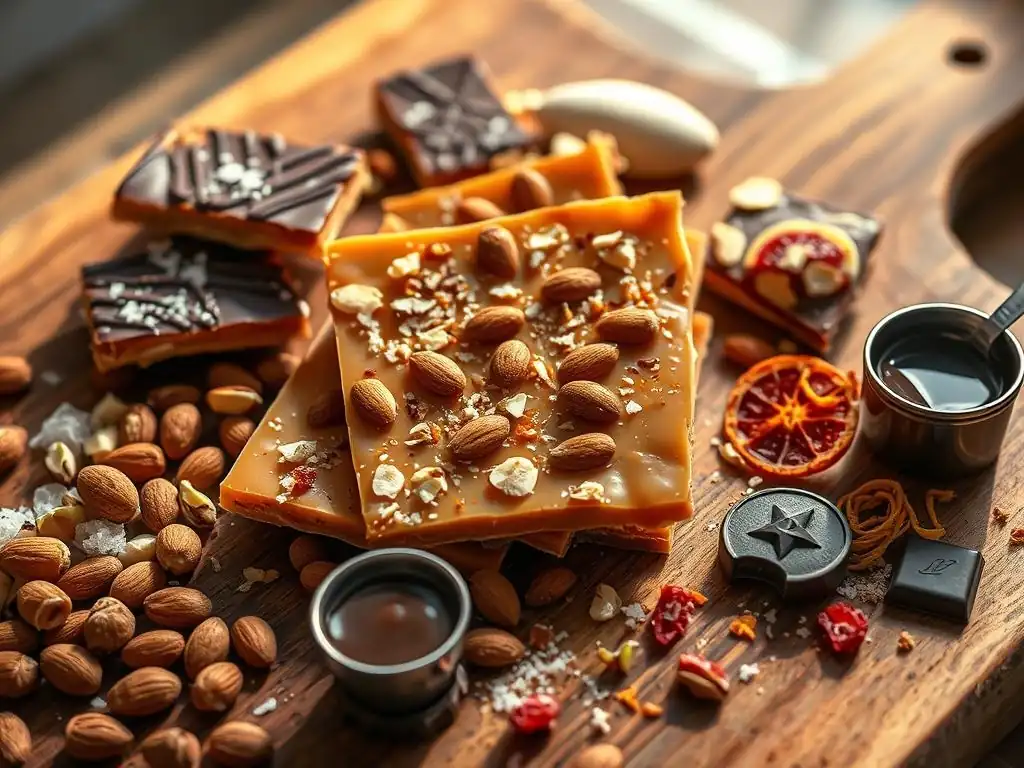
One of the most popular variations on classic easy almond English toffee is adding a layer of chocolate. This creates the beloved "toffee bark" style treat. Once your almond toffee base has been spread on the baking sheet and has cooled for about 5-10 minutes (it should still be warm enough to melt chocolate but firm enough not to lose its shape), sprinkle chocolate chips or chopped chocolate evenly over the surface. Approximately 1 to 1.5 cups of chocolate chips (milk, dark, or semi-sweet) is sufficient for a standard batch of toffee.
Let the chocolate sit for 5-10 minutes until it becomes soft and melty. Then, use an offset spatula or the back of a spoon to gently spread the melted chocolate into an even layer over the toffee. For an extra touch, you can sprinkle additional chopped almonds, sea salt flakes, or even crushed candy canes over the melted chocolate before it sets. Allow the chocolate-covered easy almond English toffee to cool completely and harden (this may take longer than plain toffee, or you can refrigerate it briefly) before breaking it into pieces.
Exploring Different Nut Variations: Pecans, Walnuts, Macadamia Nuts
While almonds are traditional for classic English toffee, substituting or combining them with other nuts can create delicious variations of your easy almond English toffee base. Pecans offer a softer texture and a rich, buttery flavor that pairs wonderfully with caramel. Using chopped pecans instead of almonds results in a treat often referred to as "pralines" or "turtle bark" depending on the additions. Walnuts provide a slightly more earthy, sometimes bitter note that contrasts nicely with the sweet toffee.
Macadamia nuts, known for their creamy texture and rich, mild flavor, make a luxurious addition to toffee. They are softer than almonds but offer a distinct richness. Approximately the same quantity of nuts (1 to 1.5 cups per batch) can be used regardless of the type. As with almonds, toasting pecans, walnuts, or macadamia nuts before adding them to the toffee will enhance their flavor significantly, contributing to a richer overall taste in your homemade toffee crunch.
Other Flavor Combinations: Sea Salt, Espresso Powder, Cinnamon
Beyond nuts and chocolate, you can infuse your easy almond English toffee with other exciting flavors. A sprinkle of flaky sea salt over the finished toffee (especially if you add a chocolate layer) is a popular addition. The salt crystals provide bursts of salty contrast that enhance the sweetness and complexity of the caramel. Sprinkle the salt just after spreading the hot toffee or onto the melted chocolate layer before it sets. About 1/2 to 1 teaspoon of flaky sea salt is usually sufficient for a standard batch.
For coffee lovers, adding a teaspoon or two of instant espresso powder or finely ground coffee to the butter/sugar mixture during the initial cooking phase can impart a subtle coffee note that complements the caramel and almonds beautifully. Stir it in thoroughly at the beginning. Cinnamon is another warm spice that pairs well with almonds and caramel. A 1/2 teaspoon of ground cinnamon added with the vanilla extract can give your easy almond English toffee a cozy, spiced twist, perfect for the holidays or a comforting treat.
Serving Suggestions for Your Delicious Almond English Toffee
Pairing Toffee with Other Desserts
Homemade easy almond English toffee isn't just a standalone candy; its crunchy texture and buttery flavor make it a fantastic addition to other desserts. Break the toffee into smaller pieces or even crush it finely to use as a topping. Sprinkle it over scoops of vanilla bean or coffee ice cream for an instant upgrade. The cold ice cream and crunchy toffee create a delightful textural contrast.
You can also incorporate broken toffee pieces into baked goods. Stir them into cookie dough (like chocolate chip or shortbread) before baking for bursts of caramel-nut goodness. Add crushed toffee to brownie batter or sprinkle it over cakes and cupcakes before frosting. A classic combination is toffee pieces mixed into whipped cream and layered with pudding or fruit for a quick parfait. Approximately 1/2 cup of crushed toffee can elevate a batch of 12-18 cookies or a standard pan of brownies.
Toffee as a Gift: Packaging and Presentation
Homemade easy almond English toffee makes a thoughtful and impressive gift. Its brittle nature means you'll have many unique pieces, perfect for packaging creatively. For gifting, ensure the toffee is completely cooled and broken into attractive, manageable sizes. Avoid packaging it if the air is humid, as this can cause stickiness before it's even sealed.
Pretty tins are ideal for gifting toffee, as they are sturdy and airtight, protecting the candy from breakage and moisture. Line the tin with parchment paper before adding the toffee. Alternatively, use cellophane bags tied with ribbon for a simpler presentation.
Layering pieces with parchment paper in bags or boxes also helps prevent sticking. A batch made with 1 cup of butter typically fills several small bags or one medium-sized tin, making it easy to share your delicious easy almond English toffee with multiple recipients. Adding a small handwritten tag with the name of the treat and a note about it being homemade adds a personal touch that is always appreciated.
Conclusion: Enjoy Your Homemade Easy Almond English Toffee
Making easy almond English toffee at home is a rewarding experience that yields a truly delicious result. From melting the butter and sugar to the satisfying snap as you break the cooled candy, each step brings you closer to enjoying a classic confectionery treat. By following these detailed steps and tips, you can confidently create perfect batches of this buttery, crunchy, nutty delight.
Whether you enjoy it as a simple snack, share it with loved ones, or use it to enhance other desserts, your homemade easy almond English toffee is sure to be a hit. So gather your ingredients, prepare your kitchen, and get ready to experience the simple pleasure of creating this timeless candy. Enjoy every crisp, buttery, almond-filled bite!
Frequently Asked Questions
What makes this English toffee recipe "easy"?
This recipe is designed to be easy because it focuses on simple ingredients and clear, step-by-step instructions. We break down the process to avoid common pitfalls.
Can I use a different type of nut besides almonds?
Yes, you can! While the recipe is for almond English toffee, you can substitute with other nuts like pecans, walnuts, or even macadamia nuts for a different flavor profile.
What is the best type of pan to use for making toffee?
A light-colored, heavy-bottomed saucepan is ideal for making toffee. This helps to distribute heat evenly and prevent burning.
How do I prevent my toffee from burning?
Use medium heat and stir constantly while the mixture is cooking. A candy thermometer is also crucial for ensuring it reaches the correct temperature.
How do I store leftover English toffee?
Store your English toffee in an airtight container at room temperature. It should stay fresh for up to two weeks, keeping its crunch and flavor.
Final Reflection: The Enduring Sweetness of Simple Things
The seemingly simple act of making English toffee, especially when infused with the delightful crunch of almonds, reveals a surprising depth of satisfaction. It's more than just a recipe; it's a journey into the precise science of sugar and the rewarding artistry of creating something delicious from scratch. In a world increasingly dominated by convenience, the process of making this toffee offers a tangible connection to a slower, more deliberate way of life.
The enduring appeal of this classic confection lies not just in its taste, but in its ability to evoke memories and create new ones. The aroma of melting sugar, the satisfying crackle of the cooling toffee, the joyful sharing of the finished product – these are the experiences that make this recipe more than just a collection of instructions. It's a recipe for connection, a bridge between generations, and a testament to the power of simple pleasures. The best things in life are simple.
This sentiment rings especially true when considering the pure joy derived from creating and sharing this easy almond English toffee.
Now, I invite you to consider your own approach to baking and cooking. Perhaps this recipe has inspired you to try something new, to slow down and appreciate the process, or to share the fruits of your labor with loved ones. Don't be afraid to experiment, to adjust the recipe to your own tastes, and most importantly, to savor the experience. The sweetness of this toffee is a metaphor for the sweetness of life – embrace it, create it, and share it with those you cherish.
Unlock Your Inner Confectioner: Make Toffee Today!
Thanks for joining us on this delicious journey into the world of classic English toffee! We hope you gained valuable tips and tricks to create a truly unforgettable treat. Now it's time to put your newfound skills to the test.
- Whip up a batch of your own almond crunch toffee: Gather your ingredients and follow the recipe – you'll be amazed at how easy it is! This is your chance to truly master this classic.
- Share your toffee triumph! Snap a picture of your finished masterpiece and tag us on social media – we'd love to see your creation!
- Explore more delicious recipes: Dive into our collection of other delectable desserts on BakeWithEase.com – you might just discover your new favorite recipe.
What unique twist will you add to your perfect batch of English toffee? Let us know in the comments below!