
Troubleshooting GF Substitutions: What Went Wrong and How to Fix It


Welcome to BakeWithEase, where we unravel the secrets to delicious baking! Are you tackling the often-tricky world of gluten-free baking and encountering unexpected results? This week, we're diving deep into gluten-free baking substitution problems, identifying common pitfalls, and providing practical solutions to ensure your GF creations rise to perfection. Discover why your gluten-free bread is dense, your cookies are crumbly, and how to finally master the art of GF baking right here!
- Understanding Glutenfree Baking Substitution Problems: Common Issues Explained
- Identifying What Went Wrong in Your Glutenfree Baking Substitutions
- How to Fix Glutenfree Baking Substitution Problems for Better Results
- Troubleshooting Specific Glutenfree Baking Issues Caused by Substitutions
- Expert Tips and Techniques to Avoid Glutenfree Baking Substitution Mistakes
- Conclusion: Mastering Glutenfree Baking Substitutions to Overcome Common Problems
-
Frequently Asked Questions
- What are the most common gluten-free flour substitutions and what are their typical ratios compared to wheat flour?
- Why does my gluten-free baked good often end up crumbly or dry?
- How can I prevent my gluten-free bread from being dense and heavy?
- What role do binders like xanthan gum or guar gum play in gluten-free baking, and how much should I use?
- My gluten-free cake tastes gritty. What causes this, and how can I avoid it?
- Final Reflection: The Sweet Science of Gluten-Free Baking
- Unlock Your Gluten-Free Baking Potential!
Understanding Glutenfree Baking Substitution Problems: Common Issues Explained
Why Glutenfree Baking Requires Special Substitutions
Baking without gluten, the protein network found in wheat, barley, and rye, presents unique challenges because gluten provides structure, elasticity, and chewiness to baked goods. When you remove gluten, you're not just removing an ingredient; you're removing a fundamental building block that allows dough to rise, hold its shape, and develop a desirable texture. Standard wheat flour, for example, typically contains about 10-14% protein, most of which is gluten.
This protein forms a matrix when hydrated and kneaded, trapping gases produced by leavening agents like yeast or baking powder. Without this matrix, baked goods can become dense, crumbly, or fail to rise, leading to many common glutenfree baking substitution problems.
Successfully navigating glutenfree baking requires understanding that simple one-to-one flour swaps rarely work. You need to replace the function of gluten, not just the ingredient itself. This often involves using a blend of different flours and starches (like rice flour, tapioca starch, potato starch, sorghum flour, etc.)
combined with binders (like xanthan gum, guar gum, psyllium husk, or eggs) to mimic gluten's properties. Each gluten-free flour alternative has its own characteristics – some absorb more liquid, some are gritty, others are starchy and contribute to binding. Getting the balance right is crucial to avoid typical glutenfree baking substitution problems like poor structure or dry results.
Typical Challenges Faced When Using Glutenfree Flour Alternatives
One of the most common glutenfree baking substitution problems is achieving the right texture. Wheat-based baked goods benefit from gluten's ability to stretch and hold air pockets, resulting in a light, airy structure. Gluten-free flours, lacking this protein network, often produce batters or doughs that are less cohesive and elastic.
This can lead to cookies that spread too much, cakes that are dense and heavy, or breads that are crumbly and don't hold together well. For instance, substituting wheat flour directly with a single gluten-free flour like almond flour (high fat, low starch) or coconut flour (highly absorbent) without adjusting other ingredients will almost certainly result in an undesirable texture – often greasy or excessively dry, respectively.
Another significant challenge when addressing glutenfree baking substitution problems is managing moisture. Gluten helps absorb and retain moisture during baking. Many gluten-free flours behave differently; some, like coconut flour, soak up a lot of liquid, while others, like white rice flour, can result in a drier final product.
Achieving the correct hydration level is critical. Too little moisture leads to dry, crumbly bakes, while too much can result in a gummy or heavy texture. This delicate balance is often harder to strike with gluten-free flour blends compared to traditional wheat flour, necessitating careful measurement and sometimes the addition of extra liquids, fats, or binding agents to compensate and prevent glutenfree baking substitution problems.
How Glutenfree Baking Substitution Mistakes Affect Texture and Flavor
Incorrect glutenfree baking substitutions directly impact the texture of the final product. If you use a blend without enough binder, like xanthan gum or psyllium husk, your cookies might crumble into dust, or your bread might lack chewiness and structure, illustrating common glutenfree baking substitution problems. Conversely, using too much binder can lead to a gummy, unpleasant texture, almost rubbery.
For example, adding too much xanthan gum to a simple muffin recipe can turn a light crumb into something dense and chewy. The particle size of the gluten-free flours also plays a role; coarser flours can result in a gritty texture, whereas finely ground flours or starches contribute to a smoother feel.
Beyond texture, flavor is also significantly affected by glutenfree baking substitution problems. Different gluten-free flours have distinct tastes; sorghum flour can have a slightly sweet, sometimes earthy note, while brown rice flour can be nuttier, and buckwheat flour has a strong, unique flavor. Using too much of one strongly flavored flour can overpower other ingredients.
For instance, a high proportion of chickpea flour can leave a noticeable, sometimes bitter or bean-like aftertaste in sweet baked goods. Balancing these flavors within a flour blend is crucial. Additionally, problems with structure or moisture retention can lead to uneven baking, resulting in burnt edges or undercooked centers, further compromising the overall flavor and enjoyment of the bake.
Identifying What Went Wrong in Your Glutenfree Baking Substitutions
Signs Your Glutenfree Substitute Didn’t Work as Expected
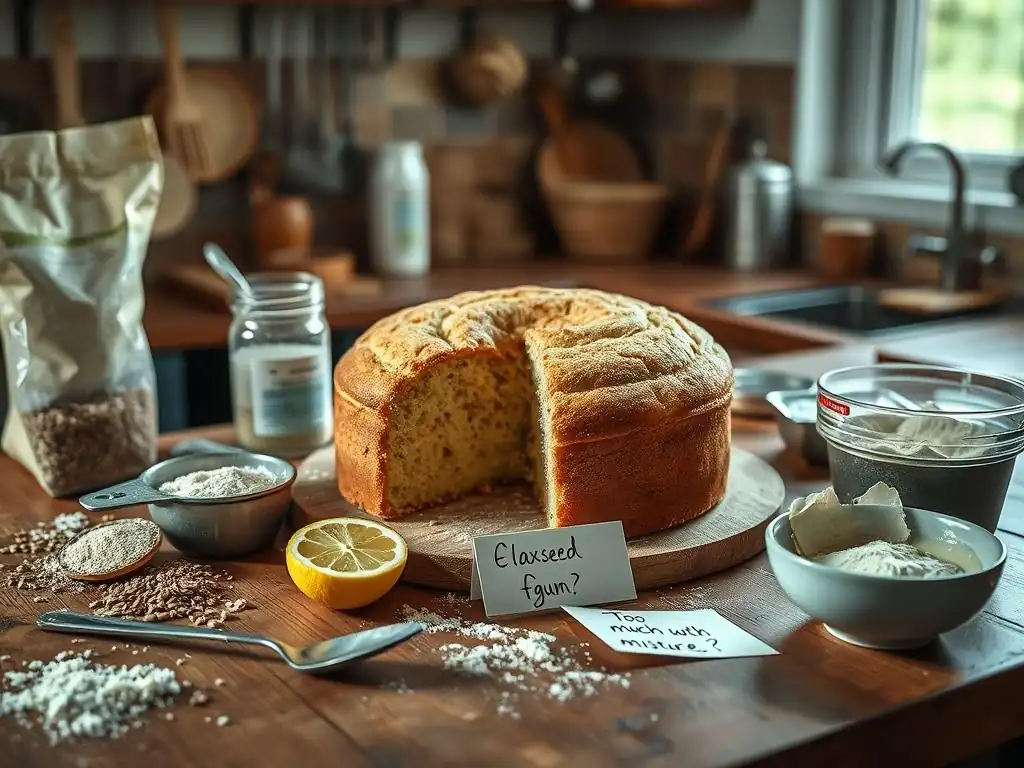
Recognizing the symptoms of glutenfree baking substitution problems is the first step to fixing them. Several tell-tale signs indicate that your substitute didn't perform as intended. A common issue is poor structure: cakes that sink in the middle, muffins that don't dome, or bread that collapses after baking.
Another symptom is undesirable texture – this could manifest as excessive crumbling (lack of binding), excessive density (lack of rise or too much binder/liquid), or a gummy, sticky interior (often too much starch or underbaking). For example, if you baked a batch of gluten-free cookies and they spread into flat, greasy discs instead of holding their shape, it's a clear sign the flour blend or binder ratio was likely incorrect for that recipe type, highlighting a typical glutenfree baking substitution problem.
Flavor issues are also a strong indicator of glutenfree baking substitution problems. If your baked goods taste bland, have a strange aftertaste, or have an off-putting 'starchy' flavor, the flour blend or ingredient ratios might be the culprit.
An example is substituting a significant portion of flour with coconut flour; if the liquid isn't increased appropriately, the final product will not only be dry but may also have an overwhelming coconut flavor that wasn't desired. Uneven browning or a pale crust can also signal problems with sugar ratios (which contribute to browning) or overall moisture levels, both of which can be thrown off by improper gluten-free substitutions.
Analyzing Ingredient Interactions in Glutenfree Baking
Understanding how ingredients interact is key to troubleshooting glutenfree baking substitution problems. In gluten-free baking, the interplay between flours, starches, binders, leaveners, fats, and liquids is particularly delicate. For instance, acidic ingredients (like buttermilk or lemon juice) react with baking soda to produce carbon dioxide, aiding in leavening. If your gluten-free blend is high in absorbent flours, it might require more liquid, which could dilute the effectiveness of leaveners if not accounted for. Binders like xanthan gum need liquid to hydrate and form a gel-like substance; insufficient liquid means the binder won't function properly, leading to crumbly results.
Fats also interact differently with gluten-free flours. In wheat baking, fat coats gluten strands, inhibiting their development and resulting in tenderness. In gluten-free baking, fat primarily contributes moisture and richness, preventing dryness which is a common glutenfree baking substitution problem.
The type of fat matters too; solid fats like butter or shortening create flakiness in pie crusts or biscuits by creating layers, while liquid fats like oil contribute to a more tender, cake-like crumb. Analyzing whether your substitution maintained the correct balance of these interacting forces – structure, moisture, leavening, and tenderness – is crucial for diagnosing what went wrong.
Common Glutenfree Flour Blends and Their Potential Pitfalls
Commercial gluten-free flour blends are designed to simplify baking, but they are not all created equal, and using the wrong one for a specific recipe can lead to glutenfree baking substitution problems. Most blends contain a mix of rice flour (white or brown), sorghum flour, millet flour, and starches like tapioca, potato, or cornstarch, plus a binder like xanthan gum.
However, the ratios vary significantly between brands. A blend high in rice flour might result in a slightly gritty texture, while one heavy on starches could lead to a gummy crumb if too much liquid is used or if it's overmixed.
For example, a blend marketed for cookies might have a higher proportion of starch for spread and tenderness, while a blend for bread needs more protein-rich flours (like sorghum or brown rice) and binder for structure and chewiness. Using a 'cookie blend' to make a loaf of bread will likely result in a dense, squat loaf that crumbles easily – a classic glutenfree baking substitution problem arising from mismatched flour properties.
Even using a 'cup-for-cup' blend can be problematic, as their weight per cup can differ from wheat flour (wheat flour is typically around 120-130 grams per cup), requiring adjustments for accurate measurement, especially in recipes that rely on precise ratios.
How to Fix Glutenfree Baking Substitution Problems for Better Results
Adjusting Ratios: Balancing Glutenfree Flours and Binders
Fixing glutenfree baking substitution problems often starts with adjusting the ratios of your dry ingredients, particularly the balance between flours, starches, and binders. If your baked goods are too crumbly, you likely need more binder.
A common starting point for xanthan gum is about ½ to 1 teaspoon per cup of gluten-free flour blend for cakes and muffins, and up to 1 ½ to 2 teaspoons per cup for yeast breads or recipes requiring more structure. Psyllium husk (whole or ground) is another binder option, often used at a ratio of about 1 tablespoon per cup of flour blend, sometimes requiring extra liquid as it's very absorbent.
Conversely, if your results are gummy or dense, you might have used too much binder or too much starch. Try reducing the amount of binder slightly in your next attempt. Also, consider the ratio of flour to starch in your blend.
A blend with too much tapioca or potato starch (say, over 40%) can easily become gummy. Adjusting ratios isn't just about the dry mix; it also involves the liquid. Since gluten-free flours absorb moisture differently, you may need to increase the liquid by a tablespoon or two at a time until the batter or dough reaches the desired consistency – often slightly wetter than its wheat counterpart – to combat glutenfree baking substitution problems related to dryness.
Choosing the Right Glutenfree Flour Substitutes for Different Recipes
Selecting the appropriate gluten-free flour substitute is critical for avoiding glutenfree baking substitution problems. Not all gluten-free flours are interchangeable, and the best choice depends heavily on the type of baked good you're making. For light, airy cakes and muffins, a blend with a higher proportion of starches (like tapioca or potato) combined with lighter flours (like white rice or sorghum) works well. For rustic breads or cookies, a blend incorporating more whole-grain gluten-free flours like brown rice, buckwheat, or millet will provide better structure and flavor.
Consider the specific properties of individual flours when tackling glutenfree baking substitution problems. Coconut flour, for instance, absorbs an enormous amount of liquid (up to 3-4 times its weight) and is very high in fiber and protein, making it unsuitable for a simple cup-for-cup swap in most recipes. It's best used in recipes specifically developed for it or in small amounts in a blend.
Almond flour, high in fat and protein but low in starch, works well in cookies, tarts, and some cakes for tenderness but lacks the structure needed for yeasted breads unless combined with other flours and binders. Matching the flour's characteristics to the desired outcome of the bake significantly reduces the likelihood of glutenfree baking substitution problems.
Incorporating Moisture and Binding Agents to Improve Glutenfree Bake Quality
Moisture management and effective binding are paramount when troubleshooting glutenfree baking substitution problems. Gluten-free doughs and batters often need more moisture than their wheat counterparts because the flours absorb liquids differently and lack the gluten network to trap steam during baking. Adding ingredients like applesauce, yogurt, sour cream, pumpkin puree, or extra oil or butter can significantly improve moisture levels and tenderness. For example, adding ¼ cup of applesauce to a gluten-free muffin recipe that turned out dry can dramatically improve its texture and moisture retention.
Binding agents are essential to provide the structure that gluten would normally supply, preventing crumbly or dense results – common glutenfree baking substitution problems. Beyond xanthan gum and psyllium husk, other binders include flax eggs (1 tbsp ground flaxseed + 3 tbsp water, let sit 5-10 mins), chia eggs (same ratio), or commercial egg replacers. Eggs themselves are excellent binders and provide richness and leavening.
When a recipe calls for a gluten-free substitution, ensuring you have an effective binder and sufficient moisture is key. A general rule of thumb is to ensure the batter is thick but pourable for cakes and muffins, and slightly sticky but manageable for kneading doughs, often stickier than a wheat dough.
Troubleshooting Specific Glutenfree Baking Issues Caused by Substitutions
Fixing Dry or Crumbly Glutenfree Baked Goods
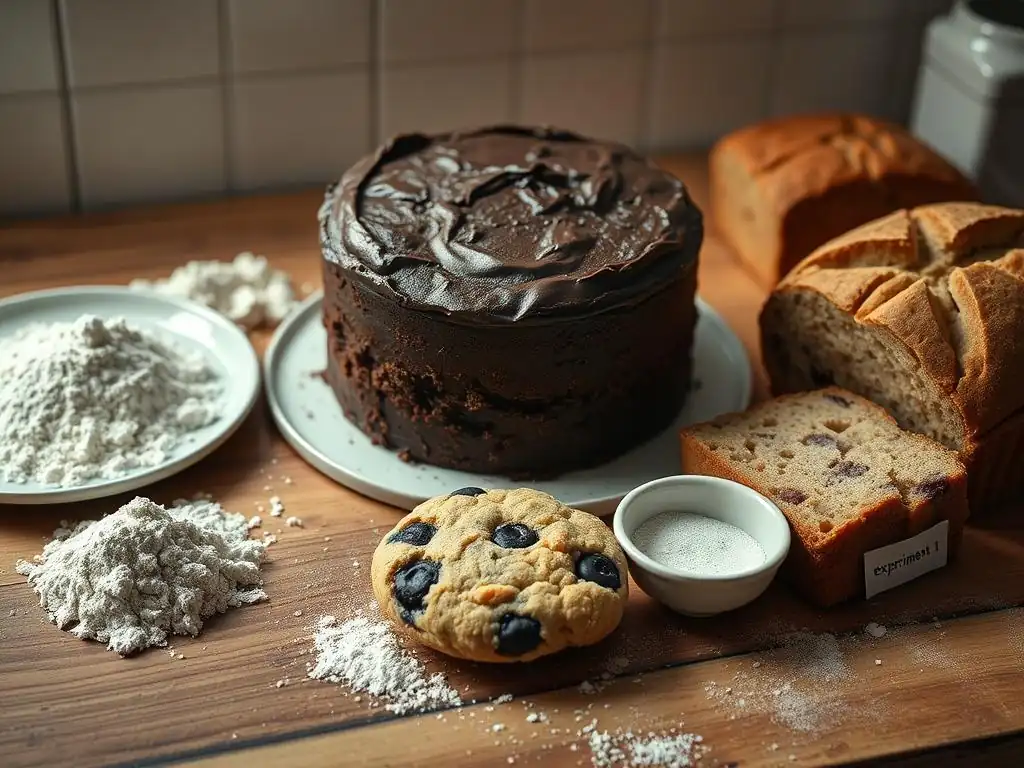
Dryness and crumbling are perhaps the most frequently encountered glutenfree baking substitution problems. This usually indicates a lack of moisture, insufficient fat, or inadequate binding. To fix this, first, check your measurements – using too much flour or not enough liquid is a common culprit. Ensure you're measuring gluten-free flour blends by weight (around 120-135 grams per cup, depending on the blend) rather than volume, as density varies. If measuring by volume, spoon the flour into the measuring cup and level off, don't scoop and pack it.
In subsequent baking attempts, increase the liquid slightly (1-2 tablespoons at a time) or add a moistening agent like extra oil, melted butter, yogurt, or a fruit/vegetable puree (like mashed banana or pumpkin). Adding or increasing a binder like xanthan gum (start with an extra ½ tsp per cup of flour) or psyllium husk can also help the ingredients stick together better. For cookies, ensuring enough fat is present (butter or oil) is crucial for tenderness and preventing crumbling. Baking at a slightly lower temperature for a little longer can also help prevent over-drying.
Solving Dense or Gummy Texture Problems in Glutenfree Cakes and Breads
A dense or gummy texture is another frustrating outcome of glutenfree baking substitution problems. Gummy interiors are often caused by using too much starch in the flour blend, overmixing the batter/dough (which can develop starches excessively), or underbaking. Dense results can stem from insufficient leavening, too much binder, or a blend that's too heavy. If your cake is gummy, try reducing the proportion of tapioca or potato starch in your blend or ensuring you're not overmixing once wet and dry ingredients are combined; mix just until combined.
To combat density, ensure your leavening agents (baking powder, baking soda, yeast) are fresh. Check the expiration dates! You might need to slightly increase the leavening agents in a gluten-free recipe compared to a wheat recipe, as the batter is heavier.
Ensure you're using the correct amount of binder – too much xanthan gum, for instance, can make things rubbery and dense. For breads, proper kneading (or mixing in a stand mixer) is still necessary to develop structure, even without gluten, and adequate rising time is crucial. Baking for the correct duration at the right temperature is also key; use a skewer test to check for doneness – it should come out clean, not with wet batter or dough attached.
Enhancing Rise and Structure When Glutenfree Substitutions Fail
Poor rise and lack of structure are classic glutenfree baking substitution problems because the gluten network is missing. To improve rise, first, verify your leavening agents are active. Baking powder can be tested by adding a teaspoon to hot water – it should bubble vigorously. Yeast can be proofed in warm water with a pinch of sugar – it should foam within 5-10 minutes. Ensure your liquids are at the correct temperature for yeast (around 105-115°F or 40-46°C).
To enhance structure, ensure you have adequate binding agents (xanthan gum, psyllium husk, etc.) in your recipe. These create a pseudo-structure that traps gases.
Using a blend with a good proportion of protein-rich gluten-free flours like sorghum, millet, or brown rice can also contribute to better structure than relying solely on starchy flours. For yeast breads, incorporating a tangzhong or roux method (cooking a small portion of the flour with liquid to form a paste before adding it to the dough) can significantly improve the crumb structure and moisture retention, helping to overcome glutenfree baking substitution problems related to poor rise and density.
Expert Tips and Techniques to Avoid Glutenfree Baking Substitution Mistakes
Testing and Experimenting with Glutenfree Flour Combinations
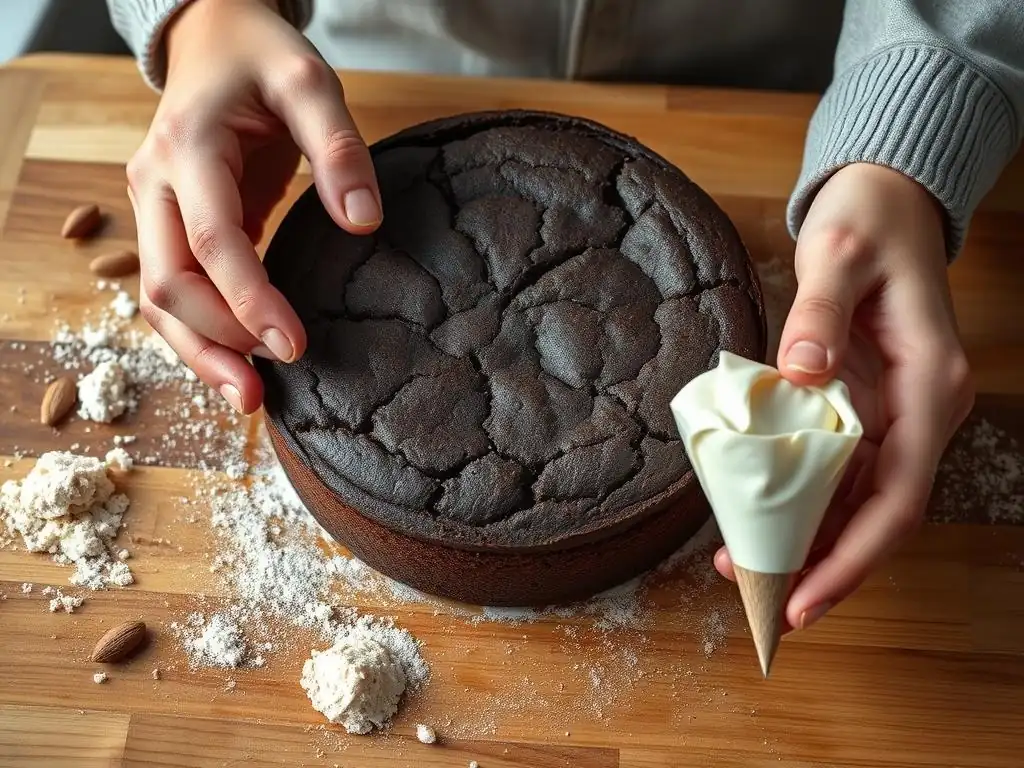
One of the most effective ways to avoid glutenfree baking substitution problems is through testing and experimentation. Relying on a single 'cup-for-cup' blend for all recipes can be hit or miss because recipes vary greatly in their structural needs. Instead, try creating your own versatile gluten-free flour blend based on common ratios that work well for various baked goods.
A good starting point might be a blend of 40% whole grain flour (like brown rice or sorghum), 30% starch (tapioca or potato), and 30% white rice flour. However, tailor this based on what works for you and the types of recipes you bake most often.
When testing a new blend or recipe, start small. Bake a half batch of cookies or just a few muffins. Pay close attention to the batter or dough consistency – is it too thick, too thin, too sticky? Note how it behaves during baking – does it spread correctly, does it rise?
Keep a baking journal to track your substitutions, ratios, and results. For example, if you attempted a cookie recipe with a blend high in brown rice flour and they turned out gritty, note that and try adjusting the next time to use a finer flour or a higher proportion of starch. This iterative process is invaluable for mastering glutenfree baking substitution problems.
How to Gradually Replace Gluten in Recipes Without Sacrificing Quality
Transitioning traditional wheat recipes to gluten-free can be challenging due to the inherent glutenfree baking substitution problems. Instead of attempting a full substitution all at once, consider a gradual approach for some recipes, especially those where gluten plays a critical role like yeast breads or delicate cakes.
While not truly "gluten-free," this method can help you understand the impact of reducing gluten and the function of potential substitutes. For instance, in a standard bread recipe, you might try replacing 25% of the wheat flour with a gluten-free bread blend containing a binder, observing the changes in dough handling and final texture.
For recipes where a complete gluten-free substitution is the goal, focus on replacing the function of gluten systematically. Identify what the gluten is doing in the original recipe (providing structure, chewiness, elasticity). Then, select your gluten-free flours and binders to replicate those functions.
For example, if making a chewy cookie, ensure your blend has enough binder and perhaps a flour like sorghum or millet that provides a bit more structure than white rice flour alone. Focus on perfecting one type of bake (like muffins or cookies) before tackling more complex ones like yeasted bread, incrementally building your understanding of how different gluten-free substitutes behave.
Using Commercial Glutenfree Baking Mixes: Pros and Cons
Commercial gluten-free baking mixes (like cake mixes, brownie mixes, or all-purpose blends) offer convenience and can be a good starting point, helping beginners avoid some initial glutenfree baking substitution problems. They provide pre-measured ratios of flours, starches, and binders, often yielding consistent results, especially for simpler recipes. This can be less intimidating than starting from scratch with individual flours. They also save time and reduce the need to stock multiple specialized ingredients initially.
However, relying solely on commercial mixes has drawbacks. Their composition varies significantly between brands, meaning a mix that works perfectly for one recipe might fail in another, contributing to unexpected glutenfree baking substitution problems. They can also be more expensive than buying individual flours.
Furthermore, using mixes limits your ability to customize blends for specific needs or dietary restrictions (e.g., avoiding cornstarch). While convenient, they don't teach you why certain substitutions work or fail, which is essential for truly mastering gluten-free baking and effectively troubleshooting glutenfree baking substitution problems on your own. For learning, experimenting with your own blends is often more educational in the long run.
Conclusion: Mastering Glutenfree Baking Substitutions to Overcome Common Problems
Recap of Key Strategies for Successful Glutenfree Baking Substitutions
Successfully navigating glutenfree baking substitution problems requires a multi-faceted approach. It begins with understanding that gluten-free flours behave differently from wheat and must be used in blends, often supplemented with binders like xanthan gum or psyllium husk to provide structure and prevent crumbling. Accurate measurement, preferably by weight, is crucial as gluten-free flour densities vary. Managing moisture is equally important; gluten-free batters and doughs often need more liquid or added moistening agents like fats or purees to prevent dryness and gumminess.
Choosing the right blend for the right recipe type is also key – a starchy blend for light cakes versus a blend with more whole grains and binder for bread. Troubleshooting specific issues involves diagnosing the symptom (crumbling, density, poor rise) and adjusting the likely cause – increasing binder for crumbling, adjusting liquid or starch for gumminess, and ensuring leaveners are active for poor rise. Experimentation, keeping notes, and learning from each baking attempt are vital steps in mastering the art of gluten-free substitutions and consistently achieving delicious results.
Encouragement to Experiment and Learn From Glutenfree Baking Challenges
While encountering glutenfree baking substitution problems can be disheartening, view each less-than-perfect bake as a learning opportunity. Every dense loaf or crumbly cookie teaches you something valuable about how specific gluten-free flours and ingredients interact. Don't be afraid to tweak recipes, adjust ratios, and try different combinations of flours and binders. Baking is a science, but it also involves feel and intuition, which develop with practice.
Embrace the process of experimentation. Try varying the amount of liquid, using a different binder, or adjusting baking times and temperatures slightly. Keep track of what works and what doesn't. The more you bake, the better you will become at predicting how different gluten-free substitutions will behave and how to adjust them to achieve the desired texture and flavor. Overcoming glutenfree baking substitution problems is a journey, but with patience and practice, you'll be creating consistently successful and delicious gluten-free baked goods.
Frequently Asked Questions
What are the most common gluten-free flour substitutions and what are their typical ratios compared to wheat flour?
Common substitutions include rice flour, almond flour, and tapioca starch. Ratios vary, but generally, a blend of flours is needed, not a 1:1 replacement for wheat flour.
Why does my gluten-free baked good often end up crumbly or dry?
This is usually due to the lack of gluten's binding properties. Adding gums like xanthan gum or increasing moisture can help improve the texture.
How can I prevent my gluten-free bread from being dense and heavy?
Overmixing is a common culprit. Also, ensure your yeast is active and consider using a starter for better rise and texture.
What role do binders like xanthan gum or guar gum play in gluten-free baking, and how much should I use?
These gums act as gluten replacements, providing structure and binding. Usage varies, but generally, a small amount (1/4 - 1/2 teaspoon per cup of flour) is sufficient.
My gluten-free cake tastes gritty. What causes this, and how can I avoid it?
Grittiness often comes from certain gluten-free flours, like rice flour. Using a finer grind of flour or combining it with other flours helps to create a smoother texture.
Final Reflection: The Sweet Science of Gluten-Free Baking
Mastering gluten-free baking isn't just about swapping ingredients; it's about understanding the intricate dance of texture and flavor. The frustration of a collapsed cake or a gummy cookie is a familiar experience for many, but with the right knowledge and a dash of perseverance, even the most challenging gluten-free substitutions can yield delicious results. This article has explored common pitfalls and provided solutions, empowering you to confidently navigate the world of gluten-free baking.
The journey of perfecting gluten-free recipes is a testament to the power of adaptation and innovation within the culinary arts. It's a journey I've personally undertaken, filled with both triumphs and setbacks. The constant experimentation and the eventual satisfaction of a perfectly risen loaf or a melt-in-your-mouth brownie are deeply rewarding. The greatest glory in living lies not in never falling, but in rising every time we fall.
- Nelson Mandela. This quote perfectly encapsulates the spirit of gluten-free baking – a process of learning, adapting, and ultimately, achieving success.
Now, it's your turn to embrace the challenge. Don't be discouraged by initial failures; view them as opportunities to learn and refine your technique. Experiment with different flours, starches, and binders, keeping detailed notes of your successes and failures. With each attempt, you'll gain a deeper understanding of the science behind gluten-free baking, ultimately leading you to create delicious and satisfying gluten-free treats that you'll be proud to share. So, grab your mixing bowls, embrace the process, and unlock the secrets to gluten-free baking mastery!
Unlock Your Gluten-Free Baking Potential!
Thanks for exploring the world of gluten-free baking with us! We hope you gained valuable insights into troubleshooting common ingredient substitutions. Are you ready to elevate your baking skills?
- Master your next gluten-free recipe: Try out one of the recipes shared in the article, paying close attention to the techniques discussed. This is your opportunity to put your new knowledge into practice!
- Share your baking successes (and challenges!): Join our BakeWithEase community on social media and share your gluten-free baking journey. Let’s learn from each other!
- Experiment with a new flour blend: Don’t hesitate to try a different blend this week! Even small adjustments can significantly impact texture and flavor.
Ready to create something delicious? What’s your favorite gluten-free substitution, and what makes it your go-to?