
Easy Guide to Baking Traditional Irish Soda Bread

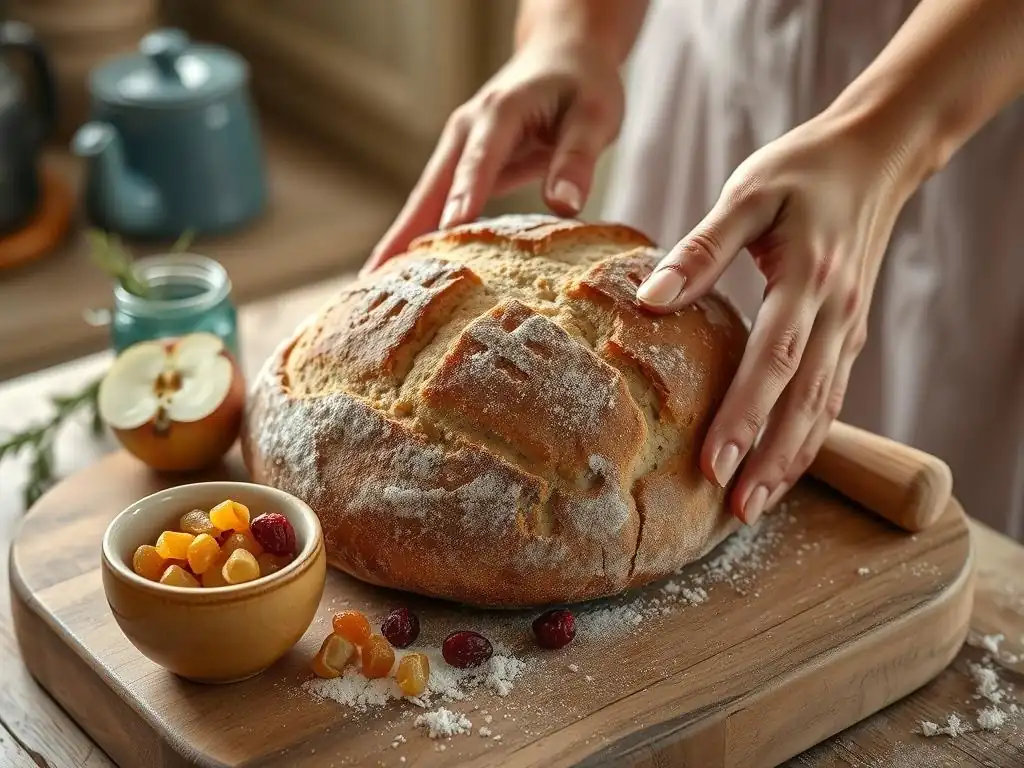
Welcome to BakeWithEase, where we believe everyone can bake! Are you ready to unlock the secrets to perfectly rustic bread? Discover our easy Irish soda bread recipe for beginners and experience the satisfaction of creating a delicious loaf with just a few simple ingredients. Curious about the secret to that perfect crumb? Keep reading to find out!
- Rustic Charm: Your Guide to Baking Authentic Irish Soda Bread
- Understanding Authentic Irish Soda Bread: A Simple Recipe
- Gathering Your Ingredients for Authentic Irish Soda Bread
- Step-by-Step Recipe for Simple Irish Soda Bread
- Tips and Tricks for the Perfect Irish Soda Bread
- Serving and Enjoying Your Homemade Irish Soda Bread
- Expanding Your Skills: Beyond the Basics
- Frequently Asked Questions
- Final Reflection: The Enduring Charm of Simple Baking
- Unleash Your Inner Baker: Bake Your Own Soda Bread Today!
Rustic Charm: Your Guide to Baking Authentic Irish Soda Bread
Welcome to Your Guide to Baking Irish Soda Bread
Welcome, fellow baking enthusiasts! If you've ever dreamed of pulling a warm, crusty loaf of bread from your oven with minimal fuss, you've come to the right place. Irish soda bread is a true marvel of simplicity and speed, requiring no yeast, no kneading, and very little waiting around. It's the perfect introduction to bread baking for anyone, offering delicious results with just a few basic ingredients and steps. This guide is designed to walk you through creating a beautiful, traditional loaf that tastes as good as it looks.
This particular Irish soda bread recipe beginner approach focuses on the core techniques and ingredients that make this bread so beloved. We'll demystify the process, showing you how easy it is to achieve a wonderfully rustic loaf with a tender crumb and that signature crisp crust. Whether you're completely new to baking or just want a reliable, quick bread recipe, this traditional Irish soda bread recipe is a fantastic place to start your journey.
Understanding Authentic Irish Soda Bread: A Simple Recipe
What is Irish Soda Bread and Why Bake It?
Irish soda bread is a type of quick bread traditionally made in Ireland. Unlike most conventional breads that rely on yeast for leavening, soda bread uses baking soda (sodium bicarbonate) as its primary leavening agent. This baking soda reacts with an acid, most commonly found in buttermilk, to produce carbon dioxide bubbles. These bubbles cause the dough to rise during baking, resulting in a dense yet tender crumb. Its simplicity stems from its historical origins – it was developed as a practical, everyday bread using readily available ingredients.
Baking Irish soda bread is incredibly rewarding, especially for beginners. The process is forgiving, and the results are relatively quick compared to yeast breads that require multiple rises. Furthermore, this simple Irish soda bread recipe allows you to connect with a piece of culinary history while creating a delicious and versatile loaf. It's perfect served warm with butter, alongside soups or stews, or even toasted for breakfast. Mastering this Irish soda bread recipe beginner guide will give you a staple in your baking repertoire.
A Brief History of Irish Soda Bread
The concept of using soda ash (a precursor to baking soda) to leaven bread dates back centuries, even before modern baking soda was widely available. However, the Irish variation, specifically using baking soda and buttermilk, became prominent in the 19th century. This was a time when ovens were not universally common in Irish households; baking was often done in a pot oven or bastible over an open hearth. A quick-rising bread like soda bread, which could be cooked relatively quickly, was ideal for these conditions.
The simplicity of ingredients – flour, baking soda, salt, and buttermilk – made it an accessible staple for many families, particularly during periods of hardship. While regional variations exist (some adding wholemeal flour, others oats or seeds), the core principle remains the same. This historical context underscores why an Irish soda bread recipe beginner version remains so straightforward and practical today, reflecting its humble yet essential origins.
Why This Irish Soda Bread Recipe is Perfect for Anyone
This particular Irish soda bread recipe is designed with ease and success in mind, making it truly perfect for anyone, especially those new to bread making. The ingredient list is short and common, and the method involves minimal handling of the dough. Unlike yeast breads that can be sensitive to temperature and require precise timing for proofing, soda bread is much more forgiving. The reaction between the baking soda and buttermilk happens quickly once they are combined, meaning you can mix and bake relatively fast.
The recipe emphasizes a light touch when mixing and shaping, which is key to preventing a tough loaf – a common pitfall in baking. By following this simple Irish soda bread recipe beginner approach, you'll learn the fundamental principles of quick bread baking without the complexities of yeast. It's a confidence-building bake that consistently delivers a satisfying result, encouraging you to explore more baking adventures.
Gathering Your Ingredients for Authentic Irish Soda Bread
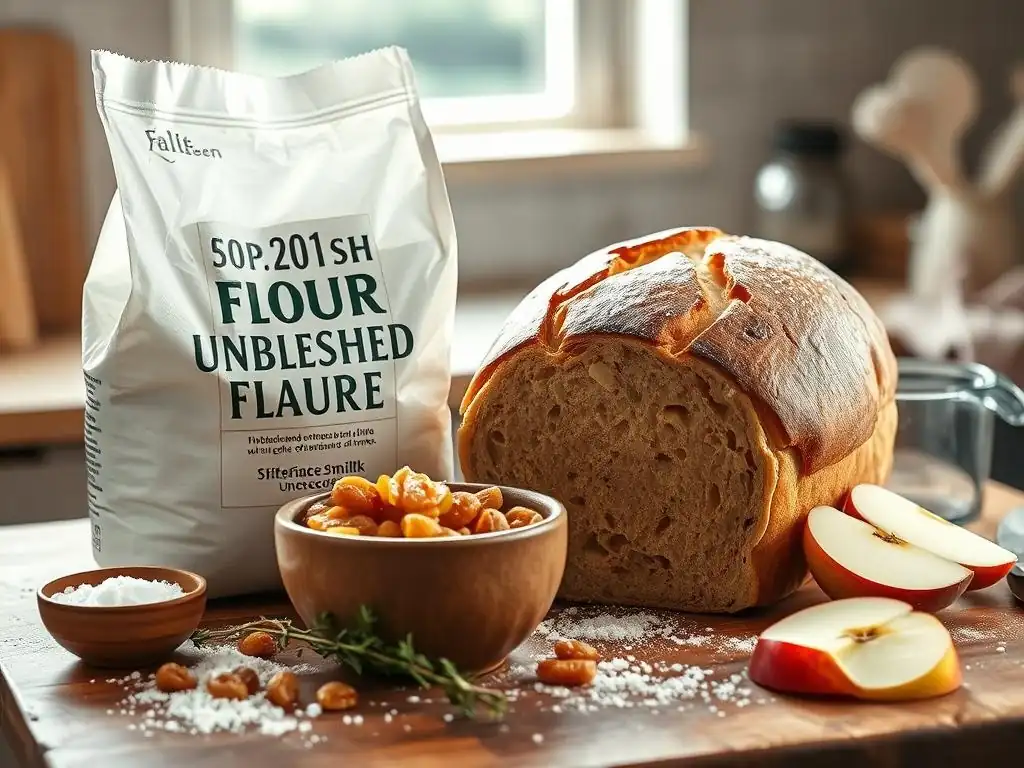
Essential Ingredients for a Classic Irish Soda Bread
A classic Irish soda bread recipe relies on just four core ingredients. The magic happens when these simple elements combine correctly. Getting these right is the first step to a successful bake, particularly when following an Irish soda bread recipe beginner guide.
These essential components work together to provide the structure, leavening, flavor, and moisture needed for that characteristic rustic loaf. Understanding the role of each is helpful for any beginner baker.
Flour: Selecting the Right Type
For a traditional white Irish soda bread, plain white flour (all-purpose flour in the US) is the standard choice. Look for unbleached flour if possible, as it can sometimes yield slightly better results. While some recipes incorporate wholemeal flour for added texture and nutrition, sticking to plain white flour for your first attempt with this Irish soda bread recipe beginner helps keep the process simple and predictable.
Using the correct amount of flour is crucial. Too much flour can lead to a dry, dense loaf, while too little will make the dough too wet and difficult to handle. Typically, a standard recipe uses around 400-500 grams (about 3-4 cups) of flour. Sifting the flour isn't strictly necessary for soda bread, but measuring accurately, perhaps using the spoon-and-level method if using cups, is recommended for consistency.
Baking Soda: The Leavening Agent
Baking soda (sodium bicarbonate) is the sole leavening agent in Irish soda bread. It requires an acid to activate and produce carbon dioxide gas, which creates the lift in the bread. Ensure your baking soda is fresh; old baking soda may not react properly, resulting in a flat, heavy loaf. A common test for freshness is to add a little baking soda to a small amount of vinegar or lemon juice – it should fizz vigorously.
Approximately 1 teaspoon to 1.5 teaspoons of baking soda is typically used per 400-500 grams of flour in a standard Irish soda bread recipe beginner. This amount provides sufficient lift without leaving a noticeable soapy taste, which can occur if too much is used. It's essential to distribute the baking soda evenly throughout the dry ingredients before adding the liquid.
Buttermilk: Adding Moisture and Tang
Buttermilk is the traditional acidic liquid used in Irish soda bread. Its acidity reacts with the baking soda, causing the bread to rise. Beyond leavening, buttermilk contributes significantly to the bread's flavor, giving it a slight tang, and also helps create a tender crumb. Using full-fat buttermilk is often recommended for the best texture and richness.
The amount of buttermilk needed can vary slightly depending on the flour's absorption, but a typical Irish soda bread recipe beginner will call for around 300-400 ml (about 1 ¼ - 1 ¾ cups). The goal is to add just enough buttermilk to bring the dry ingredients together into a soft, slightly sticky dough. Adding too much will make the dough soupy, while too little will result in a dry, crumbly dough that won't hold its shape.
Salt: Balancing the Flavors
Salt is a vital ingredient in almost all bread recipes, including Irish soda bread. It doesn't directly contribute to the structure or leavening but plays a crucial role in enhancing and balancing the overall flavor of the bread. Without salt, the bread can taste bland and flat.
A standard Irish soda bread recipe beginner usually includes about 1 teaspoon of salt per 400-500 grams of flour. Using fine sea salt or table salt works perfectly well. Ensure it's mixed thoroughly with the flour and baking soda before the buttermilk is added to ensure even distribution throughout the dough.
Optional Ingredients: Exploring Variations
While the classic four ingredients make a perfect loaf, adding optional ingredients is a great way to customize your Irish soda bread. These additions can introduce sweetness, different textures, or aromatic flavors. As you get comfortable with the basic Irish soda bread recipe beginner, feel free to experiment with these variations.
Remember to incorporate these optional ingredients into the dry mixture before adding the buttermilk. This helps ensure they are evenly distributed throughout the dough.
Raisins or Currants: Adding Sweetness
Adding dried fruit like raisins or currants is a popular variation, creating what is sometimes called "Spotted Dog" bread. These fruits add pockets of sweetness that contrast nicely with the slight tang of the buttermilk. They also add a pleasant chewiness to the crumb.
For a standard loaf, adding around 50-100 grams (about ½ - 1 cup) of raisins or currants is typical. You can lightly flour the fruit before adding it to the dry ingredients to help prevent them from sinking to the bottom of the loaf during baking. This sweet variation is a delightful twist on the classic Irish soda bread recipe beginner.
Caraway Seeds: For a Traditional Flavor
Caraway seeds are another traditional addition, especially in certain regions of Ireland. They impart a warm, slightly anise-like flavor that pairs wonderfully with the rustic nature of the bread. This savory addition is less common in modern versions but offers a taste of historical authenticity.
If you enjoy the flavor, add about 1-2 teaspoons of caraway seeds to the dry ingredients. The intensity of the flavor can vary depending on the freshness of the seeds, so start with a smaller amount if you're unsure. Including caraway seeds adds another layer of complexity to this simple Irish soda bread recipe beginner.
Step-by-Step Recipe for Simple Irish Soda Bread
Preparing Your Baking Equipment
Before you begin mixing, gather all your necessary equipment. This makes the baking process smoother and ensures you have everything at hand when the time comes, which is particularly helpful when following an Irish soda bread recipe beginner. You won't need fancy gadgets, just a few kitchen essentials.
You'll need:
- A large mixing bowl
- Measuring cups and spoons (or a kitchen scale)
- A baking sheet or cast-iron pan
- Parchment paper (optional, for easy cleanup)
- A sharp knife or razor blade for scoring
- An oven preheated to the correct temperature
Mixing the Dough: A Quick Method
The beauty of Irish soda bread lies in its quick mixing method. Unlike yeast doughs that require kneading to develop gluten, soda bread dough should be handled as little as possible. Overworking the dough will develop gluten, resulting in a tough, dense loaf instead of a tender one. This minimal handling is a key feature of this Irish soda bread recipe beginner.
The entire mixing process, from combining dry ingredients to forming the dough, should only take a few minutes. Work quickly and confidently once the wet ingredients are added.
Combining the Dry Ingredients
Start by accurately measuring your flour into your large mixing bowl. Add the baking soda and salt (and any optional dry ingredients like caraway seeds or floured dried fruit) to the flour. Use a whisk or a spoon to thoroughly combine these dry ingredients. This ensures that the baking soda and salt are evenly distributed throughout the flour, which is essential for consistent leavening and flavor in your Irish soda bread recipe beginner.
Making a well in the center of the dry ingredients is a common technique. This creates a space to pour the buttermilk, making it easier to incorporate evenly. Ensure there are no large clumps of baking soda or salt visible in the flour mixture before proceeding.
Adding Buttermilk: Achieving the Correct Consistency
Measure the buttermilk and pour most of it into the well in the center of the dry ingredients. Reserve a small amount, as you may not need it all. Using a spoon or your hand (shaped like a claw), quickly start incorporating the dry ingredients into the buttermilk from the sides of the bowl. Mix until the dough just comes together. It should be soft, shaggy, and slightly sticky.
Add the reserved buttermilk only if necessary to bring all the dry bits into the dough. Avoid the temptation to add too much liquid; a common mistake is making the dough too wet. The dough for this Irish soda bread recipe beginner should be just wet enough to hold its shape but not so sticky that it's impossible to handle briefly. Resist the urge to mix vigorously or for an extended time.
Shaping the Dough: Creating the Round
Once the dough has just come together in the bowl, turn it out onto a lightly floured surface. Your hands should also be lightly floured. Quickly and gently bring the dough together into a round shape. Do not knead the dough. Think of it more like gently coaxing the shaggy mass into a rough circle or ball. Handle it as little as possible, perhaps for only 10-15 seconds total.
The traditional shape is a rustic round loaf, about 6-8 inches in diameter and roughly 2 inches high. Place the shaped dough onto your prepared baking sheet or into your cast-iron pan. The less you handle the dough at this stage, the more tender your final bread will be. This gentle handling is paramount for a successful Irish soda bread recipe beginner.
Scoring the Dough: The Signature Cut
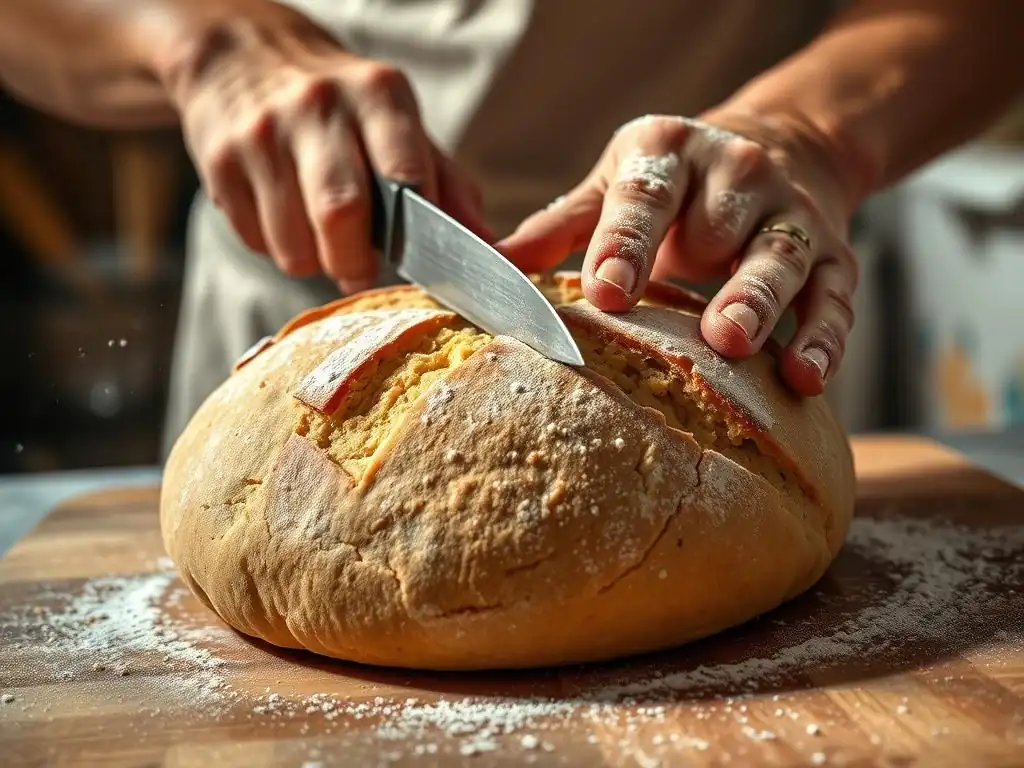
Before baking, the loaf needs to be scored. The traditional score for Irish soda bread is a deep cross cut into the top of the round. This is not just for decoration; it serves a functional purpose. Scoring allows the heat to penetrate the thickest part of the loaf during baking, helping it cook through evenly. It also allows the bread to expand predictably as it rises in the oven.
Using a sharp knife or a razor blade (a 'lame' if you have one), make a cut about half an inch deep, extending almost to the edges of the loaf, forming a large 'X'. Some bakers also make small cuts in the four quadrants created by the 'X', traditionally said to let the fairies out! This step is quick but important for achieving that classic look and ensuring an even bake in your Irish soda bread recipe beginner.
Baking Your Irish Soda Bread
Baking is where the magic happens, as the baking soda and buttermilk react fully in the heat of the oven to give the bread its final lift and structure. Getting the temperature and timing right is key to a well-baked loaf with a good crust and tender interior. Follow these guidelines for your Irish soda bread recipe beginner.
Ensure your oven is fully preheated before placing the bread inside. An oven thermometer can help verify the temperature accuracy.
Oven Temperature and Baking Time
Preheat your oven to a relatively high temperature, typically around 200°C (400°F) or even slightly higher, like 220°C (425°F). The initial high heat helps the bread rise quickly and develop a good crust. Bake the loaf for approximately 30-40 minutes. The exact time will depend on your oven and the size of your loaf.
After about 20-25 minutes, you might notice the crust is nicely browned. If it seems to be browning too quickly, you can loosely tent the loaf with aluminum foil for the remaining baking time. This protects the crust while allowing the interior to finish cooking.
Checking for Doneness
To check if your Irish soda bread is done, the most reliable method is to tap the bottom of the loaf. Carefully remove the bread from the oven (using oven mitts!) and gently lift it. Flick the bottom of the loaf with your knuckle. If it sounds hollow, the bread is fully baked. If it sounds dense or dull, return it to the oven for another 5-10 minutes and check again.
Another indicator is the internal temperature, though less common for this rustic bread. A fully baked loaf should reach an internal temperature of around 90-95°C (195-205°F). The crust should be golden brown and firm.
Cooling and Storing Your Freshly Baked Bread
Once baked, immediately transfer the Irish soda bread to a wire rack to cool. Cooling on a rack allows air to circulate around the entire loaf, preventing the bottom crust from becoming soggy. While it's tempting to slice into the warm bread right away, allowing it to cool for at least 15-20 minutes improves the texture and makes it easier to slice cleanly.
For optimal enjoyment, Irish soda bread is best eaten fresh, ideally on the day it's baked. If you have leftovers, store them wrapped in a clean tea towel or in a paper bag at room temperature for a day or two. Avoid storing it in plastic, as this can soften the crust. For longer storage, the bread can be sliced and frozen.
Tips and Tricks for the Perfect Irish Soda Bread
Avoiding Common Baking Mistakes
Even with a simple recipe like Irish soda bread, there are a few common pitfalls that beginners might encounter. Being aware of these can help you achieve a perfect loaf every time. One of the most frequent mistakes is overworking the dough. Remember, this is not a yeast bread; kneading develops gluten, which will make your soda bread tough. Handle the dough just enough to bring it together.
Another common issue is using old baking soda or insufficient buttermilk. The reaction between these two is vital for leavening. Ensure your baking soda is fresh and use the correct amount of buttermilk to achieve a soft, slightly sticky dough consistency. Don't add too much flour during shaping either, as this can dry out the dough. Following this Irish soda bread recipe beginner guide carefully minimizes these risks.
Achieving the Right Crust and Crumb
The ideal Irish soda bread has a wonderfully rustic, firm crust and a relatively dense but tender crumb. The crust develops during baking due to the high initial temperature. For a crispier crust, some bakers lightly brush the loaf with buttermilk before baking. Ensuring the oven is fully preheated is also crucial for crust development.
The crumb texture is primarily influenced by the dough consistency and how much you handle it. A dough that is too dry will result in a crumbly, dense interior. A dough that is too wet might be heavy. Gentle mixing and minimal handling help keep the crumb tender. The tang and moisture from the buttermilk are also key contributors to the desirable crumb texture in this Irish soda bread recipe beginner.
Troubleshooting Your Bread
Sometimes, despite following the steps, your bread might not turn out exactly as expected. Don't worry! Baking is a learning process. Let's look at a couple of common issues you might face with your Irish soda bread recipe beginner.
Understanding the potential causes helps you adjust for your next bake. Keep notes if you like, detailing what you did and the result.
Dough Consistency Issues
If your dough is too dry and crumbly, it likely needs more liquid. Add the remaining reserved buttermilk a tablespoon at a time until the dough just comes together. If it's too wet and sticky, resist the urge to add a lot of extra flour while mixing or shaping. A little extra flour on your hands and surface is okay, but incorporating too much into the dough will change the ratio and can make it tough. Next time, try using slightly less buttermilk initially or ensure your flour measurement was accurate.
Remember, the dough should be soft and slightly shaggy, not a smooth ball like yeast dough. It should be just manageable enough to form into a round shape quickly on a lightly floured surface.
Rising Problems
If your Irish soda bread didn't rise well and is very flat and dense, the most likely culprits are either inactive baking soda or insufficient acidity from the buttermilk. Check the expiry date of your baking soda and ensure it's fresh. Also, make sure you are using actual buttermilk, not a substitute like milk with vinegar added (while this can work in a pinch, real buttermilk provides better results and consistent acidity).
Ensure you added the correct amount of both baking soda and buttermilk as specified in the Irish soda bread recipe beginner. Also, baking the bread immediately after mixing is important, as the leavening reaction starts as soon as the wet and dry ingredients combine. Delaying baking can result in lost leavening power.
Serving and Enjoying Your Homemade Irish Soda Bread
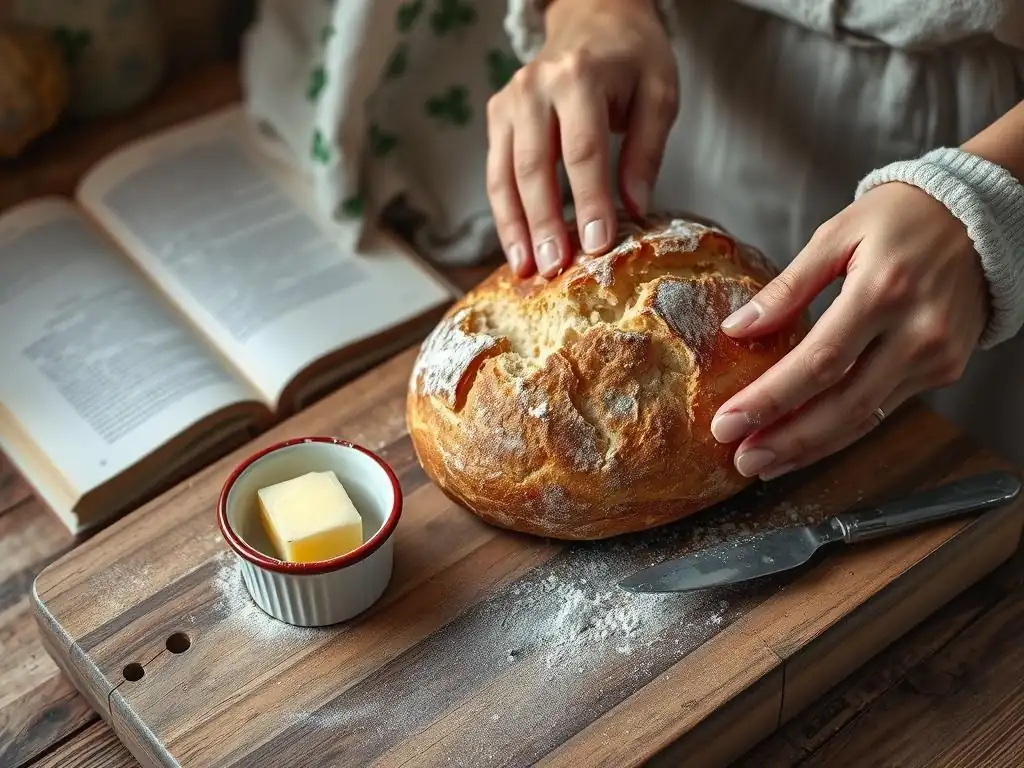
Traditional Serving Suggestions
Irish soda bread is wonderfully versatile and pairs well with many dishes. Traditionally, it's served warm, sliced, and generously spread with butter. The combination of the slightly tangy bread and rich butter is simple perfection. It's also a fantastic accompaniment to hearty soups and stews, where its rustic texture is perfect for soaking up flavorful broths.
Consider serving it alongside a traditional Irish stew or a simple vegetable soup. The dense crumb holds up well and provides a satisfying contrast to the liquid. A slice of warm soda bread with butter and a cup of tea is also a classic, comforting snack.
Delicious Pairings
Beyond traditional uses, Irish soda bread can be enjoyed in many ways. Try serving it with cheese; a sharp cheddar or a creamy goat cheese can be delightful. It also makes a sturdy base for open-faced sandwiches, especially with smoked salmon or cold cuts.
For a sweeter twist, particularly if you've added dried fruit to your Irish soda bread recipe beginner, serve it with jam, marmalade, or honey. Toasted slices can also be a great base for avocado toast or other breakfast toppings. The possibilities are plentiful once you have a fresh loaf baked from this simple recipe.
Storing Leftover Bread
As mentioned, Irish soda bread is best enjoyed on the day it's baked for the freshest crust and crumb. However, if you have leftovers, you can store them to enjoy later. Wrap the cooled bread in a clean tea towel or place it in a paper bag. This allows the crust to breathe slightly while preventing it from drying out too quickly. Store it at room temperature for up to 2 days.
For longer storage, slicing the bread before freezing is highly recommended. Place slices in a freezer-safe bag or container, separated by parchment paper if stacking. Frozen slices can be toasted directly from the freezer, offering a quick way to enjoy your homemade Irish soda bread recipe beginner anytime.
Expanding Your Skills: Beyond the Basics
Experimenting with Flavors
Once you've successfully baked the classic Irish soda bread recipe beginner, feel free to get creative and experiment with adding different flavors. Savory additions like grated cheese (cheddar or Parmesan), chopped fresh herbs (rosemary, chives, thyme), or even finely chopped onion or garlic can transform the loaf. For a different texture, try adding oats or other seeds to the dough.
Sweet variations can include different dried fruits like cranberries or chopped dried apricots, citrus zest (lemon or orange), or even a touch of sugar or honey in the dough itself, though traditional soda bread is not sweet. Start by adding small amounts (e.g., ¼ - ½ cup of cheese, 1-2 tablespoons of herbs) to see how they affect the flavor and texture.
Adapting the Recipe for Dietary Needs
While the traditional Irish soda bread recipe beginner relies on wheat flour and buttermilk, with some adjustments, it's possible to adapt it for certain dietary needs. For those avoiding gluten, a blend of gluten-free flours (like a mix of rice flour, oat flour, and potato starch) combined with a binder like xanthan gum can sometimes work, though the texture will differ significantly.
For a dairy-free or vegan version, substitute the buttermilk with a plant-based milk alternative mixed with a tablespoon of vinegar or lemon juice (let it sit for 5-10 minutes to curdle). Ensure your margarine or oil is also dairy-free if replacing any butter used for brushing. These adaptations require some experimentation, but the basic principle of using baking soda and an acid can be applied.
Baking is often more fun when you share the results! Your freshly baked Irish soda bread, made following this simple Irish soda bread recipe beginner guide, is perfect for sharing with family and friends. Bring a loaf to a potluck, serve it at brunch, or simply enjoy it together with a meal.
Don't be afraid to show off your beautiful rustic loaf. The process is simple, but the result is impressive. As you continue baking, remember that each loaf is a chance to learn and improve. Enjoy the process and the delicious bread you create!
Frequently Asked Questions
What makes Irish soda bread different from other types of bread?
Irish soda bread traditionally uses baking soda as a leavening agent instead of yeast. This results in a dense and quick-to-make bread with a distinctive texture.
Is Irish soda bread recipe beginner-friendly?
Yes, absolutely! Irish soda bread is known for its simplicity and minimal ingredients. The recipe requires no kneading or proofing, making it ideal for beginners.
What are the key ingredients in an Irish soda bread recipe?
The essential ingredients are flour, baking soda, salt, and buttermilk. Some variations may include additions like raisins or caraway seeds for added flavor.
How do I know when my Irish soda bread is done baking?
The loaf is ready when it sounds hollow when tapped on the bottom. A toothpick inserted into the center should also come out clean, or with just a few moist crumbs.
Can I substitute ingredients in an Irish soda bread recipe?
While you can experiment, sticking to the core ingredients is best for a traditional loaf. Buttermilk can be substituted with milk mixed with vinegar or lemon juice, but baking soda is crucial.
Final Reflection: The Enduring Charm of Simple Baking
The humble Irish soda bread, a testament to resourcefulness and delicious simplicity, remains a comforting staple in kitchens worldwide. Its enduring popularity speaks to a deeper connection with tradition and the satisfaction of creating something delicious with minimal fuss. This easy-to-follow recipe, designed for beginner bakers, aims to unlock that joy for a new generation.
The process of making soda bread, from the satisfying thud of the dough to the warm, crusty loaf emerging from the oven, is a tactile and deeply rewarding experience. It's a connection to a rich culinary heritage, a reminder of simpler times, and a celebration of the power of basic ingredients transformed into something extraordinary. Baking is at once child's play and adult joy. And love, of course.
- Joanne Chang. This quote perfectly encapsulates the magic of baking soda bread – a process accessible to all, yet yielding a result that brings immense satisfaction.
Now, I invite you to roll up your sleeves, gather your ingredients, and embark on your own soda bread journey. Don't be afraid to experiment, to adapt the recipe to your own tastes, and to share the warmth and deliciousness of this traditional bread with those you love. The simple act of baking can be a powerful act of connection, a bridge between generations, and a source of lasting joy. Let the aroma of freshly baked soda bread fill your home and your heart.
Unleash Your Inner Baker: Bake Your Own Soda Bread Today!
Thanks for joining us on this baking adventure! We hope you now feel confident and excited to tackle the deliciousness that is Irish Soda Bread. Ready to put your new skills to the test?
- Bake your own loaf! Use the recipe we provided to create your very own perfectly crumbly soda bread. Imagine the warm, comforting aroma filling your kitchen!
- Share your creation! Snap a picture of your masterpiece and post it on social media using #BakeWithEaseSodaBread – let’s see those baking triumphs!
- Experiment with additions: Try adding some dried fruit, herbs, or cheese to the recipe – the possibilities are endless!
So, what unique twist will you add to your first Irish Soda Bread? Let's hear your ideas in the comments below!