
Reviving Stale Whole Wheat Bread: Tips & Tricks

Welcome to BakeWithEase, where baking becomes a joy, not a chore! Are you staring at a loaf of stale whole wheat bread, wondering if it's destined for the bin? Fear not! We're about to reveal the secrets to reviving stale whole wheat bread, transforming it from dry and crumbly to delightfully edible. Intrigued? Keep reading to discover our simple tips and tricks that will breathe new life into your forgotten loaf. You might be surprised at just how delicious "old" bread can be!
- Reviving Stale Whole Wheat Bread: Tips & Tricks for BakeWithEase
- Introduction: Breathe New Life into Your Whole Wheat Loaf
- Understanding Why Whole Wheat Bread Goes Stale
- Prevention is Key: Storing Whole Wheat Bread Properly
- Methods for Reviving Stale Whole Wheat Bread: A Comprehensive Guide
- Creative Ways to Use Stale Whole Wheat Bread: Beyond Revival
- Troubleshooting Common Problems When Reviving Stale Whole Wheat Bread
- Conclusion: Mastering the Art of Whole Wheat Bread Revival with BakeWithEase
-
Frequently Asked Questions
- How can I tell if my whole wheat bread is actually stale and not just dry?
- What's the quickest way to refresh a single slice of stale whole wheat bread?
- Can I use stale whole wheat bread to make breadcrumbs?
- Besides bread pudding, what are some other creative ways to use up a whole loaf of stale whole wheat bread?
- Will these revival techniques work for all types of whole wheat bread, including those with seeds or nuts?
- Final Reflection: Rediscovering the Humble Loaf
- Unleash Your Bread-Making Magic!
Reviving Stale Whole Wheat Bread: Tips & Tricks for BakeWithEase
Introduction: Breathe New Life into Your Whole Wheat Loaf
There's little disappointment quite like reaching for your favorite whole wheat loaf, only to find it has turned hard and dry. But don't despair! Before you toss that seemingly lost cause, know that stale whole wheat bread revival is absolutely possible. With a few simple techniques, you can bring that loaf back from the brink, making it soft and enjoyable again. This guide from BakeWithEase is dedicated to helping you rescue your stale whole wheat bread, minimizing food waste and maximizing deliciousness. Let's dive into how you can achieve a successful stale whole wheat bread revival.
Understanding Why Whole Wheat Bread Goes Stale
The Science Behind Bread Staleness: Retrogradation Explained
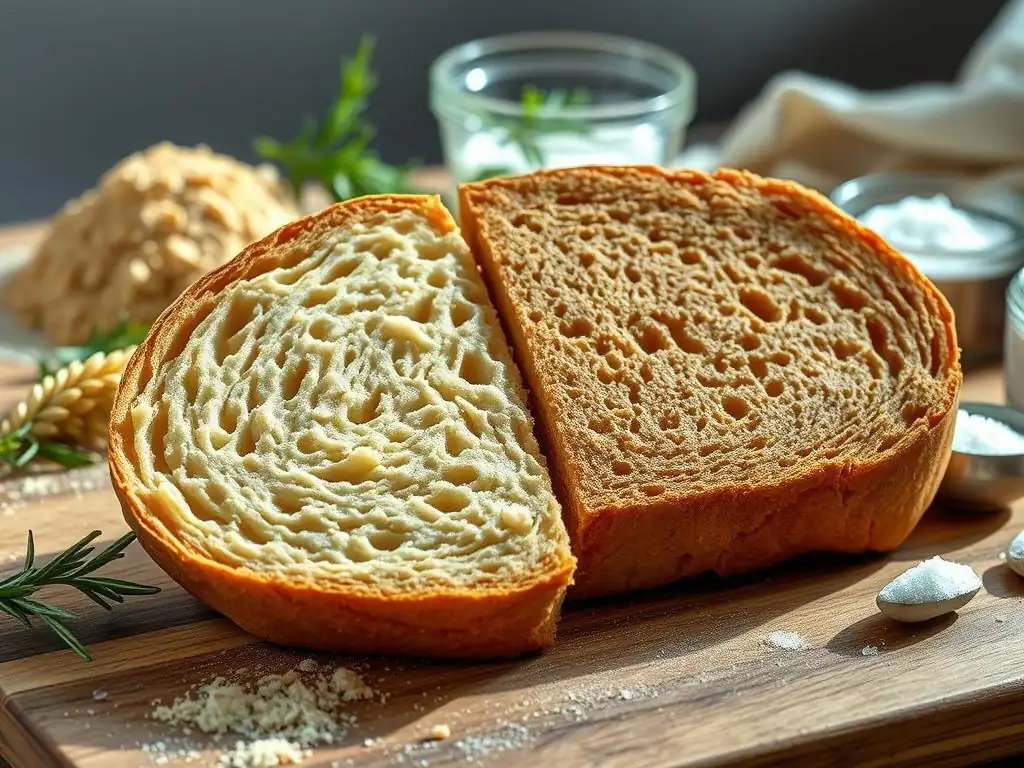
Staleness in bread, including whole wheat varieties, isn't primarily about drying out, although that contributes. The main culprit is a process called starch retrogradation. When bread is baked, the starch molecules in the flour absorb water and swell, a process called gelatinization. This gives the bread its soft, airy structure. However, as the bread cools and ages, these gelatinized starch molecules begin to recrystallize and realign themselves, pushing water out of the starch granules and back into the surrounding gluten network. This molecular rearrangement is retrogradation, making the bread crumb firm and rigid, which we perceive as staleness.
This process happens relatively quickly, often within 24-48 hours for many types of bread stored at room temperature. The expelled water also contributes to the crust becoming leathery. While the bread might feel dry, the water is still present within the loaf; it's just no longer bound within the starch structure, making the crumb feel hard and dry. Understanding this science is key to effective stale whole wheat bread revival, as many methods involve reintroducing energy (usually heat or steam) to reverse this retrogradation temporarily.
Why Whole Wheat Stales Faster Than White Bread
Whole wheat bread often seems to go stale more quickly than its white bread counterparts, and there are a few reasons for this. One factor is the presence of the bran and germ, which are included in whole wheat flour but removed from white flour.
These components can interfere with the gluten development during mixing and baking, potentially leading to a slightly less open crumb structure that might be more susceptible to retrogradation. Anecdotal evidence from bakers suggests whole wheat loaves can show signs of staleness within a day or two, compared to some white loaves that might remain softer slightly longer.
Another contributing factor is the typical ingredient list. Whole wheat breads often contain less fat or sugar compared to enriched white breads or pastries. Fats and sugars are natural tenderizers and can help slow down starch retrogradation by interfering with the starch molecule's ability to realign.
For example, a challah bread, rich in eggs and fat, will typically stay soft much longer than a lean whole wheat sourdough loaf. The higher fiber content in whole wheat might also play a role, though the exact mechanisms are complex and part of ongoing food science research. This faster staling means that preventing staleness or having reliable stale whole wheat bread revival techniques is particularly valuable for whole wheat enthusiasts.
Prevention is Key: Storing Whole Wheat Bread Properly
Best Practices for Storing Whole Wheat Bread to Prevent Staleness
Proper storage is your first line of defense against your whole wheat bread going stale prematurely. The ideal storage method depends on how quickly you plan to consume the bread. For bread that will be eaten within a day or two, storing it at room temperature is best. A simple paper bag is often recommended as it allows the crust to breathe, preventing it from becoming rubbery, while still offering some protection. However, paper bags offer minimal protection against drying out, which can still contribute to staleness, especially in drier climates.
Alternatively, a bread box provides a balance of ventilation and enclosure, maintaining a relatively stable environment that slows down both drying and retrogradation compared to leaving the bread exposed. Avoid refrigerating whole wheat bread if possible, as the temperatures between 35°F and 45°F (1°C and 7°C) actually accelerate starch retrogradation, making the bread go stale faster than at room temperature. If you must store it in the fridge, wrap it very tightly. For longer storage, the freezer is the undisputed champion for preserving freshness and making stale whole wheat bread revival unnecessary in the first place.
The Freezer: Your Best Friend for Long-Term Whole Wheat Bread Storage
Freezing is the most effective way to halt the staling process and keep your whole wheat bread fresh for weeks or even months. When freezing, it's crucial to protect the bread from freezer burn, which occurs when moisture evaporates from the food's surface, leaving it dry and discolored. To do this, ensure the bread is completely cool before freezing. Slice the loaf first if you plan to use individual slices; this allows you to thaw only what you need.
Wrap the bread or slices tightly in plastic wrap, pressing out as much air as possible. Then, place the wrapped bread in a freezer-safe bag or aluminum foil for an extra layer of protection. Properly wrapped whole wheat bread can maintain its quality in the freezer for up to 2-3 months.
When you're ready to use it, you can often pop slices directly into a toaster or thaw the whole loaf at room temperature, still wrapped, to prevent condensation from making the crust soggy. Freezing is an excellent strategy to avoid needing stale whole wheat bread revival techniques by preserving freshness right after baking or purchasing.
Methods for Reviving Stale Whole Wheat Bread: A Comprehensive Guide
Method 1: The Oven Revival Technique for Whole Wheat Bread
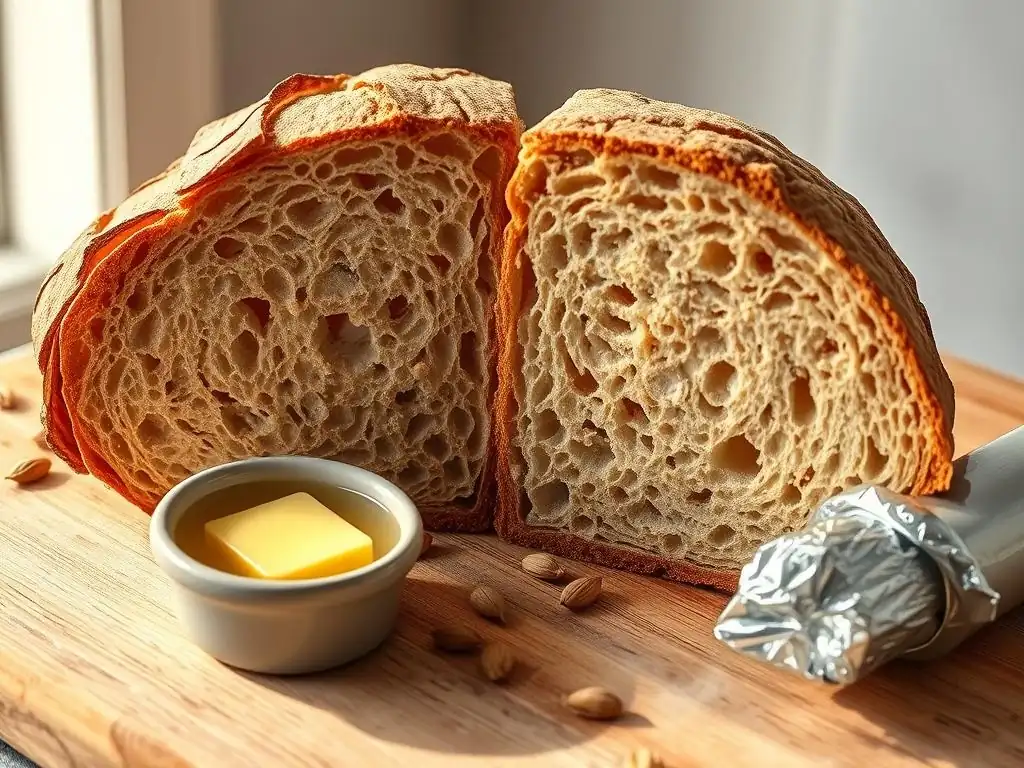
The oven method is perhaps the most classic technique for stale whole wheat bread revival. It works by briefly heating the bread, which reverses the starch retrogradation process, allowing the starch molecules to reabsorb water and become flexible again. This temporarily softens the crumb and can crisp up the crust. This method is particularly effective for a whole loaf or larger pieces of bread that are uniformly stale but not excessively hard.
To perform oven revival, preheat your oven to a moderate temperature, typically around 300°F to 350°F (150°C to 175°C). Lightly dampen the crust of the stale whole wheat loaf under running water or by misting it with a spray bottle – just enough to add surface moisture without soaking it. Place the loaf directly on the oven rack or on a baking sheet. Heat for 5-15 minutes, depending on the size of the loaf and how stale it is.
A smaller loaf might only need 5-8 minutes, while a larger or very stale one might require closer to 15 minutes. The goal is to heat it through until it feels soft and the crust is slightly crisp again. Serve immediately, as the bread will begin to stale again as it cools.
Step-by-Step Guide to Oven Reheating for Soft Whole Wheat Bread
- Preheat your oven: Set the temperature to 300°F to 350°F (150°C to 175°C).
- Prepare the bread: If reviving a whole loaf, lightly run it under the tap or mist the crust with water. For slices, a very light mist or no water is needed.
- Place in oven: Put the bread directly on the oven rack or a baking sheet.
- Heat: Bake whole loaves for 5-15 minutes. Slices may only need 2-5 minutes. Watch carefully.
- Check for softness: Gently press the bread; it should feel soft and warm throughout.
- Serve immediately: Enjoy your revived whole wheat bread while it's still warm.
Tips for Preventing Over-Drying During Oven Revival
While the oven method is effective for stale whole wheat bread revival, there's a risk of drying out the bread further if done incorrectly or for too long. The initial light dampening of the crust helps counteract this by creating steam as it heats. However, excessive heat or time will evaporate internal moisture, leaving you with a very hard, dry brick.
Keep a close eye on the bread while it's in the oven. Start with the minimum recommended time and check for softness. If it's still hard, put it back for a few more minutes. Another tip is to place a small oven-safe dish of water on the bottom rack of the oven while heating the bread.
This creates a humid environment within the oven, which helps the bread reabsorb moisture without drying out. This is especially useful if your bread is very dry or if you're concerned about losing moisture during the process. Remember, the goal is a quick heat to reverse retrogradation, not a long bake.
Method 2: Steaming Stale Whole Wheat Bread Back to Life
Steaming is another highly effective method for stale whole wheat bread revival, particularly good at restoring moisture to the crumb. This technique directly introduces water vapor, which is readily absorbed by the bread's starch molecules, reversing retrogradation and softening the interior. It's an excellent alternative if you don't want to use the oven or are only reviving a few slices.
To steam a whole loaf or large piece, you can use a double boiler setup or a large pot with a steamer basket. Fill the pot with an inch or two of water, bring it to a boil, then reduce to a simmer. Place the bread in the steamer basket above the water, cover the pot, and steam for 5-10 minutes.
The steam penetrates the bread, making the crumb wonderfully soft. The crust might become slightly chewy initially but will firm up slightly as it cools, or you can briefly pop it in a toaster or under a broiler for a quick crisp. This method is fantastic for achieving a moist stale whole wheat bread revival.
How to Steam Your Whole Wheat Bread for a Moist Interior
- Set up steaming equipment: Use a pot with a steamer basket or improvise with a colander set over a pot of simmering water, ensuring the water doesn't touch the bread.
- Add water and heat: Fill the pot with about 1-2 inches of water and bring it to a boil, then reduce to a simmer.
- Place bread in steamer: Put the stale whole wheat bread (whole loaf or slices) in the steamer basket.
- Cover and steam: Cover the pot tightly and steam for 5-10 minutes for a loaf, or 1-3 minutes for slices.
- Check for softness: The bread should feel soft and pliable.
- Serve: Enjoy immediately for the best texture.
Using a Microwave and Water for a Quick Steam
For a very quick stale whole wheat bread revival of a slice or two, the microwave can be used to steam the bread. While not ideal for texture compared to oven or stovetop methods (microwaves can make bread chewy), it's fast and convenient. Place the slice of stale whole wheat bread on a microwave-safe plate. Place a small cup or bowl of water next to the bread on the plate.
Microwave on high for 10-30 seconds. The water will heat up rapidly and create steam within the microwave cavity, which will be absorbed by the bread. Start with 10 seconds and check; add more time in 5-second increments if needed. Be careful not to overheat, as this will make the bread tough and rubbery. This microwave steaming technique is a last resort for a quick fix when you need a soft slice right away, offering a form of stale whole wheat bread revival in a pinch.
Method 3: Reviving Whole Wheat Bread on the Stovetop (Grilling)
While the previous methods focus on restoring the soft crumb, the stovetop method, specifically grilling or toasting slices, embraces the stale bread's potential for crispness. This isn't quite a full stale whole wheat bread revival to its original soft state, but rather a transformation that makes stale bread delicious in a new way. It's perfect for turning those hard slices into something enjoyable for breakfast or as an accompaniment to a meal.
Grilling or toasting slices of stale whole wheat bread on the stovetop is straightforward. Heat a dry skillet or griddle over medium heat. Place the slices directly on the hot surface.
Cook for a few minutes per side, until golden brown and crispy. You can add a little butter or oil to the pan for extra flavor and a more even crisp, similar to making grilled cheese without the cheese. This method works because the heat quickly evaporates any remaining surface moisture and toasts the starch molecules on the surface, creating a pleasant crunch that contrasts with the slightly firmer interior of stale bread.
Grilling Slices of Stale Whole Wheat Bread for a Crispy Exterior
- Heat a skillet: Place a dry skillet or griddle over medium heat.
- Add bread: Place stale whole wheat bread slices directly on the hot surface.
- Grill: Cook for 2-4 minutes per side, until golden brown and crispy to your liking.
- Optional: Add a little butter or oil to the pan before adding bread for richer flavor and crispness.
- Serve: Enjoy hot as toast.
Making Delicious Whole Wheat Toast from Stale Bread
Stale whole wheat bread is arguably perfect for making toast. The slightly dried-out nature means it crisps up beautifully in a toaster or under a broiler without becoming overly chewy or soggy, which can sometimes happen with very fresh bread. Simply pop the stale slices into your toaster and toast to your desired level of brownness and crispness.
If using a broiler, place slices on a baking sheet about 6 inches from the heat source and watch them constantly, as they can burn quickly – usually just 1-2 minutes per side. The resulting toast has a satisfying crunch and is an excellent base for butter, jam, avocado, or any other topping. While it's not a "revival" in the sense of making it soft again, turning stale bread into great toast is a highly practical and delicious form of stale whole wheat bread revival for breakfast or snacks.
Creative Ways to Use Stale Whole Wheat Bread: Beyond Revival
Sometimes, stale whole wheat bread revival to a soft state isn't the goal, or the bread is too far gone for simple reheating. This is where the versatility of stale bread truly shines! There are countless ways to transform hard whole wheat bread into delicious dishes, ensuring nothing goes to waste. These methods often involve cutting the bread into cubes or crumbs and drying it out further or soaking it in liquid.
Think beyond just making toast. Stale whole wheat bread is a fantastic ingredient in both sweet and savory recipes. It provides structure, absorbs flavors, and adds a pleasant texture once rehydrated or crisped. By repurposing stale bread, you not only reduce food waste but also unlock new culinary possibilities. Let's explore some popular and tasty ways to give your stale whole wheat loaf a second life, going beyond just a simple stale whole wheat bread revival.
Stale whole wheat bread makes excellent, flavorful breadcrumbs, far superior to many store-bought varieties. They are perfect for coating chicken or fish, topping casseroles, or adding texture to meatballs. The whole wheat adds a nutty depth of flavor that white breadcrumbs lack.
To make them, tear or cut the stale bread into small pieces. For dry breadcrumbs, spread the pieces on a baking sheet and bake at a low temperature (around 250°F / 120°C) for 20-30 minutes, or until completely dry and hard. Let them cool, then pulse in a food processor or blender until fine crumbs form.
For fresh breadcrumbs (softer, often used in stuffing or meatballs), simply pulse the stale bread pieces directly in the food processor without drying them further in the oven. Store dry breadcrumbs in an airtight container at room temperature for several weeks, or freeze them for longer storage. This is a practical and rewarding form of stale whole wheat bread revival by transformation.
Homemade Whole Wheat Breadcrumbs Recipe
Ingredients:
- Stale whole wheat bread
Instructions:
- Cut or tear stale whole wheat bread into roughly 1-inch pieces.
- For dry breadcrumbs: Spread pieces in a single layer on a baking sheet. Bake at 250°F (120°C) for 20-30 minutes, or until completely dry and hard. Let cool completely.
- For fresh breadcrumbs: Skip the baking step.
- Place dried or fresh bread pieces in a food processor.
- Pulse until desired crumb consistency is reached (fine or coarse).
- Store dry breadcrumbs in an airtight container at room temperature. Store fresh breadcrumbs in the refrigerator for a few days or freeze.
Making Croutons from Stale Whole Wheat Bread
Stale whole wheat bread is ideal for making homemade croutons. These are fantastic for adding crunch to salads, topping soups, or simply snacking on. The slightly firmer texture of stale bread ensures they hold their shape and crisp up beautifully in the oven or on the stovetop.
Cut the stale bread into cubes, usually ½ to 1 inch in size. Toss the cubes with olive oil or melted butter, seasonings (like garlic powder, onion powder, dried herbs such as Italian seasoning or thyme, salt, and pepper), and any other desired flavors like a pinch of red pepper flakes. Spread the seasoned cubes in a single layer on a baking sheet.
Bake at around 350°F (175°C) for 10-20 minutes, stirring halfway through, until golden brown and crispy. Let them cool completely before storing in an airtight container. Homemade croutons made from whole wheat bread offer a more robust flavor than those made from white bread, providing a delicious result from stale whole wheat bread revival in cube form.
Seasoning Ideas for Homemade Whole Wheat Croutons
- Classic Garlic Herb: Olive oil, minced garlic (or garlic powder), dried oregano, dried basil, salt, pepper.
- Cheesy Italian: Olive oil, garlic powder, dried parsley, grated Parmesan cheese, salt, pepper.
- Spicy Smoked Paprika: Olive oil, smoked paprika, pinch of cayenne pepper, salt, pepper.
- Rosemary & Sea Salt: Olive oil, finely chopped fresh or dried rosemary, flaky sea salt, pepper.
- Ranch Style: Melted butter, ranch seasoning mix powder.
Whole Wheat Bread Pudding: A Comforting Dessert
Stale bread is the traditional base for bread pudding, and whole wheat bread works wonderfully, adding a rustic flavor and hearty texture. The bread pieces soak up a rich custard mixture, transforming into a soft, comforting dessert when baked.
A basic whole wheat bread pudding involves cubing the stale bread (usually about 6-8 cups), whisking together a custard of eggs, milk or cream, sugar, vanilla extract, and often spices like cinnamon or nutmeg. The bread cubes are soaked in this mixture for at least 20-30 minutes, or longer for a softer result, allowing them to absorb the liquid thoroughly. The mixture is then poured into a baking dish and baked until the custard is set and the top is golden brown and slightly crispy.
Add-ins like raisins, chocolate chips, or berries are popular. This sweet stale whole wheat bread revival is a delightful way to end a meal.
Simple Whole Wheat Bread Pudding Recipe
Ingredients:
- 6-8 cups stale whole wheat bread, cubed
- 4 large eggs
- 2 cups milk (whole milk or half-and-half for richness)
- ½ cup granulated sugar (adjust to taste)
- 1 teaspoon vanilla extract
- ½ teaspoon ground cinnamon
- ¼ teaspoon ground nutmeg
- Pinch of salt
- Optional add-ins: ½ cup raisins, chocolate chips, or chopped nuts
Instructions:
- Grease an 8x8 or 9x13 inch baking dish.
- Spread the bread cubes evenly in the prepared dish.
- In a large bowl, whisk together the eggs, milk, sugar, vanilla extract, cinnamon, nutmeg, and salt until well combined.
- Pour the custard mixture evenly over the bread cubes. Gently press the bread down to ensure all pieces are soaked. Add optional add-ins now if using.
- Let stand for at least 20-30 minutes (or refrigerate for a few hours) to allow the bread to absorb the custard.
- Preheat oven to 350°F (175°C).
- Bake for 40-50 minutes, or until the top is golden brown and the custard is set (it shouldn't be liquid in the center).
- Serve warm, perhaps with a dollop of whipped cream or a drizzle of sauce.
Savory Uses: Whole Wheat Bread in Stuffing and Stratas
Stale whole wheat bread is a fantastic base for savory dishes like stuffing (or dressing) and stratas. Just like with bread pudding, the stale bread cubes absorb liquids and flavors beautifully, providing structure and a satisfying texture. Whole wheat adds a pleasant heartiness to these dishes.
For stuffing, stale whole wheat bread cubes are typically combined with sautéed vegetables (like celery, onion, and sage), broth (chicken or vegetable), butter, and seasonings. The mixture can be baked inside a turkey or chicken, or in a baking dish. The stale bread absorbs the flavorful broth and fat, becoming moist and tender while the exposed tops get delightfully crispy.
For strata, which is like a savory bread pudding or casserole, stale bread cubes are layered with cheese, vegetables, and meats, then soaked in an egg and milk mixture overnight before baking. This allows the bread to fully absorb the custard, resulting in a cohesive, flavorful casserole. Both stuffing and strata are excellent examples of how stale whole wheat bread revival can lead to comforting and delicious savory meals.
Ideas for Incorporating Stale Whole Wheat Bread into Savory Dishes
- Classic Thanksgiving Stuffing: Combine stale whole wheat bread cubes with sautéed celery, onion, sage, thyme, chicken broth, and butter.
- Mushroom and Herb Stuffing: Use sautéed mushrooms and a mix of herbs like rosemary, thyme, and parsley with the bread cubes, broth, and butter.
- Sausage and Apple Stuffing: Add cooked sausage and diced apples to the bread cube mixture for a sweet and savory twist.
- Breakfast Strata: Layer bread cubes with cooked sausage or bacon, shredded cheese (cheddar, Gruyère), and sautéed vegetables (peppers, onions) before pouring an egg and milk mixture over everything and baking.
- Vegetable Strata: Layer bread cubes with spinach, mushrooms, roasted red peppers, and feta or goat cheese before adding the egg mixture and baking.
- Savory Bread Pudding: A smaller-scale strata, combining bread cubes with cheese, herbs, and a simple egg/milk mixture baked in individual ramekins or a small dish.
Troubleshooting Common Problems When Reviving Stale Whole Wheat Bread

Even with the best techniques, reviving stale bread can sometimes present challenges. Understanding how to troubleshoot common issues like overly hard bread or a soggy texture will help you achieve better results in your stale whole wheat bread revival attempts.
The key is often adjusting the moisture and heat levels. If your bread is extremely hard, it might require a bit more moisture or a slightly longer steaming time. If it turns out soggy, you might have added too much water during the oven method or steamed it for too long. Practice and observation are key to mastering these techniques and achieving the perfect texture for your revived whole wheat loaf. Don't be discouraged if your first attempt isn't perfect; experiment with the variables to find what works best for your specific bread and level of staleness.
Dealing with Excessively Hard or Dry Bread
If your stale whole wheat bread is exceptionally hard and dry, simply misting it for the oven method might not be enough. In such cases, the steaming method (Method 2) is often more effective because it introduces moisture directly into the bread's interior. Steam it for the recommended time, then if you desire a crispy crust, you can transfer it to a preheated oven for just a few minutes after steaming.
Alternatively, for very dry bread, you can try a technique sometimes called "showering" the bread. Briefly run the entire loaf under warm water for a few seconds, letting the crust absorb some moisture. Shake off excess water, then proceed with the oven method (Method 350°F/175°C for 10-15 minutes).
Be cautious with this method, as too much water can make the crumb gummy. For bread that is truly rock hard, transformation methods like making breadcrumbs or croutons (Methods 4.1 & 4.2) or soaking it for bread pudding or strata (Methods 4.3 & 4.4) might be the most successful forms of stale whole wheat bread revival.
Preventing a Soggy Texture During Revival
A common issue when attempting stale whole wheat bread revival is ending up with a soggy or gummy crumb, especially with steaming or using too much water with the oven method. This happens when too much moisture is introduced, and the heat isn't sufficient or long enough to allow the starch structure to properly reset without holding onto excess water.
To prevent sogginess, be precise with the amount of water used in the oven method – a light misting is usually sufficient, not soaking the crust. If steaming, ensure the water in the pot is simmering, not boiling vigorously, and stick to the recommended steaming times (5-10 minutes for a loaf). After steaming, if the crust is too soft, a quick 2-3 minute finish in a hot oven or toaster can help dry it out and firm it up.
For microwave steaming, use very short intervals (10-15 seconds) and check frequently. If your bread does turn out a bit soggy, letting it cool completely might help slightly, but often the best recourse is to then slice and toast it, embracing a different texture.
Conclusion: Mastering the Art of Whole Wheat Bread Revival with BakeWithEase
Don't let that leftover whole wheat loaf go to waste! As we've explored, stale whole wheat bread revival is a skill that's easy to learn and incredibly rewarding. Whether you choose to gently reheat it in the oven, steam it back to softness, or transform it into delicious croutons, breadcrumbs, or a comforting pudding, there are many effective ways to give your bread a second life.
By understanding why bread goes stale and employing proper storage techniques, you can minimize waste from the start. And when staleness does occur, you now have a repertoire of techniques for successful stale whole wheat bread revival. Experiment with the different methods discussed here on BakeWithEase to find your favorites. You'll not only save money and reduce food waste but also discover new ways to enjoy the hearty goodness of whole wheat bread. Enjoy your revived whole wheat bread and reduce food waste!
Frequently Asked Questions
How can I tell if my whole wheat bread is actually stale and not just dry?
Stale bread is hard and dry, but also often lacks aroma and has a tough crumb. Dry bread might still have its characteristic smell and a slightly more pliable texture.
What's the quickest way to refresh a single slice of stale whole wheat bread?
A quick fix is to lightly dampen the slice under the tap and toast it immediately. This helps to rehydrate the bread and restore some crispness.
Absolutely! Stale bread is perfect for breadcrumbs. Simply bake or air-dry the bread until completely dry, then pulse it in a food processor until you reach your desired crumb consistency.
Besides bread pudding, what are some other creative ways to use up a whole loaf of stale whole wheat bread?
Consider making croutons for salads, stuffing for poultry, or even panzanella, an Italian bread salad. These recipes cleverly repurpose the bread's texture.
Will these revival techniques work for all types of whole wheat bread, including those with seeds or nuts?
Yes, these techniques generally work, but be mindful that breads with added ingredients like seeds or nuts might require slightly longer rehydration or baking times to ensure even revival.
Final Reflection: Rediscovering the Humble Loaf
The fight against food waste is a battle fought daily in kitchens across the globe, and stale whole wheat bread is a frequent casualty. Yet, within those seemingly discarded crusts lies potential – a chance to reclaim deliciousness and reduce our environmental impact. This article has explored simple yet effective methods to revive stale whole wheat bread, transforming a culinary setback into a delicious opportunity.
The journey from discarding perfectly good bread to actively seeking ways to repurpose it speaks volumes about our evolving relationship with food. We've moved beyond simply accepting waste; we're actively seeking solutions. This shift in mindset, I believe, is crucial for a more sustainable future. Waste not, want not
– this age-old adage holds more weight than ever in our increasingly conscious world. The simple act of reviving stale bread is a small step, but it's a powerful symbol of mindful consumption and resourcefulness.
Now, I invite you to consider your own relationship with food waste. Think about the stale bread sitting in your breadbox – or perhaps other ingredients nearing their expiration date. Don't let them go to waste! Experiment with the techniques outlined in this article, and discover the joy of transforming something seemingly unusable into something delicious and satisfying. Let's collectively work towards a future where resourcefulness and creativity reign supreme in our kitchens, and where the humble loaf is never truly lost.
Unleash Your Bread-Making Magic!
Thanks for taking the time to explore our tips on reviving stale whole wheat bread! You now have the power to transform those leftover loaves into delicious treats. Ready to put your new skills to the test?
- Bring your stale bread back to life: Try our recommended methods – from toasting to creating breadcrumbs – to give your bread a second chance. This is your primary action!
- Share your success (or challenges!): Let us know in the comments how your bread revival project went. We love hearing from our baking community!
- Get inspired: Explore more of our bread recipes and tips on BakeWithEase.com (Imagine the possibilities! ).
So, what delicious creation will you make with your freshly revived whole wheat bread?