
Secrets to Perfect Hamburger Buns at Home

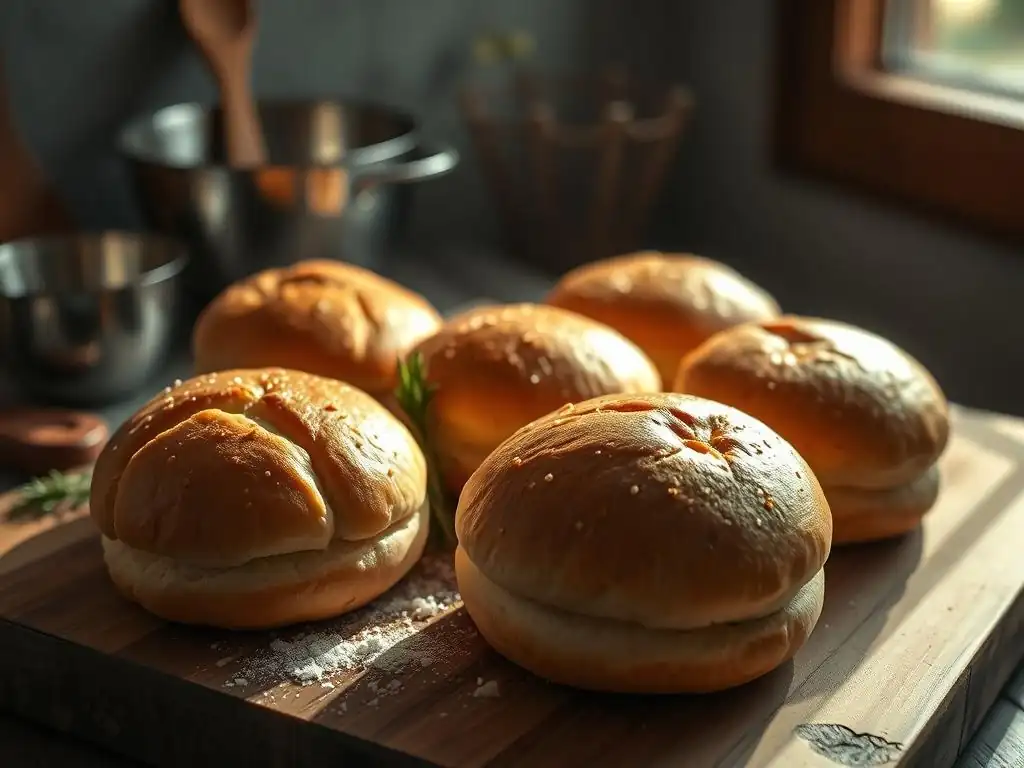
Welcome to BakeWithEase, your kitchen companion for baking brilliance! Ever dreamt of sinking your teeth into a juicy burger nestled in a perfectly soft, golden bun? Discover the secrets to our Homemade Perfect Hamburger Buns Recipe and unlock the simple steps to baking bakery-quality buns right in your own oven. Intrigued? Let's get baking!
- Bake Homemade Hamburger Buns: A Step-by-Step Guide for Baking Perfection
- Why Bake Your Own Hamburger Buns? Unlock the Secret to Superior Burgers
- The Ultimate Homemade Perfect Hamburger Buns Recipe: BakeWithEase's Secret Formula
- Achieving Hamburger Bun Perfection: Baking Tips and Tricks
- Variations on the Homemade Hamburger Buns Recipe: BakeWithEase's Customization Options
- Storing Your Homemade Hamburger Buns: Keeping Them Fresh for Longer
- Troubleshooting Your Hamburger Buns: Common Problems and Solutions
- Serving Suggestions: The Perfect Hamburger Buns for Every Burger Creation
- Enjoy Your Homemade Perfect Hamburger Buns: A BakeWithEase Success Story.
-
Frequently Asked Questions
- What makes BakeWithEase's hamburger bun recipe different from others?
- What are the key ingredients for achieving soft and fluffy hamburger buns?
- How do I prevent my hamburger buns from becoming too dry?
- Can I freeze homemade hamburger buns?
- What are some variations or additions I can make to the basic hamburger bun recipe?
- Final Reflection: The Humble Bun, a Testament to Homemade Happiness
- Unleash Your Inner Baker: Craft the Perfect Bun!
Bake Homemade Hamburger Buns: A Step-by-Step Guide for Baking Perfection
Baking your own hamburger buns from scratch is a rewarding experience that elevates any burger to new heights. Forget those bland, often dry store-bought options. With a little time and effort, you can create soft, flavorful, and perfectly textured buns right in your own kitchen. This guide will walk you through the process, sharing the secrets to achieving truly exceptional results.
Embarking on the journey of baking homemade perfect hamburger buns recipe doesn't require advanced culinary skills. It's about understanding a few basic principles of bread making and following a clear process. From activating the yeast to achieving that perfect golden-brown crust, each step plays a crucial role in the final product. We'll cover everything you need to know to master this essential burger component.
Why Bake Your Own Hamburger Buns? Unlock the Secret to Superior Burgers
Baking hamburger buns at home offers significant advantages over simply buying them. It's not just about the satisfaction of making something yourself; it's about control over ingredients, superior taste, and achieving a texture that complements rather than competes with your burger patty. Let's explore the compelling reasons to choose the homemade route for your next barbecue or family meal.
Making delicious hamburger buns at home allows you to customize them precisely to your liking, whether you prefer a slightly sweeter bun, a richer brioche-style, or a hearty whole wheat option. This level of customization is simply not available with mass-produced buns. Furthermore, the aroma of freshly baked bread filling your kitchen is an unbeatable bonus that enhances the entire burger experience before you even take the first bite.
The Difference Between Store-Bought and Homemade Burger Buns
Store-bought hamburger buns are often formulated for a long shelf life and uniform appearance, which can come at the cost of flavor and texture. Many contain preservatives, dough conditioners like DATEM or sodium stearoyl lactylate, and emulsifiers to maintain softness over time. While convenient, these additives don't contribute to the depth of flavor found in a simple, homemade perfect hamburger buns recipe using basic ingredients.
In contrast, homemade buns typically use just a handful of pantry staples: flour, yeast, liquid, a little fat, sugar, and salt. Because they lack the extensive list of preservatives, their shelf life is shorter – usually best within 2-3 days – but this is a trade-off for unparalleled freshness. The texture is often more tender and the crumb richer, providing a delightful contrast to a juicy burger patty, unlike some store buns that can feel airy but lack substance.
The Taste and Texture Advantage of Baking Hamburger Buns at Home
The primary benefit of baking hamburger buns at home is the vastly superior taste and texture. Freshly baked bread has a complex flavor profile that develops during fermentation, offering subtle notes that complement savory fillings. Store-bought buns, designed for durability, often have a bland, almost cardboard-like taste by comparison.
Texture is equally important. A great burger bun should be soft and slightly chewy, capable of holding up to juicy burger drippings without disintegrating, yet tender enough to compress easily when you bite. Homemade perfect hamburger buns recipe, when executed correctly, delivers this ideal balance. The crumb is typically tighter and more substantial than the sometimes overly airy structure of commercial buns, providing a satisfying mouthfeel that truly enhances the burger experience.
Cost Savings: Making Delicious Hamburger Buns on a Budget
Baking hamburger buns at home can also be significantly more economical than purchasing them, especially if you bake regularly or buy ingredients in bulk. A standard package of 8 store-bought buns might cost anywhere from $2.50 to $4.00 or more, depending on the brand and type.
For a batch of 8-12 homemade buns, the cost of flour, yeast, milk, butter, sugar, and salt is often less than $1.50 to $2.00, assuming you're not buying specialty or organic versions of every ingredient. While there's an initial investment in staple ingredients, the cost per bun decreases dramatically with each batch. Over time, making delicious hamburger buns yourself represents real savings, allowing you to enjoy premium quality without the premium price tag.
The Ultimate Homemade Perfect Hamburger Buns Recipe: BakeWithEase's Secret Formula
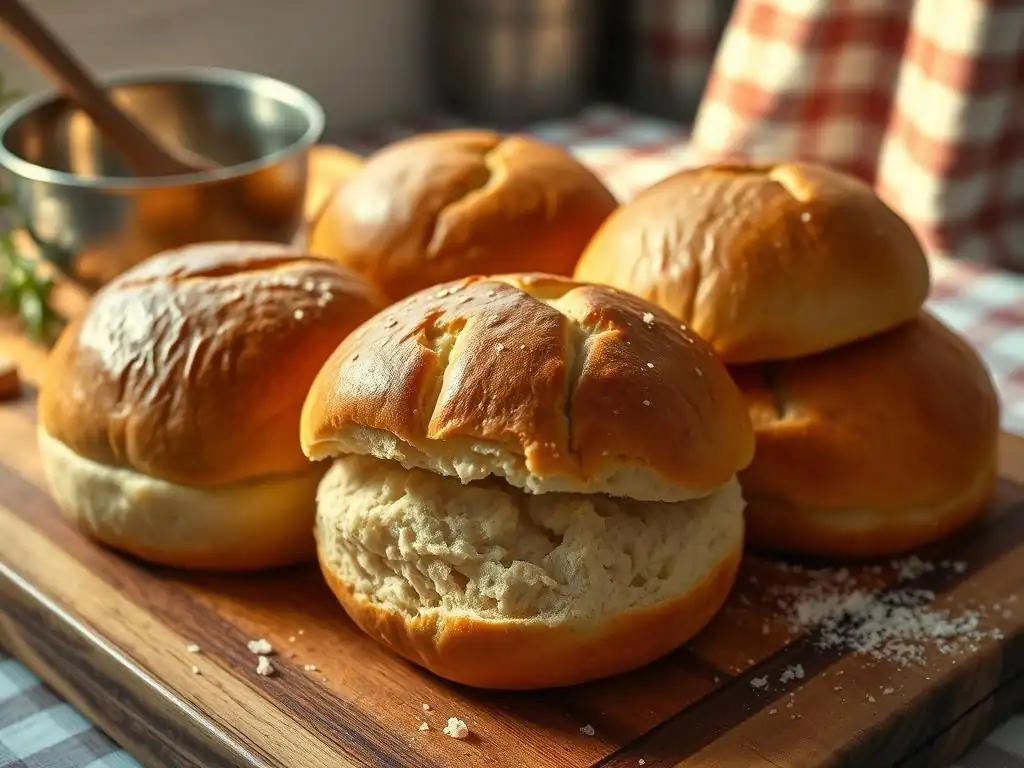
Ready to bake the best burger buns of your life? This straightforward homemade perfect hamburger buns recipe is designed for success, yielding soft, golden, and delicious buns every time. We've fine-tuned the ratios and steps to make the process accessible for bakers of all levels. Gather your ingredients and let's get started on crafting the foundation for your next epic burger.
Our secret formula focuses on achieving the ideal balance of richness, tenderness, and structure. By using a combination of enriched ingredients like milk and butter alongside bread flour, we ensure the buns have a sturdy yet soft crumb. Following the proofing times is crucial for developing flavor and achieving that light, airy texture that distinguishes truly great homemade perfect hamburger buns recipe from the rest.
Ingredients for the Best Hamburger Buns Recipe
- Bread Flour: Ensuring Structure and Chew
- Active Dry Yeast: Activating and Leavening the Dough
- Whole Milk: Adding Richness and Softness
- Unsalted Butter: Contributing Flavor and Tenderness
- Granulated Sugar: Feeding Yeast and Enhancing Flavor
- Sea Salt: Balancing Flavors and Controlling Yeast
Each ingredient in this homemade perfect hamburger buns recipe plays a vital role. Using bread flour, for example, with its higher protein content (around 12-14%), helps develop gluten, providing the necessary structure for the buns to hold their shape and giving them a pleasant chew. Whole milk adds not only liquid for hydration but also fat and sugar, contributing to a tender crumb and helping the crust brown beautifully.
Unsalted butter provides richness and tenderness, while sugar feeds the yeast, promoting a vigorous rise, and also adds a touch of sweetness that balances the savory flavors of a burger. Salt is essential not just for flavor but also for controlling yeast activity and strengthening the gluten network. Using sea salt can add a subtle minerality, but table salt works perfectly fine too.
Step-by-Step Instructions: Crafting the Perfect Hamburger Bun Dough
Activating the Yeast: The Foundation of Your Buns
Begin by warming your whole milk to a temperature between 105°F and 115°F (40°C-46°C). This is the ideal range for activating active dry yeast. Measure out 1/4 cup of the warm milk and pour it into a small bowl. Sprinkle 2 1/4 teaspoons of active dry yeast and a pinch of granulated sugar over the milk.
Let this mixture sit undisturbed for 5-10 minutes. You should see a foamy layer develop on the surface, indicating that the yeast is alive and active. If no foam appears, your yeast may be old or the milk wasn't the right temperature, and you'll need to start this step over with fresh yeast. This bubbly goodness is the start of your journey to homemade perfect hamburger buns recipe success.
Mixing the Dough: Achieving the Right Consistency
In a large mixing bowl (or the bowl of a stand mixer), whisk together the bread flour, remaining sugar, and salt. Create a well in the center. Pour in the activated yeast mixture, the remaining warm milk, and the melted, slightly cooled unsalted butter.
Using a sturdy spoon or the dough hook attachment of your stand mixer, mix the ingredients until a shaggy dough forms. Turn the dough out onto a lightly floured surface and knead by hand for about 8-10 minutes, or mix with a stand mixer on medium speed for 6-8 minutes. The dough should become smooth, elastic, and slightly tacky but not sticky. This proper kneading is key to developing the gluten structure needed for light and airy homemade perfect hamburger buns recipe.
First Rise: Bulk Fermentation for Flavor Development
Lightly grease a clean large bowl with a little oil or melted butter. Place the kneaded dough in the bowl, turning it to coat all sides. Cover the bowl tightly with plastic wrap or a damp kitchen towel.
Let the dough rise in a warm, draft-free place until it has doubled in size. This typically takes 60 to 90 minutes, depending on the temperature of your room. A warm oven (turned off) or a proofing setting on your oven can provide an ideal environment. This bulk fermentation is crucial for developing the rich flavor characteristic of great homemade perfect hamburger buns recipe.
Shaping the Buns: Creating Uniform and Appealing Forms
Once the dough has doubled, gently punch it down to release the air. Turn the dough out onto a lightly floured surface. Divide the dough into equal portions; for standard-sized buns, aim for 8-12 pieces, each weighing roughly 3-4 ounces (85-115 grams).
Shape each portion into a smooth, tight ball. The best way to do this is to cup your hand around the dough on the counter and move your hand in a circular motion, allowing the dough to roll and tighten against the surface. Place the shaped balls onto a baking sheet lined with parchment paper, leaving ample space (about 3-4 inches) between them as they will spread during the second rise and baking. Proper shaping ensures your homemade perfect hamburger buns recipe look as good as they taste.
Second Rise: Proofing for Light and Airy Texture
Cover the baking sheet loosely with plastic wrap or a light kitchen towel. Let the shaped buns rise again in a warm, draft-free place for another 30 to 45 minutes, or until they are noticeably puffy and almost doubled in size. They should look soft and airy.
This second rise, or proofing, is vital for achieving a light texture. Don't rush this step; under-proofed buns will be dense, while over-proofed buns might collapse in the oven. Gently pressing a finger into a bun should leave a slight indentation that slowly springs back – this is a good sign they are ready for baking. This final rise is the last step before transforming your dough into the perfect base for your burger.
Baking: Achieving a Golden-Brown Crust
Preheat your oven to 375°F (190°C) about 15-20 minutes before the second rise is complete. Just before baking, you can brush the tops of the buns with an egg wash (one egg beaten with a tablespoon of water or milk) for a shiny, golden crust, or with milk for a softer, matte finish.
Bake the buns for 15 to 20 minutes, or until they are golden brown on top and sound hollow when tapped on the bottom. An internal temperature of around 190°F (88°C) indicates they are fully baked. Avoid opening the oven door too frequently during baking. This final heat transforms the dough into delicious, ready-to-slice homemade perfect hamburger buns recipe.
Achieving Hamburger Bun Perfection: Baking Tips and Tricks
Baking is a science, but a little artistry and knowing a few tricks can elevate your results from good to outstanding. For homemade perfect hamburger buns recipe, paying attention to small details during the baking phase can make a significant difference in their appearance, texture, and overall appeal. Here are some essential tips to help you achieve perfection.
From ensuring your oven temperature is accurate to mastering the art of the egg wash, these techniques are simple yet effective. They address common baking challenges and help you create buns that are not only delicious but also visually stunning, ready to cradle your favorite burger creations.
The Importance of Oven Temperature for Golden-Brown Hamburger Buns
Accurate oven temperature is critical for successful baking, especially for achieving that desirable golden-brown crust on your hamburger buns. If the oven is too hot, the outsides might burn before the inside is cooked through. If it's too cool, the buns might spread too much and won't develop adequate color or structure.
Using an oven thermometer is highly recommended, as oven thermostats can often be off by 25°F or more. Baking at the recommended 375°F (190°C) allows the buns to rise properly, develop a beautiful crust through the Maillard reaction, and cook evenly throughout in about 15-20 minutes. This precise temperature control is a key factor in achieving the perfect finish for your homemade perfect hamburger buns recipe.
Using Egg Wash for a Shiny Crust
An egg wash is a simple mixture, typically one egg whisked with a tablespoon of water or milk, that is brushed onto the surface of bread or pastries before baking. For hamburger buns, an egg wash provides a beautiful, glossy, and golden-brown finish. The protein in the egg browns and creates a slightly crisp but thin crust layer.
If you prefer a softer crust without the shine, you can brush the buns with just milk or cream before baking. For a completely matte finish, simply leave them plain. Applying the wash gently after the second rise, just before they go into the oven, is key to not deflating your perfectly proofed homemade perfect hamburger buns recipe.
Adding Seeds: Sesame, Poppy, or Everything Bagel Seasoning
Adding seeds to the top of your hamburger buns is a classic touch that enhances both flavor and appearance. Sesame seeds are the traditional choice for many burger buns, offering a nutty flavor and pleasant texture. Poppy seeds provide a different kind of subtle crunch.
You can easily add seeds by sprinkling them over the egg-washed buns just before baking. For a more adventurous twist, consider using everything bagel seasoning, which includes sesame seeds, poppy seeds, dried garlic, dried onion, and salt. This adds a complex layer of flavor that pairs surprisingly well with a savory burger. A generous coating of seeds not only looks professional but adds an extra dimension to your homemade perfect hamburger buns recipe.
How to Prevent Soggy Hamburger Buns: Cooling Rack Essentials
After baking, it's crucial to cool your homemade perfect hamburger buns recipe correctly to prevent them from becoming soggy. As the buns cool, steam escapes from the inside. If they cool on a flat surface like a baking sheet or counter, the steam will condense on the bottom, making them wet and potentially soggy.
Always transfer freshly baked buns to a wire cooling rack immediately after taking them out of the oven. A cooling rack allows air to circulate freely around all sides of the bun, allowing the steam to escape properly. Let them cool completely on the rack before slicing or storing. This simple step ensures the bottom crust remains firm and your homemade perfect hamburger buns recipe maintain their ideal texture.
Variations on the Homemade Hamburger Buns Recipe: BakeWithEase's Customization Options
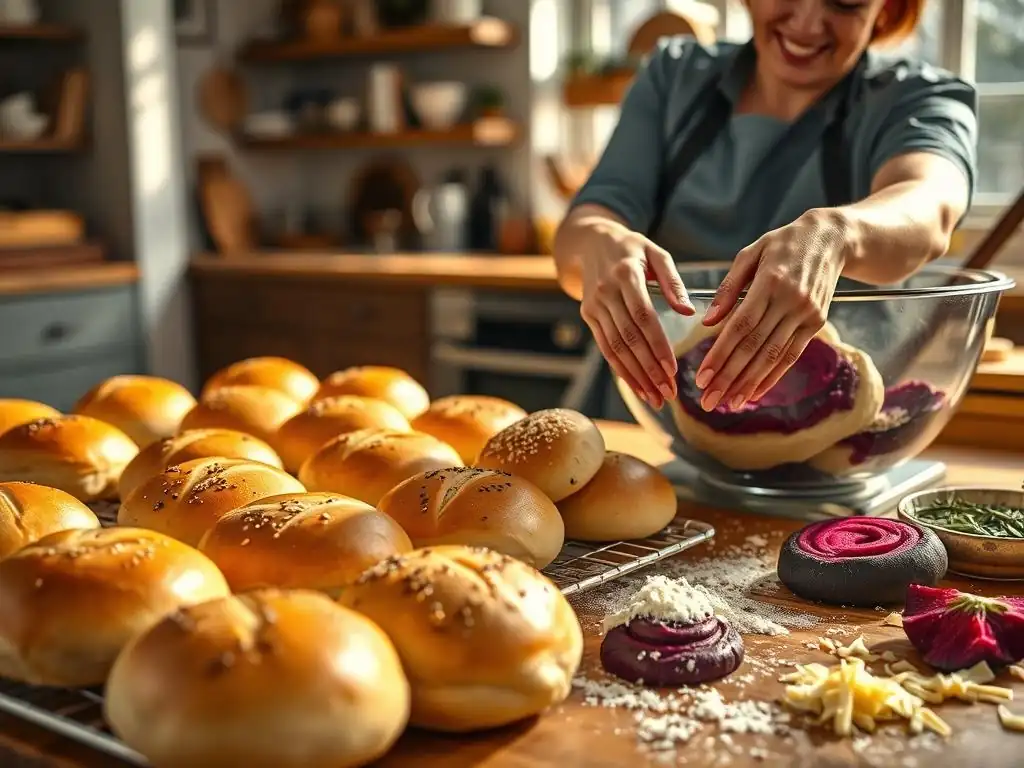
Once you've mastered the basic homemade perfect hamburger buns recipe, you might want to experiment with different variations. Changing just a few ingredients can significantly alter the flavor, texture, and richness of the bun, allowing you to tailor them to different types of burgers or sandwiches. Explore these popular alternatives to find your new favorite.
These variations range from incredibly rich and tender brioche buns to healthier whole wheat options and even recipes designed for dietary needs like gluten-free. Each modification brings a unique character to the bun, proving the versatility of the basic bread-making principles. Don't be afraid to get creative and make your homemade perfect hamburger buns recipe truly your own.
Brioche Hamburger Buns: Enriched Dough for Ultimate Richness
Brioche buns are made from an enriched dough that includes a significant amount of butter and eggs, sometimes even cream. This results in a bun that is incredibly tender, soft, and rich, with a slightly sweet flavor and a beautiful golden crumb. They are often considered the premium choice for gourmet burgers.
To adapt the basic homemade perfect hamburger buns recipe into a brioche version, you'll typically increase the amount of butter and incorporate several eggs into the dough. The dough will be softer and stickier to work with due to the higher fat content, often requiring longer kneading. The result is a luxurious bun that elevates any burger, offering a melt-in-your-mouth texture that is hard to beat.
Whole Wheat Hamburger Buns: A Healthier and Heartier Option
For a more nutritious and hearty alternative, you can bake whole wheat hamburger buns. Substituting a portion of the bread flour with whole wheat flour adds fiber, vitamins, and a distinct nutty flavor. While 100% whole wheat can produce a denser bun, using a blend (e.g., 50% whole wheat, 50% bread flour) provides a good balance of health benefits and desirable texture.
Whole wheat flour absorbs liquid differently than white flour, so you might need to slightly adjust the liquid content in your homemade perfect hamburger buns recipe. The dough may also require a little extra kneading to develop the gluten structure. The resulting buns are denser and chewier than white buns, offering a satisfying texture that pairs well with robust burger flavors like lamb or beef.
Gluten-Free Hamburger Buns: Baking for Dietary Needs
Creating delicious gluten-free hamburger buns requires a different approach than traditional wheat-based recipes. Gluten-free baking relies on blends of alternative flours (like rice flour, tapioca starch, potato starch, and sorghum flour) and often binders like xanthan gum or psyllium husk to mimic the structure provided by gluten.
Many dedicated gluten-free homemade perfect hamburger buns recipe exist that use specific flour blends and techniques to achieve a soft and pliable texture. These recipes often involve more liquid and a shorter kneading time (or just mixing). While the texture won't be identical to wheat buns, it is absolutely possible to bake flavorful and functional gluten-free buns that hold up well to burger fillings, ensuring everyone can enjoy a great burger.
Potato Hamburger Buns: Adding a Subtle Sweetness and Soft Texture
Potato buns incorporate mashed potatoes or potato flour into the dough, resulting in an exceptionally soft, moist, and tender bun with a subtle sweetness. The starches in the potato contribute to the softness and also help the buns stay fresh longer.
To make potato buns, you can either substitute a small portion of the flour with potato flour or incorporate cooled mashed potatoes directly into your homemade perfect hamburger buns recipe dough. The hydration level will need adjustment depending on the moisture content of the mashed potatoes. The outcome is a delightfully pillowy bun that is particularly good at soaking up burger juices without becoming soggy, making them a favorite for many.
Storing Your Homemade Hamburger Buns: Keeping Them Fresh for Longer
One of the minor drawbacks of homemade perfect hamburger buns recipe compared to store-bought is their shorter shelf life due to the absence of preservatives. However, with proper storage techniques, you can keep your delicious buns fresh and enjoyable for several days at room temperature or extend their life significantly by freezing them.
Knowing how to store and reheat your buns correctly ensures that the effort you put into baking pays off. Whether you plan to use them within a day or save them for future burger nights, these tips will help you maintain their wonderful texture and flavor.
Best Practices for Storing Homemade Buns
Once your homemade perfect hamburger buns recipe have cooled completely on a wire rack, store them in an airtight container or a large resealable plastic bag at room temperature. Ensure they are fully cooled before storing; otherwise, trapped moisture will cause them to become soggy and potentially mold quickly.
Stored properly, homemade buns will typically stay fresh for about 2-3 days at room temperature. Avoid refrigerating bread, as this can actually accelerate staling. Keep them away from direct sunlight or heat sources, which can also cause them to dry out faster. An airtight environment prevents them from drying out and losing their soft texture.
Freezing Hamburger Buns: Preserving Freshness for Later Use
Freezing is an excellent way to preserve the freshness of your homemade perfect hamburger buns recipe for longer periods. Once the buns are completely cool, place them in a single layer on a baking sheet and freeze for about an hour until they are firm. This prevents them from sticking together.
Transfer the partially frozen buns to a heavy-duty freezer bag or wrap them tightly in plastic wrap followed by aluminum foil. Label the bag with the date. Properly frozen buns can maintain their quality for up to 2-3 months. Freezing allows you to bake a large batch of homemade perfect hamburger buns recipe and have them ready whenever a burger craving strikes.
Reheating Your Buns: Restoring Fresh-Baked Texture
To restore the soft, fresh-baked texture of frozen or slightly stale homemade perfect hamburger buns recipe, you can reheat them. If frozen, thaw them at room temperature for a few hours or overnight.
For best results, you can warm them in a preheated oven at 300°F (150°C) for 5-10 minutes, wrapped loosely in foil if you prefer a softer crust. Alternatively, you can slice them and toast the cut sides in a pan with a little butter for a delicious crisp edge. Another quick method is to wrap a bun in a damp paper towel and microwave it for 15-30 seconds, though this method can sometimes make them slightly chewy. Proper reheating brings your homemade perfect hamburger buns recipe back to life.
Troubleshooting Your Hamburger Buns: Common Problems and Solutions
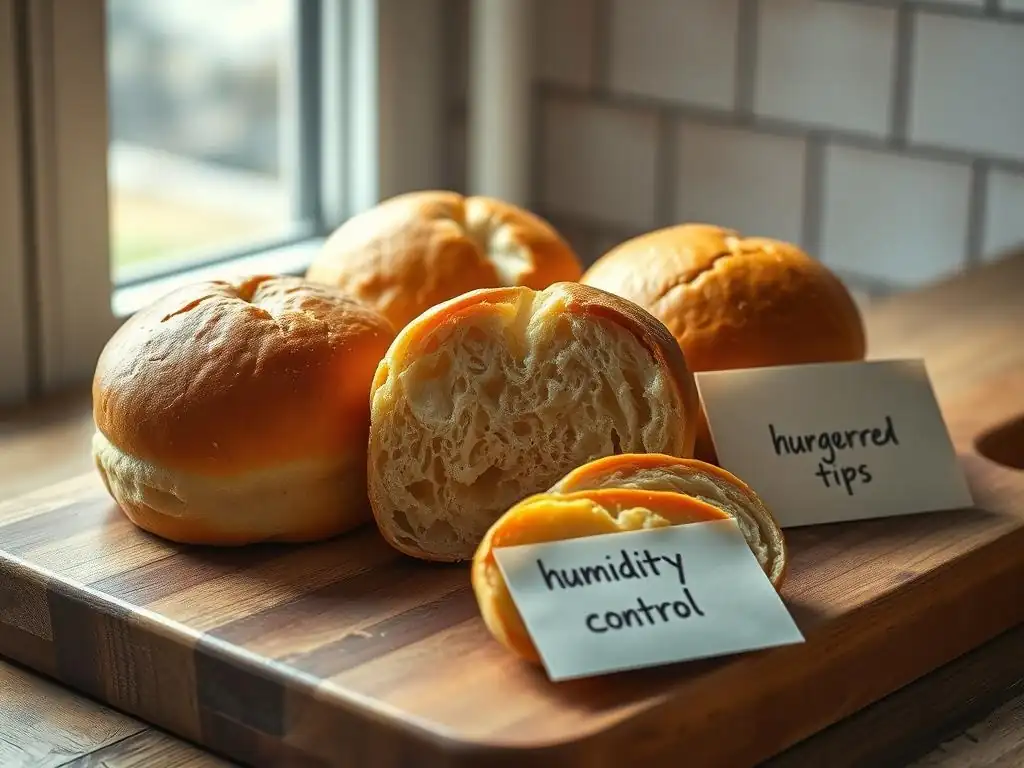
Even with a great homemade perfect hamburger buns recipe, baking can sometimes present challenges. Dough that doesn't rise, dense buns, or dry texture are common issues that can be frustrating. Understanding the potential causes and knowing how to troubleshoot them will help you learn from mistakes and achieve better results with subsequent batches.
Don't get discouraged if your first batch isn't absolutely perfect. Baking is a skill that improves with practice. By identifying what went wrong and applying the right solution, you'll become more confident in your ability to bake consistently excellent hamburger buns.
Buns Not Rising: Yeast Issues and Solutions
If your dough or shaped buns aren't rising, the most common culprit is inactive yeast. This can happen if the yeast is old and expired, or if the liquid used to activate it was too hot (killing the yeast) or too cold (failing to activate it). Remember, active dry yeast prefers liquids between 105°F and 115°F (40°C-46°C).
- Solution: Check the expiry date on your yeast package. Always activate active dry yeast in warm liquid with a pinch of sugar first to ensure it's alive and foamy before adding it to the main ingredients. If it doesn't foam, discard it and start with fresh yeast and correctly tempered liquid. Ensure your proofing environment is warm and draft-free.
Dense and Heavy Buns: Dough Handling Tips
Dense, heavy buns are often a result of insufficient kneading or under-proofing. Kneading develops the gluten structure needed to trap the gases produced by the yeast, creating a light and airy texture. Under-proofing means the dough didn't have enough time to rise adequately before baking.
- Solution: Ensure you knead the dough for the recommended time until it is smooth and elastic. If kneading by hand, this takes effort! Allow the dough to complete both the first and second rises fully. The dough should double in size during the first rise and become visibly puffy during the second. Don't rush the rising times, as they are crucial for a light homemade perfect hamburger buns recipe.
Dry and Crumbly Buns: Hydration and Baking Time Adjustments
Dry and crumbly buns can result from too little liquid in the dough or overbaking. The ratio of flour to liquid is important for hydration, and baking too long or at too high a temperature can dry out the crumb.
- Solution: Ensure you measure your ingredients accurately, especially the flour (scoop and level, or weigh if possible). If your environment is particularly dry, you might need to add a tablespoon or two more liquid during kneading. Use an oven thermometer to verify your oven temperature and check the buns for doneness at the minimum recommended baking time. They should be golden brown and sound hollow when tapped.
Buns Burning on the Bottom: Oven Temperature and Placement
If the bottoms of your buns are burning before the tops are golden, your oven rack might be too low, or the oven temperature might be uneven, with a hot spot at the bottom.
- Solution: Try placing your baking sheet on a higher oven rack, typically the middle one. If the problem persists, your oven might have uneven heating. You can try placing an empty baking sheet or a pizza stone on the rack below your buns to act as a heat shield. Monitoring your oven temperature with an external thermometer can also help identify if the temperature is spiking too high at the bottom.
Serving Suggestions: The Perfect Hamburger Buns for Every Burger Creation
Your homemade perfect hamburger buns recipe are ready! Now comes the fun part: filling them with deliciousness. The right bun can truly make a burger sing, providing the perfect vessel for all those juicy patties, melted cheese, and flavorful toppings. Your superior homemade buns deserve equally thoughtful pairings.
These versatile buns aren't just for beef burgers. They can elevate chicken, fish, or veggie burgers, and even transform into fantastic sandwiches and sliders. Consider the flavor profile of your filling when choosing how to prepare and serve your homemade perfect hamburger buns recipe.
Pairing Your Homemade Buns with Different Burger Types
For a classic beef burger, a slightly sweet, soft bun like our basic recipe or the brioche variation is often ideal. The richness complements the savory beef. If you're making a lighter turkey or chicken burger, a slightly less rich bun, or even a whole wheat option, can provide a nice balance.
Pulled pork or barbecue fillings pair wonderfully with a slightly sturdier bun that can handle the sauciness, perhaps one with a bit more chew or a toasted interior. Consider toasting the cut sides of your homemade perfect hamburger buns recipe lightly under the broiler or in a pan with butter before assembling your burger. This adds a lovely crisp texture and prevents the bun from getting soggy from juicy fillings.
Beyond Burgers: Using Your Buns for Sandwiches and Sliders
Your amazing homemade perfect hamburger buns recipe aren't limited to just hamburgers. Their soft, substantial texture makes them perfect for a variety of sandwiches. Think about using them for elevated deli sandwiches, grilled cheese, or even breakfast sandwiches with eggs, cheese, and bacon.
Smaller versions of these buns, often called slider buns, are fantastic for entertaining. You can bake smaller balls of dough (e.g., 1.5-2 ounces) for perfect mini sandwiches. These are great for party appetizers, filled with anything from mini pulled pork to small burger patties or even just cheese and ham. The versatility of your homemade perfect hamburger buns recipe means the possibilities are endless!
Enjoy Your Homemade Perfect Hamburger Buns: A BakeWithEase Success Story.
Frequently Asked Questions
What makes BakeWithEase's hamburger bun recipe different from others?
Our recipe focuses on simplicity and ease of use, using readily available ingredients. We provide clear step-by-step instructions and helpful tips for bakers of all skill levels to achieve perfect results every time.
What are the key ingredients for achieving soft and fluffy hamburger buns?
The most important ingredients are high-quality flour, active dry yeast (or instant yeast, if preferred), and a touch of sugar or honey to feed the yeast. Proper hydration is also crucial.
How do I prevent my hamburger buns from becoming too dry?
Avoid over-baking! Use an oven thermometer to ensure accurate temperature. Brushing the buns with melted butter or milk after baking will also help keep them soft and moist.
Can I freeze homemade hamburger buns?
Yes! Allow the buns to cool completely after baking. Wrap them individually in plastic wrap, then place them in a freezer bag. They can be stored for up to 2-3 months and thawed at room temperature.
What are some variations or additions I can make to the basic hamburger bun recipe?
You can add sesame seeds, poppy seeds, or everything bagel seasoning to the top before baking for added flavor and texture. Consider incorporating herbs or cheese into the dough for a more savory bun.
Final Reflection: The Humble Bun, a Testament to Homemade Happiness
The pursuit of the perfect hamburger bun is more than just a culinary quest; it's a journey into the heart of homemade goodness. The seemingly simple act of baking your own buns unlocks a level of flavor and texture unattainable with store-bought alternatives, transforming a casual burger into a truly memorable experience. This article has explored the nuances of achieving that perfect fluffy crumb, that satisfying chew, and that irresistible golden-brown crust, proving that even the smallest details can make all the difference.
The impact of homemade food, and specifically the joy of baking, resonates deeply within our culture. It's a connection to simpler times, a tangible expression of care, and a powerful way to share love with family and friends. The best things in life are homemade.
This sentiment, though cliché, holds a profound truth. Baking your own hamburger buns isn't just about the end result; it's about the process, the satisfaction of creating something delicious from scratch, and the pride in sharing your creation.
Now, I invite you to roll up your sleeves, gather your ingredients, and embark on your own bun-baking adventure. Don't be intimidated by the seemingly complex steps; embrace the process, experiment with different techniques, and most importantly, have fun! The reward—a juicy burger nestled in a perfectly crafted bun—is well worth the effort. Remember, the perfect hamburger bun isn't just about following a recipe; it's about infusing your own passion and creativity into each step, creating a truly personal and unforgettable culinary experience.
Unleash Your Inner Baker: Craft the Perfect Bun!
Thanks for joining us on this bun-baking adventure! You've now unlocked the secrets to creating deliciously fluffy, golden-brown hamburger buns right in your own kitchen. Ready to take your burger game to the next level?
- Bake a batch today! Use our recipe and impress your friends and family with homemade buns that are far superior to store-bought. This is your primary action—get baking!
- Share your baking journey! Snap a picture of your perfect buns and post it on social media using #BakeWithEaseBuns – we'd love to see your creations!
- Try experimenting with different flours or add-ins. What unique flavor combination will you discover?
So, what delicious fillings will you pair with your perfectly crafted buns? Let's hear your burger topping ideas in the comments!