
Unveiling the Mystery of Danish Rye Bread (Rugbrød)

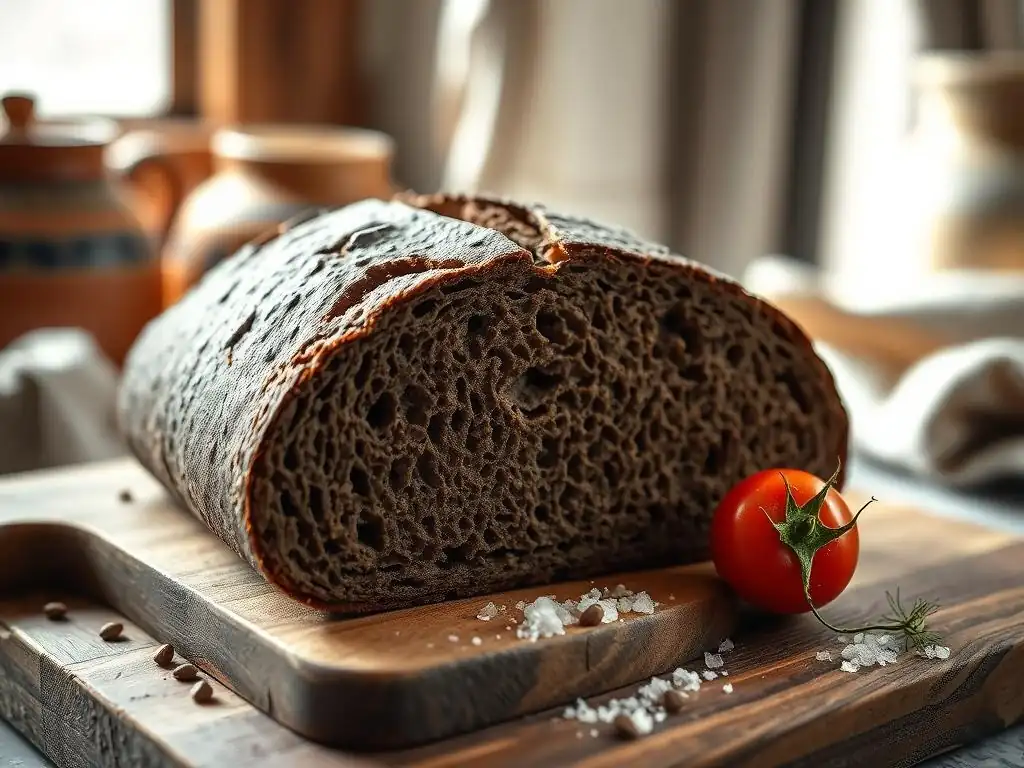
Welcome to BakeWithEase, your kitchen companion for all things baking!
Are you ready to unlock the secrets of authentic Danish baking? Ever wondered how to achieve that perfect, dense crumb and subtly sweet flavor of real Easy Danish Rye Bread? This week, we're demystifying the process, offering a simplified recipe and step-by-step guide that will have you enjoying warm, homemade rugbrød in no time. Discover the techniques and ingredients that make this Nordic staple a true baking masterpiece – and prepare to be amazed at how easy it can be! Let's get baking!
- Bake Authentic Danish Rye Bread at Home with Ease
- What Makes Danish Rye Bread (Rugbrød) Unique?
- Easy Danish Rye Bread Recipe: A Step-by-Step Guide for Home Bakers
- Tips and Tricks for Baking the Perfect Rugbrød
- Serving and Storing Your Homemade Danish Rye Bread
- Mastering the Art of Easy Danish Rye Bread Baking
-
Frequently Asked Questions
- What makes Danish rye bread (Rugbrød) different from other rye breads?
- Is Danish rye bread difficult to bake at home, especially for beginners?
- What are some key ingredients in authentic Danish rye bread?
- Can I adapt the BakeWithEase recipe for "Easy Danish Rye Bread" to be gluten-free?
- How should I store Danish rye bread to keep it fresh for longer?
- Final Reflection: The Enduring Appeal of Simple Rye
- Unlock the Secrets of Perfect Rugbrød!
Bake Authentic Danish Rye Bread at Home with Ease
Baking your own bread is a deeply satisfying experience, and delving into the world of regional specialities opens up a universe of flavors and textures. Danish Rye Bread, known as Rugbrød, stands out as a dense, dark, and incredibly nutritious loaf. Often perceived as complex, mastering Easy Danish rye bread baking at home is entirely within reach with the right guidance and a bit of patience. This article will demystify the process, bringing the authentic taste of Denmark right into your kitchen.
Welcome to the World of Rugbrød: A Baking Adventure
Rugbrød is more than just bread in Denmark; it's a cultural staple, forming the base of the iconic open-faced sandwiches, smørrebrød. Its history is rooted in necessity and resourcefulness, utilizing rye, a grain that thrives in Nordic climates where wheat cultivation can be challenging. Unlike many European rye breads that incorporate significant amounts of wheat flour, traditional Rugbrød often features a very high percentage, sometimes even 100%, of rye, contributing to its characteristic density and rich, slightly tangy flavor.
Embarking on the journey to bake Easy Danish rye bread is an adventure that connects you with centuries of Scandinavian baking tradition. While it differs significantly from light, airy wheat loaves, the process is straightforward once you understand the unique properties of rye flour and the role of fermentation. With minimal kneading and a long, slow bake, this bread requires less hands-on time than many other types, making it surprisingly accessible for home bakers looking to expand their repertoire beyond typical white or whole wheat loaves.
What Makes Danish Rye Bread (Rugbrød) Unique?
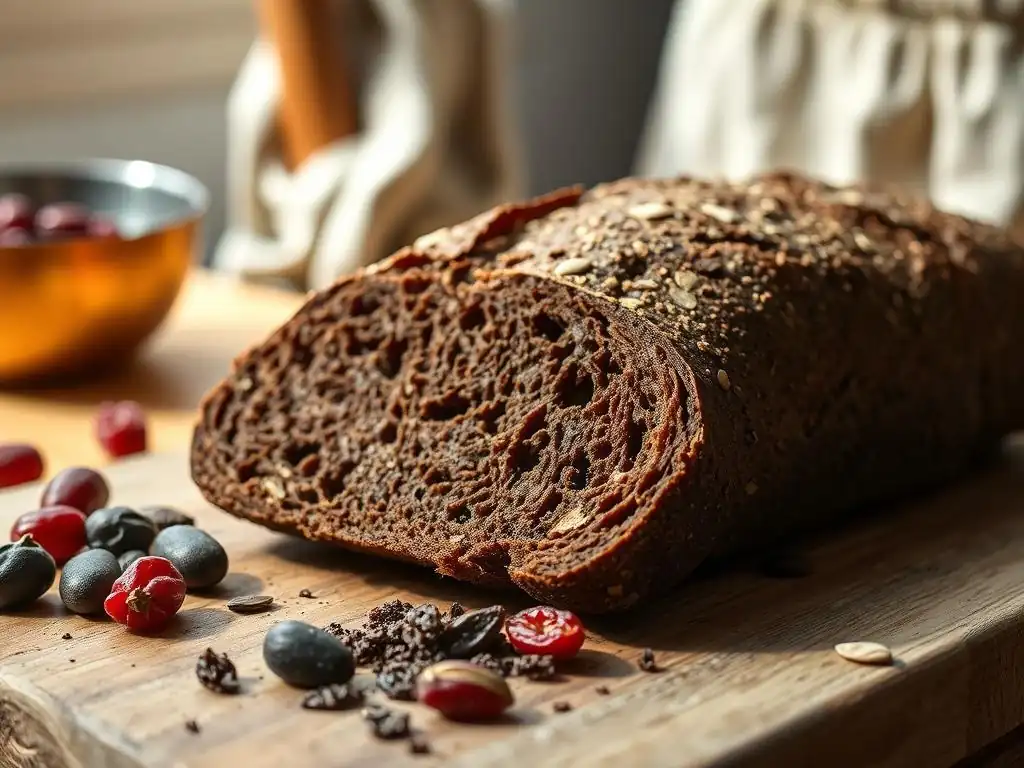
Rugbrød is instantly recognizable by its dark color, tight crumb, and substantial weight. These characteristics are not just aesthetic; they are fundamental to its identity and function. The combination of specific ingredients and a unique baking process results in a bread that is incredibly satisfying, packed with nutrients, and boasts a flavor profile unlike any other. Understanding these elements is key to successfully baking your own authentic loaf.
The Heart of Rugbrød: Sourdough Starter and Rye Flour
The foundational elements of authentic Danish rye bread are a robust sourdough starter and a variety of rye flours and grains. A rye sourdough starter is crucial because rye flour contains lower levels of gluten-forming proteins compared to wheat. This means that the structure and rise of Rugbrød rely heavily on the leavening power and enzymatic activity of the sourdough culture. A healthy, active rye starter, typically fed with whole rye flour and water, contributes not only to the lift but also to the bread's signature tangy depth and helps break down the complex starches in rye, improving digestibility.
Rye flour itself comes in various forms, from fine light rye to coarse whole rye and cracked rye kernels. Traditional Rugbrød often incorporates a mix to achieve its desired texture and density. Whole rye flour, which includes the bran and germ, provides maximum fiber and nutrients, contributing to the bread's dark color and hearty crumb. Cracked rye or rye chops add textural interest and require soaking before mixing into the dough, ensuring they soften sufficiently during the long fermentation and baking process. The specific combination of these rye components is what gives Rugbrød its unique mouthfeel and nutritional profile.
Exploring the Distinctive Flavor Profile of Danish Rye
The flavor of Danish rye bread is a complex interplay of tanginess from the sourdough, earthy notes from the rye, and a subtle sweetness that develops during the long fermentation and baking. Unlike many wheat breads, Rugbrød doesn't rely on a dramatic oven spring for texture; its character comes from the dense, moist crumb packed with grains. The slow fermentation allows beneficial acids to develop, which contribute to the bread's characteristic sourness and also help preserve the loaf naturally.
Often, seeds like sunflower, pumpkin, flax, and sesame are added, contributing nutty flavors and a satisfying crunch that contrasts with the dense crumb. These additions are not just for texture; they also enhance the nutritional value and add layers of flavor. Some recipes might include a touch of malt syrup or dark syrup, which adds a subtle sweetness and further darkens the crumb. The overall flavor is robust and slightly acidic, making it an ideal pairing for rich toppings like smoked fish, cheese, or cured meats, which is why it's so beloved as the base for smørrebrød.
Nutritional Benefits of Rugbrød: A Healthy and Delicious Choice
Danish rye bread is widely celebrated for its impressive nutritional benefits, making it a staple in a health-conscious diet. Primarily made from whole rye flour and often packed with seeds and grains, it is an excellent source of dietary fiber. A single slice (around 50-60 grams) can contain approximately 5-7 grams of fiber, significantly contributing to daily recommended intake and promoting digestive health. The high fiber content also contributes to a lower glycemic index compared to many white or whole wheat breads, helping to regulate blood sugar levels.
Beyond fiber, Rugbrød is rich in various vitamins and minerals, including B vitamins (like B6 and folate), magnesium, phosphorus, iron, and zinc. The sourdough process can also enhance the bioavailability of these nutrients. The inclusion of seeds further boosts the nutritional profile, adding healthy fats (omega-3s from flax seeds), protein, and additional micronutrients. With around 120-150 calories per slice depending on ingredients, Rugbrød offers substantial satiety and sustained energy release, making it a nutritious and delicious component of any meal.
Easy Danish Rye Bread Recipe: A Step-by-Step Guide for Home Bakers
Ready to try baking this hearty loaf yourself? This Easy Danish rye bread recipe breaks down the process into manageable steps, perfect for home bakers. While it requires time for fermentation and baking, the hands-on work is minimal. Gather your ingredients and get ready to create a truly satisfying bread.
Ingredients for Your Homemade Rugbrød
Making authentic Rugbrød starts with selecting the right ingredients. The quality of your rye flour and the health of your sourdough starter are paramount.
Understanding Different Types of Rye Flour for Rugbrød
Traditional Rugbrød recipes often call for a mix of rye flour types to achieve the desired texture and flavor. Whole rye flour (also known as dark rye flour in some regions) is the most common base, providing the bulk of the fiber, color, and earthy flavor. Look for stone-ground whole rye if possible, as it often retains more of the grain's nutrients and character. Cracked rye kernels (sometimes called rye chops) are another frequent addition; these are whole rye kernels that have been coarsely broken.
They add a wonderful chewiness and texture to the final loaf. Light rye flour, which has less bran and germ removed, can be used in smaller quantities to slightly lighten the texture, although many traditional recipes prioritize whole rye. Ensure your flours are fresh for the best results.
The Importance of a Healthy Sourdough Starter
A vibrant, active rye sourdough starter is the engine that drives your Rugbrød's fermentation and rise. Unlike wheat doughs where yeast produces significant oven spring, rye doughs are much denser, and the sourdough's activity is critical for creating the internal structure and texture. A healthy starter, typically fed daily or multiple times a week if kept at room temperature, should double in size within several hours of being fed and have a pleasant, tangy aroma.
If your starter is sluggish, give it a few consistent feedings (e.g., 1:1:1 ratio of starter:flour:water by weight, fed every 12 hours) to strengthen it before attempting to bake. Using a weak starter will result in a flat, overly dense, and potentially gummy loaf.
Preparing the Dough: The Key to Perfect Rugbrød
Rugbrød dough is unlike typical wheat doughs; it's more like a thick batter or paste than something you knead vigorously. The process is more about mixing thoroughly and allowing time for fermentation.
Mixing the Dough: Achieving the Right Consistency
Mixing Rugbrød dough is straightforward and requires minimal effort compared to kneading wheat dough. Combine your active sourdough starter, water (often warm water to help activate the starter and soften grains), salt, and any sweeteners (like malt syrup or dark syrup). Add your chosen rye flours, cracked rye (often pre-soaked), and any seeds or grains. Mix everything together using a sturdy spoon or a stand mixer with a dough hook on low speed until all the ingredients are uniformly combined and there are no dry pockets of flour.
The dough will be very wet and sticky, much wetter than a typical wheat bread dough. The consistency should be thick enough to hold its shape loosely but too wet to handle easily by hand. Overmixing is not a major concern as with wheat doughs, but ensure everything is well incorporated.
The Bulk Fermentation Process: Patience is Key
Bulk fermentation is where the magic happens for Rugbrød. After mixing, the dough is typically placed in a prepared loaf pan (often greased and floured, or lined with parchment paper) right away, as it's too wet to shape later. The pan-proof method is common for Easy Danish rye bread. Cover the pan and let the dough ferment at room temperature.
This process is much longer than for wheat breads, often taking 12 to 24 hours, sometimes even longer depending on the temperature of your kitchen and the strength of your starter. During this time, the sourdough culture works to leaven the dough, develop flavor, and break down starches. You'll notice the dough slowly rise, and the surface might show small bubbles. A good indicator that it's ready for baking is when it has risen noticeably (perhaps 30-50%) and the surface appears slightly domed or cracked.
Shaping and Baking Your Rugbrød
Rugbrød is typically baked in a loaf pan due to its wet, dense dough. The baking process is long and slow, often starting at a higher temperature and then reduced to ensure the interior cooks through without burning the crust.
Shaping Techniques for Traditional Rugbrød Loaves
Since Rugbrød dough is very wet, traditional loaves are almost always baked in loaf pans. There's no complex shaping involved like with freeform boules or batards. After the bulk fermentation in the pan, the dough is ready to go straight into the oven.
Before baking, some bakers like to smooth the top of the dough with wet hands or a spatula and sprinkle it with extra seeds (like poppy or sesame seeds) for decoration and added flavor. This simple "shaping" is functional, helping to create an even top crust. The density of the dough means it won't expand dramatically in the oven, so filling the pan about two-thirds to three-quarters full is usually sufficient to get a good loaf height without overflowing.
Baking Temperatures and Times: Achieving a Dark and Dense Crust
Baking Rugbrød requires a long, slow bake to ensure the dense interior is fully cooked and the crust develops its characteristic dark color and firmness. A common approach is to preheat your oven to a relatively high temperature, such as 220°C (425°F), and bake the loaf for the first 15-20 minutes. This initial heat helps set the crust. Then, the temperature is significantly reduced, often to around 160-170°C (325-340°F), for the remainder of the baking time, which can be anywhere from 1.5 to 3 hours, depending on the size and thickness of the loaf.
The long, low-temperature bake ensures the heat penetrates the dense crumb without burning the exterior. The loaf is done when the internal temperature reaches about 95-100°C (205-210°F) and it sounds hollow when tapped on the bottom. The crust should be dark brown, almost black in some traditional styles, but not burnt.
Cooling and Slicing: Preserving the Integrity of Your Rugbrød
Proper cooling is absolutely critical for Rugbrød. Due to its density and high moisture content, the bread continues to cook and set as it cools.
Cooling and Slicing: Preserving the Integrity of Your Rugbrød
Immediately after removing the Rugbrød from the oven, turn it out of the pan and place it on a wire rack to cool completely. This cooling process is not a matter of minutes, but hours. Rugbrød requires a minimum of 8-12 hours, and ideally 24 hours, to cool and fully set. Slicing it too early will result in a gummy, sticky crumb because the internal moisture hasn't had time to redistribute and the starches haven't fully gelled and set.
Resist the urge to cut into your beautiful loaf right away! Once fully cooled, Rugbrød is traditionally sliced very thinly, often just a few millimeters thick. A sharp serrated knife or a bread slicing machine is essential for achieving these thin, even slices without squashing the dense loaf.
Tips and Tricks for Baking the Perfect Rugbrød
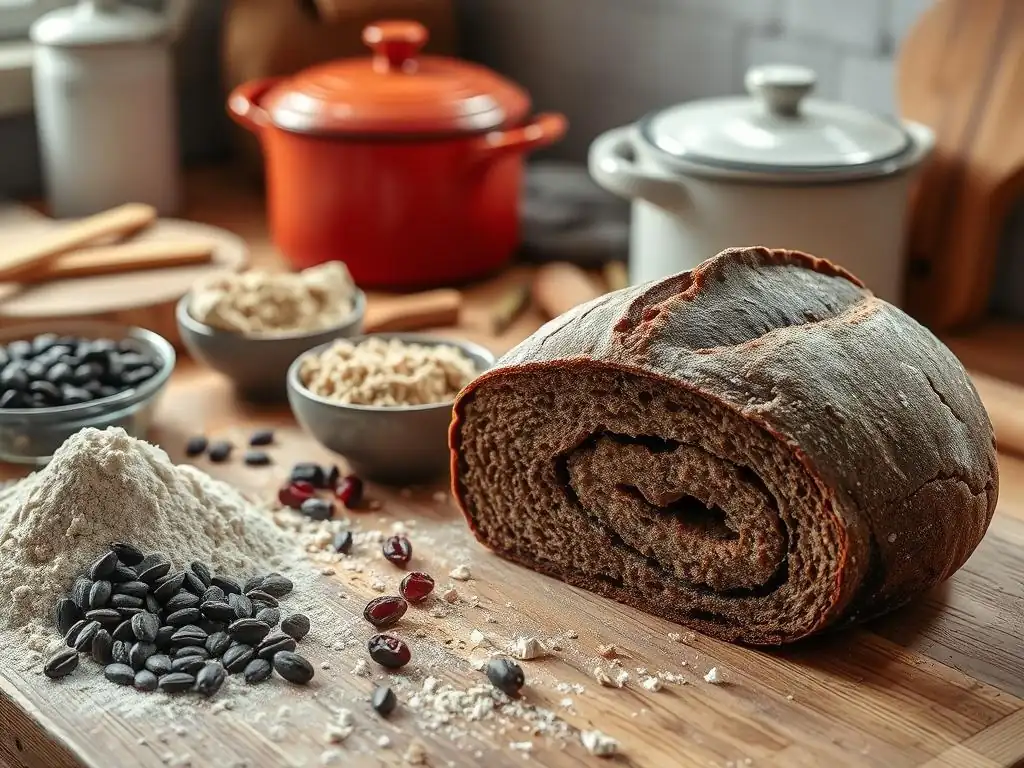
Even with an Easy Danish rye bread recipe, baking Rugbrød can present unique challenges compared to wheat bread. Understanding common issues and how to address them, as well as knowing how to customize your loaf, will help you achieve consistently excellent results.
Troubleshooting Common Rugbrød Baking Issues
Baking with high percentages of rye flour requires a slightly different mindset than baking with wheat. Here are a couple of common hurdles and how to overcome them.
Avoiding a Gummy Texture
A gummy or sticky texture is perhaps the most common issue when baking Rugbrød. This often happens for a few reasons: insufficient baking time or temperature, slicing the bread before it has fully cooled and set, or an issue with the flour-to-liquid ratio. Ensure you bake the bread for the full recommended time, checking the internal temperature (aim for 95-100°C or 205-210°F).
Always, always let the loaf cool completely for at least 8-12 hours before slicing; 24 hours is even better. If your dough felt excessively wet during mixing, slightly reduce the water in your next batch. Using a small amount of pre-soaked cracked rye or other grains can also help absorb excess moisture during baking.
Ensuring a Proper Rise
Rye dough does not rise as dramatically as wheat dough, but you should still see some noticeable increase in volume during the long fermentation. If your Rugbrød is completely flat, the primary culprit is likely a weak or inactive sourdough starter. Ensure your starter is vigorous and doubles in size predictably after feeding before you use it for baking Rugbrød.
The temperature of your kitchen during fermentation also plays a role; a cooler environment will require a longer fermentation time. Using warm water (around 30-35°C or 85-95°F) when mixing the dough can help kickstart the starter's activity, especially in cooler conditions. Don't expect a huge, airy loaf; Rugbrød is naturally dense, but it should have a noticeable, even crumb structure, not be completely solid.
Enhancing the Flavor: Variations and Add-Ins for Rugbrød
One of the joys of baking Rugbrød is the ability to customize it with various seeds, grains, and spices to create your signature loaf.
Adding Seeds and Grains for Texture and Flavor
Incorporating seeds and grains is a hallmark of many traditional Rugbrød recipes and a fantastic way to add texture, flavor, and nutrition. Common additions include sunflower seeds, pumpkin seeds (pepitas), flax seeds, chia seeds, and sesame seeds. These can be added directly to the dough during mixing.
Cracked rye or other cracked grains (like wheat or barley) are also popular; these often benefit from being soaked in hot water for a few hours or overnight before being added to the dough to ensure they soften properly during the long bake. A typical seed/grain mix might constitute 20-40% of the total flour weight, providing substantial texture and nutty flavors that complement the tangy rye.
Experimenting with Different Flours and Spices
While traditional Rugbrød is primarily rye, some recipes incorporate small amounts of other flours. A small percentage (e.g., 10-15%) of whole wheat flour can sometimes be added to slightly lighten the texture and aid structure, though purists stick to 100% rye. Experimenting with different ratios of whole rye, cracked rye, and perhaps a touch of light rye can significantly impact the final crumb and density. Spices can also be added for extra depth.
A pinch of caraway seeds is a classic Scandinavian addition, lending a subtle anise-like note. Other possibilities include fennel seeds or even a touch of ground coriander, although these are less traditional. Start with small amounts and adjust in future bakes based on your preference.
Serving and Storing Your Homemade Danish Rye Bread
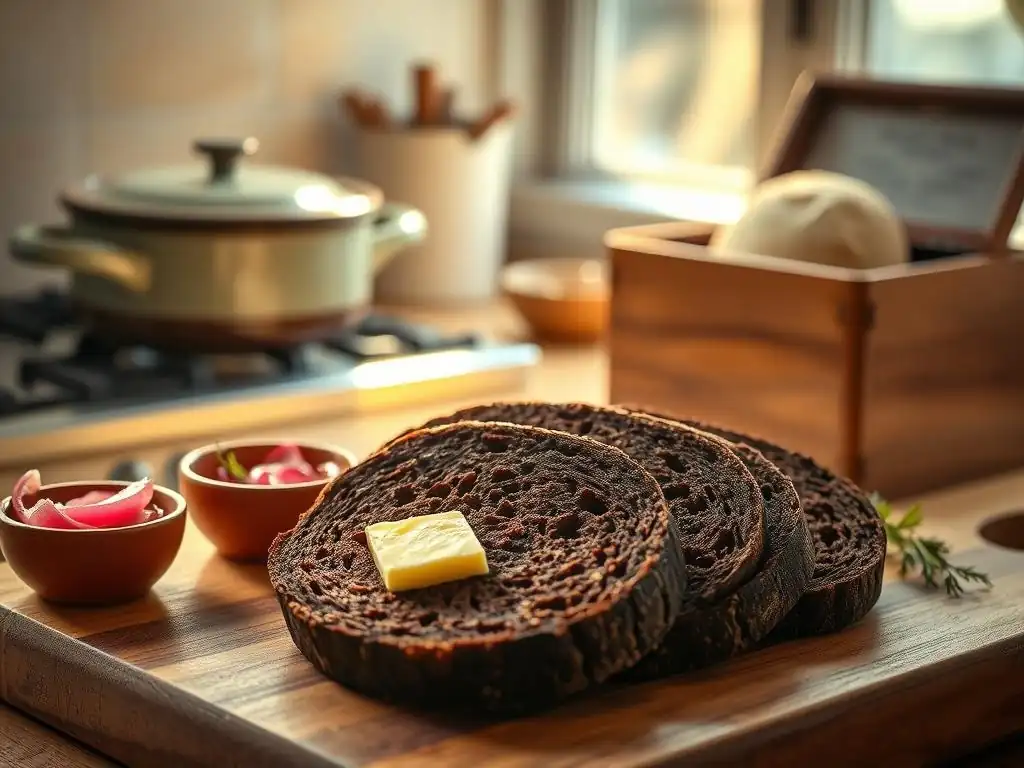
You've baked your beautiful, dense Rugbrød – congratulations! Now, how to enjoy it and keep it fresh?
Traditional Ways to Enjoy Rugbrød
The most iconic way to enjoy Rugbrød is as the base for smørrebrød. These open-faced sandwiches are a cornerstone of Danish cuisine. Thinly sliced Rugbrød is typically buttered generously and then topped with a variety of ingredients, such as pickled herring, smoked salmon, hard-boiled eggs and shrimp, roast pork, liver pâté, or various cheeses and cold cuts, often garnished elaborately with herbs, pickles, or fried onions.
The dense, slightly tangy bread provides a sturdy and flavorful foundation that balances the richness of the toppings. Rugbrød is also delicious simply toasted and buttered, or served alongside soups and salads. Its hearty nature makes it perfect for a substantial breakfast or lunch.
Storing Rugbrød to Maintain Freshness
Proper storage is key to keeping your Rugbrød fresh and delicious for as long as possible. Due to its density and sourdough content, Rugbrød has a relatively long shelf life compared to many other breads. Once completely cooled, store the loaf wrapped tightly in plastic wrap or beeswax wrap, or in a sealed bread bag. Keep it at room temperature; there's no need to refrigerate, which can actually dry it out.
Stored this way, a loaf of Rugbrød can remain fresh for 5-7 days, or even longer. For longer storage, Rugbrød freezes exceptionally well. Slice the cooled loaf thinly, wrap the slices tightly (e.g., in stacks wrapped in plastic wrap or in freezer bags), and freeze for up to 3 months. You can then take out just the slices you need and toast them directly from frozen.
Mastering the Art of Easy Danish Rye Bread Baking
Baking Easy Danish rye bread at home might seem daunting at first glance, but by understanding the role of rye flour and sourdough, allowing ample time for fermentation and cooling, and following a step-by-step process, you can successfully create this delicious and nutritious bread. It's a rewarding bake that offers a taste of Scandinavian tradition and a versatile, healthy bread for your table.
Further Exploration: Resources for Rye Bread Enthusiasts
For those eager to deepen their knowledge of rye bread baking, numerous resources are available. Cookbooks specializing in Scandinavian or European baking often feature traditional Rugbrød recipes and variations. Online baking forums and communities dedicated to sourdough and rye baking are excellent places to ask questions, share experiences, and learn from others. Many experienced bakers share detailed guides and tips specifically for handling high-hydration rye doughs and managing long fermentation times. Exploring these resources can provide further insights into the nuances of working with rye and help you refine your techniques.
Embrace the Rugbrød Baking Journey!
Baking Rugbrød is a journey of patience and discovery. It teaches you to work with the unique properties of rye and appreciate the transformative power of a long, slow fermentation. Don't be discouraged if your first loaf isn't perfect; like all baking, practice makes perfect. Each loaf you bake will teach you something new about managing your sourdough, adjusting hydration, and achieving that perfect dense, moist crumb. Embrace the process, enjoy the incredible aroma filling your kitchen, and savor the satisfying taste of your homemade Easy Danish rye bread. Happy baking!
Frequently Asked Questions
What makes Danish rye bread (Rugbrød) different from other rye breads?
Danish rye bread, or Rugbrød, is known for its dense and hearty texture and its reliance on whole grains and sourdough. It often includes whole rye kernels and cracked rye, unlike some lighter rye breads.
Is Danish rye bread difficult to bake at home, especially for beginners?
While it may seem intimidating, BakeWithEase offers easy-to-follow recipes and step-by-step guides for baking Danish rye bread at home. With our techniques, even beginners can achieve delicious results.
What are some key ingredients in authentic Danish rye bread?
Key ingredients include whole rye flour, rye kernels, sourdough starter, and often dark malt syrup. These ingredients contribute to the bread's distinctive flavor and texture.
Can I adapt the BakeWithEase recipe for "Easy Danish Rye Bread" to be gluten-free?
While the traditional recipe is not gluten-free, you can explore gluten-free rye bread alternatives. BakeWithEase might offer future variations using gluten-free flours to mimic the texture and flavor of Rugbrød.
How should I store Danish rye bread to keep it fresh for longer?
Danish rye bread keeps well due to its density. Store it in an airtight container at room temperature. You can also slice and freeze it for longer storage.
Final Reflection: The Enduring Appeal of Simple Rye
The seemingly humble art of baking Danish rye bread, or rugbrød, transcends mere culinary technique; it's a testament to the power of simple ingredients and patient process. This exploration into the ease of crafting this iconic bread reveals not just a recipe, but a connection to Danish heritage and a surprisingly accessible pathway to delicious, wholesome food. The ease of the recipe, despite its seemingly complex reputation, makes it a perfect entry point for home bakers seeking both flavor and satisfaction.
The enduring popularity of rugbrød speaks volumes about its cultural significance. It's more than just a staple food; it's a symbol of comfort, tradition, and the slow, deliberate pace of life often associated with Danish culture. Simplicity is the ultimate sophistication.
– Leonardo da Vinci. This quote perfectly encapsulates the essence of rugbrød: its uncomplicated ingredients yield a depth of flavor and texture that belies its straightforward preparation. The process itself, though requiring time, is meditative and rewarding, offering a welcome respite from the frenetic pace of modern life.
Now, consider your own kitchen. Imagine the aroma of freshly baked rye bread filling your home, the satisfying crust giving way to a dense, flavorful interior. Don't let the perceived complexity deter you. This article has shown you that crafting delicious, authentic Danish rye bread is within your reach. Embrace the simplicity, savor the process, and experience the joy of creating something both nourishing and deeply satisfying. The journey of baking rugbrød is as rewarding as the final slice.
Unlock the Secrets of Perfect Rugbrød!
Thanks for taking the time to explore the wonderful world of Danish rye bread! We hope you've gained a new appreciation for this unique and flavorful loaf. Ready to take your baking to the next level?
- Bake your own Rugbrød: This is your chance to experience the true magic of homemade Danish rye. Our detailed recipe (available on the site) will guide you through every step!
- Share your baking journey: Post a picture of your creation on social media using #BakeWithEaseRugbrød and inspire others!
- Explore more traditional baking techniques: Dive deeper into our library of recipes to expand your culinary skills.
So, what unique ingredient will you experiment with in your first batch of Rugbrød?