Vegan Mirror Glaze: Mastering AgarAgar for a Stunning Finish
✨ Discover the secrets to a flawless vegan mirror glaze using agar agar. BakeWithEase.com guides you through mastering vegan mirror glaze agar…
Read article
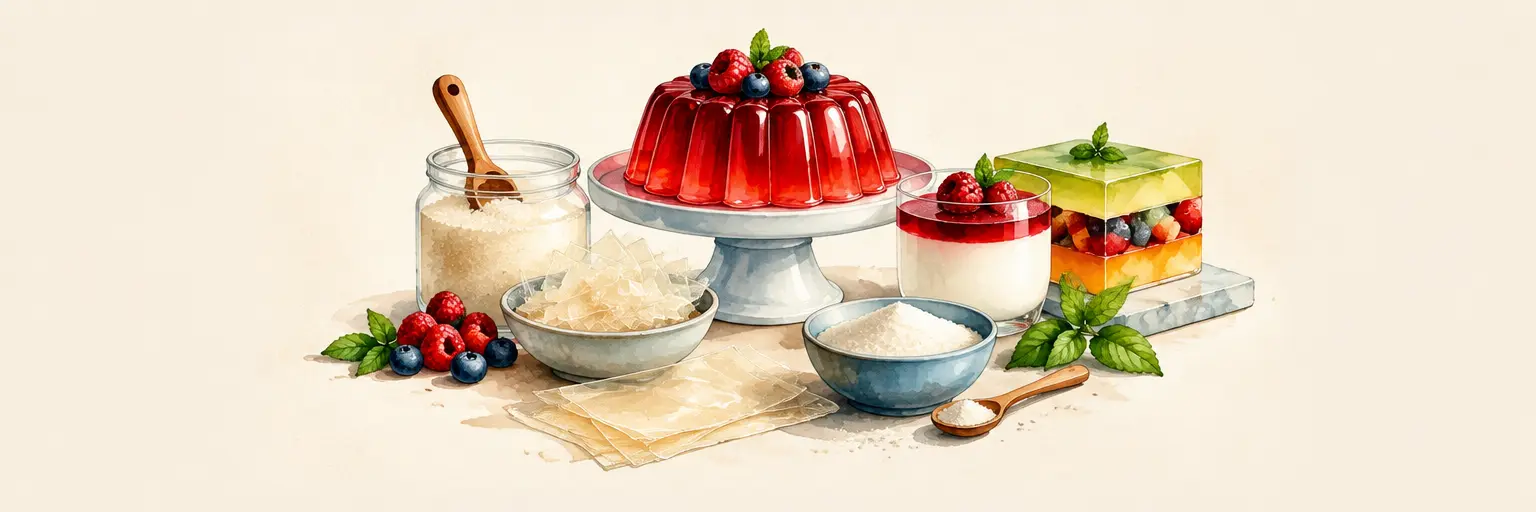
Unlock the secret to professional, restaurant-quality desserts with our in-depth guide to working with gelatin and agar-agar—the ultimate stabilizers for silky panna cottas, glossy glazes, and perfectly set mousses. 🌟 Whether you’re crafting a delicate mirror cake or a vegan-friendly fruit jelly, mastering these gelling agents is a game-changer for any advanced baker. Learn the critical differences between animal-based gelatin (powdered or sheet) and plant-based agar-agar, including bloom ratios, hydration times, and temperature thresholds. We break down the chemistry so you can avoid common pitfalls like rubbery textures, weeping, or failure to set—ensuring flawless results every time. From cold-soaking and gentle melting to achieving the perfect “jiggle” for slicable terrines, our step-by-step tips help you control firmness, clarity, and mouthfeel with confidence. Elevate your desserts with precise, repeatable techniques that impress both at home and in professional kitchens. Dive in and transform your baking repertoire today! 🍮✨
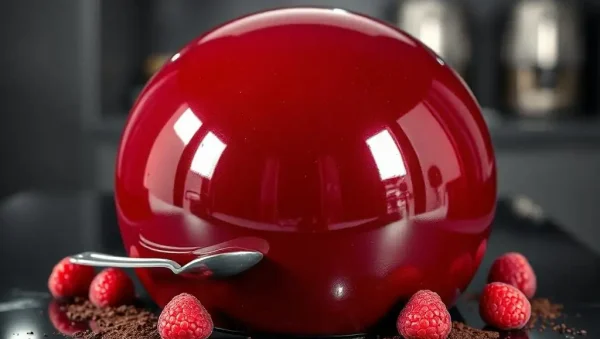
✨ Discover the secrets to a flawless vegan mirror glaze using agar agar. BakeWithEase.com guides you through mastering vegan mirror glaze agar…
Read article
🧁 Frustrated by your vegan gel not setting? Discover common reasons behind agar agar troubleshooting and easy tips to ensure your plant-based…
Read article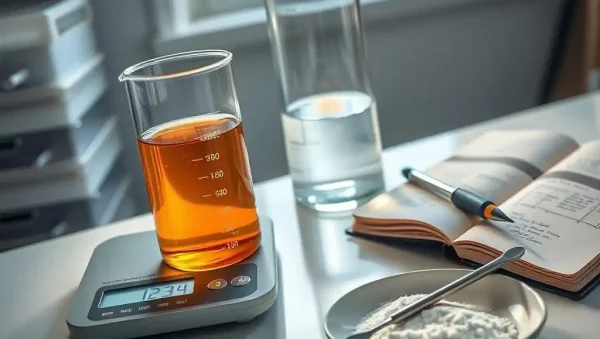
🥄 Achieving perfect textures starts with accurate Gelatin agar agar measurements tips. BakeWithEase.com guides you through precise techniques, ensuring consistent results in…
Read article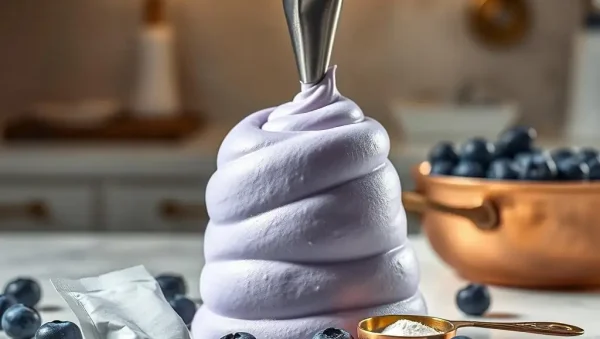
✨ Unlock the secrets to flawless gelatin mousse texture recipe with expert techniques from BakeWithEase.com. Discover simple tips to elevate your baking…
Read article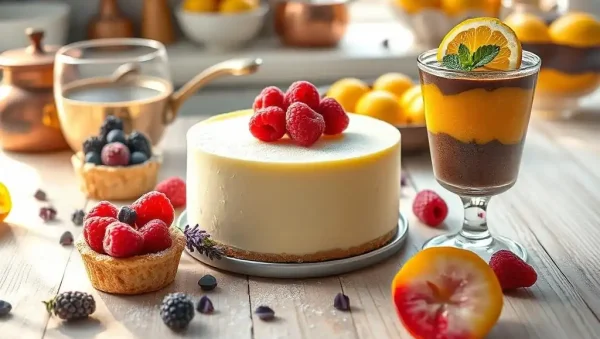
🌱 Discover the versatility of vegan agar agar recipes with creative tart fillings, cheesecakes, and more. BakeWithEase.com guides you through simple, delicious…
Read article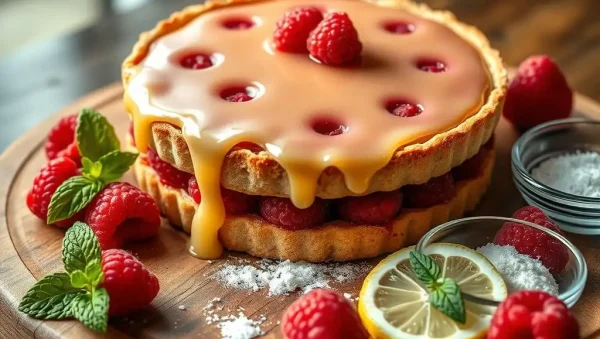
🌱 Discover how vegan agar agar recipes can elevate your baking by creating stable fillings and glossy glazes. BakeWithEase.com offers expert tips…
Read article
🌟 Discover the key differences between agaragar flakes vs powder and find out which form is best suited for your baked creations.…
Read article
🌟 Unlock the secrets of perfect desserts with our Gelatin Bloom Strength Guide, helping bakers understand how gelatin grades influence texture and…
Read article
😊 Discover essential gelatin melting and setting tips to elevate your baking. Master the art of blooming, melting, and setting gelatin for…
Read article
🌱 Discover how vegan baked goods agar agar transforms your baking, unlocking firm, smooth textures effortlessly. Perfect for bakers of all levels,…
Read article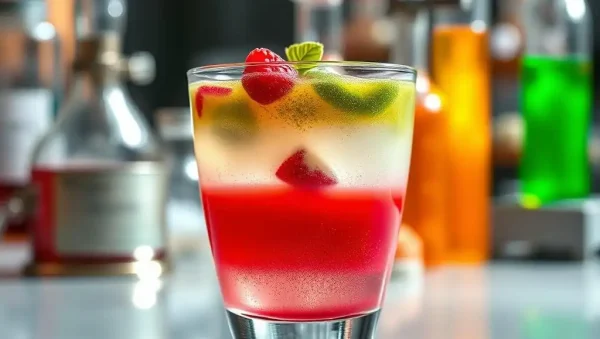
🧁 Discover the fascinating science behind gelatin and agar-agar in our Gelatin agar agar recipes. Learn how these gelling agents transform your…
Read article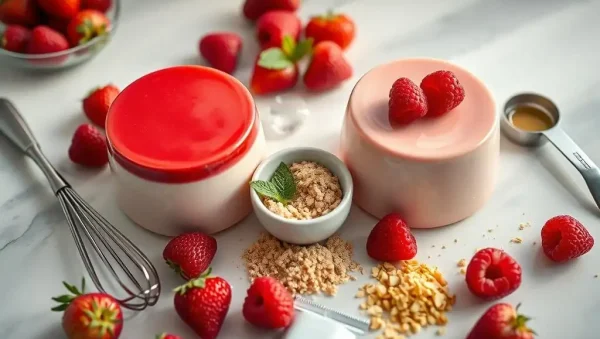
🌟 Discover how an agar agar gelatin substitute can transform your baking! Learn essential tips for seamlessly replacing gelatin, ensuring your desserts…
Read articleWelcome to the transformative world of plant-based and animal-derived gelling agents. In this subcategory of Advanced Baking Techniques, we dive deep into the science and artistry of using gelatin and agar-agar to create stunning mousses, mirror glazes, panna cottas, and firm fruit jellies. Whether you are crafting a wobbly dessert for a patisserie showcase or a vegan-friendly entremet, understanding the precise blooming, heating, and setting behaviors of these ingredients is crucial. Here, we demystify the jargon, compare setting strengths, and share pro tips to prevent weeping and graininess, ensuring your elegant creations hold their shape and texture perfectly every time.
Gelatin, derived from animal collagen, remains the gold standard for silky-smooth textures and melt-in-the-mouth qualities. This section explains the difference between powdered and sheet gelatin, the critical step of blooming in cold water (never hot!), and how to gently heat it without destroying its gelling power. You will also learn about gelatin’s “melting point” at body temperature, which is why classic panna cotta and Bavarian creams feel delicate on the palate.
We detail the correct ratio for firm vs. soft sets, tips for incorporating gelatin into acidic fruits like pineapple that contain bromelain (which breaks down protein), and how to rescue a lumpy mixture. Expect a cheat sheet for converting sheet to powder, plus storage advice. By mastering these fundamentals, you will avoid rubbery desserts or runny messes, achieving that perfect quivering jiggle that impresses both home bakers and professional judges alike.
Agar-agar, a seaweed-derived polysaccharide, is the unsung hero for plant-based bakers. Unlike gelatin, it sets at room temperature and remains firm even in warm climates, offering a clean, neutral flavor. This H3 section focuses on how to properly hydrate agar in boiling liquid (it must reach 90°C to activate), and its unique “thixotropic” property – it can be re-melted and re-set multiple times. You’ll learn the critical difference in gelling strength, as agar is roughly eight times stronger than gelatin by weight.
We guide you through creating crystal-clear jellies, vegan “lemon curd” slices, and layered terrines that hold sharp, clean cuts. You’ll discover troubleshooting for cloudy jellies (always stir slowly) and how to balance creamy bases (like coconut milk) with agar to avoid syneresis. With our step-by-step tutorials, you’ll confidently swap agar in any recipe, adjusting liquids and setting times, while ensuring that your desserts are not overly hard or brittle – a common beginner mistake we prevent with tested ratios.
Not all jiggles are equal. This section provides a scientific yet accessible breakdown of how to control the final mouthfeel of your baked goods. We compare the “bloom strength” (measured in grams) of gelatin (typically 200-250 bloom) against the “gel strength” of agar (measured in g/cm²). You will learn why a mousse needs a soft set (low gelatin concentration) while a fruit jelly for a tart top needs a firm, sliceable set. We include a practical texture scale with visual descriptors from “spoon-tender” to “cut-crisp.”
Through clear tables and real-world examples (like a raspberry confit vs. a classic marshmallow), we reveal how temperature, sugar concentration, and acidity impact final rigidity. We also explain how to combine gelatin and agar in one dessert for multilayered effects, e.g., a creamy top layer over a firm jelly base. With this knowledge, you will write your own recipes, confidently adjusting ratios for seasonal fruits, alcohol content, and even high-fat ganaches, ensuring your creations maintain perfect structure without being gummy or chalky.
Even advanced bakers face frustrating issues: weeping liquids pooling on top of a cheesecake, cracking mirror glazes, or gritty, sandy textures in panna cotta. This H3 segment is your diagnostic guide. We identify the most frequent culprits—overheating gelatin, under-dissolving agar, or rapid temperature changes during chilling—and provide immediate fixes. You’ll learn the “spoon test” for doneness, how to stabilize emulsions with a small amount of gelatin, and the proper way to cool a mixture before layering.
We also cover the art of using a hand blender to eliminate lumps without whipping in air bubbles, and how to always strain your final mix through a fine sieve for pristine textures. For mirror glazes that crack, we share the exact temperature and viscosity ranges for pouring over a chilled mousse, plus tips for reheating and reusing leftover glaze. With our pre-flight checklist, you will identify failures before they happen, turning a troublesome dessert into a flawless centerpiece.
Now that you have mastered the science, let’s get creative. This section showcases innovative ways to incorporate gelatin and agar beyond the standard panna cotta. We highlight recipes for agar-based fruit leathers, savory tomato jelly for canapés, and whipped ganache stabilized with gelatin for piping perfect rosettes. You’ll also find ideas for using agar to create beautiful, edible “flower petals” from strained fruit purées, which can adorn cakes or teas.
We explain how to make a classic Italian panna cotta with a twist (using buttermilk and vanilla bean) and a vegan coconut & pandan version set with agar. Additionally, we share a bonus technique for creating a two-tone mirror glaze using leftover jelly from canned fruits. Each recipe includes precise timings, ingredient alternatives for allergies, and storage notes. These projects are perfect for weekend baking, building your confidence to experiment with textures and unexpected flavor pairings in your own advanced patisserie repertoire.
No, direct substitution is not recommended. Agar is much stronger and sets at room temperature, while gelatin melts at body temperature. You must adjust the amount (use about 1/4 to 1/3 the weight of gelatin) and heat the liquid to at least 90°C. Also, agar gives a firmer, more brittle set, not the silky melt of gelatin. For creamy desserts, consider combining agar with a starch or fat to soften texture.
Lumps almost always occur when you add gelatin to a hot liquid that is not hot enough to melt it fully, or you whisk too vigorously, introducing air. Solution: ensure your liquid is just below boiling (80-85°C) and add the bloomed gelatin gradually while stirring gently. If lumps persist, strain the mixture through a fine-mesh sieve. Never reheat gelatin multiple times, as it can lose viscosity.
Weeping happens when the agar network loses water due to overcooking or a high acid content. To prevent this, avoid boiling agar for more than 5 minutes, and if using acidic fruits, add a pinch of calcium carbonate or reduce the acid by mixing with a neutral liquid. Always cool desserts slowly at room temperature before refrigerating, and consider adding a small amount of tapioca starch to bind excess moisture.
Yes, but you must carefully control the temperature and viscosity. Agar-based glazes set quickly, so unlike gelatin glazes, they must be poured at a slightly warmer temperature (around 90°F/32°C) and used immediately. Before pouring, ensure your mousse is fully frozen so the glaze sets instantly. Also, scrape the glaze against the side of the pot to measure thickness – it should coat a spoon thinly. Cracking occurs if the glaze is too cold or too thick.
Both gels are best consumed fresh, but you can store them for 2-3 days in an airtight container in the fridge. To re-melt, gently heat in a double boiler or microwave in short bursts, stirring often. For gelatin, never boil it again. Agar can be re-melted and re-set multiple times, but frequent reheating may weaken its strength. Over time, both may lose moisture; add a little reserved liquid to restore consistency.