Swiss Meringue Method: StepbyStep Instructions for Flawless Execution
🥄 Discover the Swiss Meringue Method with our step-by-step guide to creating the perfect Swiss meringue buttercream recipe easy for bakers of…
Read article
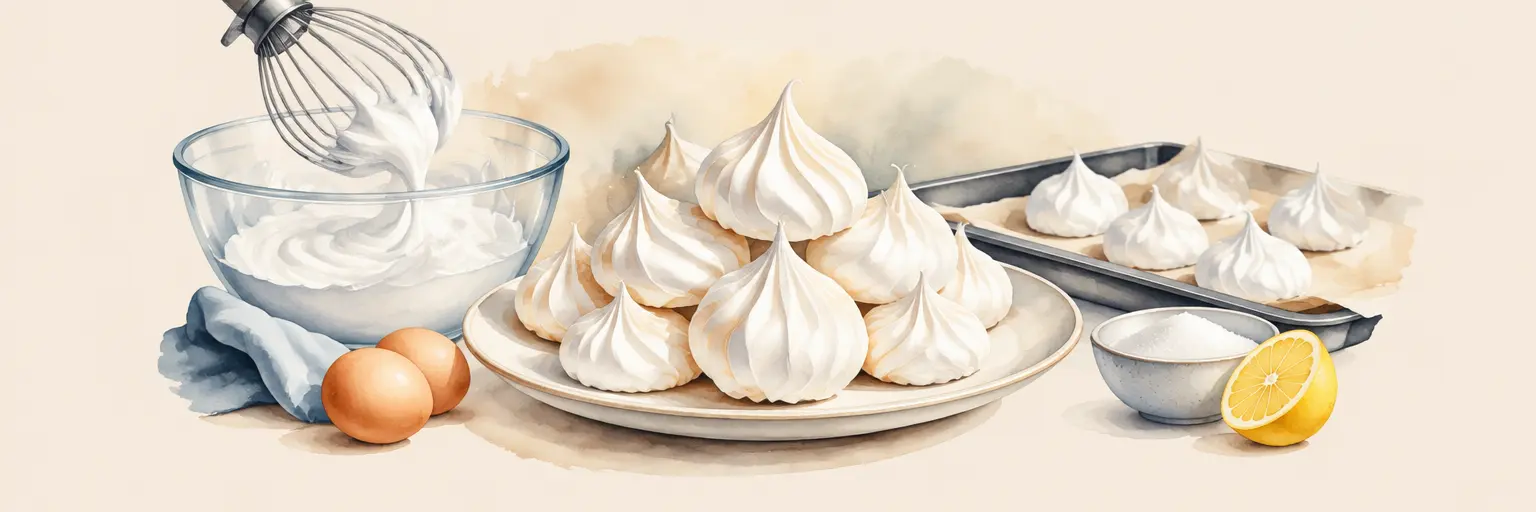
Unlock the secret to cloud-like confections and glossy peaks with our guide to Meringue Mastery, the essential skill for any advanced baker. Whether you’re aiming for crisp, melt-in-your-mouth pavlovas or silky Swiss buttercream, we break down the science behind stiff peaks, sugar temperatures, and stabilizers to eliminate weeping and cracking. From French to Italian and Swiss methods, you’ll learn when to use each technique, how to rescue over- or under-whipped whites, and the tricks for achieving that perfectly shiny, stable structure every time. Elevate your desserts with foolproof, restaurant-quality results that impress—because meringue isn’t just a topping; it’s a craft that transforms humble egg whites into edible art.
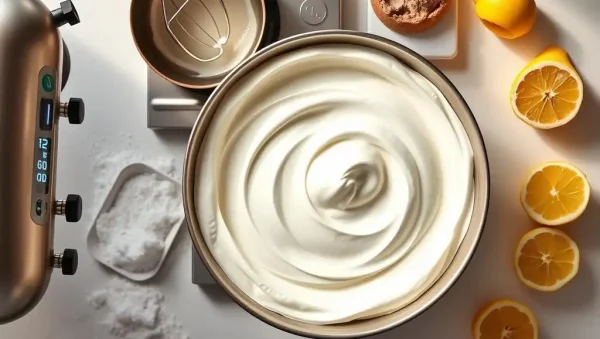
🥄 Discover the Swiss Meringue Method with our step-by-step guide to creating the perfect Swiss meringue buttercream recipe easy for bakers of…
Read article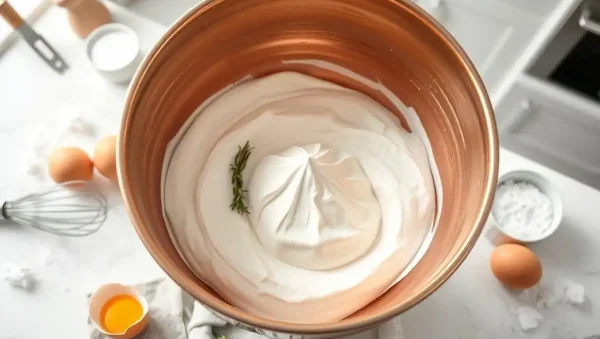
✨ Achieve perfect meringue every time with BakeWithEase.com's essential tips. Discover how clean bowls and room temperature eggs are key for meringue…
Read article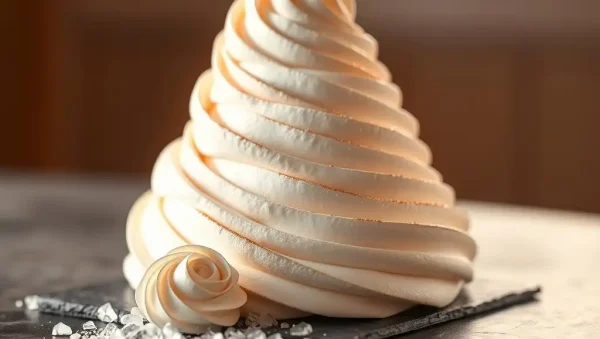
😊 Discover how cream of tartar enhances meringue stability, ensuring your desserts are perfectly fluffy and firm. BakeWithEase.com guides you through essential…
Read article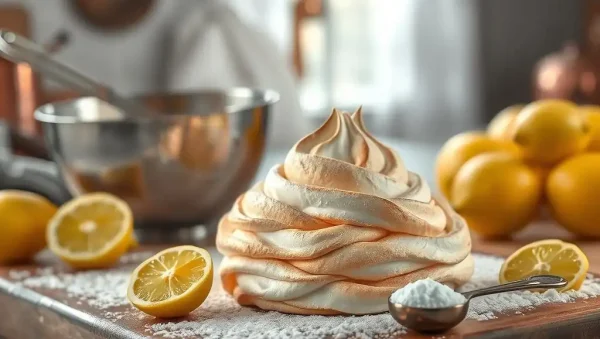
✨ Discover how to create perfect, crispy French meringue with our easy French meringue recipe tips. Whether you're a beginner or a…
Read article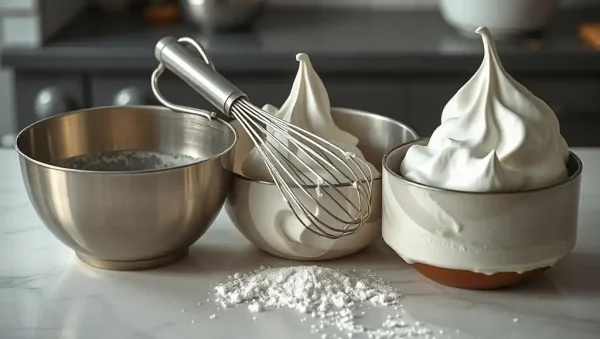
😊 Achieving perfect meringue depends on understanding your meringue beating consistency guide. Overbeating can cause collapse, so learn the signs of just-right…
Read article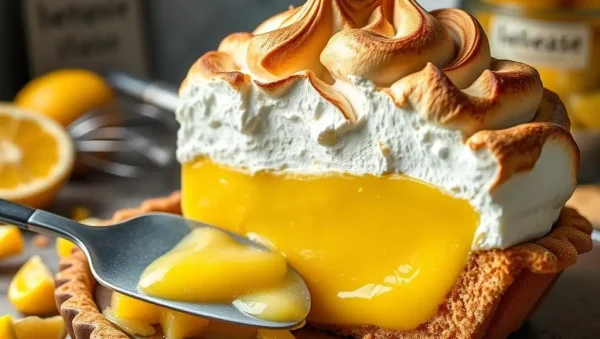
🍋 Discover how to create the perfect Lemon Meringue Pie Topping Recipe from scratch with BakeWithEase. Our simple, step-by-step guide helps bakers…
Read article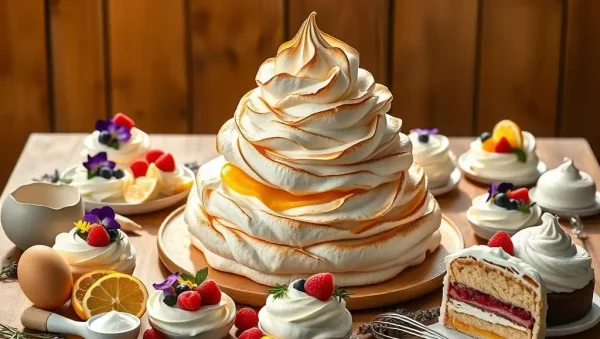
😊 Discover how to transform simple ingredients into stunning treats with "From Peaks to Pies." Explore easy meringue desserts recipes that elevate…
Read article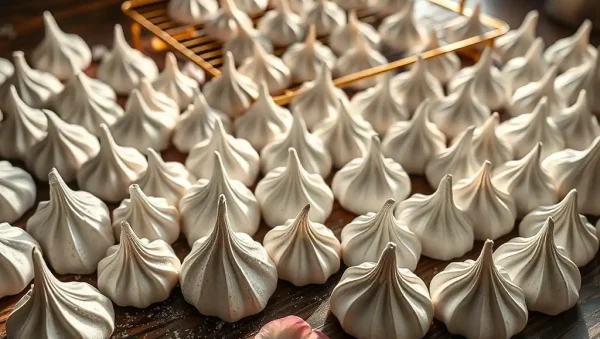
😊 Discover the secrets to perfect meringues with our Crispy Meringue Drying Techniques Guide. Learn how to achieve that ideal delicate, crisp…
Read article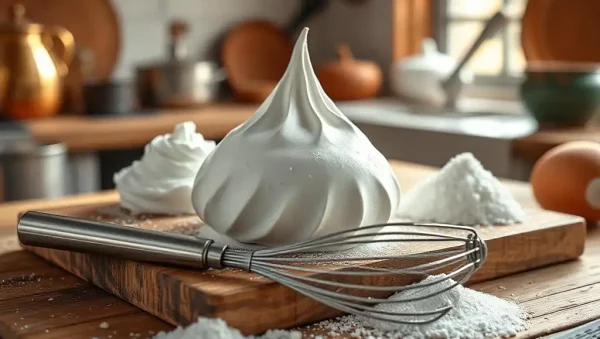
🌟 Discover how choosing between granulated and superfine sugar can significantly impact your granulated sugar meringue structure, helping you achieve perfectly stable,…
Read article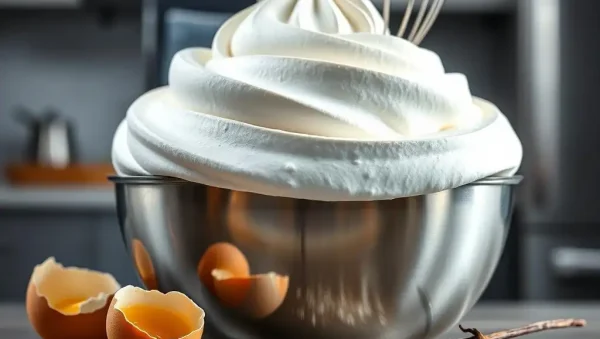
🌟 Discover expert "Perfect meringue volume tips" to achieve maximum lift and fluffiness in your egg whites. BakeWithEase.com guides you through simple…
Read article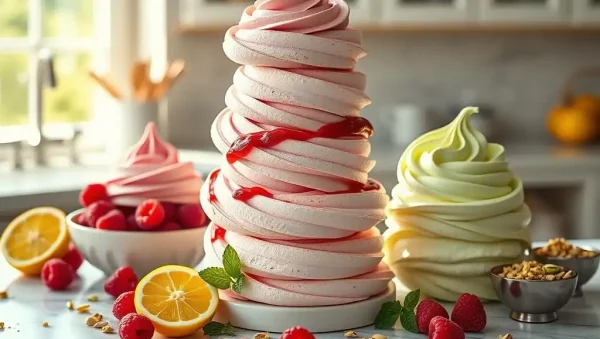
😊 Discover exciting ways to elevate your meringues with easy flavor combinations that add vibrant color and delightful taste. BakeWithEase.com is your…
Read article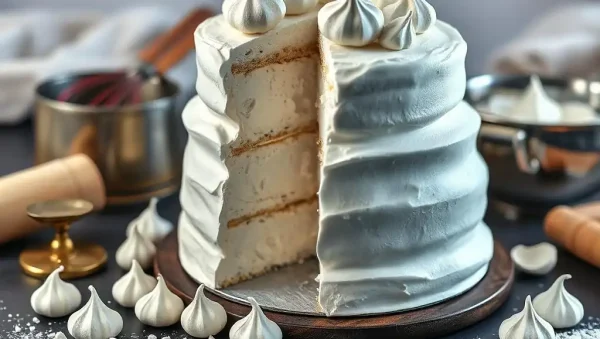
🌟 Unlock the secrets of perfect meringue with our expert meringue stability tips for baking. Discover how proper technique and understanding the…
Read articleWelcome to Meringue Mastery, the definitive subcategory within our Advanced Baking Techniques series here at BakeWithEase.com. If you’ve ever been intimidated by glossy peaks, weeping tips, or collapsed pavlovas, this is your safe space. Meringue is the quiet hero behind light-as-air macarons, silky Swiss buttercream, and towering Baked Alaska. In this guide, we break down the science, the technique, and the troubleshooting secrets that professional bakers use to achieve stable, shiny, and structurally perfect meringues every time. Whether you’re a home baker pushing boundaries or a pastry enthusiast wanting precision, this page is packed with actionable advice, step-by-step methods, and insider tips to transform your baking. Let’s whip up some magic—no deflations allowed!
Before you touch a whisk, you must understand why meringue works. Egg whites are roughly 90% water and 10% protein, primarily ovalbumin. When you whip them, you unfold these protein strands, allowing them to form a network that traps air bubbles. Sugar, added gradually, stabilizes this foam by dissolving into the water and coating the bubbles, preventing them from bursting. The result is a glossy, voluminous structure that can hold its shape under heat—if you get the ratios right. Our guide explains the ideal sugar-to-egg-white ratio (typically 2:1 for French meringue) and why room-temperature eggs whip faster and more voluminously than cold ones.
But the real secret lies in timing and temperature. Adding sugar too early deflates the protein network; adding it too late risks a gritty, weeping meringue. We’ll walk you through the three classic meringue types—French (simple and airy), Swiss (cooked over a water bath for silkiness), and Italian (hot sugar syrup poured into whites for maximum stability). Each method has unique advantages, and our detailed comparisons help you choose the right one for your recipe. Expect clear, photo-worthy steps and a troubleshooting table for common pitfalls like over-whipping or under-dissolved sugar.
French meringue is the classic entry point—raw sugar whipped into whites, perfect for cookies and pavlovas that bake low and slow. However, it’s the least stable and can collapse if your kitchen is humid. Swiss meringue gently heats the whites and sugar together to 160°F, creating a denser, velvet-like texture that’s ideal for buttercream and mousses. Italian meringue takes it a step further by incorporating a boiling sugar syrup (245°F) into whipped whites, producing a marshmallow-like stability that holds up beautifully in frostings, soufflés, and even uncooked desserts like lemon meringue pie. Our subcategory explains which method fits your skill level and recipe, with side-by-side recipes for each.
We also dive into the practical differences in texture and taste. French meringue has a crisp, airy bite; Swiss is smoother and less sweet; Italian is luxuriously creamy with a higher volume. At BakeWithEase, we recommend starting with Swiss for its forgiving nature—you can’t over-whip it as easily. For those attempting macarons, we provide a dedicated section on the macaronage technique and how to achieve the perfect “foot.” Each method’s page includes video links, ingredient weight charts, and a “common mistakes” checklist that saves you from wasting a dozen eggs.
Even seasoned bakers face the dreaded weeping meringue—those sugary droplets that bead on top of a pie overnight. The cause is usually undercooked sugar or a sudden temperature change. We’ll show you how to stabilize your meringue with cornstarch or cream of tartar, and why resting your meringue for 15 minutes before baking prevents shrinkage. Over-whipping? Your mixture will look curdled and dull, but you can rescue it by adding a fresh egg white and re-whipping gently. Grainy texture means your sugar didn’t dissolve—our tip is to use superfine sugar or pulse granulated sugar in a food processor beforehand.
Humidity is public enemy number one. On rainy days, meringue absorbs moisture and loses its crispness. We’ll share our dehumidifier trick for your kitchen and how to adjust baking times on damp weather. Also, learn why a clean, grease-free bowl matters—residual yolk or oil prevents proper whipping. From cracked pavlovas to sunken Swiss rolls, our troubleshooting chart addresses every failure mode with step-by-step fixes. We also include a “rescue” recipe for turning failed meringue into a delicious meringue buttercream or a crunchy topping for ice cream.
Once you’ve mastered the base, it’s time to create wow-worthy desserts. This subcategory teaches you proper folding techniques to incorporate meringue into soufflés, mousses, and genoise sponges without deflating the air. We cover the “figure-eight” folding method and when to stop—you want to see streaks of egg white, not overworking the mixture. For piping, we provide templates and tips for creating perfect meringue kisses, swirled nests, and even intricate basketweave patterns. Our step-by-step tutorials include piping bag handling, nozzle selection, and how to achieve uniform shapes with a steady hand.
We also showcase advanced applications: a baked Alaska with torched meringue, a lemon curd pavlova with macerated berries, and a chocolate meringue pie with torched peaks. Each recipe includes a “skill level” badge and timing estimates. Our flavor infusion guide explains how to add cocoa powder, vanilla bean paste, or citrus zest without affecting stability—a common challenge. Plus, we offer a freezer-friendly meringue trick: pipe sparks and freeze them for up to three months, then bake directly from frozen for last-minute desserts. This section is your launchpad to dessert artistry.
Meringues are notoriously finicky to store, but with our tips, you can keep them crisp for weeks. Baked meringue cookies should be stored in an airtight container with a silica gel packet at room temperature—never refrigerate, as moisture ruins them. For unbaked meringue (like pavlova nests), bake them fully, cool, then store in a dry, dark cupboard. We explain how to freeze finished meringues without cracking: freeze on a tray first, then transfer to a freezer bag, pressing out all the air. Thaw them slowly in the fridge or at room temperature, and re-crisp in a low oven (200°F) for 5 minutes if needed.
For meringue-based buttercream, you can refrigerate it for up to a week or freeze for three months. When thawing, bring it to room temperature and re-whip to restore silkiness. Our make-ahead guide also covers pre-whipping and holding meringue—you can keep a stable Italian meringue at room temperature for up to two hours if covered with plastic wrap to prevent a skin from forming. We also debunk the myth that you can’t make meringue in humid weather; instead, we show you how to add a touch of cornstarch or use a higher sugar ratio to compensate. This section turns meringue from a last-minute project into a planned, stress-free component.
The “weeping” occurs when sugar isn’t fully dissolved, or the meringue experiences a rapid temperature change. Undissolved sugar attracts moisture, which then seeps out. To fix this, always use superfine sugar and ensure your mixture is smooth between your fingers. Also, bake at a low temperature and let the meringue cool gradually inside the oven with the door ajar.
Yes, but quality varies. Look for pasteurized liquid whites without stabilizers, and avoid those containing gum, which can create a slimy texture. For best results, buy fresh eggs and separate them yourself—cartons often have inconsistent protein levels. If using liquid, add a pinch of cream of tartar to help stabilize the foam.
Always add sugar gradually while whipping, about a tablespoon at a time, after the whites are foamy but before soft peaks form. This allows the sugar to dissolve slowly, creating a stable foam. For Swiss or Italian meringues, you’ll heat the sugar or use a hot syrup, which dissolves more efficiently. Never dump sugar all at once—it deflates the volume.
For stiff peaks, lift the whisk upright—the tip should hold a sharp point that doesn’t droop. The mixture should be glossy and smooth, not grainy or curdled. Rub a small amount between your fingers—it should feel silky, not gritty. Over-whipping is possible, leading to a broken, dry texture; if so, add a fresh egg white and whip briefly.
Cracks are common and actually desirable—they reveal the marshmallowy center and are part of the rustic charm. They occur due to a rapid temperature change or over-baking. To minimize cracking, bake at 250°F or 275°F, then turn off the oven and let the pavlova cool inside for an hour. Also, make a slight well in the center before baking to create a stable base.