Isomalt vs. Sugar: Which Material to Use for Your Decorations?
✨ Discover the differences between Isomalt and sugar for your decorations. Learn which material offers the best options for your baking projects…
Read article
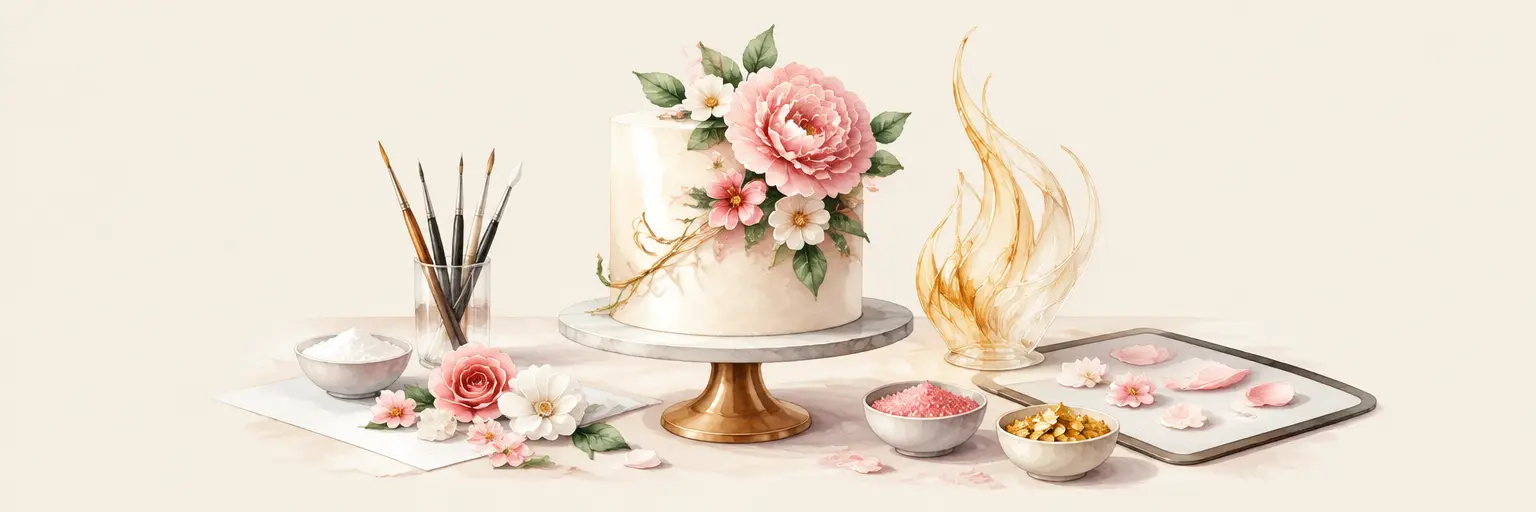
Turn your kitchen into a pastry studio with the delicate art of sugar work, where molten sugar transforms into shimmering masterpieces that elevate any dessert. From crisp, golden spun sugar nests to glossy, mirror-like poured sugar, this advanced technique adds a wow-factor that tells a story of craftsmanship. Master the precise temperature control needed for caramel, learn to pull sugar into satiny ribbons, and craft edible jewels, flowers, or architectural toppers that make your cakes and plated desserts unforgettable. Whether you’re a home baker ready to push your limits or a pro refining your repertoire, these skills turn simple sweets into show-stopping centerpieces, perfect for celebrations or high-end patisserie—all with easy-to-find ingredients and step-by-step confidence. Ready to melt, pull, and blow your way to bakery-level décor? Dive into the sweet science of sugar today.
✨ Discover the differences between Isomalt and sugar for your decorations. Learn which material offers the best options for your baking projects…
Read article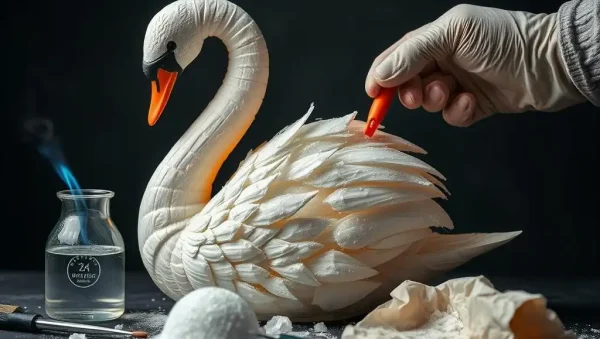
📝 Discover essential sugar crystallization troubleshooting tips to fix common issues like crystallization and breakage. Perfect your baking skills with straightforward solutions,…
Read article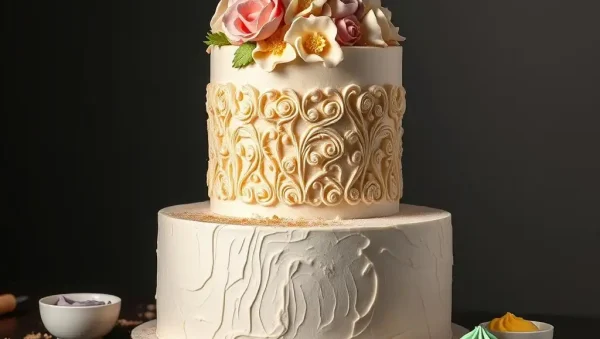
🎂 Discover innovative textured cake frosting techniques that elevate your baking skills beyond smooth finishes. BakeWithEase.com offers expert tips and step-by-step guides…
Read article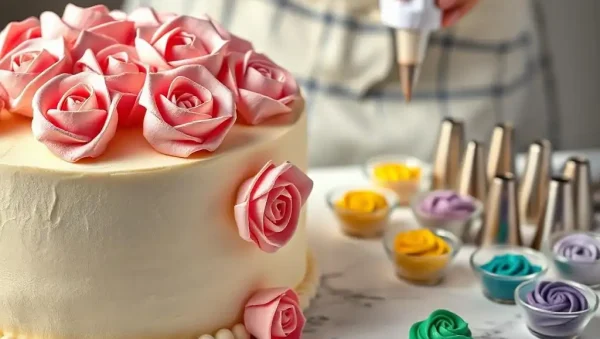
🎂 Discover the art of royal icing piping techniques with BakeWithEase.com, your ultimate resource for mastering advanced decorating skills. Elevate your baked…
Read article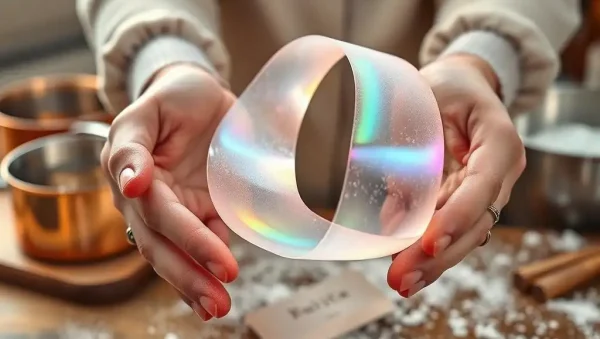
✨ Discover the magic of sugar pulling with our easy sugar pulling tutorial! Perfect for beginners, this guide on BakeWithEase.com will help…
Read article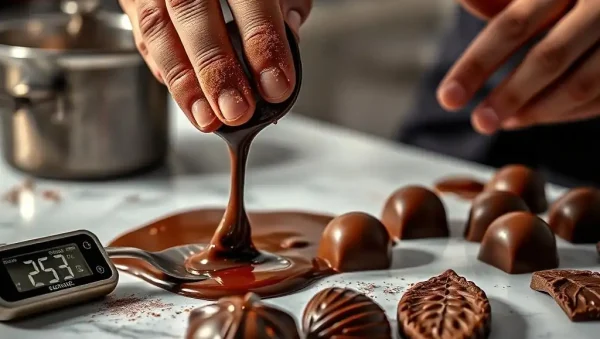
✨ Unlock the secret to stunning, shiny chocolate decorations by mastering tempering chocolate for decorations. This essential technique ensures your confections have…
Read article
🌸 Discover the art of creating beautiful pulled sugar flowers with our comprehensive Pulled Sugar Flower Tutorial Guide. Perfect for bakers of…
Read article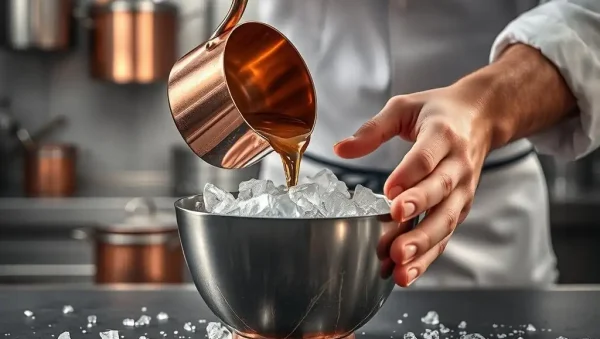
✨ Discover expert tips to prevent sugar crystallization and achieve a flawless clear sugar syrup recipe. BakeWithEase.com guides you through pro secrets…
Read article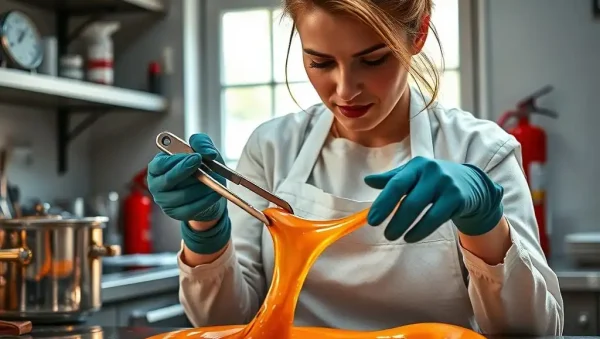
🔥 Master the art of sugar crafting with safe hot sugar techniques to prevent burns and ensure stunning results. BakeWithEase.com offers essential…
Read article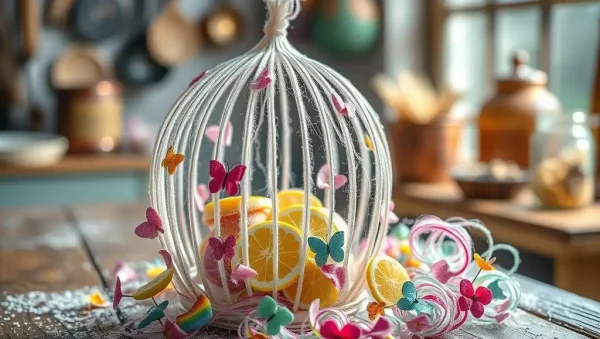
✨ Discover the enchanting world of baking with our Spun Sugar Garland Tutorial at BakeWithEase.com. Learn how to craft stunning spun sugar…
Read article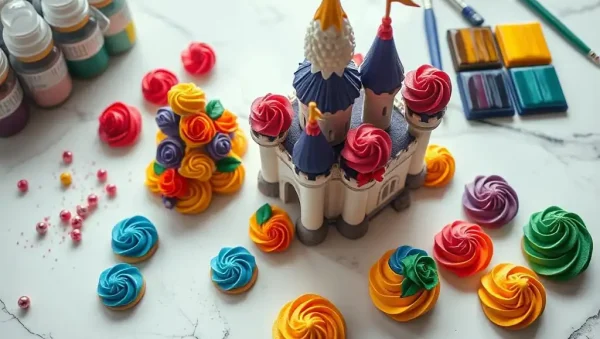
🎨 Unlock your baking potential with our Food Coloring Decorating Techniques Guide on BakeWithEase.com. Discover simple, step-by-step methods to transform your cakes,…
Read article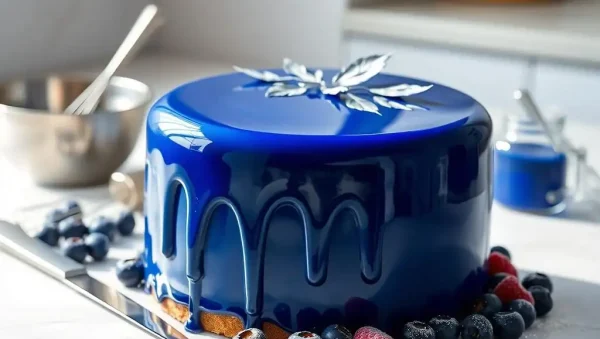
😊 Unlock the secrets to a stunning cake finish with our Perfect Mirror Glaze Recipe. At BakeWithEase.com, discover easy techniques and tips…
Read articleWelcome to the exquisite world of sugar work and decorations, the pinnacle of advanced baking artistry. At BakeWithEase, we transform simple confections into breathtaking masterpieces using sugar’s versatility. This subcategory delves into techniques like pulled sugar, blown sugar, and royal icing, empowering you to craft edible sculptures, elegant flowers, and intricate lace. Whether you’re preparing a wedding cake centerpiece or delicate petit fours toppers, our guides ensure precision and beauty. Explore temperature charts, tool essentials, and troubleshooting tips that demystify this delicate craft, turning sticky challenges into glossy triumphs. Let’s elevate your baking from delicious to dazzling.
Pulled sugar is the art of heating sugar to a high temperature, then stretching and folding it to achieve a brilliant, satin-like sheen. The key is precision: boiling your sugar to around 310°F (154°C) for the “hard crack” stage, then cooling slightly before handling. You’ll learn to add cream of tartar or glucose to prevent premature crystallization, ensuring a pliable mass for shaping. Beginners often start by pulling ribbons, simple loops, and then move to delicate bows that adorn cake tops with glossy sophistication.
Our step-by-step tutorials cover essential tooling—silicon mats, gloves, and a reliable candy thermometer—to keep your hands safe and your sugar smooth. We emphasize the importance of a dry, cool workspace, as humidity is sugar’s enemy. Expect to practice pull-and-fold techniques that create internal air pockets, producing a translucent, pearl-like finish. With patience, you’ll master the “violin string” pull, resulting in ribbons that drape elegantly. Each session builds confidence, turning an intimidating process into a rewarding, show-stopping skill for advanced bakers seeking unforgettable decoration.
Blown sugar pushes boundaries by incorporating air, much like glassblowing, to produce hollow, translucent forms—think swans, fruit, or abstract ornaments. You’ll need a small pump or pipette, plus a flexible sugar that withstands inflation. The technique involves coloring molten sugar, attaching it to an air hose, then gently pumping to expand while rotating and shaping with tweezers. This mesmerizing process requires swift hands, as the sugar hardens quickly, but the results are ethereal and utterly unique.
Our focused guides break the process into manageable stages: preparing a sugar “cane,” heating spots without burning, and regulating air pressure for even walls. We also cover safety precautions, like wearing heat-resistant gloves and avoiding over-inflation, which leads to bursts. Beyond pure decoration, blown sugar pieces can be filled with edible surprises or smaller treats. For those aspiring to professional pastry artistry, this skill adds a dramatic, high-end finish that photographs beautifully. BakeWithEase ensures you progress from solid practice pieces to delicate, museum-worthy creations using clear, visual instructions and common troubleshooting fixes.
Royal icing isn’t just for cookies—it’s a sugar-based medium perfect for intricate piping once you master stiff peaks and flood consistencies. This subcategory covers essential techniques like building vertical structures, creating overpiped lace that dries hard, and crafting lifelike flowers (roses, pansies, hydrangeas) using petal tip sets. You’ll learn to control pressure, angle, and flow to produce clean lines, dots, and delicate filigree that elevate any cake or dessert into a textural masterpiece.
We emphasize drying times and humidity management—critical for preventing sagging or discoloration. Expect tutorials on making royal icing from scratch, tuning consistency with lemon juice or glycerin, and storing it properly. For flowers, we show how to pipe onto piping nails, then transfer to wires or use them as standalone toppers. Our troubleshooting section covers common issues like bleeding colors, air bubbles, and cracking, ensuring your piping stays flawless. This skill transfers beautifully to wedding cakes, intricate geometric patterns, or seasonal decorations, giving you a versatile repertoire.
Isomalt, a sugar alcohol, is a game-changer for professional sugar work because it’s more humidity-resistant, less prone to crystallization, and has a slightly cooler working temperature. Perfect for blown and pulled sugar, it offers a crystal-clear finish ideal for gemstones, glass-like mirrors, or sparkling shards. We guide you through tempering isomalt safely, flavoring it with essential oils, and coloring with gel or powder dusts without compromising clarity.
BakeWithEase does not ignore dietary needs, so we also explore sugar-free alternatives using erythritol or monk fruit blends for decorations that still pull and shine. Learn to adjust boiling points and handling times—crucial differences from granulated sugar. Our recipes include hard candy toppers, edible gems, and elegant ice-like sculptures that won’t weep in humidity. This section is perfect for commercial bakers or allergy-conscious enthusiasts who crave professional results without the fragility of traditional sugar. We provide clear safety notes on isomalt’s laxative effects if overconsumed, but for decoration, it’s a brilliant, durable choice.
Advanced sugar work often shines when paired with complementary mediums like tempered chocolate or salted caramel. This subcategory teaches you how to combine glossy sugar ornaments on a chocolate plaque, or drizzle spun sugar over a caramel mirror glaze. Understand temperature interactions: chilled chocolate can cause sugar to crack, so you’ll learn to layer when both are at room temperature. We explore edible “shards” made by swirling colored sugar with cocoa butter, then breaking them into elegant, jagged pieces.
Beyond aesthetics, we delve into flavor balance—using bitter chocolate to offset sweet sugar swirls, or adding sea salt to caramel for a savory contrast. Practical projects include chocolate cage domes with sugar flowers inside, or caramel ribbons draped over caramel mousse. Our guides emphasize planning: which elements to prepare first, how to store them separately, and final assembly without damaging either component. This cross-disciplinary approach helps you design desserts that are both visually sophisticated and texturally exciting, a hallmark of high-end patisserie and a signature skill for Instagram-worthy presentation.
Professional sugar work demands specific equipment: heavy-bottomed pans, digital thermometers, silicone mats, butane torches, and heat-resistant brushes. We provide a curated checklist to avoid budget waste, plus DIY alternatives like using a hair dryer for humidity control. Safety is paramount—molten sugar burns are severe, so we cover proper glove materials, emergency burn first aid, and workspace ventilation. Also, learn to store finished pieces in airtight containers with silica gel to absorb moisture, preventing sticky surfaces.
Our storage guides differentiate between short-term (same day) and long-term pieces (for fondant-covered cakes), explaining how to preserve shine and structure. For humidity, we recommend dehumidifiers or working in a dry room. We also discuss recycling sugar: re-melting unsuccessful batches with a little water, resuming to the correct temperature without scorching. Understanding heat conduction and sugar’s hygroscopic nature ensures your hard work lasts, not just for the event but for days if needed. This foundation makes advanced techniques less intimidating, allowing you to focus on creative artistry instead of cleanup disasters.
Pull sugar to about 310°F (154°C) for a strong, pliable mass, then cool to roughly 200°F before handling. Using a reliable candy thermometer is critical. Lower temperatures will be too soft, while higher risk burning and bitterness. Always work quickly once cooled to avoid hardening.
Yes, royal icing flowers can be made days or weeks in advance if stored correctly. Allow them to dry fully for 24-48 hours in a dry, cool place. Then store in an airtight container with a silica gel packet, layered between parchment paper. Avoid refrigerating, as moisture can soften them.
Isomalt is safe for decoration but has a laxative effect if consumed in large amounts. For cake decorations, you can use it, but discourage eating huge chunks. It’s generally sugar-free and suitable for diabetics in moderation. Always label your creations when serving to others.
Add an acid like cream of tartar or a commercial glucose syrup to your sugar before boiling. Use a wet brush to wash down residue from pan sides and avoid stirring after the syrup begins boiling. Cover the pan with a lid for the first few minutes to create steam, preventing initial crystals.
Use a small amount of melted sugar or royal icing as “glue” to secure flower bases. For wired flowers, insert the wire into a small plastic straw or a flower pick. Apply gentle pressure and hold for a few seconds until set. Avoid using water, which can dissolve sugar.