The Baker's Dozen: 12 Essential Tools for Artisan Bread Success
🧁 Discover the top artisan bread baking tools essential for every baker’s success. BakeWithEase.com guides you through must-have equipment and expert tips…
Read article
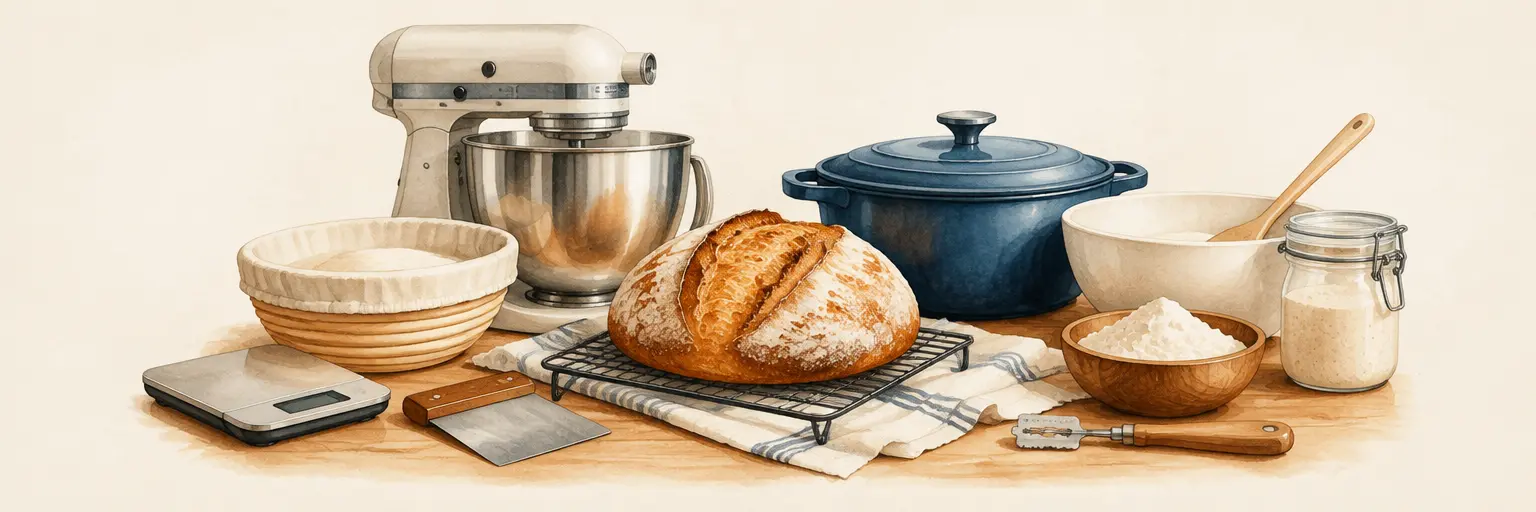
Master the craft of artisan bread with the right tools in hand—because great loaves start long before the oven door closes. From a sturdy cast-iron dutch oven that traps steam for that coveted crackling crust, to a reliable digital scale for precision in every gram, these must-haves turn stubborn dough into airy, golden perfection. A bench scraper simplifies sticky dough handling, while a proofing basket (banneton) shapes and supports your rise for that beautiful, professional spiral. Don’t overlook a lame for clean, artistic scoring that controls oven spring, and a kitchen thermometer to nail doneness every time. Whether you’re a sourdough newbie or a seasoned baker, these essentials boost confidence, consistency, and that bakery-worthy aroma right in your kitchen. Skip the guesswork—invest in gear that does the heavy lifting, and watch your bread transform from flat to fabulous.
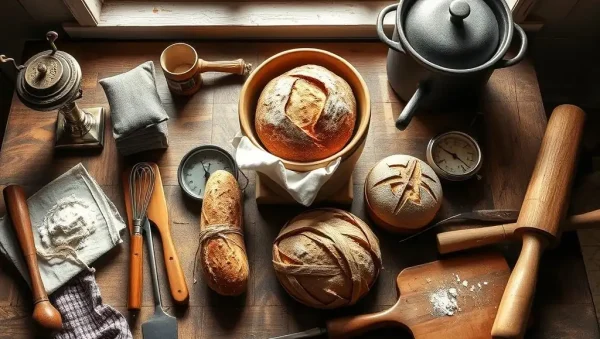
🧁 Discover the top artisan bread baking tools essential for every baker’s success. BakeWithEase.com guides you through must-have equipment and expert tips…
Read article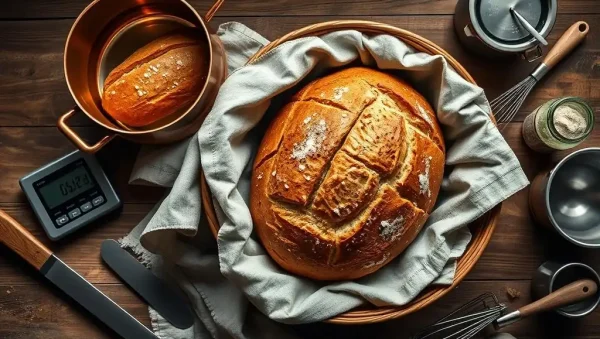
🌟 Discover the must-have artisan bread baking equipment that transforms home baking into an art form. From sturdy proofing baskets to precision…
Read article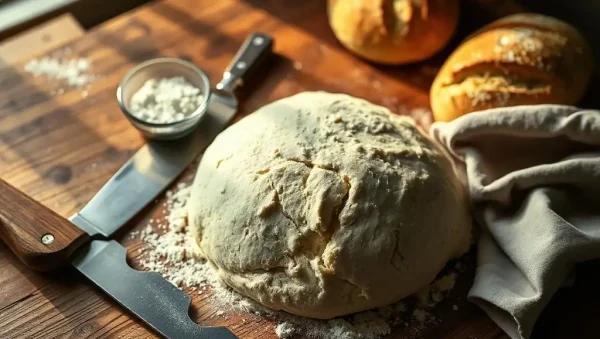
🍞 Discover essential sticky dough handling tools that make baking easier, from dough scrapers to bench knives. Perfect your techniques and enjoy…
Read article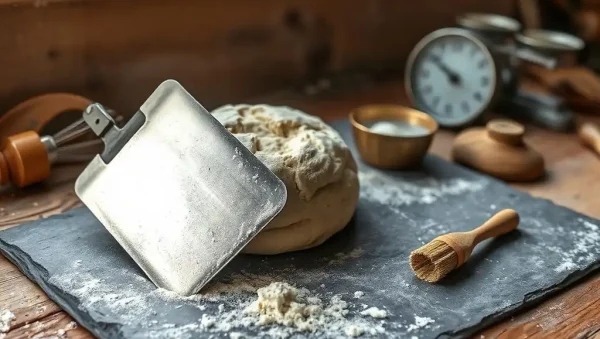
🌟 Discover essential tools like sourdough scrapers to master sourdough handling. Learn effective sourdough scraper cleaning techniques and tips to keep your…
Read article
🍞 Discover how investing in highend bread making equipment can elevate your baking craft. Whether you're a beginner or a seasoned baker,…
Read article
🌟 Discover the Sourdough starter equipment essentials to set up your perfect sourdough station. BakeWithEase.com offers expert tips and must-have tools to…
Read article
🥐 Discover why a kitchen scale is essential for precise measurements in artisan baking. Master consistent results and elevate your baked goods…
Read article
🥖 Discover essential tools and expert Sourdough starter maintenance tips to craft flawless loaves. BakeWithEase.com guides bakers of all levels with simple…
Read article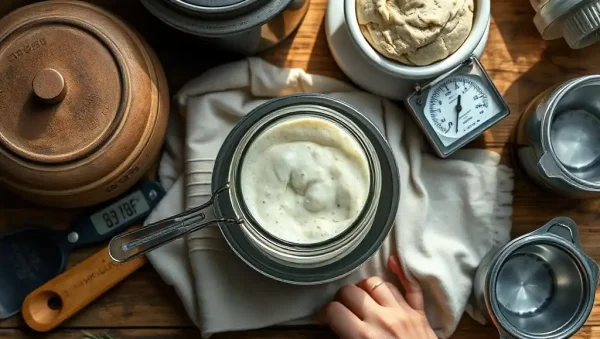
🍞 Discover the essential sourdough starter proofing equipment best for achieving perfect fermentation. BakeWithEase.com guides you through the art of proofing, offering…
Read article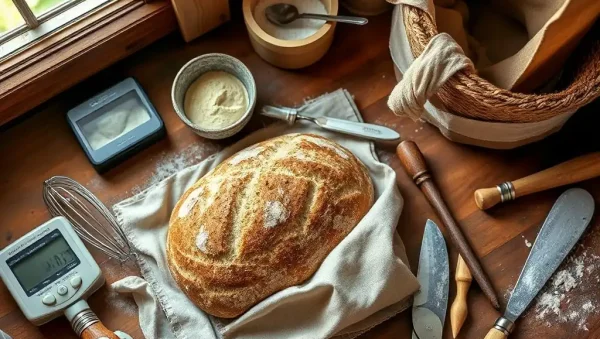
🍞 Discover how the right artisan loaf baking tools can transform your baking experience. Whether you're a beginner or looking to refine…
Read article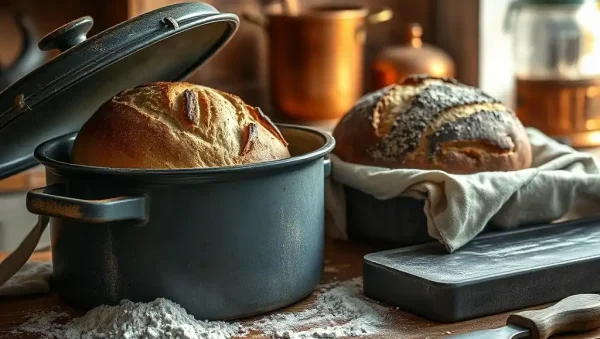
😊 Discover the key differences between a Dutch oven and baking steel to elevate your bread baking. Our Dutch oven baking bread…
Read article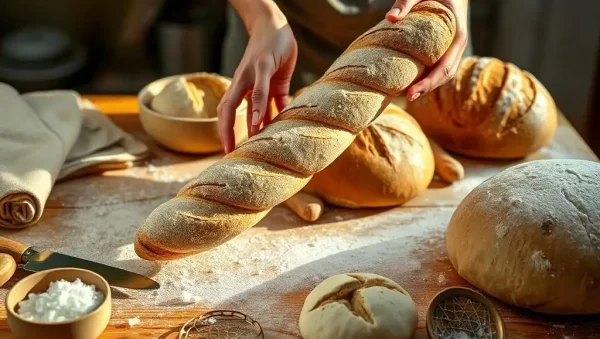
🌟 Discover how to perfect your bread with "Shaping Success: Tools for Baguettes, Boules, and Batards" on BakeWithEase.com. Learn "Baguette shaping techniques…
Read articleWelcome to the heart of artisan baking! Whether you’re a weekend sourdough enthusiast or a dedicated home baker, the right tools can transform your loaves from dense bricks to bakery-worthy masterpieces with crackling crusts and airy crumbs. In this guide, we break down the must-have bread making equipment that every artisan baker needs, focusing on functionality, durability, and how each tool elevates your craft. From mixing to scoring, we cover the gear that solves common problems—sticky doughs, uneven ovens, and sad, flat rises—so you can bake with confidence and joy.
Precise measurement is the secret to artisan breads. A digital kitchen scale (accurate to 1g) is non-negotiable for hydration percentages and consistent results. Pair it with sturdy, wide stainless steel or glass bowls—ideally 5-7 quarts—to accommodate vigorous folds. A bench scraper (metal or flexible plastic) is your best friend for dividing sticky dough and cleaning work surfaces without tearing gluten. These three basics cut guesswork and cleanup time, letting you focus on technique.
Expect that investing in a reliable scale and scraper immediately improves your crumb structure and rise. You’ll also appreciate deep bowls with lids for bulk fermentation. Look for brands like OXO or Escali for scales, and URS or Dexter-Russell for scrapers. With these tools, you can confidently follow any recipe, adjust hydration on the fly, and handle high-moisture doughs that are the hallmark of artisan baking—no more sticky messes or uneven bakes.
A banneton (proofing basket) gives sourdough its signature round or oval shape and beautiful flour rings. Made from rattan or cane, these baskets wick moisture from the dough’s surface, creating a firm skin that holds scores beautifully. Linen liners (couches) are essential for baguettes or batards, preventing sticking while allowing air circulation. Choose a 9-10 inch round banneton for standard boules, or an oval one for batards. Seasoned bakers often keep two so they can proof in shifts.
When you buy a banneton, expect a learning curve with flouring (rice flour is best to prevent sticking). This equipment is not merely cosmetic—it enhances crust development by promoting even drying. For beginners, we recommend a set with a liner, as it simplifies release. Proper care (brushing, not washing) ensures your banneton lasts years. With these baskets, your loaves will hold their shape during the final proof and transfer to the Dutch oven, leading to a taller, more professional-looking final product.
Artisan bread needs high heat and steam to create a shiny, crackly crust. A cast iron Dutch oven (4-6 quarts, enameled or bare) does double duty: it traps steam from the dough’s moisture and radiates even heat. Preheating it in your oven at 450-500°F gives a burst of steam when you add the loaf, mimicking commercial ovens. Alternatively, a pizza steel or baking stone with a separate steam pan (or lava rocks) offers a more rustic, free-form bake. Each method yields different crust textures.
Expect that a Dutch oven is the easiest route for beginners—simply lower the dough, cover, and bake. Steel/stone setups require more fiddling with steam, but they allow larger batches and better oven spring for flat loaves. Look for Lodge (budget) or Le Creuset (premium). Remember to use parchment paper for easy transfer. With either method, your home oven will produce artisan quality, with a deep amber crust and a moist, open crumb that will have neighbors knocking.
Scoring is where artisan bread gets its character—and controls how the loaf expands in the oven. A bread lame (a handle with a curved razor blade) allows precise, shallow cuts (¼–½ inch deep) at the right angle (about 30-45 degrees). You can also use a sharp paring knife, but a lame offers better control and reduces drag. Practice scoring patterns like a single slash, crosshatch, or ear—each impacts the crumb structure and visual appeal. Always score right before baking on a tensioned dough surface.
Expect that mastering the lame takes a few bakes; don’t worry about perfection. Use a light, confident motion to avoid deflating the dough. Clean blades are crucial—replace them often to prevent tearing. Some lames come with safety guards and extra blades, like the Wire Monkey brand. This small tool elevates your breads from “homemade” to “artisan,” allowing you to direct oven bloom and create that coveted open ear. With practice, your scoring will become a signature touch.
Baking bread is about precision, and a digital instant-read thermometer (with a thin probe) is the only foolproof way to know your loaf is done—target internal temp of 190-210°F, depending on style. Insert into the center; if you see too much crust browning but low temp, cover with foil. After baking, a wire cooling rack is non-negotiable: it allows air to circulate, preventing a soggy bottom and letting the crumb set. Cooling for at least 1-2 hours before slicing is essential for structure.
Expect that a reliable thermometer (like ThermoPop) will save you from undercooked gummy centers. With cooling racks, choose a large, sturdy grid that won’t sag under heavy loaves. Pro tip: tap the bottom of the bread—if it sounds hollow, it’s done. Combined, these two tools eliminate guesswork and ensure consistent results. They complete your artisan setup, allowing you to confidently replicate recipes and push your skills to new heights.
No, a bread machine is not necessary for artisan bread. In fact, most artisan methods (long fermentation, high hydration) are best done by hand or with a stand mixer. You only need a good mixing bowl, scale, and an oven with steam capability (Dutch oven or stone). Bread machines tend to produce denser, loaf-shaped breads, not the open crumb and crusty exterior of artisan styles.
A banneton is made of porous rattan or cane that draws moisture from the dough’s surface, forming a dry skin that supports structure and makes scoring easier. A regular bowl traps humidity, making the dough sticky and prone to spreading. Bannetons also leave decorative flour rings. While you can use a lined bowl as a substitute, a banneton greatly improves shape and crust quality.
It’s not recommended. Glass lids are not oven-safe at the high temperatures (450-500°F) needed for artisan bread, and they can shatter. Use a cast iron or stainless steel lid that fits snugly. If your Dutch oven lacks a lid, you can cover with a baking sheet or heavy foil, but a proper lid retains steam best. Check manufacturer guidelines for maximum oven temperature.
Both work, but they produce different results. A Dutch oven traps steam and creates a humid environment, making it easier for beginners and yielding a thicker, shinier crust. A baking stone (or steel) with a steam pan gives a thinner, crisper crust and allows you to bake multiple loaves at once. Stones need more skill for steam management. Choose based on your volume and crust preference.
Flat loaves usually stem from under-proofing or over-proofing, not equipment. Check dough’s volume increase (ideal is 30-50%), use the poke test (dough should spring back slowly), and verify your starter or yeast is active. Also, ensure your oven is fully preheated and you score deeply enough. If using a Dutch oven, don’t open the lid too early—steam loss causes collapse.