Simple Guide: Making Drop Cookies Crispy
😊 Discover the ultimate Crispy Drop Cookies Recipe Easy to make with our simple tips! Bake perfect, crunchy cookies every time using…
Read article
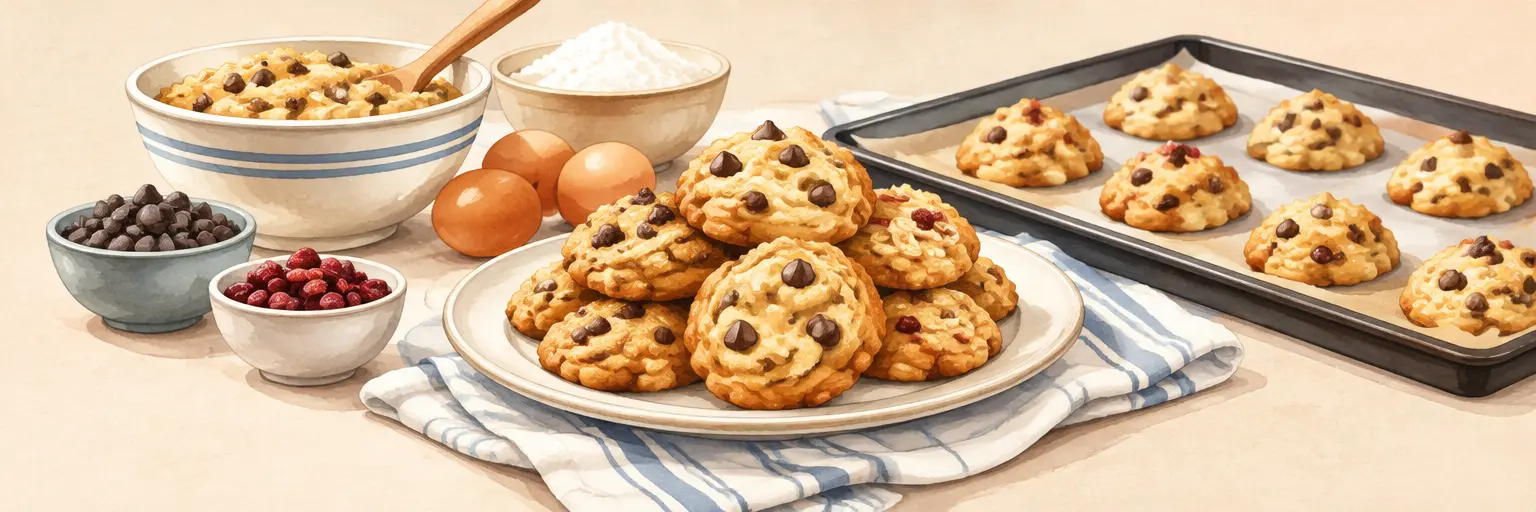
Drop cookies are the perfect starting point for any beginner baker—no rolling pins, no cutters, just a spoon, a baking sheet, and a world of simple, delicious possibilities. From classic chocolate chip and chewy oatmeal to soft peanut butter and festive sugar cookies, these fuss-free treats mix up in minutes and bake into golden, irresistible rounds every time. With minimal equipment and forgiving doughs, drop cookies teach you essential skills like creaming butter and judging doneness while delivering instant, crowd-pleasing results. Whether you’re craving a quick after-school snack or your first homemade gift batch, mastering this versatile technique unlocks endless flavor variations and builds confidence in the kitchen. So preheat your oven, grab your favorite bowl, and discover why drop cookies are the easiest, most rewarding way to bake from scratch today!
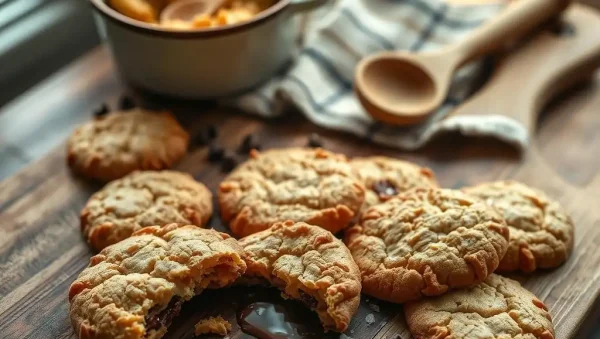
😊 Discover the ultimate Crispy Drop Cookies Recipe Easy to make with our simple tips! Bake perfect, crunchy cookies every time using…
Read article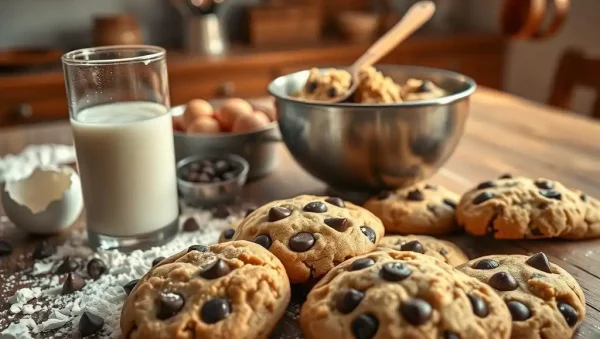
🍪 Discover the ultimate Easy Drop Cookie Recipe Guide at BakeWithEase.com, your go-to resource for simple, step-by-step techniques to perfect delicious cookies.…
Read article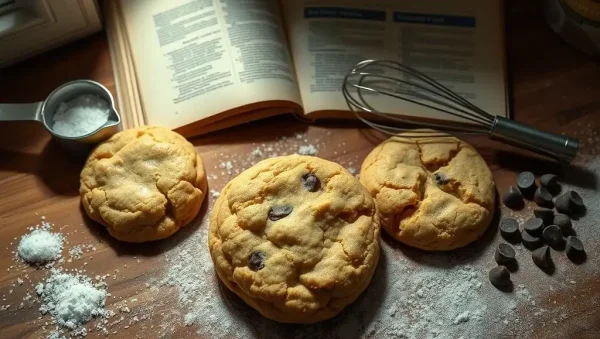
😊 Struggling with drop cookie spreading too much? Discover simple troubleshooting tips to prevent excessive spreading, achieve perfect texture, and ensure your…
Read article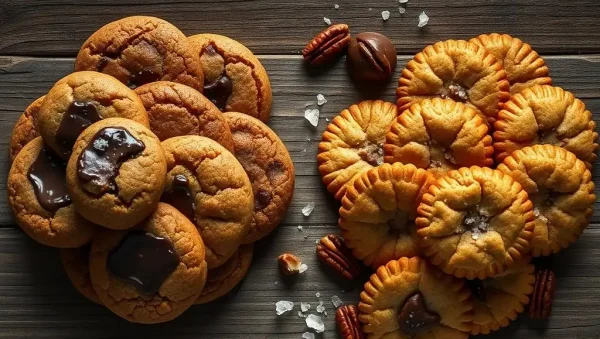
😊 Discover how to master Perfectly Chewy Crispy Drop Cookies with expert tips and simple techniques. BakeWithEase.com helps bakers of all levels…
Read article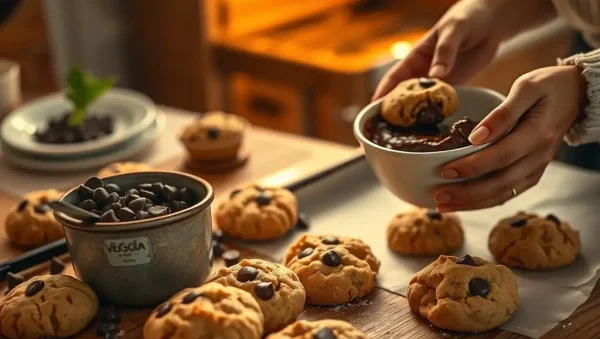
😊 Discover how to master an easy drop cookies recipe fast with our simple, step-by-step guide. Perfect for bakers of all levels,…
Read article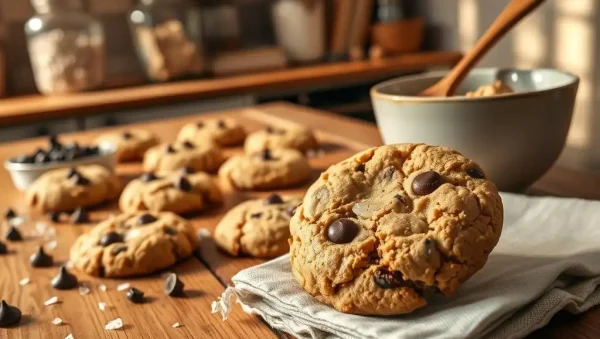
😊 Discover the ultimate foolproof drop cookies recipe easy enough for beginners yet delicious for all. BakeWithEase.com guides you through simple techniques…
Read article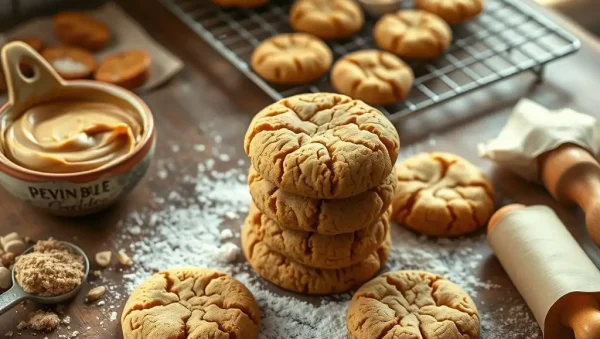
😊 Discover how to make irresistibly easy peanut butter drop cookies with our quick, foolproof recipe. Perfect for bakers of all levels,…
Read article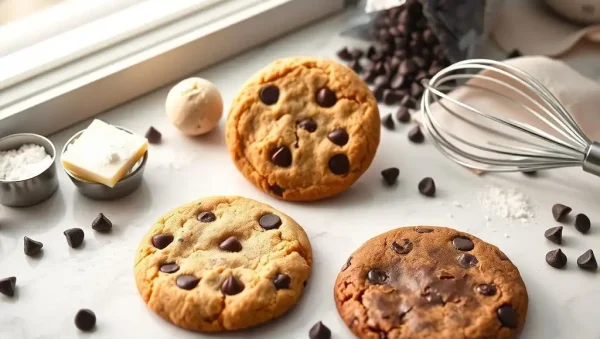
😊 Discover essential tips for preventing burnt drop cookie bottoms with simple, effective techniques. BakeWithEase.com guides you through easy steps to achieve…
Read article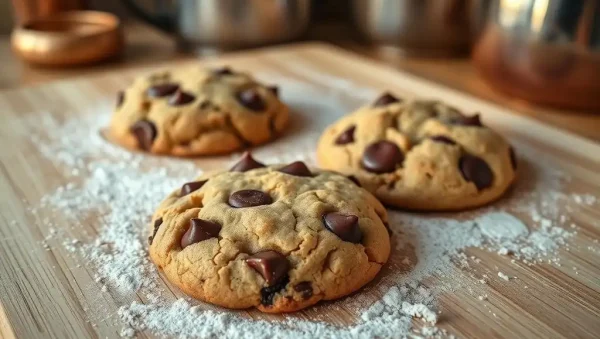
😊 Struggling with flat, overly spread cookies? Discover essential tips for easy drop cookie spreading control at BakeWithEase.com. Master techniques to keep…
Read article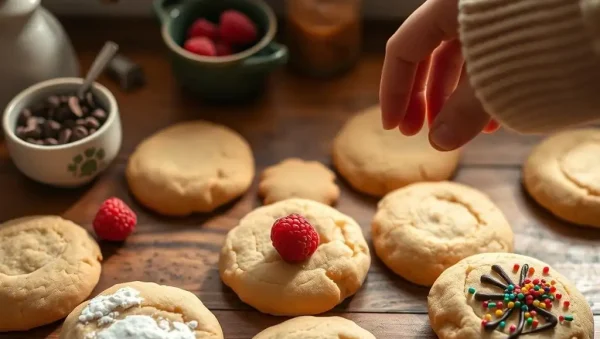
😊 Discover how to make delicious, fluffy Easy Drop Cookies No Mixer with our simple, step-by-step guide. Perfect for bakers of all…
Read article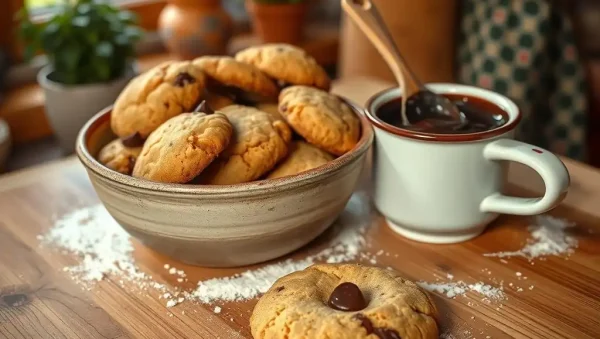
😊 Discover the joy of baking with BakeWithEase.com, your ultimate guide for mastering "Easy drop cookie recipe beginners." Dive into simple techniques,…
Read article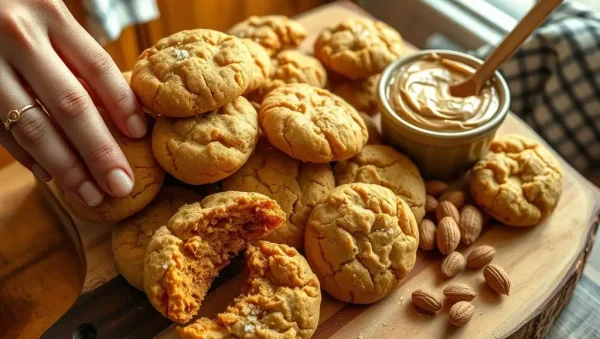
😊 Discover how to make irresistibly easy peanut butter drop cookies with minimal effort! Perfect for bakers of all levels, this simple…
Read articleWelcome to the delightful world of drop cookies—the most forgiving and rewarding starting point for any beginner baker. Unlike rolled or cut-out cookies that require chilling, rolling, and shaping, drop cookies rely on a simple scoop-and-bake method. This subcategory is your gateway to understanding basic dough chemistry, mastering texture control, and producing batches of delicious, rustic treats with minimal fuss. Here, you’ll find everything from classic chocolate chip to oatmeal raisin, all with step-by-step guidance designed to build your confidence and fill your kitchen with irresistible aromas.
Understanding texture is the heart of drop cookie success. The ratio of butter to sugar, the type of sugar used (white vs. brown), and the addition of eggs all determine whether your cookie emerges soft and chewy or thin and crispy. For chewy cookies, you’ll want more brown sugar and a slightly underbaked center. For crispy edges with a tender middle, use a mix of white sugar and a touch more baking soda. Our recipes break down these variables so you can confidently tweak your batch to match your personal preference.
Moisture content is another crucial factor. Melted butter creates denser, chewier cookies, while room-temperature butter beaten with sugar traps air, yielding a lighter, cakier texture. We guide you through each step, explaining why you cream certain ingredients and when to fold in your mix-ins. By the end of your first batch, you’ll not only have a cookie to be proud of but also a fundamental understanding of how to adjust any recipe for your ideal bite.
Once you’ve mastered the base dough, the real fun begins. Drop cookies are incredibly versatile when it comes to add-ins. From nuts and dried fruits to candy pieces, pretzels, and even potato chips, the possibilities are endless. We’ll show you how to balance flavors and textures—like adding a sprinkle of sea salt to caramel or a hint of orange zest to cranberry. You’ll learn how to properly chop chocolate for even distribution and why toasting nuts first can elevate your cookie from good to gourmet.
This subcategory also covers seasonal variations, so you can bake pumpkin spice drop cookies in fall, lemon blueberry in spring, and peppermint bark in winter. We emphasize using easy-to-find ingredients, but we also provide substitution tips for dietary needs, including gluten-free flour blends and vegan butter. With each recipe, we include a “mix-in pairing guide” to help you create your own signature combinations, turning a simple sugar or vanilla base into a personalized treat that reflects your taste.
You don’t need a fancy stand mixer or a dozen special gadgets to excel at drop cookies. However, a few key tools make the process smoother and more consistent. A cookie scoop is your best friend—it ensures uniform sizing for even baking. We recommend a medium scoop (about 1.5 tablespoons) for most batch sizes. A sturdy baking sheet lined with parchment paper or a silicone mat prevents sticking and promotes even browning. We also cover the importance of preheating your oven and using an oven thermometer for accurate temperature.
Technique matters just as much as tools. Learn the “scoop and drop” method that keeps your dough compact and handles cleanly. We’ll teach you how to space cookies correctly—usually 2 inches apart—to allow for spreading without merging. Another secret: chilling your dough for 20-30 minutes before baking can prevent excessive spreading and enhance flavor. We break down these steps with precise visual cues, so you know exactly when your dough is ready and when your cookies are perfectly baked—edges golden, centers still soft.
Baking a big batch of drop cookies is a wonderful way to stock your pantry, but proper storage is key to preserving their texture and taste. For short-term storage, keep cookies in an airtight container at room temperature. To maintain chewiness, add a slice of white bread (it absorbs excess moisture and keeps cookies soft). For crisper cookies, leave the container slightly open or add a silica packet. We’ll guide you through the best practices for each cookie type you bake.
Freezing is a game-changer for busy bakers. You can freeze drop cookie dough balls before baking—just place them on a tray, freeze solid, then transfer to a zip-top bag for up to 3 months. Bake directly from frozen, adding 2-3 minutes to the baking time. Alternatively, baked cookies freeze beautifully; layer them between wax paper in an airtight container. We provide a quick-reference chart for thawing and reheating, ensuring your baked goods taste as fresh as the day you made them.
Every beginner encounters a flat cookie or a raw center occasionally—it’s part of the learning curve. When cookies spread too much, the usual culprit is warm dough or too much butter. Our troubleshooting guide helps you diagnose issues like over-browning bottoms (your baking sheet may be too dark) or a cakey texture (too many eggs). We also address gluten development—overmixing can make cookies tough, so we recommend gentle folding at the end.
Another common problem involves ingredient substitutions. If your dough looks greasy or dry, we’ll help you balance moisture. We explain how altitude and humidity affect baking, and provide adjustments for those environments. With our step-by-step problem solver, you’ll learn to read your dough and adjust mid-recipe, turning potential failures into teachable moments. By the end of this section, you’ll have the confidence to troubleshoot any drop cookie recipe you encounter, knowing you have the knowledge to fix it.
Drop cookies are made from a softer dough that is spooned or scooped directly onto a baking sheet, whereas rolled cookies require chilling, rolling out, and cutting into shapes. Drop cookies are quicker and more forgiving, making them ideal for beginners, while rolled cookies are better for decorative, uniform shapes.
Yes, but texture and flavor will change. Margarine has more water, leading to flatter, less flavorful cookies. Oil produces a cakey crumb but lacks the richness of butter. For best results, stick to butter, or use a high-quality vegan butter stick for dairy-free options, as it behaves similarly.
The edges should be set and lightly golden, while the centers still look slightly soft and underdone. They will continue to set as they cool on the hot baking sheet. A good rule of thumb is to remove them when the middle no longer looks glossy or wet, usually 9-11 minutes at 350°F (175°C).
Often, the dough is too warm. Chill the dough for at least 30 minutes before baking. Also, check that your baking soda or powder is fresh, and be precise with flour measurement—too little flour or too much butter encourages spread. Use a light-colored baking sheet and let it cool between batches.
Absolutely! You can refrigerate the dough in an airtight container for up to 3 days, which often improves flavor as ingredients meld. For longer storage, scoop balls and freeze them on a tray, then transfer to a freezer bag. Bake from frozen, adding a couple of extra minutes, without thawing.