Basic Guide to Using Yeast for Beginners: Simple Steps
😊 Discover the essentials of yeast baking beginner’s simple steps with BakeWithEase.com. This guide simplifies mastering yeast-based recipes, helping beginners confidently create…
Read article
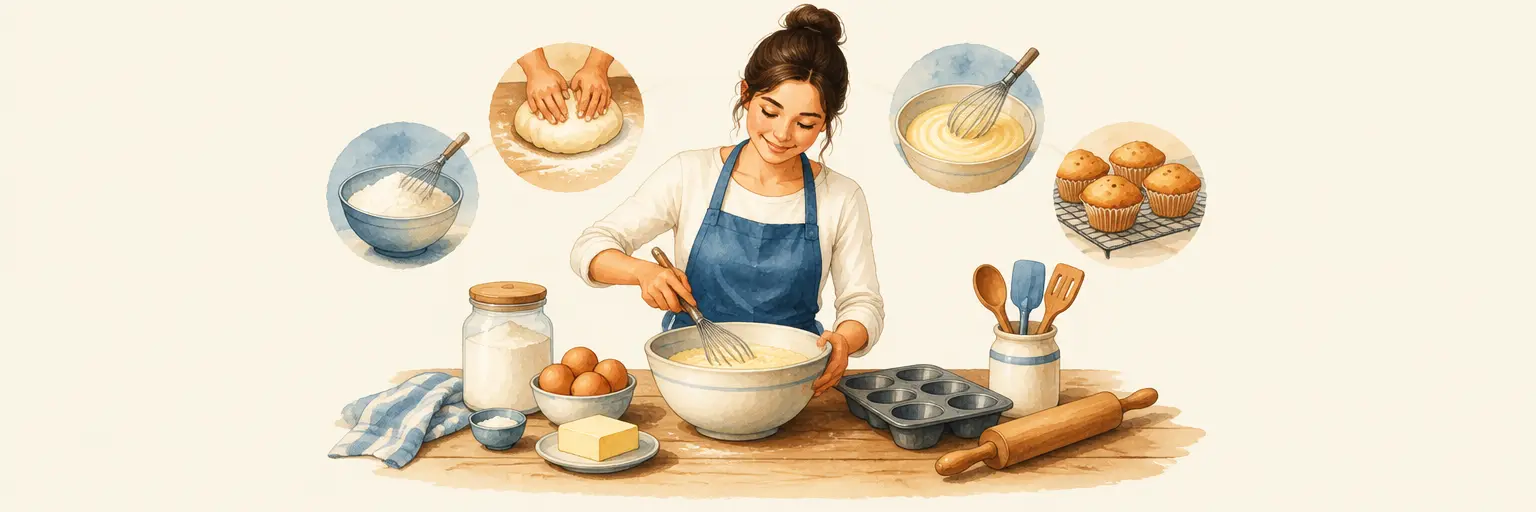
Master the basics of baking with confidence! From measuring flour correctly to understanding oven temperatures and creaming butter and sugar, these essential foundational techniques turn kitchen confusion into crisp cookies, fluffy cakes, and golden breads. Perfect for new bakers, our step-by-step approach covers mixing methods, ingredient substitutions, and troubleshooting common mishaps—so you can bake from scratch without fear. 🍪✨ Start simple, build skills, and enjoy delicious results every time.
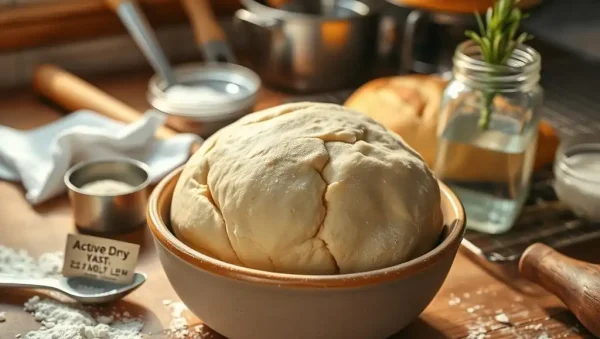
😊 Discover the essentials of yeast baking beginner’s simple steps with BakeWithEase.com. This guide simplifies mastering yeast-based recipes, helping beginners confidently create…
Read article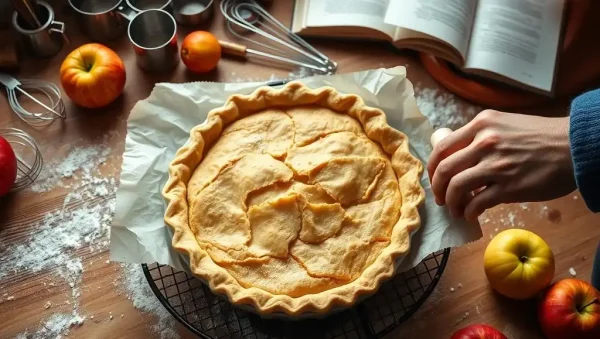
😊 Discover how parchment paper baking tips can transform your baking experience. At BakeWithEase.com, we provide beginner-friendly techniques and essential advice to…
Read article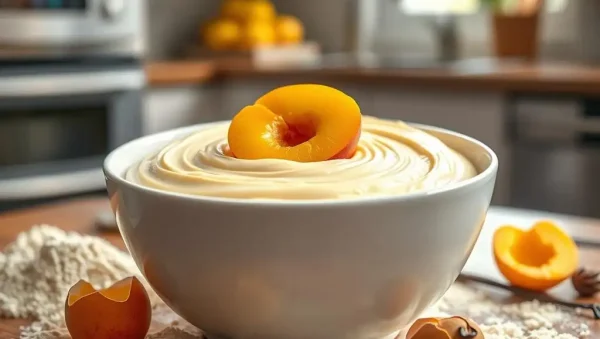
😊 Achieving the perfect cake batter texture is essential for a light, fluffy cake. Learn how to adjust consistency with simple tips…
Read article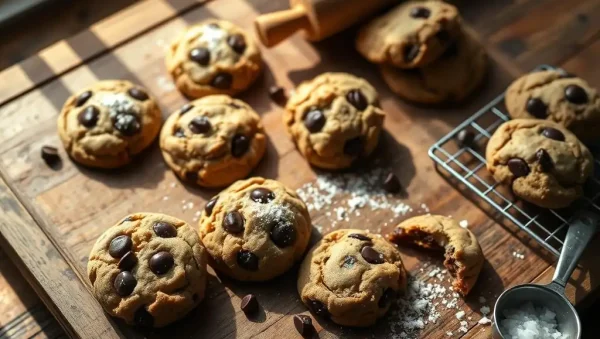
🍪 Discover essential Crispy Soft Cookies Baking Tips at BakeWithEase.com to achieve perfectly crisp edges and irresistibly soft centers. Elevate your baking…
Read article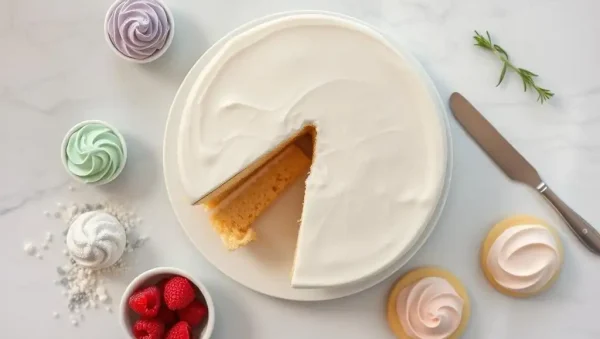
😊 Discover the art of simple decorating with our guide to easy glaze frosting techniques. Perfect for bakers of all levels, these…
Read article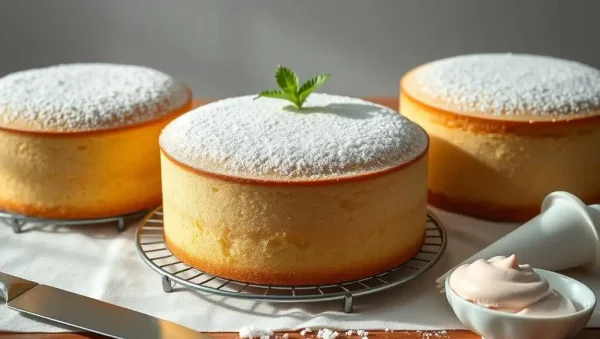
😊 Master the art of baking with BakeWithEase.com by learning how to properly cooled cake frosting. Achieve smooth, easy-to-handle cakes perfect for…
Read article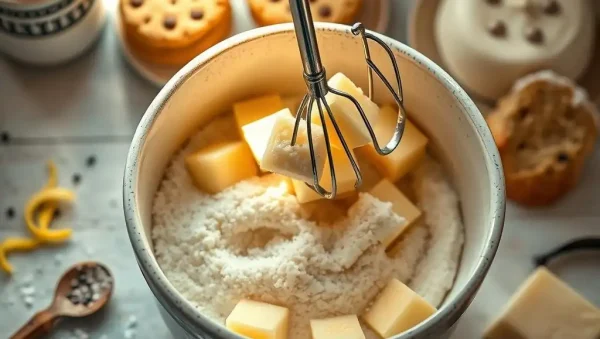
😊 Discover how creaming butter and sugar transforms your cake and cookie recipes at BakeWithEase.com. Master the art of creating lighter, fluffier…
Read article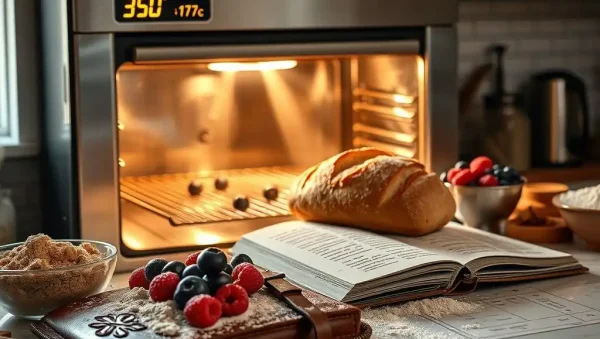
🔥 Master the art of baking with ease by understanding oven temperature conversion for baking. This guide explains Fahrenheit vs. Celsius, helping…
Read article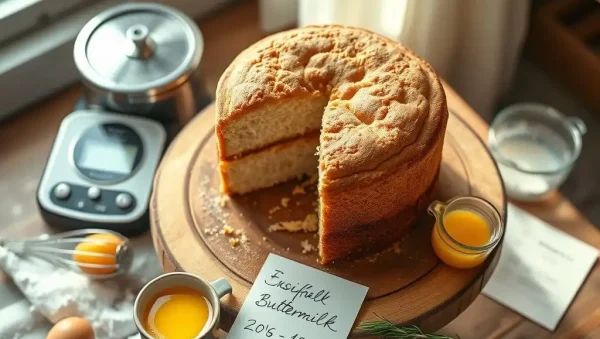
😊 Discover essential dry cake troubleshooting tips to ensure your baked goods stay moist and delicious. Perfect for beginners, these simple techniques…
Read article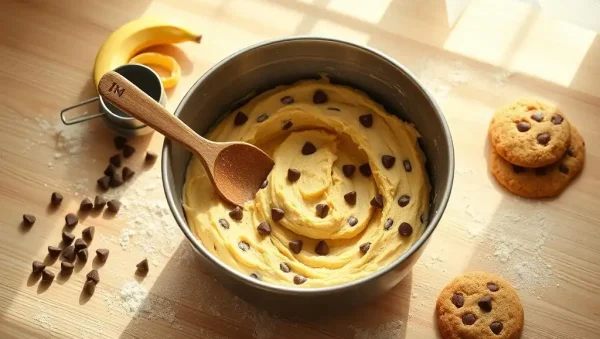
😊 Discover the secrets to achieving the perfect cookie dough consistency with our easy cookie dough recipe tips. Whether you're a beginner…
Read article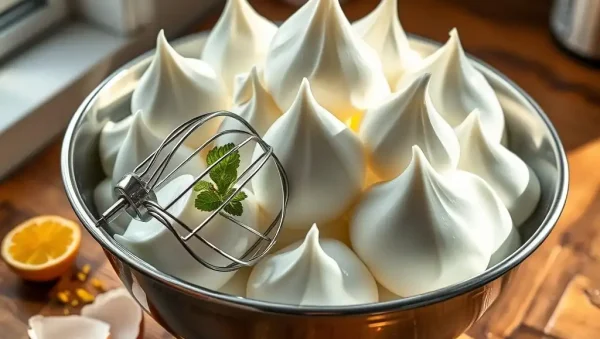
😊 Discover how to achieve perfect meringue egg white peaks with simple, step-by-step techniques ideal for beginners. BakeWithEase.com guides you through easy…
Read article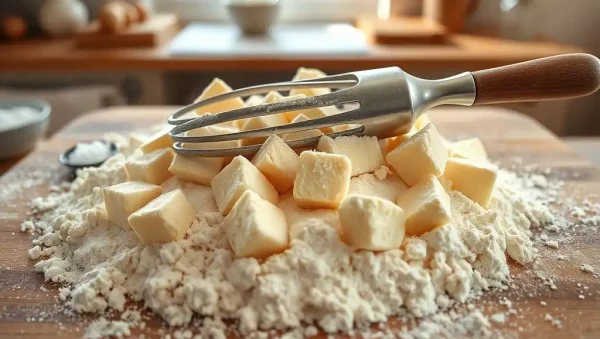
😊 Discover the secrets of the Flaky Biscuits Cut In Technique with BakeWithEase.com, your ultimate baking resource. Learn simple, step-by-step tips to…
Read articleWelcome to Basic Baking Techniques for Beginners at BakeWithEase.com. This subcategory is your foundation for stress-free baking, covering essential skills like measuring flour correctly, creaming butter and sugar, and understanding oven temperatures. Whether you’re making your first batch of cookies or a simple loaf of bread, these step-by-step guides use easy-to-find ingredients and clear instructions. Our goal is to build your confidence in the kitchen, turning baking from a mystery into a joyful routine. Let’s start with the core techniques that every recipe relies on—perfect for absolute beginners and a great refresher for home bakers.
Measuring is the single most important skill in baking—too much flour or too little sugar can ruin a recipe. For beginners, we break down the difference between dry measuring cups (for flour, sugar, and cocoa) and liquid measuring cups (for milk, water, and oil). You’ll learn the spoon-and-level method for flour, how to pack brown sugar firmly, and why sifting matters for lighter cakes. We also cover room-temperature ingredients, like eggs and butter, which mix more evenly into batters.
Beyond cups and spoons, we introduce a kitchen scale as your best friend for precise results—many beginners find weighing ingredients eliminates guesswork. Expect tips on prepping pans (greasing, lining, or flouring) and measuring sticky ingredients like honey or molasses with a lightly oiled spoon. By mastering these basics, your cookies will spread evenly, your cakes will rise tall, and your breads will have the right crumb every time. This technique is your first step toward consistent, professional-level baking at home.
The creaming method is the backbone of most cookies, cakes, and muffins. In this section, you’ll learn how to beat softened butter and sugar together until light, fluffy, and pale in color—this traps air, which helps your baked goods rise. We cover the ideal butter temperature (soft but not melted), and how to use a hand mixer or stand mixer with a paddle attachment. Beginners often overmix or undermix, so we provide visual cues to know exactly when to stop.
You’ll also practice adding eggs one at a time, ensuring each is fully incorporated before the next, to prevent curdled batter. We explain why scraping down the bowl is crucial and how to integrate flour gently to keep your final texture tender. With these techniques, you can confidently tackle classic recipes like chocolate chip cookies or vanilla layer cakes, producing a tender crumb and a beautiful rise. This skill transforms simple ingredients into bakery-quality treats, making it a must-know for every new baker.
For beginners diving into bread, quick breads, or pizza dough, kneading is essential to develop gluten—the protein that gives bread its chew and structure. We start with hand kneading on a lightly floured surface, demonstrating the push-fold-turn rhythm for about 8-10 minutes until the dough is smooth and elastic. Learn the windowpane test to check gluten development without guesswork, and how to adjust flour or water if your dough is too sticky or dry.
Shaping is equally important: we cover how to form round boules, tight logs for sandwich loaves, and even simple braids. You’ll learn to let dough rest appropriately (bulk fermentation) and shape without tearing the surface. We also provide a no-knead method for ultra-beginners using a Dutch oven, which requires minimal effort and delivers artisan results. This section empowers you to bake your first yeast bread with confidence, solving common pitfalls like dense loaves or uneven shapes.
Understanding your oven is key to baking success. We begin by explaining how to preheat properly and why using an oven thermometer can save your bakes—many home ovens run hotter or cooler than dials show. For beginners, we break down convection vs. conventional settings, and how to position racks (middle for even heat, lower for crispy crusts). You’ll learn the signs of doneness: a toothpick comes out clean for cakes, edges pull away for brownies, and a hollow sound when tapped for breads.
We also cover the golden rule of opening the oven door minimally to avoid temperature swings that cause sinking. Expect a simple chart for common baked goods (cookies at 350°F for 10-12 mins, loaves at 375°F for 30-40 mins) and advice on rotating pans halfway through for even browning. With these oven skills, you’ll avoid burnt edges or raw centers, making every batch reliable. This is the final piece that ties your techniques together, ensuring your hard work yields delicious, perfectly baked results.
Even with perfect mixing, knowing when your bake is finished is crucial. We teach beginner-friendly tests: pressing gently on a cake to see if it springs back, checking cookies for golden edges, and using a skewer for quick breads. For yeast breads, an instant-read thermometer should hit 190-200°F internally. We also clarify why some recipes need a crust that’s deeply browned versus just lightly golden—it’s not just visual but affects texture and taste.
Cooling is just as important as baking. Learn to cool cakes in the pan for 10 minutes before transferring to a wire rack to prevent breaking, and cool cookies on the sheet for 2 minutes so they set correctly. We explain why you should never frost a warm cake and how to cool bread upright to avoid a soggy bottom. This technique ensures your final product looks as good as it tastes, with proper crumb structure and moisture. Master this, and you’ll finish every bake with a proud, polished result.
Accurate measuring is the most critical starting point. Using the right cups and the spoon-and-level method for flour prevents dense or dry results. Once you master measuring, other techniques like creaming and kneading become easier because your ratios are correct.
A cake sinks often due to underbaking or opening the oven door too early during the first 20 minutes. It can also happen if you overmix the batter, deflating air. Use a toothpick test and keep the oven closed for the recommended time.
Absolutely. A hand mixer works beautifully for creaming butter and sugar, just beat for 3-5 minutes until fluffy. Stop to scrape the bowl and ensure even mixing. It’s easier to control speed, especially for small batches.
Use the windowpane test: take a small piece of dough and stretch it gently. If it forms a thin, translucent membrane without tearing, the gluten is developed. If it tears easily, knead for another 2-3 minutes and test again.
Room temperature typically means 65-70°F (18-21°C). For butter, it should be soft enough to dent with a finger but not melted. Eggs should sit out for 30 minutes. Cold ingredients can make batter clumpy and prevent proper creaming.