Why These Tools Matter: Essential Gear for Your First Baking Steps
🍰 Discover why having the right baking tools beginner essentials is crucial for your success. BakeWithEase.com offers simple techniques and must-have gear…
Read article
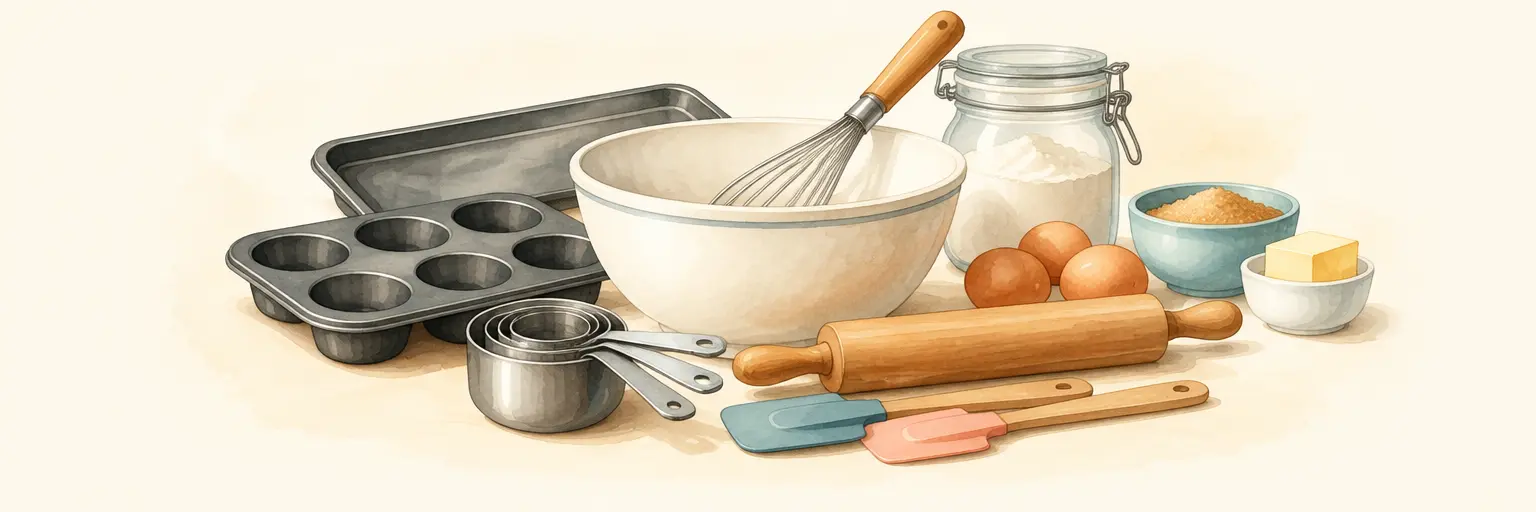
Starting your baking journey is exciting, and having the right equipment makes all the difference between frustration and flawless results. 🍪 You don’t need a professional kitchen—just a handful of versatile, budget-friendly tools that simplify every recipe. From measuring cups and mixing bowls to a sturdy whisk and a reliable baking sheet, these essentials set you up for success with cakes, cookies, and breads. Remember, accuracy and patience beat expensive gadgets, so focus on quality basics first. Grab a digital scale for precision, silicone spatulas for scraping every bit of batter, and a cooling rack to perfect your textures. With these in your cupboard, you’ll bake with confidence, save time, and enjoy the process from mixing to tasting. 🧁 Whether you’re whipping up your first sponge or tackling a simple loaf, these tools turn beginners into bakers—one delicious step at a time.
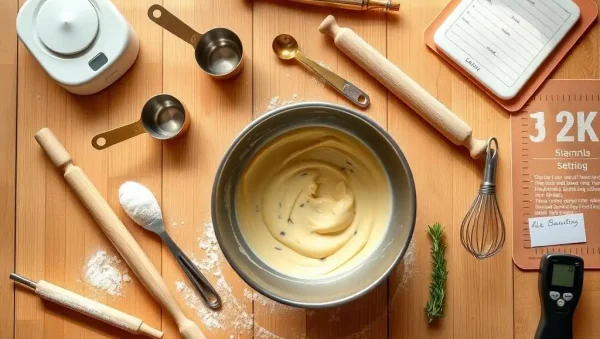
🍰 Discover why having the right baking tools beginner essentials is crucial for your success. BakeWithEase.com offers simple techniques and must-have gear…
Read article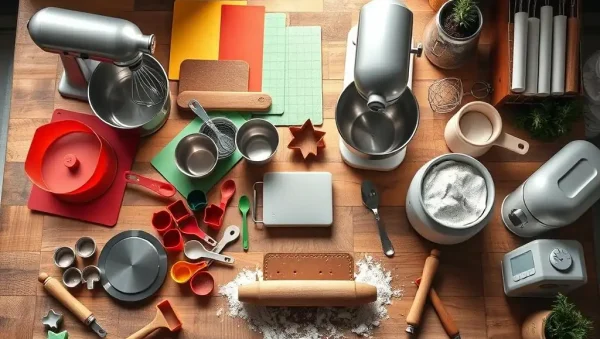
✨ Discover the must-have baking station tools for beginners to create perfect pastries, breads, and cookies. BakeWithEase.com offers essential tips and easy-to-use…
Read article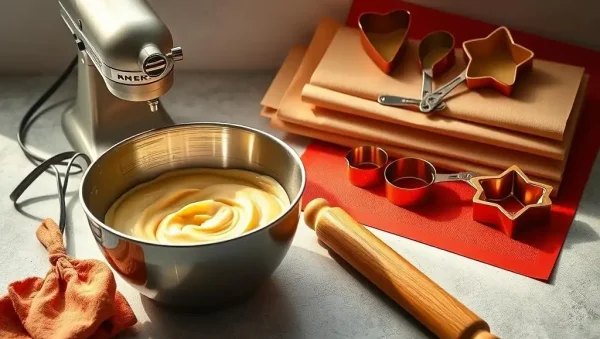
🧁 Kickstart your baking adventure with BakeWithEase.com by exploring essential baking tools for beginners. Discover must-have equipment, simple techniques, and delicious recipes…
Read article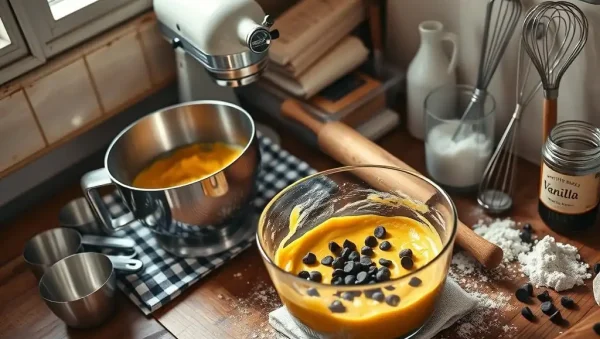
✨ Discover the must-have beginner baking essential tools at BakeWithEase.com, your ultimate resource for mastering baking basics. Whether you're making cookies or…
Read article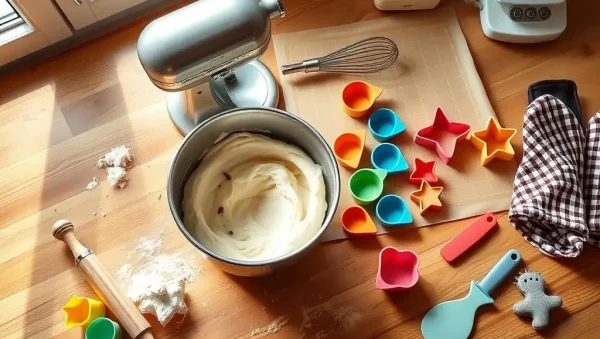
🍰 Discover the essential easy baking tools beginner needs to kickstart your culinary journey. BakeWithEase.com offers simple recipes, expert tips, and step-by-step…
Read article
🍰 Discover essential baking tools for beginners at BakeWithEase.com, your ultimate guide to mastering baking. From basic utensils to must-have equipment, learn…
Read article
😊 Discover the ultimate Baking Tools Beginner Checklist on BakeWithEase.com to simplify your baking journey. This essential guide covers must-have equipment and…
Read article
🧁 Discover BakeWithEase.com’s Essential Baking Tool Checklist, your perfect guide to mastering baking! Whether you're a beginner or seasoned baker, this cheat…
Read article
😊 Discover the essential components of a baking kit for beginners on BakeWithEase.com. Our comprehensive guide simplifies choosing the right tools, helping…
Read article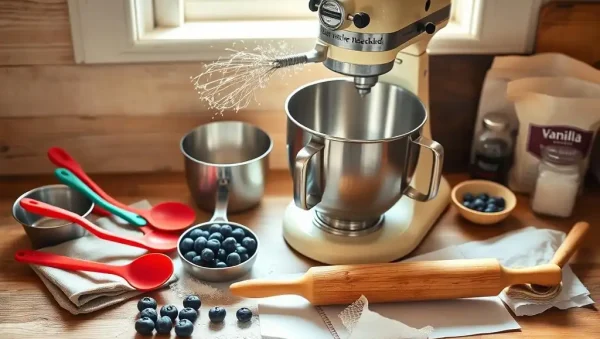
😊 Discover the essential baking tools for beginners at BakeWithEase.com, your ultimate resource for mastering baking. Our guide simplifies your journey with…
Read article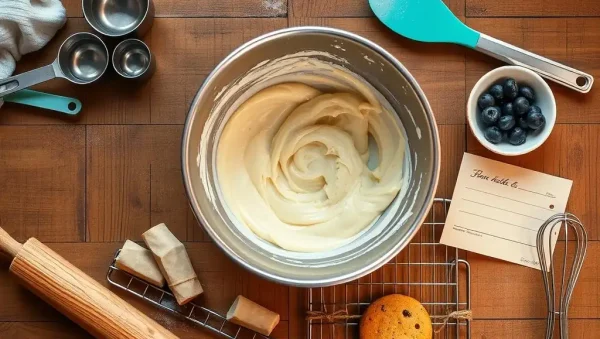
😊 Discover essential budgetfriendly baking starter tools that make baking accessible and affordable for beginners. At BakeWithEase.com, find simple tips, tools, and…
Read article
😊 Essential baking tools for beginner bakers are the foundation of successful baking. From measuring cups to mixing bowls, these essentials on…
Read articleStarting your baking journey is exciting, but the sheer number of tools available can feel overwhelming. This guide is designed to cut through the noise. Here at BakeWithEase, we focus on the essential baking tools that every beginner truly needs. Forget the fancy gadgets; we’re zeroing in on the practical, versatile equipment that helps you bake delicious cakes, cookies, and breads with confidence. Learn what to buy, what to skip, and how to use each piece like a pro.
Baking is a science, and precision is your best friend. The most common mistake beginners make is guessing measurements. You’ll need a reliable set of dry measuring cups (nested cups for flour, sugar, and oats) and a clear liquid measuring cup with spout markings. Don’t forget a set of measuring spoons for smaller quantities like baking soda and vanilla extract. A digital kitchen scale is a game-changer for consistent results—it’s more accurate than cups and makes clean-up faster.
Using the wrong measuring tool can ruin a batch, turning fluffy muffins into dense hockey pucks. Always spoon flour into your dry cups and level off with a flat edge—never scoop directly. For liquids, read the measurement at eye level on a flat surface. A scale helps you follow European recipes easily and is ideal for bread baking. With these tools, you’ll replicate your favorite BakeWithEase recipes perfectly every single time.
Every beginner needs a set of mixing bowls in various sizes—small for eggs, large for batter and dough. Opt for glass or stainless steel; they’re heat-resistant, stable, and easy to clean. Pair them with a sturdy silicone spatula (heat-safe) for folding, scraping, and getting every last bit of batter into the pan. A balloon whisk is essential for incorporating air into eggs and cream, giving cakes that light, fluffy texture.
Don’t underestimate the power of good bowls. A bowl with a nonslip base prevents frustrating sliding while you mix. Silicone spatulas are gentler on nonstick pans than metal. When whisking, use a figure-eight motion to aerate mixtures thoroughly. These simple items are the backbone of most baking tasks, from creaming butter and sugar to folding in whipped egg whites. Investing in quality versions means they’ll last for years.
Your choice of pan affects baking time and texture. Start with a classic 9-inch round cake pan, an 8×8-inch square pan, and a 12-cup muffin tin—these cover most beginner recipes. Look for light-colored, heavy-gauge metal pans that conduct heat evenly. A rimmed baking sheet is perfect for cookies and roasted nuts. For loaf breads, a standard 9×5-inch loaf pan is a must. Avoid dark nonstick pans as they brown edges too fast for delicate cakes.
Using the correct pan size is critical. If you substitute a smaller pan, batter may overflow; a larger pan makes cakes thin and dry. Always grease and flour your pans (or line with parchment paper) to prevent sticking. A simple trick: wrap a strip of damp towel around the outside of your cake pan for even baking. Remember, investing in a few quality pans beats owning dozens of poor-quality, warped ones.
Beyond bowls and pans, a handful of small tools elevate your baking. A rolling pin (preferably a tapered French pin or a standard wooden one) is key for cookies and pie crusts. A set of cookie cutters adds fun, while a pastry brush is essential for egg washes and glazing. A fine-mesh strainer is versatile—use it for sifting flour, dusting powdered sugar, or straining custards. A bench scraper helps lift dough and clean your counter.
Each tool has a specific role. A rolling pin allows even pressure; chill the dough first for clean cuts. A pastry brush with silicone bristles is easy to clean and doesn’t shed. Use your strainer to aerate flour and cocoa powder, which leads to lighter bakes. These small investments cost little but save you endless frustration. They also open the door to exploring pastries and decorative breads as you gain confidence.
Once your bake is out of the oven, the work isn’t done. A wire cooling rack is essential for letting cakes, cookies, and breads cool evenly; leaving them in the hot pan causes soggy bottoms. A simple kitchen timer (or your phone) ensures you never overbake. For extra precision, a digital instant-read thermometer is highly recommended—especially for bread (should read 190-210°F) and custards.
Cooling is part of the baking process. Hot items continue to cook from residual heat, so prompt removal from the pan allows proper structure to set. A rack also helps air circulate, preventing condensation. Set your timer for the minimum recommended time, then check with a toothpick. A thermometer removes guesswork for yeast breads. These tools may seem basic, but they’re the difference between a good bake and a perfect one.
Start with one mixing bowl, a whisk, a silicone spatula, dry and liquid measuring cups, a set of measuring spoons, a 9-inch cake pan, a baking sheet, and a cooling rack. This allows you to bake cookies, simple cakes, and brownies from most beginner recipe collections.
While not strictly mandatory, a scale improves accuracy and consistency. Many expert bakers prefer weights over volume, and it makes scaling recipes easier. If you’re on a budget, start with cups and spoons, but consider a scale after a few successful bakes.
Choose light-colored, heavy-gauge aluminum pans. They conduct heat evenly and promote proper browning. Nonstick pans are convenient but can cause over-browning and require extra care. You can always grease and flour aluminum pans to achieve nonstick results.
Wash silicone spatulas and metal whisks in warm, soapy water, avoiding abrasive scrubbers on silicone. Most silicone is dishwasher safe, but hand washing extends lifespan. Dry them immediately to prevent rust on whisk wires and maintain silicone’s flexibility.
Replace pans when they warp, rust, or show severe scratches; warped pans cause uneven baking. Measuring cups should be replaced if cracked or if markings fade. Silicone tools can be swapped if they become sticky or torn. Quality tools, with care, last for years.