Classic Cookies: Your First Step to Baking Confidence
Welcome to the Classic Cookies corner of BakeWithEase, the heart of our Beginner Baking Recipes. Here, we strip away the intimidation and focus on timeless treats that build foundational skills. From chewy chocolate chip to crisp sugar cookies, these recipes are designed with simple instructions and everyday ingredients. No fancy mixers or hard-to-find tools required—just your hands, an oven, and a craving for something delicious. Each recipe below is a gentle lesson in measuring, mixing, and knowing exactly when your cookies are perfectly done.
🍪 The Ultimate Chewy Chocolate Chip Cookie
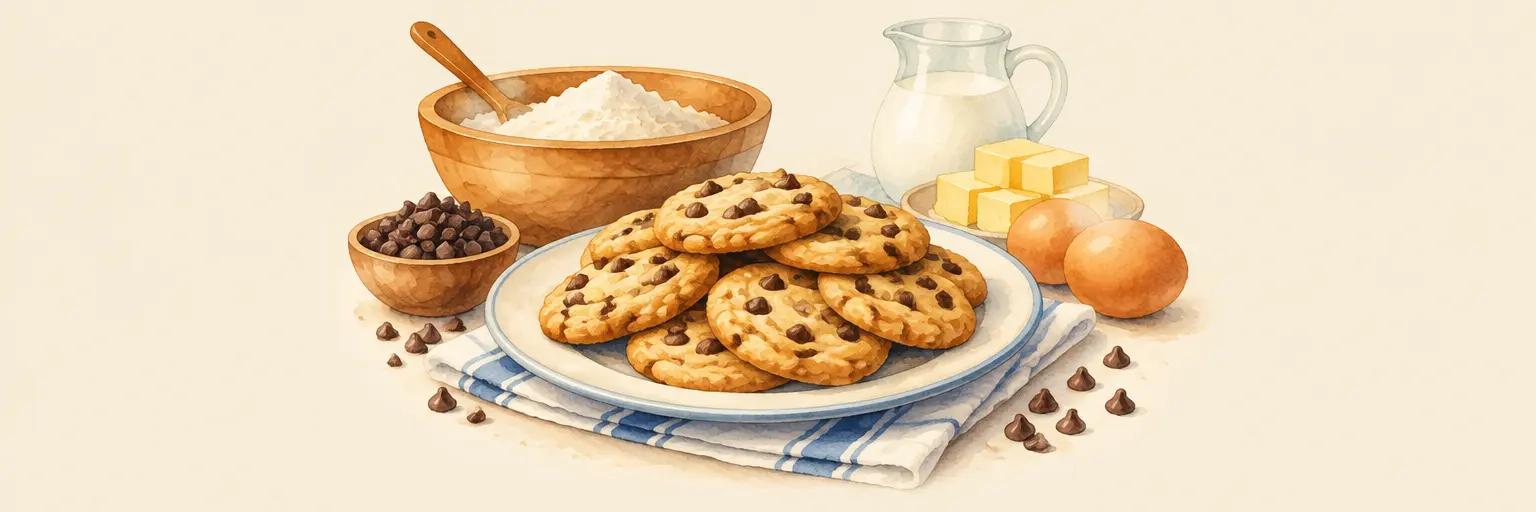
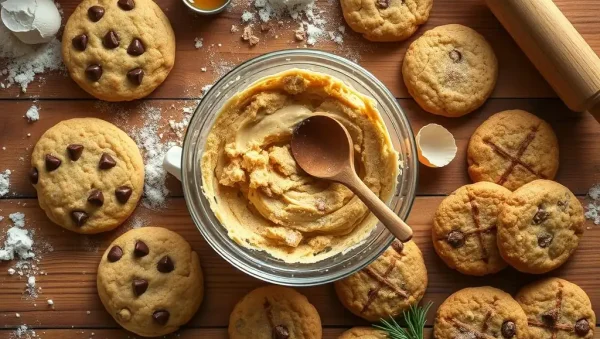
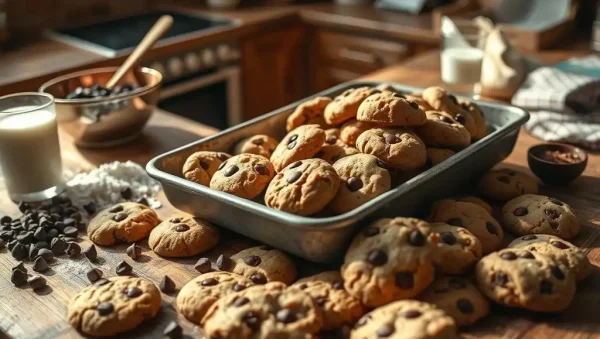
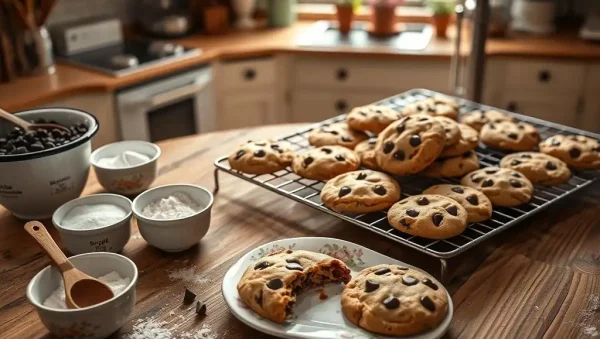
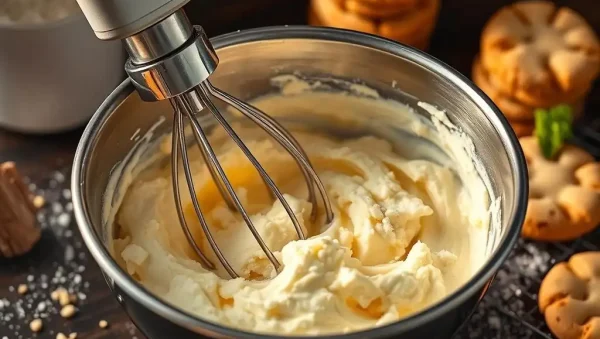
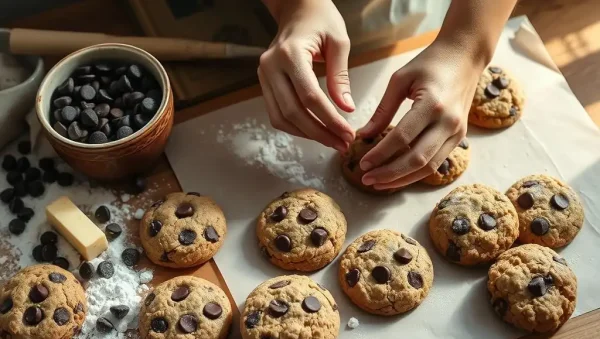
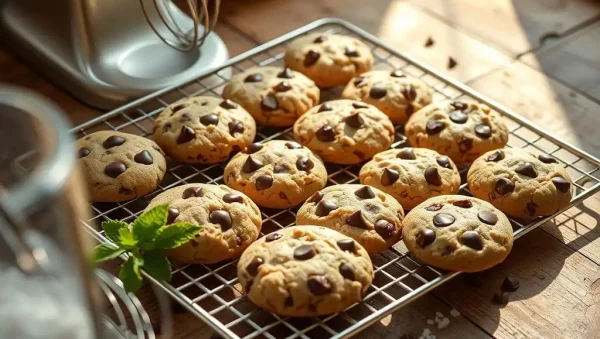
This isn't just a recipe; it's the blueprint for cookie success. You'll master the creaming method—beating butter and sugar until light and fluffy—which traps air for a soft center. We’ll teach you why resting the dough for 30 minutes improves flavor and texture, and how to spot the golden-brown edges that signal doneness. Expect a cookie that’s crisp on the outside, tender inside, and studded with melty chocolate. It’s the first recipe we recommend to any beginner because it’s forgiving, fast, and universally loved.
Beyond the steps, you’ll learn crucial baking science: how room-temperature eggs emulsify the batter and why using a cookie scoop ensures even baking. We also share tips for customizing with nuts, sea salt, or white chocolate. By the end, you won’t just have a batch of cookies—you’ll have the confidence to tweak any recipe to your liking. This is the cornerstone of your baking journey, and it’s nearly impossible to mess up.
🥚 Simple Sugar Cookies (No Chill Required)
If you’re short on time or patience, these drop sugar cookies are your best friend. Unlike roll-out versions that need chilling and cookie cutters, this recipe mixes in one bowl and goes straight to the oven. You’ll learn to cream butter and sugar to a pale, fluffy consistency, then add an egg and vanilla for flavor. The dough is soft but not sticky, and you’ll shape it with a spoon or small scoop. The result: a lightly crispy cookie with a delicate crackle on top, perfect for frosting or dipping in milk.
This recipe is ideal for practicing the “spread test”—understanding how butter temperature affects cookie spread. If your cookies puff up too much, you’ll learn to gently flatten them before baking. We also cover how to vary the sugar (white, brown, or a mix) to change color and chewiness. It’s a 20-minute investment that yields tender, buttery bites, and it’s a fantastic way to involve kids in the kitchen without a mess.
🥜 Peanut Butter Crisscross Cookies
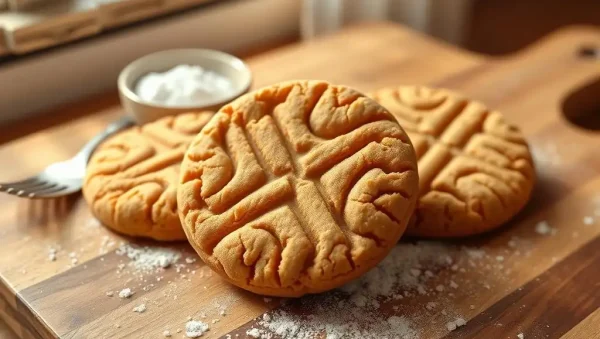
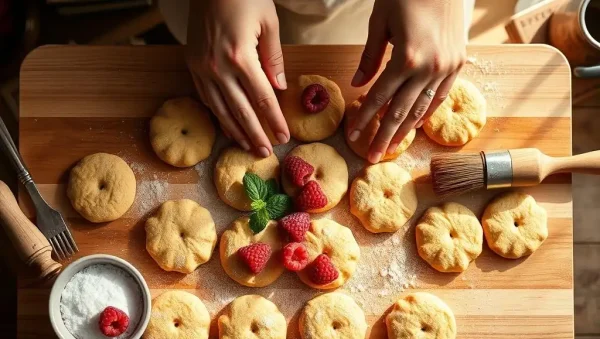
These cookies are a lesson in both flavor and presentation. Using just three base ingredients—peanut butter, sugar, and egg—you’ll see how simple baking can be. The iconic fork crisscross isn’t just pretty; it flattens the dough for even baking and gives a classic ridged top. You’ll practice the “press-and-turn” technique that defines these treats. They bake up soft and chewy with a satisfying peanutty punch, and they’re naturally gluten-free for those with dietary needs.
We’ll explain why you don’t need flour (peanut butter provides structure) and how to avoid overly dry cookies by not overbaking—remove them when the edges are set but the centers look slightly underdone. You’ll also learn to test if your peanut butter is thick enough; runny natural peanut butter can cause spreading, so we’ll suggest a quick fix. These cookies are forgiving, fast, and beloved by kids and adults alike, making them a perfect second or third recipe in your beginner lineup.
🍋 Soft Lemon Drop Cookies
Brighten your baking tray with these tender, citrus-kissed cookies. They use a simple drop method but add a touch of lemon zest and juice for a refreshing twist. You’ll learn how to incorporate wet ingredients into dry without overmixing—key to a soft crumb. A simple glaze of powdered sugar and lemon juice is drizzled on top, teaching you basic icing consistency. These cookies bake up puffy and cake-like, perfect for spring or any day you need a zing of flavor.
This recipe gently introduces you to acid-base reactions: lemon juice reacts with baking soda to create extra lift, yielding a lighter texture. We’ll also show you how to zest a lemon properly—avoiding the bitter white pith. If you don’t have fresh lemons, bottled juice works, but fresh zest adds fragrance. The glaze is forgiving; if it’s too runny, add more sugar; if too thick, add a drop of juice. These cookies are a gateway to baking with extracts and citrus, expanding your sweet repertoire.
🌾 Rolled Oatmeal Raisin Cookies
For a chewier, heartier cookie, oatmeal raisin is a classic that teaches texture balance. You’ll mix together butter, brown sugar, eggs, and vanilla, then fold in oats and plump raisins. The oats absorb moisture, creating a dense yet soft bite. We’ll show you how to soak raisins in warm water for 10 minutes—this makes them plump and juicy instead of hard. You’ll also learn to use a gentle hand when folding so you don’t crush the oats. Bake until the edges are brown but centers are still soft.
This recipe explains the difference between old-fashioned rolled oats and quick oats, and why rolled oats give a better texture. You can swap in chocolate chips, dried cranberries, or even shredded coconut for variation. We also cover how to check for residual heat carryover—cookies finish cooking on the hot sheet after removal. This batch is ideal for breakfast cookies, post-workout snacks, or a cozy treat with tea. It’s a slightly more advanced texture lesson, yet still beginner-friendly.
Frequently Asked Questions
What is the best flour to use for classic cookies?
All-purpose flour is your go-to for most classic cookies. It has a moderate protein content (around 10-12%) that provides structure without too much chewiness. For cakey cookies, you can swap 2 tablespoons of flour per cup with cornstarch to soften the texture, but stick with all-purpose for chocolate chip, sugar, and oatmeal recipes.
Can I freeze cookie dough for later?
Absolutely! Most classic cookie doughs freeze well for up to 3 months. Shape the dough into balls, place them on a baking sheet in the freezer until solid, then transfer to a zip-top bag. When ready to bake, add 2-3 extra minutes to the baking time—no need to thaw. This is perfect for baking small batches fresh anytime.
Why did my cookies spread too much in the oven?
Over-spreading usually comes from warm dough or too much butter. Chill the dough for 30 minutes if it feels soft. Also, ensure your butter is softened but not melted, and measure flour correctly—spoon it into the cup, don’t scoop. Using a parchment-lined sheet helps, and never place dough on a hot baking pan.
How do I know when my cookies are perfectly baked?
A classic sign: the edges are golden brown while the centers look slightly underdone and puffy. Remove the cookies from the oven and let them cool on the hot sheet for 5-10 minutes; residual heat finishes baking the centers. This yields a soft inside and crisp edge. Overbaked cookies dry out quickly.
Can I use margarine or vegetable oil instead of butter?
You can, but the texture will change. Butter provides flavor and helps cookies spread; margarine contains water, which can make cookies puffier. Oil-only cookies tend to be greasy and flat. For best results, use unsalted butter. If substituting margarine, use the stick form (not spreadable) and reduce liquid in the recipe slightly.