Easy Quick Bread Recipes Ready in Under an Hour
😊 Discover how to make delicious quick bread recipes under an hour with BakeWithEase.com. Perfect for bakers of all levels, our simple,…
Read article

Discover the joy of homemade baking with our quick breads for beginners on BakeWithEase! 🍞✨ These foolproof recipes require no yeast, no complicated kneading, and no proofing—just mix, pour, and bake for delicious results in under an hour. Perfect for first-time bakers, we break down every step with simple instructions and easy-to-find ingredients, ensuring confidence from your very first loaf. From moist banana bread to savory zucchini and fluffy pumpkin varieties, our beginner-friendly guides cover essential techniques like properly measuring flour, testing doneness, and avoiding overmixing. Whether you’re craving a sweet breakfast treat or a cozy snack, our quick breads are the ideal starting point to build your baking skills and taste amazing results every time. Start your journey with BakeWithEase and turn simple pantry staples into warm, homemade goodness today! 🥖🍌
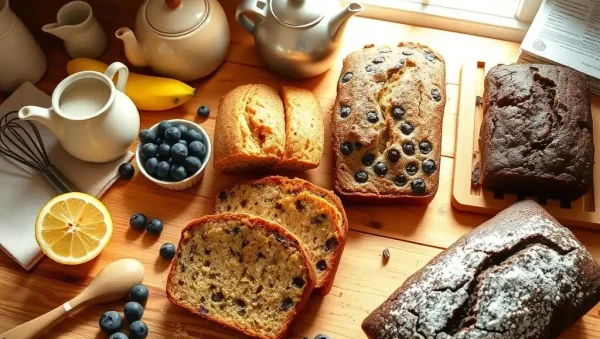
😊 Discover how to make delicious quick bread recipes under an hour with BakeWithEase.com. Perfect for bakers of all levels, our simple,…
Read article
😊 Discover foolproof easy quick bread recipes for beginners at BakeWithEase.com, perfect for those new to baking. Our simple, step-by-step guides make…
Read article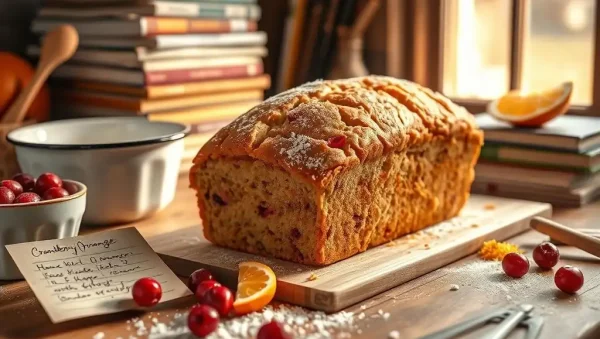
😊 Unlock your baking potential with BakeWithEase.com’s Quick Bread Beginner Recipe Guide. Perfect for novices, this guide simplifies bread-making with easy steps,…
Read article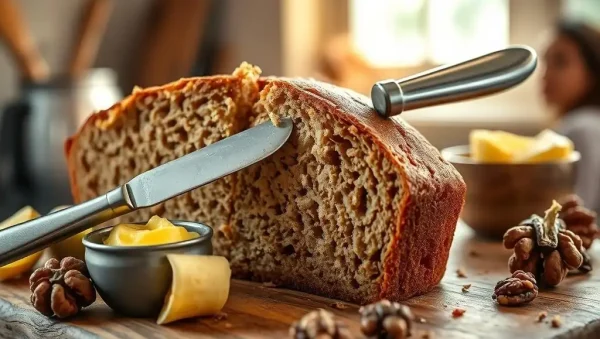
😊 Discover how to achieve the perfect quick bread crumbly texture with simple tips and techniques. BakeWithEase.com is your ultimate resource for…
Read article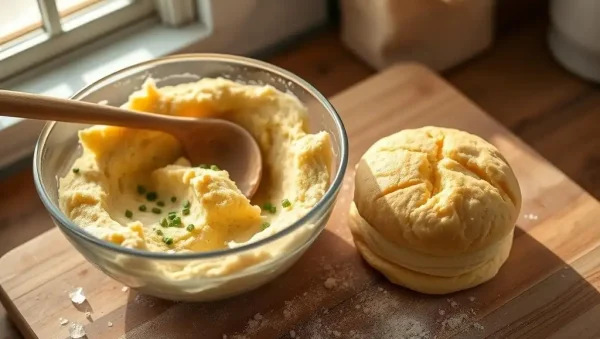
😊 Discover how the easy biscuit method baking simplifies bread-making for beginners. At BakeWithEase.com, learn quick techniques, step-by-step guides, and tips to…
Read article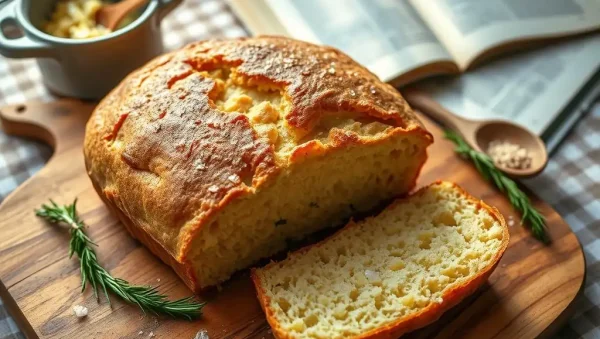
😊 Discover how to make an irresistibly easy cheesy quick bread with our simple, step-by-step recipe. Perfect for bakers of all levels,…
Read article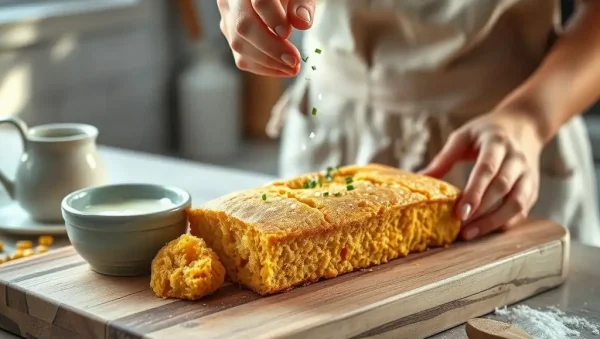
😊 Discover the ultimate easy cornbread beginners recipe on BakeWithEase.com, perfect for novice bakers. Learn simple steps to create moist, flavorful cornbread…
Read article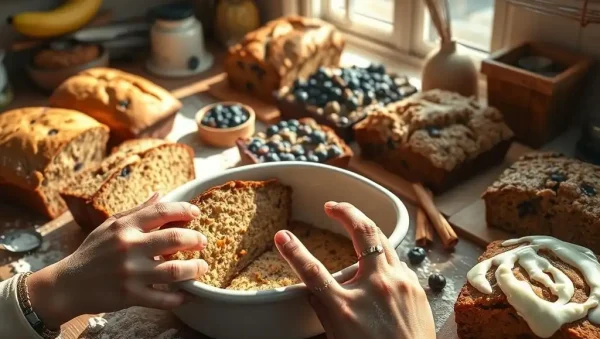
🌟 Discover the joy of baking with BakeWithEase.com! Our "Start Baking Today" guide features easy quick bread recipes for beginners, offering simple…
Read article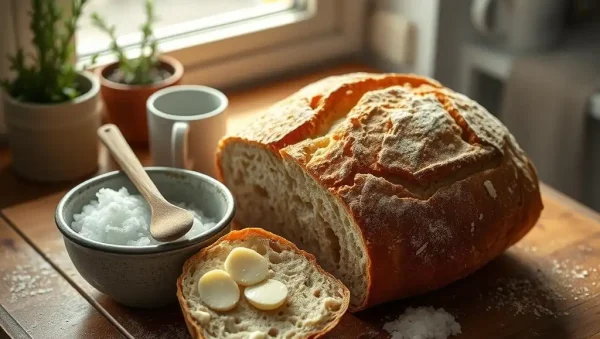
😊 Discover the joy of baking with BakeWithEase.com, your ultimate guide to mastering quick, reliable breads. Our easy sourdough bread recipe and…
Read article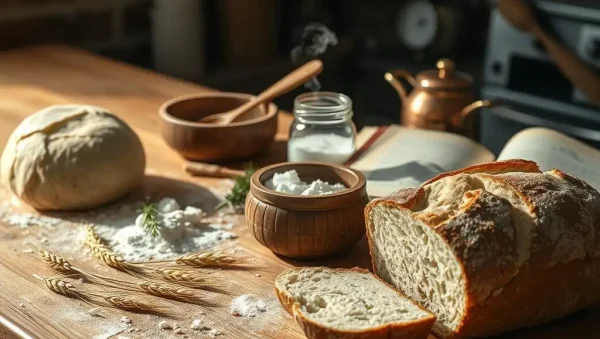
🌟 Discover the joy of baking with BakeWithEase.com, your ultimate guide to mastering quick breads. Learn how to create delicious treats with…
Read article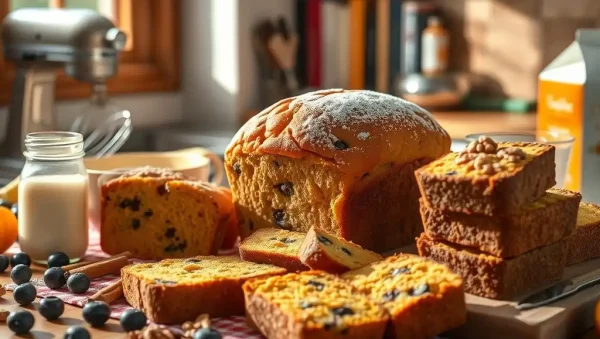
😊 Discover the secrets to perfecting easy quick bread recipes with our beginner-friendly guide on BakeWithEase.com. Learn simple techniques and tips to…
Read article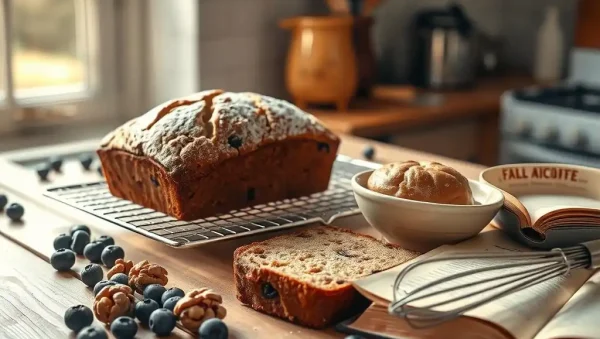
😊 Discover the ultimate guide to mastering an easy beginner quick bread recipe on BakeWithEase.com. Perfect for new bakers, this article shares…
Read articleWelcome to the world of quick breads—the perfect gateway for new bakers. Unlike yeast breads that require hours of rising, quick breads use baking soda or baking powder for leavening, meaning you can mix, bake, and enjoy in under an hour. At BakeWithEase, this subcategory is designed to demystify the process, offering foolproof recipes and visual guides for muffins, banana breads, zucchini loaves, and more. Expect clear instructions, common mistake warnings, and ingredient swaps to boost your confidence. You’ll learn the science behind the mix, from the importance of not overmixing to achieving the perfect crumb. These recipes are perfect for breakfast, snacks, or gifting, and they build foundational skills you’ll use for years.
This section covers the most loved quick bread recipe, ideal for using overripe bananas. It focuses on the creaming method, where butter and sugar are beaten until fluffy, then combined with wet and dry ingredients. Expect step-by-step photos showing the ideal batter consistency—thick, slightly lumpy, and not overmixed. We’ll highlight why overmixing creates tunnels and a tough loaf, and how to test for doneness with a toothpick. You’ll also learn to adjust for riper bananas, which add natural sweetness and moisture. This recipe is forgiving, making it perfect for absolute beginners, and it teaches you the foundational ratio of flour to fat to liquid.
Beyond the basic loaf, this section includes variations like adding chocolate chips, walnuts, or a swirl of peanut butter. Each variation tests your ability to fold in add-ins without deflating the batter. We also explain how to store banana bread to keep it moist for days, and how to freeze it for later. The goal is to help you feel comfortable with measuring, mixing, and baking times. By mastering this one recipe, you’ll understand the core principles of all quick breads, from sweet to savory. Plus, it’s a crowd-pleaser that builds baking confidence through instant success.
Muffins are quick breads in miniature, offering portion control and faster baking times. This section breaks down the muffin method, where wet ingredients are whisked into dry ingredients until just combined—a technique that yields a tender crumb. We’ll show you how to achieve domed tops and avoid flat, dense results by using a hot oven and proper pan preparation. Expect recipes for classic blueberry, double chocolate, and savory cheese muffins, each with troubleshooting tips. You’ll learn why cold ingredients can help keep fats solid for a fluffier texture, and how to use a cookie scoop for even distribution.
This part emphasizes the flexibility of muffin batters, which can be mixed in minutes and customized with seasonal fruits or nuts. We also cover the differences between paper liners vs. greasing, and how to adjust cooking times for mini or jumbo sizes. More importantly, you’ll learn how to read visual cues—golden edges and a slight spring back—to know when they’re done. Each recipe includes altitude and oven calibration adjustments, ensuring success in any kitchen. By the end, you’ll feel comfortable baking a batch for breakfast, brunch, or a bake sale without stress.
Not all quick breads are sweet; savory options like zucchini and cornbread are hearty and versatile. This section focuses on balancing moisture and flavor, especially with vegetable-based batters. You’ll learn to grate zucchini, squeeze out excess water, and avoid soggy loaves. Cornbread offers a unique texture with cornmeal, and we reveal the secret to a golden, slightly crispy crust. Expect both Southern-style (sweet) and Northern-style (less sweet) variations, plus add-ins like jalapeños, cheddar, or bacon. These breads pair beautifully with soups, chili, or simply buttered for a snack.
We also discuss the role of fats like oil vs. butter in savory quick breads, and how they affect moisture and shelf life. This section includes a step-by-step guide to making cornbread without an oven, perfect for camping or energy-saving baking. You’ll also learn about the different types of baking pans—glass vs. metal—and how they influence browning. Savory quick breads are excellent for practicing ingredient substitutions, such as using whole wheat flour or yogurt instead of buttermilk. This versatility makes them a staple in any beginner’s repertoire, and they’re less likely to be overbeaten since the batter is usually wet.
This section is dedicated to adapting quick breads for dietary needs without sacrificing taste or texture. You’ll learn about gluten-free flour blends, including those with xanthan gum, and how to adjust liquid ratios. Vegan swaps like flax eggs, applesauce, or mashed banana replace traditional eggs while maintaining moisture. We focus on rapid baking powder to ensure a good rise without dairy or eggs. Expect recipes for almond flour banana bread and coconut milk-based muffins that are naturally free of top allergens. We also explain how to prevent crumbliness by adding binders like psyllium husk or chia seeds.
This part provides a troubleshooting chart for common issues, such as a gummy center or a flat top, specifically for gluten-free quick breads. You’ll discover that using a lighter hand when mixing and allowing for a longer rest period improves structure. For vegan loaves, we emphasize the importance of not substituting ingredients mid-recipe; instead, we offer tested alternatives for every common swap. The goal is empowerment—knowing that baking science works for everyone. We also share tips on storing these breads, as they often dry out faster, and how to reheat them to retain moisture. By the end, you’ll have a versatile toolkit for baking for friends with allergies.
Even beginners can achieve perfect quick breads with a few insight-driven corrections. This section addresses the top five beginner errors: overmixing, using cold ingredients, wrong pan size, premature removal, and outdated leaveners. We explain why a dense, streaky crumb results from overmixing and how to fix it by leaving lumps. You’ll learn to check the expiration of baking soda and powder, and how to test them with vinegar or hot water. Pan size matters; using an 8x4 instead of a 9x5 loaf pan changes baking time significantly. We include a table of common pan conversions.
We also cover how to prevent sunken centers, which often occur due to underbaking or opening the oven too early. You’ll learn the correct rack position (middle) and how to rotate pans midway for even browning. This section includes visual guides showing the ideal crack on the top of banana bread—a sign of a good rise. We share a handy checklist to review before baking, from preheating to greasing. These problem-solving skills are transferable to all baking, making you a better, more patient baker. Each mistake explained comes with a clear, actionable fix, and we emphasize practice over perfection.
This usually happens due to too much flour, overbaking, or using a low-moisture ingredient. Measure flour by spooning and leveling, not scooping. Check the bread 5-10 minutes before the lower end of the bake time. Also, add an extra egg or a tablespoon of yogurt to increase moisture.
Yes, but use half whole wheat and half all-purpose to avoid a dense result. Whole wheat absorbs more liquid, so increase water or milk by 1-2 tablespoons. You may also need to add a bit more leavener, but stick to the recipe’s original amount first to avoid a bitter taste.
Absolutely, you can use a muffin tin. Just reduce baking time to 18-22 minutes for standard muffins, and check for doneness with a toothpick. Muffin tins bake faster due to smaller portions. Ensure you fill cups about two-thirds full to allow room to rise.
Insert a toothpick or knife into the center; it should come out clean or with only a few moist crumbs. Also, the top should be golden brown and the edges pull away from the pan. Press lightly—the bread should spring back. If it sinks, it’s likely underbaked.
Yes, quick breads freeze exceptionally well. Cool completely, wrap tightly in plastic wrap, then in foil, and store for up to 3 months. Thaw at room temperature or reheat slices in a toaster. For muffins, freeze them in a single layer before bagging to prevent sticking.