
The Best Way to Add Chocolate to Buttercream

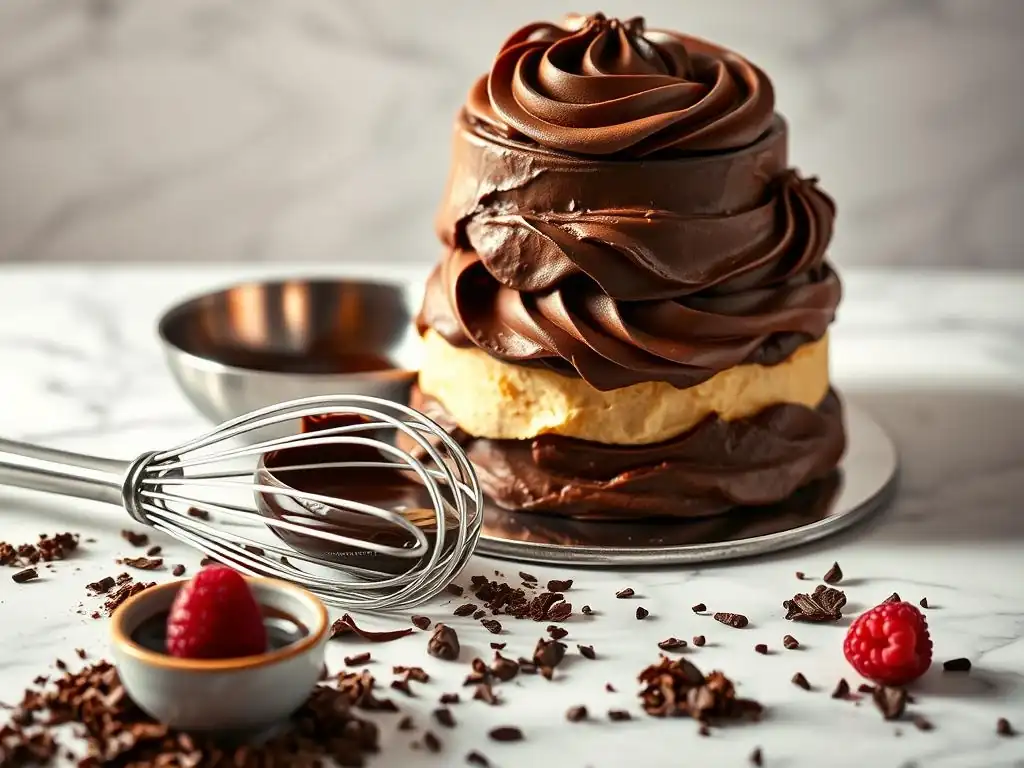
Welcome to BakeWithEase, your guide to confident baking! Ever wondered how to achieve that perfect balance of rich chocolate and creamy texture in your buttercream? This week, we're diving deep into How to Add Chocolate to Buttercream, unveiling the secrets to a luscious, decadent frosting that will elevate your cakes and cupcakes. Prepare to unlock the key to chocolate buttercream perfection – read on to discover the techniques that will transform your baking!
- Introduction: Mastering Chocolate Buttercream Frosting
- Understanding Buttercream Types for Chocolate Infusion
- Choosing the Right Chocolate for Your Buttercream
- Step-by-Step Guide: Incorporating Chocolate into Buttercream
- Troubleshooting Common Chocolate Buttercream Issues
- Tips for Enhancing Your Chocolate Buttercream
- Recipes for Amazing Chocolate Buttercream
- Conclusion: Your Journey to Perfect Chocolate Buttercream
- Frequently Asked Questions
- Final Reflection: The Enduring Allure of Chocolate Buttercream
- Unlock Your Chocolate Buttercream Potential!
Introduction: Mastering Chocolate Buttercream Frosting
BakeWithEase Presents: Elevating Your Buttercream with Chocolate
Welcome to BakeWithEase, your trusted guide in the delightful world of baking! Today, we're diving into a topic that brings joy to countless dessert lovers: mastering the art of chocolate buttercream. Whether you're frosting a classic birthday cake, filling delicate cupcakes, or simply looking for that perfect chocolatey spread, understanding how to add chocolate buttercream effectively is a fundamental skill that can transform your baked goods from good to absolutely spectacular. This guide will walk you through the best techniques, ensuring your chocolate frosting is smooth, rich, and utterly delicious, every single time.
Adding chocolate to your buttercream isn't just about flavor; it's about achieving the right texture, consistency, and depth of color. Different types of chocolate and methods of incorporation yield vastly different results. For instance, using cocoa powder creates a lighter, fluffier frosting with a distinct chocolate taste, while incorporating melted chocolate provides a richer, more intense flavor and often a slightly denser texture. Learning how to add chocolate buttercream correctly means knowing which approach suits your recipe and desired outcome, and we're here to make that process easy and enjoyable for bakers of all levels.
Why Chocolate Buttercream is a Baking Must-Have
Chocolate buttercream is arguably one of the most popular and versatile frostings in the baking repertoire. Its rich, indulgent flavor pairs beautifully with a wide array of cakes, cookies, and pastries, from simple vanilla sponges and moist chocolate cakes to delicate red velvet cupcakes and sturdy sugar cookies. It's the go-to frosting for celebrations, holidays, and everyday treats, offering a comforting and universally loved taste that appeals to almost everyone. Mastering how to add chocolate buttercream opens up a world of delicious possibilities in your kitchen.
Beyond its incredible taste, chocolate buttercream is also wonderfully adaptable. Its consistency can be adjusted for piping intricate designs, spreading smoothly over large surfaces, or creating simple swirls. Whether you're aiming for a light and airy frosting or a dense and fudgy one, the way you add chocolate buttercream allows for significant customization. This versatility makes it an essential skill for any baker looking to expand their frosting game and reliably produce crowd-pleasing desserts.
Understanding Buttercream Types for Chocolate Infusion
American Buttercream: Quick Chocolate Addition Tips
American buttercream is known for its simplicity and sweet, buttery flavor. It's typically made by creaming together butter, powdered sugar, milk or cream, and vanilla extract. Due to its base of powdered sugar, it's quite stable and easy to work with, making it a popular choice for beginners learning how to add chocolate buttercream. The most common method for adding chocolate to American buttercream is by incorporating cocoa powder directly into the mixture.
Adding cocoa powder to American buttercream is straightforward. You simply whisk or sift the cocoa powder in with the powdered sugar before adding the liquid, or incorporate it after the main ingredients are combined. A typical ratio might involve adding about 1/2 cup (around 45-50 grams) of unsweetened cocoa powder per cup (around 115 grams) of butter.
This method is quick and requires no extra steps like melting chocolate, making it ideal when you need a fast chocolate frosting. However, using cocoa powder can sometimes result in a slightly drier texture, which might require adding a touch more liquid (milk, cream, or even coffee for added depth) to achieve the desired consistency when adding chocolate buttercream.
Swiss Meringue Buttercream: A Smooth Chocolate Integration
Swiss meringue buttercream is renowned for its silky smooth texture and less sweet profile compared to American buttercream. It's made by heating egg whites and sugar over a double boiler until the sugar dissolves, whipping this mixture into a stiff, glossy meringue, and then gradually incorporating softened butter. This stable and elegant base is perfect for adding chocolate, resulting in a luxurious frosting.
When adding chocolate to Swiss meringue buttercream, melted and slightly cooled chocolate is the preferred method. The key is to ensure the chocolate isn't too hot, as it could melt the butter in the buttercream, causing it to break or become greasy. Gently drizzling the cooled, melted chocolate into the finished buttercream while mixing on low speed allows for smooth incorporation. This technique yields a rich, deep chocolate flavor and maintains the signature light and airy texture of Swiss meringue buttercream, showcasing a refined way of adding chocolate buttercream.
Italian Meringue Buttercream: Achieving Rich Chocolate Flavor
Italian meringue buttercream is similar to Swiss meringue but uses a hot sugar syrup (heated to the soft ball stage, around 235-240°F or 118-120°C) poured into whipping egg whites to create the meringue. This method results in an even more stable and often lighter buttercream than Swiss meringue. Its stability makes it an excellent candidate for holding a significant amount of chocolate flavor without compromising its structure.
Just like with Swiss meringue buttercream, melted and cooled chocolate is the best way to add chocolate buttercream when working with an Italian meringue base. The high stability of the meringue structure can handle the addition of liquid chocolate well, provided the chocolate is not too warm. Incorporating the chocolate gradually while mixing ensures it fully emulsifies into the buttercream, creating a uniformly flavored and colored frosting. This method is favored by professional bakers for its consistent results and the ability to achieve a truly decadent chocolate flavor.
French Buttercream: Adding Chocolate for a Decadent Frosting
French buttercream is the richest of the meringue-based buttercreams, made by whipping hot sugar syrup into whipped egg yolks (or sometimes whole eggs), then beating in softened butter. This creates a very smooth, pale yellow, and intensely rich frosting with a pronounced eggy flavor profile. Adding chocolate to French buttercream results in an exceptionally decadent and flavorful frosting, though its richness means it's often used as a filling or a lighter coating rather than a thick layer.
Adding chocolate to French buttercream requires a bit more care due to its delicate, egg-yolk-based structure. Melted and cooled chocolate is again the method of choice. It's crucial that the melted chocolate is not warm at all, ideally cooled to just slightly above room temperature but still liquid. Incorporate it slowly while mixing on low speed. The goal is to gently fold the chocolate in without deflating the airy structure achieved by whipping the egg yolks. This results in a luxurious chocolate French buttercream, perfect for special occasions and sophisticated desserts, demonstrating a refined technique for adding chocolate buttercream.
Choosing the Right Chocolate for Your Buttercream
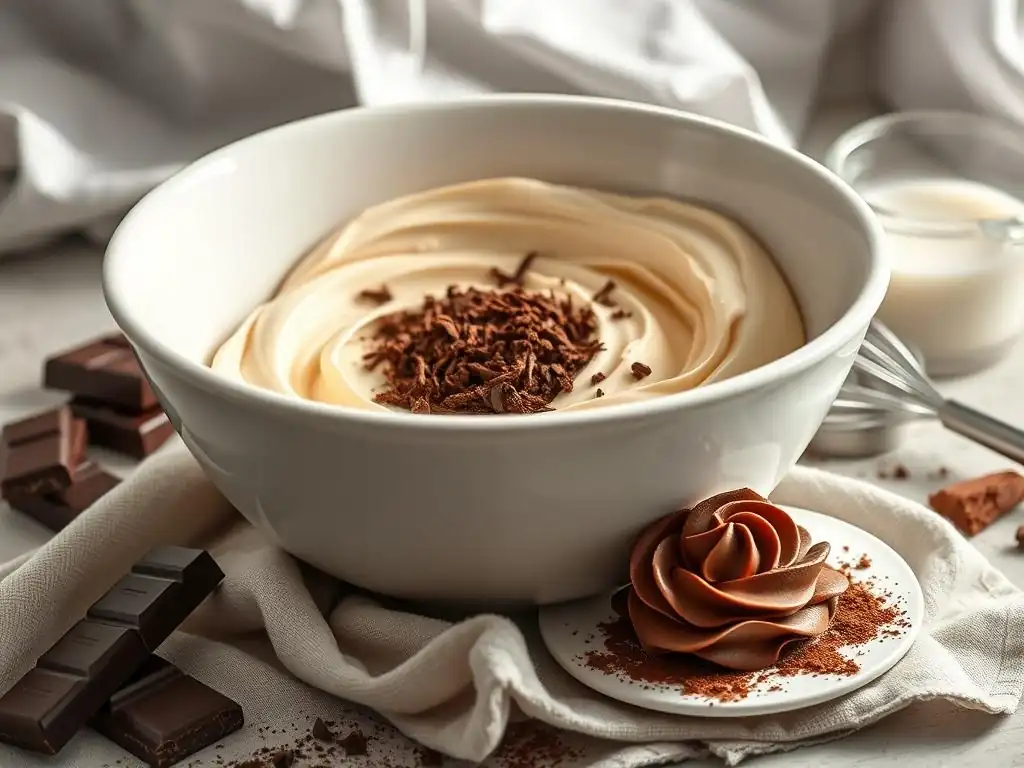
Selecting the Best Chocolate Type: Dark, Milk, or White?
The type of chocolate you choose significantly impacts the flavor and color of your chocolate buttercream. Dark chocolate, with its higher cocoa content (typically 60% or more), will yield a deep, intense chocolate flavor and a rich, dark brown color. This is often preferred for a truly decadent and less sweet frosting. Using dark chocolate is a popular choice when learning how to add chocolate buttercream for a sophisticated taste.
Milk chocolate provides a sweeter, creamier, and milder chocolate flavor, resulting in a lighter brown frosting. It's a great option if you prefer a sweeter profile or are pairing the buttercream with a less intense cake flavor. White chocolate, while technically not a chocolate in the traditional sense (it contains cocoa butter but no cocoa solids), offers a sweet, vanilla-like flavor with hints of cocoa butter richness. Adding white chocolate to buttercream results in a pale, creamy frosting. Experimenting with these types is key to perfecting how to add chocolate buttercream to suit your taste.
Cocoa Powder: A Simple Chocolate Buttercream Solution
Cocoa powder is the easiest and most common way to add chocolate flavor to buttercream, especially American buttercream. There are two main types: natural cocoa powder and Dutch-process cocoa powder. Natural cocoa is acidic and has a sharp, intense chocolate flavor. Dutch-process cocoa has been treated with an alkali to neutralize its acidity, giving it a smoother, milder flavor and a darker color.
Using cocoa powder is a simple and effective method for adding chocolate buttercream flavor and color without adding extra fat (like melted chocolate does) or liquid (which could alter consistency). It integrates easily into powdered-sugar based frostings. For best results, sift the cocoa powder to remove any lumps before adding it. A general guideline is to substitute about 1/4 to 1/3 of the powdered sugar called for in your recipe with cocoa powder, adjusting for desired intensity, when you are adding chocolate buttercream using this method.
Melted Chocolate: Achieving a Deeper Chocolate Flavor
Incorporating melted chocolate into buttercream provides a richer, more complex, and often more intense chocolate flavor compared to using cocoa powder. This method is particularly effective in meringue-based buttercreams (Swiss, Italian, French) where the creamy texture of the melted chocolate complements the smooth base. When adding chocolate buttercream this way, the quality of the chocolate truly shines through.
To use melted chocolate, chop good quality chocolate into small pieces and melt it gently. This can be done over a double boiler or carefully in a microwave on low power, stirring frequently. Once melted and smooth, it's crucial to let the chocolate cool down significantly before adding it to the buttercream. Warm chocolate can melt the butter, causing the buttercream to separate or become greasy. Cooling it to around 80-90°F (27-32°C) is usually sufficient, ensuring it's cool enough not to melt the butter but still liquid enough to incorporate smoothly when adding chocolate buttercream.
Chocolate Ganache: The Ultimate Chocolate Buttercream Upgrade
For an exceptionally rich and stable chocolate buttercream, combining buttercream with chocolate ganache is an excellent technique. Ganache is made by heating cream and pouring it over chopped chocolate, then stirring until smooth and emulsified. The ratio of chocolate to cream determines its thickness; a thicker ganache (more chocolate) will yield a denser buttercream.
Swirling or folding cooled ganache into your finished buttercream adds incredible depth of flavor and a beautiful marbled effect if not fully combined. Alternatively, fully incorporating the ganache into the buttercream creates a very stable and intensely flavored frosting, sometimes referred to as "chocolate ganache buttercream." This method is particularly good for fillings or as a base for piping intricate decorations, showcasing a premium way of adding chocolate buttercream.
Step-by-Step Guide: Incorporating Chocolate into Buttercream
Preparing Your Buttercream Base for Chocolate
Before adding chocolate, ensure your buttercream base is properly prepared according to your chosen recipe (American, Swiss, Italian, or French). The base should be smooth, creamy, and at the correct temperature – usually cool room temperature for optimal consistency. For instance, American buttercream should be whipped until light and fluffy, while meringue buttercreams should be whipped until smooth and stable before adding the butter.
Having your buttercream base ready is the first critical step in learning how to add chocolate buttercream successfully. Make sure all ingredients are well combined and the texture is right. If using American buttercream, ensure the powdered sugar is fully incorporated and there are no grainy bits. For meringue buttercreams, confirm the butter is fully emulsified and the frosting is smooth and not greasy. A well-made base provides the perfect canvas for adding delicious chocolate flavor.
Method 1: Adding Cocoa Powder to Buttercream - A Simple Technique
Measuring and Sifting Cocoa Powder for Smoothness
When using cocoa powder to add chocolate buttercream flavor, accurate measurement is important for consistent results. Use a dry measuring cup to scoop the cocoa powder and level it off. Sifting the cocoa powder is a non-negotiable step to prevent lumps. Cocoa powder can be quite clumpy, and sifting ensures it disperses evenly throughout the buttercream, resulting in a smooth texture.
Use a fine-mesh sieve to sift the measured cocoa powder directly into your mixing bowl or onto a piece of parchment paper. If there are any hard lumps left in the sieve, discard them. This simple step of sifting takes only a moment but makes a significant difference in achieving a silky smooth chocolate buttercream texture, avoiding unpleasant pockets of dry powder when adding chocolate buttercream.
Mixing Cocoa Powder into Buttercream: Avoiding Lumps
Once sifted, the cocoa powder can be incorporated into your buttercream. If you're making American buttercream, you can sift the cocoa powder in with the powdered sugar before adding the liquid. Alternatively, for any buttercream type, add the sifted cocoa powder gradually to the finished buttercream while mixing on low speed.
Start by adding about half of the sifted cocoa powder and mixing until just combined. Then add the remaining cocoa powder and mix until the color is uniform and no streaks of white buttercream or dry cocoa powder remain. Avoid overmixing once the cocoa is incorporated, as this can sometimes affect the texture. If the buttercream seems too thick after adding the cocoa, add a tablespoon of milk, cream, or coffee at a time until the desired consistency is reached. This process is key to successfully adding chocolate buttercream using cocoa powder.
Method 2: Incorporating Melted Chocolate into Buttercream - A Richer Flavor
Tempering Chocolate for Buttercream: Preventing Seizing
While full chocolate tempering isn't strictly necessary just for adding melted chocolate to buttercream, gently melting the chocolate is crucial to prevent it from seizing (turning into a solid, grainy mass) or becoming grainy in the buttercream. Chop your chocolate finely to help it melt evenly. Use a double boiler or microwave on low power (e.g., 50% power) in 30-second intervals, stirring well after each interval, until the chocolate is just melted and smooth.
Avoid overheating the chocolate. Dark chocolate should ideally not exceed 115°F (46°C), milk chocolate 105°F (40°C), and white chocolate 100°F (38°C). Melting it gently ensures a smooth liquid texture that will integrate beautifully into the buttercream, making the process of adding chocolate buttercream much smoother and more successful.
Cooling Melted Chocolate Before Adding to Buttercream
This is perhaps the most critical step when using melted chocolate: it must be cooled before adding it to the buttercream. Warm or hot chocolate will melt the butter in your buttercream, causing it to break, separate, or become a greasy mess. The melted chocolate should be cool to the touch but still liquid – ideally around 80-90°F (27-32°C).
Pour the melted chocolate into a separate bowl after melting and let it sit at room temperature, stirring occasionally, until it reaches the correct temperature. You can speed this up by placing the bowl over an ice bath for a few minutes, stirring constantly, but be careful not to let it solidify. Patience here pays off immensely in achieving a smooth, stable chocolate buttercream when adding chocolate buttercream this way.
Mixing Melted Chocolate into Buttercream: A Gentle Approach
Once the melted chocolate is properly cooled, it's time to add it to your finished buttercream. With your mixer running on low speed (or using a spatula for hand mixing), slowly drizzle the cooled melted chocolate into the buttercream. Add it in a thin stream or a few tablespoons at a time, allowing each addition to be incorporated before adding more.
Continue mixing on low speed until all the chocolate is added and the buttercream is uniformly colored and smooth. Avoid whipping on high speed after adding the chocolate, as this can incorporate too much air or cause the chocolate to set improperly. A gentle mixing approach ensures the chocolate emulsifies smoothly with the butter, resulting in a perfect texture for your chocolate buttercream when adding chocolate buttercream using melted chocolate.
Method 3: Swirling Chocolate Ganache into Buttercream - An Elegant Touch
Preparing Chocolate Ganache for Buttercream Swirls
To create a beautiful swirled chocolate buttercream, you'll first need to make a chocolate ganache. The ratio of chocolate to cream will determine the ganache's consistency. For a swirlable ganache, a ratio of roughly 1 part chocolate to 1 part heavy cream by weight (e.g., 8 ounces chocolate to 8 ounces cream) works well.
Chop the chocolate finely and place it in a heatproof bowl. Heat the cream in a saucepan until it just simmers, then pour it over the chopped chocolate. Let it sit for 5 minutes without stirring, then gently whisk from the center outwards until smooth and glossy.
Once smooth, allow the ganache to cool down significantly. It should be thick but still pourable or spoonable – similar to a thick pudding or peanut butter consistency. Cooling can take 1-2 hours at room temperature, or about 30-45 minutes in the refrigerator, stirring occasionally. It's crucial that the ganache isn't warm when you add it to the buttercream, as this will melt the buttercream. Having the ganache at the right cool, thick consistency is key for creating defined swirls when adding chocolate buttercream with ganache.
Swirling Technique: Creating a Visually Appealing Chocolate Buttercream
There are a couple of ways to swirl ganache into buttercream to achieve a visually appealing effect. The simplest method is to dollop spoonfuls of the cooled ganache over the top of your finished buttercream in the mixing bowl. Then, using a spatula or a knife, gently swirl the ganache through the buttercream a few times.
Be careful not to overmix; you want distinct swirls of chocolate and buttercream, not a uniformly brown frosting. Another technique, particularly useful for piping, is to lay out a rectangle of plastic wrap, spread your buttercream over half of it, then spread the ganache over the other half. Roll the plastic wrap into a log, twist the ends, and snip off one end before placing it into a piping bag. As you pipe, the ganache and buttercream will swirl together beautifully, creating stunning effects as you are adding chocolate buttercream in this elegant style.
Troubleshooting Common Chocolate Buttercream Issues
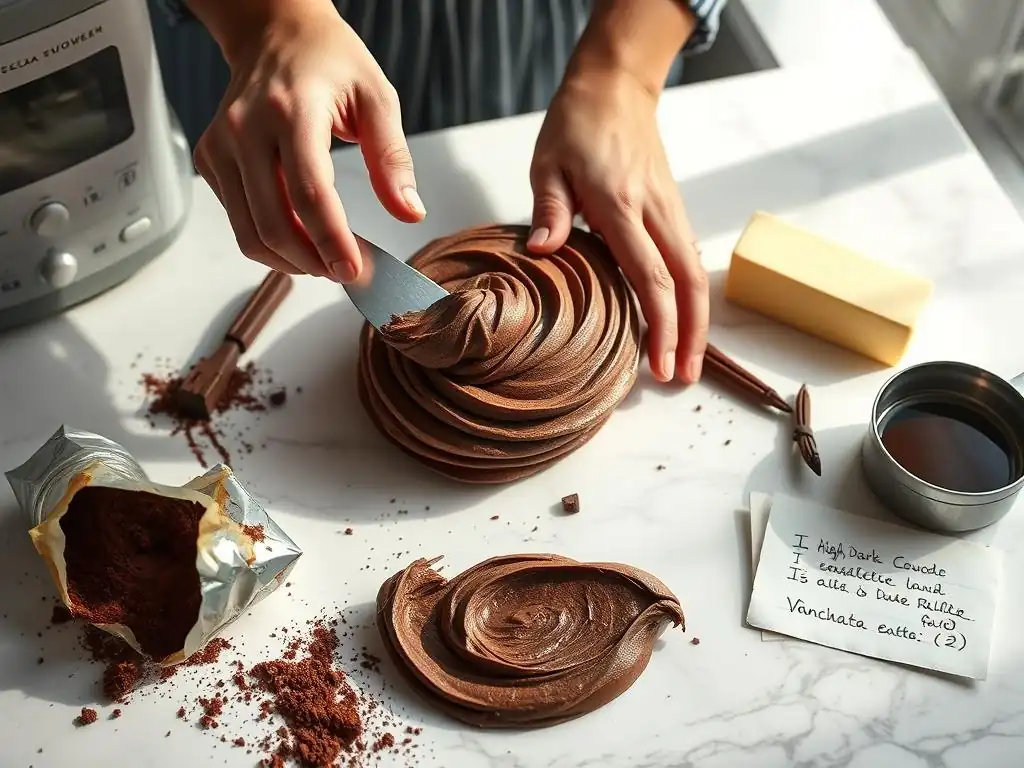
Buttercream Seizing: How to Fix It
Seizing is a common issue when adding melted chocolate to buttercream, often caused by the chocolate being too hot or by a small amount of water or moisture coming into contact with the melted chocolate before it's added to the buttercream. Seized chocolate turns into a grainy, lumpy, solid mass that won't incorporate smoothly.
If your buttercream seizes after adding melted chocolate, don't despair! One common fix is to gently warm the mixture. If it's a meringue-based buttercream that has seized, you can try warming the bowl slightly over a double boiler while whisking vigorously.
For American buttercream, you can sometimes rescue it by adding a tablespoon or two of warm milk or cream while mixing on low speed. The added liquid and gentle heat can sometimes help re-emulsify the chocolate and butter, bringing it back to a smooth consistency. This troubleshooting step is vital when learning how to add chocolate buttercream without issues.
Chocolate Buttercream Too Thin: Thickening Techniques
If your chocolate buttercream is too thin after adding chocolate (often due to adding too much liquid or not enough chocolate/cocoa), there are a few ways to thicken it. For American buttercream, the easiest fix is to gradually add more sifted powdered sugar, one tablespoon at a time, mixing until the desired consistency is reached. You can also add a little more cocoa powder if you want a more intense chocolate flavor.
For meringue-based buttercreams that are too thin, chilling is often the best solution. Place the bowl of buttercream in the refrigerator for 15-30 minutes, stirring occasionally. As the butter cools and firms up, the buttercream will thicken. If it's still too thin after chilling, you can try adding a bit more softened butter (not melted!) while mixing on low speed, or in some cases, re-whipping the meringue base slightly if it seems deflated. These techniques help salvage your efforts when adding chocolate buttercream that ends up too runny.
Conversely, if your chocolate buttercream becomes too thick (especially after adding cocoa powder or cooling melted chocolate), you'll need to thin it out. The easiest way is to add a small amount of liquid, such as milk, cream, or even coffee or a complementary extract (like vanilla or peppermint).
Add the liquid one teaspoon or tablespoon at a time, mixing thoroughly after each addition, until the buttercream reaches your desired consistency. For meringue-based buttercreams that have become too firm from chilling, simply let them sit at room temperature for a while and then whip them again for a few minutes to restore their smooth texture. Adjusting consistency is a key part of mastering how to add chocolate buttercream.
Achieving the Perfect Chocolate Flavor Intensity
Getting the chocolate flavor just right is subjective and depends on personal preference and the recipe it's paired with. If your chocolate buttercream's flavor is too mild, you can try adding a bit more cocoa powder (sifted!) or a tablespoon of cooled, melted dark chocolate. A pinch of salt can also help enhance and bring out the chocolate flavor.
If the flavor is too intense or slightly bitter (common with very dark chocolate or natural cocoa powder), you can balance it by adding a touch more powdered sugar (in American buttercream) or a bit more vanilla extract. For meringue buttercreams, incorporating a little more plain buttercream base can also help mellow the chocolate flavor. Tasting and adjusting gradually is the best approach to perfecting the flavor when adding chocolate buttercream.
Tips for Enhancing Your Chocolate Buttercream
Adding Extracts and Flavors to Complement Chocolate
Chocolate pairs wonderfully with a variety of other flavors. Adding extracts is a simple way to elevate your chocolate buttercream. Vanilla extract is a classic addition that rounds out the chocolate flavor. Peppermint extract creates a refreshing mint-chocolate combination, perfect for holiday baking.
Other complementary extracts include almond, orange, or even a touch of espresso powder or coffee extract to deepen the chocolate notes. Liqueurs like Kahlúa, Baileys, or a fruit-flavored liqueur can also add a sophisticated twist. Start with a small amount (e.g., 1/4 to 1/2 teaspoon) and add more to taste, ensuring you don't overwhelm the chocolate flavor when adding chocolate buttercream.
Using Different Types of Chocolate for Unique Profiles
Don't limit yourself to just one type of chocolate! Experimenting with different cocoa percentages or combinations of dark, milk, and white chocolate can create unique flavor profiles in your buttercream. Using a high-quality dark chocolate (70% cocoa or more) will give you a very intense, less sweet frosting.
Mixing dark and milk chocolate can provide a balanced flavor that's both rich and creamy. White chocolate buttercream can be lovely on its own or swirled with dark chocolate buttercream for a dramatic effect. Consider the type of cake or dessert you're pairing it with to choose the most harmonious chocolate type when adding chocolate buttercream.
Achieving a Smooth and Silky Chocolate Buttercream Texture
The texture of your chocolate buttercream is just as important as the flavor. To ensure a smooth and silky finish, always sift your cocoa powder. If using melted chocolate, ensure it is properly cooled and incorporated slowly on low speed.
For meringue-based buttercreams, sometimes whipping the finished buttercream on low speed for several minutes (often called "paddling") can help push out air bubbles and create an exceptionally smooth texture. If the buttercream feels grainy, it might be due to undissolved sugar (in American buttercream) or improperly incorporated chocolate; warming gently and re-mixing can sometimes help. Achieving that perfect, silky texture is a hallmark of expertly adding chocolate buttercream.
Recipes for Amazing Chocolate Buttercream
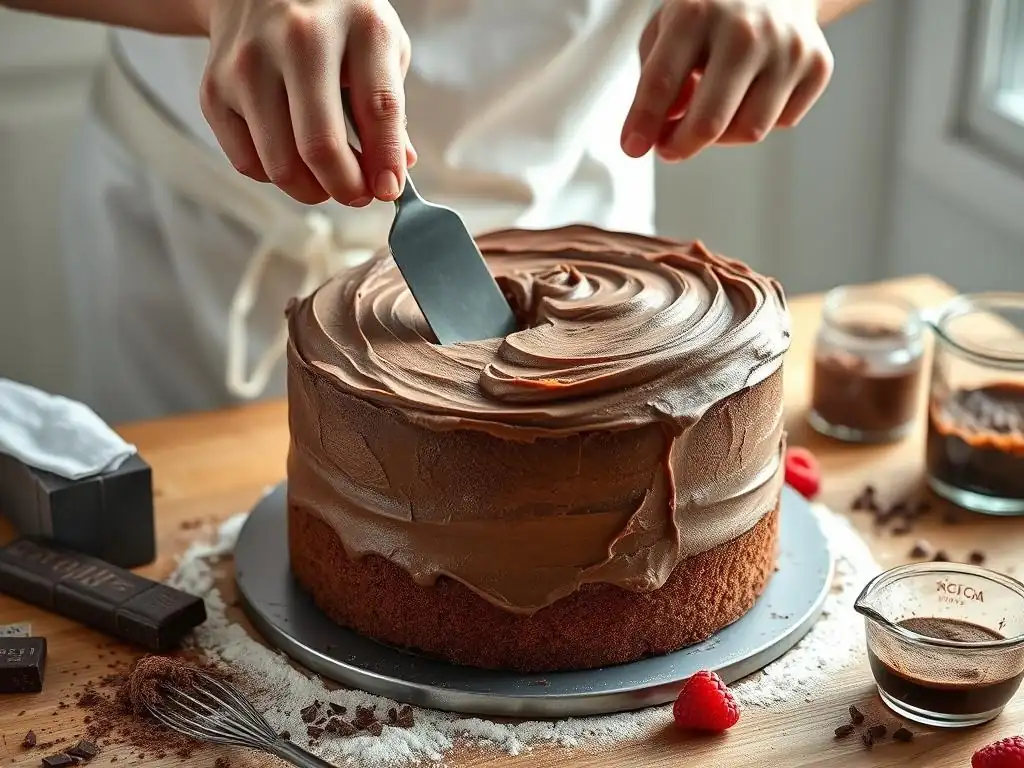
Classic Chocolate Buttercream Recipe (Cocoa Powder)
This recipe focuses on simplicity and classic flavor using cocoa powder. It's typically an American-style buttercream base. You'll start with softened butter, gradually add sifted powdered sugar and sifted cocoa powder, then incorporate a liquid like milk or cream and vanilla extract. The key here is ensuring the cocoa and powdered sugar are thoroughly sifted together before mixing to prevent lumps. Add the liquid incrementally to control the consistency, resulting in a fluffy and sweet chocolate frosting. This method is a fantastic starting point for learning how to add chocolate buttercream effectively and quickly.
Rich Chocolate Buttercream Recipe (Melted Chocolate)
For a deeper, more intense chocolate flavor, this recipe utilizes cooled, melted chocolate. While it can be adapted for American buttercream, it's often used with meringue-based buttercreams (Swiss or Italian) for a luxurious texture. After preparing your meringue base and incorporating the butter, the cooled, melted chocolate is slowly drizzled in while the mixer runs on low speed. The careful incorporation of the cooled chocolate is paramount to maintain the buttercream's smooth, stable emulsion, yielding a rich, velvety chocolate buttercream. This technique highlights a more sophisticated approach to adding chocolate buttercream.
Decadent Chocolate Ganache Buttercream Recipe
Combining stable buttercream with rich ganache creates an incredibly decadent frosting. This can be done by making a stable buttercream base (like Swiss or Italian meringue) and then either fully incorporating cooled chocolate ganache into it or swirling the ganache through the buttercream for a marbled effect. The ganache, made from chocolate and cream, adds significant richness and stability. When fully incorporated, it creates a dense, fudgy buttercream, while swirling offers visual appeal and bursts of intense chocolate flavor. This method represents a premium way of adding chocolate buttercream for special occasions.
Conclusion: Your Journey to Perfect Chocolate Buttercream
Frequently Asked Questions
How does adding chocolate to buttercream affect its consistency?
Adding melted chocolate can significantly impact buttercream consistency. Too much chocolate can make it too stiff, while the wrong type can lead to graininess. Adjust liquid accordingly.
What type of chocolate is best for chocolate buttercream?
Semi-sweet or dark chocolate are generally preferred for a rich flavor, but milk chocolate can be used for a sweeter frosting. Consider the cacao percentage to control bitterness.
Can I use cocoa powder instead of melted chocolate?
Yes, cocoa powder is a viable alternative. However, it can make the buttercream drier, so you'll need to add more liquid, like milk or cream, to compensate.
How do I prevent my chocolate buttercream from seizing?
Seizing typically occurs when melted chocolate comes into contact with a cold liquid. Ensure both the melted chocolate and the buttercream are at similar temperatures before combining.
What are some variations I can make to my chocolate buttercream?
You can add ingredients like espresso powder for a mocha flavor, chopped nuts for texture, or even a pinch of sea salt to enhance the chocolate's richness.
Final Reflection: The Enduring Allure of Chocolate Buttercream
The perfect chocolate buttercream is more than just a delicious frosting; it's a testament to the power of simple ingredients elevated by precise technique. From elegant wedding cakes to everyday cupcakes, its rich, decadent flavor and smooth texture continue to captivate bakers and dessert lovers alike. The quest for the ideal chocolate buttercream, as explored in this article, reflects a deeper human desire for culinary perfection and the joy of creating something beautiful and delicious.
This exploration into the nuances of chocolate buttercream has reminded me of the importance of attention to detail in all aspects of life. The seemingly small differences in melting chocolate, incorporating it into the butter, and achieving the right consistency can dramatically impact the final product. The details are not the details. They make the design.
- Charles Eames. This quote perfectly encapsulates the essence of achieving truly exceptional chocolate buttercream – it's in the careful execution of each step that the magic truly unfolds.
Now, it's your turn. Consider the techniques discussed – from tempering chocolate to understanding the role of fat content – and apply them not just to baking, but to other areas of your life where precision and passion can transform the ordinary into something extraordinary. Experiment, refine your own methods, and discover the joy of creating your own signature chocolate buttercream. The possibilities, like the flavor combinations, are endless.
Unlock Your Chocolate Buttercream Potential!
Thanks for joining us on this delicious journey into the world of chocolate buttercream! We hope you’ve learned some game-changing techniques to elevate your baking. Ready to put your new skills to the test?
- Craft your dream chocolate buttercream: Experiment with different percentages of chocolate and find your perfect blend! Don't be afraid to get creative – add espresso powder, sea salt, or even a hint of chili!
- Share your creations: Tag us on social media – we'd love to see your decadent masterpieces!
- Try a new recipe: Explore the other amazing buttercream recipes on BakeWithEase.com (this is a placeholder for an internal link that should not be included in the response) and unleash your inner pastry chef.
What unexpected flavor combination will you try in your next chocolate buttercream creation?