
Choosing the Best Chocolate for Your Pain au Chocolat

Welcome to BakeWithEase!
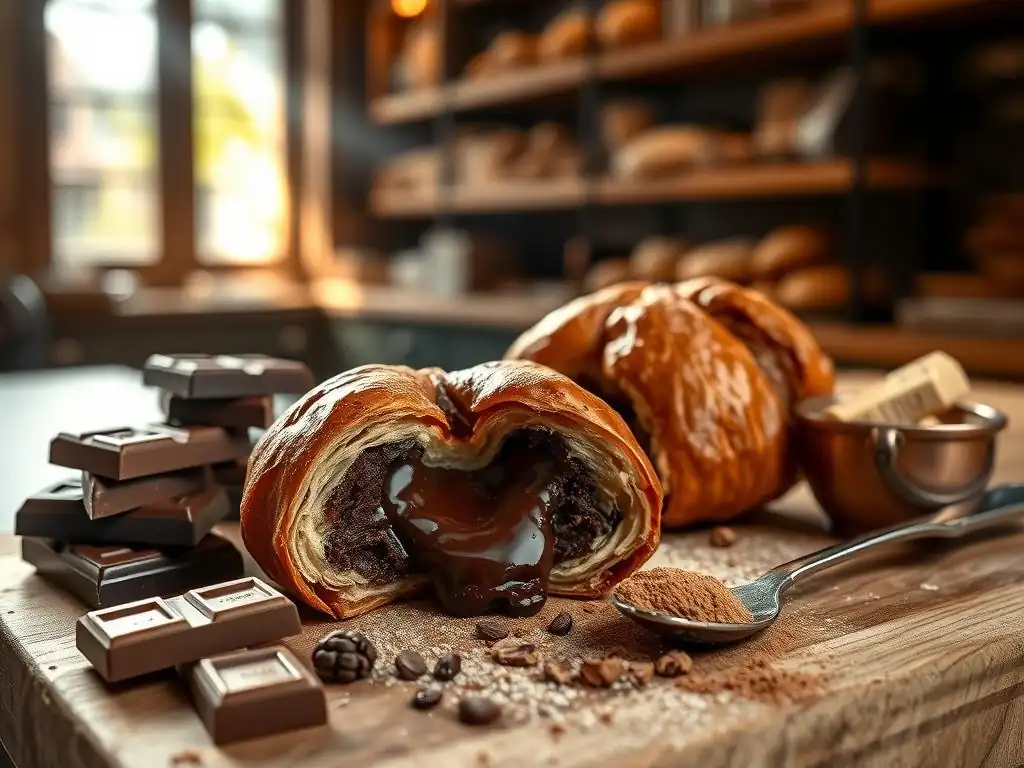
Ready to elevate your baking game? Ever wonder what truly makes a perfect pain au chocolat? This isn't just another recipe; it's a journey into the heart of flavor. Today, we're diving deep into the crucial ingredient that separates the good from the sublime: choosing the best chocolate for your pain au chocolat recipe. Discover how the right chocolate can transform your flaky pastry into an unforgettable experience. Prepare to unlock the secrets of artisan baking and create chocolate pain au chocolat that will impress even the most discerning palates. Let's get baking!
- Introduction: Elevating Your Pain au Chocolat with the Right Chocolate
- Understanding Chocolate for Pain au Chocolat: Key Considerations
- Recommended Chocolate for Pain au Chocolat
- How to Properly Incorporate Chocolate into Your Pain au Chocolat
- Troubleshooting Common Chocolate Issues
- Beyond the Basics: Experimenting with Chocolate Variations
- Conclusion: Crafting the Perfect Pain au Chocolat
-
Frequently Asked Questions
- What kind of chocolate is best for a pain au chocolat?
- Can I use chocolate chips instead of chocolate batons?
- What if I prefer milk chocolate over dark chocolate?
- How important is the quality of the chocolate when making pain au chocolat?
- Where can I find chocolate batons specifically designed for pain au chocolat?
- Final Reflection: The Sweet Science of the Perfect Pain au Chocolat
- Unlock Your Pain au Chocolat Potential!
Introduction: Elevating Your Pain au Chocolat with the Right Chocolate
Creating a truly exceptional pain au chocolat is an art, and while flaky pastry is paramount, the type and quality of chocolate you use are equally critical. The rich, melting heart of this classic French pastry is what elevates it from good to unforgettable. Choosing the best chocolate for your pain au chocolat recipe is not just about picking a bar; it's about understanding how different chocolates behave when baked and how their unique characteristics contribute to the final flavor and texture.
This article will guide you through selecting the ideal chocolate, ensuring your homemade pain au chocolat rivals those from the finest Parisian patisseries. We'll explore the nuances of chocolate types, forms, and brands, providing insights to help you make informed choices for your next baking project. Getting the chocolate right is a key step in perfecting your chocolate pain au chocolat recipe and impressing everyone who takes a bite.
Understanding Chocolate for Pain au Chocolat: Key Considerations
Flavor Profiles: Matching Chocolate to Your Taste
Chocolate flavor is incredibly diverse, influenced by factors like cocoa bean origin, fermentation, roasting, and conching. For pain au chocolat, you generally want a chocolate that is rich and intense but not overly bitter, allowing it to complement the buttery pastry without overpowering it. A chocolate with notes of fruit, nuts, or even subtle floral hints can add complexity, while a simpler, robust profile offers classic comfort. Consider whether you prefer a sweeter milk chocolate note (though dark is traditional) or the depth of a higher cocoa percentage dark chocolate.
Think about the overall taste experience you want. Do you envision a deeply intense, slightly bitter chocolate core contrasting with sweet pastry, or a smoother, more mellow chocolate melting into the butter? Tasting different chocolates on their own is a good starting point. For a classic pain au chocolat recipe, many bakers lean towards semi-sweet or bittersweet dark chocolate, finding that the balance of sugar and cocoa solids provides the perfect melty texture and flavor that holds up during baking.
Cocoa Percentage: Finding the Sweet Spot
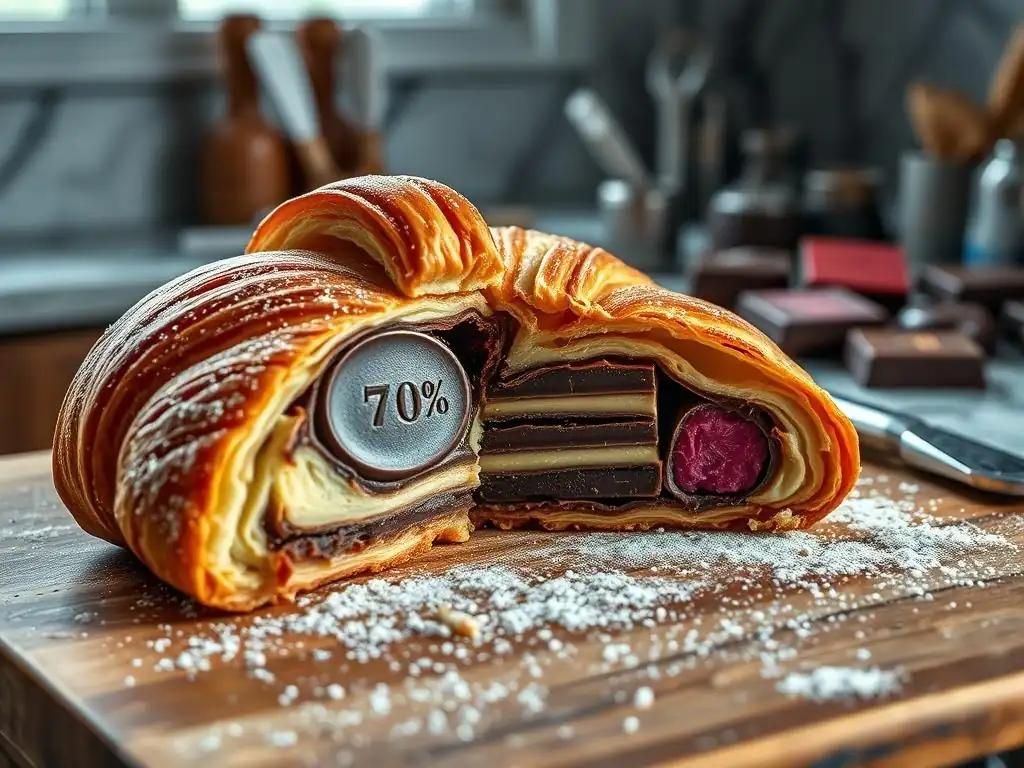
The cocoa percentage in dark chocolate indicates the proportion of the chocolate derived from cocoa beans (cocoa solids and cocoa butter). For pain au chocolat, a common range is between 50% and 70% cocoa. Chocolate below 50% tends to be sweeter and contain more sugar and often milk solids, potentially resulting in a softer melt and a less intense flavor. Chocolate above 70% can be quite bitter and might not melt as smoothly or retain moisture as well during baking, sometimes leading to a slightly drier, more crumbly texture inside the pastry.
Within the 50-70% range, you have flexibility. A 55% cocoa chocolate will be noticeably sweeter and milder than a 65% or 70% chocolate. For many, a 60-65% dark chocolate strikes an excellent balance, offering sufficient richness and intensity without excessive bitterness. This percentage range also typically provides a good amount of cocoa butter, which is crucial for achieving that desirable molten, glossy interior when the pastry is warm. Experimenting within this range for your specific chocolate pain au chocolat recipe is key to finding your personal preference.
Chocolate Form: Bars vs. Batons for Optimal Results
Chocolate for pain au chocolat traditionally comes in two primary forms: large bars or pre-cut batons (also known as bâtons de chocolat or chocolate sticks). While using a high-quality bar and chopping it yourself is certainly possible and can yield excellent results, particularly if you need a specific size, pre-made chocolate batons are the preferred choice for many bakers creating a chocolate pain au chocolat recipe.
Chocolate batons are specifically designed for pastries like pain au chocolat and croissants. They are typically made from couverture chocolate, which has a higher percentage of cocoa butter (often around 32-39% compared to 20-25% in standard baking chocolate). This higher cocoa butter content ensures a smoother melt and a more luxurious texture within the baked pastry. Batons also have a consistent size and shape, which makes them easy to work with and ensures uniform distribution and melting within each pastry, contributing to a consistent and delightful eating experience.
Recommended Chocolate for Pain au Chocolat
Valrhona Chocolate Batons: High-Quality and Specifically Designed
Valrhona is a highly regarded French chocolate manufacturer, widely recognized for its premium quality and consistent performance, especially in professional patisseries. Their chocolate batons, often labeled "Bâtons de Chocolat," are specifically formulated for viennoiseries like pain au chocolat. They typically use a blend of cocoa beans to achieve a balanced flavor profile, often around 55% to 60% cocoa, providing a classic semi-sweet taste that pairs beautifully with buttery pastry.
These batons are made from couverture chocolate, meaning they have a high cocoa butter content (often listed around 35-38%). This high cocoa butter percentage is crucial because it allows the chocolate to melt smoothly and maintain a desirable texture even after baking. While Valrhona is on the pricier side, many bakers find the superior flavor and reliable melting properties worth the investment for a truly authentic chocolate pain au chocolat recipe.
Cacao Barry Chocolate: Consistent Performance and Flavor
Cacao Barry is another esteemed French chocolate brand, part of the Barry Callebaut group, one of the world's largest chocolate manufacturers. Like Valrhona, Cacao Barry produces high-quality couverture chocolate that is favored by professional bakers. Their chocolate batons are also specifically designed for use in pastries and offer excellent consistency in both flavor and melting characteristics.
Cacao Barry offers a range of chocolate options, often including batons in different cocoa percentages. A popular choice for pain au chocolat might be their semi-sweet or bittersweet options, typically in the 55-65% cocoa range. Their chocolate is known for its reliable tempering properties (though tempering isn't strictly necessary inside a baked pastry, the quality of the chocolate itself matters) and its balanced flavor profile, making it a dependable choice for achieving excellent results in your chocolate pain au chocolat recipe.
Guittard Chocolate: A Versatile and Widely Available Option
For bakers in North America looking for high-quality chocolate that is more readily available than some European brands, Guittard Chocolate Company is an excellent choice. Based in California, Guittard has a long history of producing fine chocolate. While they might not market specific "batons" as widely as Valrhona or Cacao Barry, their high-quality baking bars, particularly their couverture or baking wafers/pistoles, can be excellent substitutes when cut into appropriate sizes.
Look for Guittard's semi-sweet or bittersweet baking bars or wafers, often in the 60-70% cocoa range. Their chocolate is known for its rich flavor and good melting properties. If using a bar, ensure you chop it into pieces roughly the size and shape of traditional batons (approximately 3-4 inches long and 0.3-0.4 inches wide) for ease of rolling into the dough and consistent melting in your chocolate pain au chocolat recipe.
How to Properly Incorporate Chocolate into Your Pain au Chocolat
Preparing the Chocolate: Cutting and Shaping
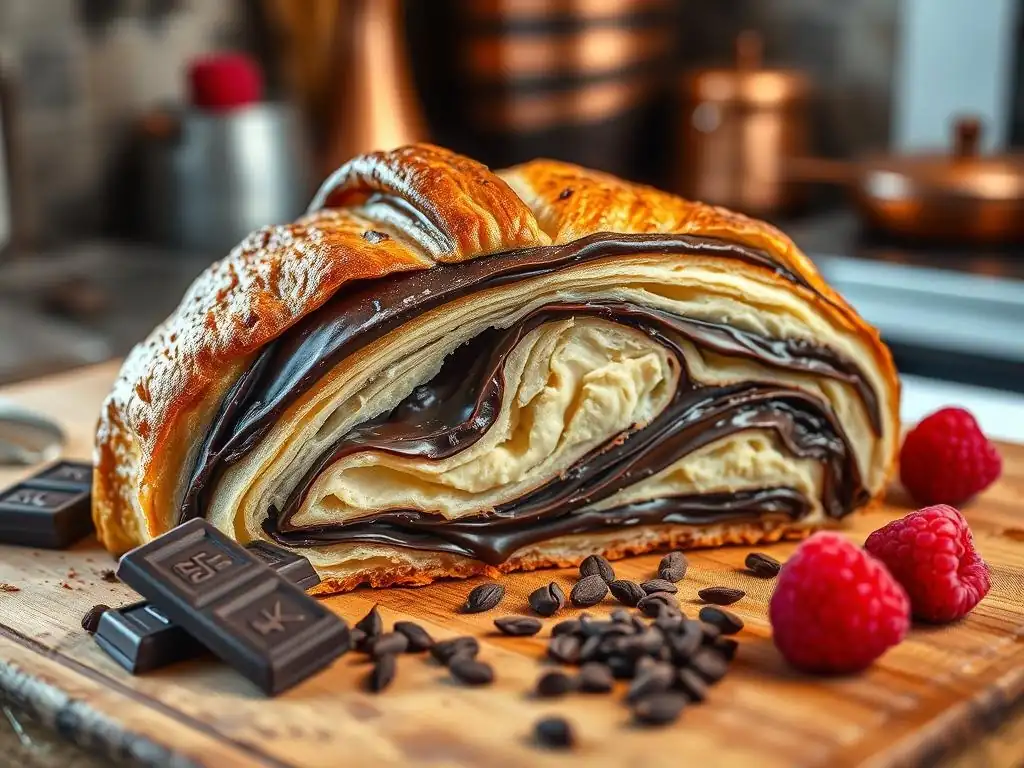
If you are using chocolate bars instead of pre-formed batons, proper preparation is essential. You need to cut the chocolate into pieces that are approximately the size and shape of traditional batons. The standard size is roughly 3-4 inches (7.5-10 cm) long and about 0.3-0.4 inches (0.8-1 cm) wide. Using a sharp knife is crucial to get clean cuts; a serrated knife can sometimes work well too. Aim for consistent sizing so that each pain au chocolat has a similar amount of chocolate and they bake evenly.
Ensure the chocolate is at room temperature before cutting. If it's too cold, it will be hard to cut cleanly and might shatter. If it's too warm, it can melt slightly and become sticky. Lay the bar on a cutting board and use a ruler as a guide if needed to cut even strips, then cut the strips into the appropriate length pieces. Having consistently sized chocolate pieces is a small but important detail that contributes to the professional look and feel of your finished chocolate pain au chocolat recipe.
Chocolate Placement: Optimizing Melt and Distribution
The placement of the chocolate within the dough is key to achieving that perfect molten center. For a classic pain au chocolat, you typically place two chocolate batons (or equivalent cut pieces) at one end of the rectangular dough strip before rolling. The dough is then rolled tightly around the chocolate. Placing two pieces side-by-side ensures a generous amount of chocolate running through the length of the pastry.
When rolling, ensure the chocolate is snug within the layers of dough. This prevents it from shifting during proofing and baking and helps it melt into a cohesive pocket. The goal is for the chocolate to be fully encased in the pastry layers so that as it melts, it stays contained within the pastry, creating a rich, soft core in your baked chocolate pain au chocolat recipe. Incorrect placement can lead to the chocolate leaking out during baking, resulting in a less appealing appearance and potentially burning on the baking sheet.
Baking Temperature Considerations
The baking temperature for pain au chocolat is typically quite high, often between 375°F and 400°F (190°C to 200°C). This high heat helps to create the rapid steam necessary for the pastry layers to puff up and become flaky. While the pastry needs high heat, the chocolate inside needs time to melt without burning or drying out. The layers of dough provide insulation for the chocolate, protecting it from the direct high heat.
The specific temperature and baking time will depend on your oven and the size of your pastries, but a common guideline is around 15-20 minutes at 375°F-400°F (190°C-200°C) until deeply golden brown. It's important that the pastries bake fully to ensure the layers are cooked through and the chocolate has ample time to melt completely into a liquid state. If the oven is too cool, the pastry won't puff properly, and the chocolate might not melt fully. If it's too hot for too long, the pastry might burn before the chocolate reaches the ideal melted consistency.
Troubleshooting Common Chocolate Issues
Preventing Chocolate from Burning
Burning chocolate inside pain au chocolat is usually a sign that the chocolate is exposed to too much direct heat or is of a type with a lower burning point (though couverture is designed to handle higher heat). Ensure the chocolate is completely encased within the dough layers before baking. Any exposed chocolate can quickly scorch. Proper rolling techniques are crucial here; the final seam should be underneath the pastry, and the ends should be reasonably sealed.
If you find the chocolate is consistently burning, consider a few adjustments to your chocolate pain au chocolat recipe or technique. First, double-check that you are using a quality baking chocolate or couverture with a suitable cocoa butter content, as these are more stable at high temperatures. Second, ensure your oven temperature is accurate (an oven thermometer can help). You might also try placing the baking sheet slightly lower in the oven or loosely tenting the pastries with foil partway through baking if the tops are browning too quickly while the interior still needs time.
Ensuring Even Chocolate Distribution
Uneven chocolate distribution means some bites of your pain au chocolat are mostly pastry, while others have a concentrated blob of chocolate. This is primarily addressed during the preparation and rolling stages. When cutting your dough, aim for consistent rectangular strips. When placing the batons (or cut chocolate pieces), ensure they are positioned evenly across the width of the dough strip, side-by-side, before you begin rolling.
As you roll the dough around the chocolate, try to keep the batons centered within the roll. Rolling too loosely can allow the chocolate to shift. Rolling tightly but gently helps keep the chocolate in place as the dough elongates slightly during the process. Using two batons per pastry, placed parallel to the shorter edge of the rectangle, is the standard technique for a classic pain au chocolat recipe and naturally promotes even distribution along the length of the finished pastry.
Achieving the Perfect Melted Interior
The hallmark of a great pain au chocolat is a warm, gooey, perfectly melted chocolate center. If your chocolate isn't melting properly, it could be due to the type of chocolate used, insufficient baking time, or an oven temperature that is too low. Ensure you are using a chocolate specifically designed for baking, ideally a couverture with a good percentage of cocoa butter (like those found in quality batons). Standard chocolate chips, for example, contain stabilizers to help them hold their shape and may not melt as smoothly or completely as desired.
Make sure your pastries are baked for the full recommended time or until they are a deep golden brown. The internal temperature needs to get high enough for the chocolate to melt completely.
If the pastry is golden but the chocolate isn't fully melted, your oven might be running cool, or you might need to extend the baking time slightly (while monitoring closely to prevent burning the pastry). The residual heat inside the pastry after it comes out of the oven also helps the chocolate continue to melt, so letting them rest for just a few minutes before eating is ideal for that ultimate gooey texture.
Beyond the Basics: Experimenting with Chocolate Variations
Adding Chocolate Nibs: A Textural Twist
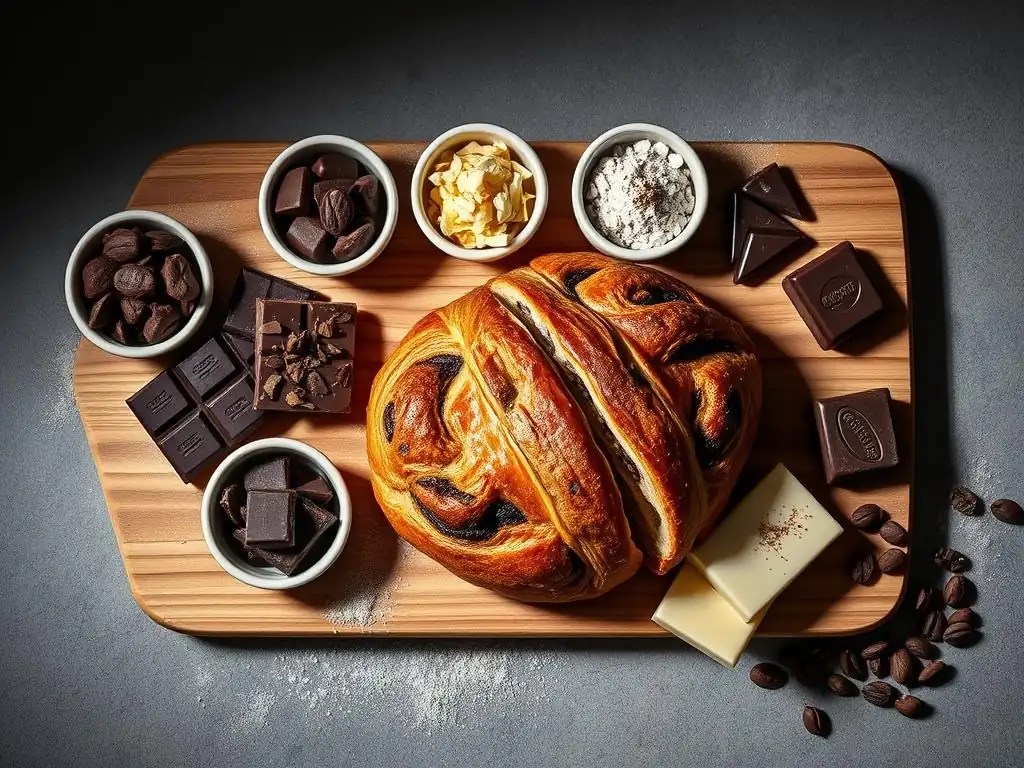
While traditional pain au chocolat features smooth melted chocolate, incorporating cocoa nibs can add an interesting textural contrast and a more intense, slightly bitter cocoa flavor. Cocoa nibs are small pieces of crushed, roasted cocoa beans. They are not sweet like chocolate and retain a slight crunch even after baking. You could add a small amount of nibs alongside the chocolate batons or sprinkle them onto the dough before placing the batons and rolling.
A small addition of cocoa nibs (perhaps a teaspoon or two per pastry) can provide a delightful counterpoint to the rich, buttery pastry and the smooth melted chocolate. They add a subtle bitterness and complexity that can elevate your chocolate pain au chocolat recipe. Be mindful not to add too many, as their intense flavor and crunchy texture could overwhelm the delicate balance of the pastry.
Incorporating Chocolate Glaze: A Luxurious Finish
For an extra touch of indulgence, you can finish your baked pain au chocolat with a simple chocolate glaze or drizzle. This adds another layer of chocolate flavor and a glossy, appealing look. A basic glaze can be made by melting chocolate (couverture or good quality baking chocolate) with a small amount of butter or oil and possibly a touch of corn syrup for gloss.
Once the pastries have cooled slightly, you can dip one end into the glaze or drizzle it decorately over the top. This is purely for aesthetic and added flavor purposes and is not part of the traditional chocolate pain au chocolat recipe, but it can be a fun way to enhance your pastries for a special occasion or simply because you love chocolate! Ensure the glaze isn't too hot, or it will melt the pastry.
Pairing with Orange Zest: Enhancing the Chocolate Flavor
Chocolate and orange are a classic flavor combination that can work beautifully in pain au chocolat. While not traditional, adding a small amount of finely grated orange zest to the dough or sprinkling a tiny pinch onto the chocolate batons before rolling can brighten the overall flavor profile and add a subtle, aromatic note that complements the rich chocolate.
Use only the colored part of the orange peel, avoiding the bitter white pith. A microplane zester works best for getting very fine zest. The bright, slightly floral notes of orange zest pair particularly well with darker chocolates (like those around 60-70% cocoa), enhancing their complexity without overpowering the essential buttery flavor of the pastry. Experiment with a small batch first to see if you enjoy this subtle addition to your chocolate pain au chocolat recipe.
Conclusion: Crafting the Perfect Pain au Chocolat
Frequently Asked Questions
What kind of chocolate is best for a pain au chocolat?
The best chocolate for pain au chocolat is generally a high-quality dark chocolate batons or feves with a cocoa percentage between 55-70%. This provides a rich flavor without being overly bitter.
Can I use chocolate chips instead of chocolate batons?
While you can use chocolate chips, they aren't ideal. Chocolate batons are specifically designed to melt evenly within the pastry, whereas chocolate chips may not melt as well and can create uneven distribution of chocolate.
What if I prefer milk chocolate over dark chocolate?
You can certainly use milk chocolate, but be aware that it will result in a sweeter pain au chocolat. Choose a high-quality milk chocolate to avoid a grainy texture when it melts during baking.
How important is the quality of the chocolate when making pain au chocolat?
The quality of the chocolate is very important. Using a high-quality chocolate will significantly improve the flavor and texture of your pain au chocolat, leading to a more delicious final product.
Where can I find chocolate batons specifically designed for pain au chocolat?
Chocolate batons for pain au chocolat are often available at specialty baking supply stores or online retailers specializing in baking ingredients. Look for "pain au chocolat batons" or "chocolate feves".
Final Reflection: The Sweet Science of the Perfect Pain au Chocolat
The perfect pain au chocolat isn't just about flaky pastry; it's about the harmonious marriage of buttery dough and exquisitely chosen chocolate. This seemingly simple pastry reveals a surprising depth of flavor complexity, directly impacted by the type of chocolate used. Ignoring this crucial element is to miss the very essence of this beloved treat.
The journey through various chocolate types – from the bitterness of dark chocolate to the milky sweetness of its counterparts – has highlighted the profound influence of ingredient selection on the final product. This exploration isn't merely about culinary technique; it's about understanding the subtle nuances that elevate a good pain au Chocolat to a truly exceptional one. As the renowned pastry chef, Pierre Hermé, once said: Pastry is a science, but it's also an art. It's about precision, but it's also about passion.
This perfectly encapsulates the spirit of this article, emphasizing the importance of both technical skill and thoughtful ingredient selection.
Now, armed with this newfound knowledge, I invite you to embark on your own pain au chocolat adventure. Don't just follow a recipe; experience it. Experiment with different chocolates, paying close attention to how their flavor profiles interact with the pastry.
The journey of discovering the perfect chocolate for your pain au chocolat is a deeply personal one, a testament to the joy of culinary exploration and the enduring power of simple pleasures. The next time you bite into a perfectly crafted pain au chocolat, savor not just the taste, but the understanding of the careful choices that went into its creation.
Unlock Your Pain au Chocolat Potential!
Thanks for joining us on this delicious journey into the world of pain au chocolat! We hope you now have a deeper appreciation for the crucial role chocolate plays in this beloved pastry. Ready to elevate your baking game?
- Take the Chocolate Challenge: Blind taste test three different types of chocolate recommended in the article and see which one best complements your baking style. Note your findings – you might be surprised!
- Share Your Success: Post a picture of your perfect pain au chocolat on social media using #BakeWithEaseChocolateChallenge – let's inspire other bakers!
- Dive Deeper: Explore our other articles on perfecting classic French pastries for even more baking inspiration.
What's your favorite chocolate for achieving that perfect melt-in-your-mouth experience in a pain au chocolat? Share your thoughts below!