
Making Enriched Dough for Sweet Rolls and Buns

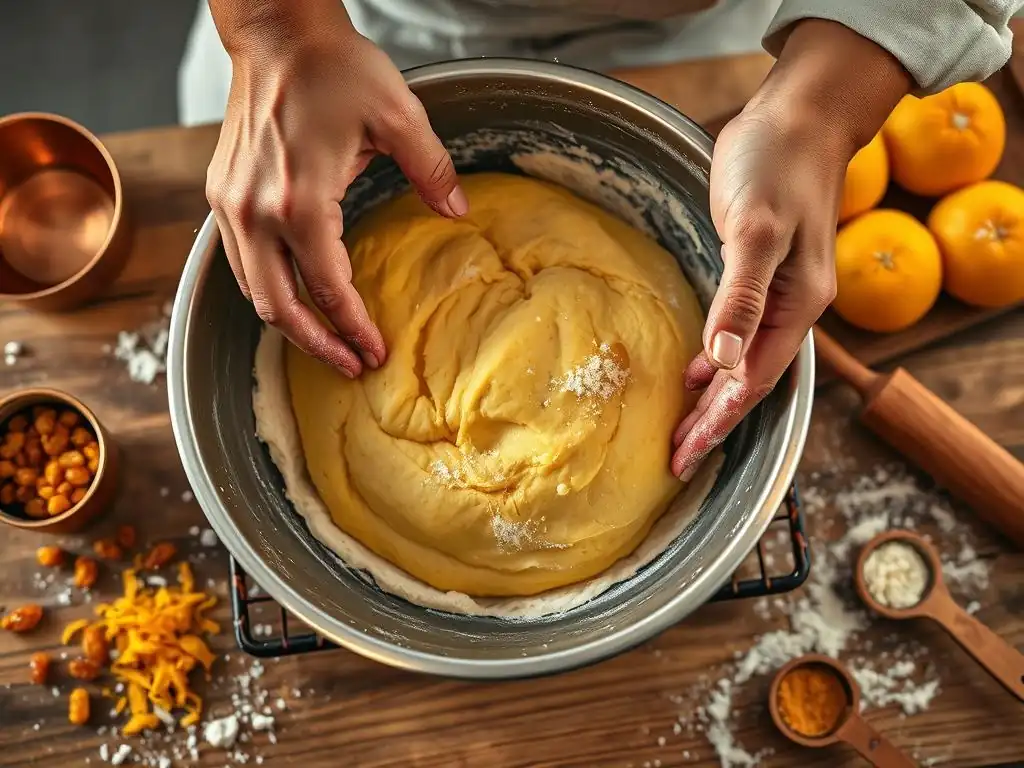
Welcome to BakeWithEase, your guide to creating delightful treats! Ever wondered how to achieve that perfectly soft and pillowy texture in your baked goods? Get ready to unlock the secrets of enriched dough! This week, we're diving deep into the art of crafting enriched dough sweet rolls, exploring the techniques and tips you need to elevate your baking game. Learn how to create irresistibly delicious sweet rolls and buns that will impress everyone. Ready to get started? Let's bake!
- Baking Brioche and Cinnamon Rolls: Mastering Enriched Dough
- Understanding Enriched Dough for Baking
-
Essential Ingredients for Enriched Dough
- Flour Selection: Bread Flour vs. All-Purpose Flour
- Sugar's Role: Sweetness and Yeast Activity
- Fat Sources: Butter, Oil, and Their Impact
- Yeast Activation: Fresh, Active Dry, and Instant
- Liquid Considerations: Milk, Water, and Hydration
- Egg Functionality: Richness, Structure, and Color
- Flavor Enhancements: Vanilla, Citrus Zest, and Spices
-
Step-by-Step Guide to Making Enriched Dough
- Ingredient Preparation and Workspace Setup
- Mixing Techniques: Stand Mixer vs. Hand Mixing
- Kneading the Dough: Windowpane Test and Gluten Development
- First Rise: Bulk Fermentation and Flavor Development
- Shaping Techniques: Rolls, Braids, and Knots
- Second Rise: Proofing for Optimal Volume
- Baking Process: Temperature and Time Guidelines
- Cooling and Glazing: Finishing Touches
- Tips and Tricks for Baking Enriched Dough
- Enriched Dough Recipe Ideas
- Advanced Techniques for Enriched Dough
- Enjoying Your Homemade Enriched Dough Creations
-
Frequently Asked Questions
- What exactly is enriched dough, and why is it important for sweet rolls?
- What kind of fat is best to use in enriched dough for sweet rolls?
- How does the sugar content in enriched dough affect the final product?
- What's the best way to knead enriched dough for sweet rolls?
- Can I freeze enriched dough for sweet rolls, and if so, how?
- Final Reflection: The Sweet Science of Enriched Dough
- Unleash Your Inner Baker: Craft the Perfect Dough!
Baking Brioche and Cinnamon Rolls: Mastering Enriched Dough
Understanding Enriched Dough for Baking
What is Enriched Dough?
Enriched dough stands apart from basic bread dough due to the addition of ingredients like fat, sugar, eggs, and often milk. While a simple dough might consist only of flour, water, yeast, and salt, an enriched dough incorporates these 'enrichments' which significantly alter its texture, flavor, and keeping qualities. Think of a rustic baguette versus a soft, buttery brioche; the difference is in the enrichment. These additions make the dough softer, richer, and sweeter, resulting in baked goods that are tender, moist, and typically have a finer crumb structure.
This type of dough is the foundation for a wide array of delicious pastries and breads, including classic cinnamon rolls, challah, sticky buns, and brioche. The level of enrichment can vary dramatically. A lightly enriched dough might contain just a small amount of butter and sugar, while a highly enriched dough, like a classic brioche, can have a significant percentage of butter and eggs relative to the flour weight – sometimes up to 50% butter and 30% eggs. This higher ratio of enrichments is what gives these breads their signature richness and soft, cake-like texture.
The Science Behind Enriched Dough: Fat, Sugar, and Gluten Development
The introduction of fat and sugar into dough has a profound impact on its structure and the activity of yeast. Fat, commonly butter in enriched doughs, coats the gluten strands as they develop during kneading. This coating inhibits the gluten from forming a strong, elastic network as readily as it would in a lean dough. The result is a more tender crumb, as the gluten matrix is less rigid. While this makes the dough softer, it also means enriched dough often requires longer or more gentle kneading to achieve sufficient gluten development for structure.
Sugar, on the other hand, serves multiple purposes but also presents challenges. It provides food for the yeast, helping them to produce carbon dioxide gas that makes the dough rise. However, in high concentrations, sugar can draw moisture away from yeast cells through osmosis, slowing down or even inhibiting fermentation. This is why some highly enriched doughs benefit from osmotolerant yeast, which is more resistant to high sugar environments. Sugar also contributes to browning during baking through caramelization and the Maillard reaction, adds sweetness, and helps retain moisture, contributing to a longer shelf life for the baked goods.
Why Enriched Dough is Ideal for Breads and Rolls
The unique composition of enriched dough makes it perfectly suited for creating soft, tender, and flavorful sweet rolls and buns. The added fat and sugar contribute to a moist crumb that stays soft for days, unlike lean breads which can dry out quickly. This tenderness is highly desirable in baked goods like cinnamon rolls or brioche buns, where a light, fluffy texture is key. The richness from butter and eggs also imparts a delicious flavor that complements sweet fillings and glazes beautifully.
Furthermore, the structure of enriched dough, while different from lean dough, provides enough strength to hold its shape during proofing and baking, crucial for forming individual rolls or braided loaves. The slightly slower gluten development due to the enrichments can also make the dough more pliable and easier to handle for shaping intricate forms. Whether you're aiming for pillowy cinnamon buns bursting with filling or delicate brioche rolls for a special occasion, enriched dough provides the ideal foundation for achieving that sought-after combination of richness, softness, and flavor.
Essential Ingredients for Enriched Dough
Flour Selection: Bread Flour vs. All-Purpose Flour
Choosing the right flour is a critical first step in making enriched dough for sweet rolls. Bread flour, with its higher protein content (typically 12-14%), develops a strong gluten network that provides structure and chewiness, essential for trapping the gases produced by yeast and giving the dough elasticity. This strength helps the dough rise well and hold its shape, especially important when incorporating substantial amounts of fat and sugar which can weigh the dough down.
All-purpose flour, containing less protein (usually 10-12%), can also be used, and it will result in a more tender crumb because less gluten develops. For some very rich doughs, like soft dinner rolls or certain types of brioche, using all-purpose flour can contribute to a desired delicate texture.
However, if you're new to working with enriched dough, starting with bread flour is often recommended as its robustness is more forgiving and helps ensure adequate structure despite the tenderizing effects of the enrichments. Some recipes even call for a blend of bread and all-purpose flour to achieve a balance between structure and tenderness.
Sugar's Role: Sweetness and Yeast Activity
Sugar is a fundamental ingredient in enriched dough for sweet rolls, contributing far more than just sweetness. As mentioned, it serves as readily available food for the yeast, accelerating fermentation initially. Granulated sugar is the most common type used. The amount of sugar varies significantly by recipe; a lightly enriched dough might have 5-10% sugar based on flour weight, while a sweet roll dough could easily contain 15-25% or even more. This sugar not only makes the final product taste sweet but also helps the crust brown beautifully through caramelization during baking.
However, high sugar levels can stress the yeast. If a recipe calls for a large amount of sugar, ensuring your yeast is active and potentially increasing the yeast quantity slightly or using osmotolerant yeast can be beneficial. Beyond feeding yeast and adding sweetness, sugar is hygroscopic, meaning it attracts and retains moisture. This property is crucial for keeping enriched dough sweet rolls soft and moist over time, contributing to their extended shelf life compared to lean breads. It also interferes with gluten development, further contributing to the tender texture.
Fat Sources: Butter, Oil, and Their Impact
Fat is a key component that defines enriched dough, significantly impacting texture, flavor, and keeping quality. Unsalted butter is the most popular choice, especially for recipes like brioche and high-quality cinnamon rolls. Butter provides a rich, creamy flavor and contributes to a tender, melt-in-your-mouth texture by coating the gluten strands. Using softened, but not melted, butter is typically preferred as it incorporates more evenly into the dough during mixing. The amount of butter can range from a modest 5% in slightly enriched doughs to a luxurious 50% or more in classic brioche.
Other fats like oil or shortening can also be used. Vegetable oil, for example, is sometimes used in lighter enriched doughs or for specific textures. Oil distributes more uniformly throughout the dough than solid fat, resulting in an incredibly tender and moist crumb. However, it doesn't impart the same rich flavor as butter and can make the dough feel greasier. Shortening can provide tenderness and flakiness, sometimes used in combination with butter for specific results. The choice of fat and its quantity is a major factor in determining the final character of your enriched dough sweet rolls.
Yeast Activation: Fresh, Active Dry, and Instant
Yeast is the leavening agent that makes enriched dough rise, creating a light and airy texture. The type of yeast you use affects the process and timing. Active dry yeast is a common choice; it typically needs to be proofed in warm liquid (around 105-115°F or 40-46°C) with a pinch of sugar for 5-10 minutes until foamy before being added to the other ingredients. This step ensures the yeast is alive and active before you commit it to the dough.
Instant yeast is highly convenient as it can usually be mixed directly into the dry ingredients without prior proofing. It's formulated to be fast-acting and reliable. Fresh yeast (also called cake yeast) is less commonly available to home bakers but is preferred by some for its flavor; it should be crumbled and dissolved in warm liquid.
When working with enriched dough sweet rolls, especially those high in sugar, using a little extra yeast or specifically osmotolerant yeast can help ensure a vigorous rise despite the challenging environment created by the sugar. Always check the expiration date on your yeast to ensure it's viable.
Liquid Considerations: Milk, Water, and Hydration
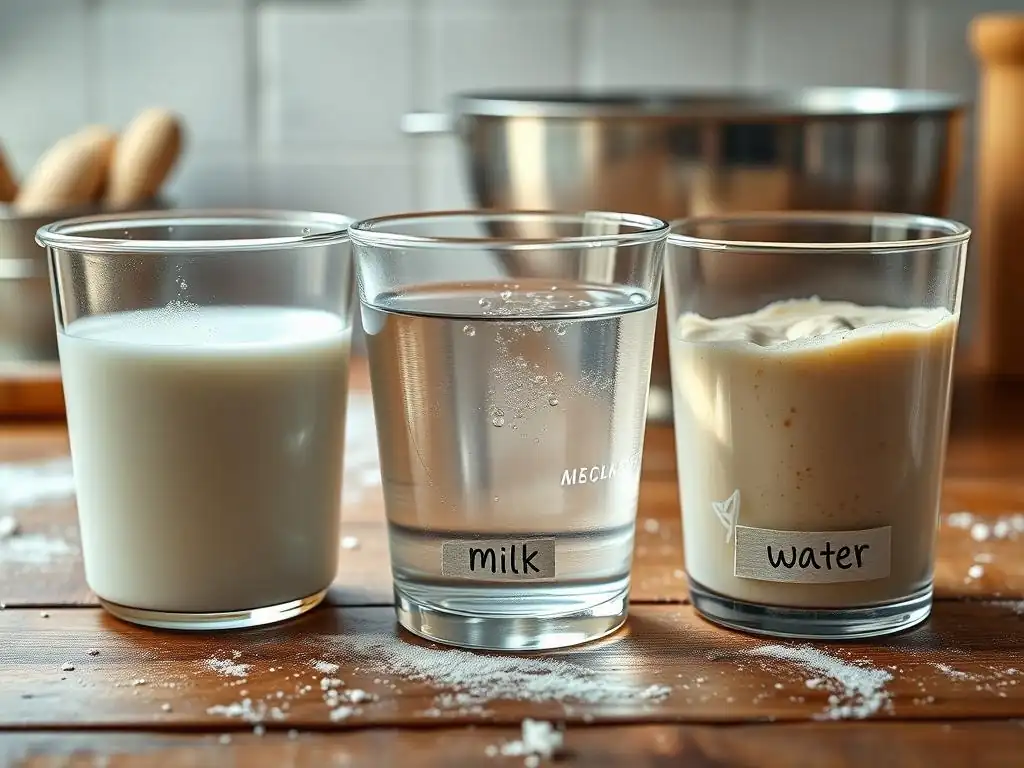
The liquid component in enriched dough plays a crucial role in hydrating the flour, activating the yeast, and influencing the final texture. Milk, particularly whole milk, is a popular choice for enriched doughs. The fat and sugar naturally present in milk contribute to a richer flavor and a softer crumb. Milk also contains lactose, a sugar that yeast cannot ferment, which remains in the dough and contributes to browning during baking. Using warm milk (around 100-110°F or 38-43°C) is ideal for activating yeast.
While milk is common, water can also be used, sometimes in combination with milk or as the sole liquid. Water will result in a slightly less rich dough and a crust that might be a bit chewier compared to using milk. The hydration level – the ratio of liquid to flour – is also important.
Enriched doughs are often moderately hydrated to ensure they are soft but still manageable for shaping. Too little liquid results in a dry, stiff dough that's hard to knead and won't rise well; too much results in a very sticky dough that can be difficult to handle, though it might produce a very moist crumb.
Egg Functionality: Richness, Structure, and Color
Eggs are a powerhouse ingredient in many enriched dough recipes, contributing significantly to richness, structure, color, and flavor. The yolks provide fat and lecithin, which tenderize the crumb and emulsify the ingredients, leading to a smoother dough and a finer texture. They also impart a beautiful yellow hue to the dough and the baked good. The proteins in egg whites contribute to the dough's structure, helping it rise and hold its shape.
Incorporating eggs makes the dough richer and more cake-like. The amount of egg can vary, from just one or two for a slightly enriched dough to a dozen or more for a large batch of brioche. Eggs also add moisture and nutrients that benefit yeast activity (though too many eggs can make the dough heavy).
Using room temperature eggs is recommended as they incorporate more easily into the dough than cold ones. The high protein content from eggs, combined with flour protein, helps create a stable structure capable of supporting the weight of the added fat and sugar, resulting in a substantial yet tender enriched dough sweet roll.
Flavor Enhancements: Vanilla, Citrus Zest, and Spices
While the core ingredients define enriched dough, adding flavor enhancements elevates sweet rolls and buns from simple bread to delightful pastries. Vanilla extract is a common addition, providing a warm, sweet aroma and flavor that complements the richness of the dough. Just a teaspoon or two can make a noticeable difference, enhancing the overall sweetness and complexity.
Citrus zest, such as lemon or orange zest, adds a bright, fragrant counterpoint to the richness, cutting through the sweetness and adding a layer of sophistication. Spices are essential for many classic enriched dough sweet rolls, most notably cinnamon for cinnamon rolls, but also cardamom for Scandinavian buns (like kardemummabullar), nutmeg, or even ginger. These additions are typically mixed in with the dry ingredients or sometimes added to the filling, but incorporating them directly into the dough ensures the flavor permeates every bite of your enriched dough sweet rolls.
Step-by-Step Guide to Making Enriched Dough
Ingredient Preparation and Workspace Setup
Before you begin mixing, it's crucial to have all your ingredients measured out accurately and prepared. This includes weighing your flour for precision, measuring liquids, ensuring butter is softened to the correct consistency (it should be pliable, not melted), and bringing eggs and milk to room temperature. Room temperature ingredients emulsify better and promote more consistent gluten development and yeast activity. Having everything ready prevents last-minute scrambling and ensures a smoother process.
Set up your workspace by gathering the necessary equipment: a large mixing bowl (or stand mixer bowl), measuring tools, and a clean surface for kneading. If using active dry yeast, proof it in a small bowl first. Clearing your counter space and having a bench scraper handy will make the kneading and shaping steps much easier. A clean, organized workspace is key to successful baking, especially when working with slightly stickier enriched dough.
Mixing Techniques: Stand Mixer vs. Hand Mixing
Enriched dough can be mixed by hand, but a stand mixer is highly recommended due to the dough's richness and stickiness, which can make hand kneading quite challenging and time-consuming. Using the dough hook attachment on a stand mixer on low to medium speed allows the gluten to develop efficiently while incorporating the fat and sugar. Start by mixing the dry ingredients, then add wet ingredients (including proofed yeast if using active dry) and eggs.
Mix until a shaggy dough forms, then gradually add the softened butter piece by piece, allowing each addition to be incorporated before adding the next. This process can take 10-15 minutes or more in a stand mixer.
If mixing by hand, combine the dry and wet ingredients to form a rough dough. Turn it out onto a lightly floured surface and knead until slightly developed, about 5-7 minutes. Then, gradually knead in the softened butter, a small amount at a time. This will make the dough very sticky initially, but continue kneading, scraping the surface as needed, until the butter is fully incorporated and the dough becomes smoother and more elastic. Hand mixing enriched dough requires patience and persistence, often taking 20-30 minutes of active kneading to reach the desired consistency for enriched dough sweet rolls.
Kneading the Dough: Windowpane Test and Gluten Development
Proper kneading is essential for developing the gluten structure in enriched dough, which provides the framework for the dough to rise and hold its shape. Kneading stretches and aligns the gluten proteins in the flour. You'll know the dough is sufficiently kneaded when it becomes smooth, elastic, and no longer sticky (or only slightly tacky). A key indicator is the "windowpane test."
To perform the windowpane test, pinch off a small piece of dough (about the size of a walnut). Gently stretch and pull the dough outwards with your fingers. If you can stretch it thinly enough to see light pass through the center without tearing, creating a translucent "windowpane," the gluten is well-developed. If it tears easily, continue kneading for a few more minutes and test again. Adequate gluten development is particularly important in enriched dough sweet rolls to support the weight of the added fat, sugar, and fillings.
First Rise: Bulk Fermentation and Flavor Development
The first rise, or bulk fermentation, is a critical period where the yeast gets to work, producing carbon dioxide gas that makes the dough expand. This process also allows flavors to develop. Place the kneaded dough in a lightly oiled bowl, turning to coat, then cover tightly with plastic wrap or a damp towel to prevent drying. The dough should rise in a warm, draft-free place until it has doubled in size.
The time required for the first rise varies depending on the yeast activity, dough temperature, and ambient temperature. It can take anywhere from 1 to 3 hours at room temperature (around 70-75°F or 21-24°C). For enhanced flavor development, you can opt for a slower rise in the refrigerator for 8-12 hours or even longer. This cold fermentation slows down yeast activity but allows enzymes to break down starches into sugars, resulting in a more complex flavor profile for your enriched dough sweet rolls.
Shaping Techniques: Rolls, Braids, and Knots
Once the dough has completed its first rise, gently punch it down to deflate the air. Turn it out onto a lightly floured surface and shape it according to your recipe. For simple round rolls, divide the dough into equal portions and shape each piece into a smooth ball by tucking the edges underneath. For cinnamon rolls, roll the dough into a large rectangle, spread with filling, and roll it up into a log before slicing.
Enriched dough is also excellent for more intricate shapes like braids (common for challah or sweet breads) or knots. The pliability of this dough makes it relatively easy to handle. Ensure the shapes are uniform in size so they bake evenly. Placing shaped rolls on baking sheets lined with parchment paper will prevent sticking and make cleanup easier. Proper shaping ensures your enriched dough sweet rolls look as good as they taste.
Second Rise: Proofing for Optimal Volume
After shaping, the dough needs a second rise, known as proofing. This is typically shorter than the first rise and happens after the dough has been formed into its final shapes. Cover the shaped rolls loosely and let them rise again in a warm place until they are visibly puffy and have increased significantly in size, often by 50-75%. This usually takes 30-60 minutes, depending on the temperature.
Proper proofing is essential for achieving a light and airy texture in your enriched dough sweet rolls. The dough should look soft and pillowy, but not so inflated that it risks collapsing. You can test for readiness by gently pressing a finger into the side of a roll; if the indentation springs back slowly, it's ready to bake. If it springs back immediately, it needs more time; if it stays indented completely, it might be over-proofed.
Baking Process: Temperature and Time Guidelines
Baking enriched dough sweet rolls requires careful attention to temperature and time to ensure they are cooked through, beautifully golden brown, and tender. Preheat your oven to the temperature specified in your recipe, typically between 350°F and 375°F (175°C and 190°C). The exact temperature can depend on the size and richness of the rolls; higher sugar content often requires a slightly lower temperature to prevent the outside from burning before the inside is cooked.
Place the proofed rolls in the preheated oven. Baking time will vary based on size, but individual rolls usually take 20-30 minutes. They are done when they are golden brown on top and sound hollow when tapped on the bottom (if tapped outside the pan). An internal temperature of around 190-200°F (88-93°C) is a good indicator of doneness. Avoid opening the oven door too frequently during baking, as this can cause temperature fluctuations and affect the rise.
Cooling and Glazing: Finishing Touches
Once baked, transfer enriched dough sweet rolls from the baking sheet to a wire rack to cool. Allowing them to cool on a rack ensures air circulates around them, preventing the bottoms from becoming soggy. While they are cooling, you can prepare any glazes or frostings. For cinnamon rolls, the classic cream cheese frosting is often applied while the rolls are still warm so it melts slightly into the crevices, creating a gooey, delicious topping.
For other sweet rolls or buns, a simple sugar glaze, a drizzle of icing, or a brushing of melted butter can be applied once they've cooled slightly or completely. Some rolls, like brioche, are often brushed with an egg wash before baking for a glossy, golden crust. Allowing the rolls to cool properly before glazing (unless the recipe specifically calls for warm application) prevents the glaze from melting completely and ensures it sets nicely.
Tips and Tricks for Baking Enriched Dough
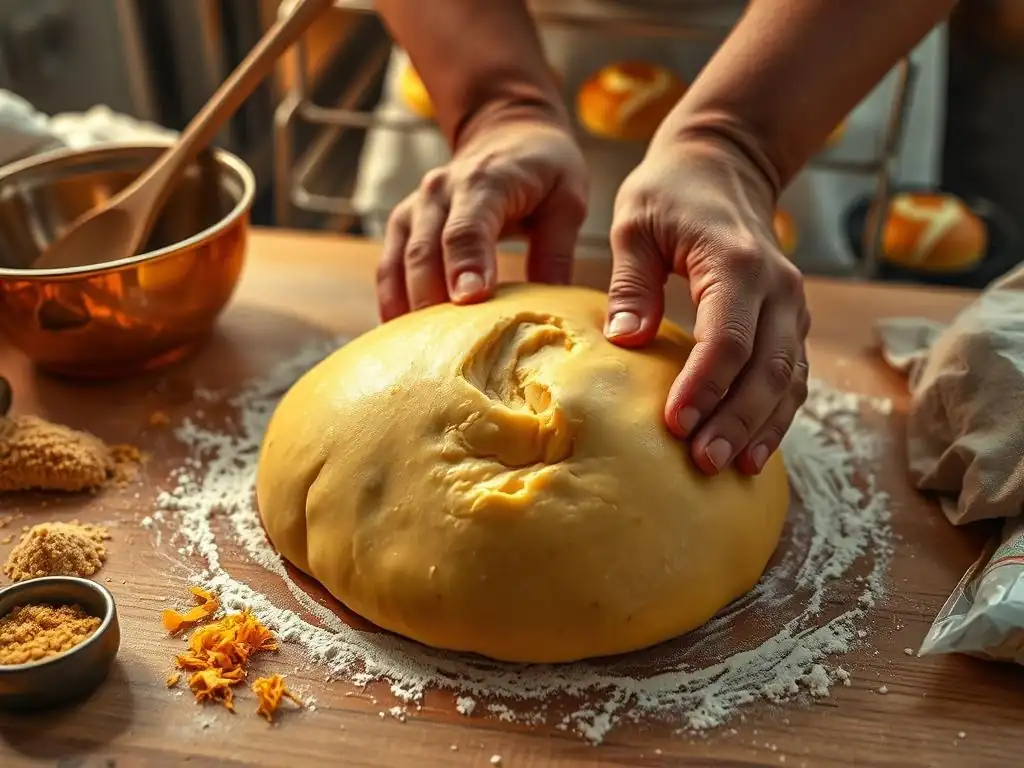
Troubleshooting: Dough Too Dry, Too Sticky, or Not Rising
Working with enriched dough can sometimes present challenges. If your dough feels too dry and isn't coming together during mixing, you can add a tiny bit more liquid (milk or water), a teaspoon at a time, until it reaches the right consistency. Conversely, if the dough is excessively sticky after kneading, even after the butter is incorporated, you might need to add a tablespoon or two more flour, kneading it in gradually until the dough is manageable, though it will remain slightly tacky.
If your dough isn't rising, several factors could be at play. Check the temperature of your liquid; if it was too hot, it might have killed the yeast. If it was too cold, the yeast will be sluggish. Ensure your yeast is active and not expired.
The room temperature also plays a role; if it's too cold, the rise will be very slow. Try placing the dough in a slightly warmer spot, like a turned-off oven with the light on, or near a sunny window. Patience is key; sometimes, enriched dough takes longer to rise due to the sugar and fat content.
Achieving a Soft and Fluffy Texture
The hallmark of great enriched dough sweet rolls is their soft and fluffy texture. This is achieved through a combination of factors. Proper kneading is crucial to develop enough gluten for structure without overworking it, which can lead to toughness. The richness from butter, eggs, and milk also tenderizes the crumb. Using ingredients at room temperature ensures even mixing and fermentation.
Adequate proofing is equally vital. The dough needs to rise sufficiently to develop a light structure, but not so much that the gluten overstretches and collapses. Gentle handling during shaping and transferring the dough helps preserve the airy structure created during fermentation. Finally, baking at the correct temperature and avoiding over-baking prevents the rolls from drying out, ensuring they remain soft and moist after cooling.
Preventing Dryness and Density
Dryness and density are common issues when baking enriched dough sweet rolls if not handled correctly. One key to preventing dryness is ensuring the dough is sufficiently hydrated and enriched with enough fat and eggs as specified in the recipe. These ingredients contribute moisture and tenderness. Baking for the correct amount of time is also critical; over-baking is a primary cause of dry baked goods. Keep an eye on the color and internal temperature rather than just relying on the timer.
To prevent density, ensure your yeast is active and that the dough rises properly during both the bulk fermentation and proofing stages. Don't rush the rising times, especially if working in a cooler environment. Avoid using too much flour during kneading or shaping, as this can result in a dry, heavy dough. Handling the dough gently after the first rise helps maintain the airy structure developed by the yeast, leading to a lighter final product.
Flavor Variations: Chocolate, Fruit, and Nuts
Enriched dough provides a versatile base for countless flavor combinations beyond classic cinnamon rolls. For chocolate lovers, incorporate cocoa powder into the dough or filling, or swirl in chocolate chips or chunks. Fruit fillings, such as apple, cherry, or berry compotes, work wonderfully, either rolled into the dough or placed in the center of buns. Ensure fruit fillings aren't too wet, which can make the dough soggy.
Nuts like pecans, walnuts, or almonds add a delightful crunch and nutty flavor. They can be added to fillings or sprinkled on top before or after baking. Other flavor enhancements include adding dried fruits like raisins or cranberries to the dough, incorporating citrus zest directly into the dough or glaze, or using different spices like ginger, cardamom, or even a touch of black pepper for a surprising kick in your enriched dough sweet rolls.
Storing Baked Goods: Maintaining Freshness
Enriched dough sweet rolls, thanks to their richness, tend to stay fresh and soft longer than lean breads, but proper storage is still important. Once completely cooled (unless they have a melty glaze applied warm), store them in an airtight container at room temperature. This prevents them from drying out and keeps the crust soft. They will typically stay fresh for 2-3 days.
For longer storage, you can freeze baked and cooled rolls. Wrap individual rolls or small batches tightly in plastic wrap, then place them in a freezer-safe bag or container. Frozen rolls can last for up to 2-3 months. To enjoy, thaw them at room temperature or gently warm them in a low oven (around 300°F or 150°C) for a few minutes to restore their soft texture. Rolls with frosting can also be frozen, though the frosting texture might change slightly upon thawing.
Enriched Dough Recipe Ideas
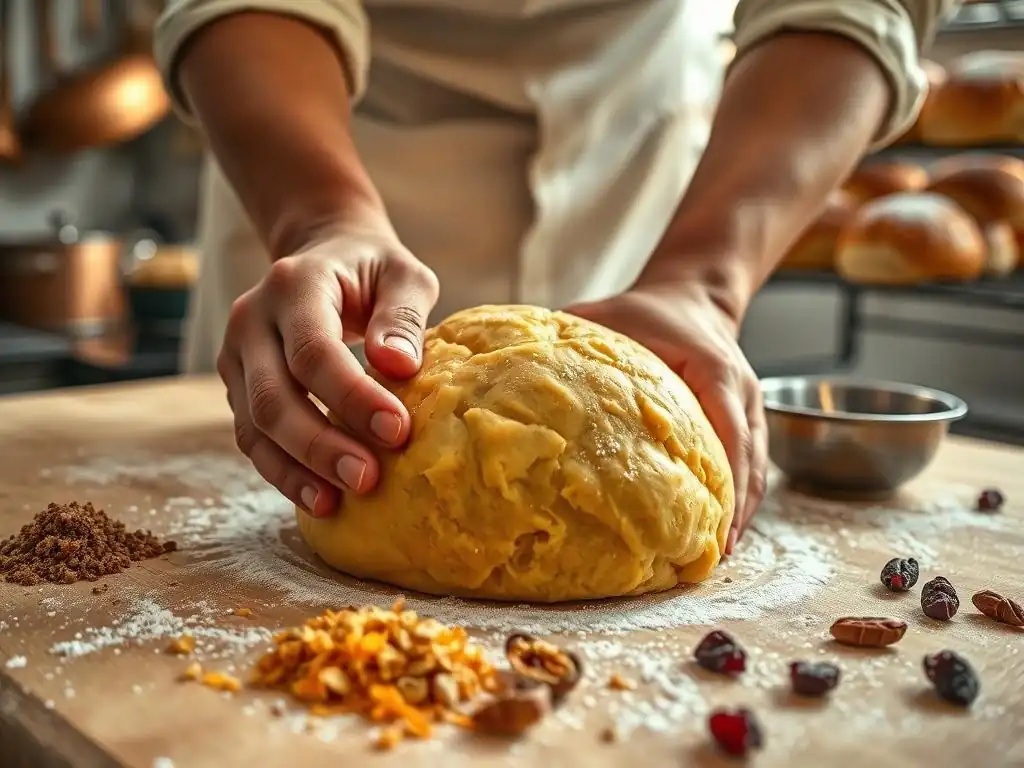
Classic Cinnamon Rolls with Cream Cheese Frosting
Classic cinnamon rolls are perhaps the most beloved application of enriched dough sweet rolls. The dough is typically rolled out into a large rectangle, generously spread with a filling made of butter, cinnamon, and sugar, then rolled into a tight log and sliced into individual rounds. The richness of the dough is essential here, providing a soft, tender base that contrasts beautifully with the sweet, slightly spicy filling.
These rolls are proofed until puffy and baked until golden brown. The warmth of the baked rolls is perfect for receiving a generous swirl of tangy-sweet cream cheese frosting, which melts slightly and seeps into the layers, creating that irresistible gooey texture. The tender crumb of the enriched dough, combined with the aromatic cinnamon filling and creamy frosting, makes for an utterly decadent treat.
Brioche Buns for Burgers and Sandwiches
Brioche, a highly enriched dough featuring significant amounts of butter and eggs, makes for exceptionally soft, rich, and flavorful buns. While often thought of for sweet applications, brioche buns are increasingly popular for savory uses like burgers and sandwiches. Their slightly sweet, buttery flavor complements both sweet and savory fillings, and their tender yet stable structure holds up well to juicy burgers or loaded sandwich fillings.
Making brioche involves incorporating a large amount of softened butter into a well-kneaded dough, often resulting in a dough that is quite slack and sticky initially. The high fat content inhibits gluten development, requiring patient mixing. The resulting baked buns have a beautiful golden color (thanks to the egg wash often applied before baking), a delicate crust, and an incredibly soft, fine crumb that elevates any burger or sandwich experience.
Cardamom Buns (Kardemummabullar) with Pearl Sugar
Cardamom buns, or kardemummabullar from Sweden, are another delightful example of enriched dough sweet rolls, showcasing the versatility of this dough type. These buns are flavored with fragrant ground cardamom, often incorporated directly into the dough and sometimes also in a sweet filling. The dough is typically rolled, filled with butter, sugar, and cardamom, then shaped into knots or twists rather than simple rounds.
These aromatic buns are often brushed with simple syrup after baking and topped with pearl sugar, which provides a lovely crunch and sparkle. The enriched dough provides the perfect soft, slightly chewy base for the intense, warm spice of the cardamom. The shaping into knots creates delightful nooks and crannies for the filling, making each bite a burst of sweet, spicy, and buttery flavor, a true testament to the magic of enriched dough.
Advanced Techniques for Enriched Dough
Tangzhong Method for Enhanced Softness
The Tangzhong method, originating from Asian baking, is an advanced technique that can significantly improve the softness and shelf life of enriched dough sweet rolls. It involves cooking a small portion of the flour with liquid (usually milk or water) to create a thick, paste-like roux before adding it to the main dough ingredients. This cooked paste, or tangzhong, gelatinizes the starches in the flour.
When this gelatinized starch is added to the dough, it allows the dough to absorb and retain more liquid than it otherwise could. This extra moisture is held within the dough during baking, resulting in an exceptionally soft, moist crumb that stays fresh for days longer than dough made without this method. Using the tangzhong method is particularly effective in enriched doughs where maximizing softness and extending freshness are desired outcomes for items like fluffy milk bread or ultra-soft buns.
Sourdough Enriched Dough: A Flavorful Variation
Combining the richness of enriched dough with the tangy complexity of sourdough starter offers a deeply flavorful variation. In this technique, a portion of the yeast is replaced with an active sourdough starter, or sometimes the starter is used as the sole leavening agent. This requires a longer fermentation time, often involving overnight rises, to allow the wild yeasts and bacteria in the starter to work.
Sourdough enriched dough sweet rolls will have a subtle tanginess that balances the sweetness and richness, adding a layer of complexity not found in yeasted versions. The slower fermentation also contributes to a more developed flavor profile. Working with sourdough enriched dough can be slightly different than yeasted dough, as the starter's acidity can affect gluten development, but the resulting baked goods are often praised for their unique taste and aroma, making your enriched dough sweet rolls truly special.
Osmotolerant Yeast: Baking with High Sugar Content
When baking highly enriched doughs, particularly those with a high percentage of sugar (20% or more relative to flour weight), standard active dry or instant yeast can struggle. High sugar concentrations create an environment with high osmotic pressure, drawing water out of normal yeast cells and inhibiting their activity, leading to slow or poor rising.
Osmotolerant yeast is a special strain of yeast that is more resistant to these high sugar environments. It performs much better in doughs containing significant amounts of sugar, ensuring a reliable and vigorous rise. If you frequently bake recipes like sweet rolls with very sweet fillings, sticky buns, or certain types of brioche that are loaded with sugar, using osmotolerant yeast can make a significant difference in the success of your bake and the final texture of your enriched dough sweet rolls. It's often available alongside regular yeast in baking supply stores.
Enjoying Your Homemade Enriched Dough Creations
Serving Suggestions and Pairings
Your homemade enriched dough sweet rolls are versatile and can be enjoyed in numerous ways. Classic cinnamon rolls are best served warm, perhaps with an extra drizzle of frosting or a sprinkle of cinnamon sugar. Brioche buns are perfect for elevating burgers, pulled pork, or even simple ham and cheese sandwiches, adding a touch of luxury to everyday meals.
Other sweet rolls can be enjoyed with coffee or tea for breakfast or a snack. Try serving them alongside fresh fruit, yogurt, or a dollop of whipped cream. Lightly toasting day-old enriched dough can revive its softness and makes a delicious base for butter or jam. The rich, soft texture of enriched dough sweet rolls makes them satisfying on their own, but pairing them with beverages or complementary flavors enhances the experience.
Baking enriched dough sweet rolls is a rewarding experience, and sharing the results makes it even better. A batch of warm cinnamon rolls makes a wonderful gift for neighbors or a welcome contribution to a potluck or brunch. Homemade brioche buns are sure to impress at your next barbecue. The act of sharing delicious, homemade baked goods creates connections and brings joy.
Consider packaging your enriched dough sweet rolls nicely if giving them away – a simple box lined with parchment paper or tied with a ribbon makes them feel extra special. Seeing the smiles on the faces of friends and family as they enjoy your baking is one of the great pleasures of mastering enriched dough.
Further Exploration of Bread Baking Techniques
Mastering enriched dough is a significant step in your baking journey, but it's just one facet of the diverse world of bread baking. Once you feel comfortable working with rich doughs, consider exploring other techniques. Try making lean doughs like baguettes or focaccia to understand how different hydration levels and minimal ingredients create unique textures.
Explore preferments like poolish, biga, or pâte fermentée to add depth of flavor to various breads. Delve deeper into sourdough baking, experimenting with different hydration levels for your starter and longer fermentation schedules. Each type of dough and technique offers new challenges and rewards, expanding your skills and allowing you to create an even wider variety of delicious breads and enriched dough sweet rolls.
Frequently Asked Questions
What exactly is enriched dough, and why is it important for sweet rolls?
Enriched dough is a type of dough that contains added fat, sugar, and sometimes eggs which create a richer and more tender crumb. This is essential for sweet rolls because it gives them their signature soft texture and sweet taste.
What kind of fat is best to use in enriched dough for sweet rolls?
Generally, butter is preferred for its flavor and texture, but shortening or oil can also be used. Butter adds a rich flavor and helps create a tender, flaky texture, while shortening may result in a slightly chewier roll.
How does the sugar content in enriched dough affect the final product?
Sugar not only provides sweetness but also acts as a tenderizer and fuel for the yeast. Too much sugar can inhibit yeast activity, while too little may result in a less sweet and less tender sweet roll. Achieving the right balance is crucial.
What's the best way to knead enriched dough for sweet rolls?
Enriched doughs often require longer kneading times than lean doughs due to the fat content interfering with gluten development. Use a stand mixer or knead by hand until the dough is smooth and elastic, passing the windowpane test.
Can I freeze enriched dough for sweet rolls, and if so, how?
Yes, you can freeze enriched dough after the first rise. Wrap it tightly in plastic wrap and then in a freezer bag. To thaw, place it in the refrigerator overnight and allow it to come to room temperature before shaping and baking.
Final Reflection: The Sweet Science of Enriched Dough
The art of creating enriched dough isn't just about baking; it's about crafting an experience. From the initial knead to the final golden-brown crust, the process embodies patience, precision, and a deep understanding of ingredients working in harmony. This understanding, once mastered, unlocks a world of possibilities, transforming simple flour and water into delectable sweet rolls and buns that delight the senses.
The influence of enriched dough extends far beyond the kitchen table; it's woven into the fabric of our celebrations and everyday comforts. The aroma of freshly baked goods evokes powerful memories and feelings of warmth and connection. It's a tradition passed down through generations, a testament to the enduring power of simple pleasures. Baking is at once child's play and adult joy. And love, of course.
This quote perfectly encapsulates the emotional resonance of baking enriched dough, a process that blends technical skill with heartfelt intention.
Now, consider your own baking journey. What will you create with this newfound knowledge? Will you experiment with different flavors, perfecting your own signature sweet roll? Will you share this craft with loved ones, passing down the tradition and creating memories around the oven? The possibilities are as endless as your imagination, so embrace the challenge, savor the process, and let the sweet aroma of success fill your home.
Unleash Your Inner Baker: Craft the Perfect Dough!
Thanks for taking the time to explore the art of enriched dough! You've now got the knowledge to create unbelievably soft and flavorful sweet rolls and buns. Ready to put your skills to the test?
- Bake a batch of irresistible rolls or buns: Use your newfound expertise to whip up a delicious treat for yourself or loved ones – the recipe is waiting!
- Share your baking journey: Post a picture of your creations on social media and tag us @BakeWithEase (fictional account)! We'd love to see your results.
- Experiment with different fillings and glazes: Get creative and explore the endless possibilities – what exciting flavor combinations will you dream up?
What unique twist will you add to your enriched dough creations today?