
Demystifying Piping Bags: Reusable vs. Disposable

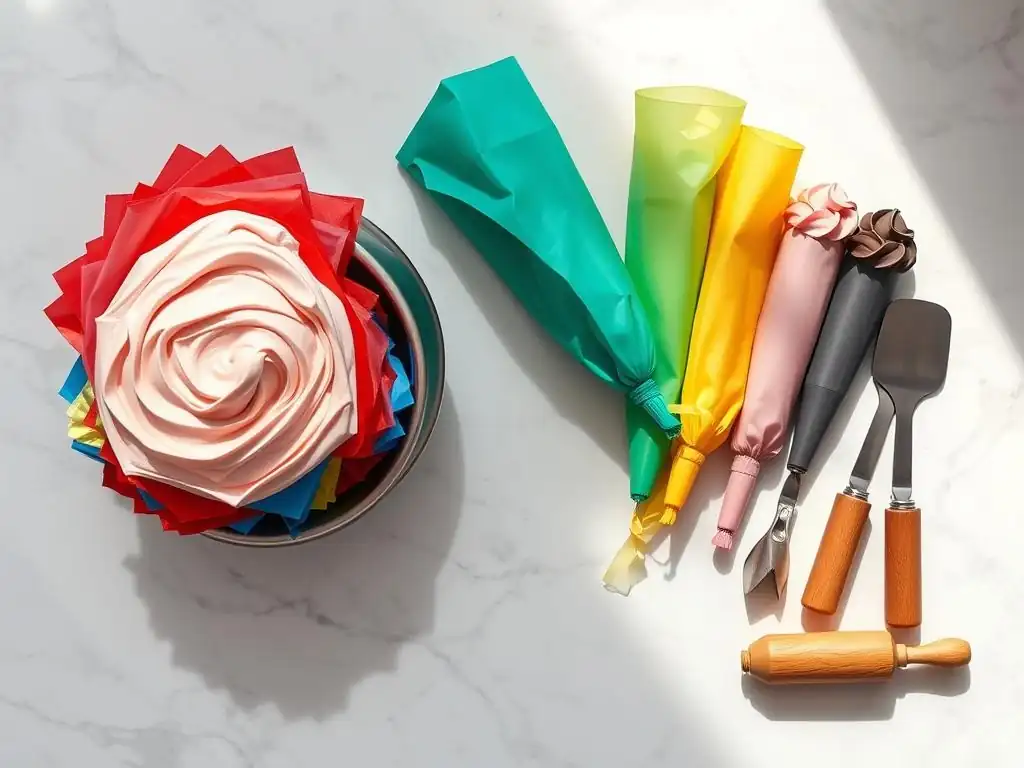
Welcome to BakeWithEase, your companion in the wonderful world of baking! Are you ready to elevate your decorating skills? This guide takes you beyond basic frosting and unveils the secrets of choosing and using the right piping bag. Discover the pros and cons of reusable piping bags and learn why mastering them is a game-changer for any baker. Intrigued? Let's dive in and unlock the secrets to professional-looking pastries!
- Demystifying Piping Bags: Reusable vs. Disposable - BakeWithEase
- Introduction to Piping Bags for Baking Mastery
-
Reusable Piping Bags: A Comprehensive Guide
- Understanding Reusable Piping Bag Materials: Canvas, Silicone, and Plastic
- Advantages of Using Reusable Piping Bags: Cost-Effectiveness and Eco-Friendliness
- Disadvantages of Reusable Piping Bags: Cleaning and Maintenance Challenges
- Reusable Piping Bag Tutorial: Step-by-Step Usage Guide
- Cleaning and Storing Reusable Piping Bags for Longevity
-
Disposable Piping Bags: A Convenient Option
- Exploring Disposable Piping Bag Materials: Plastic and Parchment
- Advantages of Using Disposable Piping Bags: Convenience and Hygiene
- Disadvantages of Disposable Piping Bags: Cost and Environmental Impact
- Disposable Piping Bag Tutorial: A Quick Start Guide
- Proper Disposal of Disposable Piping Bags: Environmental Considerations
-
Reusable vs. Disposable Piping Bags: A Detailed Comparison
- Cost Analysis: Which Type of Piping Bag Saves You Money?
- Cleaning and Maintenance: The Effort Required for Each Type
- Environmental Impact: Making an Eco-Conscious Choice
- Performance and Precision: Which Piping Bag Delivers Better Results?
- Durability and Longevity: How Long Will Your Piping Bag Last?
- Choosing the Right Piping Bag for Your Baking Needs
- Tips and Tricks for Successful Piping with Any Bag
- Mastering Basic Piping Skills with BakeWithEase
- Conclusion: Your Ultimate Piping Bag Guide
-
Frequently Asked Questions
- ### What are the main advantages of using reusable piping bags as opposed to disposable ones?
- ### How do I properly clean a reusable piping bag to prevent bacteria growth?
- ### What materials are reusable piping bags typically made from, and which is the best for different baking tasks?
- ### Can I use different piping tips with a reusable piping bag, and how do I attach them securely?
- ### How long can a well-maintained reusable piping bag typically last with regular use?
- Final Reflection: The Sweet Sustainability of Piping Bags
- Unleash Your Inner Pastry Chef!
Demystifying Piping Bags: Reusable vs. Disposable - BakeWithEase
Introduction to Piping Bags for Baking Mastery
The Importance of Piping Bags in Cake Decorating and Pastry Making
Piping bags are fundamental tools in the baker's arsenal, essential for transforming simple baked goods into visually stunning creations. They allow for precise application of frostings, creams, batters, and even savory fillings, enabling techniques from delicate script writing on a birthday cake to intricate choux pastry shapes. Without a reliable piping bag, achieving smooth, consistent dollops of whipped cream or crafting perfectly uniform macarons would be significantly more challenging, if not impossible for many home bakers.
Beyond aesthetics, piping bags also serve functional purposes. They can be used to fill cupcakes evenly, pipe meringue kisses, or create decorative borders that help contain fillings on tarts. Mastering the use of a piping bag unlocks a new level of control and creativity in the kitchen, making it a crucial step for anyone moving beyond basic baking into more detailed decorating and pastry work. Whether you're a beginner just learning to pipe a simple star or an intermediate baker perfecting complex designs, understanding piping bags is key.
BakeWithEase's Guide to Choosing the Right Piping Bag
Selecting the appropriate piping bag is the first step towards successful piping. The market offers two primary types: reusable and disposable. Each comes with its own set of advantages and considerations regarding material, cost, convenience, and environmental impact. The best choice often depends on your specific baking needs, the frequency of your piping projects, and your personal preferences regarding cleaning and sustainability.
This guide aims to provide a comprehensive look at both reusable and disposable options, helping you understand their differences and determine which type, or perhaps a combination of both, is right for you. We'll delve into the materials, benefits, drawbacks, and even offer a reusable piping bags tutorial guide to get you started. Our goal at BakeWithEase is to empower you with the knowledge to make informed decisions and master your piping skills with confidence.
Reusable Piping Bags: A Comprehensive Guide
Understanding Reusable Piping Bag Materials: Canvas, Silicone, and Plastic
Reusable piping bags are designed for repeated use, offering durability and a more sustainable option compared to their disposable counterparts. They are typically made from a few common materials, each providing a different feel and level of flexibility. Traditional options include heavy-duty canvas or nylon, often coated on the inside to prevent grease from seeping through. These bags are known for their robustness and ability to handle stiff frostings or batters.
More modern reusable piping bags are often made from silicone or a thick, flexible plastic. Silicone bags are popular for their non-slip grip and easy-to-clean surface. They are highly flexible, which can make them easier to maneuver, especially for intricate work. Plastic reusable bags, while less common than silicone or canvas, offer a balance of flexibility and durability, often being thicker than disposable bags. The material choice significantly impacts the bag's feel, ease of cleaning, and longevity, influencing your reusable piping bags tutorial guide experience.
Advantages of Using Reusable Piping Bags: Cost-Effectiveness and Eco-Friendliness
One of the most significant benefits of opting for a reusable piping bag is the long-term cost savings. While the initial purchase price is higher than a pack of disposable bags, a good quality reusable bag can last for years, if not decades, with proper care. Consider a reusable bag costing around $10-$20; if you bake and pipe frequently, you could easily spend that much on disposable bags over just a few months, making the reusable option far more economical over time.
Beyond cost, the environmental advantage is substantial. Using a reusable piping bag dramatically reduces the amount of plastic waste generated by your baking activities. With growing concerns about single-use plastics, choosing a durable, washable option aligns with more sustainable practices. For bakers who pipe regularly, switching to reusable bags can prevent hundreds or even thousands of disposable bags from ending up in landfills each year, making it a responsible choice for the planet. This aspect is often highlighted in a comprehensive guide to reusable piping bags.
Disadvantages of Reusable Piping Bags: Cleaning and Maintenance Challenges
The primary drawback of reusable piping bags is the necessity of cleaning them after every use. Unlike disposable bags that are simply discarded, reusable bags require thorough washing to remove all traces of frosting, grease, and food particles. This can be particularly challenging with sticky or oily substances, and ensuring they are completely clean and dry is crucial to prevent bacterial growth or mold. This cleaning step adds time and effort to your post-baking routine.
Maintenance also involves proper storage to ensure the bags remain hygienic and in good condition. They need to be dried completely before being stored to avoid mildew. Some materials, like canvas, may stain over time, although this doesn't typically affect performance. The cleaning process can be cumbersome, especially after piping with multiple colors or types of frosting, which is a key point to consider when following any reusable piping bags tutorial guide.
Reusable Piping Bag Tutorial: Step-by-Step Usage Guide
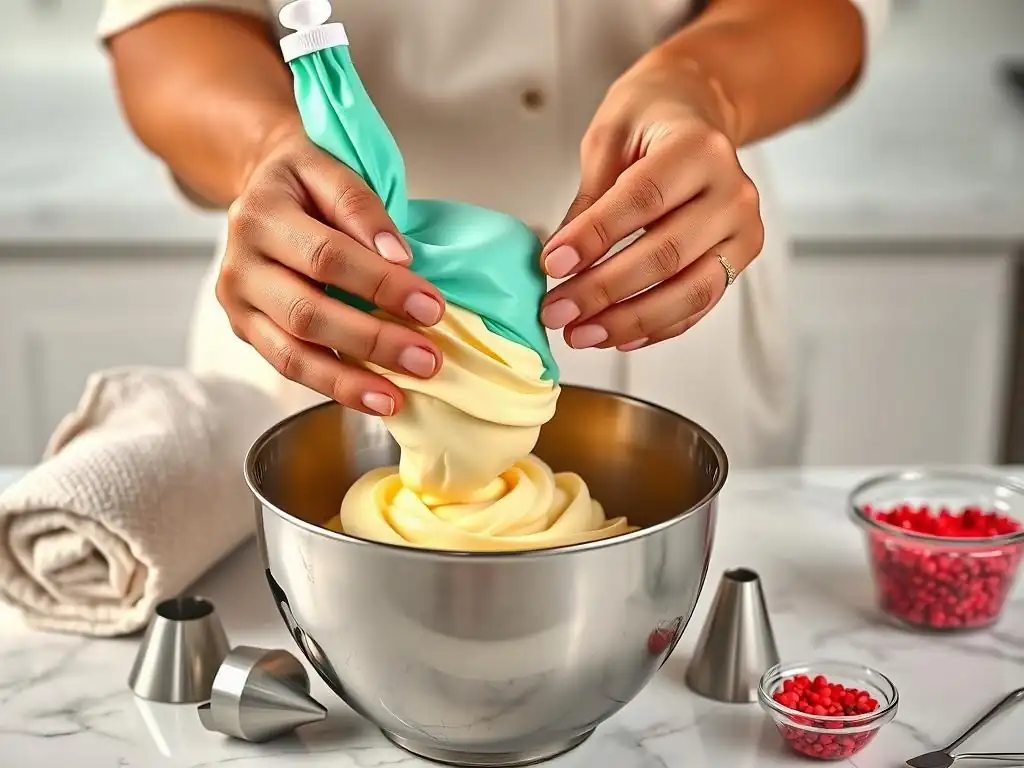
Using a reusable piping bag is a straightforward process once you understand the basics. This reusable piping bags tutorial guide will walk you through preparing, filling, and using your bag effectively. The key difference from disposable bags lies mainly in the preparation and post-use care.
Preparing Your Reusable Piping Bag for Frosting
Before adding any frosting, ensure your reusable piping bag is clean and completely dry. If you plan to use a piping tip, insert it into the narrow end of the bag.
If you are using a coupler, which allows you to change tips easily, place the inner ring of the coupler inside the bag, push it down until it's snug at the tip, and then twist on the outer ring to secure a tip. For bags without a pre-cut hole, you'll need to snip off the very end of the bag, just enough for the tip or coupler to fit snugly without falling out.
Filling the Reusable Piping Bag Correctly
Filling a reusable piping bag without making a mess requires a simple technique. Fold down the top edge of the bag to create a cuff. This cuff helps hold the bag open and keeps the top edge clean. Use a spatula to scoop your frosting or batter into the bag, aiming to fill it about two-thirds full. Avoid overfilling, as this makes the bag difficult to handle and control, and can cause frosting to spill out the top. Once filled, unfold the cuff and twist the top of the bag closed, pushing the frosting down towards the tip.
Piping Techniques with Reusable Bags: Tips and Tricks
With the bag filled and twisted shut, you're ready to pipe. Hold the twisted end firmly in your dominant hand, using your other hand to guide the bag. Apply steady, even pressure with your dominant hand to push the frosting through the tip. The amount of pressure and the movement of your guiding hand will determine the shape and size of your piped design. Practice is key; try piping simple lines and dots on parchment paper before working on your final product. Remember to release the pressure slightly before lifting the bag away to create clean stops.
Cleaning and Storing Reusable Piping Bags for Longevity
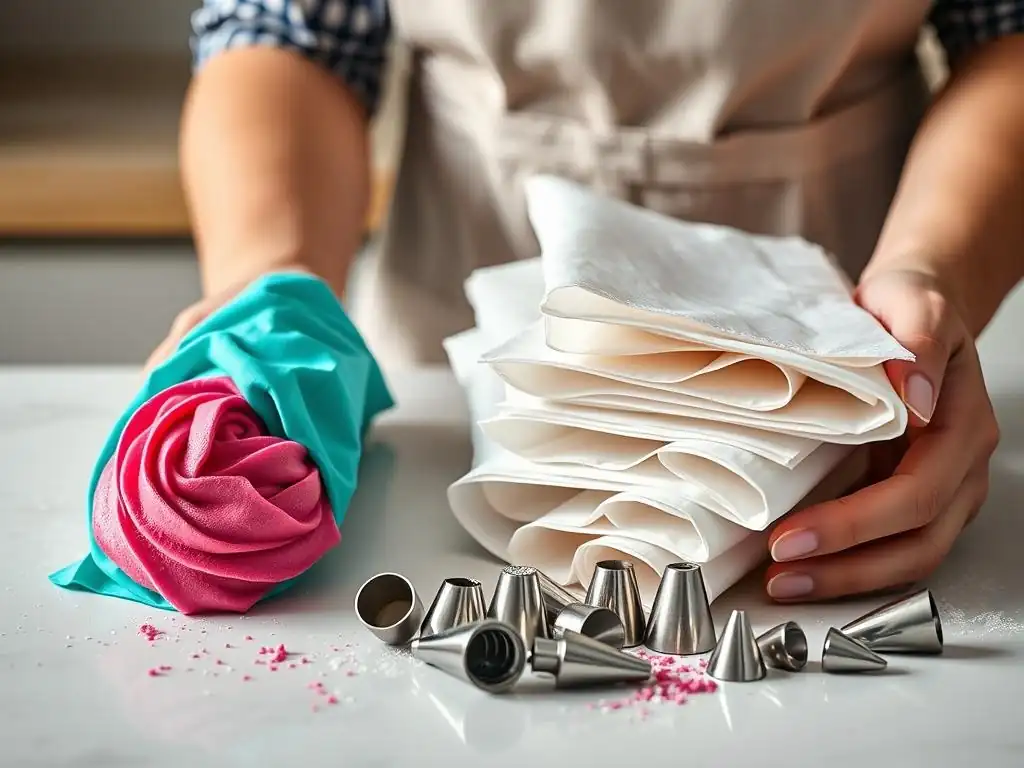
Proper cleaning is vital for the longevity and hygiene of your reusable piping bags. Immediately after use, scrape out as much excess frosting as possible with a spatula. Rinse the bag thoroughly under warm running water. For a more thorough clean, especially with greasy frostings, turn the bag inside out and wash it with hot soapy water, using a bottle brush or sponge to scrub away residue. Some reusable bags are top-rack dishwasher safe, but always check the manufacturer's instructions.
After washing, it is crucial to dry the bag completely to prevent mold or mildew. You can hang them upside down to air dry, or use a clean towel to dry the inside and outside. Once fully dry, store your reusable piping bags in a clean, dry place, such as a drawer or container, perhaps rolled up or folded neatly. Proper cleaning and storage are essential steps in any comprehensive reusable piping bags tutorial guide to ensure they are ready for your next baking project.
Disposable Piping Bags: A Convenient Option
Exploring Disposable Piping Bag Materials: Plastic and Parchment
Disposable piping bags are designed for single use and are typically made from lightweight plastic or, less commonly, parchment paper. Plastic disposable bags are the most widely available type. They come in various sizes and thicknesses, usually made from polyethylene. These bags are flexible, transparent (allowing you to see the contents), and relatively inexpensive, making them a popular choice for many bakers.
Parchment paper piping bags are a more traditional, and arguably more eco-friendly, disposable option. They are often made by folding a sheet of parchment paper into a cone shape. While not as durable as plastic bags for stiff frostings, they work well for melted chocolate, glazes, or thin icings and can be easily customized in size. This section of our guide explores these materials and their uses.
Advantages of Using Disposable Piping Bags: Convenience and Hygiene
The primary advantage of disposable piping bags is unparalleled convenience. After use, there is no cleaning required – you simply discard the bag. This saves considerable time and effort, especially when working with multiple colors or different types of frosting, or when baking in large quantities. For busy bakers or those who dislike the cleaning process, disposables are a clear winner.
Hygiene is another significant benefit. Because you use a fresh bag for each application (or discard it immediately after use), you eliminate the risk of cross-contamination between different ingredients or from improperly cleaned reusable bags. This is particularly important when working with ingredients that require strict hygiene, or when baking for individuals with allergies. The ease of use makes them ideal for a quick start guide to piping.
Disadvantages of Disposable Piping Bags: Cost and Environmental Impact
While convenient, disposable piping bags can be more expensive in the long run compared to a single reusable bag, especially for frequent bakers. A large box of disposable bags might cost $15-$30, but depending on your usage, you could go through that box relatively quickly, leading to recurring expenses. The cumulative cost over time can easily surpass the initial investment in a high-quality reusable bag.
The most significant drawback is their environmental impact. Made primarily from plastic, disposable piping bags contribute to plastic waste in landfills. While some might be recyclable depending on local facilities and whether they are cleaned (which defeats the convenience purpose), most end up as non-biodegradable trash. For environmentally conscious bakers, the waste generated by disposable bags is a major consideration.
Disposable Piping Bag Tutorial: A Quick Start Guide
Using a disposable piping bag is arguably simpler than using a reusable one, primarily because there's no pre-use cleaning or post-use storage to worry about. This quick start guide focuses on the essentials to get you piping quickly.
Setting Up Your Disposable Piping Bag
If you're using a piping tip, you'll first need to snip off the end of the disposable bag. Cut just enough so the tip (or the inner ring of a coupler) fits snugly without falling through. If you're not using a tip, you can skip this step for now and cut a hole of the desired size later, depending on the consistency of your filling and the effect you want. Ensure the cut is clean and straight for best results.
Filling Disposable Piping Bags Efficiently
Just like with reusable bags, the easiest way to fill a disposable bag is to fold down the top edge to create a cuff. This keeps the opening wide and helps prevent frosting from getting onto the outside of the bag where you'll hold it. Use a spatula to scoop your frosting, batter, or filling into the bag, filling it no more than two-thirds full. This prevents overfilling and makes the bag much easier to manage and control during piping.
Achieving Precise Piping with Disposable Bags
Once filled, unfold the cuff and twist the top of the bag to seal it. Gently push the filling down towards the tip. Hold the twisted end in your dominant hand, applying pressure, and guide the bag with your other hand. Disposable bags are typically very flexible, which can make controlling pressure slightly different than with stiffer reusable bags. Start with gentle pressure and increase as needed to achieve the desired flow. Their transparency can be helpful for seeing how much product is left.
Proper Disposal of Disposable Piping Bags: Environmental Considerations
While the convenience of disposable bags is undeniable, considering their end-of-life is important. Most disposable plastic piping bags are not easily recyclable, especially once they've been in contact with greasy frostings or food residues. Rinsing them might make them eligible for recycling in some areas, but this adds a cleaning step similar to reusable bags.
The most common method of disposal is placing them in the regular trash, where they will end up in a landfill. For bakers concerned about their environmental footprint, minimizing the use of disposable bags or exploring compostable alternatives (though less common and often less durable) are options. Understanding this impact is part of making an informed choice between reusable and disposable options.
Reusable vs. Disposable Piping Bags: A Detailed Comparison
Cost Analysis: Which Type of Piping Bag Saves You Money?
When comparing the cost of reusable versus disposable piping bags, it's essential to look beyond the initial purchase price. A single reusable bag might cost between $10 and $25, depending on size and material. A box of 100 disposable bags can range from $15 to $30. If you pipe infrequently, say a few times a year, the initial lower cost of disposable bags might seem appealing. However, if you bake and pipe regularly, perhaps weekly or even monthly, the recurring cost of buying disposable bags quickly adds up.
Let's consider an example: A hobby baker pipes once a month. They might use 1-2 disposable bags per session. Over a year, that's 12-24 bags. A box of 100 bags could last over four years, costing perhaps $20-$30 total. In this scenario, disposables are slightly cheaper initially.
However, a professional baker or frequent home baker might use 5-10 bags per week. Over a year, that's 260-520 bags, requiring 3-6 boxes of disposables, costing $45-$180 annually. A single $20 reusable bag would break even within the first year and represent significant savings thereafter. For anyone following a reusable piping bags tutorial guide for frequent use, the cost savings are clear.
Cleaning and Maintenance: The Effort Required for Each Type
This is where the most significant difference in effort lies. Disposable piping bags require zero cleaning; they are simply discarded after use. This saves considerable time and labor, especially when dealing with greasy or sticky substances or multiple colors.
Reusable piping bags, on the other hand, require thorough cleaning after every use. This involves scraping out excess frosting, washing with hot soapy water (often turning the bag inside out), rinsing, and then completely drying the bag to prevent mold. This process adds several minutes to your cleanup routine per bag used. If you use multiple reusable bags for a single project, the cleaning time can become substantial. This is a key factor to weigh when deciding if a reusable piping bags tutorial guide fits your lifestyle.
Environmental Impact: Making an Eco-Conscious Choice
From an environmental perspective, reusable piping bags are the clear winner. Made for durability and repeated use, they drastically reduce waste compared to disposable plastic bags. A single reusable bag can replace hundreds or even thousands of disposable bags over its lifespan, directly contributing to less plastic in landfills.
Disposable plastic piping bags are a source of single-use plastic waste. While some might be made from recyclable materials, food contamination often prevents them from being effectively recycled. Choosing reusable bags is a simple yet impactful way for bakers to reduce their environmental footprint and make a more sustainable choice in the kitchen.
Performance and Precision: Which Piping Bag Delivers Better Results?
The performance and precision capabilities of a piping bag depend more on the material and the user's technique than whether it's reusable or disposable. However, some material properties can influence the experience. Stiffer reusable bags (like heavy canvas) can offer more control for very thick or firm frostings, as they maintain their shape well under pressure.
Flexible bags, whether reusable silicone or disposable plastic, can be easier to maneuver for intricate work and fine details, as they conform more readily to your hand. Ultimately, achieving precise results comes down to mastering pressure control, tip selection, and piping technique, which are skills applicable regardless of the bag type. Both types can deliver excellent results when used correctly, but the feel and control can differ based on material and personal preference.
Durability and Longevity: How Long Will Your Piping Bag Last?
Disposable piping bags are designed for single use and have no longevity to speak of beyond the project at hand. Reusable piping bags, conversely, are built to last. A high-quality canvas or silicone bag, with proper care, can last for many years. Some bakers report using the same reusable bags for a decade or more.
The durability of a reusable bag depends on its material and construction. Heavy-duty materials and reinforced seams contribute to a longer lifespan. While they might show signs of wear or staining over time, this typically doesn't affect their function. Investing in a durable reusable bag is an investment in your baking toolkit that will serve you for countless projects. This longevity is a core benefit explored in any guide to reusable piping bags.
Choosing the Right Piping Bag for Your Baking Needs
Factors to Consider: Project Size, Frequency of Use, and Personal Preference
When deciding between reusable and disposable piping bags, several factors should guide your choice. Consider the size and complexity of your typical baking projects. Are you decorating a single cake or piping hundreds of cookies? Large, multi-color projects might benefit from the convenience of disposables to avoid constant washing.
Your frequency of use is perhaps the most significant factor for cost and environmental impact. If you pipe regularly, reusable bags offer long-term savings and reduced waste. If you only pipe occasionally, the initial cost and cleaning effort of a reusable bag might outweigh the benefits compared to grabbing a small pack of disposables when needed. Finally, personal preference plays a role – some bakers simply prefer the feel of one material over another, or find the cleaning of reusable bags manageable.
Different baking projects might lend themselves better to one type of bag or another. For decorating large cakes with multiple colors of buttercream, many bakers appreciate the speed and convenience of disposable bags, using a fresh bag for each color without pausing to wash.
For piping choux pastry or macaron batter, which can be quite thick, a sturdy reusable bag might be preferred for its durability and ability to handle pressure. When piping delicate details on cookies or creating intricate lattice work on tarts, the flexibility of a thinner bag (either disposable plastic or silicone reusable) might offer more control. Consider the consistency of your filling and the required pressure when making your selection for a specific project.
Beginner's Guide: Starting with Disposable or Reusable?
For beginners, both options have merit. Disposable bags offer a low-commitment entry point; you can experiment with piping techniques without worrying about cleaning. Their transparency also allows beginners to easily see how much frosting is left and how it's flowing. This quick start is appealing.
However, starting with a reusable piping bag can also be beneficial. It encourages good habits of cleaning and care from the outset and is more cost-effective if you plan to continue baking regularly. A good quality reusable bag can be a reliable tool as you develop your skills. Our reusable piping bags tutorial guide is designed to make starting with reusable bags easy and accessible for newcomers. Ultimately, the best starting point depends on your budget, environmental concerns, and willingness to tackle the cleaning process.
Intermediate Baking: Optimizing your Piping Bag Selection
As you move from beginner to intermediate baking, you might find that a combination of both reusable and disposable bags is the most efficient approach. Use durable reusable bags for frequently used techniques or large quantities of a single frosting, leveraging their cost-effectiveness and environmental benefits.
Keep a supply of disposable bags on hand for projects requiring multiple colors, small amounts of different fillings, or when time is of the essence. This hybrid approach allows you to optimize for convenience, cost, and sustainability depending on the specific demands of each baking project. Understanding when each type of bag is most advantageous is key to refining your intermediate piping skills.
Tips and Tricks for Successful Piping with Any Bag
Achieving Smooth Frosting with your Piping Bag
The key to smooth, lump-free frosting coming out of your piping bag starts with the frosting itself. Ensure your buttercream, ganache, or other frosting is well-mixed, smooth, and free of air bubbles before putting it into the bag. If your frosting is too stiff, it will be hard to pipe smoothly; if it's too soft, it might not hold its shape. Adjust the consistency as needed.
When filling the bag, avoid trapping air. Gently push the frosting down and twist the top firmly to eliminate air pockets. While piping, maintain steady, even pressure. If you notice an air bubble, stop piping, untwist the bag, push the frosting down again, and retwist to force the air out.
Preventing Air Bubbles in Your Piping Bag
Air bubbles are a common frustration when piping, leading to inconsistent flow and unsightly gaps in your design. The best way to prevent them is during the filling process. Fill the bag slowly, using a spatula to press the frosting against the inside wall of the bag as you go. This helps push out trapped air.
After filling, hold the bag upright and gently tap the tip end on your counter a few times. This helps any small bubbles rise to the top. Then, twist the top of the bag tightly and apply pressure until frosting starts to come out, which can also help expel air. If you encounter a bubble while piping, release pressure, squeeze the bag a bit to move the bubble up, and then resume piping.
Controlling Pressure for Consistent Piping
Consistent pressure is fundamental to achieving uniform piping results, whether you're piping stars, shells, or writing text. Hold the twisted end of the bag firmly in your dominant hand, using it to apply steady pressure. Your other hand should guide the tip.
Practice applying the same amount of pressure throughout a single line or shape. Too little pressure results in thin, weak lines; too much pressure can cause blowouts or overly large shapes. Start with gentle pressure and gradually increase until you achieve the desired flow. Remember that the consistency of your frosting will affect the required pressure. Stiffer frostings need more pressure than softer ones.
Using Couplers for Easy Tip Switching
Couplers are indispensable tools, especially when using multiple piping tips with the same color or type of frosting. A coupler consists of two parts: an inner ring and an outer ring. The inner ring is placed inside the piping bag before cutting the tip off. You then snip the bag just below the end of the inner ring.
To attach a tip, place the tip over the end of the inner ring from the outside of the bag, and then screw the outer ring over the tip, securing it in place. With a coupler, you can easily unscrew the outer ring, swap out the tip, and re-secure the outer ring without changing bags or emptying the frosting. This is particularly useful when following a reusable piping bags tutorial guide where you might want to demonstrate various tip effects.
Mastering Basic Piping Skills with BakeWithEase
Practice Exercises to Improve Piping Technique
Improving your piping skills requires practice and patience. Start with simple exercises using a basic round or star tip and a batch of practice frosting (even mashed potatoes or shortening can work!). Cover a flat surface, like a baking sheet lined with parchment paper, and practice piping straight lines, zigzags, dots, and swirls. Focus on maintaining consistent pressure and speed.
Once you feel comfortable with basic shapes, move on to borders like shells or ropes. These require more control over hand movement and pressure changes. Don't be discouraged if your first attempts aren't perfect; consistency comes with repetition. Dedicating even 10-15 minutes to practice regularly will significantly improve your control and confidence.
Common Piping Bag Mistakes and How to Avoid Them
Several common mistakes can frustrate new pipers. Overfilling the bag is a frequent error, making it hard to control and prone to bursting or leaking from the top. Always fill the bag no more than two-thirds full. Not twisting the top of the bag tightly enough is another issue, leading to frosting leaking from the wrong end. Twist the top firmly and keep it secure in your hand.
Using frosting that is too stiff or too soft will also cause problems; ensure your frosting consistency is suitable for piping. Air bubbles, as mentioned, disrupt the flow; take care when filling and tap out bubbles. Finally, inconsistent pressure is a major hurdle to smooth results; focus on applying steady pressure from your dominant hand. Being aware of these pitfalls, often covered in a reusable piping bags tutorial guide or general piping instructions, helps you avoid them.
Advanced Piping Techniques: Overpiping, Brush Embroidery, and Basket Weave
Once you've mastered the basics, you can explore more advanced piping techniques to elevate your decorating. Overpiping involves piping over a dried piped design to create dimension and depth, often used for intricate lace effects or raised patterns.
Brush embroidery is a delicate technique where you pipe a shape or line and then use a small, damp food-safe brush to feather or spread the frosting, creating a soft, embroidered look. Basket weave is created using a basket weave piping tip to build up a pattern of horizontal and vertical stripes that resembles a woven basket. These techniques require more control, practice, and often specific tips, showcasing the versatility unlocked by mastering piping bag use.
Conclusion: Your Ultimate Piping Bag Guide
Recap of Reusable and Disposable Piping Bag Benefits
Both reusable and disposable piping bags have distinct advantages. Reusable bags are cost-effective over time, environmentally friendly, and durable, representing a sound long-term investment for frequent bakers. A reusable piping bags tutorial guide can help you make the most of their longevity.
Disposable bags offer unparalleled convenience and hygiene, saving time on cleanup and reducing the risk of cross-contamination, making them ideal for quick projects or multi-color work. Understanding the benefits of each helps you choose the best tool for the job at hand.
Encouragement to Experiment and Find Your Perfect Piping Style
Ultimately, the choice between reusable and disposable piping bags, or using a combination of both, is a personal one based on your baking habits, priorities, and preferences. We encourage you to experiment with both types to see which feels most comfortable and effective for you.
Don't be afraid to try different materials of reusable bags or different brands of disposables. Practice your techniques regularly, regardless of the bag type you choose. With the right tools and dedication, you'll be well on your way to mastering piping and creating beautiful, delicious baked goods with BakeWithEase!
Frequently Asked Questions
### What are the main advantages of using reusable piping bags as opposed to disposable ones?
Reusable piping bags are more eco-friendly and often more durable, allowing for more consistent pressure and control when decorating. They are also cost-effective in the long run.
### How do I properly clean a reusable piping bag to prevent bacteria growth?
Thoroughly rinse the bag with hot, soapy water immediately after use. You can also use a bottle brush to reach all areas and ensure proper sanitation, then air dry completely.
### What materials are reusable piping bags typically made from, and which is the best for different baking tasks?
They're commonly made from silicone, nylon, or coated cotton. Silicone is generally best for heat resistance and ease of cleaning, while nylon offers durability.
### Can I use different piping tips with a reusable piping bag, and how do I attach them securely?
Yes, most reusable piping bags are compatible with standard piping tips. Use a coupler to securely attach the tip to the bag, allowing for easy swapping of tips.
### How long can a well-maintained reusable piping bag typically last with regular use?
With proper care and cleaning, a high-quality reusable piping bag can last for several years, making it a sustainable and long-term investment for bakers.
Final Reflection: The Sweet Sustainability of Piping Bags
The choice between reusable and disposable piping bags isn't just about convenience; it's a reflection of our commitment to sustainable practices in the kitchen and beyond. The rising awareness of environmental impact is pushing us to reconsider even the smallest details of our daily lives, and the humble piping bag is no exception. This shift towards mindful consumption is crucial for a healthier planet.
This exploration into the world of piping bags has highlighted the significant difference between the seemingly insignificant act of choosing one over the other. The convenience of disposables is undeniable, but the cumulative environmental cost is substantial. Reusable bags, while requiring a slightly steeper initial investment and a commitment to proper cleaning, offer a far more sustainable alternative in the long run. As the saying goes, We do not inherit the earth from our ancestors, we borrow it from our children.
This simple truth underscores the responsibility we have to minimize our environmental footprint, even in seemingly small ways like choosing our baking supplies.
Consider the impact of your next baking project. Will you opt for the fleeting convenience of disposable piping bags, or will you embrace the long-term benefits – both environmental and economic – of a reusable option? You have the power to make a difference, one piping bag at a time. By consciously choosing reusable alternatives, you're not just creating beautiful pastries; you're contributing to a more sustainable future, one delicious creation at a time.
Unleash Your Inner Pastry Chef!
Thanks for exploring the world of piping bags with us! We hope you now feel confident in choosing the right tool for your baking adventures. Ready to get started?
- Master the perfect swirl: Practice your piping techniques with your favorite frosting – the results will be deliciously rewarding!
- Share your creations: Post a picture of your piped masterpiece on social media and tag us – we'd love to see your baking brilliance!
- Explore new recipes: Challenge yourself with a new dessert that utilizes piping techniques, pushing your baking skills to the next level.
What exciting treats will you create with your newfound piping bag expertise?