
Why European Butter is Often Preferred for Croissants

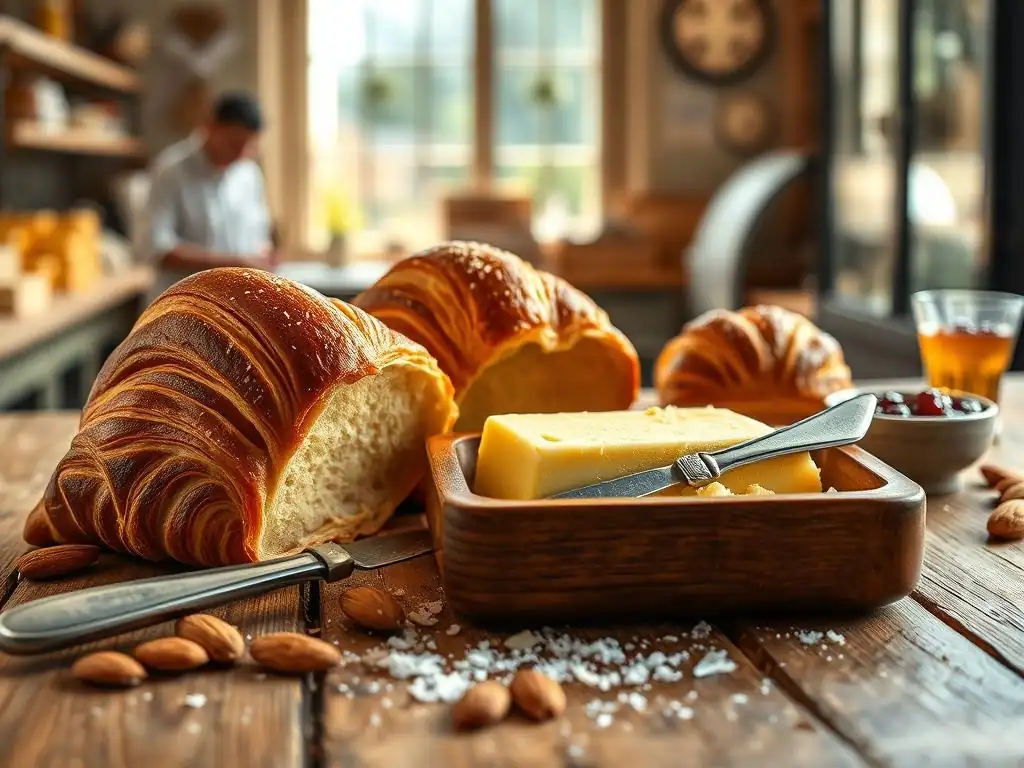
Welcome to BakeWithEase, your trusted guide to the delightful world of baking! Ever wondered why some croissants achieve that perfect, melt-in-your-mouth texture while others fall flat? The secret might just lie in the butter. We're diving deep into the nuances of using European butter in our exquisite European butter croissants recipe, revealing why it's often preferred and how it can elevate your baking to new heights. Prepare to unlock the secrets of flaky perfection – let's get baking!
- Why European Butter is Often Preferred for Croissants: A BakeWithEase Guide
- Understanding the Role of Butter in Croissant Baking
- What Makes European Butter Different?
- Flavor Profile: Exploring the Taste of European Butter in Croissants
- European Butter vs. American Butter for Croissant Recipes: A Comparison
- Mastering the European Butter Croissants Recipe
- Troubleshooting Common Croissant Baking Problems with European Butter
- Beyond Croissants: Other Uses for European Butter in Baking
- Conclusion: Elevate Your Croissant Baking with European Butter
- Frequently Asked Questions
- Final Reflection: The Golden Ratio of Butter and Croissant Perfection
- Unleash Your Inner Boulanger: Elevate Your Baking!
Why European Butter is Often Preferred for Croissants: A BakeWithEase Guide
Understanding the Role of Butter in Croissant Baking
The Importance of High-Quality Butter for Croissant Dough
High-quality butter is absolutely fundamental to achieving the iconic texture and flavor of a classic croissant. It's not just an ingredient; it's a structural component. The butter is incorporated into the dough through a process called lamination, where layers of dough and butter are folded repeatedly.
This creates dozens, sometimes even hundreds, of thin layers. During baking, the water in the butter turns to steam, which forces these layers apart, resulting in the characteristic flaky, airy interior and crispy exterior. Poor quality butter, or butter with inconsistent composition, can lead to uneven layers, leakage during baking, and a less desirable final product.
Beyond its structural role, the butter contributes significantly to the richness and overall flavor profile of the croissant. Butter contains milk solids and fat, both of which carry flavor compounds. The quality of the milk used to make the butter, the cow's diet, and the churning process all influence the final taste. Using butter with a clean, rich flavor ensures that this essential taste is infused throughout every layer of your European butter croissants recipe, elevating it from good to exceptional. A high-quality butter provides a foundational richness that cheaper alternatives simply cannot replicate.
How Butter Affects Croissant Texture and Flavor
The texture of a perfect croissant is a delicate balance: shatteringly crisp on the outside, incredibly light and airy on the inside with distinct, thin layers. This texture is directly dependent on how the butter behaves during lamination and baking. Butter with the right consistency allows for easy rolling and folding without breaking through the dough layers.
Crucially, it needs to have a melting point that allows it to remain solid during the initial stages of lamination at cool temperatures but melt and steam effectively in the hot oven. If the butter melts too quickly during preparation, it can be absorbed into the dough rather than creating distinct layers, resulting in a bread-like, dense texture instead of flakiness.
Furthermore, the specific composition of the butter, particularly its fat and water content, plays a vital role in both texture and flavor. Butter is primarily fat, but it also contains water and milk solids. The ratio of these components affects how the butter laminates and bakes. Higher fat content means less water.
Less water means less steam is generated, but also less opportunity for the butter to be absorbed prematurely into the dough. This results in clearer layer separation and a more defined flaky structure. The milk solids contribute to browning and flavor development during baking, adding depth to the rich taste that is characteristic of a well-made European butter croissants recipe.
What Makes European Butter Different?
Higher Butterfat Content: The Key to Flaky Croissants
One of the primary distinctions of European butter compared to its American counterpart is its significantly higher butterfat content. While typical American butter is legally required to have at least 80% butterfat, European butter generally contains 82% butterfat or even higher, sometimes reaching 84% or 85%.
This difference of just a few percentage points might seem small, but it has a profound impact on baking, especially in laminated doughs like those used for croissants. The extra fat provides increased plasticity and a smoother consistency when cold, making it easier to create those ultra-thin, uniform layers during the rolling and folding process.
This elevated fat content also means there is less water in European butter compared to American butter. For example, a stick of 80% butterfat American butter contains about 17-18% water, whereas a stick of 84% butterfat European butter contains only about 13-14% water. This lower water content is crucial for preventing the butter from melting and being absorbed into the dough too quickly during lamination, especially in warmer kitchen environments. It helps maintain the integrity of the butter layers, which is absolutely essential for achieving that signature airy, flaky structure in your homemade European butter croissants recipe.
Examining the Fat Content in European vs. American Butter
Let's look at the numbers more closely. Standard American butter typically clocks in right at the 80% butterfat minimum. Some premium American brands or those marketed as "European-style" might have slightly higher fat content, perhaps 81% or 82%, but this isn't the norm for what you'd find labeled simply as "butter" in most US supermarkets. Conversely, butter produced in many European countries adheres to different standards. French butter, for instance, often has a minimum of 82% butterfat. Cultured butters from regions known for their dairy, like Normandy in France or Ireland, frequently exceed this, reaching 83% or 84%.
This difference in composition isn't just about fat; it also impacts the proportion of milk solids. Since the total composition of butter is roughly fat + water + milk solids, a higher fat percentage means lower percentages of water and milk solids combined.
However, the ratio between water and milk solids can also vary based on production methods. The key takeaway for baking laminated doughs is that the higher fat percentage of European butter provides a more stable, pliable fat layer that is less prone to breaking or melting during the demanding process of creating a European butter croissants recipe.
The Impact of Butterfat on Croissant Lamination
Lamination is the heart of croissant making, the process where alternating layers of dough and a solid block of butter are created through repeated rolling and folding. The success of this process hinges significantly on the butter's consistency and melting point, both of which are tied to its butterfat content. Butter with higher fat content, like European butter, stays more pliable yet firm at refrigerator temperatures compared to lower-fat American butter. This makes it easier to roll out thinly and evenly without cracking or becoming too hard and breaking through the dough.
As the dough and butter layers are rolled thinner and thinner, the increased plasticity of high-fat butter allows it to spread without tearing. During the folds (like the common "book fold" or "letter fold"), the butter layers are stacked, creating potentially dozens or even hundreds of very thin layers.
If the butter is too soft (due to low fat or warm temperature), it can squeeze out the sides or meld into the dough, destroying the distinct layers. The higher fat content of European butter helps it maintain its structure and separation from the dough throughout this intricate process, directly contributing to the impressive rise and countless flaky layers of a finished European butter croissants recipe.
Flavor Profile: Exploring the Taste of European Butter in Croissants
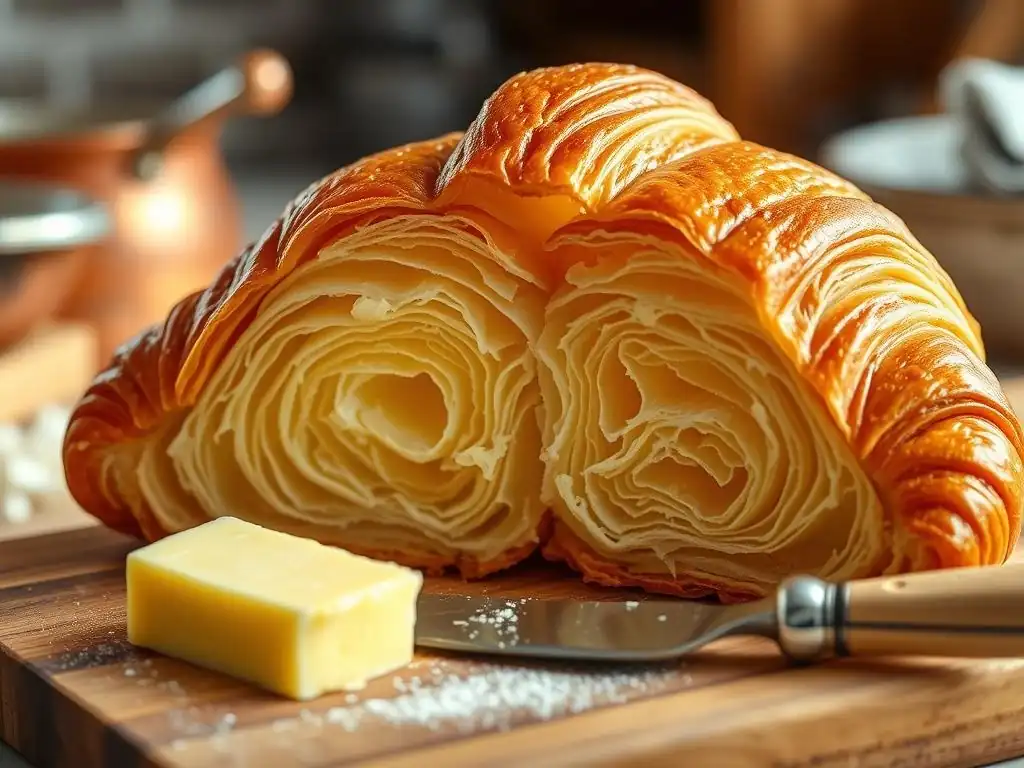
The Rich and Complex Flavor of European Butter
Beyond its structural benefits, European butter often possesses a more complex and richer flavor profile than standard American butter. This is partly due to the higher butterfat content, as fat carries flavor. But it's also frequently a result of different production methods, particularly the use of cultured cream. Many European butters are made from cream that has been cultured with bacteria before churning. This culturing process develops lactic acid, which imparts a slightly tangy, nutty, and more pronounced dairy flavor compared to uncultured sweet cream butter typical in the US.
This deeper, more nuanced flavor profile translates directly into the finished croissant. As the butter melts during baking, its flavor permeates the surrounding dough layers. The rich, often slightly tangy notes of cultured European butter add a layer of complexity that complements the sweetness of the dough and the caramelization that occurs on the crust. This distinct taste is a significant reason why bakers aiming for an authentic European butter croissants recipe often insist on using butter from regions known for their cultured butter, as it provides that quintessential rich, buttery flavor that defines a great croissant.
How European Butter Enhances the Croissant's Aroma
The aroma of freshly baked croissants is one of life's simple pleasures, and European butter plays a key role in creating that intoxicating scent. As the fat in the butter heats in the oven, it releases aromatic compounds. High-quality butter made from good cream, especially cultured varieties, contains a higher concentration of flavor precursors that develop into complex aromas when heated. The higher fat content also means there's more of these aromatic compounds present in each layer.
When you pull a batch of European butter croissants from the oven, the air fills with the scent of warm, rich dairy, often with subtle nutty or caramelized notes depending on the specific butter used. This aroma is more pronounced and layered compared to croissants made with lower-fat, uncultured butter, which might smell simply "buttery" but lack the depth. For anyone striving to replicate the experience of a Parisian patisserie at home, using authentic European butter is essential not just for texture, but for capturing that signature, irresistible aroma that promises a truly delicious bite.
Beurre d'Isigny, Échiré, and President: Flavor Profiles Compared
Specific European butter brands offer distinct flavor profiles that bakers often choose based on the desired outcome for their European butter croissants recipe. Beurre d'Isigny, from the Isigny-sur-Mer region of Normandy, France, is a PDO (Protected Designation of Origin) butter known for its vibrant yellow color (due to carotene from the region's pastures) and rich, creamy, slightly nutty flavor. It's often cultured, adding a pleasant tang.
Échiré, another PDO butter from the Poitou-Charentes region of France, is prized for its exceptional quality, smooth texture, and delicate, clean, yet intensely buttery flavor. It's often described as having notes of hazelnut and fresh cream.
In contrast, brands like President, while widely available and often higher in fat than standard American butter (typically 82%), offer a more consistent, generally less complex flavor profile than artisanal PDO butters like Isigny or Échiré. President butter is usually made from cultured cream, providing that signature tang, but its flavor can be less nuanced than butters from specific terroirs. Experimenting with these different brands in your European butter croissants recipe can reveal subtle but noticeable differences in the final taste and aroma, allowing you to find the butter that best suits your preference.
European Butter vs. American Butter for Croissant Recipes: A Comparison
Comparing Butterfat Content, Flavor, and Texture
The most significant difference between European and American butter for baking, particularly for laminated doughs like croissants, lies in butterfat content. As previously noted, European butter typically has 82% or more butterfat, while American butter has a minimum of 80%. This difference impacts both the handling properties of the butter during lamination and the final texture of the baked good. Higher fat means less water, leading to clearer layers and a flakier result.
Flavor is another key differentiator. Many European butters are cultured, giving them a more complex, often tangy, and pronounced dairy flavor than the sweet cream flavor typical of most American butters. While some American brands now offer cultured or high-fat "European-style" butters, the standard American butter lacks this depth.
In terms of texture, croissants made with European butter tend to be significantly flakier and lighter due to the superior lamination achieved with higher fat content. Croissants made with standard American butter can sometimes be more bread-like or dense, with less distinct layers, although skilled bakers can still achieve good results.
Analyzing the Performance of Different Butters in Croissant Dough
When used in a European butter croissants recipe, the performance of different butters becomes evident during the lamination process. Standard American butter, with its lower fat and higher water content, can be more challenging to work with. It tends to be harder when cold but softens more quickly at room temperature, increasing the risk of melting into the dough during rolling and folding. This can lead to "butter bleed" where the butter leaks out, or to the butter layers integrating too much with the dough, resulting in a less flaky texture.
High-fat European butter, on the other hand, remains pliable yet firm over a slightly wider temperature range. This makes the crucial steps of rolling and folding easier and more forgiving. The higher plasticity allows the butter block to be incorporated smoothly into the dough and rolled out into incredibly thin, even layers without cracking or melting prematurely. This superior handling capability directly translates to more successful lamination, fewer troubleshooting issues, and ultimately, a lighter, airier, and more consistently flaky European butter croissants recipe compared to using standard American butter.
Cost Considerations: Is European Butter Worth the Investment?
It's true that European butter, especially imported artisanal varieties, generally costs more than standard American butter. The price difference can range from 20% to upwards of 50% or even more per pound, depending on the brand and where you live. For a recipe that requires a significant amount of butter, like a batch of croissants (often calling for 1-2 sticks or more just for lamination), this added cost is noticeable.
However, many serious home bakers and professionals argue that the investment is well worth it for a European butter croissants recipe. The superior handling properties of high-fat European butter can make the lamination process significantly easier and increase the likelihood of success, especially for those still honing their technique. Furthermore, the enhanced flakiness, lighter texture, and richer flavor achieved with European butter often justify the higher price point for those seeking the closest possible approximation of a high-quality bakery croissant. For special occasions or when you truly want to elevate your baking, the benefits often outweigh the extra cost.
Mastering the European Butter Croissants Recipe
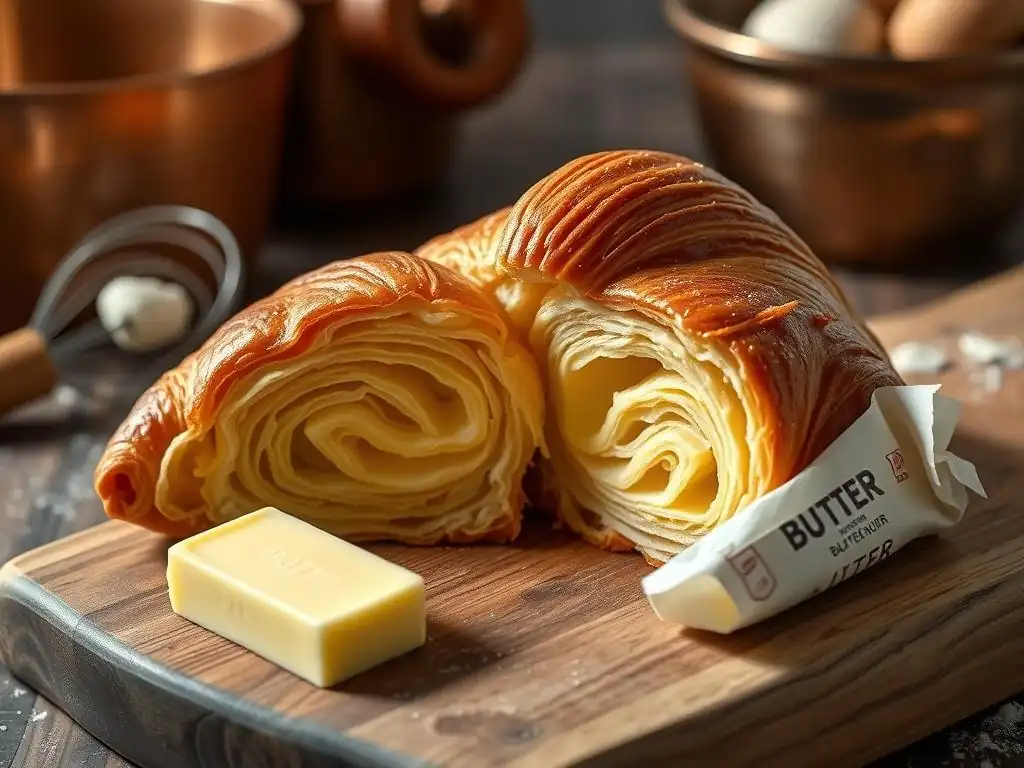
Choosing the Right European Butter for Your Recipe
Selecting the appropriate European butter is a key step in mastering a European butter croissants recipe. Look for butter specifically labeled as having at least 82% butterfat. Common brands available in many areas include Kerrygold (Irish, typically 82%), Plugrá (American-made but high-fat, 82%), and various imported French butters like President (82%), Isigny Ste-Mère (often 82%+), or Échiré (often 82%+). Cultured butters will offer a tangier, more complex flavor, while uncultured high-fat butters will provide a clean, rich taste.
Consider the specific characteristics you value most. For ease of lamination and maximum flakiness, any butter with 82% butterfat or higher will perform well. If you're seeking a specific flavor profile, explore cultured butters or those from renowned dairy regions. While artisanal butters like Isigny or Échiré offer exceptional flavor and texture, they are also the most expensive. For many home bakers, a readily available high-fat option like Kerrygold or Plugrá provides a significant improvement over standard American butter at a more accessible price point, making it a great starting point for your European butter croissants recipe journey.
Step-by-Step Guide: Incorporating European Butter into Croissant Dough
Incorporating European butter into your croissant dough is a precise process requiring attention to temperature. After making your initial dough and chilling it, you'll prepare the butter block. This involves shaping the cold butter (often by pounding it gently or rolling it between parchment paper) into a flat rectangle, typically half the size of your rolled-out dough rectangle. The butter should be cold but pliable – flexible enough to bend slightly without breaking, but not soft or greasy. Aim for a temperature around 50-55°F (10-13°C).
You'll then enclose the butter block within the dough, folding the dough edges over the butter like an envelope. The key lamination steps follow, involving repeatedly rolling the dough/butter packet into a long rectangle and folding it (e.g., a triple fold or 'letter' fold, creating 3 layers, or a book fold, creating 4 layers).
After each fold, the dough must be rotated and thoroughly chilled for 30-60 minutes to allow the gluten to relax and the butter to re-solidify. This process is typically repeated 3 or 4 times, building up dozens of butter and dough layers, which is fundamental to a successful European butter croissants recipe.
Tips for Working with High-Fat Butter in Croissant Baking
Working with high-fat European butter for croissants requires careful temperature management. Here are some tips:
- Keep Everything Cold: Your dough, butter, and even your work surface should be kept cool. Use a marble surface if you have one, or consider placing a baking sheet in the freezer beforehand to work on.
- Butter Pliability is Key: The butter block should be firm but pliable, not hard as a rock or greasy. If it's too hard, it will crack; if too soft, it will melt into the dough. Aim for a temperature where it bends without breaking. If your butter is too cold, gently pound it with a rolling pin to soften it slightly before shaping.
- Chill, Chill, Chill: Don't rush the chilling steps between folds. Adequate chilling is crucial for the butter to firm up and the dough's gluten to relax, preventing shrinkage and making subsequent rolling easier. A typical rest is 30-60 minutes in the refrigerator after each fold.
- Roll Evenly: Apply steady, even pressure with your rolling pin to roll the dough and butter uniformly. Avoid pressing down too hard in one spot, which can push the butter through the layers.
- Trim Edges: Before folding, you can lightly trim the edges of the dough rectangle to ensure clean layers and prevent butter leakage from the sides.
- Handle Gently: Throughout the process, handle the dough gently to avoid overworking the gluten, which can make the dough tough and less likely to laminate properly.
Following these tips will significantly improve your success rate when attempting a European butter croissants recipe, helping you achieve those perfect flaky layers.
Troubleshooting Common Croissant Baking Problems with European Butter
Preventing Butter Leakage During Lamination
Butter leakage, often called "butter bleed," during lamination is a common frustration when making croissants, even with high-fat European butter. It occurs when the butter becomes too soft and escapes the dough layers during rolling or folding. The primary culprit is usually temperature. If your kitchen is too warm, or if you haven't chilled the dough and butter sufficiently between folds, the butter will melt. Overworking the dough or applying uneven pressure while rolling can also force butter out.
To prevent leakage:
- Ensure your butter block is the correct consistency – pliable but firm, not soft.
- Work quickly, especially during rolling.
- Return the dough to the refrigerator immediately if the butter starts to feel too soft or if you see any signs of melting. Don't skip or shorten the chilling times between folds; they are essential.
- Ensure your dough doesn't have holes or weak spots where the butter can escape.
- Roll gently and evenly, applying consistent pressure across the surface.
Achieving Optimal Rise and Flakiness with European Butter
Achieving that signature airy rise and delicate flakiness in a European butter croissants recipe depends on successful lamination and proper proofing. If your croissants are dense or lack layers, it's likely an issue with how the butter was incorporated or how the dough was handled. Insufficient chilling, butter that was too soft during lamination, or uneven rolling can all lead to merged layers rather than distinct ones.
To maximize rise and flakiness:
- Master the lamination process, ensuring your butter stays cold and separate from the dough layers.
- Ensure your dough is rolled to the correct thickness before shaping.
- Properly shape the croissants, ensuring the layers aren't squashed and the seam is sealed.
- Crucially, proof the croissants correctly. Proofing allows the yeast to produce gas, causing the dough to expand. It also softens the butter slightly, preparing it for the oven spring. Over-proofing can cause the structure to collapse, while under-proofing won't allow for maximum expansion. Proof until the croissants are visibly puffy and jiggly, but the layers are still distinct.
Managing Dough Temperature and Adjusting Proofing Time
Temperature control is paramount throughout the entire European butter croissants recipe process. The dough itself needs to be kept cool during mixing and especially during lamination. Ideal dough temperature during rolling and folding is typically between 50-60°F (10-16°C). If the dough gets too warm, the butter will melt, and the gluten will become too elastic and difficult to roll. Use the refrigerator frequently to keep everything cool.
Proofing temperature also significantly impacts the outcome. Croissants are typically proofed in a warm, humid environment, ideally around 75-80°F (24-27°C). However, the duration of proofing is highly variable depending on the temperature and humidity. It can take anywhere from 1.5 to 3 hours or even longer.
Watch the croissants, not the clock. They are ready when they have nearly doubled in size, look puffy, and the layers are visible but feel fragile. If proofing in a warmer spot, they will proof faster; in a cooler spot, they will take longer. Proper temperature management at every stage is key to a successful European butter croissants recipe.
Beyond Croissants: Other Uses for European Butter in Baking
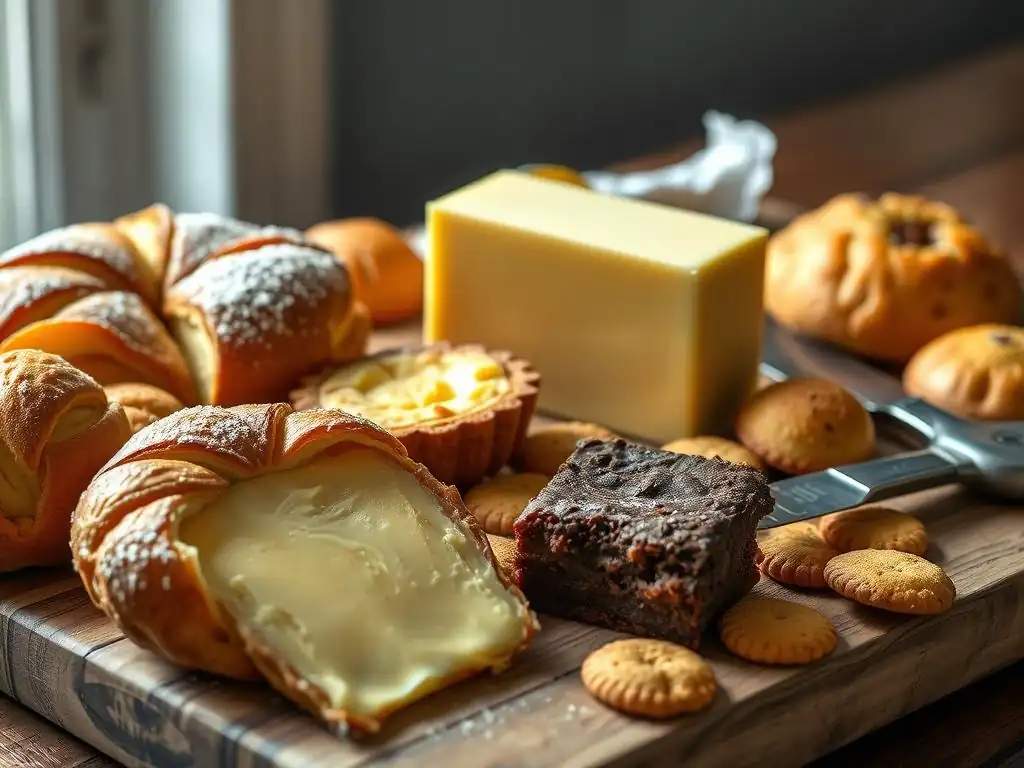
Enhancing Flavor in Pastries and Breads
The rich flavor and higher fat content of European butter make it a fantastic ingredient for a wide variety of pastries and breads, not just a European butter croissants recipe. In enriched doughs like brioche or challah, using European butter adds a depth of flavor and tenderness that is hard to achieve with standard butter. The extra fat contributes to a softer crumb and a more luxurious mouthfeel.
For pastries like tarts or danishes, where butter is a prominent flavor component, European butter shines. Its complex dairy notes elevate the overall taste profile. Even in simpler applications like spreading on a warm slice of bread or melting over pancakes, the superior flavor of cultured European butter is noticeable and adds a touch of indulgence. Using high-quality butter is a simple way to improve the flavor of almost any baked good.
Using European Butter for Rich and Decadent Cakes
While butterfat content isn't as critical for structure in most cakes as it is in laminated doughs, the flavor contribution of European butter can significantly enhance a cake's richness and decadence. In recipes that rely heavily on butter for flavor and moisture, such as pound cake, butter cakes, or even simple buttercreams, using high-quality European butter imparts a cleaner, richer, and more pronounced buttery taste.
The slightly different melting properties due to the higher fat content can also subtly affect cake texture, sometimes contributing to a more tender crumb. However, the primary benefit in cake baking is the superior flavor. If you're making a special occasion cake or simply want to elevate your everyday baking, substituting European butter for standard butter in your favorite cake recipe is a simple way to add a layer of richness and complexity.
European Butter in Puff Pastry, Shortbread, and Viennoiserie
European butter is the gold standard for many types of baking beyond just a European butter croissants recipe, particularly other laminated doughs and high-fat pastries. Puff pastry, which relies on lamination for its dramatic rise and flakiness, benefits immensely from the higher fat content and plasticity of European butter, just like croissants. The butter creates hundreds of thin layers that separate in the oven, resulting in an incredibly light and airy pastry.
Shortbread, a cookie defined by its high butter content and crumbly texture, is another ideal candidate for European butter. The rich flavor is front and center, and the higher fat contributes to a wonderfully tender and melt-in-your-mouth texture. Other Viennoiserie (enriched, laminated dough pastries) like pain au chocolat, danishes, or kouign amann also rely on the same principles as croissants, making high-fat European butter the preferred choice for achieving optimal texture and flavor. Essentially, any recipe where butter is a primary component or structural element will likely be improved by using high-quality European butter.
Conclusion: Elevate Your Croissant Baking with European Butter
Summarizing the Benefits of Using European Butter
Choosing European butter for your European butter croissants recipe offers several distinct advantages that contribute to a superior final product. The most significant benefit is its higher butterfat content (typically 82%+ compared to 80% in American butter). This results in less water, which improves the butter's handling during lamination, making it more pliable yet stable. This leads to more successful layering, less butter bleed, and ultimately, a significantly flakier, lighter texture in the baked croissant.
Beyond texture, European butter, particularly cultured varieties, provides a richer, more complex flavor profile. This deeper, often slightly tangy, dairy taste permeates the many layers of the croissant, creating a more delicious and authentic experience. While European butter may cost more, the enhanced ease of working with it and the superior texture and flavor it imparts make it a worthwhile investment for anyone serious about mastering the art of the European butter croissants recipe and achieving bakery-quality results at home.
Encouraging Experimentation with Different Butter Varieties
While we've highlighted the benefits of European butter, don't hesitate to experiment with different brands and types within the European category, and even compare them directly with high-quality American-made high-fat butters. As discussed, brands like Isigny, Échiré, President, Kerrygold, and Plugrá each have slightly different characteristics in terms of flavor and handling. Trying a few different ones in separate batches can help you discover which butter produces the results you personally prefer in your European butter croissants recipe.
Consider trying a side-by-side comparison if you're feeling adventurous! Make two smaller batches of dough and laminate them with different butters. Pay attention to how the butter handles during rolling and folding, how the dough proofs, and finally, how the baked croissants look, feel, and taste. This hands-on experimentation is one of the best ways to deepen your understanding of ingredients and truly master your baking skills.
Your Path to Perfect, Flaky Croissants Starts Here
Embarking on the journey of making croissants from scratch is a rewarding challenge, and selecting the right ingredients is a crucial first step. Understanding why European butter is preferred for its butterfat content, handling properties, and superior flavor is key to unlocking the secrets of a truly exceptional European butter croissants recipe. While the process requires patience and practice, armed with the right butter and a solid technique, you are well on your way to achieving those coveted golden, flaky, and incredibly delicious homemade croissants.
Don't be discouraged if your first attempts aren't perfect. Croissant making is a skill that improves with practice. Focus on temperature control, gentle handling, and consistent lamination. By choosing high-quality European butter and following the steps carefully, you are giving yourself the best possible chance for success. So, grab your rolling pin, find some great butter, and start baking – your path to perfect, flaky European butter croissants begins now!
Frequently Asked Questions
Why is European butter often recommended for croissant recipes?
European butter generally has a higher butterfat content than American butter. This higher fat percentage contributes to a richer flavor and flakier texture in croissants.
What makes the flavor of European butter different?
The difference in flavor stems from factors like cow breed, diet, and churning process. These elements influence the fatty acid composition and overall taste profile of the butter.
Is it absolutely necessary to use European butter for a good croissant?
No, it's not absolutely necessary, but it will influence the outcome. While you can use American butter, the resulting croissant may not have the same rich flavor and flakiness.
Where can I find European butter?
European butter is usually available at specialty grocery stores, some larger supermarkets, and sometimes even online retailers. Look for labels indicating a high butterfat content.
What are some alternative ingredients if I can't find European butter?
If you can't find European butter, consider using a high-quality American butter with the highest butterfat content you can find. You can also try using a blend of butter and shortening to increase flakiness.
Final Reflection: The Golden Ratio of Butter and Croissant Perfection
The quest for the perfect croissant often leads down a buttery path, and the journey highlights a fascinating truth: the type of butter significantly impacts the final product. European butter, with its higher butterfat content and unique production methods, consistently delivers a superior croissant experience, a testament to the power of quality ingredients. This isn't just about taste; it's about understanding the intricate relationship between ingredient quality and culinary excellence.
The preference for European butter in high-end croissant making speaks volumes about the enduring influence of tradition and craftsmanship on our culinary landscape. It's a reminder that seemingly small details—the percentage of butterfat, the churning process, even the grazing pastures of the cows—can have a profound impact on the final result. The best things in life are simple, but not easy.
This quote perfectly encapsulates the dedication required to create truly exceptional croissants, a dedication that begins with the selection of the finest ingredients.
Now, armed with this knowledge, I invite you to embark on your own croissant journey. Don't just follow a recipe; understand the why behind each ingredient. Experiment with different butters, paying attention to the subtle nuances in flavor and texture. The pursuit of the perfect croissant is a rewarding one, a testament to your dedication and a celebration of the simple yet profound pleasure of a perfectly flaky, buttery pastry. The journey itself, filled with experimentation and discovery, is as valuable as the delicious outcome.
Unleash Your Inner Boulanger: Elevate Your Baking!
Thanks for joining us on this buttery journey through the world of croissants! We hope you now have a deeper appreciation for the nuances of European butter and its impact on this classic pastry. Ready to put your new knowledge into practice?
- Bake a batch of croissants using European butter: The true test is in the tasting! Notice the difference the higher butterfat content makes in flavor and texture.
- Share your baking triumphs (or challenges!) on social media: Use #BakeWithEaseButterChallenge and tag us—we'd love to see your creations!
- Explore our collection of butter-rich recipes: Discover more delicious possibilities waiting to be baked.
What unique techniques will you try to perfect your croissant game?