
Hooch Happens: What That Liquid on Your Starter Means (And What To Do)

Welcome to BakeWithEase, your partner in conquering the delicious world of baking! Seeing a strange liquid pooling on top of your sourdough starter? Don't panic! Hooch happens, and it's more common than you think. Dive in to learn what that liquid actually means, and discover expert tips on how to troubleshoot your sourdough starter liquid problems and get back to baking beautiful, tangy loaves. Curious to know if it's a sign of life, or a baking emergency? Let's find out!
- Sourdough Starter Liquid: Understanding and Managing "Hooch"
- Understanding Liquid Separation in Your Sourdough Starter
- Identifying Hooch: Different Types and Colors
- Is Hooch in My Sourdough Starter a Bad Sign?
- What to Do About Hooch in Your Sourdough Starter: A Step-by-Step Guide
- Feeding Your Sourdough Starter After Hooch Formation
- Preventing Hooch: Maintaining a Healthy Sourdough Starter
- Reviving a Sourdough Starter After Excessive Hooch
- Hooch and Sourdough Baking: Does it Affect My Bread?
- Frequently Asked Questions
- Final Reflection: The Unexpected Life of Your Sourdough Starter
- Unleash Your Inner Baker: Master Your Starter!
Sourdough Starter Liquid: Understanding and Managing "Hooch"
Understanding Liquid Separation in Your Sourdough Starter
What is Hooch in Sourdough Starter?
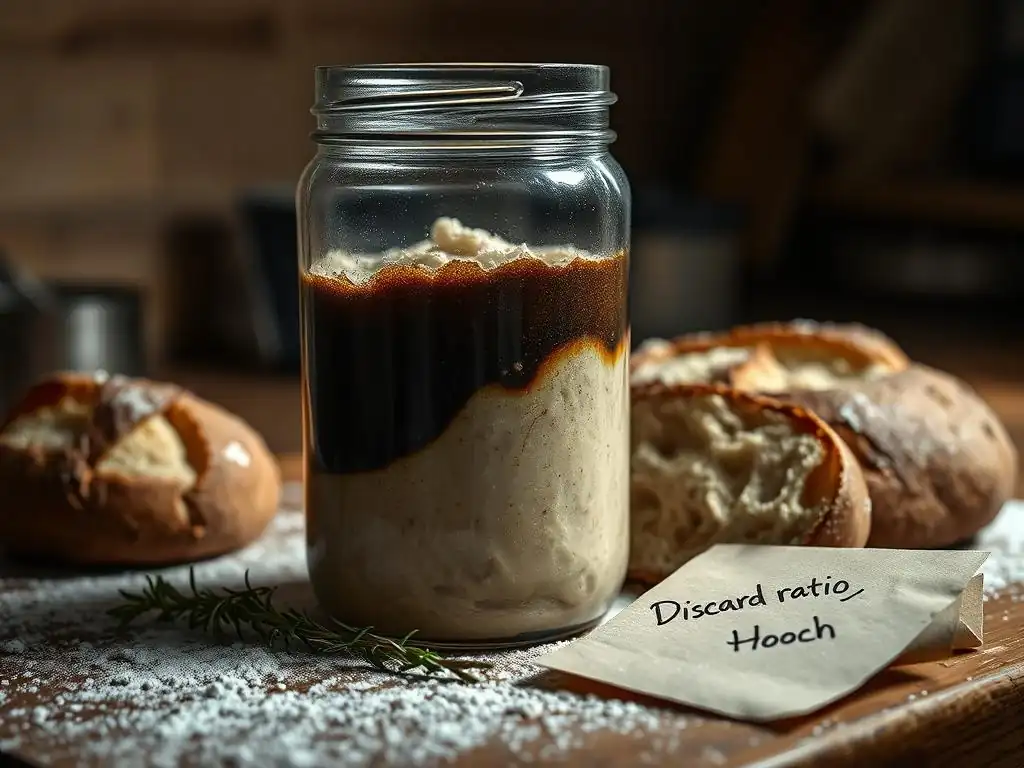
Hooch is the dark or clear liquid that sometimes forms on the surface of your sourdough starter. It's a natural byproduct of fermentation and essentially indicates that your starter is hungry. When the yeast and bacteria in your starter have consumed most of the available food (flour), they become less active.
This reduced activity means they are no longer producing as much carbon dioxide to keep the mixture airy and buoyant. As a result, the heavier flour and water mixture settles, and the liquid separates and rises to the top. It's a common sign that feeding is overdue, and understanding this is key to addressing sourdough starter liquid problems.
Think of hooch as a signal from your starter, much like a rumbling stomach signals hunger in humans. While often perceived as a negative sign, hooch is simply proof that the fermentation process is indeed happening. A young or less active starter might produce less noticeable hooch, while a mature, vigorous starter, when left unfed, will often produce a significant layer.
The presence of this liquid doesn't necessarily mean your starter is ruined, but it does require attention to maintain its health and activity for successful baking. Managing this liquid is a fundamental part of troubleshooting sourdough starter liquid issues.
Why Does Hooch Form? The Science Behind Sourdough Starter Liquid
Hooch formation is a direct result of the metabolic processes occurring within your sourdough starter, primarily driven by yeast and lactic acid bacteria (LAB). When these microorganisms are actively feeding on the starches and sugars in the flour, they produce gases and acids that keep the starter bubbly and thick. However, when the food supply dwindles, their activity slows down.
Without the constant production of gas to aerate the mixture, the solid components settle, and the water, being less dense, separates and forms the liquid layer on top. This separation is a key indicator of hunger, a common cause of sourdough starter liquid problems.
Understanding Starvation and Hooch Production
Starvation in a sourdough starter occurs when the microorganisms have consumed most of the available carbohydrates from the last feeding. As the yeast and bacteria run out of food, their population growth slows, and their production of carbon dioxide and organic acids decreases significantly. This lack of activity leads to the breakdown of the starter's structure.
The gluten network, which helps trap gas and maintain viscosity, weakens. The water, which was previously held within this structure and by the suspended flour particles, begins to pool on the surface. This pooling is the hooch you see, a clear visual cue that your starter is past its peak and needs nourishment.
Alcohol Production in Sourdough Starters
Beyond just water separation, hooch is also partly composed of alcohol. As the yeast consume sugars in the flour, they produce not only carbon dioxide (which makes your starter rise) but also ethanol, a type of alcohol. This alcoholic fermentation is a standard part of the sourdough process.
When a starter is left unfed for a long period, the yeast continue to produce alcohol as a metabolic byproduct, especially if there are still some residual sugars available. This alcohol contributes to the distinct smell of hooch and adds to the liquid layer. While the concentration is generally low, it's enough to be noticeable and is another indicator of a hungry starter, contributing to sourdough starter liquid issues.
Identifying Hooch: Different Types and Colors
Clear Hooch vs. Dark Hooch: What's the Difference?
Hooch can appear in various shades, most commonly clear or dark. Clear hooch typically indicates a starter that has been unfed for a relatively shorter period or is perhaps slightly less active. It's essentially the water separating from the flour solids as the starter settles. This clear liquid is usually a sign of mild hunger and a normal part of the starter lifecycle if feeding is delayed by a day or two past its peak. Addressing clear hooch is often simpler than dealing with darker variations when troubleshooting sourdough starter liquid problems.
Dark hooch, which can range from amber to deep brown or even black, usually signifies that the starter has been neglected for a longer time. The darker color comes from compounds in the flour that oxidize over time, especially when exposed to air on the surface. It's a stronger signal of starvation compared to clear hooch and often accompanies a stronger, sometimes pungent or alcoholic smell. While dark hooch looks more alarming, it doesn't necessarily mean the starter is beyond saving, just that it needs more significant attention and potentially a few consistent feedings to regain full vigor.
Does the Color of Hooch Indicate a Problem?
The color of hooch is primarily an indicator of the duration of starvation, rather than an inherent problem with the starter's health itself. Clear hooch means it's been hungry for a little while, while dark hooch means it's been hungry for a longer time. Neither color alone indicates that the starter is dead or contaminated.
A starter with dark hooch might just need several rounds of consistent feeding to become active and bubbly again. However, extremely dark or black hooch, especially if combined with other concerning signs like mold or a truly foul (not just alcoholic/acidic) smell, might warrant more caution.
A dark color simply reflects oxidation and concentration of metabolic byproducts over prolonged inactivity. It's a stronger visual cue than clear hooch that your starter is quite hungry and has been settled for a while. Many experienced bakers regularly see dark hooch in starters stored in the fridge for extended periods and successfully revive them with consistent feeding. So, while the color gives you information about the starter's state, it's not the sole determinant of its viability when assessing sourdough starter liquid problems.
Is Hooch in My Sourdough Starter a Bad Sign?
When is Hooch a Problem? Assessing Your Starter's Health
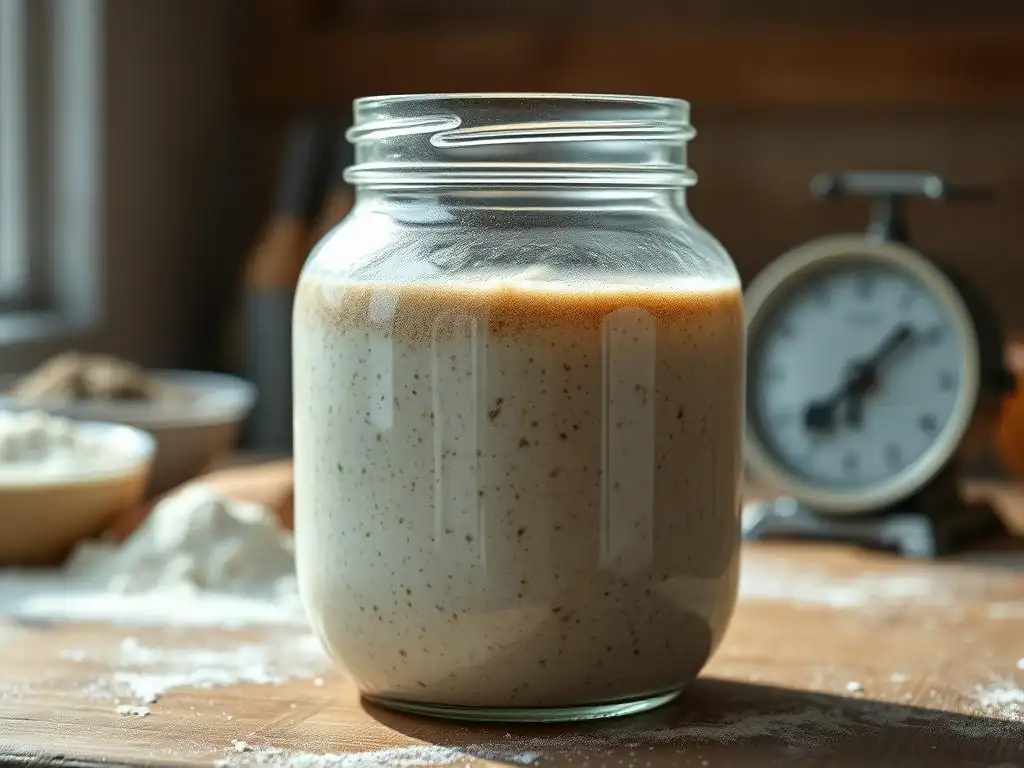
Hooch itself is not inherently a bad sign; it's a symptom of hunger. It becomes a "problem" if ignored repeatedly, leading to a significantly weakened starter that takes longer to become active, or if it's accompanied by other, more serious issues. A thin layer of clear hooch after a day or two past peak activity is completely normal.
A thick layer of dark hooch after a week or two in the fridge is also quite common. The real problem arises if the starter consistently produces hooch very quickly after feeding, which might indicate an issue with the feeding ratio or frequency, or if the hooch is one symptom among several that point to contamination or extreme neglect.
Consider these points when assessing if hooch signals a problem:
- Speed of Formation: Does hooch form within hours of feeding? This might suggest your feeding ratio isn't providing enough food, or your starter is extremely vigorous and needs more frequent feeding.
- Smell: Is the smell just alcoholic/acidic, or is it genuinely foul, like rotting garbage? A very unpleasant smell (beyond typical sourdough tang) can indicate unwanted bacteria.
- Appearance: Is there any mold (fuzzy spots of any color - white, green, black, pink)? Mold is a definite sign of contamination and means the starter should likely be discarded.
- Activity Level: Does the starter eventually become active and bubbly after feeding, even if it takes longer than usual? If it remains completely dormant after several consistent feedings, it might be struggling.
Distinguishing Hooch from Other Starter Issues
It's crucial to differentiate hooch from other potential problems with your sourdough starter liquid. The most common serious issue is mold. Mold typically appears as fuzzy or powdery patches on the surface, often in distinct colors (white, green, black, pink, orange). Hooch is a liquid layer, not fuzzy growth. If you see mold, discard the starter immediately, as mold spores can permeate the entire culture.
Another issue might be a strange or truly foul smell that isn't the typical tangy, acidic, or slightly alcoholic aroma of sourdough. This could indicate contamination by undesirable bacteria. While hooch can smell strongly alcoholic or acidic, it shouldn't smell rotten or putrid. Also, sometimes a very dry starter can develop a hard crust, which is different from liquid hooch pooling on top. Understanding these differences is vital for effectively addressing sourdough starter liquid problems.
- [ ] Check for fuzzy mold spots (Discard if present)
- [ ] Smell the starter (Is it foul or just tangy/alcoholic?)
- [ ] Observe the liquid layer (Is it clear/dark liquid or something else?)
What to Do About Hooch in Your Sourdough Starter: A Step-by-Step Guide
When you encounter hooch on your sourdough starter, you generally have two main options: stir it in or pour it off. The best approach depends on the state of your starter and your personal preference regarding flavor. Both methods are valid ways to handle sourdough starter liquid problems.
Option 1: Stirring the Hooch Back In
Stirring the hooch back into your starter is the simplest and often recommended method, especially if the hooch layer is relatively thin or the starter hasn't been neglected for too long. This approach reincorporates the liquid, including the alcohol and acids produced, back into the mix.
When to Stir Hooch Back In: A Quick Assessment
Stirring is generally appropriate when:
- The hooch layer is clear or only lightly colored.
- The starter still smells reasonably healthy (tangy, acidic, maybe a bit alcoholic, but not foul).
- You prefer a more pronounced sour flavor in your bread, as the acids and alcohol in the hooch contribute to this.
- You want to maintain the hydration level of your starter precisely as it was.
If you find a moderate layer of hooch after a few days in the fridge or a day past peak activity at room temperature, stirring is usually the easiest way to proceed before feeding. This is a common strategy when dealing with minor sourdough starter liquid problems.
How to Properly Incorporate Hooch
Incorporating hooch is straightforward. Use a clean spoon or spatula to gently stir the liquid back down into the thicker part of the starter. Mix thoroughly until the liquid is fully integrated and the starter has a more uniform consistency again. It might be quite liquidy initially, but this is normal. Once stirred, you can proceed with discarding a portion (if you're maintaining a smaller amount) and feeding your starter with fresh flour and water according to your usual ratio. Ensure you scrape down the sides of the jar to keep things tidy.
Option 2: Pouring Off the Hooch
Pouring off the hooch means discarding the liquid layer before feeding your starter. This method removes the accumulated alcohol and acids.
When to Pour Off Hooch: Determining Starter Weakness
Pouring off hooch is often preferred when:
- The hooch layer is very thick and dark, indicating prolonged starvation and potentially a very strong alcoholic/acidic concentration.
- You want to reduce the sourness or alcoholic tang in your baked goods.
- The starter smells excessively alcoholic or pungent, and you want to mellow it out.
- You are trying to revive a starter that has been neglected for a very long time (weeks or months in the fridge) and want to give it a "fresh start" by removing the most concentrated byproducts.
While pouring off removes the liquid, remember you are also removing some of the water content. You might need to slightly adjust your feeding water amount if you want to maintain a specific hydration level, although usually, feeding as normal works fine as you're adding new water anyway. This method is useful when tackling more significant sourdough starter liquid problems resulting from longer neglect.
How to Carefully Remove Hooch
To pour off hooch, simply tilt your starter jar gently over a sink or waste bin. Allow the liquid layer to drain off the top. Be careful not to pour out too much of the thicker starter underneath. You might need to use a spoon to hold back the solids slightly if the hooch is very thick or the starter is very loose. Once the liquid is removed, you can proceed with discarding (if necessary) and feeding your starter as usual. This process effectively removes the most concentrated metabolic byproducts before you introduce fresh food.
Feeding Your Sourdough Starter After Hooch Formation

Feeding your starter correctly after hooch appears is crucial for its recovery and ongoing health. The presence of hooch is a clear sign that the last feeding was fully consumed, and the microorganisms are hungry.
Adjusting Your Feeding Schedule to Prevent Hooch
Consistent hooch formation, especially soon after feeding, indicates that your feeding schedule isn't matching your starter's activity level or environment. If your starter is producing hooch within 12-24 hours at room temperature, it suggests it's consuming its food quickly. To prevent this, you have a few options:
- Increase Feeding Frequency: Feed your starter more often, perhaps every 12 hours instead of 24.
- Increase the Feeding Ratio: Provide more food relative to the amount of starter. Instead of a 1:1:1 ratio (starter:flour:water), try 1:2:2 or even 1:3:3. This gives the microbes more to eat, extending the time before they run out of food and produce hooch.
- Move to a Cooler Location: Temperature significantly impacts fermentation speed. A cooler spot (like a slightly cooler room or even the refrigerator) slows down activity, making the food last longer and delaying hooch formation. For example, a starter fed 1:1:1 might peak in 6-8 hours at 78°F (approx. 25°C) but take 12-18 hours at 70°F (approx. 21°C).
By observing how quickly hooch forms, you can tailor your feeding strategy to keep your starter happy and active between feedings, minimizing sourdough starter liquid problems.
Recommended Flour and Water Ratios for a Healthy Starter
Maintaining the correct hydration level and providing adequate food are key to preventing hooch. A common and effective feeding ratio is 1:1:1 by weight (1 part starter : 1 part flour : 1 part water). For example, feeding 25 grams of starter with 25 grams of flour and 25 grams of water. This ratio provides a good balance for regular feeding at room temperature. However, as mentioned, if your starter is very active or the environment is warm, you might need to increase the ratio to 1:2:2 or 1:3:3 to provide more fuel for longer periods between feedings.
Using a consistent type of flour is also important. Many bakers use a mix of all-purpose and whole wheat or rye flour, as the latter provides more nutrients for the microbes. A common mix might be 50% all-purpose and 50% whole wheat/rye. The key is consistency in your chosen ratio and flour type, adjusting only if you notice signs like rapid hooch formation or slow activity.
Recognizing Signs of an Overfed or Underfed Starter
Hooch is a primary sign of an underfed starter. It means the food ran out. Other signs of an underfed starter include:
- Reaching peak height and falling quickly.
- A thin consistency.
- A very strong, pungent, or alcoholic smell.
- Little to no rise after feeding, followed by hooch formation.
An overfed starter, while less common in terms of causing hooch (unless left for a very long time), typically shows different signs. If you feed your starter a massive amount of flour relative to the starter quantity (e.g., 1:10:10 ratio) and it doesn't grow much or produce many bubbles, it might be "diluted" or overfed to the point where the microbial population isn't dense enough to consume the food efficiently.
The food lasts a long time, so hooch might take longer to form, but the starter lacks vigor. A healthy starter, fed appropriately (like 1:1:1, 1:2:2, or 1:3:3), should at least double in size (often triple) within a predictable timeframe based on temperature, showing good bubble structure throughout.
Preventing Hooch: Maintaining a Healthy Sourdough Starter
Preventing hooch is largely about understanding and meeting your starter's needs. A healthy, regularly fed starter is less likely to develop a significant hooch layer. Proactive management is the best way to avoid sourdough starter liquid problems.
Optimizing Starter Hydration for Reduced Hooch
The hydration level of your starter (the ratio of water to flour) affects its consistency and how quickly it ferments. Most standard starters are maintained at 100% hydration (equal weights of flour and water). While hooch can still form at 100% hydration if unfed, very dry starters (like 50-60% hydration, sometimes called "stiff" starters) or very wet starters (like 150%+ hydration, often used for specific types of bread) might exhibit hooch differently or less frequently. A stiffer starter has less free water to separate, potentially reducing visible hooch.
A very wet starter might seem to have less distinct hooch because the whole mixture is already very liquid. However, for a standard 100% hydration starter, maintaining that ratio consistently during feeding is key. Significant deviations in hydration can stress the microbial balance and affect performance, potentially leading to other sourdough starter liquid issues.
Ideal Starter Storage Conditions to Minimize Liquid Formation
Temperature is the most significant factor in controlling fermentation speed and thus hooch formation.
- Room Temperature: Storing your starter at typical room temperature (approx. 68-75°F or 20-24°C) means it needs to be fed regularly, usually every 12-24 hours, depending on the temperature and feeding ratio. At these temperatures, hooch can appear relatively quickly once the starter peaks and starts to fall.
- Refrigerator: Storing your starter in the refrigerator (approx. 35-40°F or 1-4°C) dramatically slows down microbial activity. This is ideal for bakers who don't bake daily and want to feed less frequently. A refrigerated starter can typically go for one to two weeks, sometimes longer, between feedings. Hooch is very common in refrigerated starters as they go dormant and settle over time. While it's normal here, regular feeding (even if just once a week) is needed to keep it viable and minimize prolonged hooch exposure.
Choosing the right storage method based on your baking frequency is the best way to prevent hooch from becoming excessive.
Regular Feeding Schedules and Their Impact on Hooch Prevention
Establishing a consistent feeding schedule is the cornerstone of preventing sourdough starter liquid problems like hooch.
- Daily Feeding: If you bake often or keep your starter at room temperature, feeding daily (or even twice daily if very warm) using a 1:1:1 or 1:2:2 ratio is standard. This constant supply of food keeps the microbes active and prevents them from reaching the point of starvation where hooch forms quickly.
- Weekly Feeding (Refrigerated): If you store your starter in the fridge, feeding it once a week is usually sufficient. Take it out, let it warm up for an hour or two, discard/pour off hooch, feed it, let it sit at room temperature for a few hours until it shows some signs of activity (maybe 2-4 hours), and then put it back in the fridge. This weekly refresh provides enough food to sustain it until the next feeding, minimizing prolonged exposure to hooch.
Consistency is more important than the exact schedule. Find a routine that fits your baking habits and stick to it. A well-fed starter is a happy starter, less prone to developing prominent hooch.
Reviving a Sourdough Starter After Excessive Hooch

Sometimes, despite best intentions, life happens, and your starter gets neglected, resulting in a thick layer of dark hooch. Don't despair! Most starters are resilient and can be revived. This requires patience and consistent care to overcome sourdough starter liquid problems due to neglect.
Identifying Signs of a Weakened Starter
A starter that has been neglected and developed excessive hooch will likely show signs of weakness:
- A very strong, pungent, alcoholic, or acetone-like smell (though not foul/rotten).
- A thick, dark layer of hooch covering the surface.
- The starter underneath the hooch might appear very liquidy or have a strange texture.
- When you attempt to feed it, it may show little to no activity (few bubbles, minimal rise) in the first 12-24 hours.
- It might produce more hooch quickly after the first feeding attempt.
These signs indicate that the microbial population is stressed and needs rebuilding.
Intensive Feeding Strategies to Rebuild Starter Strength
To revive a weakened starter, you need to provide consistent, frequent nourishment to help the yeast and bacteria populations recover and multiply. This is often called "boot camping" the starter.
- Discard/Pour Off Hooch: Start by pouring off the excessive hooch. While stirring is an option, removing very dark, thick hooch can help clear out concentrated byproducts. Discard most of the starter, leaving only a small amount (e.g., 20-30 grams).
- Increase Feeding Ratio: Feed the remaining starter with a higher ratio of fresh flour and water. A 1:2:2 or even 1:3:3 ratio (starter:flour:water by weight) is recommended. This provides a large amount of food to fuel growth. For example, if you kept 20g of starter, feed it 40g flour and 40g water.
- Feed Frequently: Keep the starter at room temperature and feed it every 12 hours consistently. Don't wait for it to double or show peak activity initially; just feed it on schedule. Discard down to the same small amount (e.g., 20g) before each feeding.
- Observe Activity: After 2-3 days of this intensive feeding schedule, you should start seeing increasing signs of activity – more bubbles, a more pleasant tangy smell, and eventually, some noticeable rise (perhaps 25-50%).
- Return to Normal Feeding: Once the starter is reliably showing significant activity (doubling within 12 hours at room temp) for a couple of consecutive feedings, you can return to your normal feeding ratio (like 1:1:1) and schedule.
It might take anywhere from 3 days to a week of consistent twice-daily feeding to fully revive a neglected starter and resolve its sourdough starter liquid problems.
Troubleshooting Common Revival Issues [e.g., Mold Concerns]
While reviving, keep a close eye out for signs that something is truly wrong, beyond just sluggishness.
- Persistent Hooch: If hooch forms very quickly (within a few hours) after feeding, even with a higher ratio, it might indicate the starter is still very weak or the environment is too warm. Try moving it to a slightly cooler spot or increasing the ratio further temporarily (e.g., 1:4:4).
- Foul Smell: If the smell is truly putrid or rotten, despite pouring off hooch, it could indicate contamination that the beneficial microbes aren't strong enough to fight off. Unfortunately, this might mean starting fresh.
- Mold: Any sign of mold (fuzzy spots, discoloration that isn't just oxidized hooch) means the starter is compromised. Discard it immediately. Do not try to scrape mold off; the spores are likely throughout. Clean your jar thoroughly before starting over.
- No Activity: If after 5-7 days of consistent 1:2:2 or 1:3:3 feeding every 12 hours at room temperature, you see zero signs of bubbles, rise, or change in texture/smell (beyond the initial fed state), the starter might genuinely be dead. This is rare for mature starters but possible. Ensure your water isn't heavily chlorinated (use filtered or bottled water) and your flour is fresh. If all inputs are good and there's no activity, starting over is the safest bet.
Hooch and Sourdough Baking: Does it Affect My Bread?
The presence of hooch, and how you handle it, can indeed have an impact on the characteristics of your final sourdough bread, particularly its flavor. Understanding this connection helps in managing sourdough starter liquid problems with baking in mind.
How Hooch Affects the Flavor of Your Sourdough
Hooch is a concentration of metabolic byproducts, primarily alcohol and organic acids. If you stir the hooch back into your starter before feeding, you are reintroducing these compounds into the mix.
- Acids: The acids contribute to the sourness of the starter and, consequently, the tang in your baked bread. Stirring in hooch will generally result in a more pronounced sour flavor in your sourdough loaves.
- Alcohol: The alcohol gives hooch its characteristic smell. While most of the alcohol evaporates during baking, it can contribute slightly to the overall fermented aroma of the starter and potentially a subtle note in the bread, though its primary impact is through the acids produced alongside it.
If you pour off the hooch, you remove these concentrated byproducts, resulting in a starter that might produce bread with a milder, less intensely sour flavor.
Adjusting Recipes Based on Starter Condition [e.g., More Sour Flavor]
Knowing how hooch affects flavor allows you to make conscious decisions.
- For More Sour Bread: If you prefer a very tangy loaf, stirring hooch back into your starter before feeding is a good practice. Ensure your starter is active and bubbly after feeding before using it in a recipe. Using a starter at its peak activity after being fed (which might have had hooch before the feed) ensures good rise while retaining those flavor compounds.
- For Milder Bread: If you prefer a less sour flavor, consistently pouring off hooch before feeding will help achieve this. Again, use the starter when it's active and ready after its feed.
The activity level of your starter when you use it in a recipe (at its peak, slightly past peak, etc.) also heavily influences flavor and rise. A starter used slightly past its peak, perhaps one that just started to show signs of settling or a hint of hooch formation after its feed cycle, will often contribute more acidity than one used right at its peak.
Using Starter with Hooch: Best Practices for Baking
It is generally not recommended to use a starter directly in a bread recipe while it has a layer of hooch on top. The presence of hooch means the starter is hungry and likely past its peak activity.
- Address the Hooch First: Decide whether to stir in or pour off the hooch.
- Feed the Starter: Feed your starter with its usual ratio of flour and water after dealing with the hooch.
- Wait for Activity: Wait until the starter becomes active and reaches its peak volume (typically doubling or tripling, depending on hydration and temperature) after the feed. This indicates the yeast and bacteria are vigorous and ready to leaven your bread effectively.
- Use at Peak or Slightly After: Use the starter when it is active and bubbly. This ensures you are using a healthy, strong starter capable of providing good oven spring and structure to your loaf, rather than one that is hungry and producing hooch, which could lead to a dense loaf and inconsistent results.
While hooch itself isn't harmful, using a starter with hooch on it often means using a weak or hungry starter, which is the main reason for poor baking results, not the hooch itself. Managing sourdough starter liquid problems before baking ensures a better outcome.
Frequently Asked Questions
What exactly is hooch in sourdough starter?
Hooch is a liquid byproduct that forms on top of a sourdough starter. It's primarily alcohol and water, indicating the starter is hungry and needs feeding.
Is hooch in my sourdough starter always a bad sign?
Not necessarily! While it usually means the starter needs feeding, a small amount of clear hooch can be normal after a long period of inactivity. The key is to observe and react accordingly.
What causes hooch to form in a sourdough starter?
Hooch forms when the yeast consumes all the available food (flour) in the starter. The resulting fermentation produces alcohol, which separates as hooch.
Can I still use my sourdough starter if it has hooch?
Yes, you can usually still use your starter. Simply pour off the hooch (or stir it back in) and feed your starter. If the smell is overwhelmingly bad or the starter is moldy, discard it.
How can I prevent hooch from forming in my sourdough starter?
The best way to prevent hooch is to feed your starter regularly. The frequency depends on the environment and the starter's activity level, but usually every 12-24 hours.
Final Reflection: The Unexpected Life of Your Sourdough Starter
The mysterious liquid atop your sourdough starter—that "hooch"—isn't a sign of failure, but a fascinating window into the complex microbial ecosystem thriving within. Understanding this seemingly simple phenomenon unlocks a deeper appreciation for the delicate balance required to nurture a healthy, active starter, a cornerstone of successful sourdough baking.
The journey of understanding my own starter, from initial frustration with hooch to confident management, has been a microcosm of the larger learning process involved in sourdough baking. It's a testament to the patience and observation required to master this craft. The best bread is made with love, time, and a healthy respect for the unpredictable nature of yeast.
(This is a fictional quote, reflecting the sentiment). The prevalence of sourdough starter issues online highlights a shared experience; a collective journey of trial and error, fueled by a desire to connect with a traditional craft and produce something beautiful and delicious. This shared experience fosters a sense of community and mutual support amongst bakers.
So, what will you do with this newfound knowledge? Don't let the appearance of hooch discourage you. Instead, embrace it as a signal, an opportunity to learn more about your starter's needs. Observe, adjust, and continue to nurture this living organism. The reward—a loaf of bread imbued with character and history—is well worth the effort. Your journey with sourdough is just beginning, and each loaf baked will be a testament to your patience, persistence, and the fascinating world of microbial fermentation.
Unleash Your Inner Baker: Master Your Starter!
Thanks for taking the time to learn more about your sourdough starter! You've now got the knowledge to troubleshoot those pesky liquid issues and keep your baking buddy happy. Ready to put your newfound expertise to the test?
- Bake a show-stopping loaf: Use your perfectly balanced starter to craft a magnificent sourdough bread – the results will be utterly rewarding!
- Share your starter journey: Tell us about your experience (and your amazing bread!) on our BakeWithEase community forum!
- Experiment with different flours: See how your starter reacts to rye, whole wheat, or other exciting flour types.
Ready to take your sourdough skills to the next level? What's the first delicious recipe you'll try with your perfectly-behaved starter?