
Troubleshooting Puff Pastry: Why It Won't Puff and How to Fix It

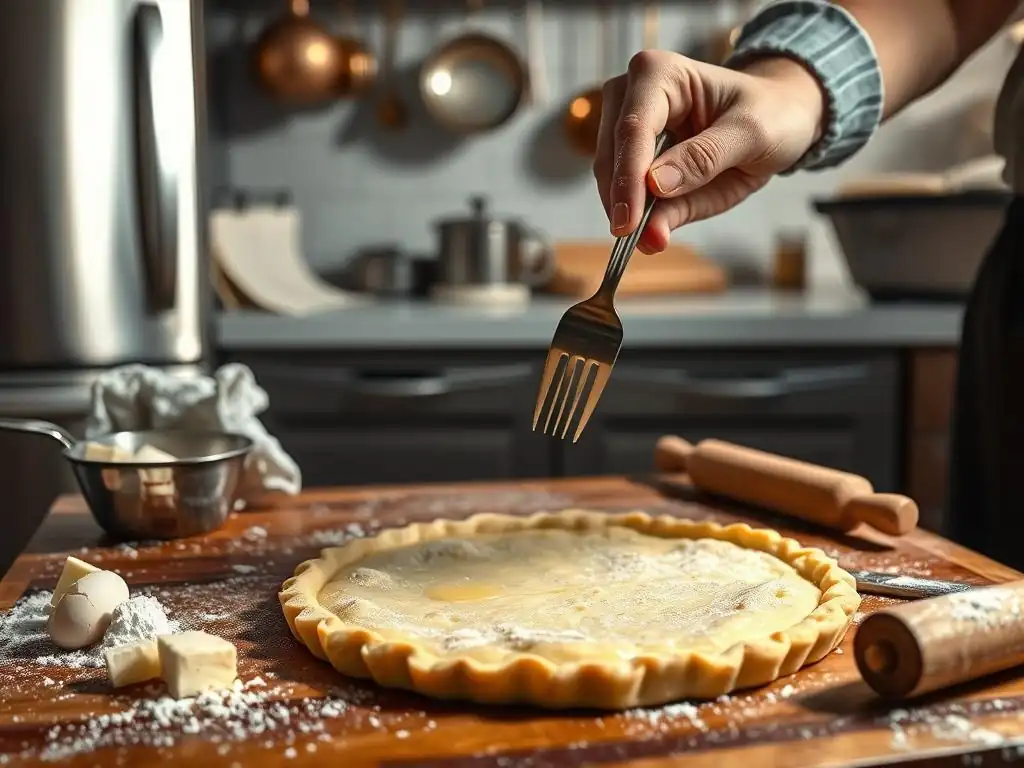
Welcome to BakeWithEase, where we unlock the secrets to baking brilliance! Ever wondered why your puff pastry won't puff? You're not alone! Discover the common pitfalls and simple solutions that transform flat disappointments into towering, flaky masterpieces. Get ready to elevate your baking game – the answers await!
Achieving that perfect, sky-high puff in puff pastry can feel like a baking superpower. When your puff pastry won’t puff, it's one of the most frustrating experiences in the kitchen. But don't despair! Understanding the science behind this magical dough and knowing how to troubleshoot common issues will help you conquer puff pastry failure and achieve flaky perfection. Let's dive into why puff pastry won't puff and how to fix it.
- Understanding Puff Pastry and Why It's Not Puffing
- Problem 1: Dough Too Warm - Preventing Butter Melt
- Problem 2: Insufficient Lamination - Creating Defined Layers
- Problem 3: Inadequate Resting Time - Relaxing the Gluten
- Problem 4: Incorrect Baking Temperature - Achieving Optimal Puff
- Problem 5: Overworked Dough - Avoiding Toughness
- Problem 6: Using the Wrong Type of Flour - Achieving the Right Texture
- Problem 7: Improper Handling After Baking - Maintaining Puff
- Puff Pastry Troubleshooting Checklist: A Quick Guide
- Advanced Puff Pastry Techniques: Beyond the Basics
-
Frequently Asked Questions
- Why is my puff pastry not puffing up properly?
- What temperature is ideal for baking puff pastry?
- How can I prevent the butter from melting when making puff pastry?
- Is there a difference between store-bought and homemade puff pastry in terms of puffing ability?
- What happens if I overwork the puff pastry dough?
- Final Reflection: The Triumphant Puff – Mastering the Art of Pastry
- Unlock Your Puff Pastry Potential!
Understanding Puff Pastry and Why It's Not Puffing
Puff pastry's incredible rise comes from a delicate dance between layers of dough and butter. As the pastry bakes, the water in the butter turns to steam, which is trapped between the thin layers of dough. This steam forces the layers apart, creating hundreds of light, airy flakes. When this process is interrupted, your puff pastry won't puff as expected.
Several factors can contribute to puff pastry failure, from temperature issues to handling mistakes. Identifying the specific reason why your puff pastry won’t puff is the first step to fixing it. Often, it's a combination of issues rather than just one single problem.
The Science Behind Puff Pastry Lamination
Lamination is the process of creating alternating layers of dough (détrempe) and butter (beurrage) by repeatedly folding and rolling. Typically, classic puff pastry involves incorporating a block of butter into a simple dough, then performing a series of "turns" – folding the dough like a letter (often into three or four) and rolling it out again. A standard recipe might call for 6 "single" turns (folding into three) or 4 "double" turns (folding into four), separated by resting periods.
These turns exponentially increase the number of layers. For instance, starting with a single layer of butter and dough, 6 single turns can theoretically create over 700 layers!
The integrity of these layers is paramount. Each layer of butter acts as a barrier, preventing the steam from escaping sideways during baking. The heat from the oven melts the butter, and the trapped steam expands, pushing the dough layers upwards. Without well-defined, separate layers, the steam escapes, and the characteristic puff is lost. This is a fundamental reason why your puff pastry won't puff properly.
Common Reasons for Puff Pastry Failure
There are several usual suspects when your puff pastry won't puff. One major culprit is temperature – if the butter melts into the dough before baking, you lose your distinct layers. Improper lamination, where the folds aren't clean or the layers tear, also prevents puff. Insufficient resting time means the gluten is too tight, resisting the expansion from the steam.
Other reasons include using the wrong flour, handling the dough too roughly, or baking at an incorrect temperature. For example, baking at too low a temperature might cause the butter to melt and leak out before the dough layers set, resulting in a greasy, flat pastry. Understanding these common pitfalls is key to troubleshooting puff pastry that doesn't rise.
Problem 1: Dough Too Warm - Preventing Butter Melt
Temperature is arguably the most critical factor in successful puff pastry. The butter must remain solid and separate from the dough until it hits the hot oven. If the dough or butter gets too warm during the lamination process, the butter can soften excessively, smear into the dough, and destroy those crucial layers. This is a primary reason why puff pastry won't puff.
Working in a cool kitchen environment is ideal, ideally below 70°F (21°C). If your kitchen is warm, you'll need to rely heavily on refrigeration between steps. Tools like marble pastry boards or chilled rolling pins can also help keep the dough cool while you work.
The Importance of Cold Butter in Puff Pastry
The butter needs to be pliable enough to roll out with the dough but firm enough to maintain distinct layers. If the butter is too soft, it will squeeze out during rolling, or worse, completely incorporate into the dough, turning your layered structure into a simple enriched dough. This eliminates the steam pockets needed for puff. Using butter with a higher fat content (like European-style butter, often 82% fat compared to 80% in many American butters) can also help, as it has a higher melting point and stays firmer.
Imagine trying to build a wall with melted mortar – it just won't hold its shape. Similarly, if your butter melts prematurely, the structure of the puff pastry collapses before it even gets a chance to bake and expand. Ensuring the butter remains cold and distinct within the dough layers is non-negotiable for a good puff.
Techniques for Keeping Dough Cold During Puff Pastry Making
Working quickly and efficiently is key. Have all your tools and ingredients ready before you start. Minimize the time the dough is out of the refrigerator. Roll the dough evenly and with firm, consistent pressure, rather than using excessive force that generates heat. Some bakers even wrap their rolling pins in ice packs or keep them in the freezer briefly.
If you're making a large batch or working in a warm environment, consider dividing the dough and working with smaller portions while the rest stays chilled. Using a pastry scraper or bench knife to handle the dough rather than warm hands can also make a difference in preventing the butter from softening too much.
Fixing Warm Dough: Refrigeration and Freezer Options
If you notice your dough is getting warm and the butter feels soft or is starting to ooze, stop immediately. Wrap the dough tightly in plastic wrap and place it in the refrigerator. For quick chilling, the freezer can be used for 10-15 minutes, but be careful not to freeze the dough solid.
The goal is to get the butter firm again, not rock hard. A properly chilled dough should feel firm to the touch, and you should be able to feel the slight resistance of the butter layers when you roll it. Don't skip the resting periods in the fridge between turns – they are crucial for keeping the butter cold and relaxing the gluten.
Problem 2: Insufficient Lamination - Creating Defined Layers
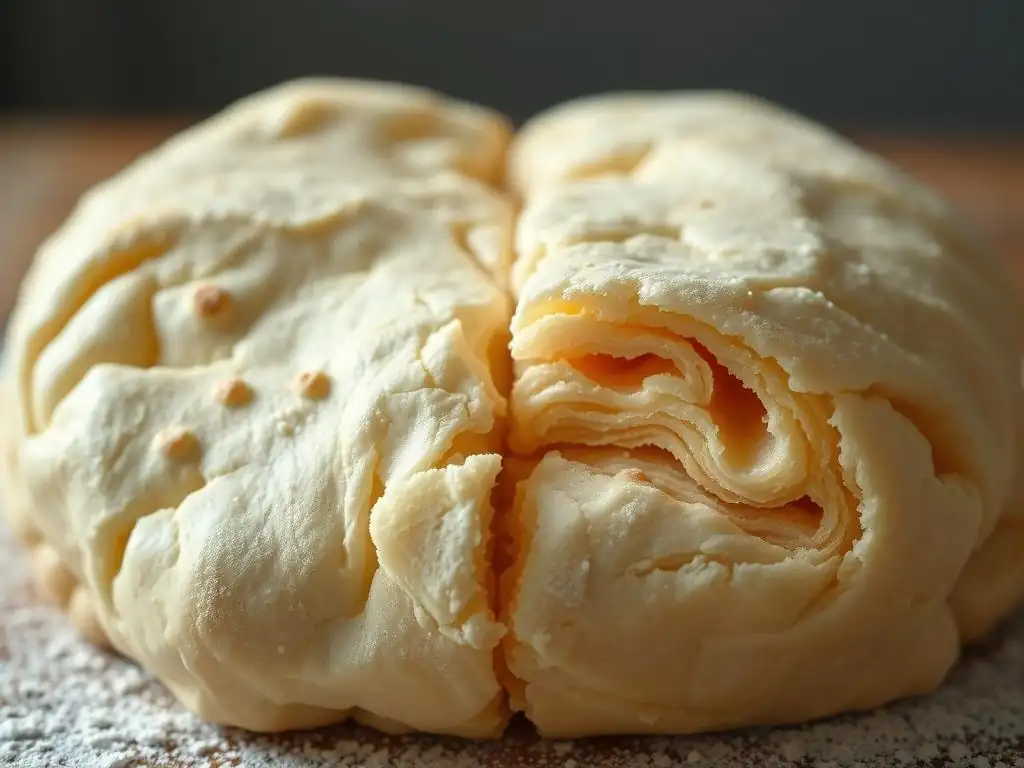
Lamination is the heart of puff pastry. If the process is done incorrectly, or not enough turns are performed, you simply won't have enough distinct layers of dough and butter to create the necessary steam pockets. This is a direct cause when puff pastry won’t puff.
A common mistake is not rolling the dough evenly before folding, resulting in uneven layers. Another is not sealing the edges properly after folding, which can cause butter leakage during baking. The number of layers directly impacts the potential puff; fewer layers mean less potential for expansion.
What is Lamination and Why is it Crucial?
Lamination, as mentioned earlier, is the repeated folding and rolling that creates hundreds of alternating layers of dough and butter. Think of it like stacking paper and then flattening it out and folding it again – each fold multiplies the number of layers. For puff pastry, these layers are incredibly thin, often less than a millimeter thick after the final roll-out.
The crucial part is that the butter layers must remain separate and intact. They act as impermeable barriers when the steam forms. Without these barriers, the steam simply dissipates, and the dough bakes into a dense, flat sheet instead of a light, airy structure. This is precisely why poor lamination leads to puff pastry failure.
Common Mistakes in the Lamination Process
One frequent error is rolling the dough too thin or too thick between folds. If too thin, you risk tearing the layers; if too thick, you won't achieve enough layers in the end. Uneven rolling is also problematic, leading to some parts having many layers and others very few. Not brushing off excess flour between folds is another mistake – the flour can prevent the layers from sticking together properly, leading to separation issues or a dry texture.
Another significant mistake is failing to rest the dough between turns. This causes the dough to resist rolling, leading to tearing and uneven layers. Forcing the dough when it's resisting will almost guarantee layer damage.
Achieving Perfect Layers: Single, Double, and French Folds
There are different folding techniques, each creating a specific number of layers per turn. A "single" fold involves folding the dough into three sections, like a letter. This multiplies the layers by three. A "double" fold (or book fold) involves folding both ends to the center line, then folding the whole thing in half, multiplying layers by four. French folds are similar to single folds but often involve slightly different initial shaping.
Most classic puff pastry recipes call for 6 single turns or 4 double turns. The key is consistency. After each turn, rotate the dough 90 degrees before rolling again to ensure even expansion. Always chill the dough between turns for the specified time (usually 30-60 minutes) to keep the butter cold and allow the gluten to relax.
Problem 3: Inadequate Resting Time - Relaxing the Gluten
Resting the dough is a non-negotiable step in puff pastry making, and skipping it is a common reason why puff pastry won't puff. Dough contains gluten, a protein network that develops as you mix and work the dough. Gluten provides structure but also elasticity and resistance.
When you roll and fold the dough repeatedly during lamination, you are stretching and developing the gluten network. If you don't allow the dough to rest, the gluten remains tight and springy. This makes the dough difficult to roll evenly and, more importantly, prevents it from expanding freely in the oven, hindering the puff.
The Role of Gluten in Puff Pastry
Gluten provides the framework that holds the puff pastry layers together and gives the structure needed for the steam to push against. Without sufficient gluten development, the dough might be too fragile to withstand the rolling and folding, leading to torn layers and butter leakage.
However, too much gluten development, or gluten that hasn't relaxed, makes the dough elastic and resistant. When this happens, the dough shrinks back when you try to roll it, making even layers difficult. In the oven, tight gluten resists the lift from the steam, resulting in a dense, flat pastry.
Why Resting the Dough is Essential
Resting the dough, particularly in the refrigerator, serves two main purposes: chilling the butter and relaxing the gluten. The cold temperature solidifies the butter, preserving the layers. The rest period allows the stretched gluten strands to relax and lengthen.
A rested dough is much easier to roll out evenly without shrinking back excessively. This ease of handling helps maintain the integrity of the layers. More importantly, relaxed gluten allows the dough to expand readily when the steam builds up during baking, contributing significantly to a successful puff.
Optimal Resting Times for Puff Pastry
Recipes typically specify resting times between turns, usually ranging from 30 minutes to an hour in the refrigerator. The dough should feel relaxed and pliable when you take it out, not tight or difficult to roll. If it still springs back excessively, give it another 15-30 minutes of rest.
The final rest before baking is also crucial. After the final roll-out and shaping, the pastry should rest for at least 30 minutes, or even longer for larger pieces, in the refrigerator. This ensures the butter is firm and the dough is relaxed before it hits the hot oven. Some chefs even recommend freezing the shaped pastry for 10-15 minutes right before baking for an extra boost of coldness.
Problem 4: Incorrect Baking Temperature - Achieving Optimal Puff
Even with perfect lamination and handling, baking at the wrong temperature can ruin your puff pastry. The oven temperature needs to be high enough to instantly melt the butter and create steam before the dough layers set. If the temperature is too low, the butter will melt and leak out before sufficient steam is generated and trapped, leading to a greasy, flat result.
Conversely, if the oven is too hot, the outside of the pastry might brown and set too quickly, trapping steam inside but preventing it from fully expanding the layers. The butter might also burn. An accurate oven thermometer is essential, as oven thermostats can be off by as much as 50°F (10°C).
The Impact of Oven Temperature on Puff Pastry
A high initial temperature is critical for the "oven spring" – the rapid expansion that occurs in the first few minutes of baking. A common temperature range is between 375°F and 425°F (190°C - 220°C). At this temperature, the water in the butter quickly turns to steam, forcing the layers apart. The dough layers also set relatively quickly, locking in the structure created by the steam.
If the temperature is too low, the butter melts slowly and can leak out of the pastry before the dough sets. This means the steam escapes, and you're left with a flat, greasy mess. This is a frequent cause when puff pastry won't puff properly despite correct preparation.
Best Baking Temperatures for Different Puff Pastry Items
The ideal temperature can vary slightly depending on the size and thickness of the puff pastry item. Smaller items like palmiers or cheese straws might bake well at a consistent 400°F (200°C). Larger items, like vol-au-vents or pastry shells, often benefit from starting at a high temperature (e.g., 425°F/220°C) for the initial puff (say, 10-15 minutes) and then reducing the temperature (e.g., to 375°F/190°C) to allow the layers to cook through without burning the exterior.
Always preheat your oven thoroughly – usually for at least 20-30 minutes after it reaches the set temperature, especially for higher temperatures. Placing a baking stone or steel in the oven can also help maintain a consistent temperature and provide a burst of heat from below.
Adjusting Oven Temperature for Perfect Puff
Monitor your pastry as it bakes. If it's browning too quickly but hasn't fully puffed, lower the temperature slightly. If it's not browning or puffing after the initial few minutes, your oven might be running cool, and you may need to increase the temperature or extend the baking time.
Ensure your oven rack is positioned correctly, usually in the middle, to allow for even heat circulation. Avoid opening the oven door frequently, especially during the first half of the baking time, as this lets out heat and steam, interrupting the puffing process.
Problem 5: Overworked Dough - Avoiding Toughness
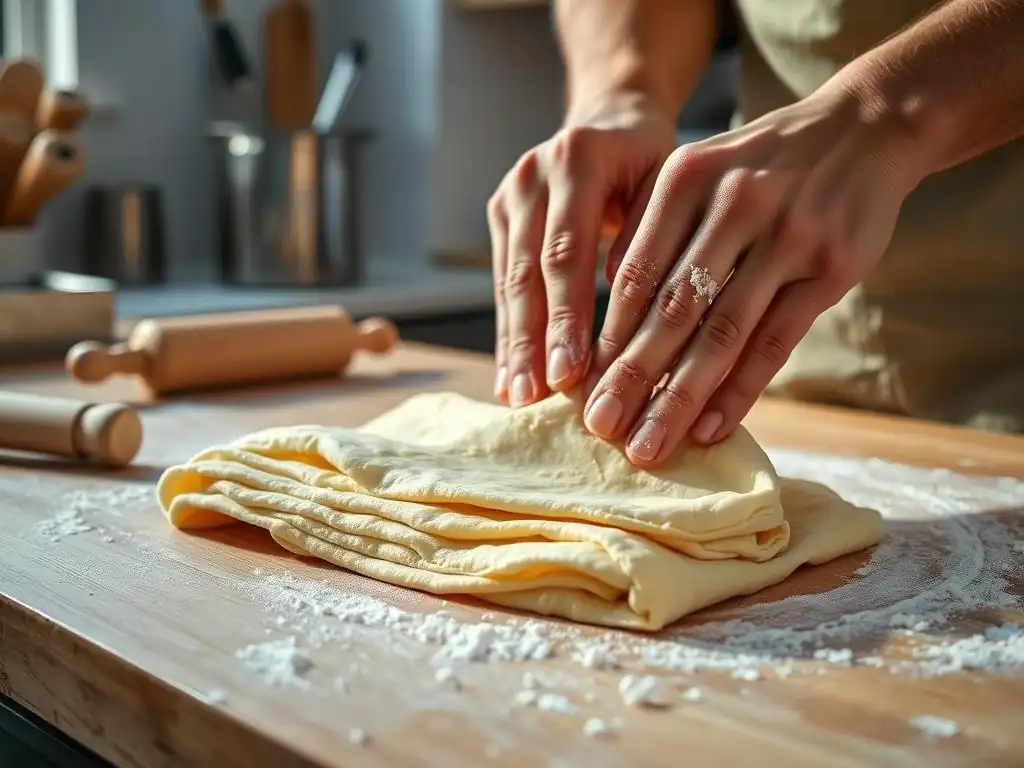
While some gluten development is necessary for structure, overworking the dough can lead to a tough, elastic pastry that resists rolling and puffing. Overworking typically happens during the initial mixing of the détrempe or by handling the dough too roughly during the lamination process.
Signs of overworked dough include excessive shrinkage after rolling, a tight, rubbery texture, and difficulty in achieving thin, even layers without tearing. This resistance from the dough directly opposes the steam's attempt to lift the layers, resulting in a dense, chewy puff pastry that won't puff.
Signs of Overworked Puff Pastry Dough
The most telling sign is when the dough springs back significantly after you roll it. If you roll out a section and it immediately shrinks back by an inch or two, the gluten is too tight. The dough might also feel dense or tough rather than smooth and slightly yielding.
During lamination, if the dough tears easily or develops holes, it could be a sign of overworked gluten combined with insufficient resting time. You might also notice that the layers don't separate cleanly after baking, resulting in a more solid, bread-like texture instead of distinct flakes.
Gentle Handling Techniques for Delicate Dough
From the initial mixing, aim for minimal handling. Mix the détrempe just until the ingredients are combined and a shaggy dough forms; don't knead it like bread dough. During lamination, use firm but even pressure with your rolling pin. Avoid jabbing or pressing down too hard in one spot.
Always roll in one direction initially, then turn and roll again, rather than rolling back and forth over the same spot repeatedly. If the dough resists, stop and let it rest in the refrigerator for 15-30 minutes before attempting to roll it again. Patience and gentle handling are key to preserving the delicate layers and preventing overworked dough.
Saving Overworked Dough: Extended Resting and Folding
If you suspect your dough is overworked, the best solution is extended resting. Wrap the dough tightly and refrigerate it for a longer period – perhaps 2-3 hours or even overnight. This gives the gluten plenty of time to relax.
When you resume rolling, do so very gently. If the dough still resists significantly, give it another rest. While you can't fully reverse overworking, sufficient resting can often make the dough manageable enough to proceed, although the final puff might be slightly less dramatic than with perfectly handled dough.
Problem 6: Using the Wrong Type of Flour - Achieving the Right Texture
The type of flour used in the détrempe can significantly impact the texture and handling of puff pastry, and ultimately, whether your puff pastry won't puff successfully. Different flours have varying protein contents, which directly affects gluten development.
Using a flour with too high a protein content can lead to excessive gluten development and a tough dough, similar to the issues with overworking. Using a flour with too low a protein content might result in a dough that is too weak to hold the layers and structure during rolling and baking.
The Best Flour for Puff Pastry: All-Purpose Flour
For most home bakers, standard all-purpose flour is the recommended choice for puff pastry. It typically has a moderate protein content (around 10-12%), which provides enough structure for lamination without developing excessive, tough gluten. King Arthur Baking's all-purpose flour, for example, is around 11.7% protein, which works very well.
While bread flour (higher protein, 12-14%) might seem appealing for structure, it can easily lead to a tough, resistant dough that hinders puffing unless handled with extreme care and given ample rest. Cake flour (lower protein, 7-9%) is too weak and will likely result in a fragile dough that tears easily and cannot support the layers during baking.
How Different Flours Affect Puff Pastry
Using bread flour can make the dough very elastic and difficult to roll thinly without it shrinking back. This resistance makes achieving even, numerous layers challenging. In the oven, the strong gluten network can fight against the steam expansion, limiting the puff.
Using cake or pastry flour results in a very tender dough that might be easier to roll initially but lacks the strength to hold the hundreds of layers created during lamination. The layers might collapse or merge during handling or baking, leading to a flat, dense pastry.
Flour Substitutions and Their Impact
If you only have bread flour, you can potentially use it, but be extra careful not to overmix the initial dough and ensure very generous resting periods between turns. You might also need to roll slightly less aggressively.
If you only have lower protein flour, you might try adding a small amount of vital wheat gluten (available in some stores) to boost the protein content, following package directions carefully. However, for the best results and to avoid issues where your puff pastry won't puff, sticking to a good quality all-purpose flour is highly recommended.
Problem 7: Improper Handling After Baking - Maintaining Puff
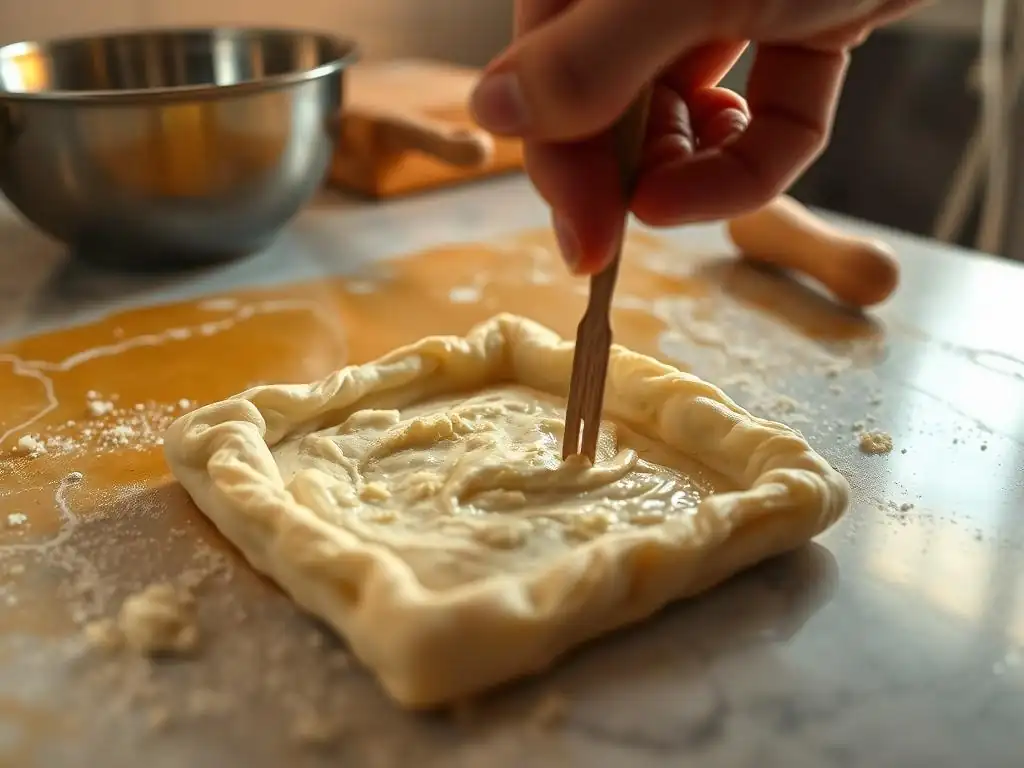
You've successfully laminated, rested, and baked your puff pastry, and it's puffed beautifully! The work isn't quite done yet. How you handle the pastry immediately after it comes out of the oven can affect its final texture and appearance. Improper cooling can sometimes lead to deflation or sogginess.
While the pastry is still hot, the internal structure is somewhat fragile. Rapid cooling or incorrect storage can compromise the crispness and airy texture you worked so hard to achieve.
Preventing Deflation After Baking
As the pastry cools, the steam inside condenses. If the pastry is removed from the oven too soon, before the structure is fully set, the layers might collapse as the steam pressure reduces. Ensure the pastry is golden brown and looks fully set, including the sides and bottom, before taking it out. For larger items, baking until the internal temperature reaches around 200°F (93°C) can indicate it's fully cooked.
If you notice significant deflation after baking, it's often a sign that the pastry was underbaked or that the layers weren't fully separated and set during the baking process, potentially due to issues like low oven temperature or poor lamination earlier on.
Cooling Techniques to Preserve Puff
Once baked, immediately transfer the puff pastry items from the hot baking sheet to a wire rack to cool completely. This allows air to circulate around the pastry, preventing the bottom from becoming soggy from residual heat and steam.
Allow the pastry to cool fully before cutting or filling, especially for items like vol-au-vents. Cutting hot pastry can compress the delicate layers and result in a less airy texture.
Storage Tips for Baked Puff Pastry Items
Baked puff pastry is best enjoyed the day it's made for maximum crispness. If you need to store it, cool it completely first. Store baked items in an airtight container at room temperature for a day or two. For longer storage, freezing is an option.
To reheat baked puff pastry and restore some crispness, place it on a baking sheet and warm it in a preheated oven at around 350°F (175°C) for 5-10 minutes, or until crisp again. Avoid microwaving, which will make it soggy.
Puff Pastry Troubleshooting Checklist: A Quick Guide
When your puff pastry won't puff, running through a quick checklist can help pinpoint the issue. This guide summarizes the key factors for success and common problems.
Key Factors for Successful Puff Pastry
- Cold is King: Dough and butter must stay cold throughout lamination.
- Clean Layers: Lamination must create distinct, numerous layers without tearing or smearing.
- Resting is Essential: Allow sufficient rest time between turns and before baking to relax gluten and chill butter.
- Hot Oven: Bake at a high enough temperature to create rapid steam and set layers.
- Gentle Handling: Avoid overworking the dough or handling it roughly.
- Right Flour: Use an appropriate flour (like all-purpose) for balanced structure and tenderness.
Quick Fixes for Common Puff Pastry Problems
- Dough Too Warm: Stop, wrap tightly, and refrigerate for 30-60 minutes (or freezer 10-15 min).
- Dough Resisting Rolling: Stop, wrap tightly, and refrigerate for an extra 30-60 minutes.
- Butter Oozing During Rolling: Dough is too warm. Refrigerate immediately.
- Layers Tearing: Dough is likely too cold, overworked, or needs more rest. Let it warm slightly or rest longer.
- Uneven Puff: Could be uneven rolling/lamination, uneven oven temperature, or insufficient resting allowing some parts to be tighter. Use an oven thermometer.
- Pastry Flat/Greasy: Likely temperature issues (too low oven or dough too warm) or poor lamination.
Advanced Puff Pastry Techniques: Beyond the Basics
Once you've mastered the fundamentals and consistently achieve a good puff, you might explore more advanced techniques. Understanding the components deeply and refining your process can lead to even more spectacular results.
Mastering Détrempe and Beurrage
The initial dough (détrempe) is typically a simple mixture of flour, cold water, salt, and sometimes a little butter or vinegar. The consistency is important – it should be firm but pliable. The butter block (beurrage) also needs specific preparation; it should be shaped into a flat rectangle and be pliable but cold, not hard or soft. Some bakers use a mix of butter and a small amount of flour in the beurrage to help it handle better during lamination.
Experimenting with different hydration levels in the détrempe or slightly adjusting the butter-to-dough ratio can influence the final texture and puff. A slightly firmer détrempe might be easier to handle, while a higher butter ratio can yield a richer, flakier pastry, but also increases the risk of leakage if not kept cold.
Achieving Consistent Results Every Time
Consistency comes with practice and attention to detail. Keep a log of your baking conditions, temperatures, and dough behavior. Note how long you rested the dough, the ambient kitchen temperature, and how the dough felt during rolling. This helps you identify what works best for your specific kitchen environment and ingredients.
Consider investing in a good quality oven thermometer and potentially a pastry sheeter if you make large quantities regularly. Learning to feel the dough and butter – understanding when it's too cold, too warm, or just right – is a skill developed over time. Don't be discouraged by initial failures; every attempt is a learning opportunity to improve your technique and ensure your puff pastry won't puff flawlessly next time.
Frequently Asked Questions
Why is my puff pastry not puffing up properly?
There are several reasons, but the most common is that the butter has melted during the lamination process. Insufficient layers or incorrect baking temperature can also be to blame.
What temperature is ideal for baking puff pastry?
The ideal temperature is generally quite high, typically between 400-425°F (200-220°C). This high heat creates steam, which is essential for puffing. Preheating is crucial.
How can I prevent the butter from melting when making puff pastry?
Keep all your ingredients, especially the butter, very cold. Work quickly and return the dough to the refrigerator or freezer between folds. Proper lamination technique is also key.
Is there a difference between store-bought and homemade puff pastry in terms of puffing ability?
While both can puff, homemade puff pastry often has a superior rise due to the freshness and quality control of ingredients. However, store-bought puff pastry can still puff well if handled correctly.
What happens if I overwork the puff pastry dough?
Overworking the dough develops the gluten too much, making it tough and hindering its ability to puff. Handle the dough gently and avoid excessive kneading to maintain a light and flaky texture.
Final Reflection: The Triumphant Puff – Mastering the Art of Pastry
The frustrating deflation of a poorly puffed pastry is a culinary tragedy known to bakers of all levels. This seemingly simple treat demands precision and understanding, a fact often overlooked until faced with a stubbornly flat result. This article has explored the common pitfalls – from ingredient temperature to handling techniques – that can lead to pastry failure, offering solutions to ensure a consistently impressive rise.
The pursuit of the perfect puff pastry is more than just a quest for a delicious treat; it's a journey into the fascinating world of culinary science. The delicate balance of butter, flour, and water, the precise folding techniques, and the crucial role of chilling – these elements speak to a deeper understanding of how ingredients interact and transform under specific conditions. The most beautiful things in the world cannot be seen or even touched - they must be felt with the heart.
While this quote speaks to a broader truth, it resonates with the almost magical transformation of a simple dough into layers of golden, flaky perfection. The satisfaction of achieving that perfect puff is a testament to patience, attention to detail, and the joy of culinary mastery.
Now, consider your own baking journey. Have you experienced the frustration of a fallen puff? What did you learn from that experience? I encourage you to embrace the challenges, to experiment with the techniques outlined in this article, and to find the joy in the process. The next time you face a sheet of dough, remember the power of understanding, the importance of precision, and the undeniable satisfaction of a perfectly puffed pastry. The journey to mastery is ongoing, and each successful puff is a step closer to culinary excellence.
Unlock Your Puff Pastry Potential!
Thanks for taking the time to explore the secrets of perfect puff pastry! You've now got the knowledge to conquer those frustrating, flat pastries. Ready to put your newfound skills to the test?
- Bake your masterpiece! Try the recipe you've been eyeing, paying close attention to the temperature and timing details – you'll be amazed at the difference!
- Share your puff pastry triumph (or even your learning experience!) on social media using #BakeWithEasePuffPastry. Let's inspire others!
- Explore our other baking tutorials for even more delicious tips and techniques.
What unexpected ingredient or technique will you try next to elevate your puff pastry game?