
The Power of Rest: How Chilling Transforms Puff Pastry Dough

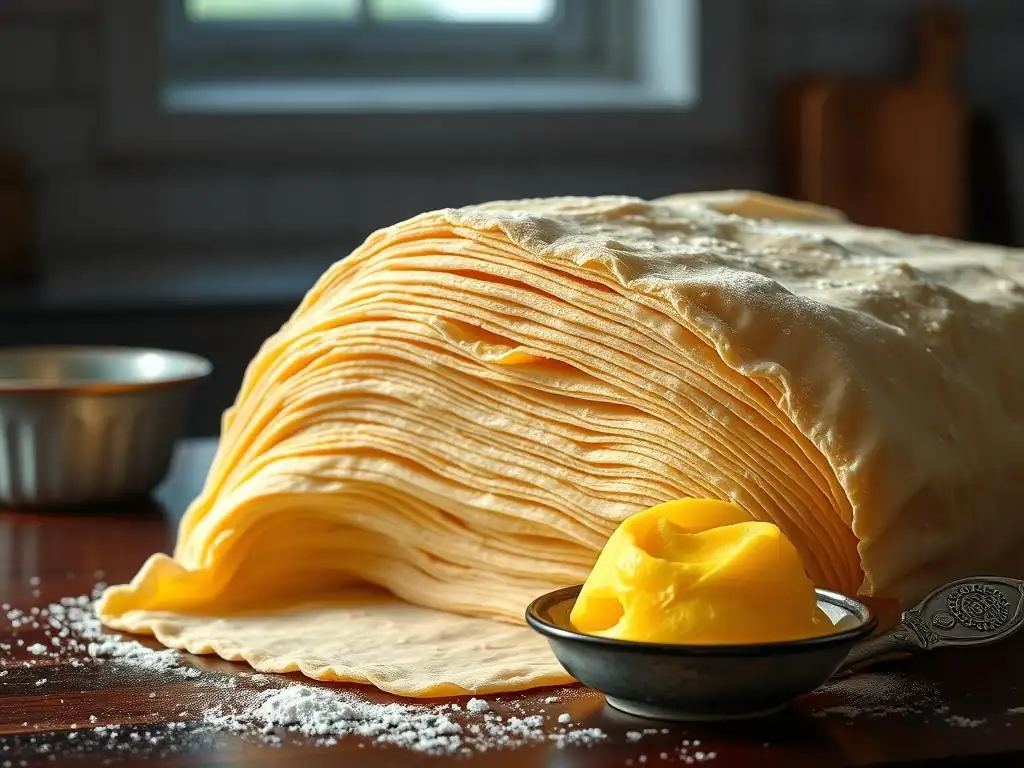
Welcome to BakeWithEase, your trusted companion in the delightful world of baking! Ever wondered how to achieve that perfect, sky-high rise and flaky layers in your pastries? Our latest article delves into a seemingly simple yet crucial technique that can make all the difference: resting puff pastry dough. Discover how this often-overlooked step unlocks the full potential of your dough, transforming it from ordinary to extraordinary. Intrigued? Read on to uncover the secrets!
- The Power of Rest: How Chilling Transforms Puff Pastry Dough for Perfect Results
- The Science Behind Resting Puff Pastry: What Happens During Chilling
-
Step-by-Step Guide: Properly Resting Your Puff Pastry Dough
- Initial Rest: The First Chill After Mixing and Kneading [30 Minutes in the Refrigerator]
- Resting Between Turns: Essential for Even Lamination [Wrap tightly in plastic wrap and refrigerate for at least 1 hour between each turn.]
- Final Rest Before Baking: Achieving Maximum Puff and Flakiness [Chill for 30 minutes before baking to prevent shrinkage.]
-
Troubleshooting: Common Puff Pastry Resting Problems and Solutions
- Dough is Too Warm: How to Cool it Down Quickly [Place in freezer for 10-15 minutes, checking frequently.]
- Dough is Too Stiff: Techniques for Softening Before Rolling [Let it sit at room temperature for a few minutes, but not too long.]
- Dough Shrinking After Resting: Preventing and Correcting Shrinkage [Ensure proper gluten relaxation and avoid overworking the dough.]
-
Beyond the Basics: Advanced Puff Pastry Resting Techniques
- Overnight Resting: The Benefits and Considerations [Allows for maximum gluten relaxation and flavor development, but monitor for over-relaxation.]
- Freezing Puff Pastry Dough: Resting Strategies for Frozen Dough [Thaw slowly in the refrigerator overnight before using.]
- Working with Different Fats: How Resting Times Vary [Butter requires longer resting times than shortening due to its lower melting point.]
- Recipes That Showcase the Importance of Resting Puff Pastry Dough
-
Tips and Tricks for Perfect Puff Pastry Resting
- Using the Right Equipment: Chilling Surfaces and Containers [Use a cold marble slab or baking sheet and airtight containers.]
- Maintaining Consistent Temperatures: Avoiding Temperature Fluctuations [Use a reliable refrigerator thermometer.]
- Recognizing Visual Cues: Knowing When Your Dough is Properly Rested [The dough should be firm but pliable.]
- Conclusion: Mastering the Art of Resting Puff Pastry Dough for Baking Success
- Frequently Asked Questions
- Final Reflection: The Unexpected Power of Patience in Baking
- Unlock the Secrets of Flaky Perfection!
The Power of Rest: How Chilling Transforms Puff Pastry Dough for Perfect Results
Understanding the Importance of Dough Relaxation in Puff Pastry
Creating perfect puff pastry is a delicate dance between dough and fat, and a crucial step often overlooked is allowing the dough to rest. Think of the dough after mixing and kneading – it's elastic and springy. This elasticity comes from the gluten network that develops when flour and water combine and are worked. If you try to roll this dough out immediately, it will constantly fight back, shrinking and resisting your efforts. This resistance makes lamination (creating those countless layers of dough and fat) incredibly difficult and can result in uneven layers or tearing.
Properly letting your puff pastry dough rest, particularly chilling it, allows the gluten network to relax. The long, elastic strands of gluten begin to untangle and loosen their grip. This relaxation makes the dough much more pliable and easier to roll thinly without it snapping back. A well-rested dough accepts the lamination process gracefully, allowing you to achieve thin, even layers necessary for that characteristic puff. Ignoring this step is a common pitfall that prevents bakers from reaching true puff pastry mastery.
Achieving Flaky Perfection Through Proper Chilling
The hallmark of great puff pastry is its incredible flakiness – those distinct, airy layers that shatter beautifully when you bite into them. This flakiness is directly dependent on the separation of the many layers of dough and fat during baking. Proper chilling is absolutely essential to maintaining these distinct layers before the pastry hits the hot oven. When the dough is cold, the fat (typically butter) is solid and firm. This solidity prevents the fat from squishing into the dough layers during rolling and folding (the "turns").
If the dough or fat is too warm, the butter becomes soft or even melts slightly, integrating into the dough rather than remaining as a separate layer. When baked, the water in the dough layers turns to steam, forcing the layers apart. If the fat has melted into the dough, there are fewer distinct layers to be separated by the steam, resulting in a dense, heavy pastry rather than a light, airy one. Therefore, chilling puff pastry dough solidifies the fat, preserves the separation of layers, and sets the stage for maximum puff and flakiness during baking.
The Science Behind Resting Puff Pastry: What Happens During Chilling
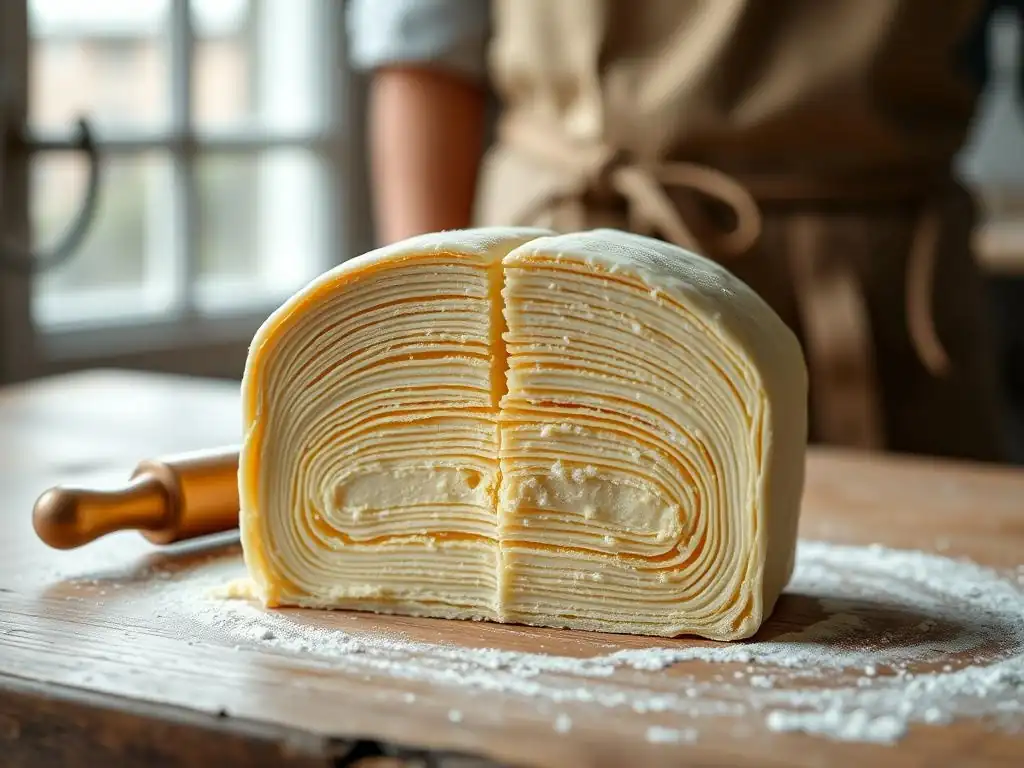
Gluten Relaxation: Easing the Dough's Elasticity for Better Lamination
When you mix flour and water and work the dough, proteins like glutenin and gliadin link together to form gluten. Kneading strengthens this network, making the dough elastic and extensible – it can stretch, but it also wants to snap back. This "snap back" is due to the coiled structure of the developed gluten strands. Attempting to roll out dough with a highly active, tight gluten network is frustrating; it shrinks back almost as fast as you roll it forward.
Resting the dough, especially in a cool environment, allows the gluten network to relax. The coiled protein chains begin to unwind and rearrange themselves into a less tense configuration. This process doesn't break down the gluten entirely, but it significantly reduces its elasticity and increases its extensibility. Think of a stretched rubber band that slowly returns to its original shape – resting allows the dough to do this on a microscopic level, making it much more amenable to being rolled thinly and evenly without excessive resistance or tearing during the crucial lamination steps.
Fat Solidification: Maintaining Distinct Layers for Optimal Puff
The magic of puff pastry lies in the separation of hundreds of ultra-thin layers of dough by equally thin layers of fat. During baking, the water in the dough layers turns to steam, which is trapped by the surrounding fat layers, forcing the dough layers apart and causing the pastry to puff dramatically. For this to happen effectively, the fat layers must remain distinct from the dough layers throughout the rolling and folding process. This is where chilling is paramount.
Fats commonly used in puff pastry, like butter, are solid at refrigerator temperatures (around 4°C or 40°F) but soften considerably at room temperature (around 20-22°C or 68-72°F) and melt around 30-35°C (86-95°F). When the puff pastry dough is properly chilled, the butter is firm. As you roll and fold, the solid butter layers are flattened alongside the dough layers without integrating into them.
If the dough or butter warms up, the butter softens and begins to smear or melt into the dough, reducing the clear separation needed for steam to create lift. Chilling ensures the fat remains solid enough to create those crucial, distinct barriers between dough layers.
Temperature Control: Preventing Dough from Overheating During Lamination
Working with dough, especially the repetitive process of rolling and folding required for puff pastry, generates friction. This friction, combined with the warmth from your hands and the ambient room temperature, can quickly cause the dough and, more importantly, the fat layers within it to warm up. As discussed, warm fat is the enemy of distinct layers and proper puff. Maintaining a consistently cool temperature throughout the lamination process is vital.
Chilling the puff pastry dough between each "turn" (each cycle of rolling and folding) serves as a reset button. It cools the dough back down, re-solidifies the fat, and allows the gluten to relax again after being worked.
This temperature control prevents the fat from melting into the dough and keeps the gluten from becoming too tight and elastic, which would make further rolling difficult and risk tearing the delicate layers. Without adequate chilling between turns, the fat would smear, and the dough would become unmanageable, leading to a pastry that is dense and greasy rather than light and flaky.
Step-by-Step Guide: Properly Resting Your Puff Pastry Dough
Initial Rest: The First Chill After Mixing and Kneading [30 Minutes in the Refrigerator]
Once your basic puff pastry dough (the détrempe) is mixed and lightly kneaded to bring it together, it's already developed some gluten and will be somewhat elastic. Before you even think about incorporating the fat block ( beurrage) or starting the lamination process, this initial rest is crucial.
- Wrap the dough tightly in plastic wrap. Ensure it's well-sealed to prevent a skin from forming.
- Gently flatten the dough into a rectangle or square shape, about 2-3 cm thick. This makes it easier to start rolling later.
- Place the wrapped dough in the refrigerator for at least 30 minutes. This short chill helps the gluten begin to relax and makes the dough firm enough to handle without being overly sticky.
This first rest allows the initial tension from mixing to dissipate slightly. While 30 minutes is a minimum, some bakers prefer an hour or even longer at this stage, especially if their kitchen is warm. The goal is a dough that is cool and slightly firmed up, ready for the next step of encasing the butter.
Resting Between Turns: Essential for Even Lamination [Wrap tightly in plastic wrap and refrigerate for at least 1 hour between each turn.]
This is arguably the most critical resting phase for puff pastry. After you've enclosed the butter and completed a "turn" (rolling and folding), the dough has been worked, the gluten is tense, and the temperature has likely increased slightly due to handling and friction. Skipping the rest here is a guaranteed way to end up with uneven layers or a butter blowout.
- After each turn, gently reshape the dough into a neat rectangle.
- Wrap the dough very tightly in plastic wrap. This maintains its shape and prevents drying.
- Refrigerate for a minimum of 1 hour before attempting the next turn.
Consider this rest non-negotiable. An hour is generally sufficient to cool the dough completely and allow the gluten to relax significantly. For best results, especially if you're new to puff pastry or your kitchen is warm, extending this rest to 1.5 or 2 hours between turns is beneficial. Adequate chilling ensures the butter remains solid and the dough pliable for the next round of rolling, leading to more uniform and numerous layers.
Final Rest Before Baking: Achieving Maximum Puff and Flakiness [Chill for 30 minutes before baking to prevent shrinkage.]
You've completed all your turns (typically 4 to 6) and rolled the dough to its final desired thickness for your recipe, maybe around 3-4 mm for croissants or 5-6 mm for vol-au-vents. Before cutting and shaping, and definitely before baking, the dough needs one final, crucial rest.
- After rolling to final thickness, place the dough (or shaped pieces) on a baking sheet lined with parchment paper.
- Cover lightly with plastic wrap or another sheet of parchment.
- Chill in the refrigerator for at least 30 minutes.
This final rest allows the gluten to relax completely after the last rolling, minimizing shrinkage during baking. More importantly, it ensures the fat is thoroughly chilled and solid just before hitting the hot oven. This cold fat is key to creating that sudden burst of steam and dramatic puff when the pastry bakes. A minimum of 30 minutes is needed, but chilling for an hour or even longer is perfectly fine and often recommended for maximum puff.
Troubleshooting: Common Puff Pastry Resting Problems and Solutions
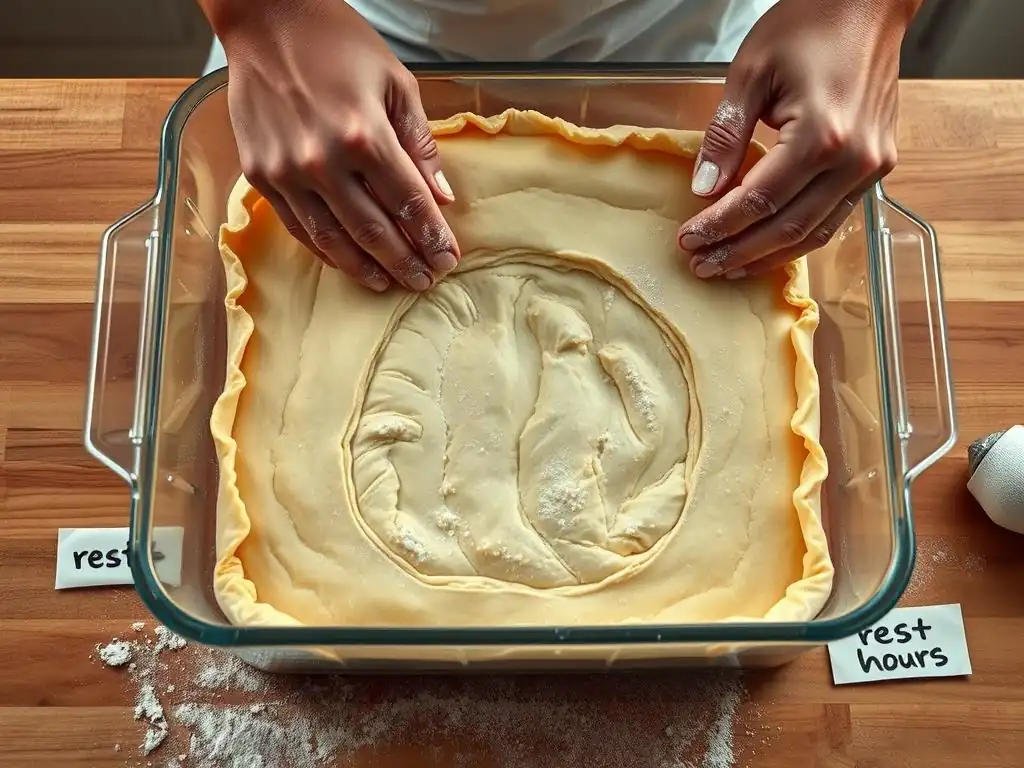
Dough is Too Warm: How to Cool it Down Quickly [Place in freezer for 10-15 minutes, checking frequently.]
Sometimes, despite your best efforts, your puff pastry dough starts to feel too warm during rolling, or the butter feels soft and smeary. This usually happens if your kitchen is warm, or you've spent too long on a turn. Working with warm dough is difficult and detrimental to the layers.
- Immediately stop rolling.
- Wrap the dough tightly.
- Place it in the freezer for a short, controlled period. Start with 10 minutes and check the dough. It should feel firm but not frozen solid.
- Return it to the refrigerator if it needs more chilling but isn't warm enough for the freezer.
Be careful not to leave it in the freezer too long, as freezing the dough solid requires a much longer thawing process later. The freezer is a quick fix for slightly warm dough, but the refrigerator is where the bulk of your resting should occur for proper gluten relaxation and even cooling.
Dough is Too Stiff: Techniques for Softening Before Rolling [Let it sit at room temperature for a few minutes, but not too long.]
Over-chilling or insufficient gluten relaxation can result in dough that is too hard and stiff coming out of the refrigerator. Trying to roll very stiff dough can cause the layers to break or the fat to crack rather than flatten evenly.
- Remove the dough from the refrigerator.
- Leave it wrapped at room temperature for a few minutes.
- Check its pliability by gently pressing it with your finger. It should yield slightly but still feel cold.
The key here is "a few minutes," not "an hour." You want the dough to become just pliable enough to roll without excessive force, but still remain cold and the butter solid. This might take anywhere from 5 to 15 minutes depending on your room temperature and how cold the dough was. Rolling stiff dough can also generate excessive heat, so finding the right balance is important.
Dough Shrinking After Resting: Preventing and Correcting Shrinkage [Ensure proper gluten relaxation and avoid overworking the dough.]
If you roll out your puff pastry dough, cut shapes, and notice they are shrinking back significantly before or during baking, it's a sign that the gluten network is still too tense. This often happens if the dough didn't rest long enough between turns or for the final rest, or if the dough was overworked during mixing or rolling.
- Prevention: The best solution is proper resting. Ensure you are giving the dough the full recommended chilling time (at least 1 hour between turns, 30+ minutes final rest). Avoid overworking the dough during the initial mixing – just bring it together. Be gentle but firm during rolling, avoiding tearing or stretching the dough excessively.
- Correction (Limited): If you've cut shapes and they are shrinking, you can try gently reshaping them. For example, for palmiers, ensure the final log is very cold before slicing. For other shapes, give them a longer final chill (up to an hour) after cutting before baking. However, significant shrinkage usually indicates a fundamental issue with resting and gluten relaxation earlier in the process.
Beyond the Basics: Advanced Puff Pastry Resting Techniques
Overnight Resting: The Benefits and Considerations [Allows for maximum gluten relaxation and flavor development, but monitor for over-relaxation.]
While 1-2 hours between turns and 30 minutes for a final rest are standard minimums, allowing your puff pastry dough to rest overnight in the refrigerator can offer significant advantages, particularly for experienced bakers.
- Benefits: An extended rest of 8-12 hours allows for maximum gluten relaxation, making the dough incredibly easy to roll thinly and evenly. This can contribute to even better lamination. Furthermore, the dough develops a slightly more complex flavor profile as the flour hydrates fully and enzymatic activity occurs slowly in the cold.
- Considerations: Resting for too long (e.g., more than 24-48 hours, depending on the recipe and conditions) can lead to over-relaxation, where the gluten network becomes too weak. This can make the dough difficult to handle and roll without tearing. Additionally, older dough can sometimes develop grayish streaks if the butter isn't perfectly sealed. When opting for an overnight rest, ensure the dough is very well wrapped and stored in a cool, consistent section of the refrigerator.
Freezing Puff Pastry Dough: Resting Strategies for Frozen Dough [Thaw slowly in the refrigerator overnight before using.]
Puff pastry dough freezes exceptionally well, making it a great make-ahead option. However, proper resting is still crucial when working with frozen dough, primarily during the thawing process.
- Freezing: After completing all turns or rolling to final thickness, wrap the dough very tightly in multiple layers of plastic wrap, then in foil or a freezer bag. Label and date it. It can typically be frozen for up to 1-2 months.
- Thawing: The most important resting strategy for frozen puff pastry is slow thawing. Transfer the frozen dough to the refrigerator and let it thaw slowly, usually overnight (8-12 hours) for a standard block. Thawing at room temperature is risky as the outside will warm up much faster than the inside, leading to uneven consistency and potential butter leakage.
- Post-Thaw Rest: Once thawed, the dough will likely be very cold and stiff. Allow it to rest at refrigerator temperature for another 30-60 minutes, or briefly at cool room temperature (5-15 minutes), until it is pliable enough to roll without cracking the butter layers. Treat it like freshly made dough regarding its need for chilling between rolling steps if you are further working it.
Working with Different Fats: How Resting Times Vary [Butter requires longer resting times than shortening due to its lower melting point.]
While butter is the classic choice for its flavor and flakiness, some recipes use shortening or a blend of fats. The type of fat used can slightly influence the optimal resting times due to differences in melting points and plasticity.
- Butter: Pure butter (around 80-82% fat) has a relatively low melting point (30-35°C / 86-95°F). This is why butter-based puff pastry requires rigorous chilling between turns and a cool working environment. Longer rest periods, especially 1 hour or more between turns, are essential to keep the butter solid.
- Shortening: Hydrogenated vegetable shortening has a higher melting point (typically above 45°C / 115°F) and is more plastic over a wider temperature range. Dough made with shortening may require slightly less strict chilling between turns, as the fat is less likely to melt and smear at typical room temperatures. However, chilling is still necessary for gluten relaxation and maintaining distinct layers, even if the fat is more forgiving.
- Blends: Some recipes use a blend of butter and shortening or specialized pastry margarines. These fats are often formulated to have desirable properties like plasticity and a higher melting point than pure butter. Resting times for dough using blends will depend on the specific fat composition but generally fall between the requirements for pure butter and pure shortening – chilling is still vital, but perhaps slightly less extended rests might be acceptable depending on the blend.
Recipes That Showcase the Importance of Resting Puff Pastry Dough
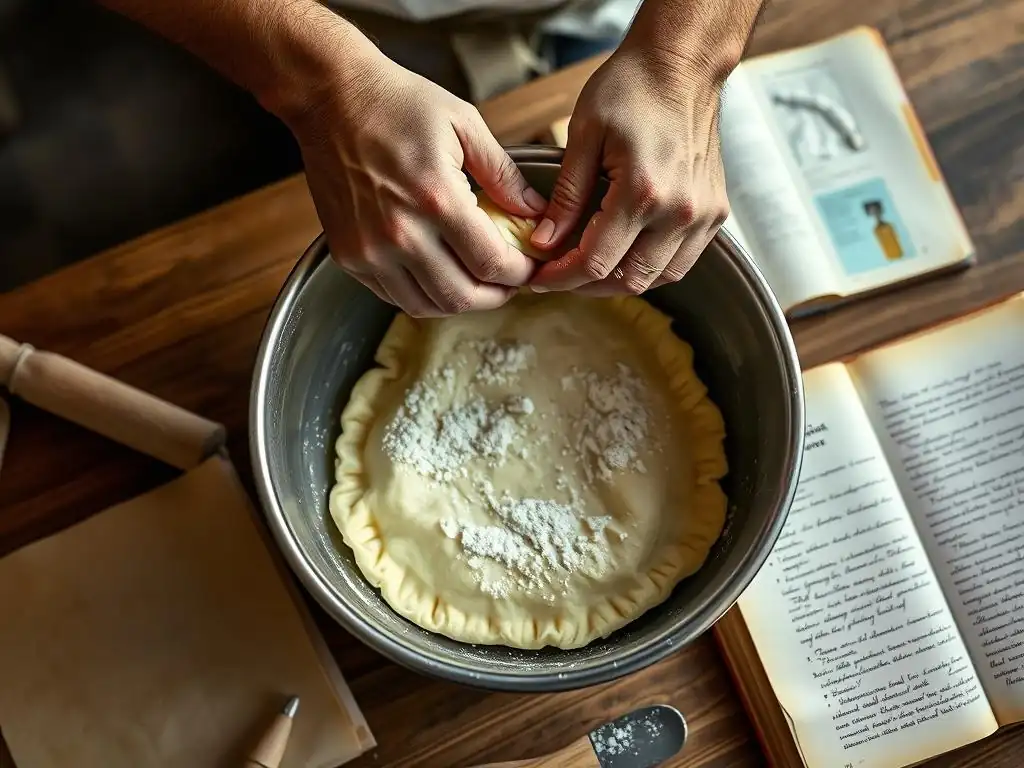
Classic Croissant Recipe: Highlighting the Impact of Resting on Flakiness
Croissants are a perfect example of how critical proper resting is for achieving maximum flakiness and internal structure. A classic croissant dough (which is enriched puff pastry) undergoes multiple turns, often four or five.
- Each turn requires a significant rest period, typically 1.5 to 2 hours in the refrigerator. This ensures the butter layers remain distinct and the dough is relaxed for the next roll-out.
- After shaping the croissants, they undergo a long final proofing period, ideally in a slightly cool environment (around 24-26°C / 75-79°F) that allows them to rise (due to yeast, as croissants are yeasted puff pastry) without the butter melting. Following this proof, a final short rest/chill in the refrigerator (15-30 minutes) is often recommended just before baking. This ensures the butter is firm when it hits the hot oven, leading to the dramatic puff and separation of layers that define a perfect croissant. Skipping or shortening rests in croissant making results in dense, bready pastries with poor layer separation.
Palmiers Recipe: Emphasizing the Role of Resting in Shape Retention
Palmiers, those delightful "elephant ear" cookies, are made from puff pastry rolled with sugar and then rolled into a tight log from both ends before slicing and baking. The distinct shape and crisp layers of a palmier are heavily reliant on the dough being properly rested and chilled, especially during the final stages.
- After completing the turns and rolling the dough to its final thinness (often 3mm or less), the dough needs a good rest (at least 30 minutes) to prevent shrinkage before adding the sugar and rolling the logs.
- Crucially, after rolling the dough into tight logs, these logs must be thoroughly chilled until very firm, ideally for 1-2 hours in the refrigerator or 30-45 minutes in the freezer. This chilling is essential so the logs hold their shape firmly when sliced. Trying to slice a warm or insufficiently chilled log results in squashed, misshapen cookies with smeared layers. The final rest ensures clean cuts and distinct layers that puff beautifully into the classic palmier shape during baking.
Vol-au-Vent Recipe: Demonstrating How Resting Enables Perfect Puffing
Vol-au-vents are small, hollow puff pastry cases designed to be filled. Their success hinges entirely on achieving a dramatic, even puff that creates a deep cavity. This requires puff pastry dough with well-developed, distinct layers, which is a direct result of adequate resting and chilling throughout the process.
- The puff pastry dough used for vol-au-vents typically undergoes 6 turns to create a very high number of layers (theoretically over 1000 layers from a standard folding method). This extensive lamination absolutely requires consistent resting (at least 1 hour between each turn) to prevent the butter from melting and the layers from merging.
- After rolling the dough to the required thickness (often 5-6mm) and cutting out the rounds (and smaller inner rounds for the lid), the shaped pieces need a significant final rest, often 30-60 minutes, before baking. This ensures the fat is very cold, allowing for maximum steam production and lift when the pastry enters a hot oven (typically 200-220°C / 400-425°F). Proper resting allows the layers to separate dramatically, creating the signature hollow center of a vol-au-vent, ready to be filled.
Tips and Tricks for Perfect Puff Pastry Resting
Using the Right Equipment: Chilling Surfaces and Containers [Use a cold marble slab or baking sheet and airtight containers.]
The environment and equipment you use can significantly impact the effectiveness of resting and chilling your puff pastry dough. Starting with cold equipment can help maintain a low temperature during rolling.
- Rolling Surface: If possible, work on a cold surface like a marble slab. Alternatively, chill your regular countertop or a large baking sheet in the refrigerator before starting to roll.
- Chilling Surface: Always rest your dough on a flat surface that has been chilled, such as a metal baking sheet placed in the refrigerator. This helps draw heat away from the dough quickly and evenly.
- Containers/Wrapping: Use airtight plastic wrap to cover the dough completely during resting. This prevents the dough from drying out and forming a skin, which can interfere with lamination. For longer rests or freezing, consider adding an extra layer of foil or placing the wrapped dough in a resealable plastic bag or rigid container to prevent freezer burn or absorption of refrigerator odors.
Maintaining Consistent Temperatures: Avoiding Temperature Fluctuations [Use a reliable refrigerator thermometer.]
Temperature consistency is key to successful puff pastry. Both your working environment and your refrigerator need to be at the right temperature.
- Refrigerator Temperature: Ensure your refrigerator is consistently operating at or below 4°C (40°F). Use a reliable refrigerator thermometer to check. If your fridge is too warm, your dough won't chill properly, leading to soft butter and difficult lamination.
- Room Temperature: While the refrigerator does the main chilling, try to keep your working environment as cool as possible (ideally below 22°C / 72°F) when you are actively rolling. This minimizes how quickly the dough warms up between rests.
- Handling: Handle the dough gently and efficiently during rolling and folding to minimize heat transfer from your hands.
Recognizing Visual Cues: Knowing When Your Dough is Properly Rested [The dough should be firm but pliable.]
Learning to read your dough is an important skill in baking. While timing is a good guideline, the dough's feel is the ultimate indicator of whether it's properly rested and ready for the next step.
- Properly Rested: After chilling, the puff pastry dough should feel firm and cold to the touch, but not rock hard or frozen. When you gently press it with your finger, it should yield slightly, leaving a faint indentation. It should also feel noticeably less elastic than when you put it in the fridge. It should be pliable enough to roll without excessive force but firm enough that the butter layers don't ooze out.
- Under-Rested: The dough will feel overly soft, sticky, and very elastic. It will resist rolling and snap back significantly. The butter will likely feel very soft.
- Over-Rested (Overnight): If rested too long, the dough might feel slightly fragile or less cohesive, though this is less common with standard puff pastry and more of a risk with enriched doughs.
Conclusion: Mastering the Art of Resting Puff Pastry Dough for Baking Success
Recap of Key Benefits and Techniques for Dough Relaxation
Mastering puff pastry is a rewarding baking challenge, and understanding the power of rest is fundamental to achieving those coveted flaky layers. We've explored how adequate chilling allows the gluten network to relax, transforming a tight, elastic dough into one that's pliable and easy to roll. Equally important, chilling solidifies the fat within the dough, ensuring those crucial distinct layers remain separate, ready to be lifted by steam in the oven.
From the initial rest after mixing, through the essential chilling periods between each turn, to the final rest before baking, each phase of resting puff pastry dough plays a vital role. We've discussed the science behind gluten relaxation and fat solidification, provided a step-by-step guide with approximate timings (30 minutes initial, 1 hour between turns, 30 minutes final rest), and offered solutions for common issues like dough being too warm or too stiff. Advanced techniques like overnight resting and handling frozen dough further underscore the versatility and importance of chilling.
Encouragement to Experiment and Refine Your Puff Pastry Skills
Baking puff pastry requires patience and practice. Don't be discouraged if your first attempt isn't perfect. The process of resting puff pastry dough is a skill that improves with experience. Pay attention to how the dough feels at each stage, adjust resting times slightly based on your kitchen environment, and always prioritize keeping the dough and butter cold.
By diligently incorporating proper resting and chilling into your puff pastry process, you'll unlock the secret to consistently achieving light, airy, and shatteringly flaky results. So, embrace the power of rest, trust the process, and enjoy the journey of mastering this classic baking technique. Your delicious pastries, whether croissants, palmiers, or vol-au-vents, will be a testament to your patience and skill in letting your puff pastry dough simply rest.
Frequently Asked Questions
What exactly does resting or chilling puff pastry dough do?
Resting relaxes the gluten in the dough. This prevents the dough from shrinking excessively during baking and allows for better lamination and rise.
How long should I rest puff pastry dough between folds?
Typically, you should rest puff pastry dough for at least 30 minutes to an hour in the refrigerator between each series of folds. Longer resting periods, even overnight, can also be beneficial for gluten relaxation.
Can I over-rest puff pastry dough?
While less common, over-resting can make the dough too relaxed and difficult to handle. If this happens, gently re-knead it for a few seconds, then chill for a shorter period, about 15-20 minutes.
What happens if I don't rest puff pastry dough enough?
Insufficient resting will result in a dough that is tough, shrinks significantly during baking, and has a less impressive rise. The gluten needs time to relax.
Is resting puff pastry dough only important for homemade dough, or store-bought too?
Resting is crucial for both homemade and store-bought puff pastry. Even store-bought dough benefits from a short rest before use to allow it to relax and become more pliable, resulting in a better final product.
Final Reflection: The Unexpected Power of Patience in Baking
The art of making perfect puff pastry isn't just about technique; it's about understanding the transformative power of rest. A simple chill in the refrigerator unlocks the potential for flaky layers, a testament to the fact that sometimes, the most impactful actions are the ones we patiently wait to see unfold. This seemingly passive step is, in reality, the cornerstone of success.
The chilling process, so often overlooked, mirrors the importance of pausing and reflecting in our own lives. We live in a culture that glorifies constant motion, but true growth often emerges from periods of quiet contemplation. The best things in life are not things; they are people, places, memories and feelings.
This quote highlights the value of allowing time for the subtle, yet profound, changes that occur during periods of rest, both in baking and in life. The patience required to let the dough rest allows for the development of something truly special, something far exceeding the sum of its parts.
Consider the lessons of the chilled dough. You, too, deserve periods of rest and reflection to allow your own potential to fully blossom. Don't rush the process; embrace the quiet moments. Allow yourself the time to absorb experiences, to process emotions, and to let your inner "flaky layers" develop into something beautiful and unique. Take a moment today to plan for some intentional rest – you might be surprised at the delicious results.
Unlock the Secrets of Flaky Perfection!
Thanks for taking the time to explore the transformative power of rest when working with puff pastry! You've just learned a crucial technique for achieving flawlessly flaky results. Now, let's put that knowledge to work!
- Bake a masterpiece! Try out your newly honed chilling skills with our signature recipe for Cream Cheese and Raspberry Puff Pastry Tarts (find it on our recipe page! ).
- Share your baking triumphs! Post a picture of your perfectly layered creation on social media using #BakeWithEaseChill and tag us!
- Consider experimenting: Try chilling your dough for longer or shorter periods to see how it affects the final result. What unique textures can you discover?
Ready to unleash your inner pastry chef? What delicious puff pastry creations will you bake next?