
The Smell Test: Using Aroma to Gauge Your Starter's Health


Welcome to BakeWithEase, your trusted guide in the delightful world of baking!
Ever wonder if that healthy sourdough starter aroma is truly a sign of success? We're diving deep into the fascinating world of sourdough starters, exploring how their scents can tell you everything you need to know about their vitality. Get ready to unlock the secrets held within those yeasty, tangy smells and learn how to confidently assess your starter's health, ensuring baking perfection every time. Intrigued? Let's get started!
- Introduction: Why Your Sourdough Starter's Aroma Matters
- Decoding Sourdough Starter Smells: A Comprehensive Guide
- Common Sourdough Starter Smells and What They Mean
- Troubleshooting Unwanted Sourdough Starter Aromas
- The Smell Test vs. Other Starter Health Indicators
- Maintaining a Healthy Sourdough Starter Aroma
- Conclusion: Trust Your Nose for a Successful Sourdough Bake
-
Frequently Asked Questions
- What does a healthy sourdough starter aroma typically smell like?
- What does it mean if my sourdough starter smells like acetone or nail polish remover?
- My sourdough starter smells moldy or rotten. Is it safe to use?
- How often should I be smelling my sourdough starter to check its health?
- Can the aroma of my sourdough starter tell me when it's ready to bake with?
- Final Reflection: The Aromatic Journey of a Thriving Starter
- Unleash Your Inner Bread Whisperer: Mastering the Art of Sourdough Aroma
Introduction: Why Your Sourdough Starter's Aroma Matters
The Importance of Smell in Sourdough Baking
The aroma emanating from your sourdough starter isn't just a pleasant side effect of fermentation; it's a vital indicator of its health and activity. Just as a gardener observes the color and growth of plants, a sourdough baker learns to interpret the subtle scents produced by the complex microbial ecosystem within the starter.
A healthy sourdough starter aroma is often described as pleasant, slightly tangy, and yeasty, signaling that the wild yeasts and lactic acid bacteria are thriving and working in harmony. Paying close attention to this scent helps you understand if your starter is happy, hungry, or potentially struggling, allowing you to make timely adjustments to your feeding schedule or environment.
Ignoring the smell can lead to unpredictable baking results, including loaves that don't rise properly or have off-flavors. For instance, a starter with a strong, acetone-like smell might indicate it's severely hungry and producing excessive amounts of alcohol, while a foul or cheesy odor could point towards undesirable microbial activity. By using the smell test regularly, perhaps daily before feeding, you develop a sensitivity to your starter's 'normal' state.
This sensory check complements visual cues like bubble formation and volume increase, providing a more complete picture of your starter's readiness and overall vitality. A consistent, healthy sourdough starter aroma is the foundation for reliable and delicious sourdough bread.
Understanding the Connection Between Aroma and Starter Activity
The distinct aroma of a sourdough starter is a direct byproduct of the metabolic processes carried out by the wild yeasts and lactic acid bacteria (LAB). Yeasts consume sugars from the flour and produce ethanol and carbon dioxide (which causes the bubbles and rise). LAB consume sugars and produce various organic acids, primarily lactic acid and acetic acid, along with other volatile compounds.
The balance and activity level of these two groups dictate the resulting aroma. For example, a starter that has just been fed might have a mild, floury smell, but as the microbes become active, the aroma will shift.
As fermentation progresses, the aroma intensifies and changes. Lactic acid bacteria, especially Lactobacillus sanfranciscensis (a common LAB in sourdough), contribute significantly to the tangy smell. Acetic acid, another product of LAB, contributes a sharper, sometimes vinegar-like note, particularly noticeable when the starter is hungry or kept at cooler temperatures. Yeasts contribute yeasty, sometimes slightly alcoholic or fruity notes.
A vigorously active starter, perhaps doubling within 4-6 hours at room temperature (around 75°F or 24°C), will typically have a pronounced, pleasant tangy-yeasty aroma. Conversely, a sluggish starter might have a weak or off smell because the microbes aren't fermenting effectively. Understanding this connection allows you to literally smell the progress and health of your microbial culture.
Decoding Sourdough Starter Smells: A Comprehensive Guide
The Ideal Healthy Sourdough Starter Aroma: What to Expect
The aroma of a healthy sourdough starter is a delightful and complex scent that bakers come to recognize and cherish. Typically, a well-maintained and active starter should smell pleasantly tangy, reminiscent of yogurt or buttermilk, combined with a fresh, slightly sweet, and yeasty note. Imagine the smell of active bread dough, but with an added layer of cultured dairy tang. This characteristic smell indicates a balanced microbial population where both the wild yeasts and lactic acid bacteria are thriving and producing desirable metabolic byproducts. When you perform the smell test, this is the aroma you are hoping to detect.
A healthy sourdough starter aroma often has nuances depending on factors like the type of flour used, hydration level, and temperature. For instance, a starter fed with rye flour might have a deeper, earthier tang compared to one fed with white bread flour. A higher hydration starter might develop a slightly different balance of acids compared to a stiffer one.
However, the underlying profile of a pleasant, acidic, and yeasty smell remains consistent for a healthy culture. This aroma usually reaches its peak when the starter is most active and ripe, often shortly after it has peaked in volume after a feeding, indicating optimal readiness for baking.
Recognizing the Different Stages of Sourdough Starter Fermentation by Smell
The aroma of your sourdough starter changes noticeably throughout its fermentation cycle after a feeding. Immediately after feeding, the starter might smell primarily of fresh flour, perhaps with a faint underlying tang from the residual starter. As the wild yeasts and bacteria wake up and begin consuming the new food, typically within a few hours at room temperature, the smell starts to evolve. You might notice a gentle increase in yeasty notes, perhaps slightly sweet or even faintly fruity, as the yeasts become active.
As the fermentation progresses and the starter reaches its peak activity, the aroma becomes much more pronounced. This is when the characteristic tangy smell develops strongly, alongside the yeasty notes. The acidity builds, and the smell reflects this.
Once the starter passes its peak and starts to fall, indicating that the food supply is diminishing and acids are accumulating, the aroma might become sharper, perhaps leaning more towards a distinct vinegar-like smell (due to increased acetic acid) or even slightly alcoholic. Recognizing these aromatic shifts helps you gauge where your starter is in its cycle and determine the best time to feed it or use it for baking.
Common Sourdough Starter Smells and What They Mean
Fruity or Yeasty Smells: Normal or Cause for Concern?
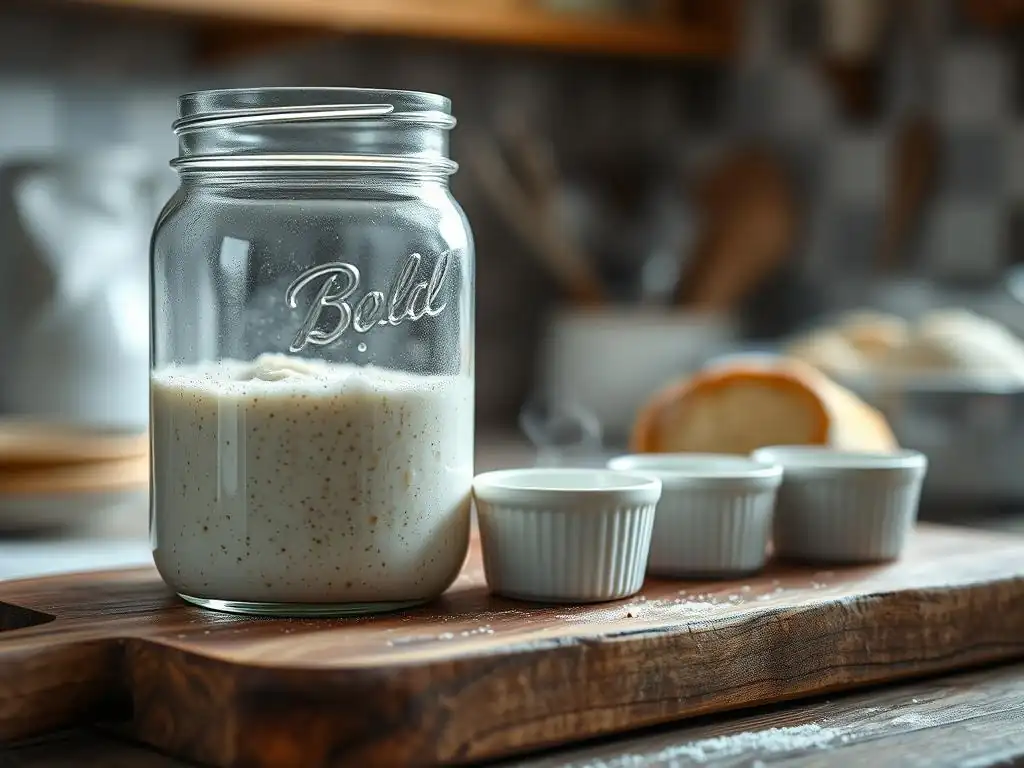
Fruity or yeasty smells are generally good signs in a sourdough starter, especially in its early stages of activity after a feeding. The yeasty smell comes directly from the wild yeasts consuming sugars and multiplying. A pleasant, bread-like yeasty aroma is exactly what you want. Sometimes, particularly with certain types of wild yeasts or flour combinations, the starter can produce esters that give off fruity notes, often described as apple, pear, or even grape-like. This is usually not a cause for concern and can actually contribute pleasant subtle flavors to your bread.
However, an excessively strong alcoholic or solvent-like smell, which might have a sharp, fruity edge (like nail polish remover), indicates a different issue. This happens when the yeasts have consumed most of the available sugars and are producing a high concentration of ethanol, which then starts to evaporate, creating that pungent aroma. This typically means the starter is very hungry and has gone too long without feeding.
While not immediately harmful to the starter's viability in the short term, consistently allowing it to reach this state can weaken it over time and impact the healthy sourdough starter aroma you aim for. Addressing this involves more frequent feeding or using a higher feeding ratio (more flour and water relative to the starter).
Sour and Tangy Smells: A Sign of Acidity
A pronounced sour and tangy smell is a hallmark of a healthy, active sourdough starter and is primarily due to the production of lactic acid and acetic acid by the lactic acid bacteria (LAB). Lactic acid contributes a softer, yogurt-like tang, while acetic acid provides a sharper, sometimes vinegar-like note. This acidity is crucial for several reasons: it inhibits the growth of undesirable bacteria and mold, helps break down the flour, and contributes to the characteristic flavor and texture of sourdough bread. The level of tanginess can vary – some starters are mildly tangy, while others are quite pungent.
The balance between lactic and acetic acid production can be influenced by temperature and hydration. Warmer temperatures (e.g., 80°F / 27°C) tend to favor lactic acid production, resulting in a milder tang. Cooler temperatures (e.g., 70°F / 21°C) often encourage more acetic acid production, leading to a sharper, more vinegary smell.
A starter that has gone a long time between feedings or is kept in the refrigerator might develop a very strong, sharp, acidic smell. While this level of acidity isn't necessarily harmful to the starter, it indicates it's hungry and may impart a very strong sour flavor to your bread if used at this stage. A healthy sourdough starter aroma is typically a pleasant, balanced tang, not overwhelmingly sharp or unpleasant.
Buttery or Cheesy Smells: Indicates Diacetyl Production
A smell reminiscent of butter or cheese in your sourdough starter is often due to the production of a compound called diacetyl. Diacetyl is a natural byproduct of fermentation, particularly by certain types of lactic acid bacteria. It's the same compound that gives movie theater popcorn its buttery flavor and is present in some fermented dairy products. In small amounts, it can contribute a pleasant richness to the starter's aroma.
However, a strong buttery or cheesy smell can sometimes indicate that certain types of bacteria are dominating the culture, potentially outcompeting the desirable yeasts and LAB. While not always a serious issue, it can be a sign of an imbalance. This can sometimes occur in newer starters or those kept at inconsistent temperatures.
To address this, try increasing the frequency of feedings to dilute the bacterial population producing the diacetyl and encourage the growth of the desired microbes. Ensuring a consistent temperature and using clean jars can also help maintain a healthy microbial balance and foster a more typical healthy sourdough starter aroma.
Alcoholic or Solvent-Like Smells: Potential Problems and Solutions
A strong smell of alcohol, often described as smelling like nail polish remover (acetone) or strong spirits, is a clear sign that your sourdough starter is very hungry. This aroma is primarily due to the accumulation and evaporation of ethanol, a byproduct of yeast fermentation. When yeasts run out of readily available sugars in the flour, they continue to produce alcohol as a metabolic waste product while their activity declines. The acetone-like smell is a related volatile organic compound that can also be produced in these conditions.
This strong alcoholic smell indicates that the starter has consumed most of its food and has been left too long without a fresh feeding. While the starter is still alive, it is weakened and less vigorous. Consistently allowing your starter to reach this state can degrade its overall health and performance. To fix this, you need to feed your starter more frequently or adjust your feeding ratio to provide more food.
For example, if you're feeding 1:1:1 (starter:flour:water), try 1:2:2 or even 1:3:3 to give the microbes more food to work through before you need to feed again. Using the starter for baking when it smells strongly alcoholic may result in a less vigorous rise and potentially a harsher flavor. Aim for the pleasant, tangy-yeasty healthy sourdough starter aroma before baking.
Unpleasant or Off-Putting Smells: Identifying Contamination
Any truly foul or off-putting smell that is not among the typical fermentation aromas (tangy, yeasty, slightly alcoholic/fruity, or buttery) is a significant red flag and usually indicates contamination by undesirable microorganisms. Smells described as rotten, putrid, sewage-like, or intensely cheesy/rancid are signs that something is wrong. This could be due to pathogenic bacteria or other spoilage microbes that have found their way into your starter.
Contamination can occur if the starter is exposed to unclean environments, stored improperly, or fed with contaminated flour or water. Unlike the acceptable range of fermentation smells, a truly unpleasant odor suggests the sourdough ecosystem is out of balance and potentially unsafe. If your starter develops a genuinely foul smell, it is generally recommended to discard it and start fresh.
While some minor off-smells might be corrected with frequent feedings, a truly bad odor indicates a level of contamination that is difficult to rectify and poses a risk to your health and baking success. A healthy sourdough starter aroma should never be repulsive.
Troubleshooting Unwanted Sourdough Starter Aromas

Identifying the Root Cause of a Bad Smell
When your sourdough starter develops an unwanted aroma, the first step is to identify the root cause. This requires careful observation and consideration of recent events. Did the smell suddenly change, or has it been developing over time? What kind of smell is it specifically – overly alcoholic, sharply vinegary, or something truly foul? Consider your recent feeding schedule: has it been consistent? Have you missed a feeding or extended the time between them? A strong alcoholic smell, for instance, points directly to underfeeding or infrequent feeding, meaning the yeasts ran out of sugar too quickly.
Next, think about the environmental conditions. Has the temperature in your kitchen changed significantly? Cooler temperatures can slow fermentation and favor acetic acid production (sharper tang), while warmer temperatures speed things up and can lead to rapid depletion of food (alcoholic smell). Have you changed the type of flour or water you're using? New ingredients can sometimes introduce different microbes or change the fermentation dynamics.
Lastly, consider hygiene. Was the jar clean? Did anything fall into the starter? Truly foul smells often indicate contamination, which points towards sanitation issues or exposure to airborne contaminants. By systematically reviewing these factors, you can usually pinpoint what's causing the off-smell.
Adjusting Feeding Ratios to Improve Aroma
One of the most effective ways to influence your sourdough starter's aroma and health is by adjusting your feeding ratio. The ratio of starter to fresh flour and water dictates how much food is available to the microbes and how long it will last. A standard maintenance feeding ratio is often 1:1:1 (1 part starter, 1 part flour, 1 part water by weight).
If your starter consistently develops a strong alcoholic or overly sharp, hungry smell too quickly (e.g., within 6-8 hours at room temp), it's likely running out of food. Increasing the ratio of fresh flour and water provides more sustenance and slows down the fermentation relative to the amount of starter.
For example, switching to a 1:2:2 or even 1:3:3 ratio means you are giving a smaller amount of active starter a larger meal. This slows down the rate at which the food is consumed, allowing the starter to ferment for a longer period (perhaps 12-24 hours at room temp, depending on temperature and ratio) before becoming overly hungry and developing off-smells. This can help cultivate a more stable, pleasant, healthy sourdough starter aroma.
Conversely, if your starter is sluggish and has a weak smell, a tighter ratio like 1:0.5:0.5 might give the existing microbes a quick, concentrated meal to boost activity, though this is less common for fixing off-smells and more for invigorating a slow starter. Experimentation with ratios based on your starter's behavior and your schedule is key.
Temperature Control and Its Impact on Starter Smell
Temperature plays a crucial role in shaping the microbial activity within your sourdough starter and, consequently, its aroma. Wild yeasts and lactic acid bacteria have different optimal temperature ranges for growth and fermentation. Generally, warmer temperatures (around 75-80°F or 24-27°C) accelerate the activity of both yeasts and LAB, leading to faster fermentation and often favoring the production of lactic acid over acetic acid. This can result in a starter that peaks quickly and has a milder, less vinegary tang, though it can also lead to a strong alcoholic smell faster if not fed promptly.
Cooler temperatures (around 68-72°F or 20-22°C) slow down fermentation significantly. While this is ideal for storing a starter in the refrigerator (where temperatures are typically 38-40°F or 3-4°C, slowing activity to a crawl), even slightly cooler room temperatures can alter the balance. Cooler temperatures tend to favor the production of acetic acid by LAB, resulting in a sharper, more vinegary smell and tang.
If your starter smells overly sharp or vinegary, consider moving it to a slightly warmer spot. If it's consistently developing a strong alcoholic smell, a cooler spot might slow down the yeasts enough to make the food last longer. Maintaining a consistent temperature helps predictable fermentation and a consistent healthy sourdough starter aroma.
Dealing with Mold or Kahm Yeast
While not strictly an aroma issue, the presence of mold or Kahm yeast on your starter can sometimes be associated with off-smells and indicates an imbalance or contamination. Mold appears as fuzzy, dry patches, often green, black, white, or pink. Any sign of mold means the starter is contaminated and should be discarded. There is no safe way to salvage a moldy starter.
Kahm yeast, on the other hand, appears as a white, powdery film or skin on the surface of the starter. It's a type of aerobic yeast that grows when the starter is exposed to too much air and isn't acidic enough to inhibit it. Kahm yeast often produces a strong, sometimes unpleasant smell, described as cheesy, musty, or even solvent-like, different from the desired healthy sourdough starter aroma.
While Kahm yeast itself isn't typically harmful, its presence indicates the starter's surface isn't acidic enough and that desired fermentation might be sluggish. To deal with Kahm yeast, scrape it off carefully, discard a significant portion of the starter (leaving only the healthy part underneath), and feed it generously.
Ensure the starter is active enough to build acidity quickly and minimize air exposure (e.g., using a lid that rests loosely on top rather than screwed on tight). Consistent, regular feeding is the best defense against both mold and Kahm yeast.
The Smell Test vs. Other Starter Health Indicators
Visual Cues: Bubbles, Texture, and Volume
While the smell test is invaluable, it's just one tool in your sourdough assessment kit. Visual cues provide equally important information about your starter's health and activity. Observing the formation of bubbles throughout the starter (not just on the surface) indicates that the yeasts are producing carbon dioxide. A healthy, active starter will show numerous bubbles, appearing throughout the jar after feeding, not just a few large ones on top. The texture should also change; a ripe starter becomes light, airy, and often frothy.
Perhaps the most commonly watched visual cue is volume increase. A vigorous, healthy starter should reliably double or even triple in volume within a predictable timeframe after feeding at a consistent temperature (e.g., doubling within 4-8 hours at room temp for a 1:1:1 feeding). Tracking how much and how quickly your starter rises is a direct measure of yeast activity. Combining these visual observations with the smell test gives a much more robust picture.
For example, a starter that doubles nicely but smells strongly alcoholic is active but hungry. One that doesn't rise much but smells very sour might have dominant LAB but sluggish yeast. Using visual cues alongside the healthy sourdough starter aroma assessment provides a comprehensive view.
The Float Test: Does It Complement the Smell Test?
The float test is another popular method used to determine if a sourdough starter is ready for baking. To perform it, drop a small spoonful of starter into a glass of water. If the starter floats, it is considered ready because the carbon dioxide produced by the yeasts makes it buoyant. If it sinks, it's generally considered not ready, either because it hasn't built up enough gas or it has passed its peak and the gas has dissipated.
The float test primarily assesses the starter's ability to produce and retain gas, which is a function of yeast activity and gluten development within the starter. It complements the smell test by confirming the level of yeast activity that contributes to the aroma. A starter that floats and has a pleasant, tangy-yeasty healthy sourdough starter aroma is likely at its peak of activity and flavor development.
However, the float test isn't foolproof; some perfectly viable starters might not float due to factors like hydration level or flour type. Similarly, a starter might float but have an off-smell (like being overly alcoholic), indicating it's active but potentially past its prime for optimal flavor. Therefore, relying solely on the float test is insufficient; it's best used in conjunction with visual cues and, critically, the smell test.
Using Aroma in Conjunction with Other Assessment Methods
The most effective way to assess your sourdough starter's health and readiness is to use a combination of sensory and practical tests. Start with the smell test: what is the dominant aroma? Is it a pleasant, balanced tangy-yeasty smell (a healthy sourdough starter aroma)? Or is it overly alcoholic, sharp, or off-putting? Then, observe the visual cues: has it risen significantly? Are there lots of bubbles throughout? What is the texture like? Finally, you might choose to perform the float test as an additional check on buoyancy.
By combining these methods, you get a holistic understanding. For instance, a starter that smells great, has doubled in volume, and is full of bubbles is undoubtedly healthy and ready. A starter that smells strongly alcoholic, has risen but is starting to fall, and perhaps still floats, is active but likely very hungry and might benefit from a feeding before use or storage.
A starter with little rise, few bubbles, and a weak or slightly off smell needs attention, likely more consistent feeding or temperature adjustment. Learning to read all these signs together allows you to make informed decisions about feeding, discarding, storing, and ultimately, baking with your starter for the best possible results.
Maintaining a Healthy Sourdough Starter Aroma
Regular Feeding Schedules for Optimal Fermentation
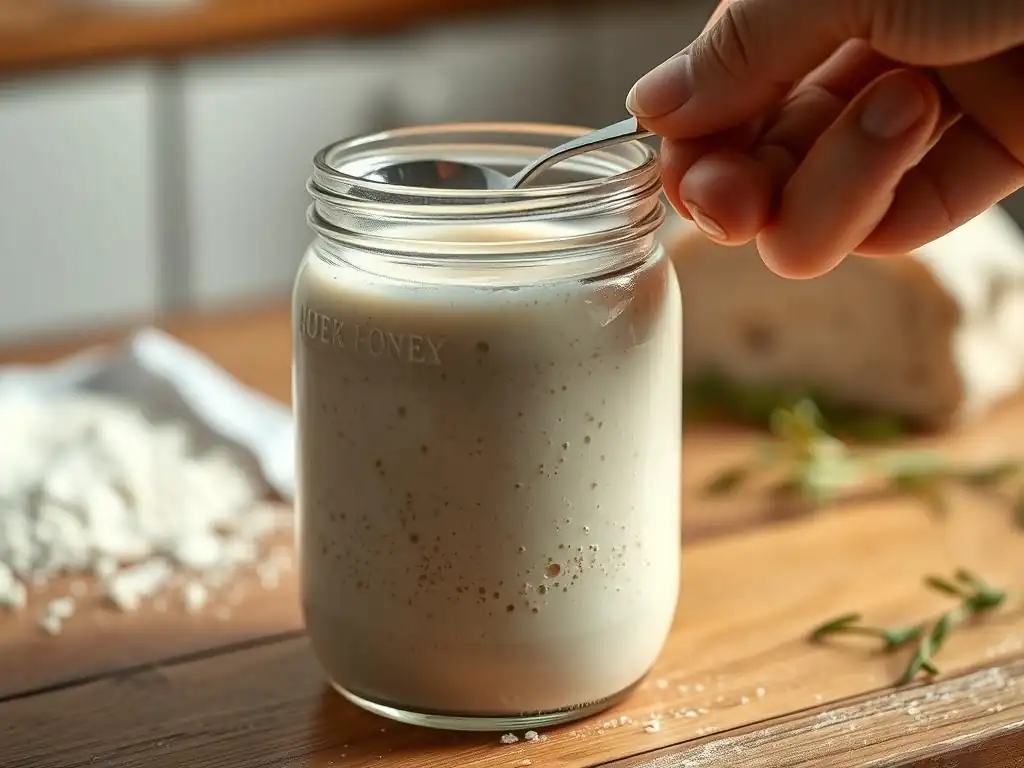
Maintaining a consistent and healthy sourdough starter aroma is largely dependent on adhering to a regular feeding schedule appropriate for your starter's storage method. For a starter kept at room temperature (around 70-75°F or 21-24°C), daily feeding is typically necessary, and sometimes even twice a day if temperatures are warmer or you are using a low feeding ratio (like 1:1:1). Regular feeding ensures that the microbes always have a fresh supply of food, preventing them from becoming overly hungry and producing off-smells like excessive alcohol or sharp acetic acid.
When feeding, always discard a portion of the starter before adding fresh flour and water. This controls the volume and, more importantly, ensures that the fresh food isn't immediately overwhelmed by an excessive population of microbes, which would lead to food being depleted too quickly. A typical feeding schedule might involve discarding down to a consistent amount (e.g., 50g), then feeding with equal parts fresh flour and water (e.g., 50g flour, 50g water).
Consistency in timing (e.g., feeding around the same time each day) also helps the starter establish a predictable fermentation cycle, contributing to a stable, healthy sourdough starter aroma. If storing in the refrigerator, feeding frequency can be reduced significantly, perhaps weekly or even every two weeks, as the cold slows microbial activity.
Proper Storage to Preserve Aroma
How you store your sourdough starter significantly impacts its aroma and overall health. For daily use and maintenance, storing the starter at room temperature is common. Use a clean glass jar large enough to allow the starter to double or triple in volume. Cover it loosely with a lid, plastic wrap, or a cloth secured with a band. A loose cover is important because it allows the carbon dioxide produced during fermentation to escape, preventing pressure buildup and providing some airflow, while still protecting the starter from contaminants.
For longer-term storage or less frequent baking, the refrigerator is the best option. Storing the starter in the fridge dramatically slows down microbial activity, requiring less frequent feeding. Before refrigerating, it's best to feed your starter and let it become active for an hour or two at room temperature, then place it in the fridge.
Use a clean jar with a lid that can be sealed more securely (though still check for pressure buildup periodically if storing for many weeks). While the starter will still ferment slowly in the fridge and develop a stronger, sharper aroma over time, the cold preserves its viability. When you want to bake, take it out, let it warm up, and perform one or more feedings at room temperature until it becomes active and smells like a healthy sourdough starter aroma again.
Tips for Cultivating a Consistently Pleasant-Smelling Starter
Cultivating a consistently pleasant, healthy sourdough starter aroma involves attention to several key factors. Firstly, use good quality, unbleached flour. Different flours impart different characteristics, but a good base flour (like organic all-purpose or bread flour) provides reliable food for the microbes. Filtered or chlorine-free water is also recommended, as chlorine can inhibit microbial activity. Secondly, maintain a consistent feeding schedule appropriate for your temperature and storage method. Avoid letting the starter become overly hungry too often.
Thirdly, hygiene is paramount. Always use clean jars and utensils when feeding or handling your starter to prevent the introduction of undesirable bacteria or mold. Fourthly, monitor the temperature. Keeping your starter within a relatively consistent temperature range (e.g., 70-75°F / 21-24°C for room temp storage) promotes stable fermentation and predictable aroma development.
Finally, pay attention to your starter's cues. Observe its rise, bubble activity, and, of course, its smell. If the aroma starts to shift in an undesirable direction, make small, targeted adjustments to your feeding ratio, frequency, or temperature. Over time, you'll learn what works best for your specific starter and environment to maintain that coveted healthy sourdough starter aroma.
Conclusion: Trust Your Nose for a Successful Sourdough Bake
Mastering the Art of Sourdough Starter Aroma Assessment
Mastering the art of sourdough baking involves learning to communicate with your starter, and one of its primary languages is aroma. The smell test is a simple yet powerful tool that provides immediate feedback on the complex microbial processes happening within your culture.
By learning to distinguish between a pleasant, tangy-yeasty healthy sourdough starter aroma and potentially problematic smells like excessive alcohol, sharp vinegar, or foul odors, you gain a deeper understanding of your starter's state. This skill goes beyond simply following a recipe; it allows you to respond intuitively to your starter's needs, ensuring it is healthy, active, and ready to produce delicious bread.
Developing this skill takes practice. Don't be afraid to smell your starter every day, even multiple times a day, especially as you are learning. Pay attention to how the smell changes after feeding, as it rises, and as it starts to fall. Compare the aroma to visual cues like bubble formation and volume increase.
Note how different temperatures or feeding ratios affect the smell. Over time, you will build a mental library of sourdough aromas and what they signify, enabling you to troubleshoot issues quickly and confidently. Trusting your nose is a fundamental step towards becoming a skilled sourdough baker.
Connecting Smell to Flavor in Your Sourdough Bread
The aroma of your sourdough starter isn't just an indicator of health; it's also a preview of the flavor profile your finished bread will have. The organic acids produced by the lactic acid bacteria (LAB) – primarily lactic and acetic acid – are responsible for both the characteristic tanginess in the starter's smell and the sourness in the bread's flavor. A starter with a pronounced, pleasant tangy aroma, rich in balanced acids, will contribute a lovely depth of flavor to your loaf.
If your starter has an overly sharp, vinegary smell (high acetic acid), that sharp tang is likely to carry through into your bread. If it smells strongly of alcohol, it might indicate a less vigorous starter that could lead to a flatter loaf with a less complex flavor, as the peak fermentation potential has passed.
A healthy sourdough starter aroma, indicating a balanced and active culture, is key to developing the nuanced, complex flavors that make sourdough bread so unique and satisfying. By paying attention to the smell of your starter and ensuring it's healthy and ripe, you are directly influencing the quality, rise, and delicious flavor of your homemade sourdough loaf.
Frequently Asked Questions
What does a healthy sourdough starter aroma typically smell like?
A healthy sourdough starter should have a pleasant, slightly tangy aroma. Many describe it as smelling like fruity yogurt or sour beer. This indicates a good balance of yeast and bacteria activity.
What does it mean if my sourdough starter smells like acetone or nail polish remover?
An acetone or nail polish remover smell indicates an imbalance and overproduction of undesirable bacteria. This usually means the starter is hungry and needs feeding. Increase feeding frequency immediately.
My sourdough starter smells moldy or rotten. Is it safe to use?
A moldy or rotten smell is a strong indication of contamination. Discard the starter immediately as it is unsafe to use. Start with a fresh batch to avoid potential health risks.
How often should I be smelling my sourdough starter to check its health?
You should smell your starter daily, especially before and after feeding. This helps you track its fermentation activity and identify any potential issues early on.
Can the aroma of my sourdough starter tell me when it's ready to bake with?
Yes! A healthy, active starter ready for baking will have a slightly sweet, tangy aroma and be bubbly. This indicates peak fermentation and the best time to incorporate it into your dough.
Final Reflection: The Aromatic Journey of a Thriving Starter
The pungent, yeasty scent of a healthy sourdough starter is more than just a smell; it's a vital sign of a living ecosystem thriving in your kitchen. Ignoring this olfactory cue can lead to a frustrating cycle of failed bakes and discarded starters, highlighting the crucial role aroma plays in sourdough success. Mastering the art of "smelling" your starter's health unlocks a deeper understanding of this fascinating process, transforming sourdough baking from a potentially frustrating endeavor into a rewarding and intuitive craft.
The subtle shifts in aroma – from the slightly sour tang of a young starter to the complex, mature notes of a well-established one – have profoundly impacted my own baking journey. It's a constant reminder of the delicate balance required to nurture this living organism. As the renowned baker, Chad Robertson, once said, Sourdough is a conversation between you and the culture.
This conversation, I've discovered, is often best understood through the language of scent. The aroma acts as a constant feedback loop, guiding adjustments in feeding schedules and storage conditions, ultimately leading to a more consistent and flavorful final product.
Now, it's your turn to engage in this aromatic dialogue. Take a moment to truly smell your starter. What does it tell you? Does it whisper of vibrant health or hint at potential problems? By paying close attention to these subtle olfactory cues, you'll not only improve your sourdough baking but also cultivate a deeper appreciation for the intricate processes at play in this ancient craft. Embrace the smell test – it's the key to unlocking the full potential of your sourdough starter and the delicious breads it can create.
Unleash Your Inner Bread Whisperer: Mastering the Art of Sourdough Aroma
Thanks for joining us on this aromatic journey into the world of sourdough! We hope you gained valuable insights into using your nose to diagnose your starter's health. Now it's time to put your newfound knowledge into practice.
- Conduct your own aroma analysis: Grab your starter and take a deep sniff! Note the subtle nuances – is it tangy, yeasty, or perhaps a little off? This regular check-in will become your secret weapon for sourdough success.
- Share your sensory discoveries: Tell us about the unique aromas your starter is producing in the comments below. Let's build a community of bread whisperers!
- Explore different flour types: Experiment with different flours to see how they affect your starter's scent and overall health. You might discover a whole new dimension of flavor!
What intriguing aroma is your sourdough starter revealing today?