
Sourdough Discard Popovers: Light, Airy, & Effortless


Welcome to BakeWithEase, where delicious baking becomes delightfully simple! Ever wondered what to do with that sourdough discard? Prepare to be amazed! Our latest article unveils a Sourdough Discard Popovers Recipe so light and airy, you won't believe how effortless they are to create. Intrigued? Discover the secrets to transforming your discard into golden, irresistible popovers, and unlock a whole new world of flavor. Let's bake!
- BakeWithEase Presents: The Ultimate Sourdough Discard Popovers Recipe
- What are Sourdough Discard Popovers and Why You'll Love Them
- Mastering the Perfect Sourdough Discard Popovers: Ingredients and Equipment
- Step-by-Step Guide: Baking Sourdough Discard Popovers
- Troubleshooting Sourdough Discard Popovers: Common Issues and Solutions
- Variations and Additions: Elevating Your Sourdough Discard Popovers
- Serving and Storing Sourdough Discard Popovers
- Sourdough Discard Baking: Beyond Popovers
- Enjoy Your Homemade Sourdough Discard Popovers!
-
Frequently Asked Questions
- What is sourdough discard and why is it used in this popover recipe?
- What makes sourdough discard popovers light and airy?
- Can I use active sourdough starter instead of discard in this recipe?
- What's the best way to ensure my sourdough discard popovers puff up properly?
- How long can I store leftover sourdough discard popovers?
- Final Reflection: The Unexpected Joy of Sourdough Discard
- Unleash the Popover Power of Your Sourdough Discard!
BakeWithEase Presents: The Ultimate Sourdough Discard Popovers Recipe
Welcome to BakeWithEase, where we transform baking challenges into delightful successes! Today, we're diving into a wonderfully simple yet impressive creation: sourdough discard popovers. If you're on a sourdough journey, you know the constant stream of discard can feel like a burden. But what if that discard could be the secret ingredient to incredibly light, airy, and perfectly golden popovers? This sourdough discard popovers recipe is designed to do just that, turning potential waste into a delicious treat perfect for breakfast, brunch, or even dinner.
Forget complicated techniques or lengthy proofs. This recipe for sourdough discard popovers focuses on simplicity and reliability, ensuring even novice bakers can achieve stunning results. We'll guide you through each step, from gathering your ingredients to pulling those magnificent, puffed-up creations from your oven. Get ready to discover a new favorite way to use your sourdough discard and impress everyone with your baking prowess!
What are Sourdough Discard Popovers and Why You'll Love Them
Sourdough discard popovers are a delightful twist on the classic popover, incorporating unfed sourdough starter (the discard) into the batter. Traditional popovers rely solely on a thin batter and high oven heat to create their characteristic hollow, airy structure. By adding sourdough discard, we introduce a subtle tang and depth of flavor that elevates the simple popover to something truly special. They get their name because the batter "pops over" the sides of the muffin or popover tin as they bake.
You'll love this sourdough discard popovers recipe not just for the unique flavor, but for its practicality. It's a fantastic way to utilize that often-discarded portion of your starter, reducing food waste and adding value to your baking routine. The process is relatively quick compared to many sourdough bakes, making it an accessible option for a weekend treat or even a weeknight side dish. Plus, the dramatic puff of a perfectly baked popover is incredibly satisfying!
Understanding Sourdough Discard & Its Baking Potential
Sourdough discard is essentially the unfed portion of your sourdough starter that you remove before feeding it. While it doesn't have the leavening power of an active, bubbly starter, it's packed with flavor developed during fermentation. This flavor profile can range from mildly tangy to pleasantly sour, depending on the age and health of your starter. A typical discard might be made from equal parts flour and water, often maintained at a 1:1 ratio, and stored in the refrigerator after feeding.
Using sourdough discard in baking, particularly in recipes that don't rely solely on it for leavening (like this sourdough discard popovers recipe), is a brilliant strategy. The discard contributes acidity, which can help tenderize the crumb and add complexity to the flavor without overpowering other ingredients. Recipes like crackers, pancakes, muffins, and indeed, popovers, benefit greatly from this flavorful addition. For example, a recipe using 100 grams of discard might add a subtle tang that complements rich ingredients like butter and eggs.
Why This Sourdough Discard Popovers Recipe is a Game-Changer
This specific sourdough discard popovers recipe stands out because it's calibrated to deliver maximum puff and minimal fuss. Many recipes for popovers can be finicky, requiring precise temperatures and batter handling. By incorporating sourdough discard, we leverage its unique properties, which seem to contribute to a more robust structure and a slightly richer crust compared to standard recipes. We've found that using about 1/2 cup (around 115-120 grams) of discard in a standard batch provides the perfect balance of tang and texture.
Furthermore, this recipe simplifies the process. It doesn't require multiple long rests or complicated folding techniques. The focus is on creating a smooth, lump-free batter and baking it correctly. Unlike some recipes that might call for chilling the batter for hours, this method allows for a relatively quick turnaround, meaning you can decide to make sourdough discard popovers and have them on the table within an hour, including baking time. It’s a truly effortless way to achieve impressive results.
Mastering the Perfect Sourdough Discard Popovers: Ingredients and Equipment

Crafting the perfect sourdough discard popover requires attention to detail, starting with the right ingredients and equipment. While simple, each component plays a crucial role in achieving that coveted light and airy structure. Using precise measurements, ideally by weight for consistency, will significantly improve your results.
Ensuring your ingredients are at the correct temperature, particularly the milk and eggs, is also important. Room temperature ingredients often mix more smoothly and create a more uniform batter. This section will break down exactly what you need and why, setting you up for success with your sourdough discard popovers recipe.
Essential Ingredients for Light & Airy Popovers
The beauty of this sourdough discard popovers recipe lies in its simplicity. You likely have most, if not all, of these ingredients already in your kitchen. The key is using fresh, quality ingredients.
Sourdough Discard: The Star of the Show
- Use unfed discard, preferably from the refrigerator. It can be anywhere from a few days to a week old.
- The hydration level of your discard (the ratio of flour to water used to feed it) will slightly affect the batter consistency, but this recipe is forgiving. A standard 1:1 hydration is assumed.
- Aim for about 1/2 cup to 3/4 cup (roughly 115-170 grams) of discard per batch, depending on your desired level of tang.
Flour Power: Choosing the Right Flour
- All-purpose flour is the standard choice for popovers due to its moderate protein content, which provides structure without making them tough.
- Using about 1 cup (around 120-130 grams) of all-purpose flour per batch provides the necessary structure for the popovers to hold their shape as they rise dramatically.
- Ensure your flour is fresh and unbleached for best results.
Eggs: Binding and Leavening
- Eggs are critical for both binding the batter and providing leavening through the steam they create when heated.
- This recipe typically uses 2-3 large eggs. Using 3 large eggs (approximately 150-180 grams) per batch adds richness and significant puff.
- Using room temperature eggs helps them incorporate more smoothly into the batter.
Milk: Achieving the Ideal Consistency
- Milk provides the necessary liquid for the batter and contributes to tenderness and browning.
- Whole milk is often preferred for its richness, but 2% milk works well too.
- You'll likely need about 1 cup (around 240 grams) of milk. Warming it slightly (to lukewarm, not hot) can help the ingredients combine more easily, especially with cold discard.
Butter: Adding Flavor and Richness
- Melted butter adds flavor and helps achieve a tender crumb and a slightly crispy exterior.
- Using about 2-4 tablespoons (around 30-60 grams) of unsalted butter is typical for this sourdough discard popovers recipe.
- Melt the butter but let it cool slightly before adding it to the batter to avoid cooking the eggs.
Salt: Enhancing the Flavors
- A pinch of salt balances the flavors and enhances the overall taste, including the subtle tang from the sourdough discard.
- About 1/4 teaspoon of fine sea salt is usually sufficient for a standard batch.
Necessary Equipment for Baking Success
Having the right tools makes baking sourdough discard popovers much easier and helps ensure those impressive results.
Popover Pan: The Key to Tall Popovers
- A dedicated popover pan is highly recommended. Its deep, narrow cups encourage the batter to climb high, creating the signature tall shape.
- Standard popover pans typically have 6 cups, each holding about 1/2 cup of batter.
- If you don't have one, a standard muffin tin can work, but your popovers will be shorter and wider. Using a dark, heavy tin is best for heat distribution.
Mixing Bowls: For Smooth Batter
- You'll need at least two mixing bowls: one for dry ingredients and one for wet ingredients.
- A medium-sized bowl (around 2-quart capacity) is usually sufficient for preparing the batter for a 6-cup popover pan.
- Ensure your bowls are clean and dry before starting.
Whisk: Achieving a Lump-Free Mix
- A wire whisk is essential for combining the ingredients and achieving a smooth, lump-free batter.
- Vigorous whisking helps develop a little gluten and incorporates air, contributing to the popovers' rise.
- A standard balloon whisk works well.
Measuring Cups and Spoons: Precision is Key
- Accurate measuring is crucial in baking, especially with a thin batter like popovers.
- Use dry measuring cups for flour and liquid measuring cups for milk and discard (though weighing discard is more accurate if possible).
- Measuring spoons are needed for salt and any optional additions like vanilla extract.
Step-by-Step Guide: Baking Sourdough Discard Popovers
Baking sourdough discard popovers is a process that relies on technique and temperature. Following these steps carefully will maximize your chances of achieving those dramatic, airy results. The key is preparing the pan correctly, mixing the batter just right, and managing the oven heat effectively.
This sourdough discard popovers recipe is broken down into simple, manageable stages. Don't rush the process, especially the initial high-temperature bake. Patience is truly a virtue when aiming for sky-high popovers.
Preparing the Popover Pan: Ensuring Easy Release
Properly preparing your popover pan is the first critical step to prevent sticking and encourage maximum rise. Many bakers recommend preheating the pan itself in the oven before adding the batter. This thermal shock helps the popovers start rising immediately.
- Place your empty popover pan in the oven while it preheats.
- Once the oven reaches temperature, carefully remove the hot pan using oven mitts.
- Add a small amount of fat to each cup. Melted butter or a neutral oil like vegetable oil works well. Brush the fat generously up the sides of each cup. About 1/2 to 1 teaspoon of melted butter per cup is usually sufficient. This creates a non-stick surface and helps the popovers brown beautifully. Work quickly as the pan is hot!
Mixing the Sourdough Discard Popover Batter: A Detailed Walkthrough
The batter for sourdough discard popovers is thin, similar to crepe batter, and should be smooth. Overmixing can lead to tough popovers, while undermixing can result in lumps.
Combining Dry Ingredients
- In a medium mixing bowl, whisk together the all-purpose flour and salt.
- Ensure there are no lumps in the flour mixture before proceeding. A quick sift can help, though vigorous whisking is often enough.
Incorporating Wet Ingredients
- In a separate bowl, whisk together the milk, eggs, and sourdough discard until well combined. If using melted butter, whisk that in now as well, ensuring it's not too hot.
- Gradually add the dry ingredients to the wet ingredients, whisking continuously. Start by adding about a third of the flour mixture, whisk until mostly combined, then add the next third, and so on.
- Whisk until the batter is smooth and free of lumps. A few small flecks of discard are fine, but you want a generally uniform consistency. Avoid over-whisking once the flour is incorporated; mix just until smooth. The batter should be quite thin, like heavy cream.
Resting the Batter: A Crucial Step
- While not strictly mandatory for this quick sourdough discard popovers recipe, letting the batter rest for 10-30 minutes at room temperature can improve texture.
- Resting allows the flour to fully hydrate and gives the gluten a chance to relax, potentially leading to a more tender popover.
- During this rest period, you can finish preheating your oven and pan.
Baking Sourdough Discard Popovers to Golden Perfection
Baking popovers requires high heat initially to create steam and force the dramatic rise, followed by a lower temperature to cook the interior and crisp the exterior.
Preheating the Oven: Temperature Matters
- Preheat your oven to a high temperature, typically 450°F (230°C). This high heat is crucial for creating the steam needed for the popovers to "pop."
- Ensure the oven has reached the full temperature before placing the popovers inside. An oven thermometer can help verify accuracy.
Filling the Popover Pan: Even Distribution
- Carefully remove the hot, greased popover pan from the oven.
- Pour the batter into each cup, filling them about two-thirds to three-quarters full. Even distribution is key for uniform popovers. For a standard 6-cup pan, this might mean pouring about 1/2 cup (or roughly 120-150ml) of batter into each cup.
- Work relatively quickly to get the pan back into the hot oven.
Baking Time and Temperature: The Sweet Spot
- Place the filled popover pan back into the preheated 450°F (230°C) oven.
- Bake at this high temperature for about 15-20 minutes. You will see them starting to puff dramatically during this time.
- Without opening the oven door, reduce the oven temperature to 375°F (190°C) and continue baking for another 10-15 minutes, or until the popovers are deep golden brown and feel firm. This lower temperature helps cook the insides without burning the outside and prevents them from collapsing.
Avoiding Oven Peeking: Patience is a Virtue
- Resist the urge to open the oven door during the initial high-heat baking period! Opening the door releases the steam and drops the temperature, which can cause your popovers to deflate and not achieve their full height.
- Only open the oven after the temperature has been reduced and the popovers have been baking at the lower temperature for several minutes, just to check for browning and doneness.
Troubleshooting Sourdough Discard Popovers: Common Issues and Solutions
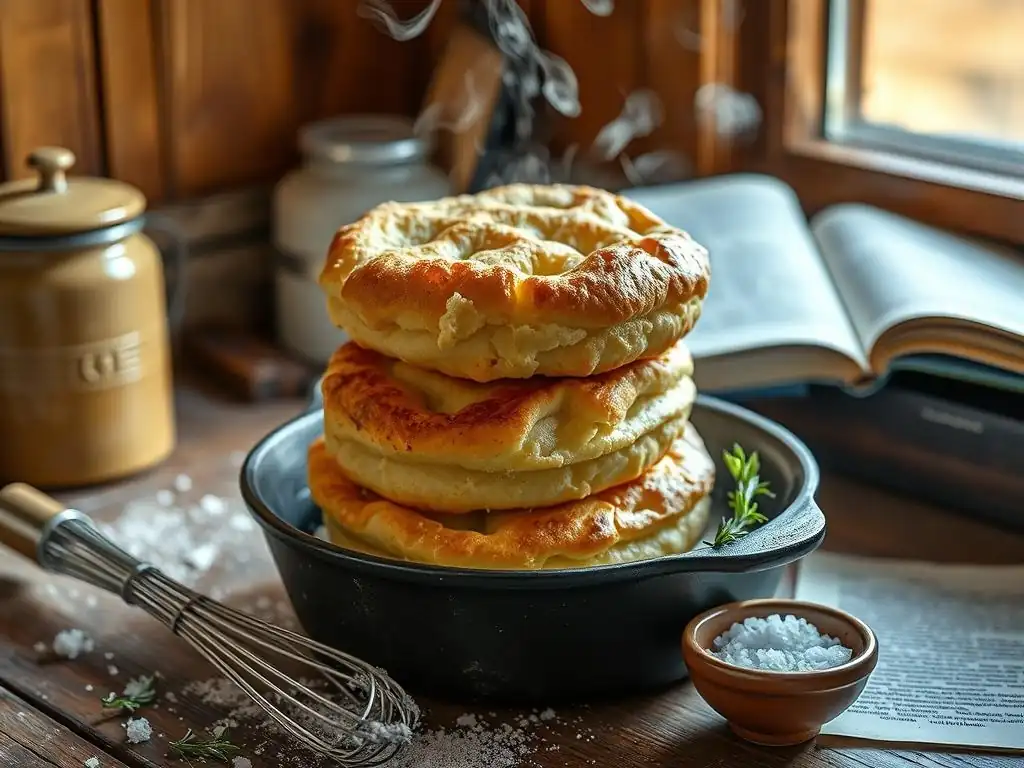
Even with a reliable sourdough discard popovers recipe, sometimes things don't go exactly as planned. Don't get discouraged! Most common popover issues have simple explanations and solutions. Understanding what can go wrong will help you troubleshoot and improve your technique for next time.
Here are a few common problems bakers encounter when making sourdough discard popovers and how to fix them.
Popovers Not Rising? Here's Why
If your sourdough discard popovers come out flat or only slightly puffed, several factors could be at play.
- Oven Temperature: The most common culprit is an oven that isn't hot enough, or opening the door too early. Ensure your oven is accurately preheated to 450°F (230°C) and avoid peeking for the first 15-20 minutes. An oven thermometer is a valuable tool here. A drop of just 20°F (around 10°C) during the crucial initial rise can significantly impact the outcome.
- Pan Not Hot Enough: Putting batter into a cold pan won't give you the same immediate spring as a preheated, hot pan. Always heat your pan in the oven before adding batter.
- Batter Consistency: The batter might be too thick. Ensure you're using the correct ratio of liquid to dry ingredients. Remember, popover batter should be thin like crepe batter. If it seems too thick, a tablespoon or two more milk can help.
- Ingredient Temperature: Using cold milk and eggs can sometimes hinder the initial rise. Using room temperature or slightly warmed milk and eggs can help.
Soggy Popovers: Preventing a Disaster
Soggy bottoms or dense interiors in your sourdough discard popovers are usually a sign they didn't bake long enough or cool properly.
- Insufficient Baking Time: They need enough time at the lower temperature (375°F/190°C) to fully cook through and dry out the interior. If they are beautifully browned but feel heavy, they likely need more time. Try baking for an additional 5-10 minutes at the lower temperature.
- Cooling in the Pan: Leaving popovers in the hot pan after baking traps steam and can make them soggy. As soon as they come out of the oven, immediately transfer them to a wire rack to allow air circulation around all sides.
- Humidity: High humidity on the day you bake can also affect crispness. While harder to control, ensuring they cool quickly on a rack helps mitigate this.
Unevenly Baked Popovers: Achieving Uniformity
Sometimes popovers on one side of the pan are perfect, while others are under or overdone.
- Oven Hot Spots: Most ovens have hot spots. If this is a recurring issue, try rotating the pan halfway through the lower temperature baking period (never during the initial high-heat rise).
- Uneven Filling: Ensure you are pouring roughly the same amount of batter into each cup. Uneven filling leads to uneven baking times. Using a measuring cup to pour the batter can help with consistency.
- Pan Material: Darker pans absorb more heat and can lead to faster browning on the bottom. Lighter, heavier pans tend to distribute heat more evenly.
Popovers Sticking to the Pan: Release Techniques
Popovers should release easily if the pan is properly prepared.
- Insufficient Greasing: Ensure you generously grease the pan cups, including up the sides, after it's been preheated. Melted butter or shortening often works better than spray oils for full coverage.
- Pan Material/Condition: Older pans or pans with scratches might be more prone to sticking. Using a dedicated non-stick popover pan is the best solution.
- Not Releasing Immediately: Once baked, popovers should be removed from the pan almost immediately (carefully, as they are hot) to prevent them from sticking as they cool and contract.
Variations and Additions: Elevating Your Sourdough Discard Popovers
While delicious on their own, sourdough discard popovers are also a fantastic canvas for flavor variations. Whether you prefer sweet or savory, you can easily adapt this basic sourdough discard popovers recipe to create something new and exciting.
These additions are typically mixed directly into the batter just before filling the pan. Start with small amounts and adjust to your preference.
Sweet Sourdough Discard Popovers: Adding Flavors
Perfect for breakfast, brunch, or dessert!
Vanilla Extract: A Classic Touch
- Add 1/2 to 1 teaspoon of pure vanilla extract to the wet ingredients before combining with the dry.
- This adds a lovely aroma and classic sweet flavor that pairs wonderfully with the subtle tang of the discard.
Cinnamon Sugar: A Warm Delight
- Whisk 1 teaspoon of ground cinnamon and 1-2 tablespoons of sugar into the dry ingredients.
- Alternatively, you can brush the tops of the baked popovers with melted butter and dip them in a cinnamon-sugar mixture immediately after baking.
Honey or Maple Syrup: Natural Sweeteners
- Add 1-2 tablespoons of honey or maple syrup directly to the wet ingredients. This adds sweetness and a unique flavor profile.
- Be aware that adding liquid sweeteners can slightly affect batter consistency, so you might need a tiny bit less milk.
Savory Sourdough Discard Popovers: Expanding Your Options
Excellent as a side dish for soup, salad, or roast dinners.
Herbs and Cheese: A Flavorful Combination
- Stir 2-3 tablespoons of finely chopped fresh herbs (like chives, rosemary, thyme) and 1/4 to 1/2 cup of grated cheese (cheddar, gruyere, or parmesan) into the finished batter.
- This adds incredible depth and aroma.
Garlic and Parmesan: An Italian Twist
- Add 1-2 cloves of minced garlic (or 1/2 tsp garlic powder) and 1/4 cup grated Parmesan cheese to the batter.
- This creates a savory popover reminiscent of garlic bread.
Everything Bagel Seasoning: A Crunchy Addition
- Stir 1-2 tablespoons of everything bagel seasoning into the batter.
- Alternatively, sprinkle the seasoning over the tops of the filled popover cups just before baking. This adds a fantastic texture and flavor burst.
Serving and Storing Sourdough Discard Popovers
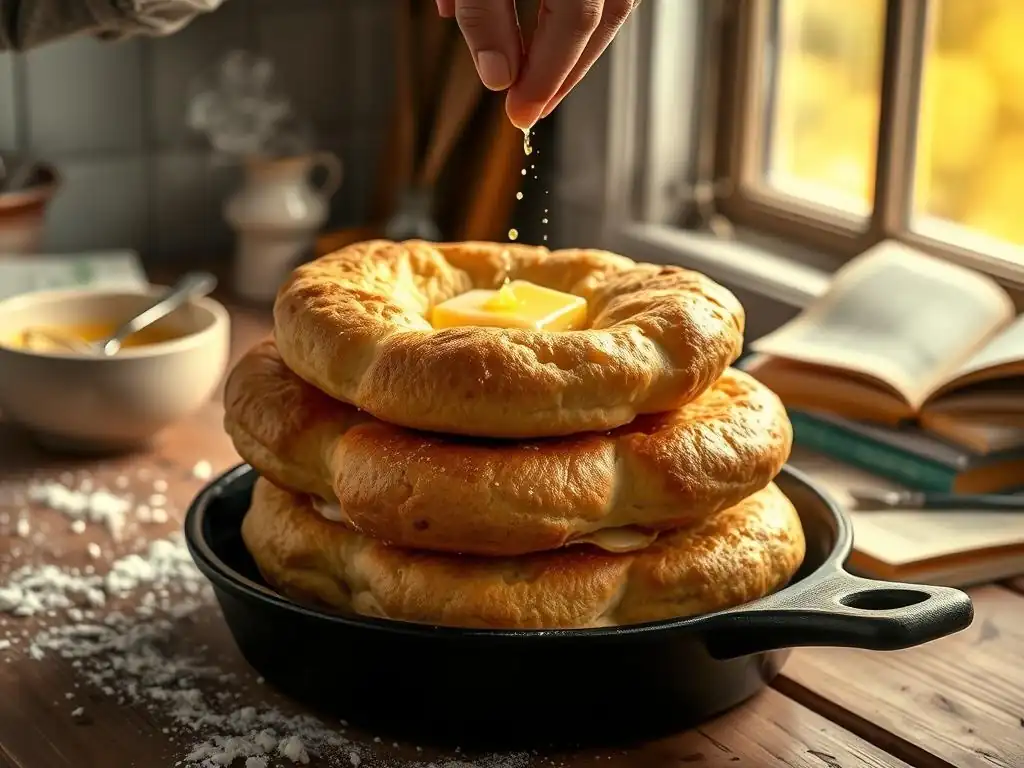
Once your beautiful sourdough discard popovers emerge from the oven, the final steps ensure they are enjoyed at their best and handled properly if there are leftovers.
Best Ways to Enjoy Freshly Baked Popovers
Popovers are absolutely best served immediately, straight from the oven!
- Carefully remove them from the pan and serve them while they are still hot and fully puffed.
- Serve with butter, jam, honey, or maple syrup for a sweet treat.
- Serve with more butter, or alongside savory dishes like roasted meats, stews, or soups. They can also be split and filled with savory fillings like scrambled eggs or smoked salmon. The warm, airy interior is perfect for melting butter or soaking up sauces.
Storing Leftover Popovers: Maintaining Crispness
While best fresh, you can store leftover sourdough discard popovers. However, they will lose their crispness and dramatic puff as they cool.
- Allow them to cool completely on a wire rack.
- Store them in an airtight container at room temperature for 1-2 days. Avoid refrigerating, as this can make them rubbery.
- Note that they will become softer and denser upon cooling.
Reheating Popovers: Restoring Their Airy Texture
You can revive leftover popovers to some extent, restoring a bit of their crisp exterior.
- Preheat your oven to 350°F (175°C).
- Place the popovers directly on the oven rack or a baking sheet.
- Heat for 5-10 minutes, or until warmed through and the exterior feels slightly crisp again.
- They won't reach their original height or airiness, but reheating significantly improves their texture compared to eating them cold.
Sourdough Discard Baking: Beyond Popovers
Mastering this sourdough discard popovers recipe is just the beginning! Your sourdough discard is a versatile ingredient with potential in numerous other baked goods. Using discard is a wonderful way to practice sustainable baking and reduce food waste.
Explore More Sourdough Discard Recipes on BakeWithEase.com
At BakeWithEase.com, we have a growing collection of recipes specifically designed to use your sourdough discard creatively and deliciously. From tangy crackers and fluffy pancakes to moist muffins and quick breads, there's a world of possibilities waiting for you. Look for recipes that highlight the unique flavor discard brings, or those that use it as a tenderizing agent.
Embracing Sustainable Baking: Minimizing Waste with Sourdough Discard
Using sourdough discard is a key aspect of sustainable baking. Instead of throwing away a portion of your starter with each feeding, you transform it into delicious food. This not only saves ingredients but also honors the effort you put into maintaining your starter. Every time you make sourdough discard popovers or another discard recipe, you're participating in a more mindful and efficient baking practice. It feels good to bake something wonderful while also minimizing waste!
Enjoy Your Homemade Sourdough Discard Popovers!
Frequently Asked Questions
What is sourdough discard and why is it used in this popover recipe?
Sourdough discard is the portion of sourdough starter that's removed before feeding. This recipe utilizes discard to add flavor and help reduce food waste, without the need for commercial yeast.
What makes sourdough discard popovers light and airy?
The recipe relies on a hot oven and a high liquid content in the batter. These elements work together to create steam, which causes the popovers to rise dramatically and develop a light, airy texture.
Can I use active sourdough starter instead of discard in this recipe?
While you can, you'll need to adjust the recipe. Reduce the amount of added liquid as active starter contains more moisture. It may also result in a tangier flavor.
What's the best way to ensure my sourdough discard popovers puff up properly?
Preheat your oven thoroughly and use a popover pan or muffin tin. Don't open the oven door during the first half of baking, as this can cause them to deflate.
How long can I store leftover sourdough discard popovers?
Leftover popovers are best enjoyed fresh. They can be stored in an airtight container at room temperature for up to a day, but they will lose some of their crispness.
Final Reflection: The Unexpected Joy of Sourdough Discard
The humble sourdough discard, once destined for the compost bin, has been transformed into something truly extraordinary: light, airy, and effortlessly delicious popovers. This recipe isn't just about utilizing waste; it's about unlocking a new level of flavor and texture in your baking, proving that even the "leftovers" can be the stars of the show. The simplicity of the process belies the impressive results, making this recipe accessible to both seasoned bakers and enthusiastic beginners alike.
The impact of this simple recipe extends beyond the kitchen table. It speaks to a growing awareness of sustainability and resourcefulness in cooking. We're increasingly mindful of reducing food waste, and this recipe offers a practical and delicious solution. It's a testament to the power of creativity in the face of limitations, reminding us that even seemingly insignificant ingredients can yield remarkable results. Waste not, want not
– a timeless adage that finds new meaning in the transformation of sourdough discard into these delightful popovers.
Now, consider your own baking journey. What seemingly insignificant ingredients or "leftovers" might you be overlooking? I encourage you to experiment, to embrace the unexpected, and to discover the hidden potential within your pantry. Don't be afraid to try this recipe – the fluffy, golden-brown perfection of these popovers is a reward well worth the effort, and a testament to the joy of resourceful baking. Let the aroma of freshly baked popovers fill your kitchen and inspire your next culinary adventure.
Unleash the Popover Power of Your Sourdough Discard!
Thanks for joining us on this baking adventure! We hope you’ve discovered the amazing potential hidden in your sourdough discard. Ready to put those newfound skills to the test?
- Bake a batch of these incredible popovers today! Use that discard and transform it into something truly delightful. The recipe is waiting for you (you'll find the link at the top of the article).
- Share your popover creations! Show us your fluffy masterpieces on social media using #BakeWithEasePopovers. We'd love to see them!
- Experiment with different flavors: Add herbs, cheese, or even sweet additions – the possibilities are endless! Let your creativity flow.
What unexpected ingredient will you add to your next sourdough discard popover batch? Let us know in the comments below!