
Sourdough Discard Quick Bread: Use Your Discard Instantly

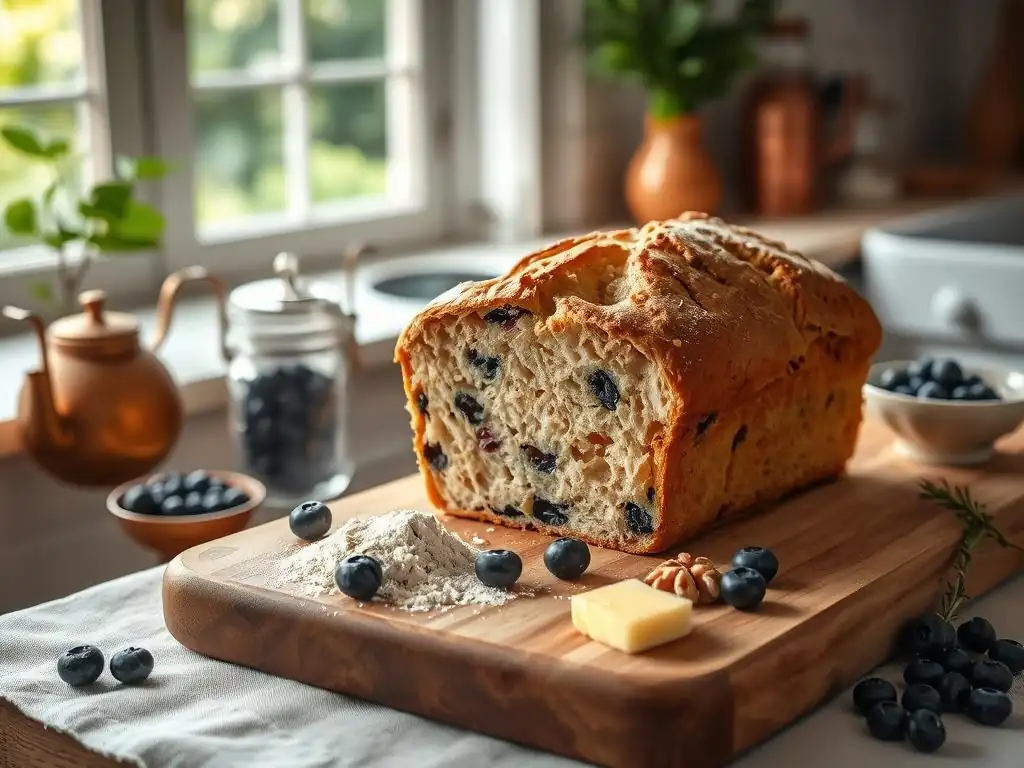
Welcome to BakeWithEase, your haven for unlocking the secrets of delicious baking! Ever wondered what to do with that sourdough discard besides, well, discarding it? We've got the answer. Dive into our guide for a sensational sourdough discard quick bread recipe that transforms your leftover starter into a delightfully tangy and satisfying loaf. Discover how simple it is to create a masterpiece – and perhaps more importantly, what unique flavors await you. Ready to bake?
- Introduction to Sourdough Discard Quick Breads
- The Ultimate Sourdough Discard Quick Bread Recipe: A Beginner-Friendly Guide
- Step-by-Step Instructions: Baking Your Sourdough Discard Quick Bread
- Sourdough Discard Quick Bread Variations: Explore Flavor Combinations
- Tips and Tricks for the Best Sourdough Discard Quick Bread
- Mastering Sourdough Discard Baking: Beyond Quick Bread
- Frequently Asked Questions About Sourdough Discard Quick Bread
- Conclusion: Enjoying Your Homemade Sourdough Discard Quick Bread
-
Frequently Asked Questions
- What exactly is sourdough discard, and why is it useful in baking?
- Can I use sourdough discard straight from the fridge in this quick bread recipe?
- What are some variations I can make to this sourdough discard quick bread recipe?
- How long does sourdough discard quick bread typically last?
- What makes this sourdough discard quick bread recipe different from other quick bread recipes?
- Final Reflection: Unlocking the Potential of Sourdough Discard
- Unleash the Flavor: Bake Your Sourdough Discard Today!
Introduction to Sourdough Discard Quick Breads
Quick breads are a fantastic category of baked goods that rely on chemical leaveners like baking soda or baking powder, rather than yeast, to rise. This means they don't require the lengthy proofing time associated with traditional yeasted breads. Think muffins, scones, banana bread, and, yes, quick loaves. When you introduce sourdough discard into a quick bread recipe, you add a unique depth of flavor and moisture without needing to wait for the starter to become active. It's an ingenious way to reduce food waste and enhance your baking.
Incorporating sourdough discard into quick breads is a popular technique among bakers looking to utilize the unfed portion of their sourdough starter. This type of baking is particularly appealing because it offers a delicious solution for that excess discard that accumulates with regular starter feeding. Instead of tossing it, you can transform it into flavorful treats. The slight tang from the discard complements both sweet and savory quick bread recipes, adding complexity that you just can't get from standard recipes. It's a simple yet effective way to elevate your baking game.
Why Bake with Sourdough Discard?
Baking with sourdough discard offers several compelling benefits. Firstly, it's an excellent way to minimize waste from maintaining a sourdough starter. Every time you feed your starter, you typically remove a portion, and this "discard" is perfectly usable in many recipes. Using it in a sourdough discard quick bread recipe means you're not throwing away flour and water, contributing to a more sustainable baking practice in your kitchen. It feels good to know that your starter maintenance is contributing to delicious outcomes.
Secondly, sourdough discard adds a unique flavor profile to baked goods. While not active enough to provide significant leavening in most discard recipes (unless paired with chemical leaveners or active starter), it imparts a subtle tang and complexity. This nuanced flavor can enhance the taste of your quick breads, making them stand out. Beyond flavor, the hydration from the discard can also contribute to a wonderfully moist crumb, a desirable quality in any quick bread. It's a win-win for flavor and texture.
What is Sourdough Discard and How to Store it
Sourdough discard is the unfed portion of your sourdough starter that you remove before refreshing it with new flour and water. It's essentially a mixture of flour and water that has been inoculated with wild yeast and bacteria but hasn't been fed recently enough to be vigorously active for leavening traditional bread. The consistency can vary depending on your starter's hydration level, but it's typically a thick, bubbly batter when relatively fresh. While it won't make a loaf rise on its own, it's packed with flavor and moisture, making it perfect for a sourdough discard quick bread recipe.
Storing sourdough discard is straightforward. The easiest method is to keep it in a sealed container in the refrigerator. This significantly slows down the fermentation process. You can simply add new discard to the same container each time you feed your starter. Discard can be stored this way for a week or two, sometimes even longer, though its acidity will increase over time. For longer storage, you can freeze discard in portioned amounts; simply thaw it in the refrigerator before using it in your sourdough discard quick bread recipe or other discard creations.
The Ultimate Sourdough Discard Quick Bread Recipe: A Beginner-Friendly Guide
This sourdough discard quick bread recipe is designed for simplicity and delicious results. It's a perfect entry point for using your discard and requires minimal fuss. The base recipe is adaptable, allowing you to easily add your favorite sweet or savory mix-ins later. We'll focus on creating a moist, flavorful loaf that highlights the subtle tang of the sourdough discard without being overwhelmingly sour. Follow these steps, and you'll have a fantastic quick bread ready in just over an hour.
Making a sourdough discard quick bread is much faster than baking traditional sourdough loaves because you bypass the long fermentation and proofing stages. This recipe leverages baking powder and baking soda for lift, with the discard contributing primarily to flavor and moisture. It's an ideal project for those spontaneous baking urges or when you realize you have a significant amount of discard accumulated in your fridge. The process is similar to making standard quick breads, with just one key addition: that wonderful, tangy discard.
Ingredients for Your Sourdough Discard Quick Bread
Gathering your ingredients is the first step to baking this delicious sourdough discard quick bread recipe. You'll need standard pantry staples along with your sourdough discard. Ensure your discard is at room temperature for easier mixing, especially if it's been stored in the refrigerator. The hydration of your discard (the ratio of water to flour) will slightly affect the batter consistency, but this recipe is quite forgiving. Most starters are kept at 100% hydration (equal parts flour and water by weight), which works perfectly here.
Here is a list of the main ingredients you will need. Specific quantities will depend on the exact recipe variation, but this gives you a general idea:
- All-purpose flour
- Granulated sugar (or brown sugar for richer flavor)
- Baking powder
- Baking soda
- Salt
- Eggs
- Melted butter or vegetable oil
- Milk or buttermilk
- Vanilla extract (for sweet versions)
- Sourdough discard (unfed, ideally at room temperature)
Essential Baking Tools for Sourdough Discard Recipes
Having the right tools makes baking any sourdough discard quick bread recipe much smoother and more enjoyable. You don't need specialized sourdough equipment like bannetons or lame knives for this type of bake. Standard kitchen and baking tools are all that's required. Cleanliness is key, as always, to ensure the best results and food safety.
Here's a checklist of the essential tools you'll want to have on hand before you start mixing your sourdough discard quick bread batter:
- [ ] Two large mixing bowls (one for wet ingredients, one for dry)
- [ ] Whisk
- [ ] Rubber spatula or wooden spoon
- [ ] Measuring cups and spoons
- [ ] Kitchen scale (optional, but recommended for accuracy)
- [ ] Loaf pan (standard 9x5 inch is common)
- [ ] Parchment paper or baking spray for greasing the pan
- [ ] Wire cooling rack
- [ ] Oven mitts
Step-by-Step Instructions: Baking Your Sourdough Discard Quick Bread
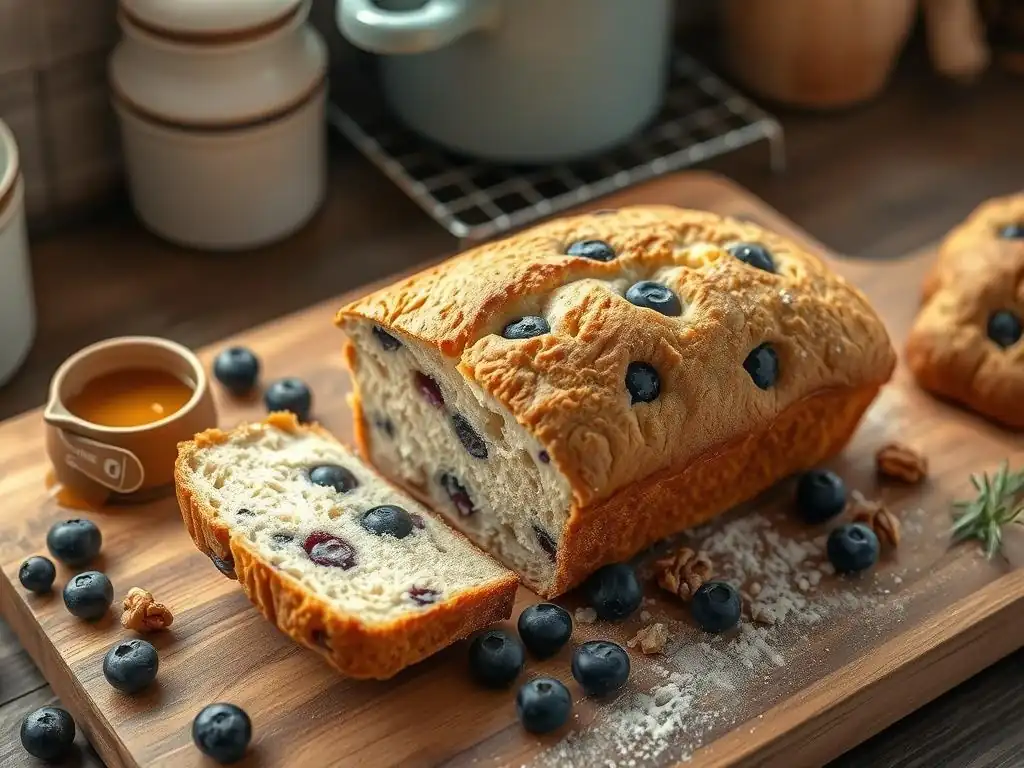
Baking a sourdough discard quick bread is a simple process, often following the standard quick bread method of mixing wet and dry ingredients separately before combining them. The key is not to overmix, which can lead to a tough texture. We'll break it down into easy steps, ensuring success even if you're new to using sourdough discard.
Remember that ovens can vary, so the baking time provided is an estimate. Always check for doneness using a toothpick inserted into the center of the loaf – it should come out clean or with just a few moist crumbs attached. Getting this timing right is crucial for a perfectly baked sourdough discard quick bread.
Step 1: Preparing the Sourdough Discard Batter
Begin by preheating your oven to the specified temperature, typically around 350°F (175°C), and preparing your loaf pan by greasing it or lining it with parchment paper. In a large bowl, whisk together the dry ingredients: flour, sugar, baking powder, baking soda, and salt. Whisking helps distribute the leaveners evenly and aerates the flour slightly.
In a separate, medium-sized bowl, whisk together the wet ingredients: eggs, melted butter or oil, milk (or buttermilk), vanilla extract (if using), and your room-temperature sourdough discard. Whisk until everything is well combined and the mixture is smooth. Ensure the sourdough discard is incorporated without large clumps.
Step 2: Adding Flavors and Mix-Ins to Your Quick Bread
This is where you can customize your sourdough discard quick bread! Once your wet and dry ingredients are prepped, it's time to think about adding extra flavors or mix-ins. Common additions include chocolate chips, nuts, dried fruit, fresh berries, citrus zest, or even cheese and herbs for a savory loaf. Fold these into the dry ingredients before combining wet and dry, or gently fold them into the final batter.
When combining wet and dry ingredients, pour the wet mixture into the dry ingredients. Use a rubber spatula or wooden spoon to gently mix until just combined. A few streaks of flour are okay. Overmixing develops gluten, which can result in a dense, tough quick bread. If adding fragile mix-ins like berries, fold them in very gently at the end.
Step 3: Baking Your Sourdough Discard Quick Bread to Perfection
Pour the batter into your prepared loaf pan, spreading it evenly. You can smooth the top with your spatula. For a nice crackly top, sometimes a light sprinkle of sugar or oats can be added now. Place the pan in the preheated oven.
Bake for the recommended time, usually between 50 to 70 minutes for a standard loaf pan. The exact timing will depend on your oven, the pan material, and any mix-ins. The sourdough discard quick bread is done when the top is golden brown, and a toothpick inserted into the center comes out clean. If the top is browning too quickly, you can tent the loaf loosely with aluminum foil during the last 15-20 minutes of baking.
Step 4: Cooling and Slicing Your Delicious Quick Bread
Once baked, carefully remove the sourdough discard quick bread from the oven. Let it cool in the pan on a wire rack for about 10-15 minutes. This allows the loaf to set slightly before you attempt to remove it. Trying to take it out too soon can cause it to break apart.
After the initial cooling in the pan, invert the loaf onto the wire rack to cool completely. Cooling on a wire rack allows air circulation around the entire loaf, preventing the bottom from becoming soggy. Slice your sourdough discard quick bread only when it has cooled completely for the cleanest cuts and best texture. Enjoy your homemade creation!
Sourdough Discard Quick Bread Variations: Explore Flavor Combinations
One of the best things about a basic sourdough discard quick bread recipe is its versatility. The mild tang from the discard pairs well with a wide range of flavors, both sweet and savory. Don't be afraid to experiment once you've mastered the basic technique. These variations are perfect for using up that discard and keeping your baking exciting.
Consider the season and your pantry staples when choosing your variations. Fall might inspire pumpkin or apple cinnamon sourdough discard quick bread, while summer could call for berry or zucchini versions. The possibilities are nearly endless, turning your discard into a delightful array of quick bread treats.
Sweet Sourdough Discard Quick Bread Ideas
Sweet quick breads are perhaps the most popular application for sourdough discard. The slight acidity of the discard can actually enhance the sweetness and balance richer flavors like chocolate or fruit. These recipes often replace some of the liquid in a standard quick bread with the discard.
A classic example is adapting a banana bread recipe. The tang complements the sweetness of ripe bananas beautifully. Other ideas include adding berries, lemon zest, poppy seeds, or warm spices like cinnamon and nutmeg. These variations of the sourdough discard quick bread recipe are perfect for breakfast, brunch, or a sweet snack.
Sourdough Discard Banana Bread Recipe
Transform your overripe bananas into a moist and flavorful loaf using sourdough discard. A typical sourdough discard banana bread recipe might use about 1/2 to 1 cup (around 120-240 grams) of discard, replacing some of the milk or yogurt usually found in banana bread. This adds a subtle tang that cuts through the sweetness of the bananas.
Beyond the discard and bananas, you'll use standard ingredients like flour, sugar, eggs, butter, baking soda, and perhaps cinnamon or nuts. The process follows the standard quick bread method: mash bananas, mix wet ingredients (including discard), combine with dry, and bake. The discard ensures a tender crumb and a more complex flavor profile compared to a plain banana bread.
Sourdough Discard Chocolate Chip Quick Bread
Chocolate chips are a welcome addition to almost any quick bread, and they work wonderfully in a sourdough discard quick bread recipe. The slight sourness of the discard provides a lovely contrast to the sweet chocolate. You can use semi-sweet, milk, or dark chocolate chips depending on your preference.
Adding about 1 cup (roughly 150-180 grams) of chocolate chips to the basic batter before baking creates a delightful treat. For extra indulgence, you could also swirl in some cocoa powder into the batter itself or add a streusel topping. This sourdough discard quick bread variation is a guaranteed crowd-pleaser.
Savory Sourdough Discard Quick Bread Ideas
Don't limit yourself to sweet! Sourdough discard also shines in savory quick breads. The tang pairs well with cheese, herbs, vegetables, and even spicy elements. These loaves are excellent served alongside soups, stews, or as a flavorful alternative to dinner rolls.
Think about combinations like cheddar and jalapeño, sun-dried tomato and basil, or even a simple herbed loaf. Using sourdough discard in these recipes adds an unexpected depth of flavor that elevates them beyond typical savory quick breads. It's a great way to use discard for a different kind of bake.
Sourdough Discard Cheddar and Herb Bread
A sourdough discard quick bread recipe featuring cheddar and herbs is incredibly satisfying. The sharp, salty cheese melts into the tender crumb, while fresh or dried herbs add aroma and flavor. Good herb choices include chives, rosemary, thyme, or a mixed Italian blend.
You might incorporate about 1 cup (around 110 grams) of shredded cheddar cheese and a few tablespoons of chopped fresh herbs (or 1-2 teaspoons dried) into the batter. This type of sourdough discard quick bread is fantastic served warm with butter or alongside a hearty meal.
Sourdough Discard Jalapeño Cornbread
Give your cornbread a tangy kick by adding sourdough discard and spicy jalapeños. The discard adds moisture and a subtle sour note that complements the sweetness of the cornmeal and the heat of the peppers. This variation creates a uniquely flavorful side dish.
Typically, a sourdough discard cornbread recipe would involve substituting some of the liquid (like milk or buttermilk) with approximately 1/2 to 3/4 cup (120-180 grams) of discard. Add chopped fresh or pickled jalapeños (adjusting quantity to your spice preference) and maybe some shredded cheese like cheddar or Monterey Jack for extra richness.
Tips and Tricks for the Best Sourdough Discard Quick Bread
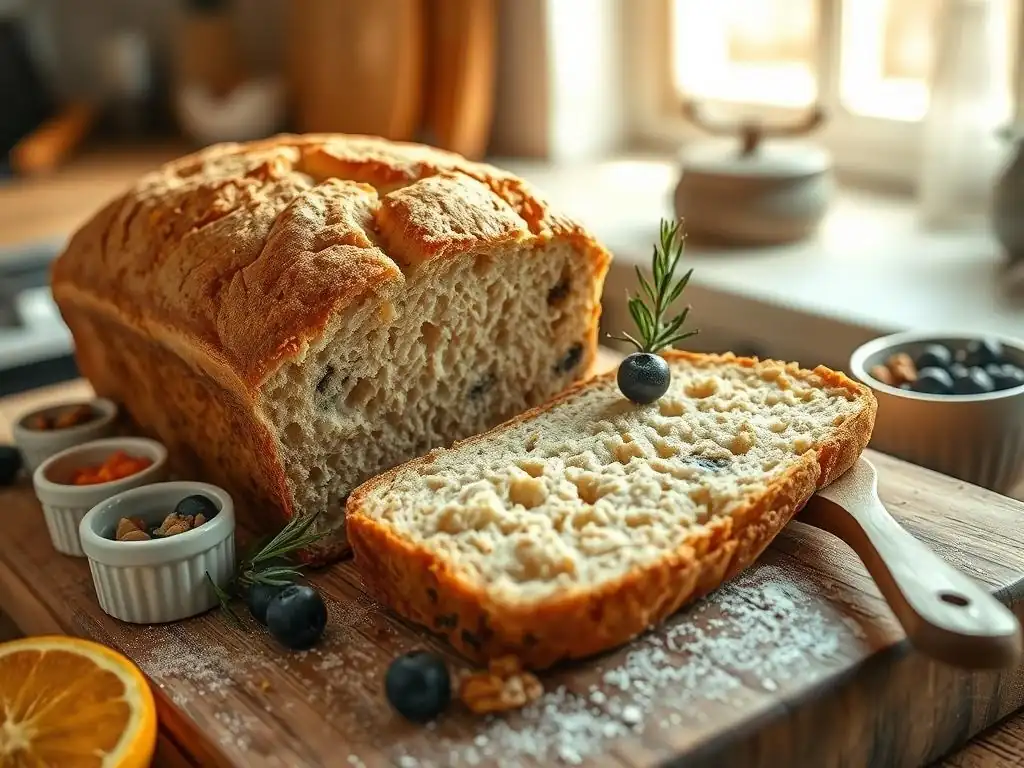
Achieving a consistently great sourdough discard quick bread involves a few key considerations. Paying attention to ingredient temperature, mixing technique, and baking cues can make a significant difference in the final outcome. These tips are based on common baking practices and specific considerations when working with discard.
Remember that baking is also about observation and adjustment. Your kitchen environment, oven calibration, and even the specific characteristics of your discard can influence results. Use these tips as a guide, but don't be afraid to learn from each baking experience.
Achieving the Perfect Texture in Your Sourdough Quick Bread
Texture is paramount in a good quick bread – you want it tender and moist, not tough or dry. The most common culprit for tough quick bread is overmixing the batter. Once the wet and dry ingredients are combined, mix only until the flour streaks just disappear. A few small lumps are preferable to a smooth, overworked batter.
The hydration from the sourdough discard also contributes to moisture. Using room-temperature discard helps it integrate smoothly into the batter without requiring excessive mixing. Additionally, ensuring you don't overbake the loaf is crucial; an overbaked quick bread will inevitably be dry. Follow the baking time guidelines but rely on the toothpick test for confirmation.
Troubleshooting Common Sourdough Discard Baking Problems
Even experienced bakers encounter issues. If your sourdough discard quick bread is dense, it's likely due to overmixing, using expired leaveners (baking powder/soda), or potentially very old, inactive discard that significantly altered the pH without contributing any lift potential. Ensure your leaveners are fresh (test baking powder by adding a teaspoon to hot water; it should bubble vigorously).
If the top of your loaf cracks excessively, this is often normal for quick breads, but a very deep, jagged crack can sometimes indicate the oven was too hot or the batter was slightly too dry. If the center sinks, the loaf was likely underbaked. Trust the toothpick test! Adjusting baking time or temperature slightly on subsequent bakes can help fine-tune your sourdough discard quick bread results.
Storing Your Sourdough Discard Quick Bread for Maximum Freshness
Proper storage helps keep your sourdough discard quick bread moist and flavorful for as long as possible. Once the loaf is completely cooled, wrap it tightly in plastic wrap or beeswax wrap, or place it in an airtight container. Stored at room temperature, it typically stays fresh for 2-3 days.
For longer storage, you can refrigerate the quick bread, which extends its life to about a week. However, refrigeration can sometimes slightly dry out baked goods. For the best long-term storage, quick bread freezes exceptionally well. Wrap the cooled loaf tightly in plastic wrap, then in aluminum foil or a freezer bag. It can be frozen for up to 2-3 months. Thaw at room temperature or gently warm slices.
Mastering Sourdough Discard Baking: Beyond Quick Bread
Using your sourdough discard in quick bread is just the beginning! The versatility of discard extends to many other delicious recipes, offering creative ways to use every bit of your starter. Getting comfortable with using discard opens up a whole new world of baking possibilities in your kitchen.
Exploring other discard recipes helps you understand how the discard interacts in different doughs and batters. It's a fantastic way to hone your baking skills and continue reducing waste. From pancakes to crackers, your discard is a valuable ingredient waiting to be used.
Other Sourdough Discard Recipes to Try
Once you've mastered the sourdough discard quick bread recipe, consider trying other popular discard uses. Sourdough discard pancakes or waffles are a breakfast favorite, offering a slight tang and tender texture. Sourdough discard crackers are another excellent option; they are crispy, flavorful, and easy to make.
Other ideas include sourdough discard scones, muffins, biscuits, pizza crusts, or even pasta. Each recipe utilizes the discard differently, some relying on its flavor and moisture, others pairing it with commercial yeast for a hybrid rise. Experimenting with these different applications will make you a pro at using your sourdough discard.
Understanding Sourdough Discard Fermentation
While discard is often described as "inactive," it's more accurate to say it's not actively rising in the way a fed starter would. It still contains live wild yeast and bacteria, but they are less vigorous due to lack of recent feeding and cooler temperatures if stored in the fridge. This is why chemical leaveners are essential in a sourdough discard quick bread recipe for rise.
The fermentation that has occurred in the discard is what contributes its characteristic tangy flavor. The bacteria (primarily Lactic Acid Bacteria) produce acids, creating that sour note. The longer the discard is stored in the fridge, the more acidic it generally becomes, potentially intensifying the tang in your baked goods. Knowing this helps you anticipate the flavor contribution of your specific discard.
Frequently Asked Questions About Sourdough Discard Quick Bread
It's common to have questions when starting out with sourdough discard baking. Here are some answers to frequently asked questions specifically about making sourdough discard quick bread.
Addressing these common queries helps build confidence and clarifies potential confusion. Baking with discard is approachable, and understanding the basics makes it even easier.
Can I Use Active Sourdough Starter Instead of Discard?
While you can technically use active sourdough starter in place of discard in a sourdough discard quick bread recipe, it's generally not recommended or necessary, and it's not the intended use of active starter. Active starter is usually reserved for recipes where its leavening power is needed, like traditional loaves.
Using active starter in a quick bread recipe that already uses baking powder and soda is redundant for leavening and uses up your valuable active starter unnecessarily. Discard is specifically the portion you don't need for leavening, making it the ideal candidate for this type of recipe where its flavor and moisture are the primary benefits.
How Long Does Sourdough Discard Last?
Sourdough discard, when stored properly in a sealed container in the refrigerator, can last for a considerable amount of time, often several weeks or even months. However, its flavor will become progressively more acidic and tangy the longer it sits.
For most sourdough discard quick bread recipes, discard that is between a few days and two weeks old is ideal, offering a pleasant tang without being overwhelmingly sour. Very old discard (months old) might have a strong, cheesy, or nail-polish remover-like smell and might not be suitable for baking; trust your nose. Freezing discard can preserve it for even longer, up to 2-3 months, with less change in flavor profile.
Can I Freeze Sourdough Discard Quick Bread?
Yes, absolutely! Sourdough discard quick bread freezes beautifully, making it perfect for baking ahead or saving leftovers. Ensure the loaf is completely cooled before freezing to prevent ice crystals from forming.
Wrap the cooled loaf tightly in plastic wrap, then wrap it again in aluminum foil or place it in a freezer-safe bag. For individual portions, slice the cooled loaf before wrapping and freezing. Frozen quick bread can be stored for up to 2-3 months. Thaw wrapped at room temperature or gently reheat slices in a toaster oven or microwave.
Conclusion: Enjoying Your Homemade Sourdough Discard Quick Bread
Baking a sourdough discard quick bread recipe is a rewarding experience. It's a simple, fast way to create a delicious loaf while making good use of your sourdough discard. The resulting quick bread offers a delightful texture and a unique, subtle tang that sets it apart from standard recipes. Whether you opt for a sweet version like banana bread or a savory one like cheddar and herb, you're guaranteed a flavorful outcome.
We hope this guide empowers you to turn your discard into delightful quick breads. This basic sourdough discard quick bread recipe is a fantastic starting point, and we encourage you to experiment with different flavors and mix-ins to find your favorites. Happy baking, and enjoy every slice of your homemade quick bread!
We love seeing what our community bakes! Once you've successfully made your sourdough discard quick bread using this guide, we encourage you to share your results. Show us your beautiful loaves, tell us about the variations you tried, and share any tips you discovered along the way.
Your baking journey is an inspiration to others. Sharing your experiences, successes, and even challenges helps everyone learn and grow as bakers. We can't wait to see the wonderful sourdough discard quick bread creations coming out of your kitchens!
Frequently Asked Questions
What exactly is sourdough discard, and why is it useful in baking?
Sourdough discard is the excess sourdough starter that's removed during feeding. It's useful because it adds flavor and moisture to baked goods, and can be used in recipes like quick breads.
Can I use sourdough discard straight from the fridge in this quick bread recipe?
Yes, you can use sourdough discard straight from the fridge. It doesn't need to be fed or activated beforehand for this particular quick bread recipe.
What are some variations I can make to this sourdough discard quick bread recipe?
You can add chocolate chips, nuts, dried fruit, or spices to customize the flavor. Experiment with different flours, like whole wheat, for a nutty taste and texture.
How long does sourdough discard quick bread typically last?
Properly stored, sourdough discard quick bread will typically last for 3-4 days at room temperature. It's best kept in an airtight container to prevent it from drying out.
What makes this sourdough discard quick bread recipe different from other quick bread recipes?
This recipe utilizes sourdough discard, which imparts a tangy flavor and unique texture. It also reduces food waste by using something that would otherwise be thrown away.
Final Reflection: Unlocking the Potential of Sourdough Discard
The humble sourdough discard, once a discarded byproduct, is now a culinary treasure. This seemingly insignificant element of sourdough baking holds the key to unlocking a world of delicious and sustainable baking possibilities, proving that waste can truly be transformed into wonder. The recipes explored in this article demonstrate that incorporating sourdough discard into quick breads isn't just resourceful, it's incredibly flavorful and efficient.
The shift in perspective surrounding sourdough discard reflects a broader cultural movement towards mindful consumption and reducing food waste. We're increasingly aware of the environmental impact of our food choices, and finding creative ways to utilize every part of our ingredients is becoming more important than ever. This isn't just about saving money; it's about respecting the resources we use and minimizing our environmental footprint. Waste not, want not
– a timeless adage that perfectly encapsulates the spirit of this exploration. The simple act of transforming discarded starter into a delicious loaf connects us to the process of baking in a more profound way, fostering a deeper appreciation for the ingredients and the craft itself.
Now, it's your turn. Don't let that precious sourdough discard go to waste! Experiment with the recipes provided, adapt them to your own tastes, and discover the unique flavors and textures that this versatile ingredient can bring to your baking. Embrace the challenge of transforming something seemingly insignificant into something truly delicious, and share your creations with the world. The journey of sustainable baking is a rewarding one, and your next loaf of sourdough discard quick bread awaits.
Unleash the Flavor: Bake Your Sourdough Discard Today!
Thanks for taking the time to explore the wonderful world of sourdough discard baking! You've now unlocked a secret to reducing food waste and creating delicious bread. Ready to put your newfound knowledge into practice?
- Bake a loaf today: Use the recipe you just learned (or find another favorite!) and transform that discard into a delightful quick bread. Time to get your hands floury!
- Share your creation: Post a picture of your finished loaf on social media and tag us @BakeWithEase – we'd love to see your baking triumphs!
- Explore more discard recipes: Dive deeper into our website and uncover even more ways to utilize your sourdough discard. What other delicious possibilities await?
What exciting flavor combinations will you create with your sourdough discard next?